-
Welcome to the eG Forums, a service of the eGullet Society for Culinary Arts & Letters. The Society is a 501(c)3 not-for-profit organization dedicated to the advancement of the culinary arts. These advertising-free forums are provided free of charge through donations from Society members. Anyone may read the forums, but to post you must create a free account.
All Activity
- Past hour
-
 Bison Tonneau Covers changed their profile photo
 -
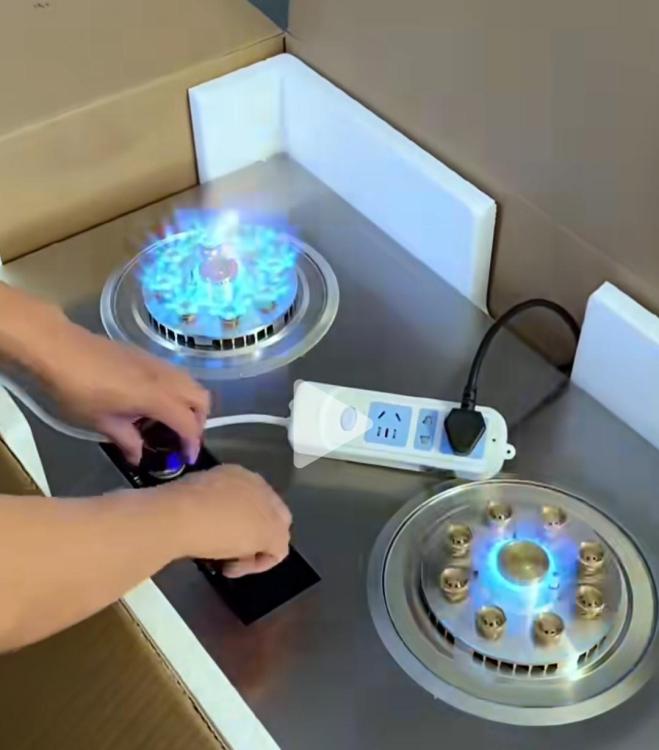
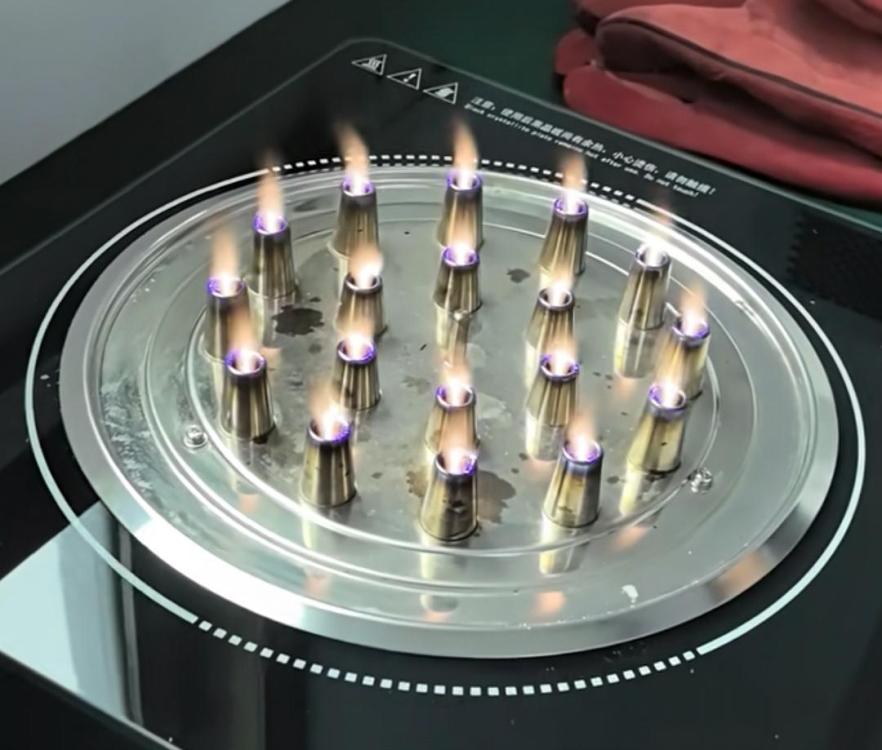
This at Alibaba. Indicates will ship to US if I buy minimum of 2. Though I did not actually try to order. https://www.alibaba.com/product-detail/Plug-and-play-3000W-Plasma-Electric_1601665689139.html?mark=google_shopping&seo=1
-
Seems to me that it's more of a moron multiplier.
-
TikTok is a moron detector.
-
This is why we're doomed.
-
They've been serving crab/seafood boils like this for as long as I can remember. As a kid, we went to Baltimore, partially to have the steamed crabs, and they put newspaper on the table and dump the steamed crabs on top. No one was ever concerned about it being unhealthy since you're not actually eating (or even licking) the outside of the shells that contacts the paper. This has also been a common thing to do in a classic Louisiana crawfish boil.... Just dump them on the table and let everyone gather around and go to town! It's been like that since my grandfather was a kid and who knows how long before that! ETA: for something like spaghetti, hell no! That's just gross...
-
I could see it being a fun one-time thing to do with young kids, but I would do it on a picnic table outside - not in my house!
-
No, thank you! I get that lobster, shrimp and crab boils are served this way but it’s not my cup of tea. Many cuisines are traditionally eaten without utensils but in a very civilized way using bread, rice, etc to gather bites that can be politely popped in one’s mouth. Spaghetti? No way!
-
Yeah, I imagine it works like a bunch of arc welding tips creating arcs to the bottom of your pan. What happens when you lift the pan from the stove top? Too far away and you won't get arcing from the "burner" tips to the pan also, when not touching whatever the pan rests on (which I assume grounds the pan), the circuit is disconnected and the arc stops also.
-
-
The crab boil is a classic version of this, and Alinea has been doing a fine dining dessert version for several years I have not done either, nor do I concern myself with TikTok, but it could be fun.
- Today
-
The restaurant that I was talking about starting out putting the crab boil on newspapers until the Press jumped in. They were outraged about being served on filthy newspapers so the restaurant went to big squares of oil cloth printed like newspaper. Then the health department jumped in and tested the oil cloth. It turns out that they couldn't get that clean enough to meet Health standards and they went back to newspaper because it was more sanitary.
-
A foil covering for the table is probably cleaner than the restaurant plates!
-
Sure. It isn't even on the market yet.
-
It doesn't sound like it's feasible for a restaurant use. It may get there in the future but it's probably got a ways to go yet.
-
To me the whole idea is appalling. I'll never forget the first time (and only time) that I ever had a crab boil. It was in an upscale seafood restaurant. We were a party of four and decided to order the crab boil. We definitely didn't expect them to cover the table with newspapers and dump it all in the middle. I left feeling that I was wearing more than I had consumed. At least everything could be managed by hand, but spaghetti? Not on your life.
-
Welcome, @aliiaashan! What sort of different cuisines do you enjoy learning about, and what do you consider your "baseline" cuisine?
-
I've only had a once and it was a huge seafood selection. I was happy with that. Spaghetti? I don't think so.
-
Here's a different AI take. it mentions ozone. Electric flame cookers (also called plasma cookers) are innovative appliances that use electricity to generate a real, visible flame, similar to a traditional gas stove, but without burning any fuel. Here’s what you need to know: 🔬 Core Technology: Plasma They work on the principle of plasma arc technology. A high-voltage electric current ionizes the air between an electrode and the cookware, creating a superheated plasma arc—this is the visible "flame" you see, which can reach temperatures over 1200°C (2192°F). This technology originated from aerospace engineering for ignition systems. ⚙️ Key Features & How They Work · Electric "Flame": The flame is created purely from electricity and air, so it requires no combustible gas, butane, or propane. · Instant & Adjustable: Like a gas stove, it offers immediate heat when turned on and allows for precise, visual control of the flame's intensity. · Cookware Compatibility: It works best with conductive, flat-bottomed cookware (like stainless steel or cast iron). It may not function correctly with glass, ceramic, or non-magnetic pots. ⚖️ Pros and Cons Here’s a balanced view of its main advantages and current limitations: Pros Cons Safety Higher Initial Cost • No risk of gas leaks, carbon monoxide poisoning, or uncontrolled fuel fires. The flame exists only when the cookware is correctly placed, creating a circuit. • Significantly more expensive to purchase than standard induction or gas cooktops. Convenience Noise & Ozone • Portable; only needs a standard electrical outlet (no gas line required). Easy to install and move. • Can produce a faint buzzing sound and a slight electrical smell (ozone) during operation, which some users find noticeable. Efficiency Market Immaturity • High energy efficiency as almost all electricity is converted directly into heat directed at the pan. • Still a niche product. Limited brand options, and long-term reliability/service networks are not as established as for conventional stoves. Performance Cookware Limitations • Provides the instant visual feedback and rapid temperature control that many chefs prefer, similar to cooking with gas. • Requires specific cookware types; won’t work with non-conductive materials. 📈 Current Market Status Electric flame cookers represent a cutting-edge but still evolving niche in the kitchen appliance market. They are primarily marketed in regions with: · A strong preference for open-flame cooking. · Limited or expensive gas infrastructure. · Growing interest in innovative, safe, and electric-only kitchen solutions. They are best suited for tech enthusiasts, renters who can't install gas lines, or those in well-ventilated spaces seeking a unique combination of electric safety and gas-like cooking performance.
-
Welcome to the forum.
-
I have zero desire to do this.
-
Interesting, but I do have thoughts about the longevity and safety. Typically, plasma is produced by creating a very high voltage (thousands of volts) which is high enough to ionize the air (in this case), creating the plasma. I worry about how long the emitters last before needing maintenance/repair/replacement as constant arcing like that can cause carbonization (covered with soot which will damper performance). Also, the constant ionizing I imagine would create a lot of ozone - I don't know how good it is to breathe that in on a regular basis....
-
It's been common in China's restaurants for a long time.
-
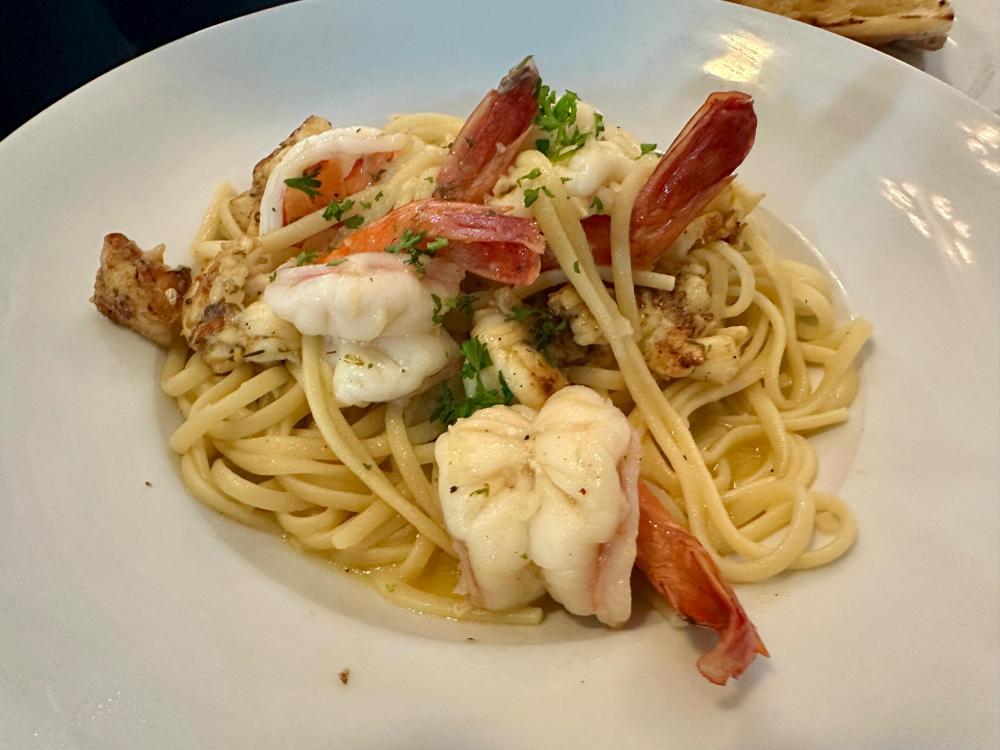
File this under the "strange but not important, I hope" heading. In today's U.S. version of The Guardian they have an article about "dump dinners". No, it isn't the sort of dinner where you throw everything into the slow cooker or casserole dish and cook it. Nor is it the dump cake where you throw everything into the cake pan and bake. Nope. If this article is to be believed, there is now a TikTok fad in which people cover the table with foil and throw all the food onto it. No bowls or plates or flatware. And of course they film and post it. Here's the article, which may or may not be unlocked: The dump dinner: spaghetti is now being served straight on to the table – but why? https://www.theguardian.com/food/2026/feb/03/dump-dinner-spaghetti-served-straight-onto-table-why?CMP=share_btn_url Has anyone else heard of this? I don't have (or want) a TikTok account or the recent US version, so I'm not in a position to confirm it. Maybe it's an outrageous canard.
-
Other than induction, most electric stovetops heat (and cool) way too slowly. I see the difference between High and Low settings, but the Big Q is the actual temperature it's putting out at all settings and whether it quicky heats up (and down). Here is summary from AI. I looked for consumer reviews but found none. I highlighted the part of this AI content that makes me wonder about temperature control (speed of change to temperature). A new development in the Chinese market is an electric stovetop technology that produces an actual, safe electric open flame using plasma, offering the cooking experience of gas without the need for fuel. This is distinct from induction cooktops which might have a simulated, purely visual flame effect. Electric Flame Stovetops Shenzhen Damian Technology Co., Ltd. has developed and patented a unique "Electric Flame Technology" that generates a real, open flame solely through electricity, aiming to provide a gas-free cooking experience. Plug-and-play 3000w Plasma Electric Flame Stove - Safe & Efficient $285.00$570.00 Alibaba.com According to the manufacturer via Alibaba.com, this product does not require any additional fuel and uses high power (3000W) for quick heating, suitable for both household and commercial use. It features a glass surface, plug-and-play functionality, and multiple safety protections. Reviewers on the merchant site note its high power allows food to be cooked quickly, improving efficiency. Summary The primary innovation regarding an actual "electric flame" is the new plasma technology from Shenzhen Damian, while other major brands focus on advanced induction and ceramic technologies, sometimes with simulated flame effects. What are the challenges for Shenzhen Damian Technology's 'Electric Flame Technology' to be widely adopted in the Chinese market? While Shenzhen Damian Technology's plasma "Electric Flame" technology offers a novel alternative to gas, it faces several significant barriers to widespread adoption in the competitive Chinese market: Established Competition and Consumer Trust: The Chinese appliance market is dominated by global giants like Midea and Haier. Newcomers like Damian Technology face low brand recognition and a lack of consumer trust compared to these well-established household names. Infrastructure and Power Requirements: These units often require high power (e.g., 3000W) to operate effectively. In some regions of China, power shortages and infrastructure gaps remain a primary barrier for high-demand electric technology adoption. High Initial Cost: Emerging technologies typically have higher production costs due to specialized components and a lack of economies of scale. High initial investment is often cited as a top barrier for Chinese consumers switching to new energy-saving technologies. Regulatory and Certification Uncertainty: As a "relatively new" technology in China, plasma arc hobs may lack unified national standards and certifications, creating uncertainty for both manufacturers and cautious buyers. Aesthetic vs. Functional Preferences: While the plasma flame mimics the look of gas, some traditional cooking techniques (like the high-heat distribution needed for professional wok cooking) may still be perceived as superior on gas, leading to consumer hesitancy to fully abandon traditional setups.
-
Thank you for the warm welcome! I really appreciate it. I’ve already been browsing around and enjoying the variety of topics here. Looking forward to learning and joining the conversations.

















-
Who's Online 15 Members, 1 Anonymous, 9,695 Guests (See full list)
-
Popular Now
-
-
Recent Forum Images