
liuzhou
-
Posts
16,809 -
Joined
-
Last visited






Recent Profile Visitors
92,911 profile views









-
Rooibos isn't really tea though. It's a completely different species, Aspalathus linearis. The drink is a tisane rather than a tea.
-
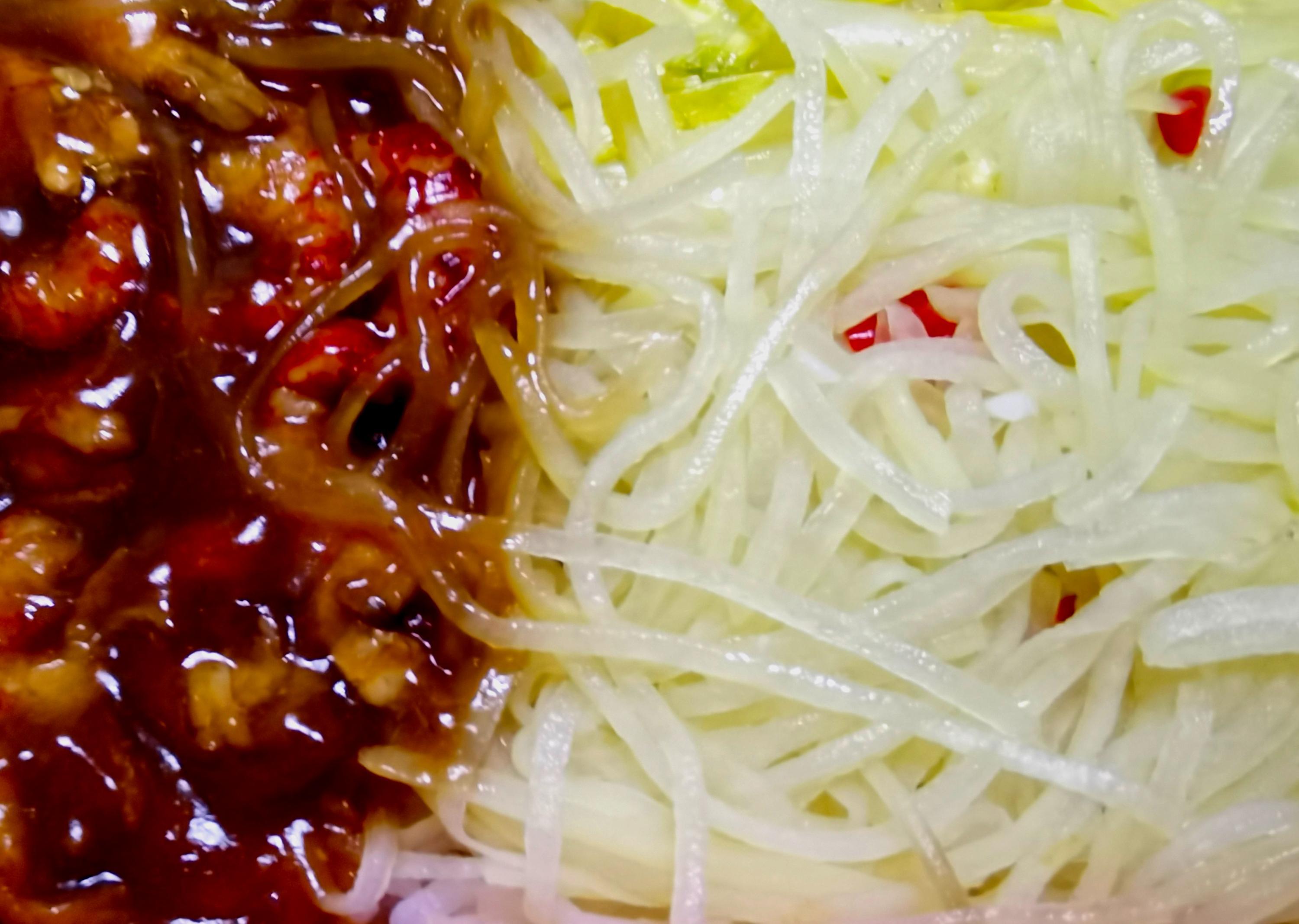
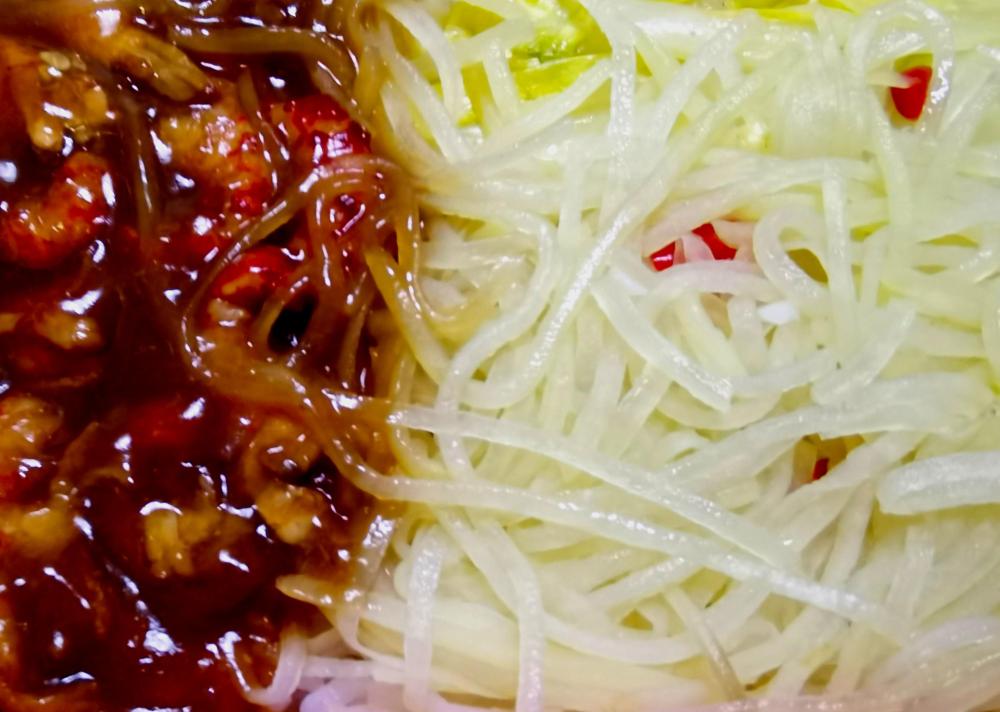
A delivery dinner. Spicy crayfsh with Chinese cabbage and potato slivers over rice.
-
I recently made a kind of kedgeree with basa fish, curry powder, capers, pickles and black garlic. I had no confidence in it working so i never took a picture or posted it, but I'll make it again. It was most enjoyable. The garlic made up for the lack of smokiness in the fish.
-
Given that smell is a subjective sense, I'd give that suggestion a wide berth. What smells bad to you maybe appetizing to someone else. And vice versa. Think some cheeses, stinky tofu, durian etc. Love it or hate it.
-
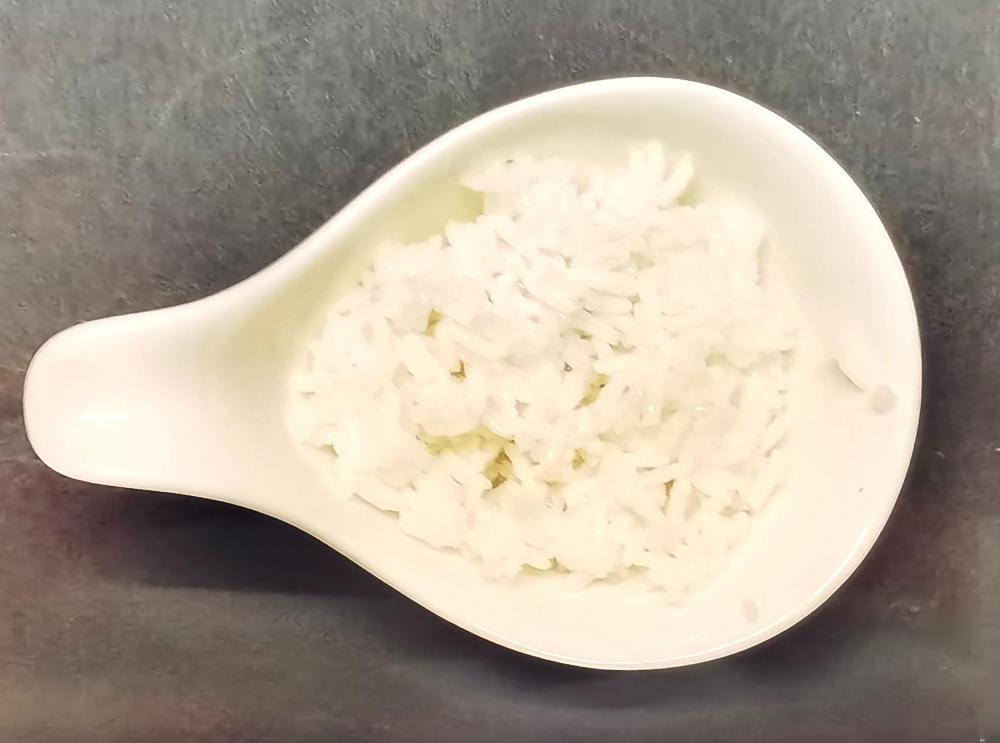
Mi is a minefield. It is pronouced 'mee'. 米 (mǐ) means 'rice' but is seldom used on its own. It also means 'grain'. Uncooked rice is 大米 (dà mǐ), literally 'big rice'. Small rice is 小米 (xiǎo mǐ), which means millet. If you're in restaurant and want rice ask for米饭 (mǐ fàn), literally 'rice food'. This is cooked rice. But as always, watch that falling then rising tone on mǐ. Also be careful of the pronunciation of the /a/ in mǐ fàn. 米粉 (mǐ fěn) is rice noodles. If you accidentally use a falling tone 泌 (mì), instead of ordering rice, you've expressed your desire to excrete, not something your server wants to know. They would prefer if instead fouled up by using a rising tone. 靡 (mí) means to waste money. This they encourage. They're on commission. If you really want to annoy them, when they come and ask you for your order, say 秘密 (mì mì) which means 'it's a secret'. Then we have the great 蜂蜜 / 蜂蜜 (mì fēng) / (fēng mì) mystery. Just reversing the two characters, they are either honey 🍯or bee 🐝. No one knows which is which! Actually they are 蜂蜜 bee / 蜂蜜 honey. Maybe.
-
Never order cheese in a restaurant in China They won't have any. Or if they think they do, it will be that filthy muck known as American cheese, which isn't cheese. But the problem lies elsewhere. Cheese is 芝士🧀 (zhī shi). Exactly the same tones 知识 (zhī shi) will have them convinced you're some sort of Buddhist seeker or similar. It means "knowledge", something restaurants aren't familiar with either.
-
I I'm not a great guacamole fan or a feta aficionado, but I'm coming to steal your clock plate.
-
I apologize if I came across as high-minded or as suggesting that changing a recipe was wrong. Not my intention or inner attitude. I merely meant that adding a trace amount of smoked salt doesn't magically turn a dish into anything that can be described as a smoked dish.
-
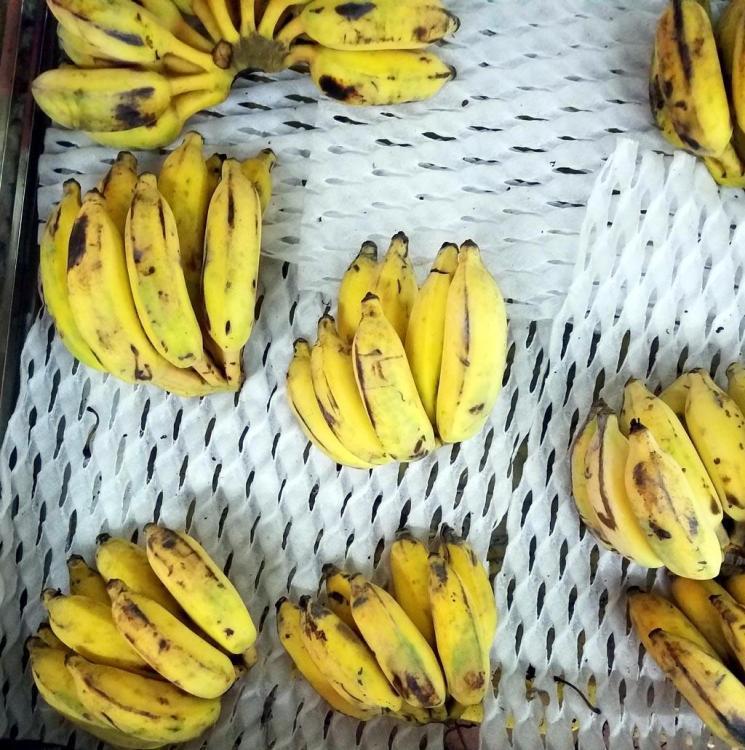
While on the subject of fruit, allow me to suggest not ordering bananas in restaurants. That is dumb in any language. Bananas are 香蕉🍌xiāng jiāo in Mandarin. Two flat high tones. Use a falling tone on the first part, and you ordered a rubber, 橡胶 (xiàng jiāo). Fortunately.this doesn't mean a prophylactic device but still sounds weird. It's just the material.
-
What wasn't clear is why? Dashi is known to be a light but umami rich broth. Do you think the Japanese wouldn't have included smoked salt if it improved it?
-
Never order an apple in a restaurant anywhere but especially in China. 🍎苹果 (píng guǒ) does mean apple but look at the tones. First rising on the píng then a falling - rising on the second. Screw up the second and use the wrong tone you could insult the chef. 平锅 (píng guō) means "pan" and you are implying you are better than they are. Don't forget. They are armed and dangerous.
-
So, you didn't smoke the dashi. You just added some smoked salt?
-
Chinese chefs and cooks are so accustomed to using soy sauce that they offten seem to forget to season any food that doesn't contain their usual go to. This particularly applies to any non-Chinese food. Your fries come salt free. Of course, you can request some 盐 (yán), salt 🧂. Note the rising tone. Screw up and use a flat tone,烟 (yān) and they'll be surprised but will probably manage to bring you the cigarette you have just asked for. Alternatively, use a falling tone, 宴 (yàn) and they will be delighted and rush off to the kitchen to start organizing the feast you just demanded. Try a falling then rising tone , 琰 (yǎn) and they'll think you're demented. Restaurants don't sell gemstones 💎 . Even getting the tone right can be problematic. Use 蜒 (yán) with correct rising and you've just called your server a slug 盐!
-
Just to reinforce @pastrygirl's point about tradition "Marcella Hazan changed how we cook and experience Italian food. A disabled woman trained as a scientist, Marcella never cooked until she immigrated to America. But through her cookbooks and teaching -- and an uncompromising commitment to Italian tradition -- her impact was felt in millions of American home kitchen." https://marcellafilm.com/ Ghee is an Indian tradition. Why doesn't she make spaghetti curry? Butter is a relatively unused ingredient in Italian cuisine, its use being confined mainly to the north, where this dish presumably originated.
-
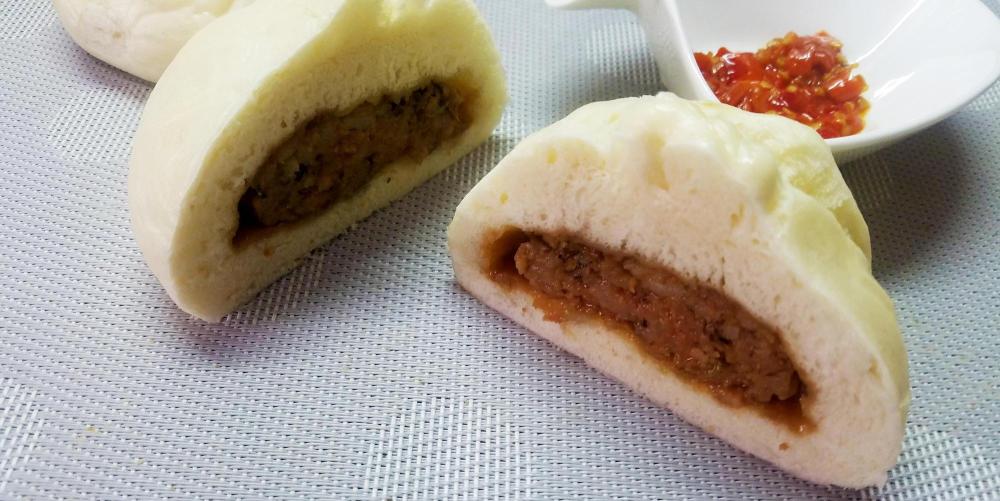
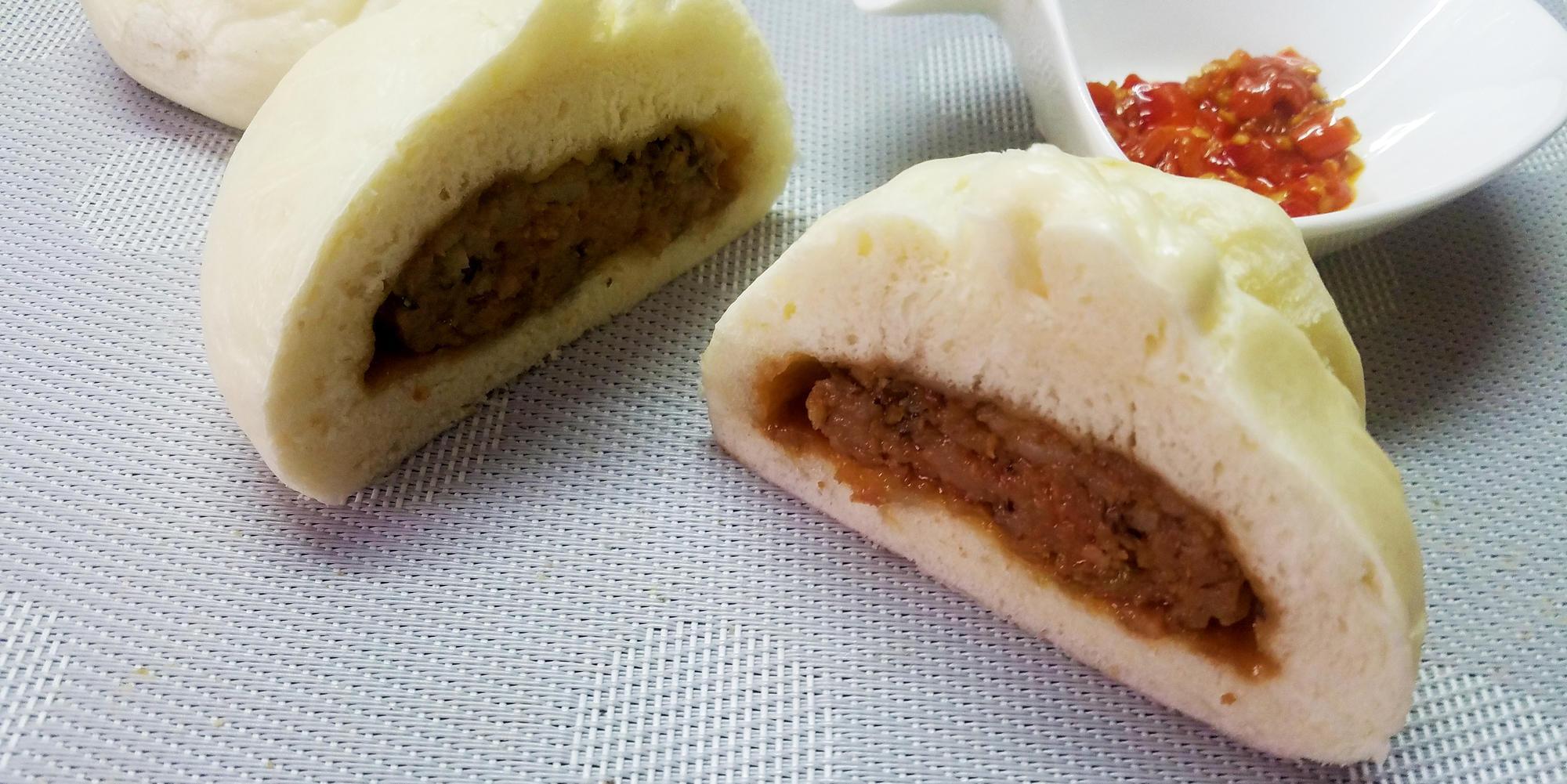
Some mornings, I like to breakfast on 包子 (bāo zi), steamed stuffed buns. The first part has a high flat tone, while zi is always toneless*. Get the tone wrong, 豹子 bào with a falling tone and you have just asked for a leopard for breakfast. Not my favourite way to start the day. * zi is meaningless other than it is used as a noun marker. It appears on many nouns.