
Smithy
-
Posts
13,783 -
Joined
-
Last visited
Content Type
Profiles
Forums
Store
Help Articles
Everything posted by Smithy
-
That's a brilliant design, and new to me. I wonder whether those are still made - and if not, why not?
-
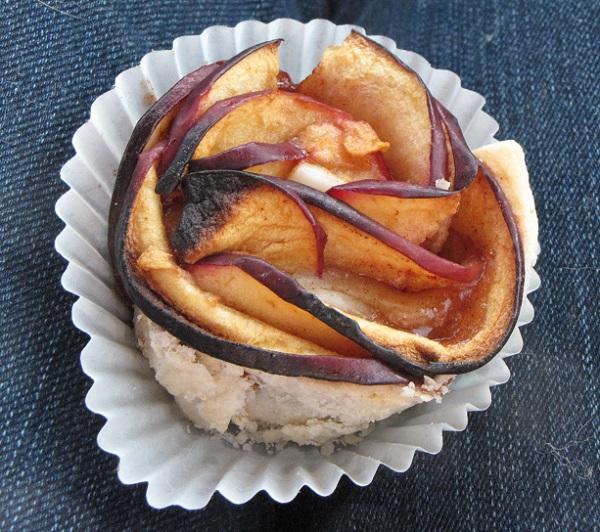
IowaDee nailed it. This isn't the first pizza stone I've broken, and I fear it won't be the last, but I think I set a record for short life for one; I bought this late in October. Here's a teaser from our next stop: Any guesses about it?
-
Thanks for the compliment, Porthos!Yes, we're headed west. I still have family and friends in California, so we plan to be there soon. Where exactly and how long depends on the weather, but the general plan is to be with family for Christmas.
-
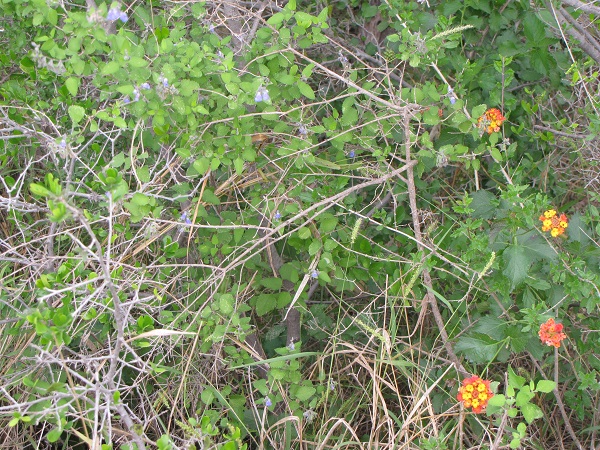
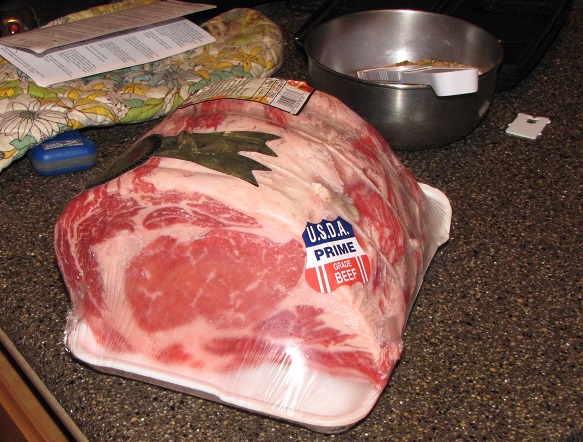
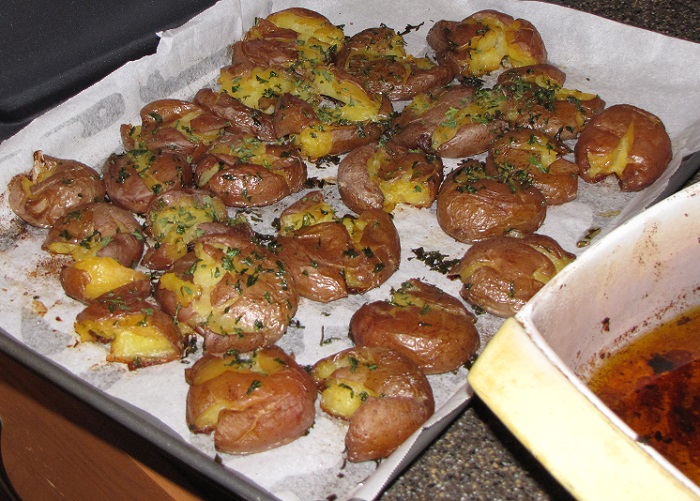
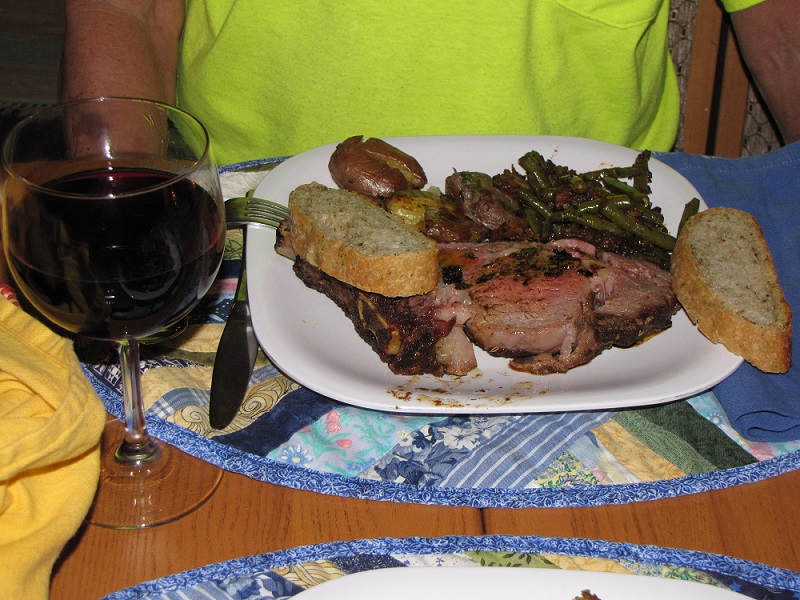
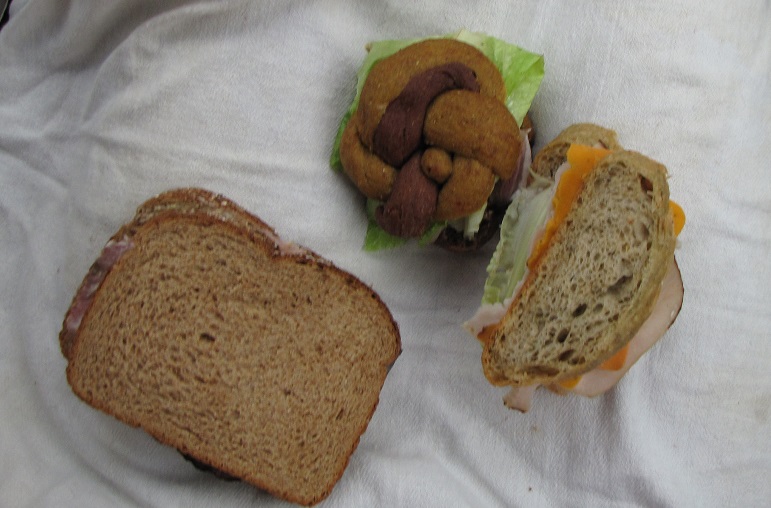
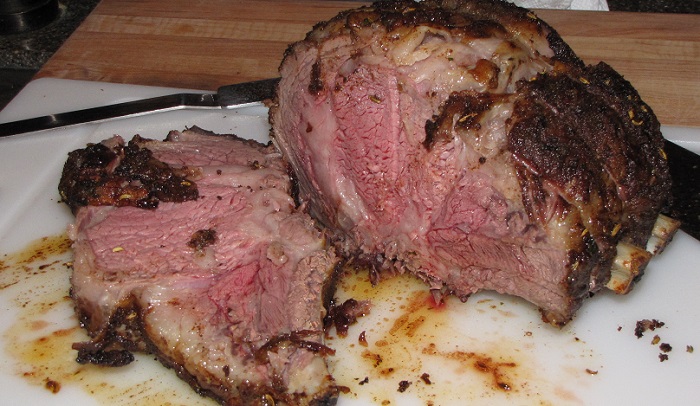
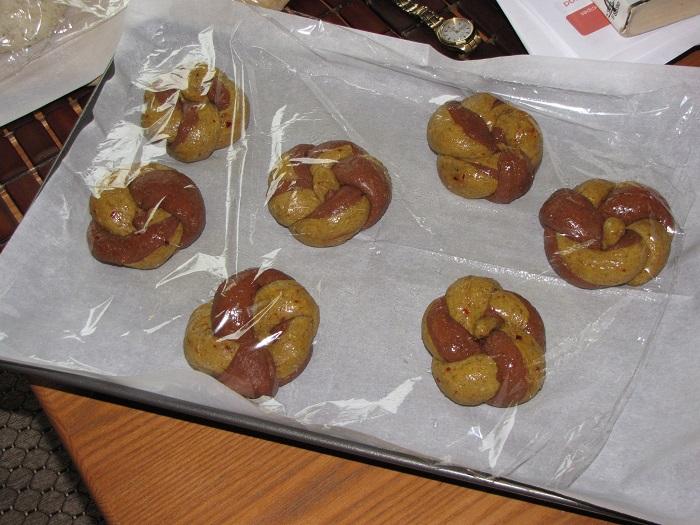
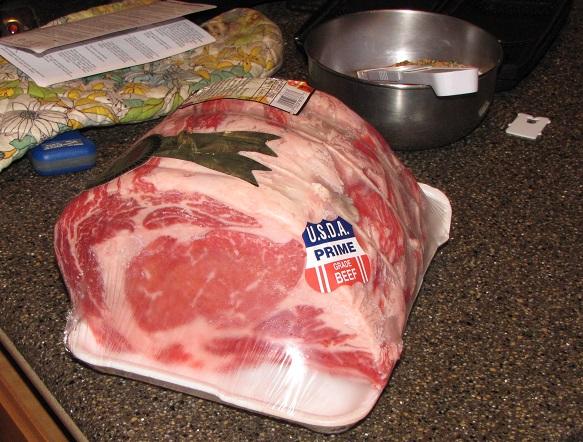
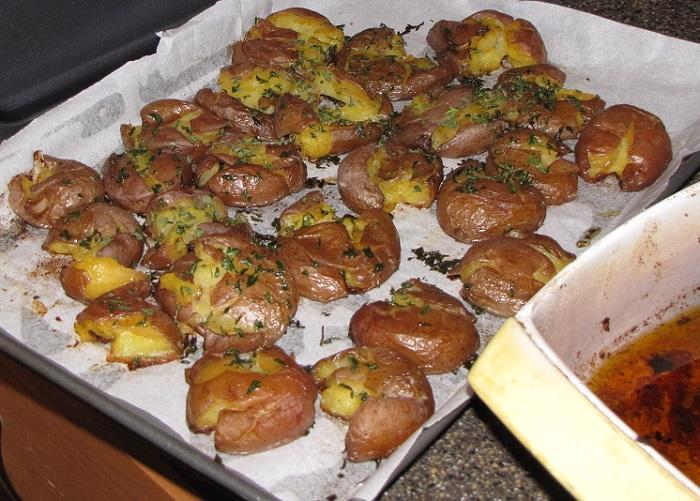
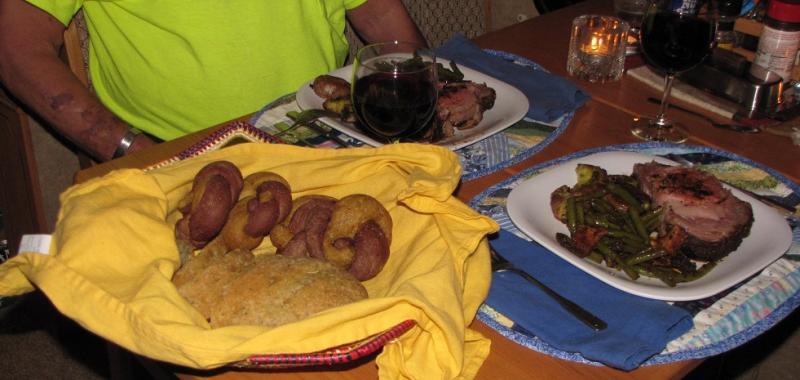
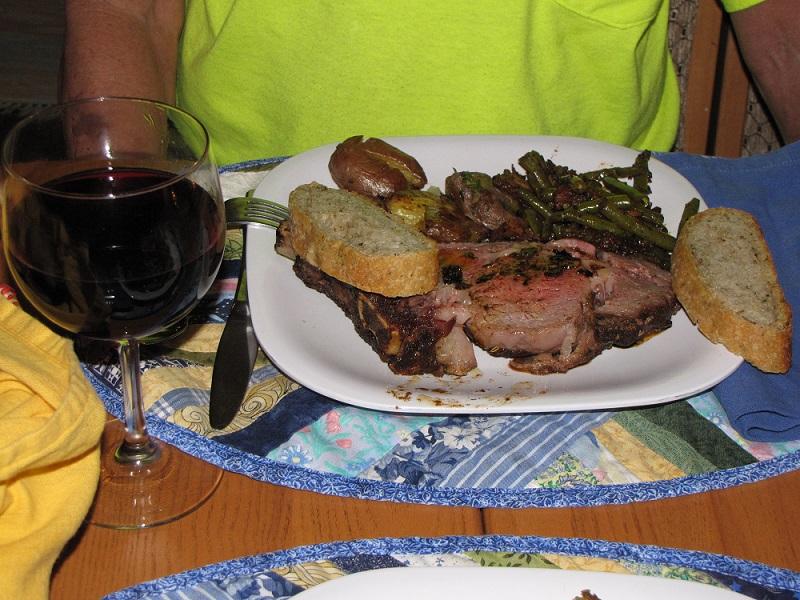
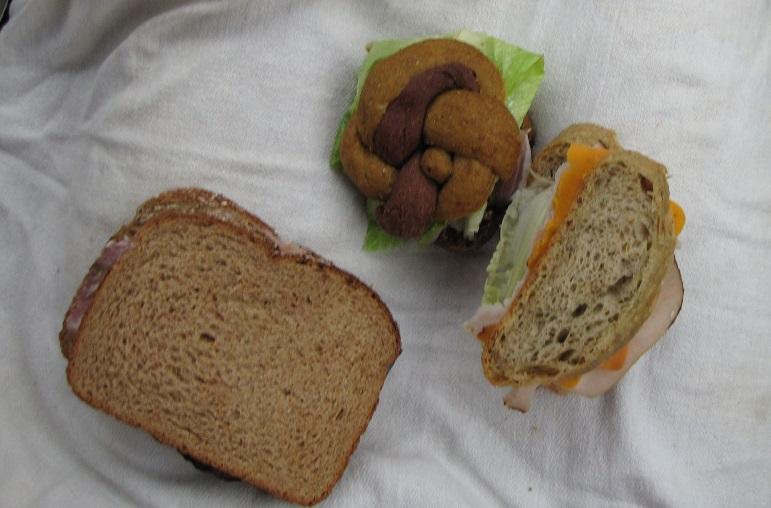
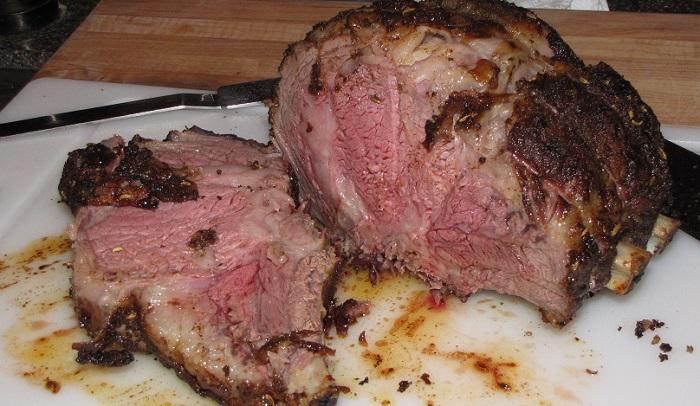
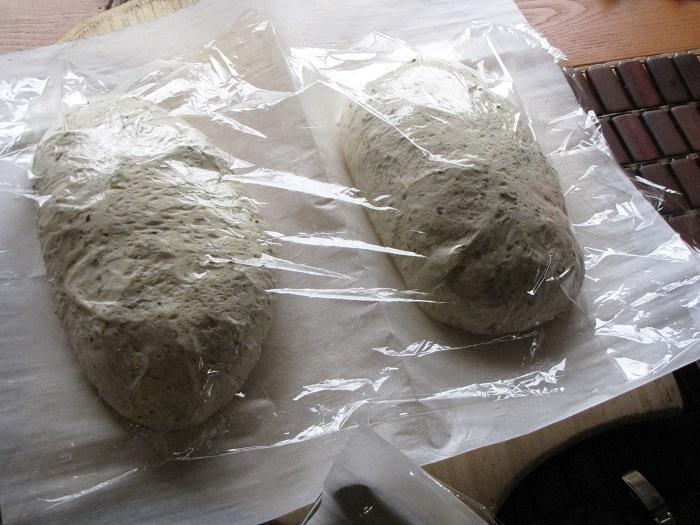
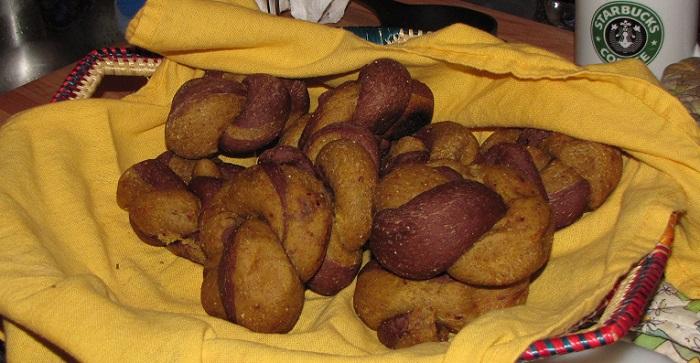
We left the Gulf Coast and moved inland for Thanksgiving, in pursuit of drier air. We were not wholly successful, but we had some days when it was merely overcast instead of raining or foggy. We had splurged on a Prime Grade Prime Rib - the smallest we could find, but still plenty dear. Look at that marbling! I was determined to give it the best treatment and accompaniment that I could. I tend to use every speck of counter space when cooking an elaborate (for me) meal, and this year's sink disaster added to the challenge. Our sink repairs haven't made it as solid as it originally was. I'm leery of using the built-in covers - which sit directly atop the sink and are made of the same dense material as the counter - to increase counter space; one cover makes the sink sag so the counter isn't flush anyway. (We're hoping for a proper fix later this winter.) I plopped a large cutting board over one sink and we kept hitting the corners every time we got too close. I wanted a rosemary sourdough bread, and by late morning had the loaves rising. I also set up doughs for marbled rolls, with an experimental mix of whole wheat (and white) flour, mesquite flour and a touch of rye flour in half of the loaves. The doughs did their final rises atop the dinette table. That wasn't all bad; without a table, it was easier to keep our promises to eat only lightly before the main meal. We had time for a walk before the oven went on. Look: flowers, in late November! Counter space wasn't the only thing in short supply; this oven only has 1 rack. I cooked the sourdough loaves before time to cook the roast, but the roast, rolls and smashed potatoes all had to share oven space. I put the baking stone on the bottom of the oven chamber and used that for the rolls. Note to self: baking stones do not like that treatment. Midway through the afternoon there was a CRACK! as the stone broke in two. Some of the rolls, parked atop the gap, scorched on the bottoms but I rescued most of them. I was terrified of overcooking the roast, and pulled it when the internal temperature was 110F. It was a good move. The ends were done beautifully, the middlemost part of the interior was still a bit too rare even for our rare-meat tastes, but that made it well-suited to reheating for later meals. The sides: smashed potatoes drizzled with meat juice, and green beans with bacon and sundried tomatoes, on the stove top. No dedicated photo for them, but you can see them on our plates. We feasted, and were thankful for our lives, friends and family (although they were absent) and our good health. The next day, we packed up and moved on, fortified by sandwiches. That prime rib makes pretty good sandwiches.



-
We do Texas ribs with them instead: although they've already been cooked as the rack for the meat, we slow-cook them until their meat is fall-off-the-bone tender, then stuff ourselves further. One of us prefers a barbecue sauce painted onto the ribs while they're still in the oven, the other likes the occasional different sauce, or none at all.Then, and only then, we might consider something like a beef broth, but our canine family member usually wins the guilt-trip.
-
LindaK, thank you very much for that link! The instructions as printed are clearer than those in my cookbook, but the video really brought the process home to me. I'm a little puzzled by your takeaway of "very low flour to butter ratio". Theirs is 3T flour to 1/4c butter, which (I believe) works out to 3T:4T. That's 75% of your 1T:1T ratio. Is the flour:fat ratio so sensitive? With regard to the gravy slurry question, I'm thinking about a flour/water slurry and its effects on thickening and smoothing a sauce as compared to a flour/butter paste. I suspect the fats of the butter would help bring out flavors that the water might not. It would be worth testing, but if you can shed light on the two I'd love to learn more.
-
Prime rib leftovers are a wonderful luxury, Shelby. :-)
-
Thank you for those very useful insights. I didn't know that flour cooked in butter would develop that strong floury taste and that the taste would go away after long cooking. That's almost certainly one of the places I went wrong. (It sounds like there was also too much buerre manié used for the amount of stock I had.) If I'm reading the Beard excerpt correctly, the same issues would apply to a flour/water slurry used to thicken gravies, as I used to do when I cooked turkey. It sounds like I lucked out with the timing, the proportions, or both! Is that true? I'll give it another try, but not on that recipe, not for a while.
-
I recently tried a recipe that included a sauce with buerre manié: butter mixed with flour to form a soft paste that is then added to the sauce as a thickener. It sounded good, but that night's result was a gloppy, floury, not-at-all tasty mess. (You can read more about it here.) I know flour can be used as a thickener - gravy is a classic example - but I'm not sure how buerre manié is supposed to work. The recipe says to mash 4 tbsp butter until soft, then work in 3 tbsp all-purpose flour until the mixture is a smooth paste - the buerre manié. This paste is then added to the rest of the sauce, and the quantity of the sauce is a bit vague in this particular recipe. It doesn't sound as though much cooking should happen afterward. My questions: What proportion of buerre manié should be used to thicken a sauce? Should the sauce be cooked after the butter paste is added in order to cook the flour? Should the flour be cooked slightly before it's mixed into the butter? Am I missing other fine points of this butter-and-flour technique?
-
What does the baking in salt accomplish? Extra insulation? Does the salt penetrate the shell and flavor the egg?
-
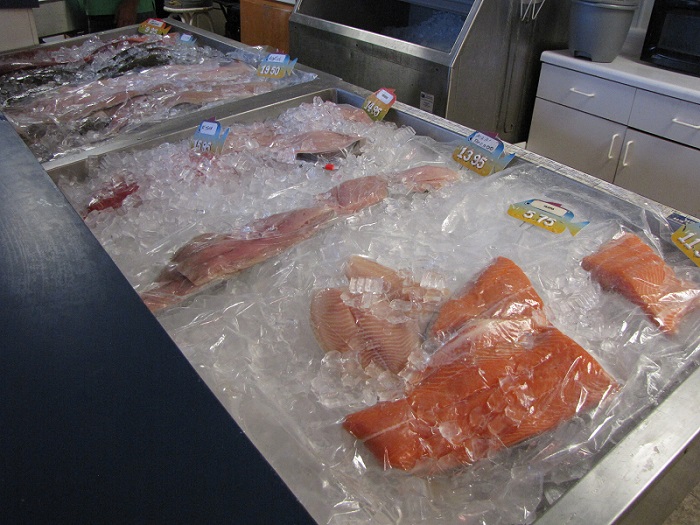
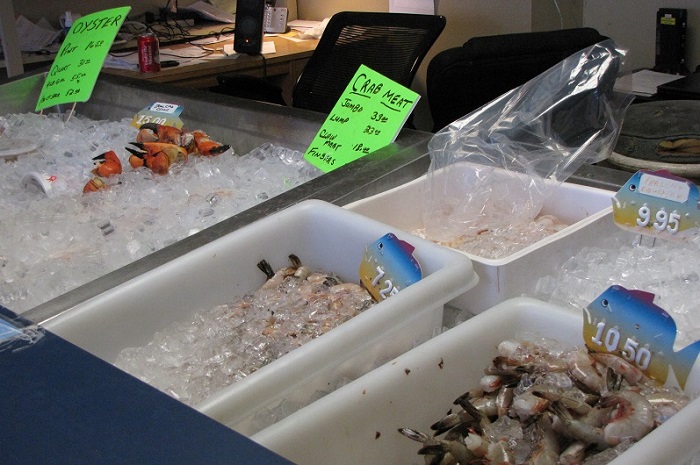
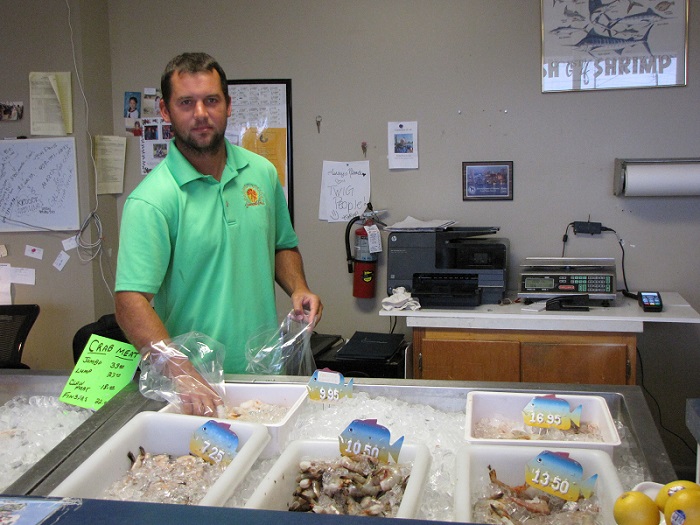
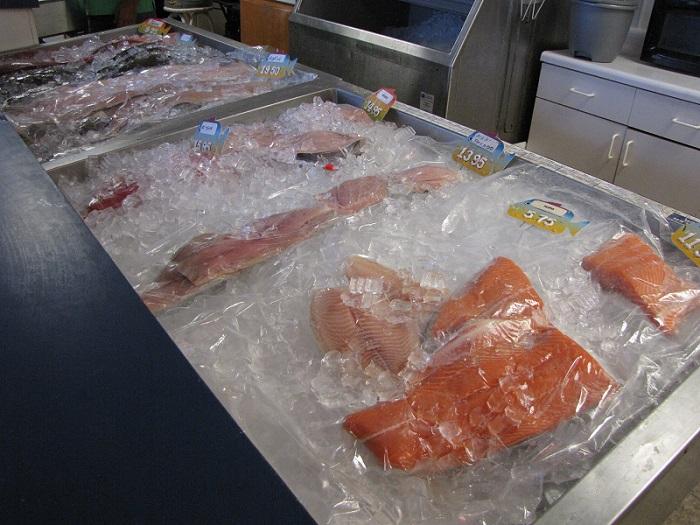
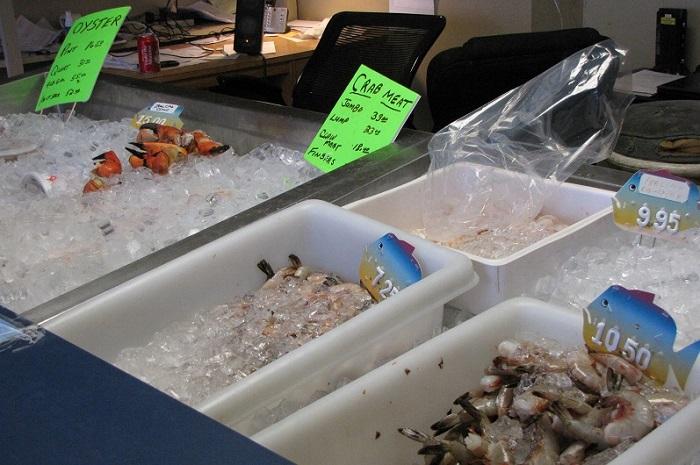
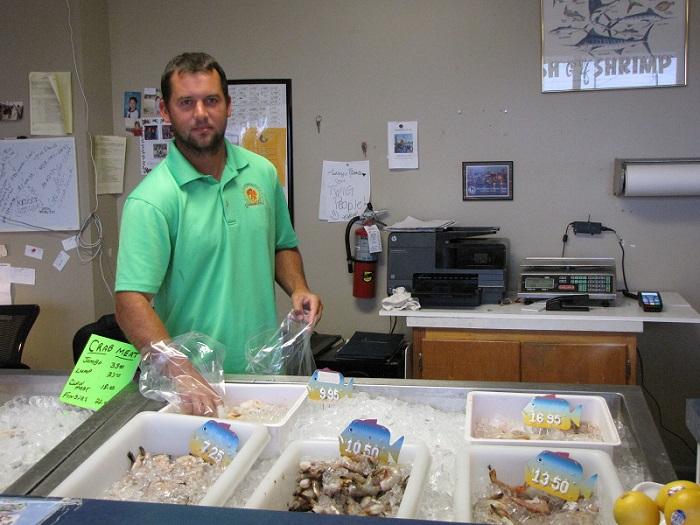
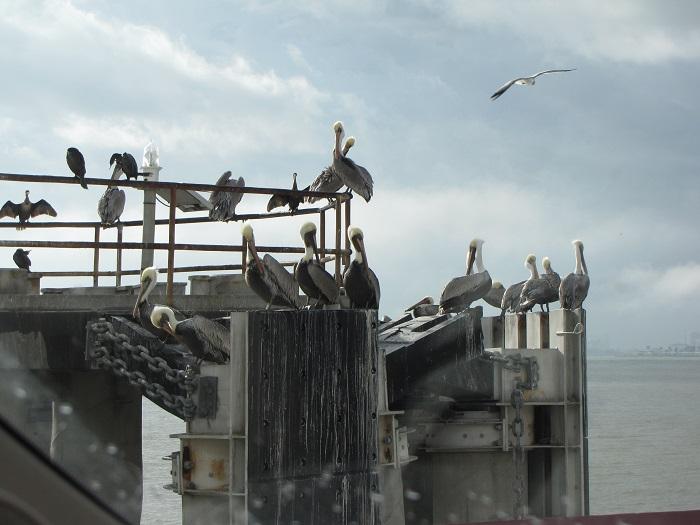
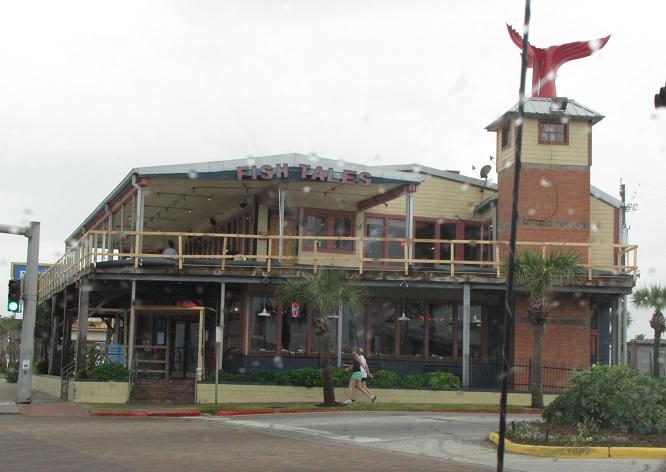
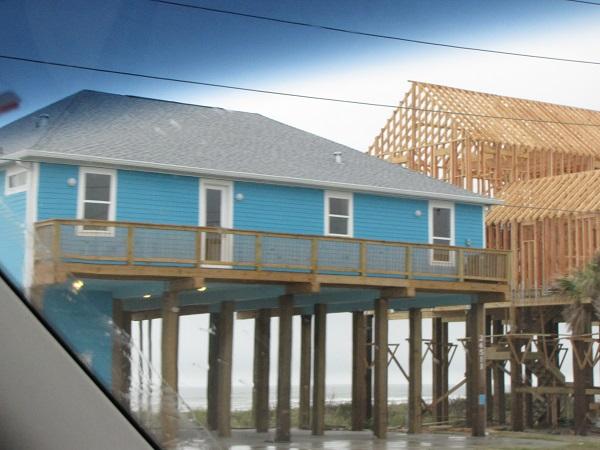
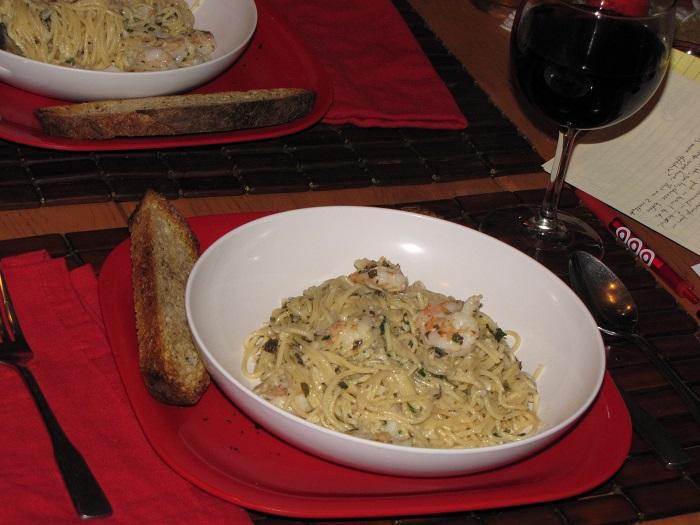
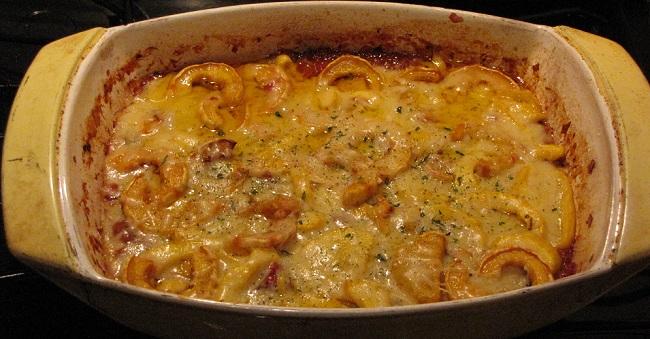
Gracious, it's been wet. We left the Bolivar Peninsula ahead of a Texas Norther and let the wind blow us southward, along the coast, and through Galveston. The Port Bolivar-Galveston Ferry is a lovely 20-minute trip across open water, accompanied by dolphins and seabirds. "Please feed the gulls from the BACK of the ferry!" they specify. The seawall road on Galveston Island is heavily developed and trafficky, not conducive to stopping with a large rig. Someday I may just pay to stay in a hotel along the beach front for a week. Judging by the restaurants (upscale and down) I think I could eat myself silly for at least that long without duplicating dishes or restaurants. South of the city proper, but still on the island, we stopped at Allex's Seafood Market West. Their staff is friendly and their small shop is always clean, with a good selection of fresh fish and shellfish. It isn't all local, but it all seems to be in good condition and we've never left disappointed. As a rule, if I walk into a seafood market and it smells sour, or of strong fishy smells, I walk right back out. We've never had that problem at Allex's. We stocked up on shrimp (I restrained myself and did not buy more oysters, nor even crab meat) and continued southward. Galveston Island and the Bolivar Peninsula, where we had camped for a few days before the bugs drove us away, were nearly devastated by Hurricane Ike in 2008. It's been interesting to watch the rebuilding over the years: houses repaired, or replaced, or brand-new houses going up. We ate a fair amount of shrimp at our next stop: tempura fried shrimp, squash and onion rings one night - it looked remarkably like the tempura shrimp of a few posts ago - and shrimp and asparagus on rice. Much of it has already been shown here. There was my own invention, Shrimp Bolivar, although we'd left its namesake behind. Finally, I took a cue from kayb and mixed up some curried mayonnaise in which to dip shrimp that I'd stir-fried in the shell, along with asparagus, and allowed to cool before peeling. It was a finger-food lunch: dip a bit of shrimp into the mayonnaise, and bite. Dip some asparagus into the mayonnaise, and bite. I might prefer that treatment to the fried shrimp, though others in this mobile household would disagree. Somewhere along the way we also had a squash gratin, about which I posted in the eG Cookoff #71: Winter Squash topic.

-
Who knew?! Thanks so much for documenting this process; it's very different than I (and, I'll warrant, many others) had expected.
-
Oh, that video! "Thanksgiving without McRibs is like Christmas without snow..." ..from a young woman in Santa Clarita, California. The mind, she boggles. (No, I haven't tried one and have no dog in this fight.)
-
"Hair salon"? What was the flavor supposed to be? Shampoo? Aquanet hair spray?
-
I don't remember where I found mine, but I treasure it! I think I bought it as a gift for someone, and then couldn't bear to part with it. I may have had that subterfuge in mind all along. ;-)
-
I have the same spoon rest in my kitchen at home!
-
Ah, but what a great way to get officially pooped! It sounds like a lot of fun.
-
I laughed too. I'd like to know whether those scallop shells and baby abalone shells get reused, or go out with the trash, or did you keep some? I'd love to have access to baby abalone shells. I'd also like to know about the salt baked eggs. What happens to them when they're baked in salt? Are they baked fully submerged in the salt, or on top of the layer as shown in your serving photo?
-
It was just the two of us, and that may have been the main drawback. (Feasts are more festive with guests, don't you think?) We had prime-grade prime rib, seasoned with a Cajun-style blackening mix, browned on all sides, then roasted to an internal temp of somewhere between 110 and 120F. Perfection! The innermost interior may be a bit too bloody for either of us but will reheat nicely. Smashed potatoes. Green beans with bacon and a sundried tomato pesto. Cabernet sauvignon with dinner, beer beforehand. Sourdough bread and marbled dinner rolls of a rye/mesquite/whole wheat mixture. The other, admittedly small drawback: doing all that with minimal counter space (3 loads of dishes before dinner!) and a single oven rack. The sourdough bread was cooked before the prime rib went in, but the rolls had to share the oven. They went on the baking stone on the oven floor, which objected with a BANG to the heat midway through the baking. The gap between the stone pieces let some of the rolls get, shall we say, too crispy and dark. 'sall right, there was still plenty of bread, and the wine eased the pain of the broken stone.
-
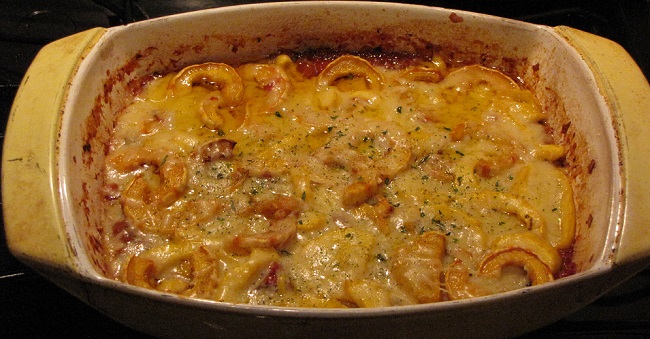
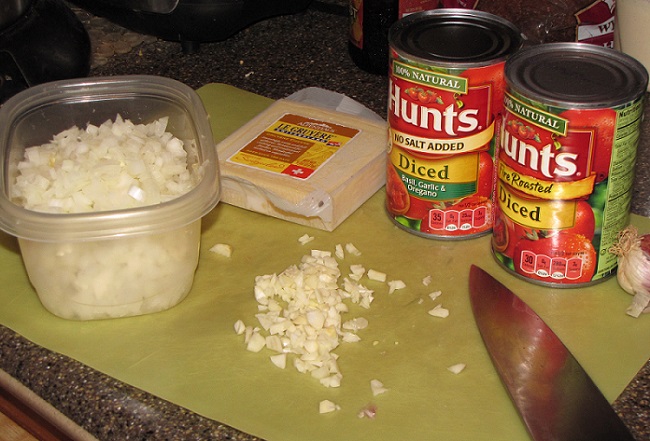
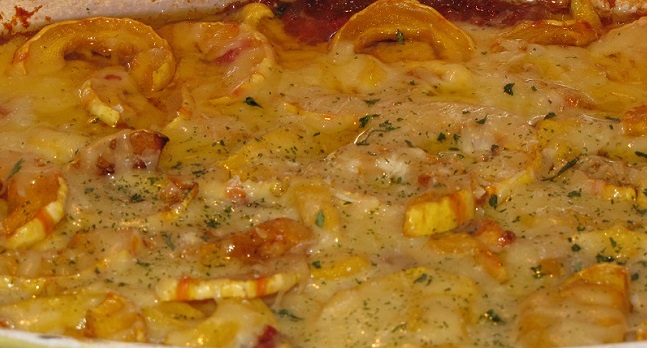
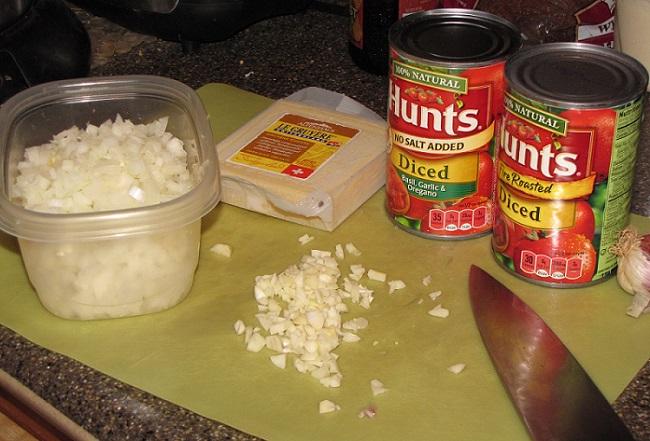
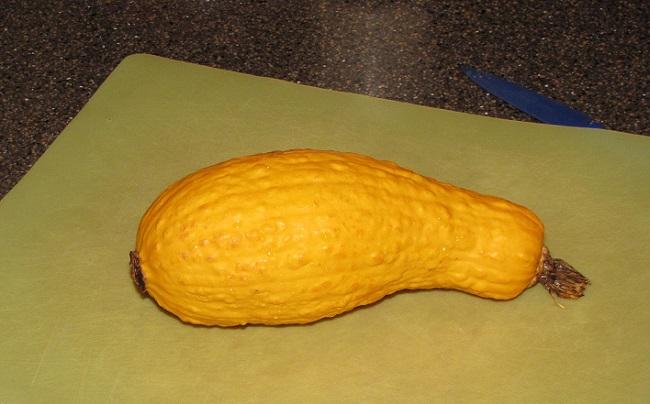
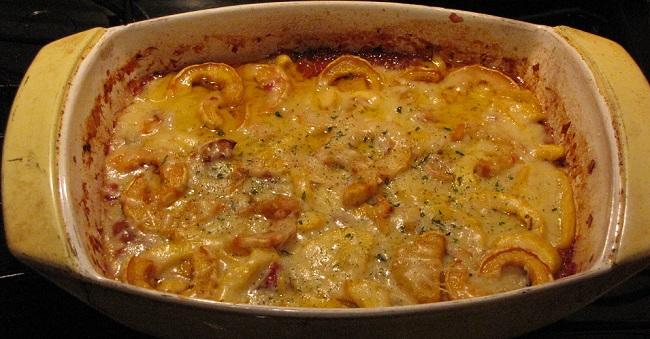
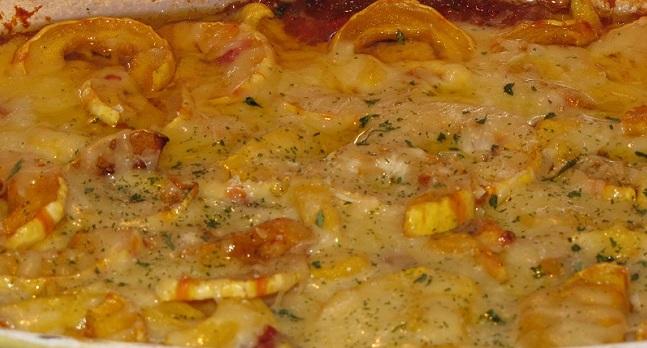
Oh, my. My, my, my. This was excellent! Based on your description I made this winter squash gratin for dinner tonight. I halved, cleaned and sliced one of these squashes and added it to the already-sliced Delicata squash that I hadn't used a couple of nights ago. I've forgotten the variety now. I had thought it a particularly gnarly Delicata, but after the initial cooking the skin was still too tough to eat. I had to peel each ring AFTER cooking and before assembling the gratin. Let's hear it for music to work by. The other ingredients (except the white wine) were these: The finished gratin looked like this: it would have looked better with a fresh herb garnish, but I have nothing like that with me. Nonetheless this was a big hit. We'll be doing it again. Thank you, other Nancy!
-
Indianapolis Restaurant: Reviews & Recommendations
Smithy replied to a topic in The Heartland: Dining
That looks like good food, huiray. The exterior doesn't give a clue as to how beautiful the interior is, does it? -
Those dishes are beautiful, what I can see of them!
-
Welcome! We're glad to have you here. I don't know much about French Polynesian cookery, and look forward to learning about it. Don't worry too much about your English; if we can make out what you're saying we'll be happy. :-)
-
Somehow, despite my family's southern roots, this never came up in our household. Thanks! I've added this to my list of things to try.
-
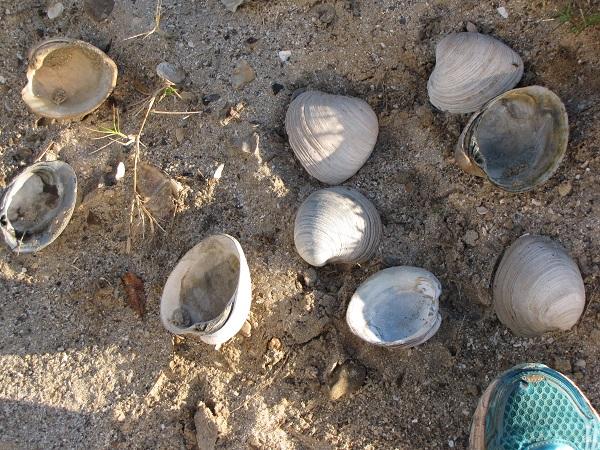
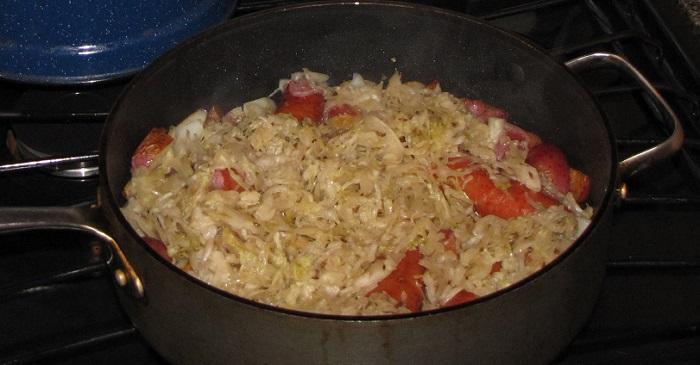
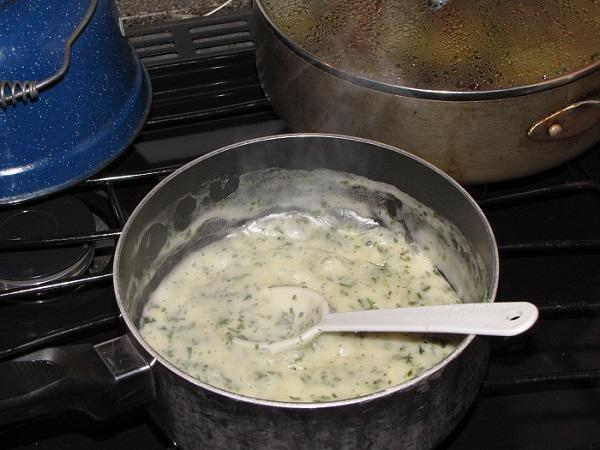
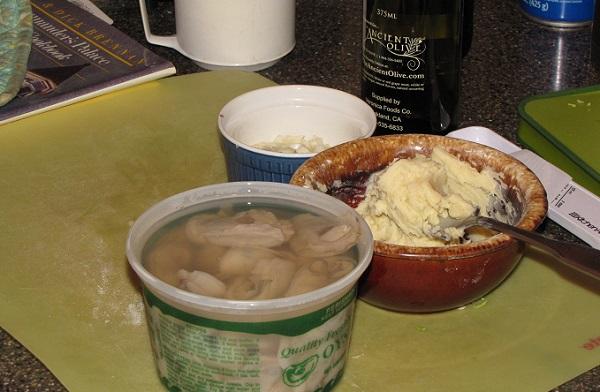
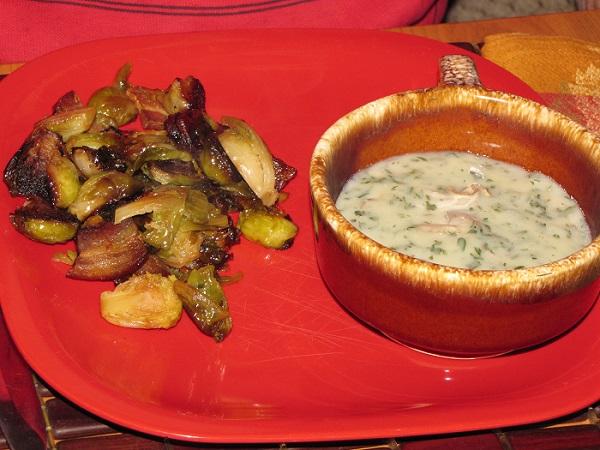
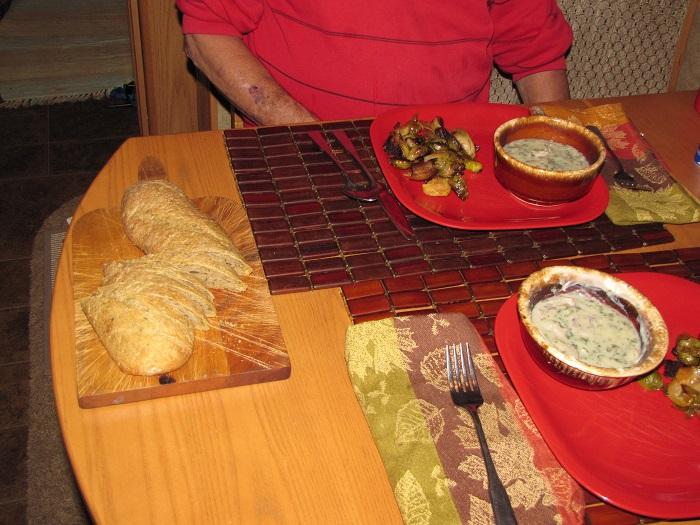
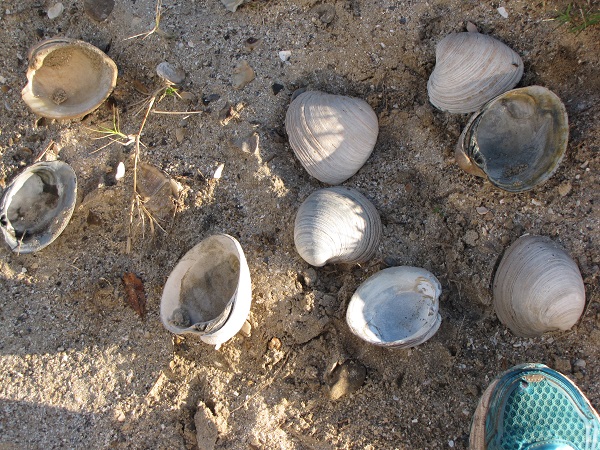
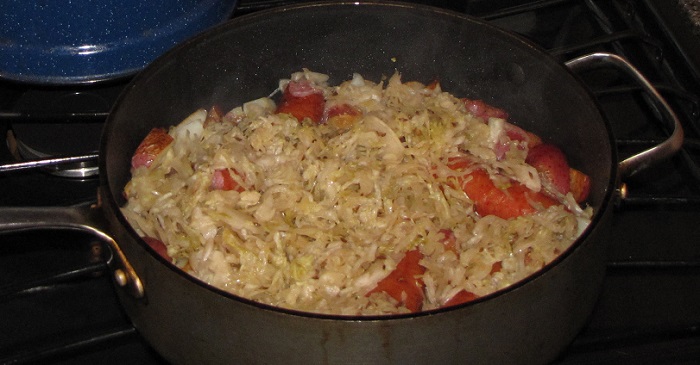
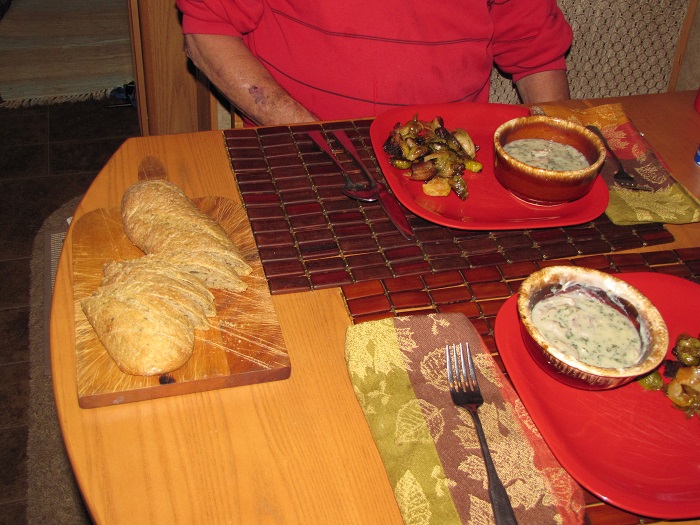
I love oysters. I love the briny sweetness of a good, fresh, chilled oyster on the half shell, or the richness of Oysters Rockefeller. I have made a few oyster dishes that were a hit with my darling as well, but he is more in the "oysters can be okay" camp than the "oh, boy! oysters!" camp. I keep trying to persuade him. One year, my best attempt, I scavenged the beach for good oyster shells that had washed up but not eroded too badly yet, cleaned them thoroughly, then used those as dishes for previously-shucked oysters. I don't remember exactly what I did, but it went along the lines of loading each shell with a small dab of sauce, an oyster or two, a sprinkling of parmesan cheese (and bread crumbs?), and just enough heat to get a cheesy crust. Cleanup was dead easy: throw the shells back out onto the beach. This time, the oyster shells were looking too worn but I collected a lot of large clam shells with the same intent. For size reference, that's the toe of my tennis shoe. I do not have small feet. In the end, I decided against the shells and opted for a recipe from The Commander's Palace New Orleans Cookbook. Has anyone cooked from it? I picked it up for a song this summer at our Friends of the Library Book Sale. It seems appropriate for Gulf Coast cookery. The recipe I chose was Oysters à la Marinière. It looks easy. There isn't much to go into it: oysters, shallots, wine, butter, flour and seasonings. The oyster liquor is supposed to be cooked down slightly and seasoned, then thickened with a buerre manié: butter mashed with flour to make a paste. One confusing thing about the recipe is that it says, on the one hand, to cook the oysters no more than 30 seconds, and on the other hand appears to have them cooking at least a minute while all the other sauce-thickening is going on. I should have checked similar recipes elsewhere, but didn't. I opted to keep the oysters out until everything else was seasoned and thickened. The oysters were warmed, but not cooked through. Whether it was my reading of the recipe or the recipe itself I can't say, but the result was a gloppy, floury disappointment that did nothing to convince anyone that oysters can be good. If someone reading this can explain how it should be done (is the flour supposed to be cooked longer to lose that raw taste?) I'd love to hear it. To add insult to injury, my go-to brussels sprouts treatment was entirely too sweet with the Gravenstein apple-infused balsamic vinegar I'd picked up in Florida. I'll enjoy using that vinegar, but not in the purpose for which I bought it. At least the bread was good. The next morning, my darling allowed as to how he'd had enough seafood adventure for a while, and that night we had comfort food: Polish sausage, potatoes and sauerkraut from home.