
Smithy
-
Posts
13,782 -
Joined
-
Last visited
Content Type
Profiles
Forums
Store
Help Articles
Everything posted by Smithy
-
Franci, those look lovely. I've been meaning to get back to making fresh pasta again - especially something filled, like ravioli - and see if I can get the technique down. Your photos are inspiring. Thanks for bringing this back up!
-
It looks like a mad shopping spree of the best kind to me, huiray. When I jump the bounds like that my next problem is "where will I put all this stuff?" rapidly followed by "what am I going to do with it all?" It's nice to see such a 'haul' without having to answer those questions. :-D
-
Those of you who use a steel (or aluminum) stockpot: do you insulate it somehow? If not, do you have a feel for how much heat you lose to the room and how it affects your time/temperature?
-
Welcome, food_curious! Thanks for the kind words about the updated software. You're bound to meet like-minded people here in the forums; a lot of us like experimentation and analysis. The best way to hook up with cooks from your area is to start participating in the forums, get to know people and let them get to know you. A lot of online friendships that formed here have gone on into 'the Real World'. If you have any questions about how to use the forums, feel free to PM a host, or else ask in the Moderation and Policy Discussion forum. We look forward to reading about some of your kitchen explorations.
-
Welcome, NathanD! I can't answer your question about whether anyone has worked through all the books and blogged along the way, but I admire your ambition. No doubt you've already discovered the depth of passion around here for Modernist Cuisine - the books, the methods, the gear and the results. As you look around, feel free to dive in an contribute to the forums. If you have questions about where to find something or need other forum help, feel free to PM a host or else ask in the Moderation and Policy Discussion forum. We look forward to seeing more of your posts!
-
Welcome, Lunita! You live in an area with a rich culinary history, and this is a good forum for sharing ideas. Come on in and explore; if you have questions, feel free to PM a host, or ask in the Moderation and Policy Discussion forum. Do you have any favorite sources of historical information? I carried with me for years the paperback 2-volume set of Helen Brown's West Coast Cookbook. I don't remember how much I cooked from it, except for the Visalia Olive Bread (which was probably the reason I bought the books). The books got lost in some move long ago. I remember the first part (settler cookery) as being fun to read.
-
Welcome, Suzee! It looks like you'll fit right in here. Come on in and check the place out. If you have questions, feel free to ask a host by PM, or post your question in the Moderation and Policy Discussion forum. You may find these topics particularly interesting, and have a lot to add to them: Pickles--Cook-Off 32 Sauerkraut
-
I'm a sucker for beef fat, and if it's corned beef fat that's even more sinfully delightful. I always figure I can cut off the fat, but I rarely do. Thanks for the description of your method, Suzee. The lacto-fermented beet relish is a surprise to me. Can you identify what flavor note(s) it added?
-
Hmm, more description may be needed - or better still, a couple of photos if JohnT has time. Mace is a lacy red outer covering on the nutmeg. Maybe it turns brown after it dries? I don't know. This picture from the Epicentre.com web site shows nutmeg and its lacy mace covering inside the fruit that surrounds it. This web site says the fruit is also edible, and about the size of a small peach. Photo source: Nutmeg - The Epicentre
-
@KennethT, I am *very* late to the party but have thoroughly enjoyed catching up on your excellent blog. Thank you for taking us along! I have a couple of questions about the Ben Thanh Market you posted about here. You said that every tourist goes there, but it looks as though there may be a lot of locals there also. Is it more of a tourist market than a 'locals' market, or is it both? If it's also where the locals hang out, do they get the same hawkers' hustle that you got, or do the tourists get extra, ah, attention ?
-
If you have any sauerkraut, you can slow-roast those chops with potatoes until nearly done, then finish roasting with sauerkraut. It works for pork shoulder; I can't think why it wouldn't work for chops!
-
I have. Please see this post and this later post in the Moroccan Tagine Cooking topic. There's a fair amount of discussion about what happens and why throughout the topic, but the discussion may be more focused on that question (as opposed to recipes) in the region of those two posts.
-
My sister was very good to me!
-
"I usually shred lawyers...today it's chicken..." It took me 2 times through to catch that line.
-
I've never tried using chickpea flour as a thickener. Does it act similarly to wheat flour?
-
Thanks, @Lisa Shock. Black lemon?
-
@Thanks for the Crepes, that sounds like really good bread. I'm fond of making tabbouleh with bulgur - usually I go for a middle grind instead of the most coarse, but I've been known to use anything. Do you have something in mind for that grind? Your citric acid sounds like a good seasoning where you don't happen to have (or want) liquid lemon juice. Doesn't Sadaf provide interesting things?
-
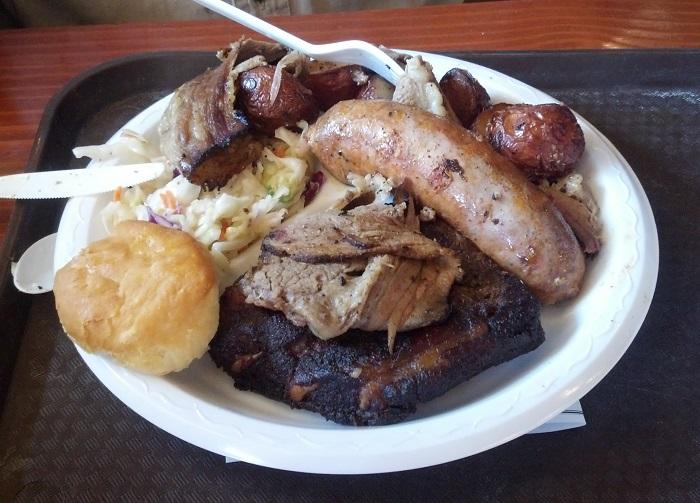
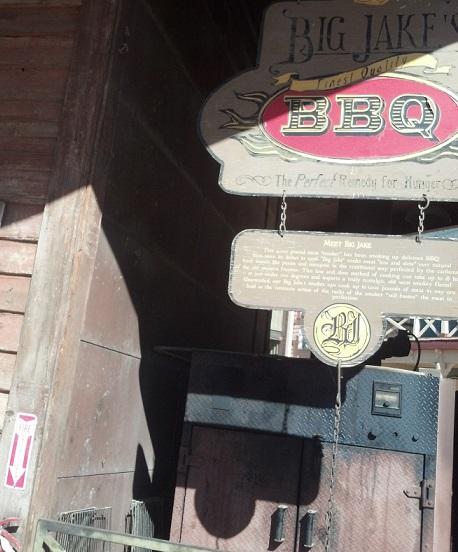
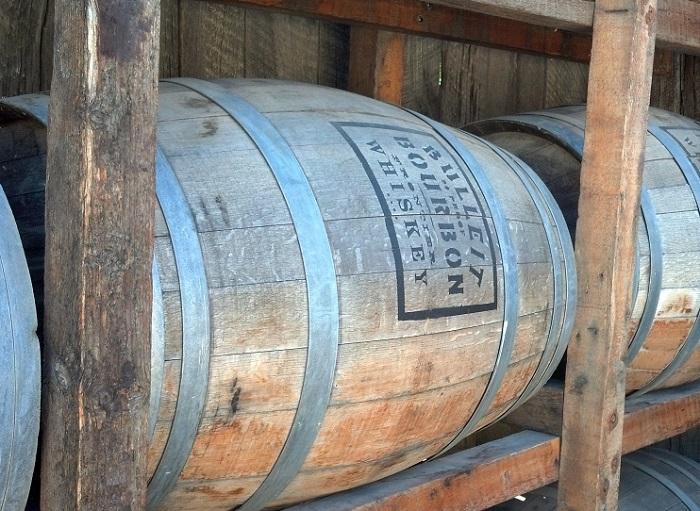
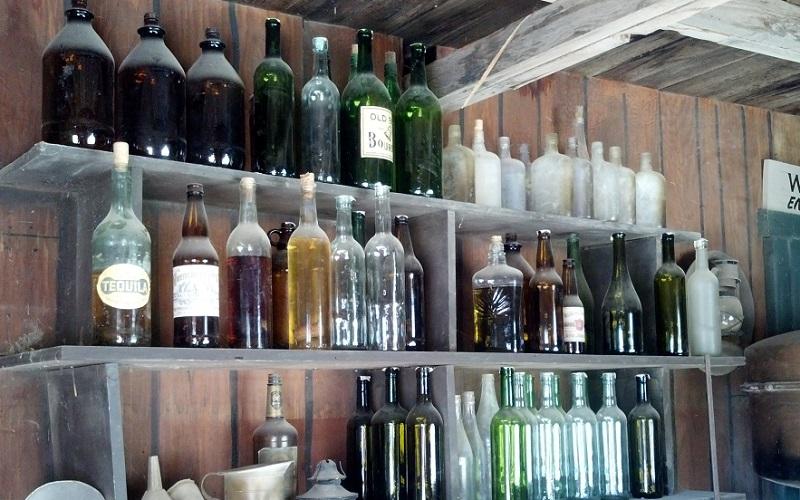
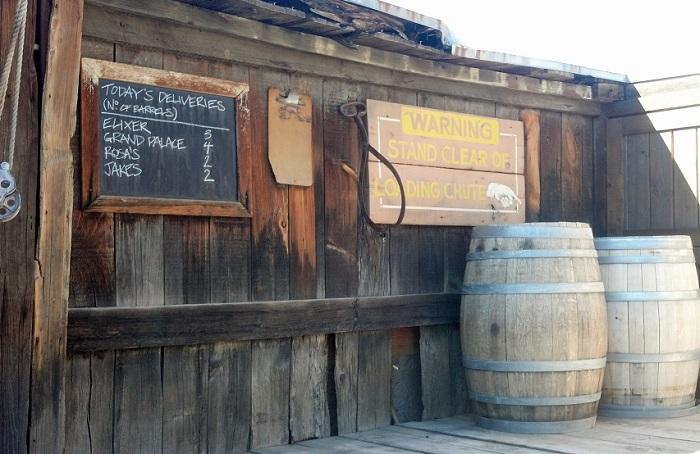
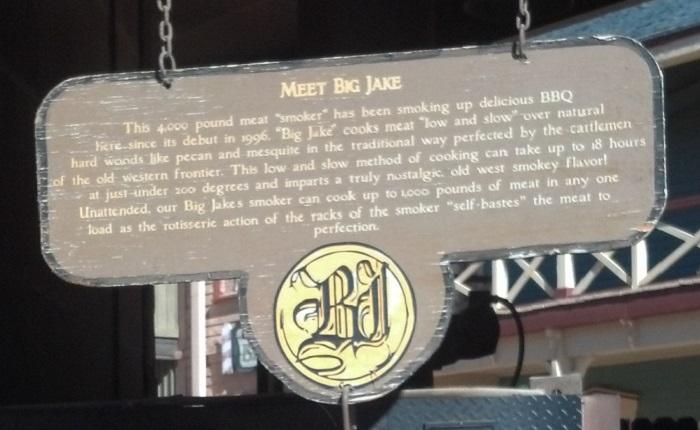
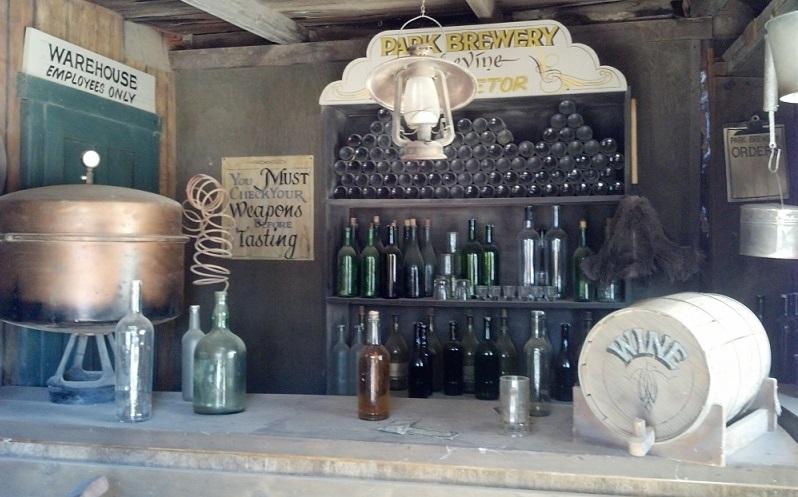
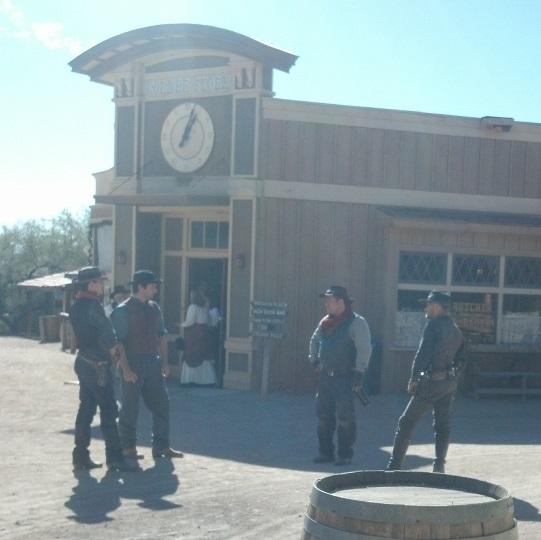
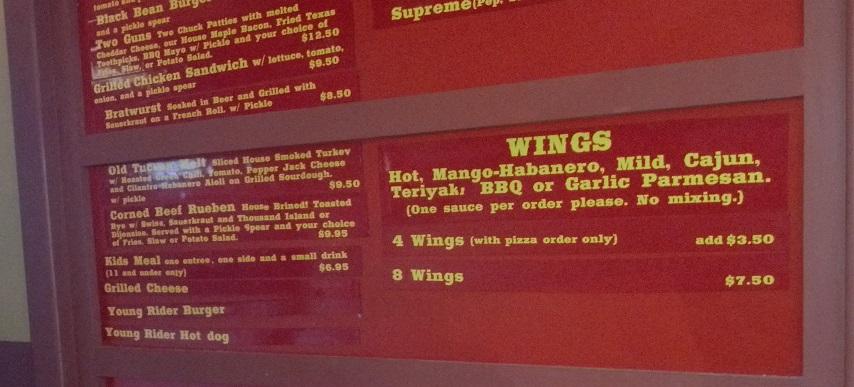
One more Tucson post, for now. We went to visit Old Tucson, which is a movie set/movie museum/amusement park of sorts. If you've ever watched the original "Wild, Wild West", "The High Chapparal", "The Big Valley", "Bonanza", "The Little House on the Prairie" or almost any John Wayne movie, you've seen something filmed at Old Tucson. The place was set up in 1939 (IIRC) and was used for movie shooting for many years; there was a bad fire in the mid-1990's, but they've rebuilt where necessary and have museums with mementos that did not burn in the fire. They still shoot movies there: 3 this year, and 3 scheduled for next year. They have at least one 'living museum' sort of person, who does leatherwork - keeping the tack in shape for the horses that draw wagons through town, and keeping costumes in order. She enjoyed telling us about their research to be true to the time of a particular show, and how those in the know enjoy catching anachronisms in movie costumes. You can see fairly well documented information about the history of the Wild West, along with replicas or original artifacts. There's some wonderful Indian beadwork and jewelry associated with Buffalo Bill's Wild West Show and Chief Sitting Bull. Now I can't remember whether any of it came from the characters in question or from that time, but it's impressive either way. You can see costumes and posters from TV shows and movies shot there. You can visit a railroad museum with a telegraph (try your hand at Morse Code here, pick up the message there) and photos of early mining camps in the area. It's an interesting place to wander, and it has its share of kitsch. Instead of stop signs where visitors should not trespass, they have signs like "Whoa, Pardner!" They have a Saloon/Dance Hall where the performers are presumably earning their chops for careers dancing or singing. They're pretty good, but tend to overact. There are staged shootouts and skits on the streets. The staff try to steer you in the direction to see said shootouts, with a caution to 'be careful'. We wandered through the Chinese Alley and were warned, after we got through (with nobody in sight) that we were lucky to get through without trouble. Darn, I'd been hoping to find someone to explain the exotic (fake) foods in the market stalls. The gentleman telling us that was trying to get us to come pan for gold. Some of the places are shops where you can buy merchandise, food or drink, but others are show pieces. We were taken with their 'winery' and liquor store. The sign below made us wonder whether some of the product really does go to the places in question (all of which are real food and drink vendors there) but we suspect it was more for show; the ramp didn't seem really set up for regular commerce. We wandered around trying to decide where to eat. There was a pizza place with some excellent-looking sandwiches, wings and the like. In the end, we went for Big Jake's. At first we assumed that the restaurant was supposed to belong to John Wayne, but as we wandered and looked we learned that "Big Jake" is the name of the smoker. Maybe it was named for a John Wayne character. At any rate, we do love our 'cue and smoked meats, so in we went. We settled on a sampler platter to share. This monster plate included 2 sausages, enough brisket for a meal in itself, a half-rack of ribs, cole slaw and a biscuit. It was more than even two of us should have managed, but we tried. My picture of the ribs didn't do them justice (too blurry). They were maybe a touch too chewy, but the bones came out dry and the flavor was excellent. The brisket was perfect even before adding sauce, and the sausage was the stuff we'd love to learn to make. We took home leftovers. I don't remember whether they lasted the night. We waddled back home to our campsite and took a roundabout route so that the mile's walk came closer to 2 miles. It wasn't enough to offset the calories, but it was an enjoyable walk.

-
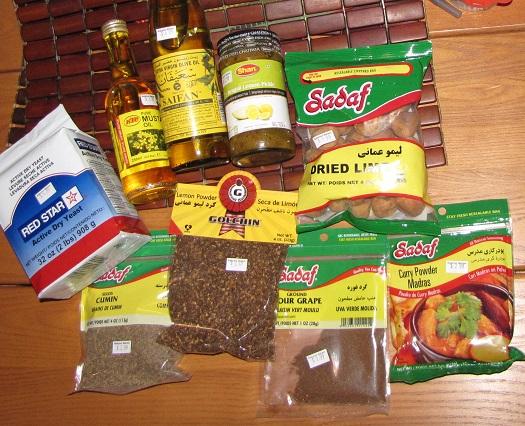
@Thanks for the Crepes and @ElsieD, you got it. In fact, the mystery ingredient is pickled turnip. It never occurred to me to wonder why it's pink - well, I wondered but I didn't ask; I just assumed turnip would turn that color when pickled. I didn't buy any this trip but I intend to next trip, and then I can report on the coloring. @rotuts, the stuff in one jar is a "Bengali Lemon Pickle" packed by the Shan Company. The list of ingredients says "Fruits & Vegetables (Mango & Lemon) 55%, Sunflower Oil, Mixed Spices, Salt, Acetic Acid, Citric Acid. Contains: Mustard." Not very detailed, is it? Last time we came through we picked up a jar of Arabic Pickle (that contained green mango, as I recall) and thought it delightful. Babylon Market had many choices of pickle, but not that one; I picked this. I'll report later on it. I've read many times about the virtues of dried limes - they feature heavily in Persian cuisine, as I recall - but I confess this was an impulse buy and I have no firm plans. I'll be soliciting ideas after the holidays! Same thing goes for the mustard oil. I have read about it here in eGullet, way back when, but it was a new opportunity. For a couple of bucks I figured I could try it. I'll report later. @blue_dolphin, thank you very much for the compliments! That's high praise, considering what comes out of your kitchen.
-
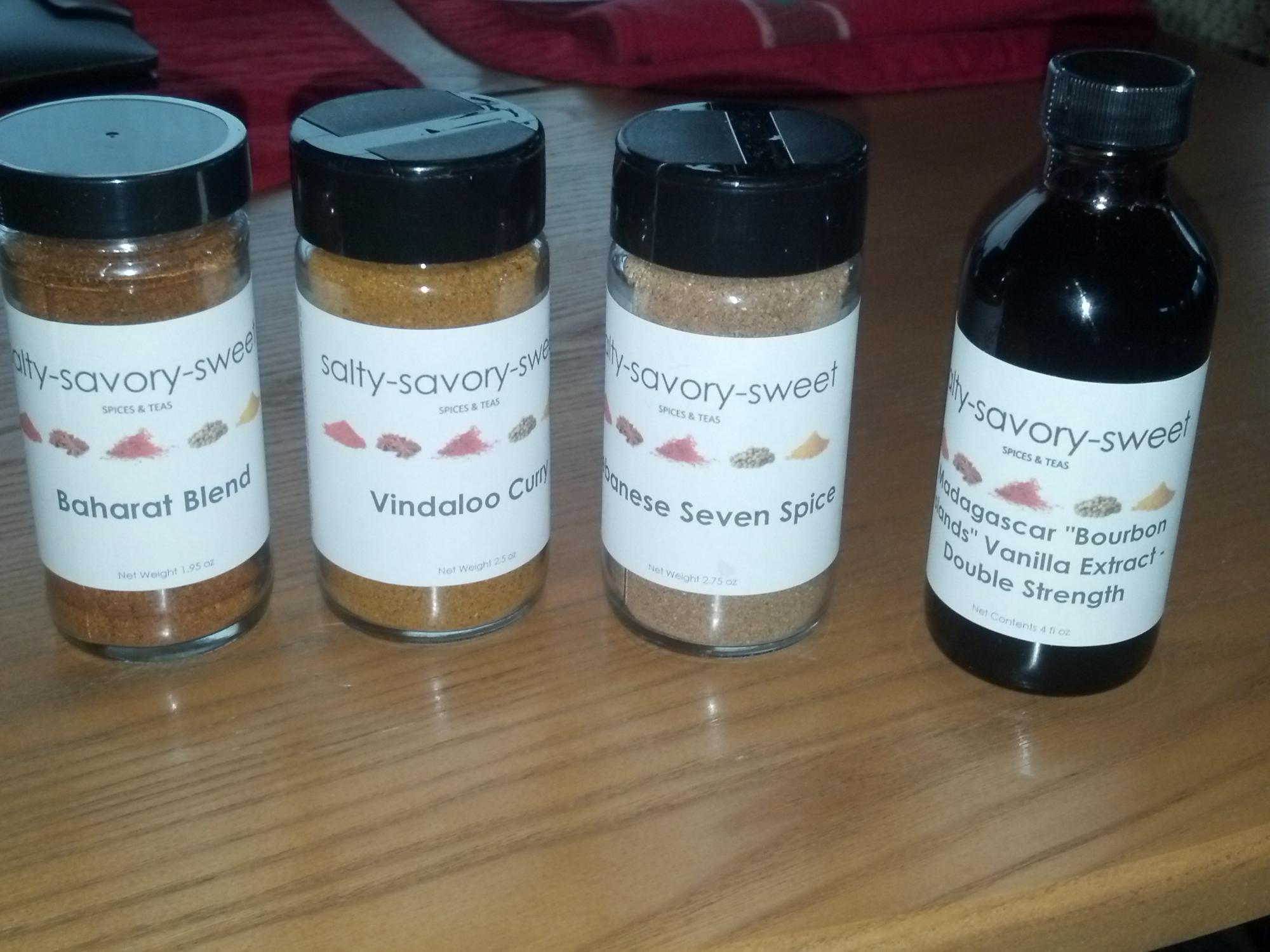
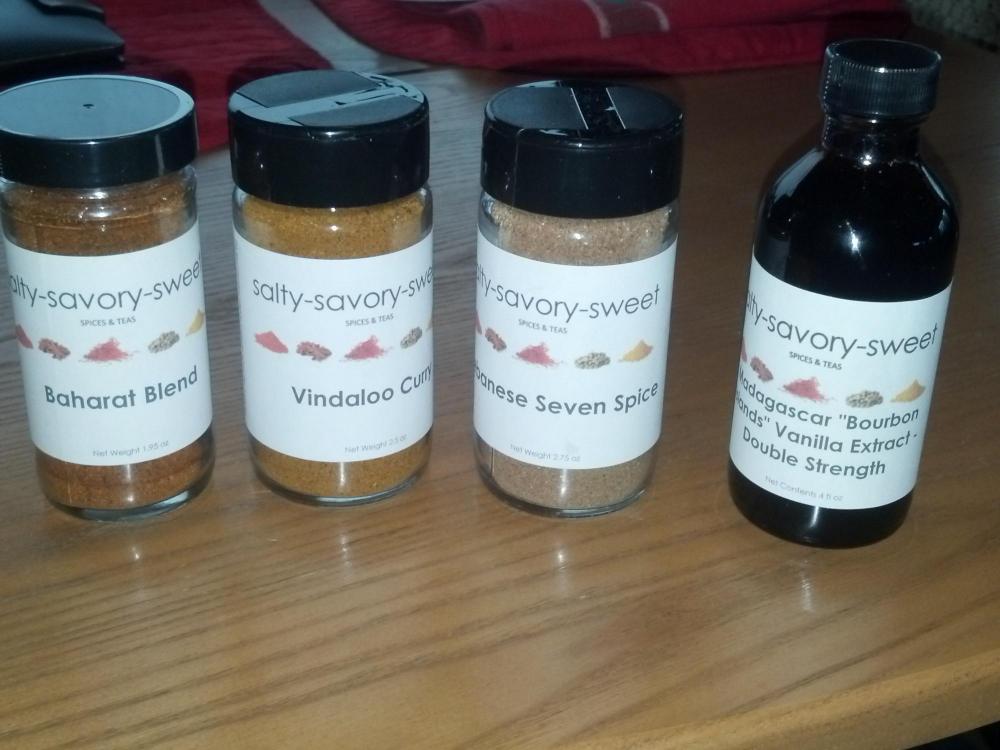
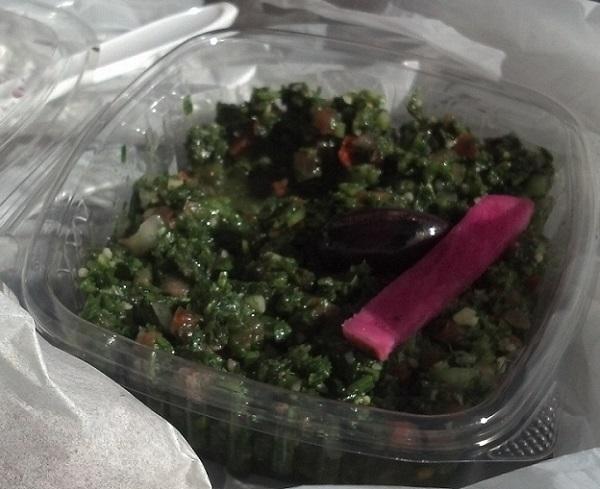
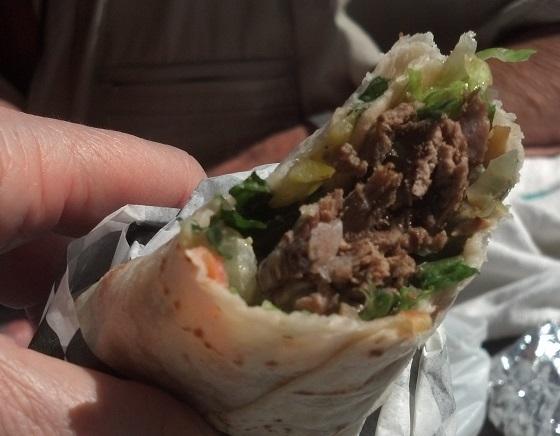
Another Tucson visit was to the wonderful Babylon Market. I've posted about them before, here. We stopped there for lunch and to make a few purchases, trying not to get too crazy because we hope to be back in a few months. For lunch we selected beef shawarma for him, chicken shawarma for me, and tabbouleh for later. His beef was good; I preferred my chicken. He isn't crazy about the spices typically added to chicken shawarma, so I see trips like this as a chance to get something I greatly like without having him give me the fisheye for contaminating his food. This time, in addition to the warm spices (allspice, a touch of cinnamon perhaps) there was an extra tangy ingredient that really surprised me and made the wrap special. You can see it at the left of the sandwich interior. I had to go back inside and ask about it and tell them how much I liked it. The tabbouleh was delightfully bright, flavorful and lemony. The pink strip, shown more clearly in the tabbouleh, is what I had to ask about. Any guesses about what it is? We picked up a few boxes of the Greenland feta cheese mentioned in my earlier postd. Here's the rest of our haul:


-
Thanks for that suggestion, Lisa. On this particular occasion we dumped everything in at once, but we usually chop things separately and add them in stages: potatoes first, then onions when the potatoes are almost done, then the pre-cooked sausage when the onions have nearly sweated. We use separate containers for each item until it's thrown in, but serve from the skillet. Your method would save the 'mise' dishes but require a separate serving bowl. It sounds like it would take the guesswork out of exactly when the potatoes are 'almost done' enough to add the onions, and so on. I'll try that next time.
-
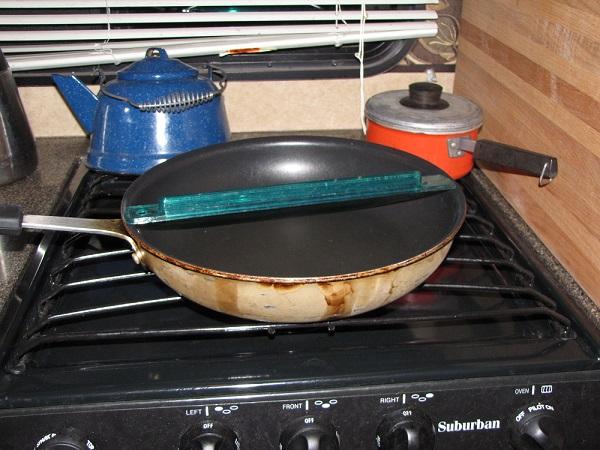
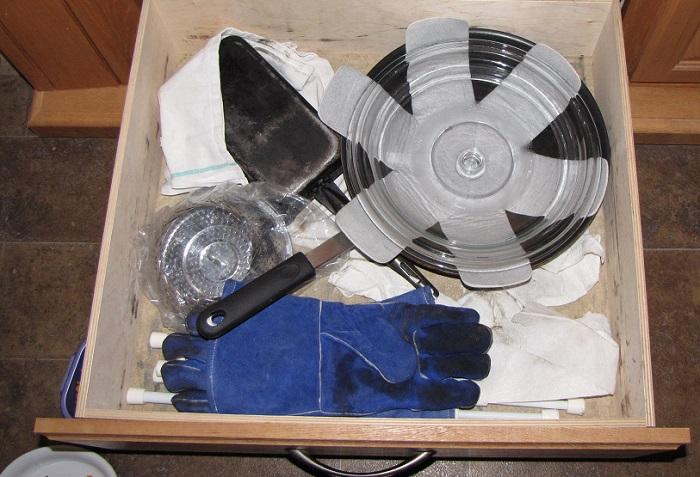
How practical! Here is the pan that we use, stored in our largest trailer drawer: I guess the drawer could accommodate something larger, but here is that skillet on the stove: The green thing is a ruler, for (heh) scale. We used to visit friends at their former resort in the Canadian bush. They no longer ran the resort but still spent their summers on the lake and cooked with their original resort equipment. Shore lunch, usually with the day's fish and with potatoes and onions from the garden, was a standard dinner. The skillet was big enough to fry fish and potatoes for a dozen people at once, and when the cooking was done the cleanup was easy: pour the grease onto the fire and douse the skillet in the lake. We'd both love to have a pan like that, but have no idea where we'd put it. Anything much bigger than we already have, and I'd be posting to the Cleaning things that don't fit in your sink topic. There is also the problem of Leftovers Discipline: the more leftovers we have, the less discipline we exert. Something's gotta give - either the size of our servings, or our waistbands.
-
Now I have serious cooktop envy.
-
I'm always mystified by fruit stand purchases with poor fruit, but it happens. If the fruit stand is one of those personal fruit stands with hand-picked local fruit, I agree there's no excuse for poor produce. Unfortunately, the packing process seems to be part of the equation with grocery store fruit. We used to swear that the tree was the best place to store the fruit and the packing house ruined it. That's a heck of a thing for citrus ranchers to admit, but it was our perception: something about the fungicide, or the ethylene treatment (that thins the skin and intensifies the color), or maybe just picking at the wrong time, damaged the fruit. That isn't much help to Darienne. My best advice, in addition to the 'heavy for its size' and the general appearance tests noted above, is to sniff carefully. If you can train your (or your husband's) nose you'll be able to distinguish pretty reliably between a truly fresh, good orange, a once-good but now tired orange, and a never-good flat orange. I don't know how to describe the differences, except that the truly good oranges have a bright note missing from the others. Cakewalk, I agree that it takes as much time, labor, water and money to grow bad oranges as good. One problem is choosing a good variety. From time to time an orchard needs to come out (the trees are too old, the market forces are against their size, or some such) and then the rancher needs to replant - or graft a new variety onto the old root stock. It takes a couple of years to come into production with the new variety. If it's a good variety that sells well and comes ripe at a strategic time, that's great. If it's flat and flavorless, or looks too strange to be a good seller despite its excellent qualities, or is otherwise undesirable the grower still needs to try to recoup the expense of planting the trees and bringing them into production.