
liuzhou
-
Posts
16,813 -
Joined
-
Last visited
Content Type
Profiles
Forums
Store
Help Articles
Everything posted by liuzhou
-
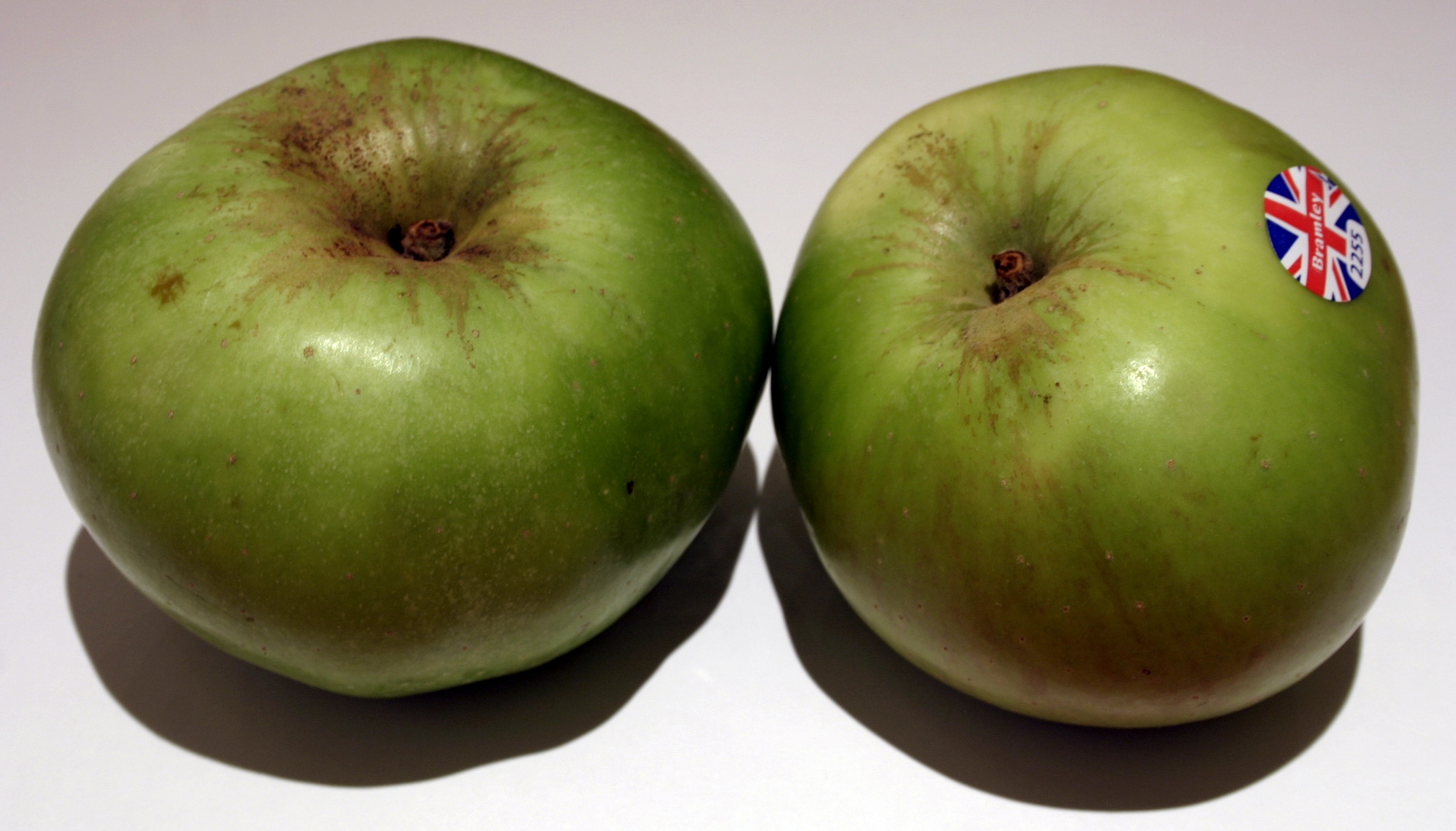
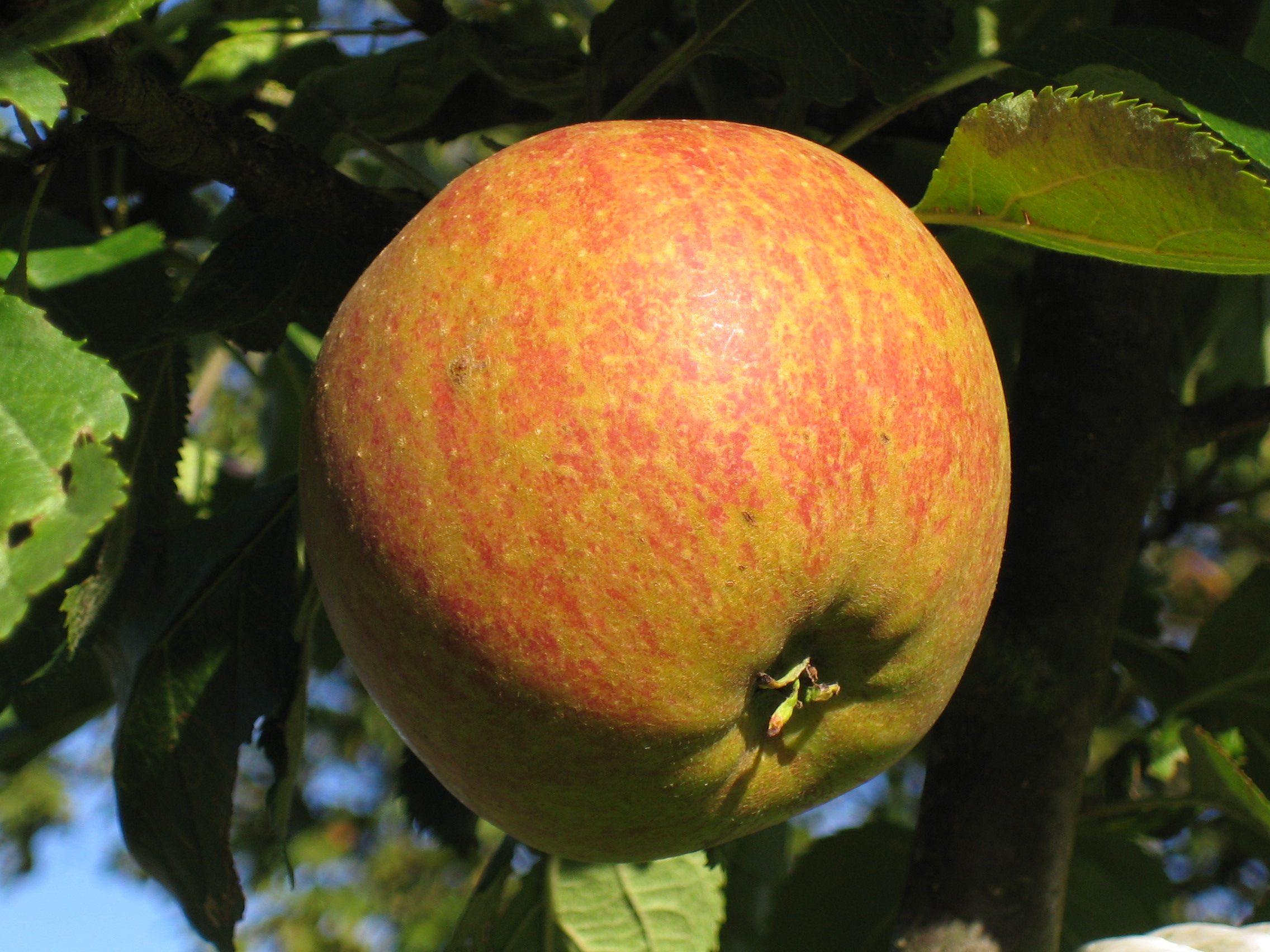
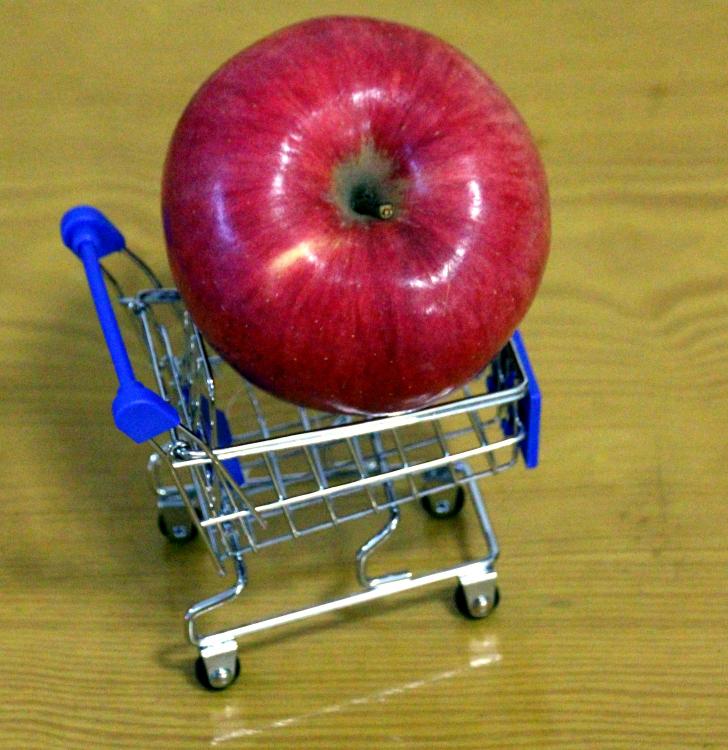
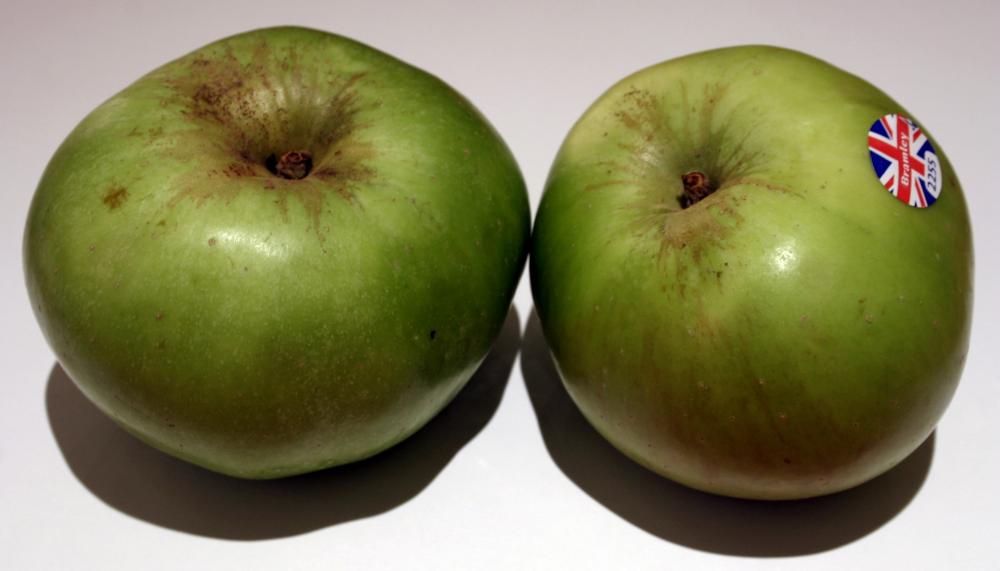
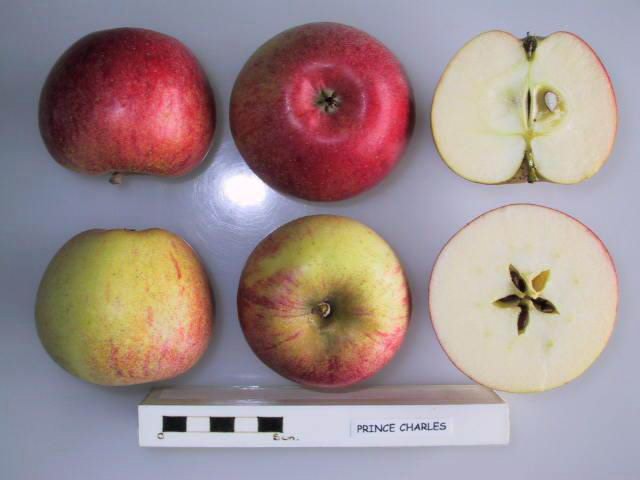
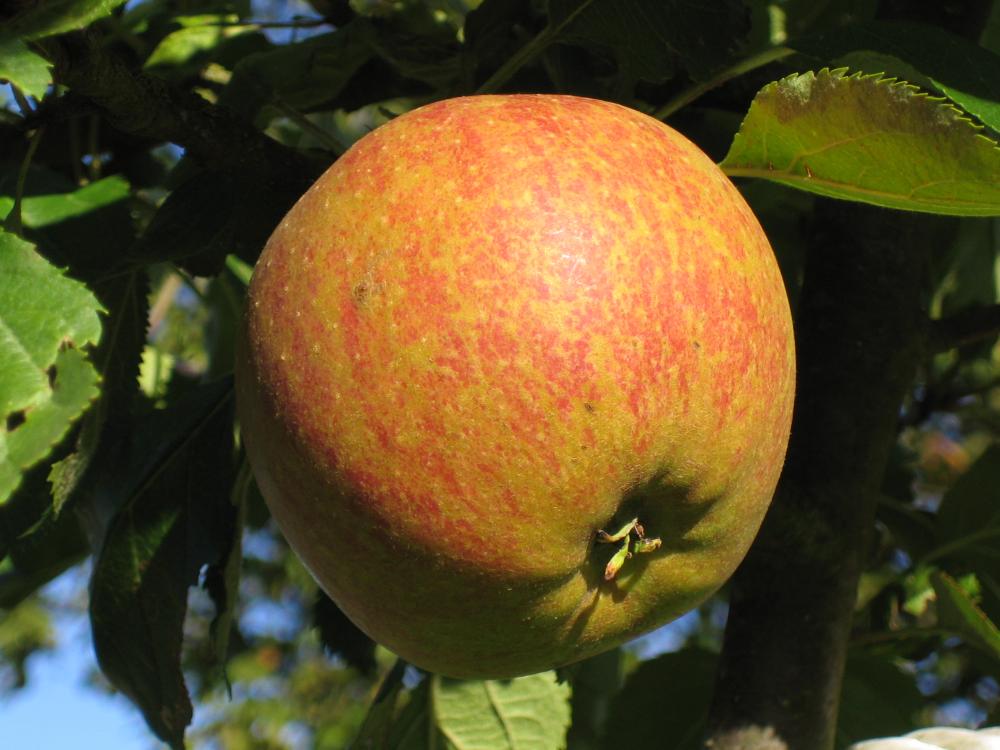
2C - Fruit (Part one) Certain types of British fruit are widely recognised as being among the best. Here are some of the main examples. Apples What could be more English? There is Newton (1643 – 1727), sitting under a tree in his mother’s orchard, contemplating his navel, when an apple drops from the tree leading him to formulate his theory of gravity, upon which all modern physics and astrophysics is based. The story is probably apocryphal but the tree is still standing in Woolsthorpe Manor, the Newton family home near Grantham, England. I’ve been there and seen the tree. Seeds from the tree have travelled into space aboard the International Space Station, returned, sprouted and been replanted. More seeds are housed in the Millennium Seed Bank, the UK’s largest, which contains an underground collection of over 2.4 billion seeds from around the world. Apples are very important to England, in particular. Of the world’s roughly 7,000 apple varieties, 2,500 are found in England, of which many cultivars were first developed in the UK. Sadly, as we know, the supermarkets select their fruit for everything but flavour – price, perceived ‘attractiveness’, keeping power, high yield, uniformity etc. So, many of these apples are only to be found in specialist shops and farmers’ markets. Also, some have very low yields making them rare even there. That said, in recent years, there has been a renewed interest in restoring and preserving this rich heritage. Prince Charles has entered the fray by growing 1,000 varieties on his farm at Highgrove, his country residence. There is a Prince Charles Apple, but it probably has has nothing to do with him; it was bred before he was born. Maybe he was named after the apple! Probably the most popular English apple is Cox’s Orange Pippin. This variety arose from a (probably accidental) seedling found in 1830, buy Richard Cox, a retired brewer and horticulturist. Today, it accounts for over 50% of the planted acreage of apples in the UK, but due to its need for a relatively cool maritime climate and its susceptibility to various diseases is rarely grown elsewhere. They are best eaten as fresh as possible, preferably from your own tree at the bottom of the garden. Cox's Orange Pippin - Image by Andreas Rother - licensed under CC BY-SA 2.5 Cox’s apples have been cross-bred with many other varieties to produce new cultivars. There is a list here. Bramley apples are almost inedible as they are extremely sour, but cook down to a beautiful golden fluffy textured filling for pies, crumbles, tarts apple sauces etc. Bramley Apples - Image by Marcin Floryan, licensed under CC BY-SA 2.5, The first Bramley tree grew when, in 1809, a young girl, Mary Ann Brailsford planted some pips in the family garden in Southwell, Nottinghamshire, England. There is no evidence either way whether she ever saw the apples that her pips produced. She died relatively young and certainly never knew her apples were to become famous. So why aren’t they called Brailsford apples? Well, the family home and garden (including the tree) where she planted them was sold in 1846. The buyer was a local butcher, Matthew Bramley. Ten years later, a local nurseryman, Henry Merryweather asked for permission to take cuttings from the tree and start to sell the fruit. Bramley only agreed on condition that the apples bore his name. Now that is appropriation! The original tree is still standing, despite being felled by a storm in 1900, and the house, garden and tree have been bought by Nottingham Trent University to preserve them. It can be visited by prior appointment. I've never seen that one. to be continued
-
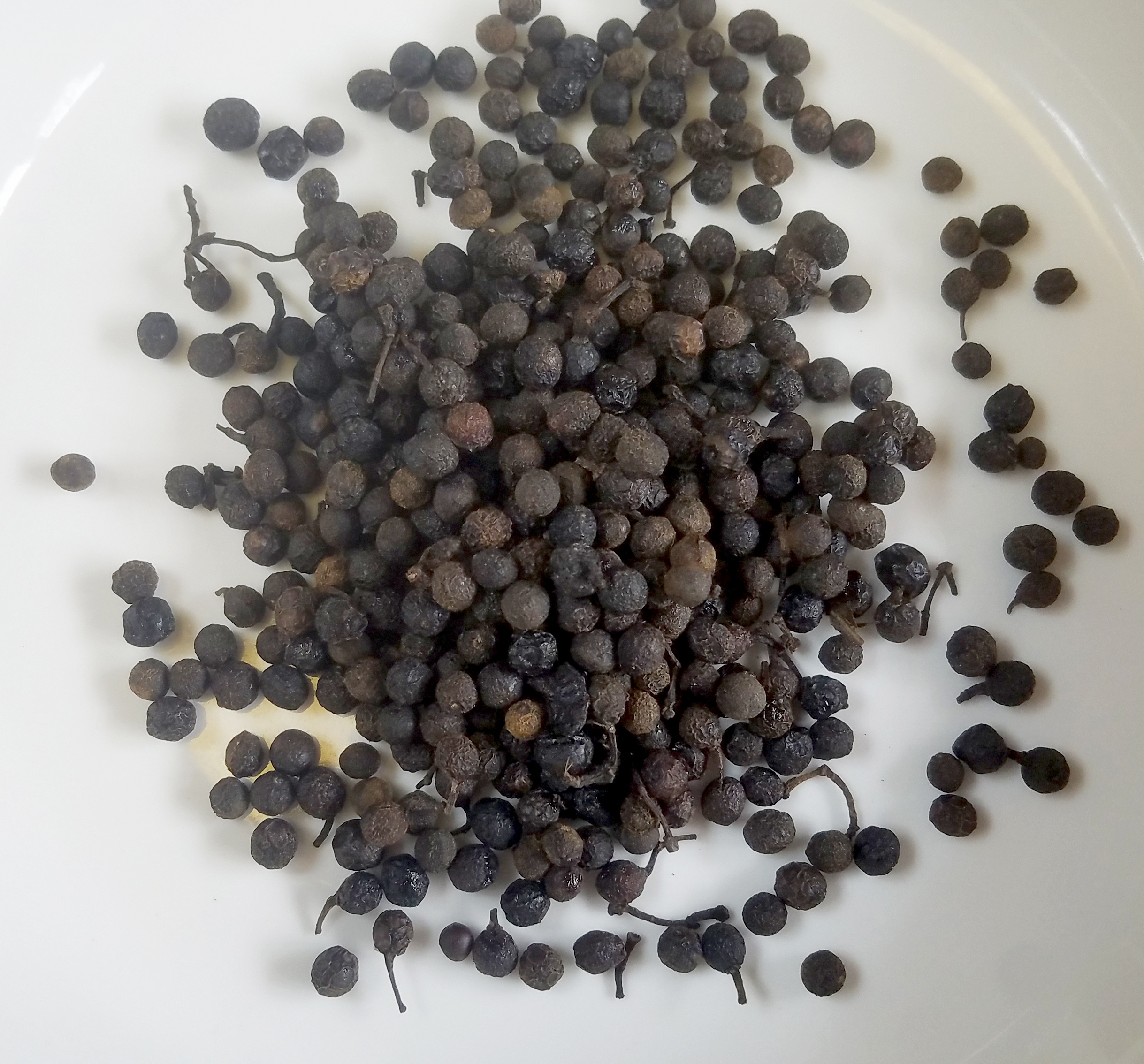
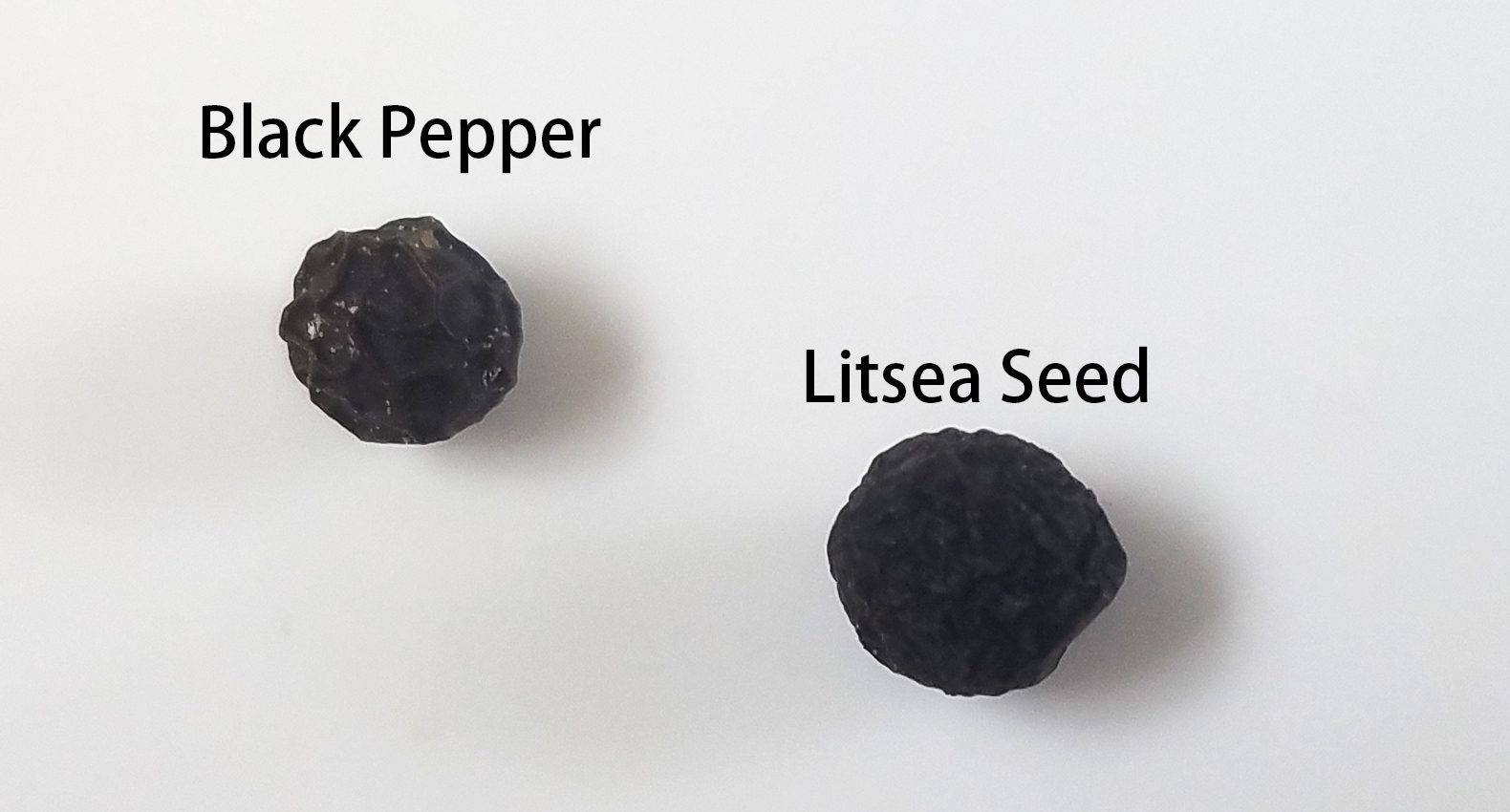
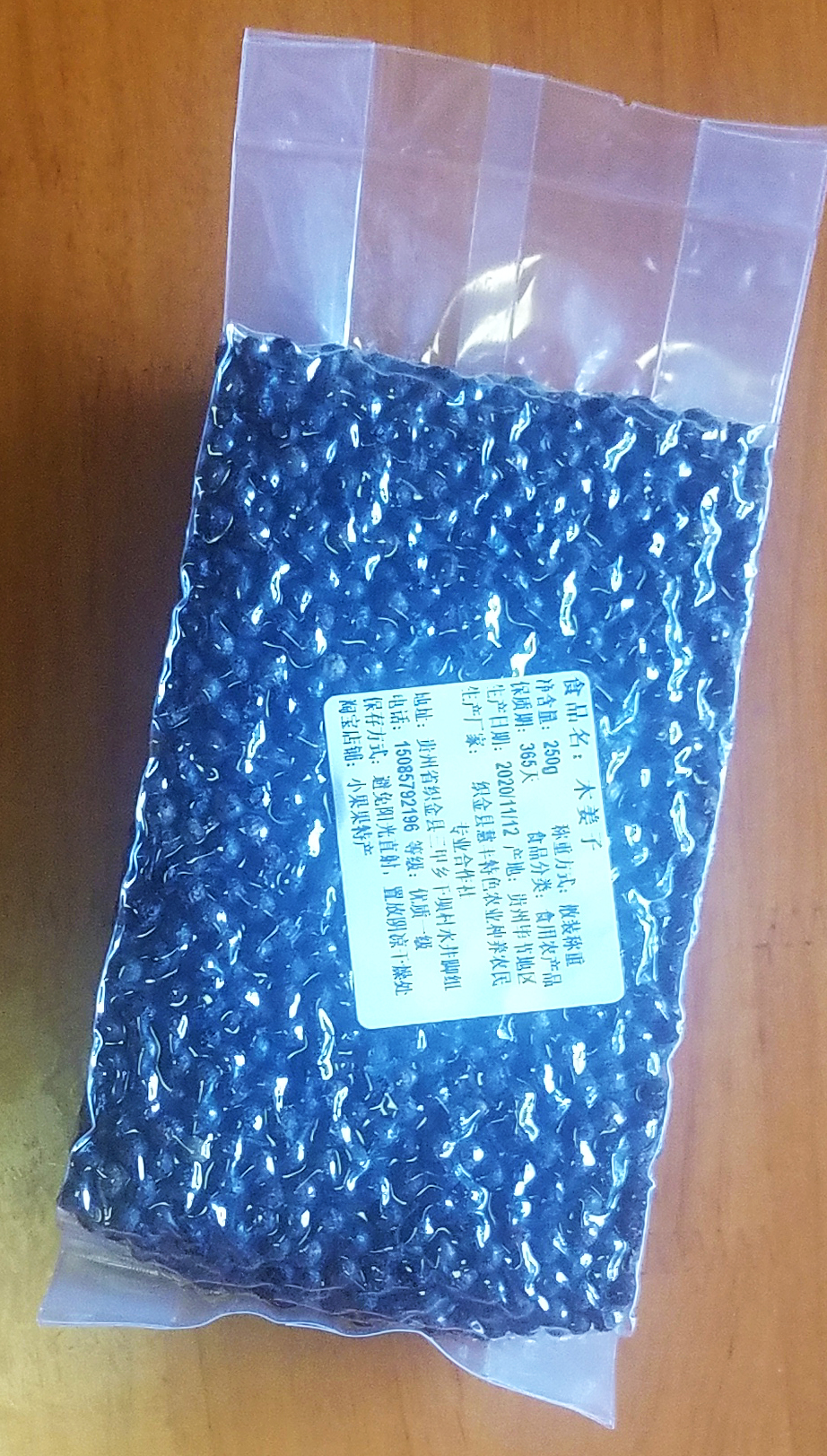
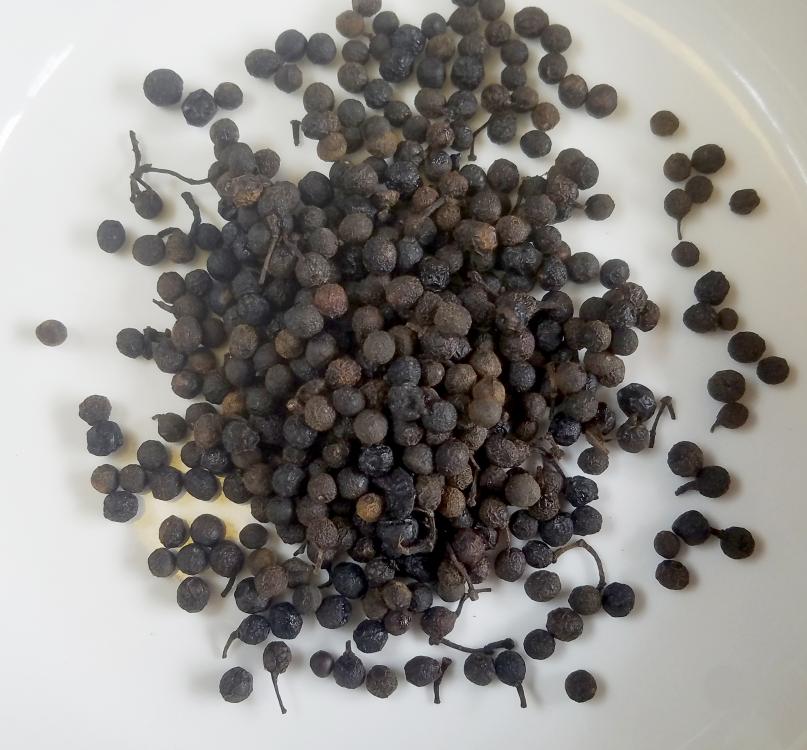
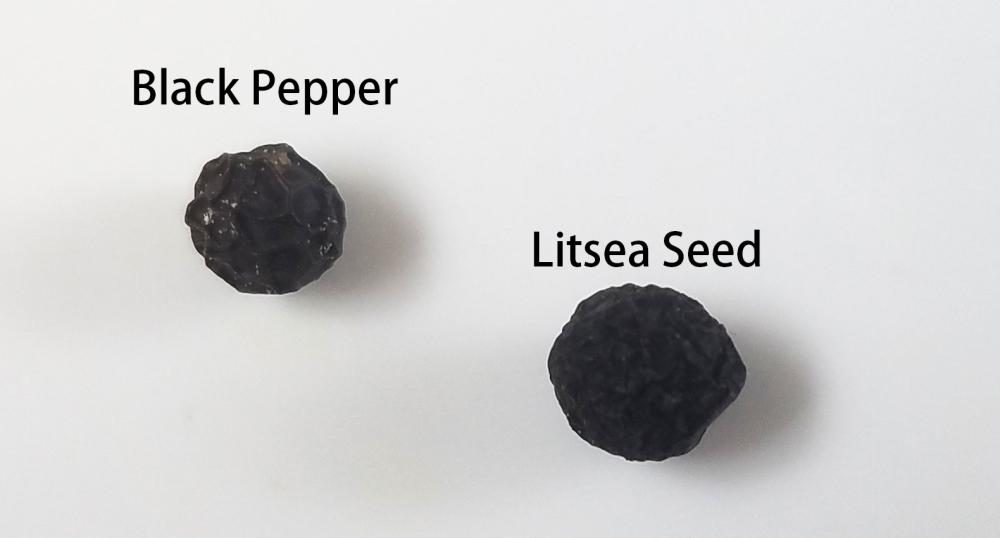
As promised, a hopefully clearer image of the litsea seeds. and for scale:
-
Yes, but Stilton is definitely not maggoty (unless something has gone seriously wrong). Despite my normal willingness to try most things, including various grubs, casu martzu is not on my shopping list. I don't think it is very common even in Sardinia. I never saw it on any of my trips there.
-
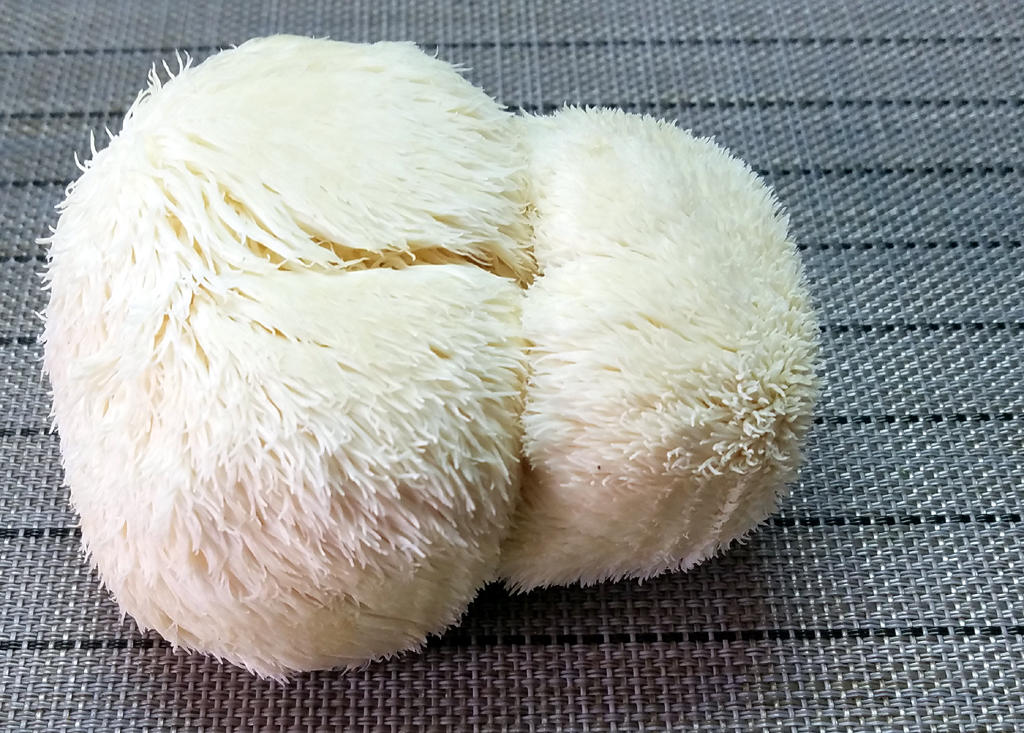
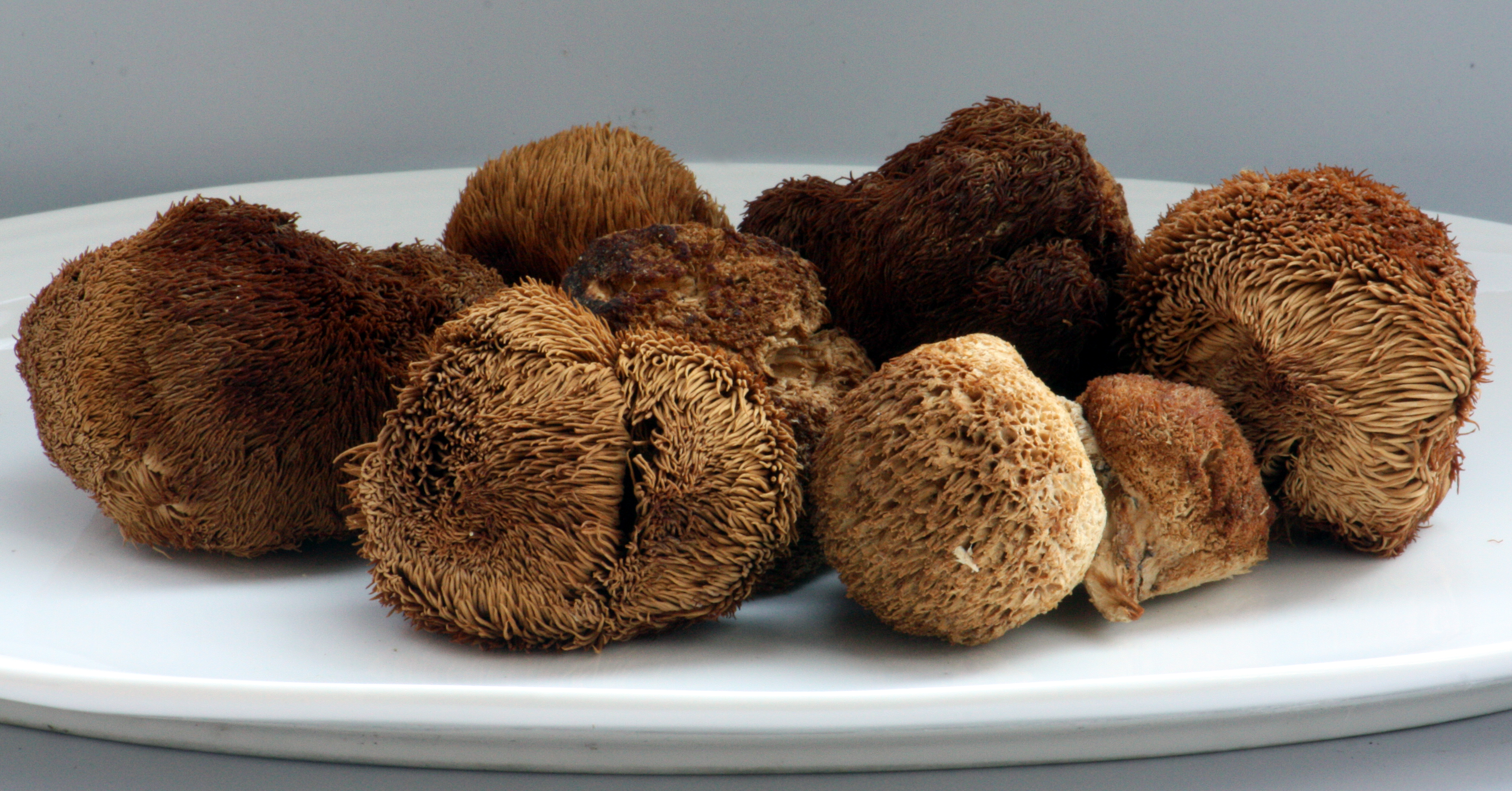
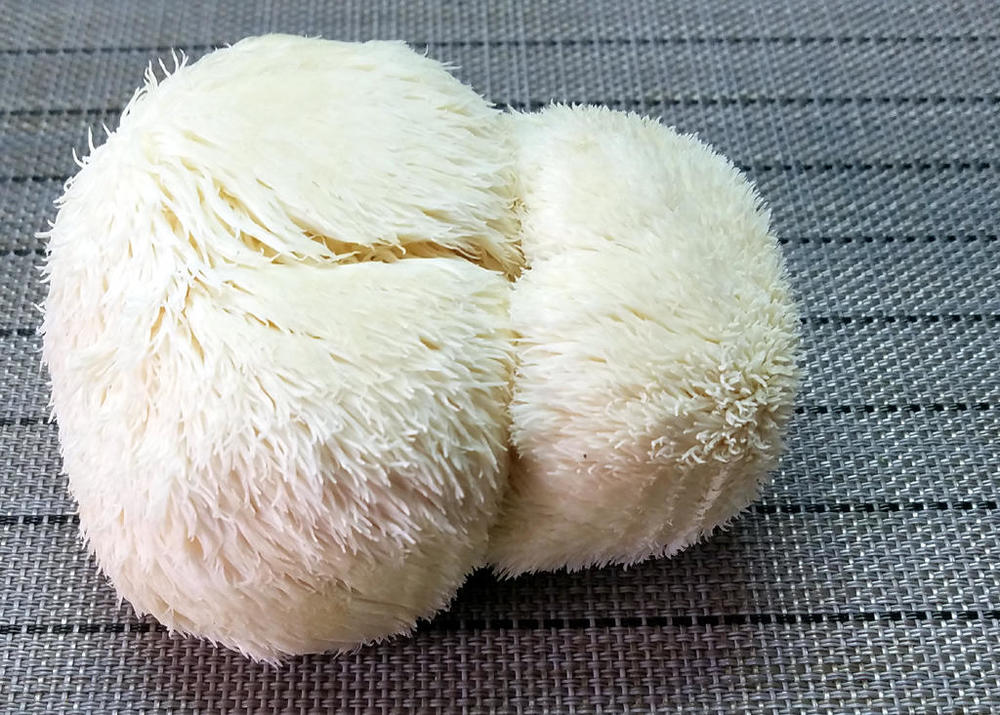
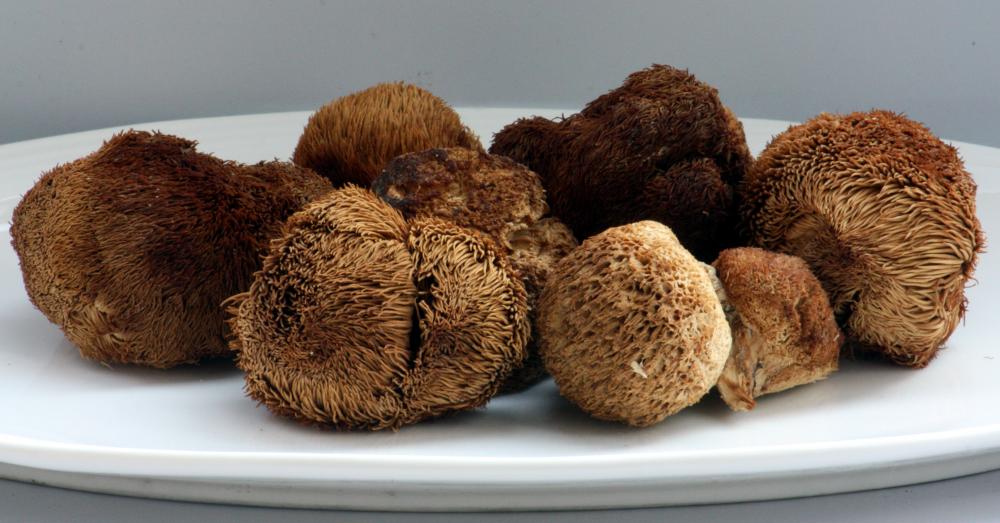
With fresh "Lion's Mane" mushrooms (the Chinese name, 猴头菇 (hóu tóu gū) means 'monkey head mushroom'), for breakfast, I like to slice the larger ones and fry the slices, then poach an egg and place it top of the slices. Sort of like poached egg on toast, but the "bread" being the mushrooms. It only works with fresh 'shrooms which regretably have a short season (in autumn) round these parts. The dried ones are available everywhere, all year round. They are one of those mushrooms which I feel are as good dried as fresh, but in different ways. Shiitake are the same. In fact, I sometimes use both fresh and dried in the same dish. It's like having two different mushrooms, equally delicious. In fact, with the lion's mane, the dried and fresh versions even look very different. Fresh Dried
-
Ah. Traditional mushy peas as served in English fish and chip places use 'marrowfat peas'. I guessed they are not generally available in Gemany, so I wondered. Never seen cream in mushy peas, either. But hey, German mushy peas! I'd give them a try!
-
Yes. I hate corn in all its incarnations. Fortunately round here, potato starch is normally used rather than corn starch for thickening. I can taste the difference and almost throw up if corn starch has been used. I've never eaten Mexican food largely for this very reason.
-
How did you make the mushy peas?
-
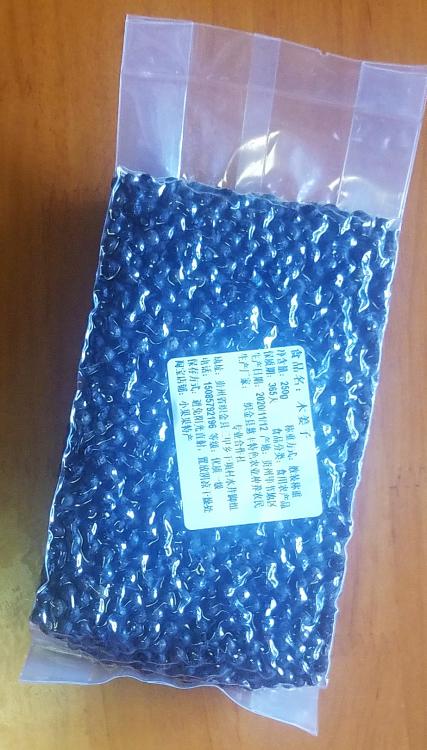
... and here are the dried litsea seeds. As you can see, the green seeds turn black when dried. I resealed the packaged after using some today. I'll re-open them tomorrow and add a clearer image.
-
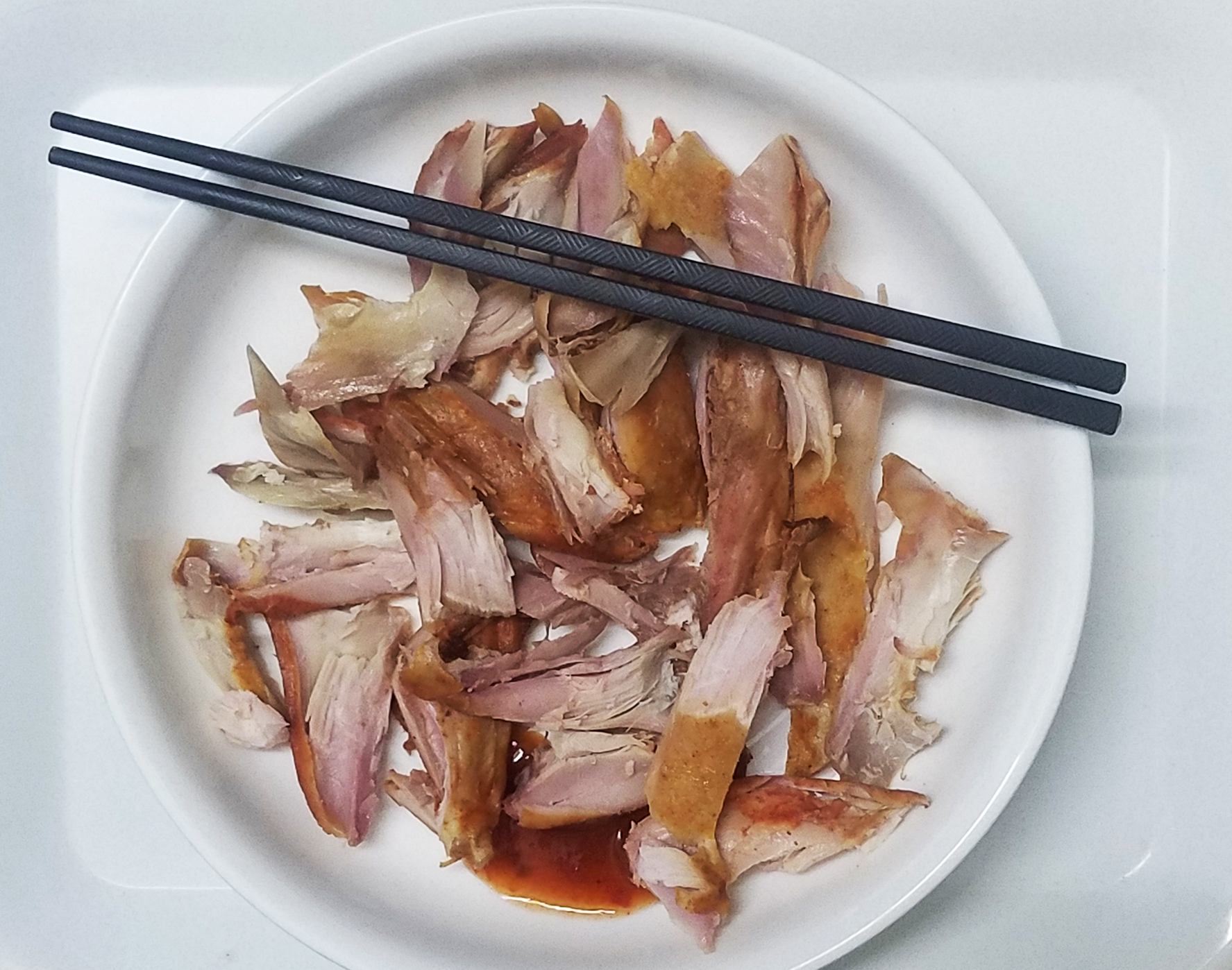
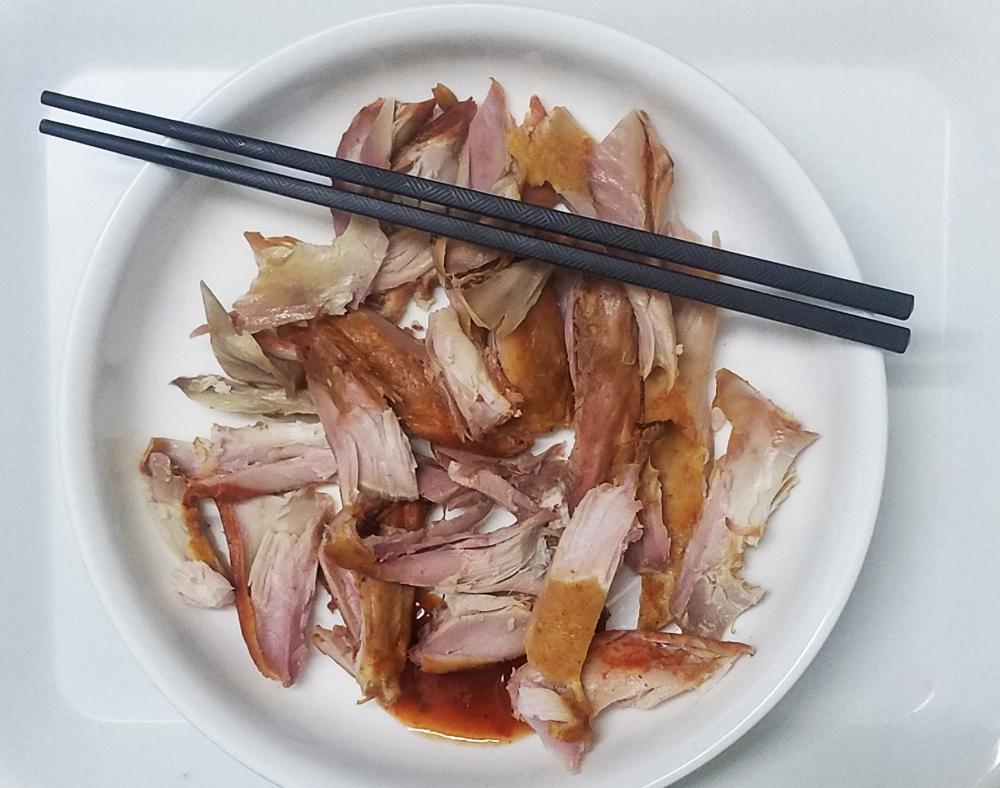
I was invited to lunch today in a friend's home and accepted on condition that I could bring one dish. This she knew I would do. It's a kind of game we play. I checked with her what she was serving, to avoid any clash and ended up making this starter with Sichuan notes. It is hand torn rabbit. The bunny was rubbed with ground Sichuan peppercorns and ground litsea seeds, then pan roasted. Served cold with litsea oil and a chilli dip. There were no leftovers, so I suppose it was a success.
-
Well, obviously someone n Shanghai is trying. That's where I found 'em! They'll have to work on their logistics, though to be successful. Two to three days for delivery anywhere in China is teh norm. Not 8 days. Just last week I ordered something online at 10 pm (approx). It was in my hands by 2 pm the next day. And it came about the same distance as those sprouts.
-
They tried. They failed. I wouldn't go looking for mushy peas, but if they turn up I'll eat them. I'll eat almost anything and having lived and travelled in many countries I've eaten a lot of anything. But I'll no doubt have "He who hated c@rn engraved on my tombstone!" Rest in Peas!
-
Were they dried or fresh?
-
No. But there were very good reasons for that, which I'm getting to.
-
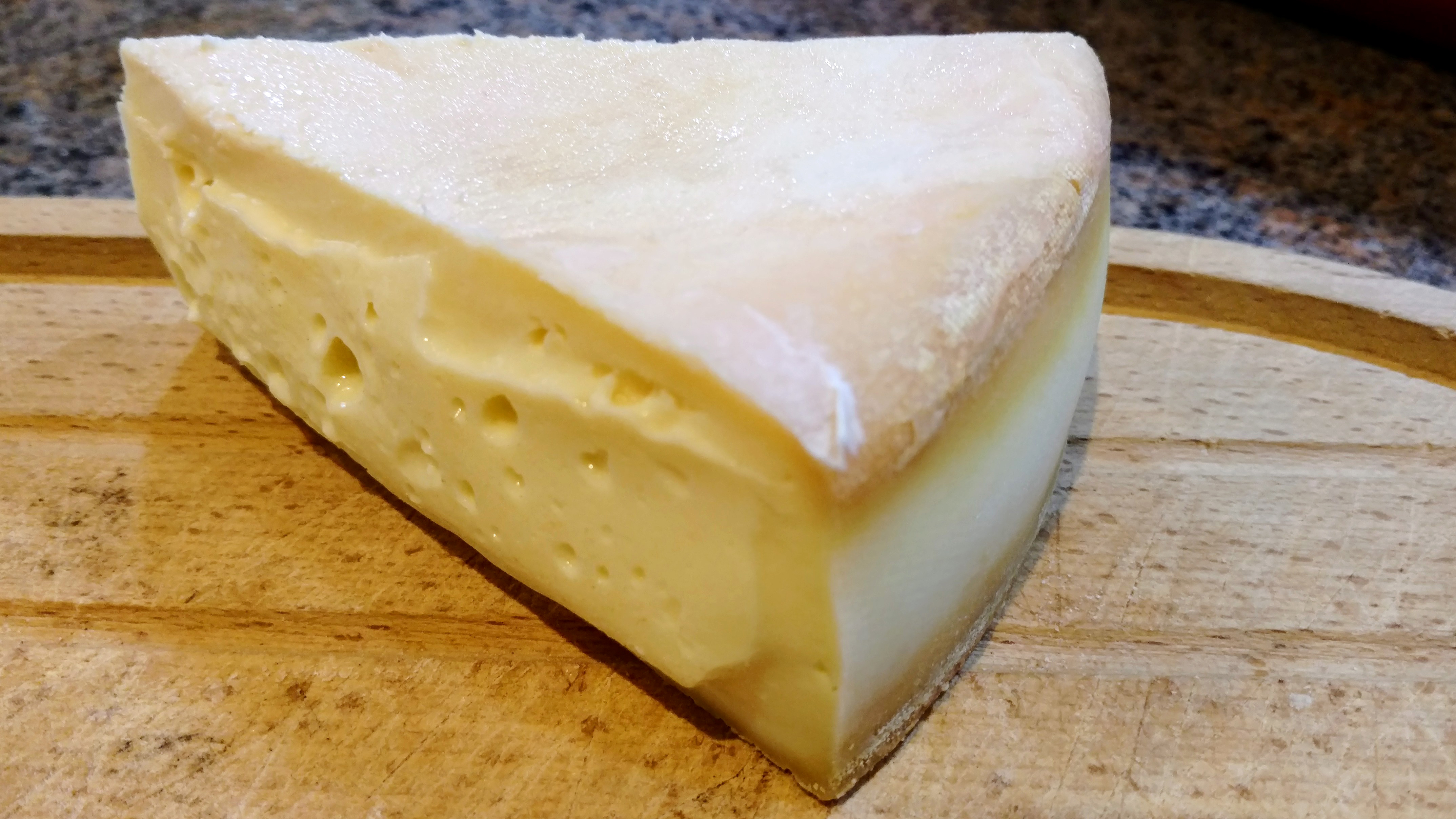
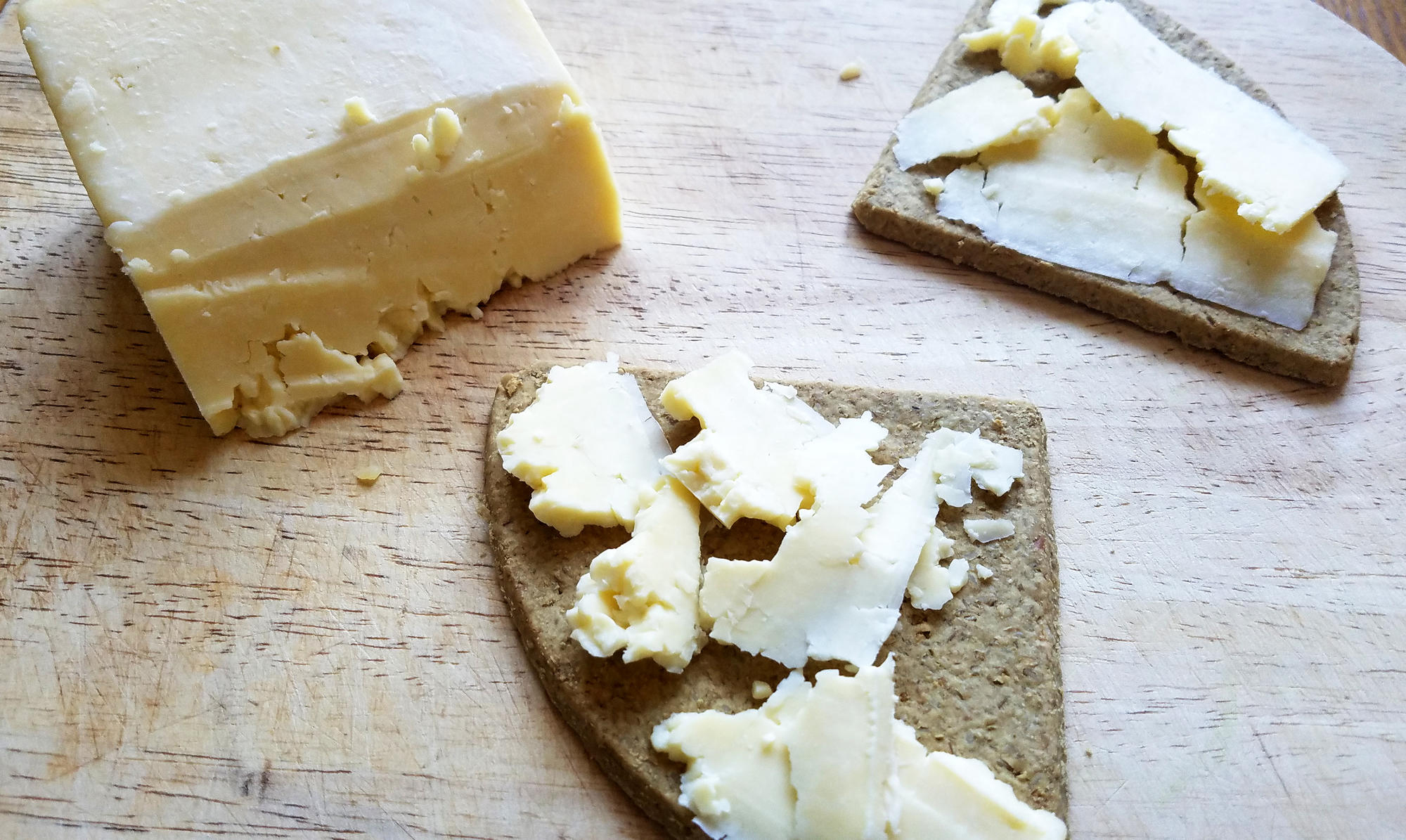
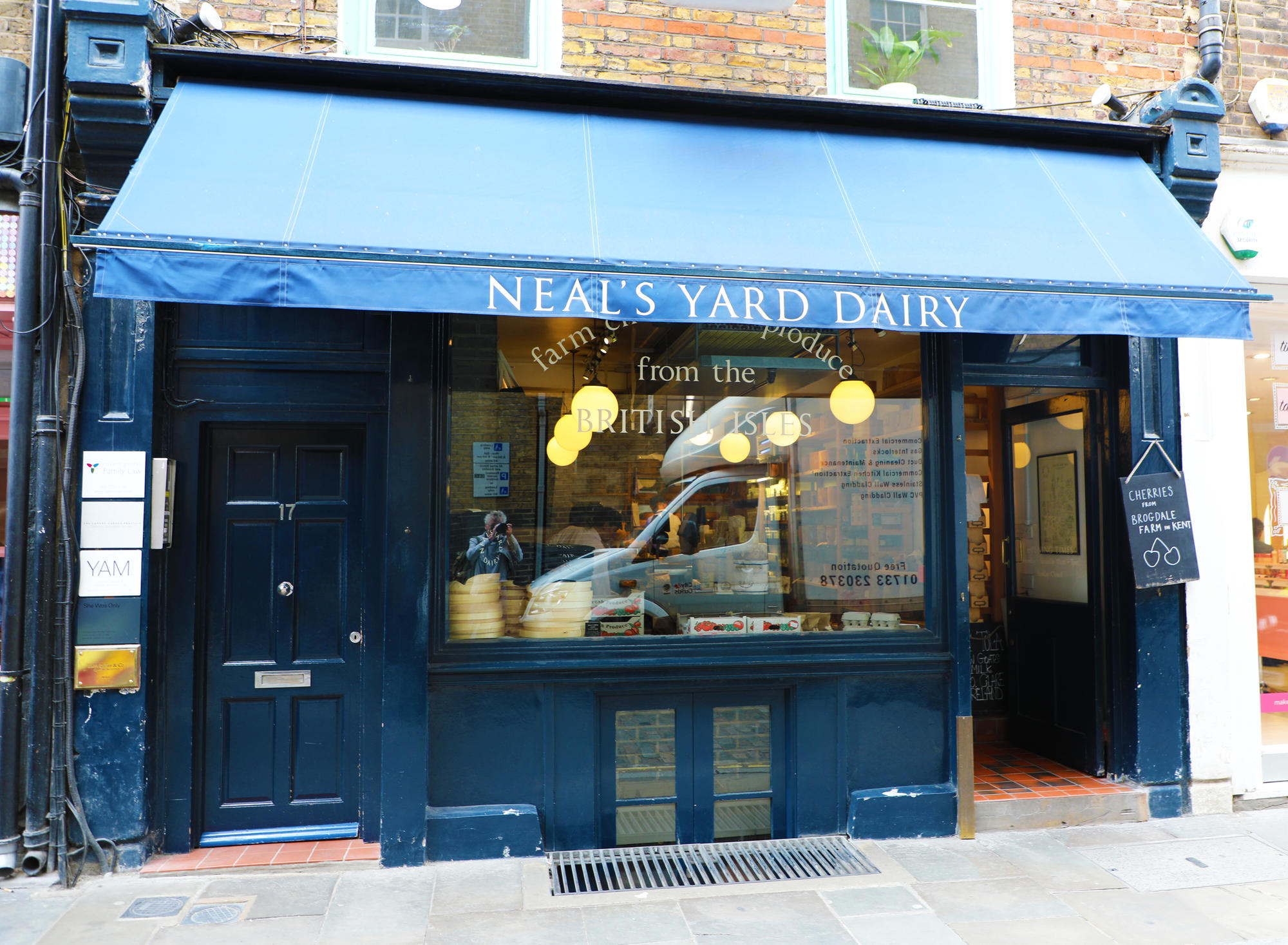
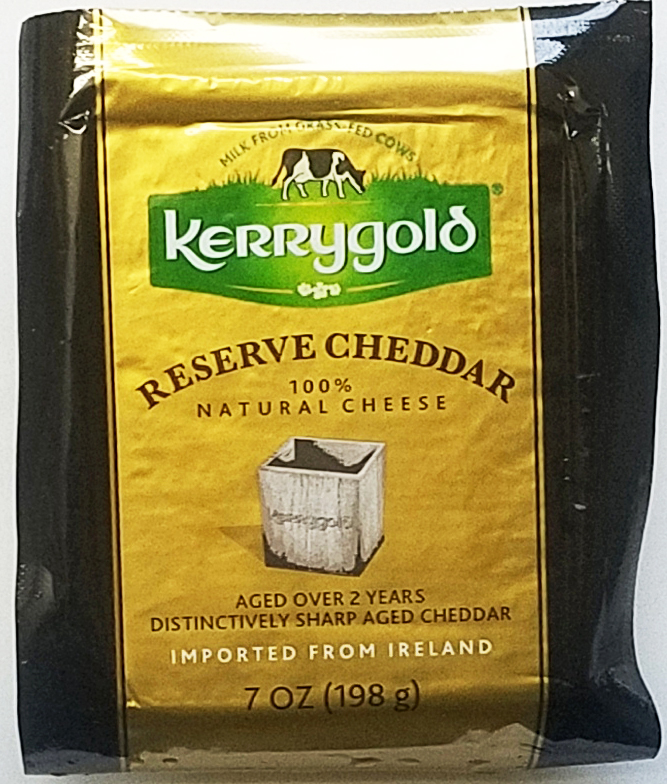
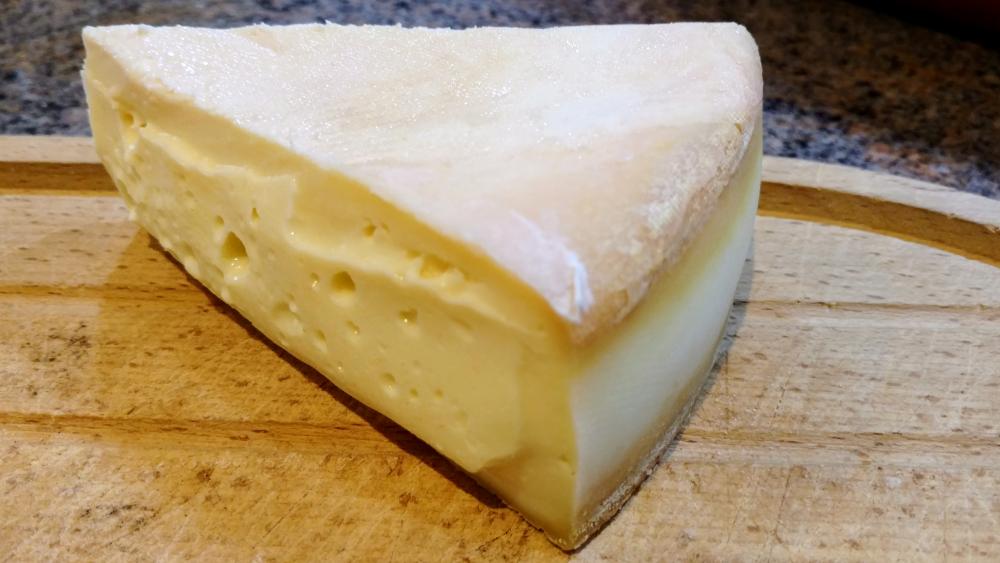
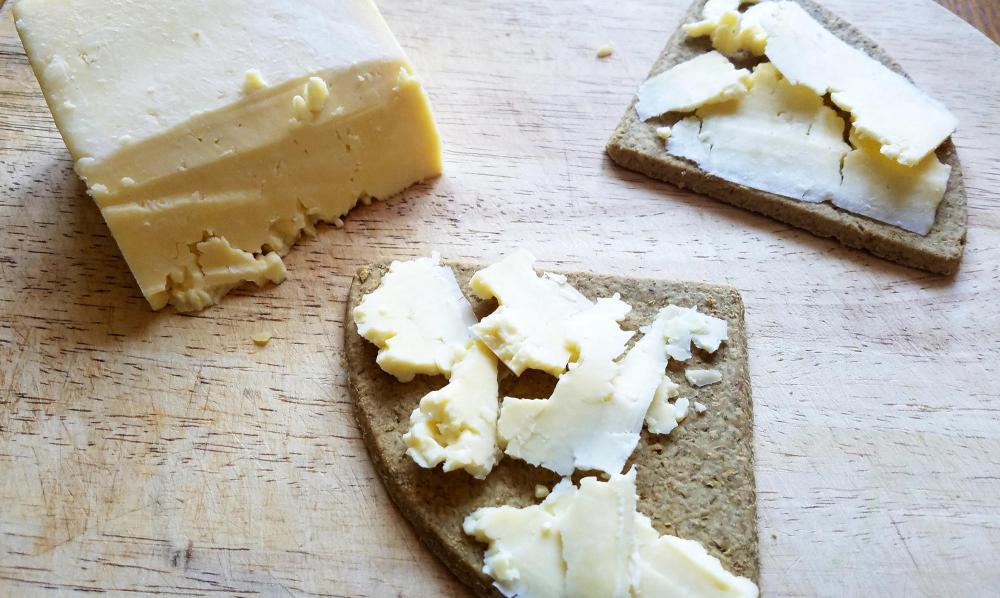
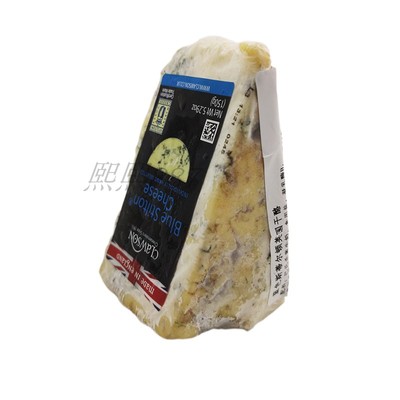
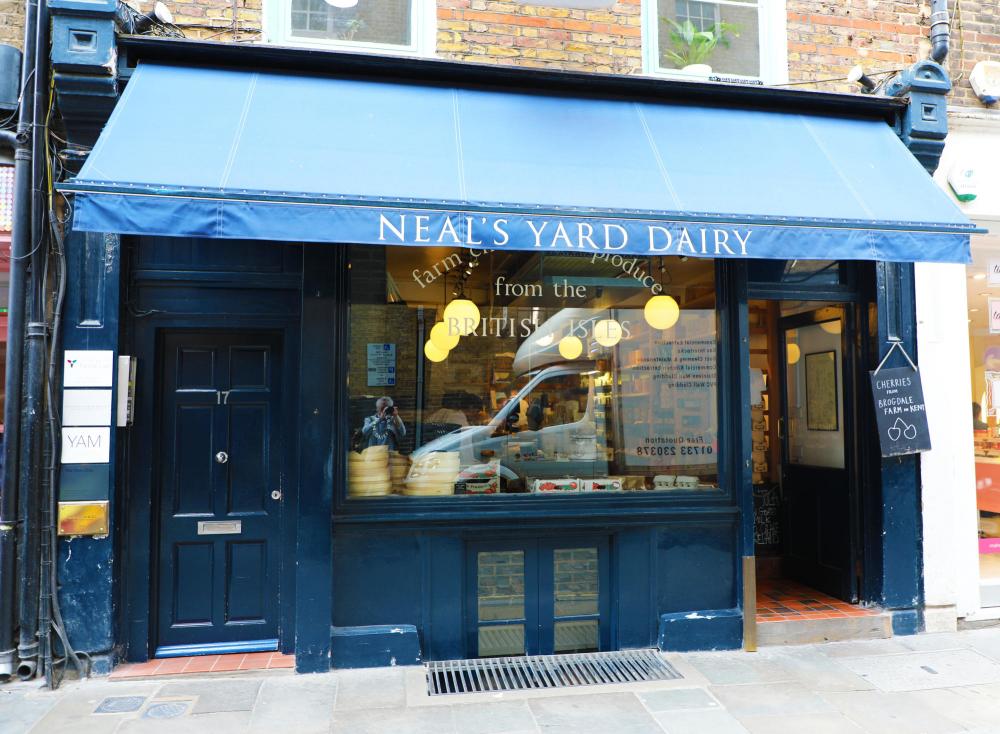
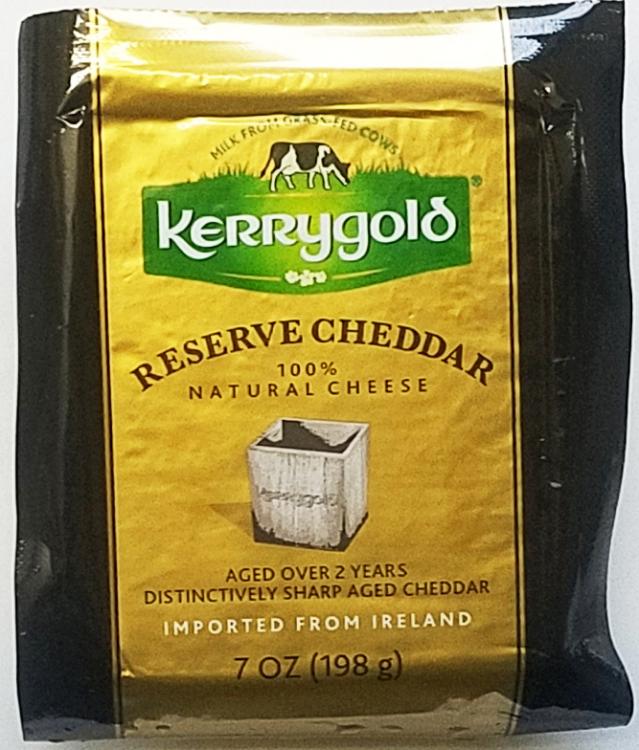
2B - Cheeses According to the British Cheese Board, a trade body formed to promote British cheeses, the country has around 700 named cheeses, some made in huge quantities in factories; the majority made in very small quantities by hand, in farms and dairies. This compares to France and Italy with around 400 each. These 700 include some world famous cheeses. Obviously, I’m not going to list all 700, but here is a small selection, all of which I have tasted. Blue Cheeses Stilton is probably the best known British blue cheese. This takes its name from the village in what is now Cambridgeshire, England where the cheese has long been sold. The village lies on one of the main routes north from London and villagers sold the cheese to passing travellers. Still do. Daniel Defoe, author of Robinson Crusoe mentions the village and the cheese in his 1724 book A tour thro' the whole island of Great Britain. There were probably no maggots. He is more likely referring to the blue veins. The cheese has a PDO (Protected Designation of Origin) status within the European Union (still) which requires that it can only be made in the counties of Derbyshire, Leicestershire and Nottinghamshire. You will note that this does not include Stilton itself, but it was probably never made there anyway. Stilton is also produced in a soft white version.. Blue Stilton is exported and is even sold in France, where it has recently become a fashion. I have bought it in China, a country which supposedly doesn’t do dairy. Stilton in China Other blue cheeses include Dorset Blue Vinney (also PDO) made in Sturminster Newton in Dorset. This is a hard, crumbly cheese with a distinct, strong flavour. Dovedale (PDO) is a full-fat cow’s milk semi-soft cheese made from cow's milk and is from the Peak District. Stilton is made from pasteurised milk, but there is a Stilton-like cheese known as Stichelton which uses non-pasteurised milk and no factory-produced rennet. Not to be left out, Scotland throws its hat into the blue cheese ring with Dunlop cheese and Lanark Blue. Hard and Semi-Hard Non-Blue Cheeses Here is where we find the world’s most popular cheese, Cheddar. Originally produced in guess where – Cheddar, a village in Somerset, England, the cheese has no protected status so can be made anywhere. I buy cheddar cheese made in Shanghai or in Inner Mongolia. I can also buy imported Australian, New Zealand and Irish cheddars. In fact "cheddaring" is a technique used in the production of the cheese and there are many varieties. “West Country Farmhouse Cheddar” does have PDO status and can only be made in Somerset, Dorset, Devon and Cornwall from local milk and made by traditional methods. It is delicious. Sadly many so-called cheeses are sold under the cheddar name, while bearing no resemblance to the real thing. That travesty, American cheese, is often sold labelled as cheddar. It is certainly the most popular cheese in many countries. Only mozzarella outsells cheddar in the USA. (Did someone mention cultural appropriation?) Other British hard cheeses include Caerphilly, a cow’s milk cheese from Wales; Cheshire Cheese; Lancashire, which comes in three varieties; Double Gloucester; Sage Derby which is coloured green with sage, which also gives it a mild herbal flavour; Red Windsor, flavoured and coloured with Bordeaux wine or a mixture of port and brandy; the very popular Red Leicester which, in Britain, is Cheddar’s nearest rival; and Wallace and Gromit’s favourite, Wensleydale. Wensleydale Cheese with Oatcakes Soft and Semi-Soft Cheeses Perhaps the most famous of the British semi-soft cheeses is the relative newcomer, Stinking Bishop. This is a cow’s milk cheese which, as it matures, is washed every four weeks in perry, an alcoholic drink similar to cider, made from the Stinking Bishop variety of pear. Many people think the name refers to the smell of the cheese, but although the cheese does have a distinctive smell, few people, if any, would describe it as ‘stinking’. Instead the name comes from a local bishop and landowner who had a stinking temper. The cheese was first made in the 1970s. I first tasted it in 2019. Stinking Bishop As a handmade artisan cheese, this is only produced in small quantities and is not sold in supermarkets, but only specialist cheese shops and delis, although London’s world-famous Harrods does stock it. Scotland’s second oldest cheese is Caboc, an oatmeal-wrapped cream cheese with an interesting story. It was developed in the 15th century by Mariota de Ile, the daughter of the chieftain of the Clan MacDonald. The recipe has remained a secret to this day. The oldest is Crowdie, a soft fresh cheese which was influenced by methods learned from the Vikings, who invaded Britain in 793 AD. There is evidence that it may in fact date back further to the Picts in the early Middle Ages. Much later, the crowdie makers also took to making a variety flavoured with wild garlic, after a bunch of cows accidentally wandered into a field of wild garlic, accidentally flavouring their milk. Traditionally the cheese was made by crofters and small land-holders, using the milk from the family cow. Unfortunately, the name is unprotected and a number of industrial cheesemakers are now producing their variety which has very little in common with the original. A few traditional makers still exist, but they are a dying breed. Efforts are being made to revive the cheese. One more to mentions is the delightfully named Renegade Monk , a soft blue cheese made in England by only one farm in Somerset, England. It won first prize in the 2020 Best British Cheese awards ceremony, held virtually due to COVID restrictions. This is obviously a ridiculously small sample, but hopefully it gives an insight into the wide variety of cheeses on offer. Visitors to London (when it's allowed) can do no better than visit the legendary Neal's Yard Dairy in Covent Garden, which only sells British cheeses in perfect condition.
-
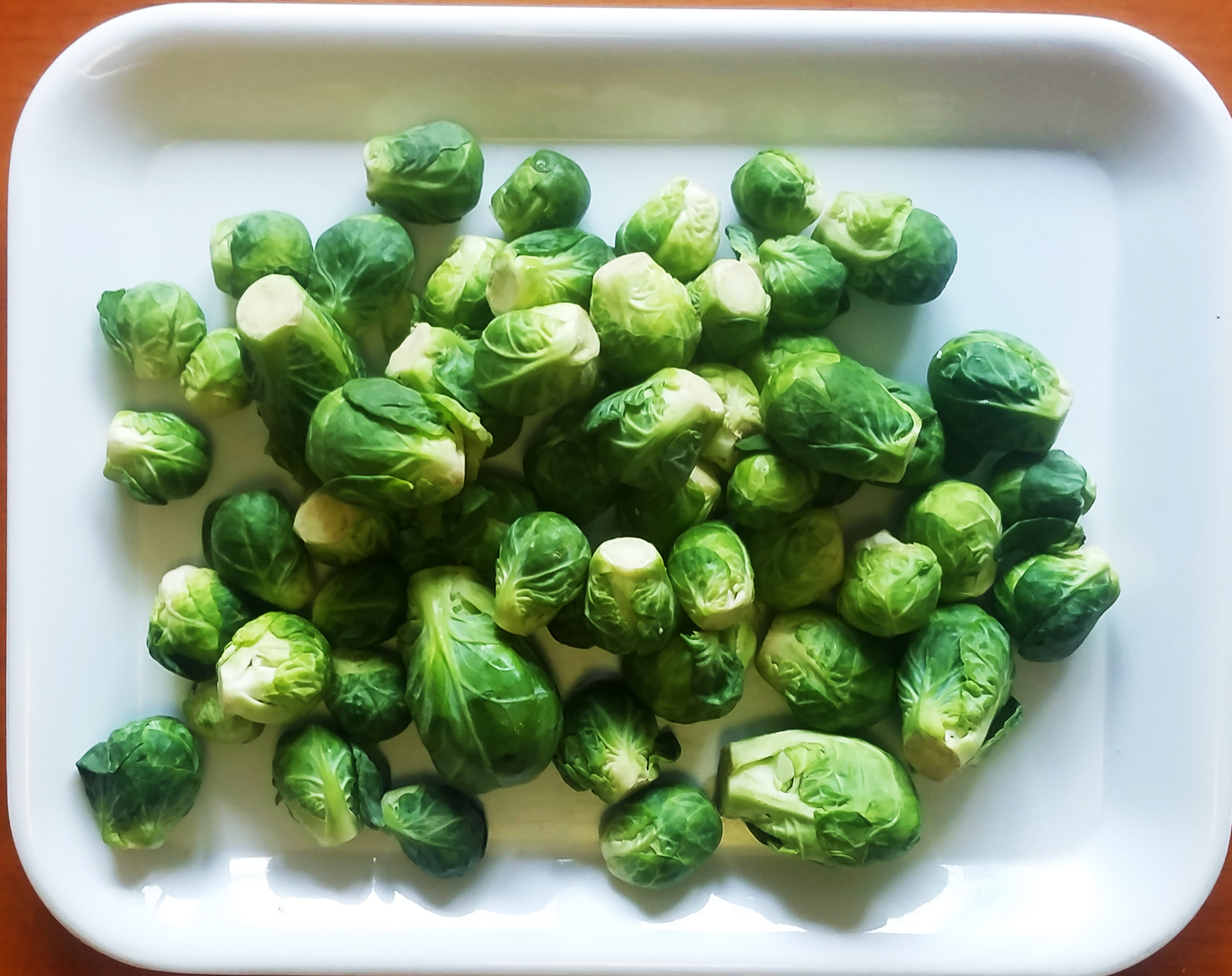
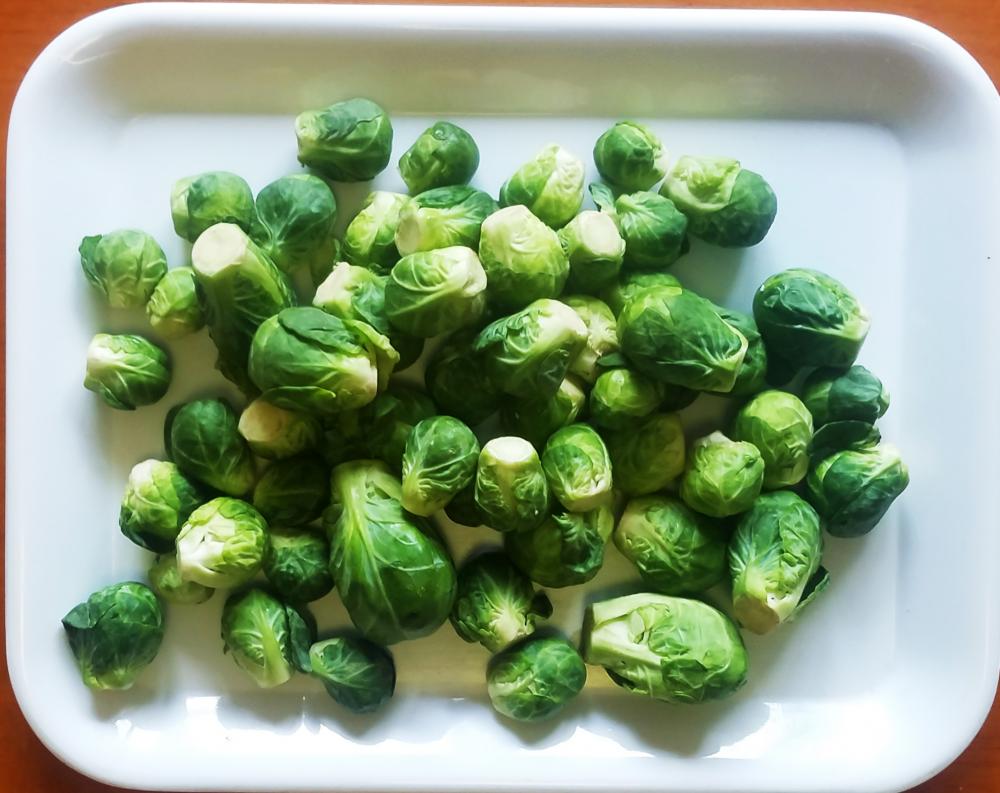
The trip from Shanghai to Liuzhou took 31 hours, 44 minutes and 13 seconds, according to the tracking - not unreasonable, I suppose. The package then hopped around Liuzhou for the next 3 hours, 44 minutes and 8 seconds before finally being dispatched from the nearest depot to me (in the next street to my home). 54 minutes later it was in my hands! As predicted, they were wrapped in a styrofoam insolating box with an ice pack (which had almost completely melted). They are in perfect condition and will appear on the dinner thread tonight, all being well! I'll probably post them here, too!

- 20 replies
-
- 13
-

-
I think the cab driver was pulling your leg. The expression 'bangers and mash' is well known in Britain, although seldom used other than jokingly. I've neve heard it being used to refer to a prostitute, nor is that meaning listed in any of my many dictionaries. The origin of the phrase also seems to be Australian, but it's unclear. The earliest appearance in writing is in an Australian dictionary of slang called Digger Dialects, in 1919.
-
Not really, but I'll get to what I (and many others) believe to be the reason for the false reputation shortly.
-
Come on! People have been being negative about British food for decades.
-
Institutional food is never great in any country or culture.
-
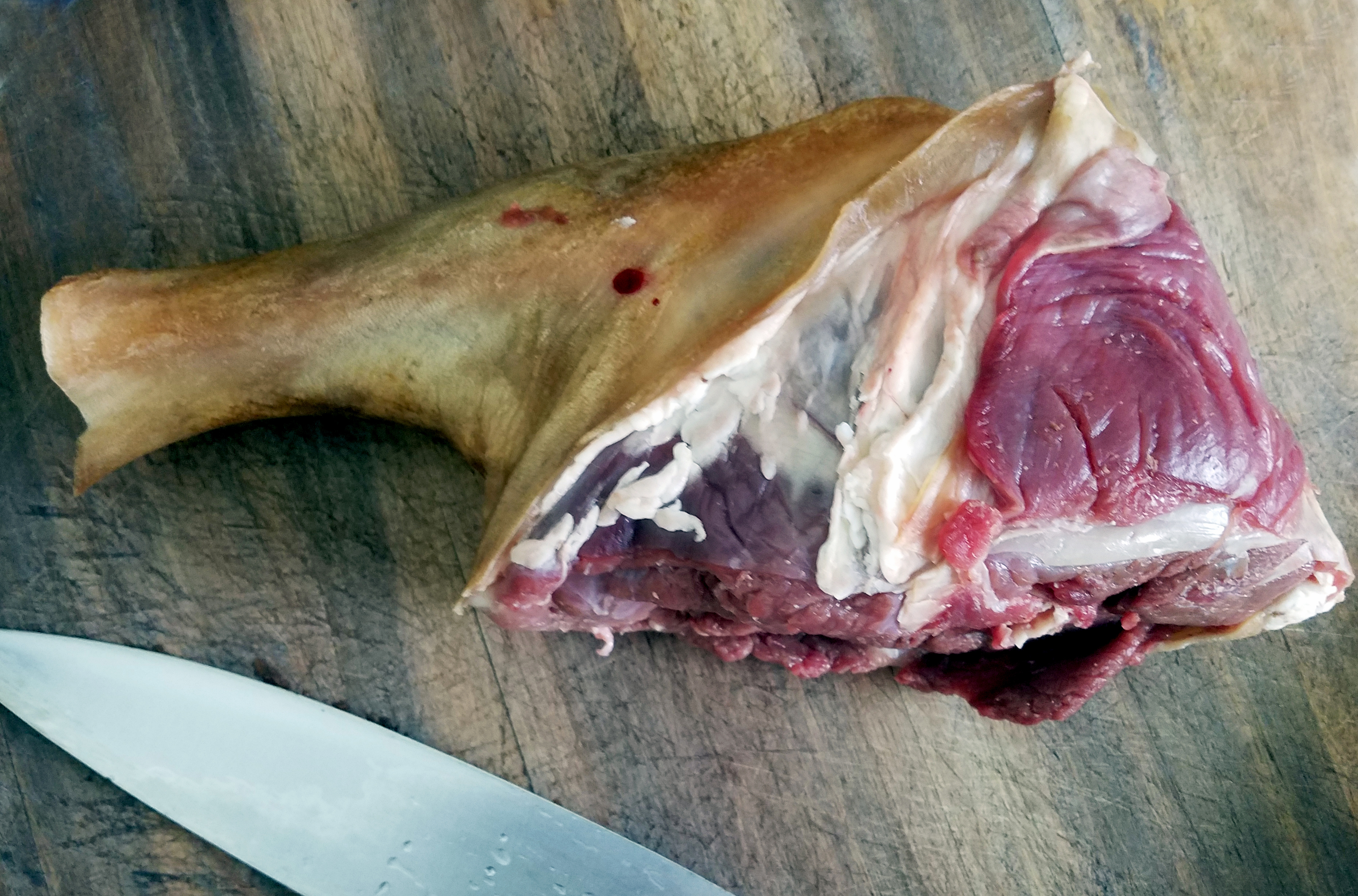
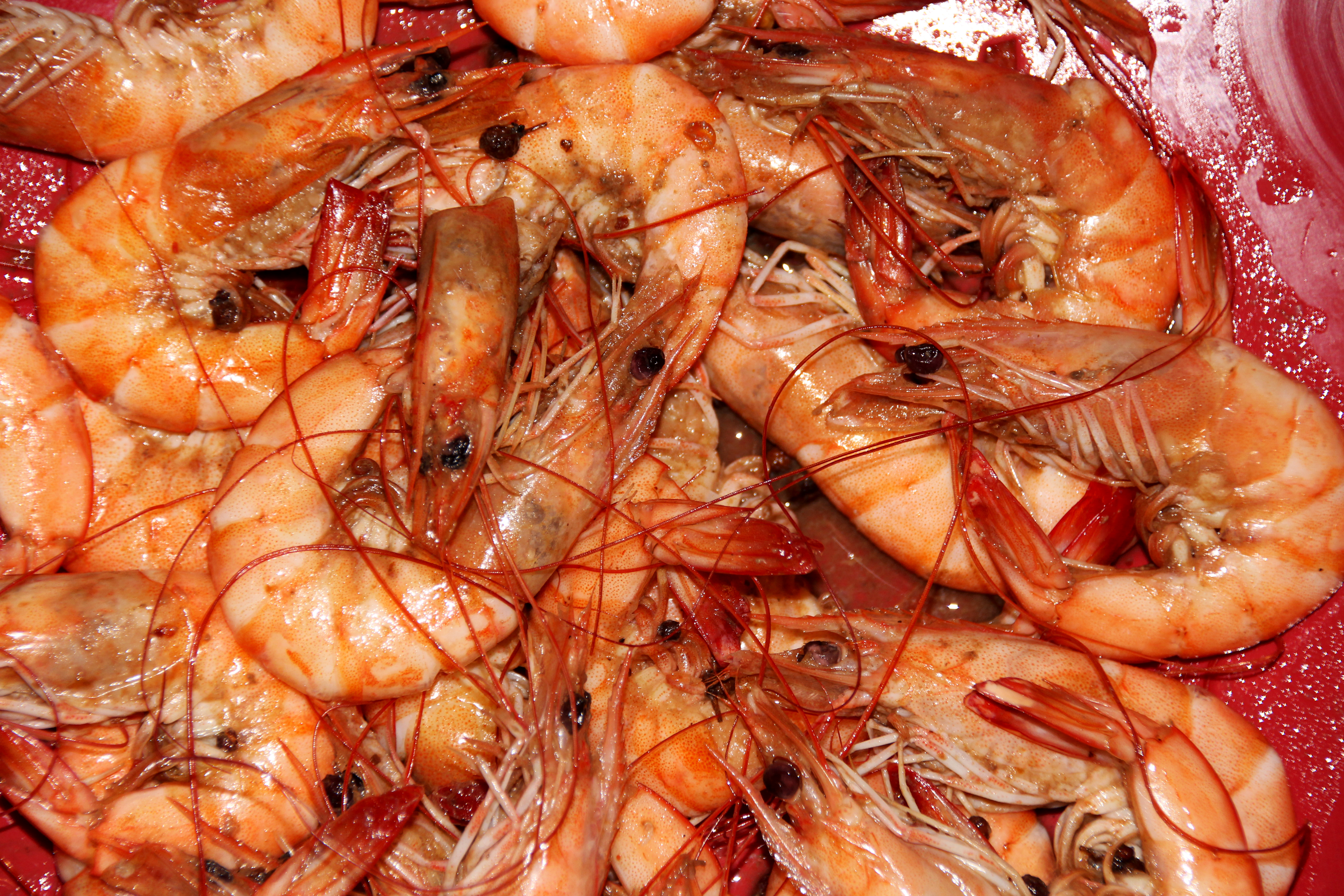
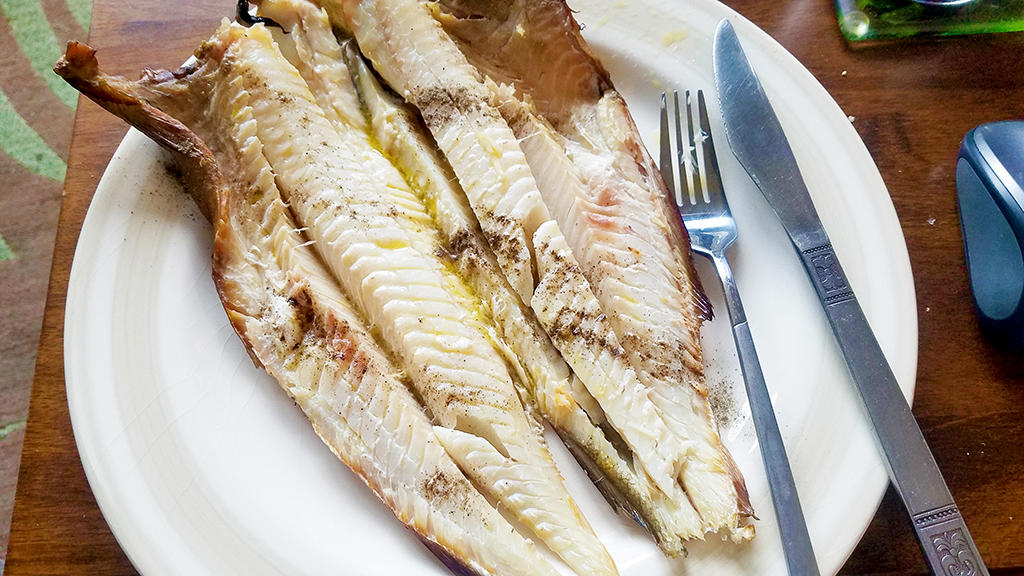
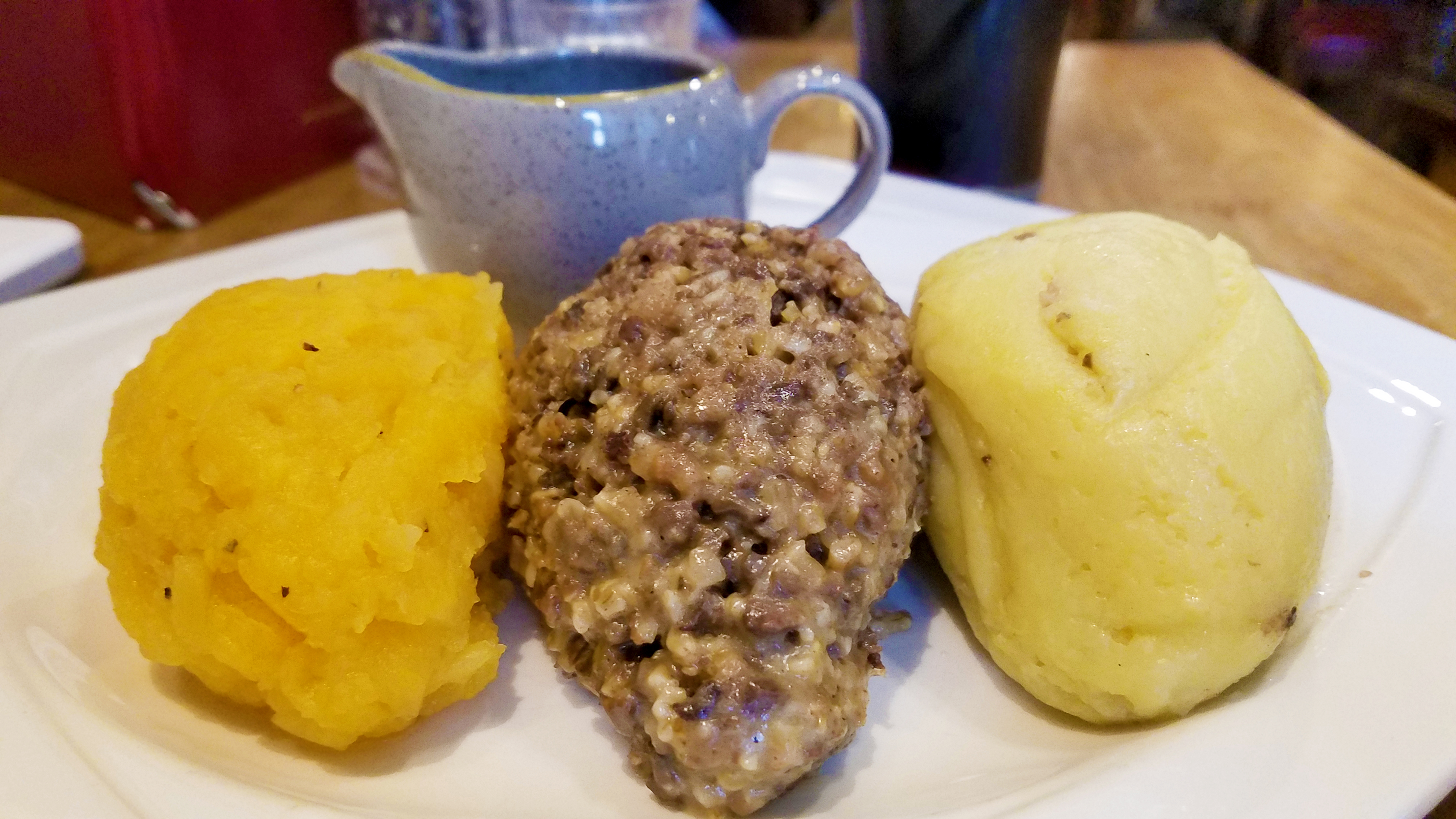
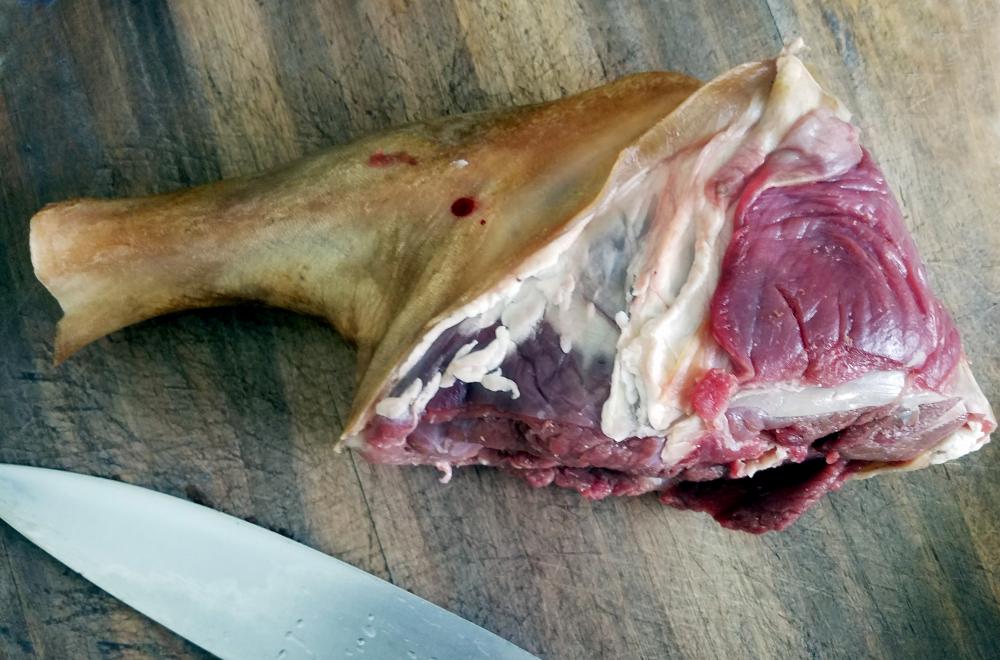
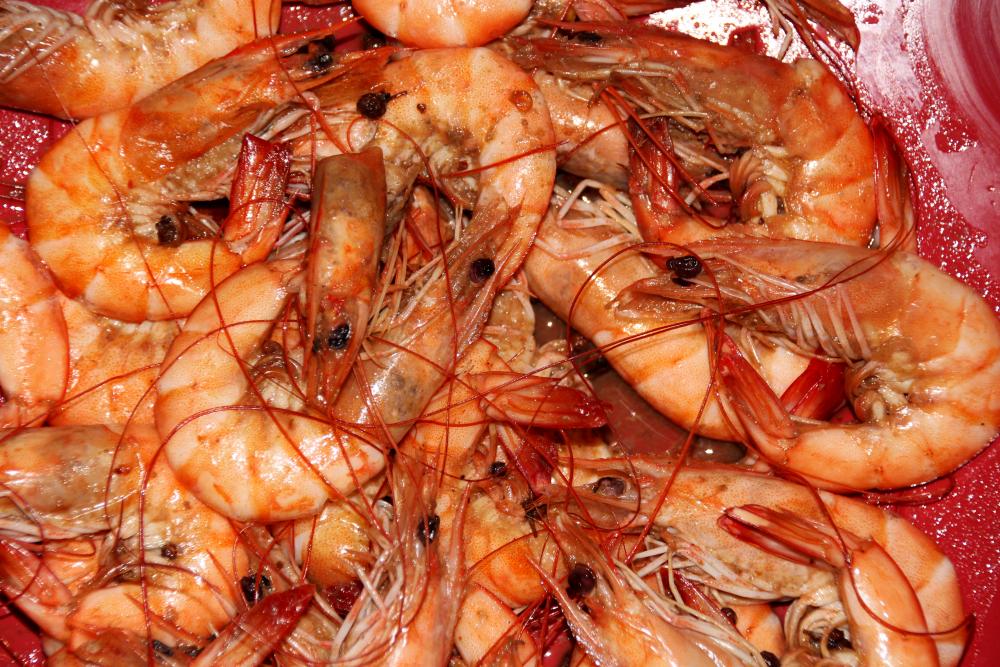
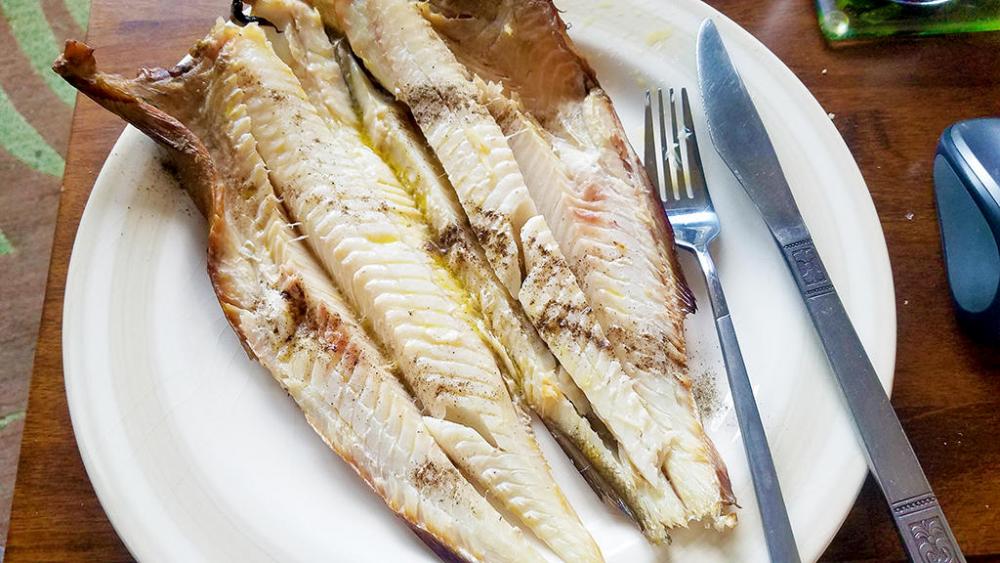
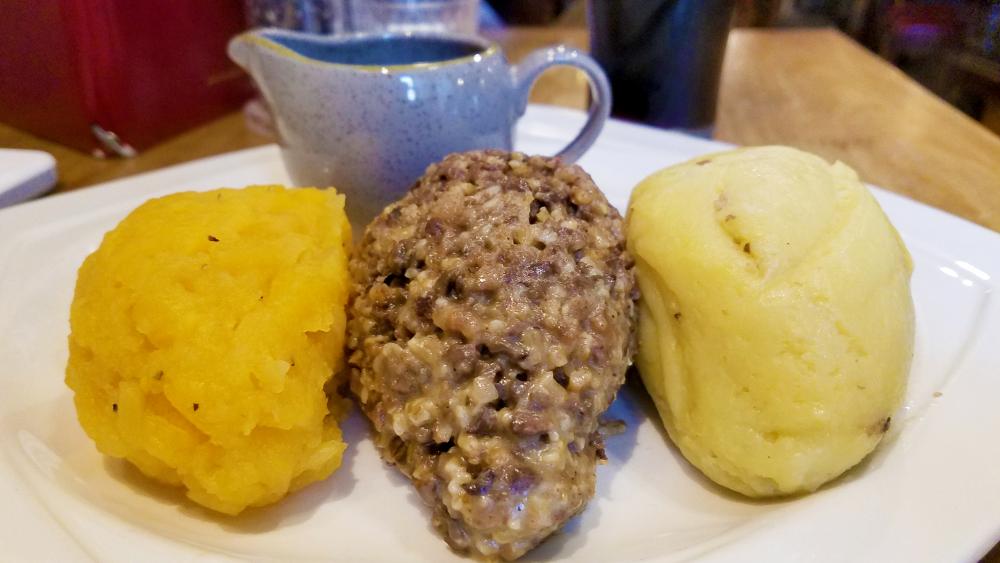
2. Britain Doesn't Have Good Ingredients - Part A Of all the claims, this one is surely the dumbest. British beef has long been considered among the world’s best. Where does Aberdeen-Angus, sometimes just called Angus come from? Yes, Britain, specifically Scotland. Much of that raised today in Britain is shipped to France, with the top Parisian chefs (and customers) paying top prices. Angus beef is America’s favourite, introduced in 1873. Sorry, folks, it’s British. Today, the breed is found worldwide and is prized for its marbled beef. The Japanese love it, too! Welsh lamb, Queen Victoria’s favourite, is also well regarded, although the French don’t eat so much of that. Leg of Lamb Rabbit, introduced by the Romans, is still popular. Often cooked with the same herbs the animal feeds on. Rabbit with juniper berries is also a classic pairing. Tamworth pigs, Gloucester Old Spot Pigs, Berkshire pigs etc. are prized around the world for their meat as are other heritage breeds. Order seafood in Paris and it’s going to have been caught in Scottish waters- some of the best in the world. Langoustines and brown crab are particularly prized. Scottish seafood is exported to the USA, Spain, Italy and Portugal, with growing interest in Southeast Asia. Loch Fyne, a sea loch on Scotland’s west coast has some of the most highly prized oysters. I’ve eaten them in Paris, too. Traditional foods such as kippers (cold smoked herring) and Arbroath smokies (hot smoked haddock) may be brown but are far from bland or boring. Yes, ‘brown’ is another complaint levelled against British food right here on these forums. Many, maybe most, foods are brown; not just British. Smokies Haggis is neither bland, or boring. Instead it is well spiced. The same with black pudding (blood sausage). Haggis (centre) Coming next: A surprise!
-

All About H Mart and Asian Groceries in the U.S.
liuzhou replied to a topic in Food Traditions & Culture
Same here. -
I would normally roast or bake sprouts, but I am temporarily oven-less. When (if) the things arrive, I'll share how I cook them. The method you mention does sound interesting.
-
All About H Mart and Asian Groceries in the U.S.
liuzhou replied to a topic in Food Traditions & Culture
which as I've pointed out before aren't Chinese. Clams and black fermented beans is a fairly common dish where I am, but not in most of China. Too far from the clam beds I guess. Many years ago, I spent time living in Xi'an (one tear) and later, Hunan (two years). Never saw a clam! Much to my regret.