
liuzhou
-
Posts
16,813 -
Joined
-
Last visited
Content Type
Profiles
Forums
Store
Help Articles
Everything posted by liuzhou
-
That is my preferred solution, but I can't find such strips here. At the moment most of the knives live in two knife blocks, but I hate them. Troublesome to keep clean.
-
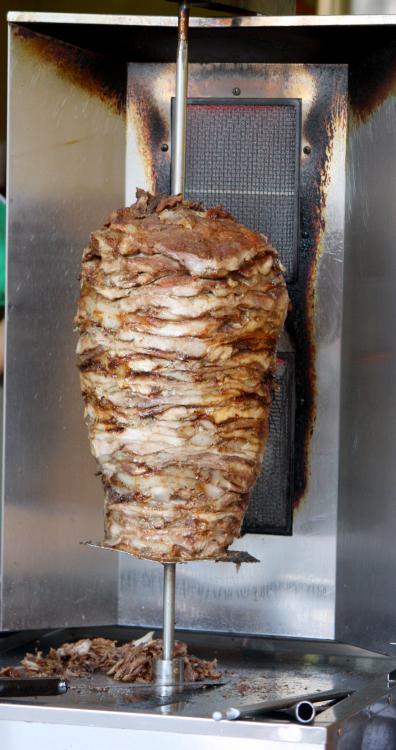
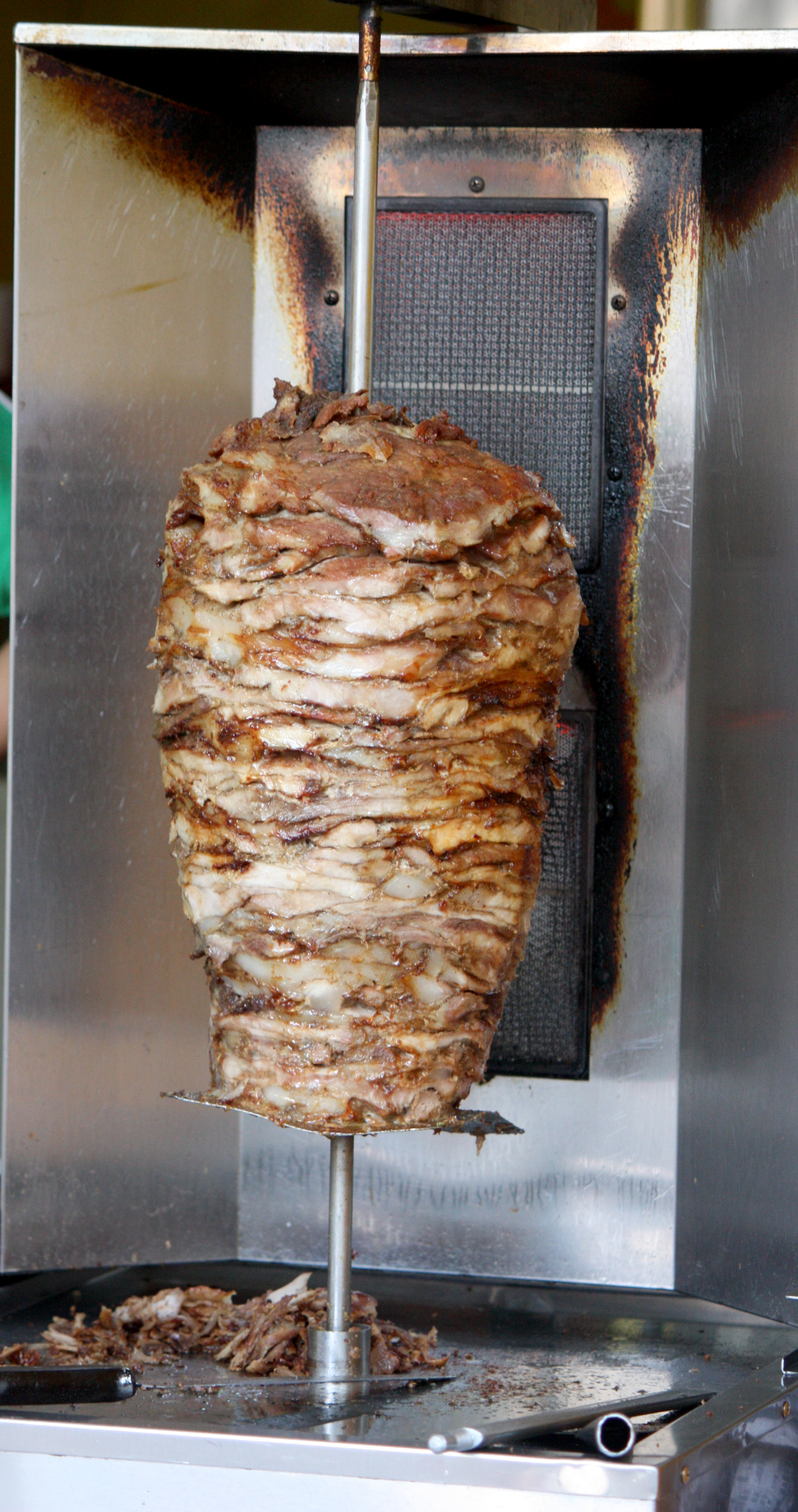
That is my most prized knife. Almost my most prized possession. Several years ago there was a Xinjiang restaurant called AliBaBa, here in town. Xinjiang, for those who don't know, is China's westernmost province bordering Mongolia. Kyrgystan, Khazhakstain, Afghanistan and Pakistan. It is mainly Muslim. Their food is wonderful, but totally different from what most people think of as Chinese. I ate there regularly with friends and got to know the boss, a Xinjiang native, quite well. He made a point of coming out of the kitchen to say a word or two before rushing back to cook the next order. In 2003, he announced his upcoming retirement and I, with a couple of friends, went to his restaurant for its last service.The place was rammed full. Towards the end of the evening, he came out and announced to the entire restaurant that there would be no charge for dinner that night, but it would be a thank you to his loyal customers for their support over the years. Tears were shed. Then, after the crowd had thinned a bit, to my amazement, he came up to me and handed me the knife he always carried on his front-of-house visits. He said he wanted me to have it as he thought I might actually use and value it, now that he no longer would. There is a story about Johnny Cash handing Bob Dylan his guitar as a mark of respect which blew Dylan's mind. I know exactly how he felt That was the last time I saw him. He moved back to his hometown many, many miles away. But your question was "how is it meant to be used?" My answer is "I don't really know." The only times I ever saw him use it were a) to slice naan bread (the local staple visually resembling pizza bases) into manageable segments and b) to slice mutton from the Xinjiang version of gyros. I think he mainly carried it for effect. It is 40cm / 15¾ inches long in total; the blade being 28cm / 11 inches long. Xinjiang style mutton gyro I mainly use it as a bread knife. Although not serrated and although I do have a bread knife, I've always kept this one as sharp as I can. I also use it to open durians. I used to use it to cut watermelons, but then acquired a dedicated watermelon knife. I do regret that I don't use it more. And I miss him and his restaurant still.
- 122 replies
-
- 10
-

-

-
10 kitchen gadgets you really don’t need – from garlic presses to spiralizers This is an article in today's Guardian listing 10 kitchen gadgets which, according to the author, you don't need. Views will, no doubt, differ. I guess I broadly agree as I possess only one of them and don't use it as intended by the manufacturer, but there are others I might add to the list. I'm sure we all have our opinions. Do you agree completely or think the article is idiotic (or anything in between)?
-
I've been sorting out my knife collection and am looking for better storage. I was surprised how many I have. I found this lot but then remembered another box had some They do all have different functions. Storage options are limited here; I may have to improvise.
-1024.thumb.jpg.60240bef84713714d106543641cdf2a2.jpg)
-1024.thumb.jpg.68d5e3bfa88b3d96a024bb77f6aa6a4d.jpg)
-
Lucky I don't have a husband, but if I did, the butchers' knife would be a fine choice for any intended doing away with him. I would love to get some grapefruit knives, but haven't seen them in years. Certainly not here, anyway.
-

A short travel blog of Greece: Pelion, Meteora, and Athens
liuzhou replied to a topic in Elsewhere in Europe: Dining
Enjoying this already, thanks. Looking forward to more. -
We never had a butcher's knife at home when I was growing up. The gamut of kitchen knives amounted to three - a bread knife, a green-handled cake knife and the "sharp knife", which was no such thing. It was a blunt paring knife. Table knives were mostly of the normal variety, but I remember being fascinated by the grapefruit knives as a child.
-
All About H Mart and Asian Groceries in the U.S.
liuzhou replied to a topic in Food Traditions & Culture
Flower shiitake! Beautiful indeed. BTW, that price is about four times what I pay for them here! -
Certainly not! Almost nothing is frozen in China; never fruit, although I have one friend here who likes to freeze the segments after extraction. But she is strange! Durian ice-cream is wonderful!
-
As many do in Scotland and northern England. 'Dinner' as the evening meal is a southern English thing. That is why the people who work in school canteens are called "dinner ladies"; they serve dinner, the mid-day meal.
-
Yes
-
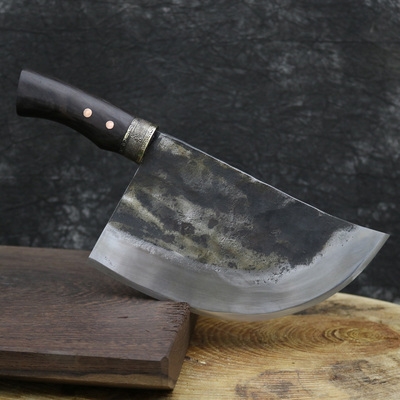
I raise you this. Hand forged bone chopping butcher's knife
-
I'm not particularly a pizza fan, but I think I might have bought that, too!
-
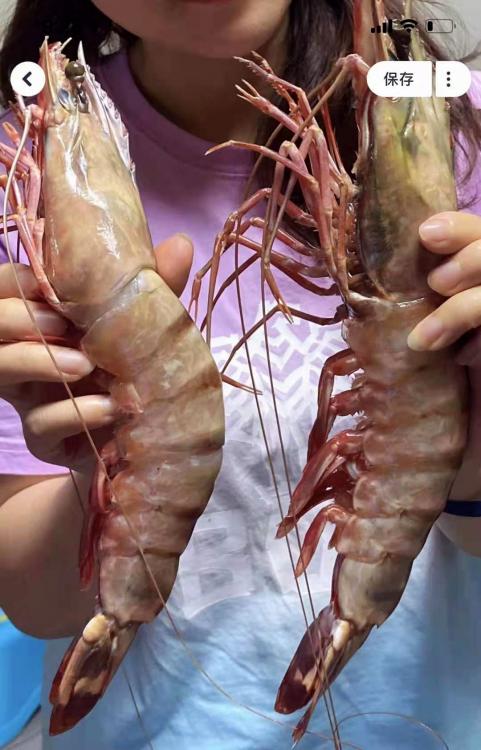
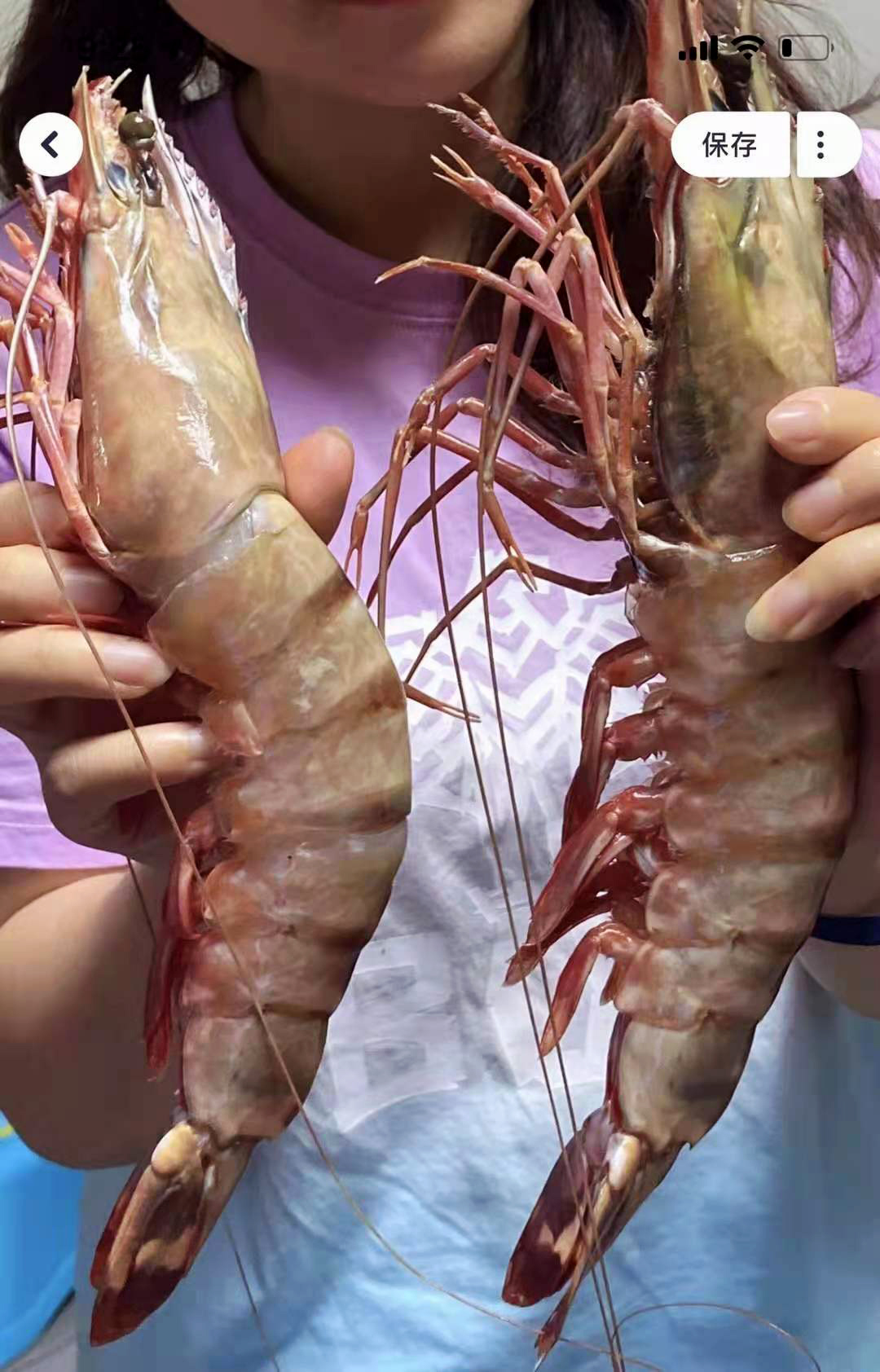
I'd say that's roughly correct, but then again it depends how well you like the critters cooked. I prefer the regular size to be marginally undercooked, by many people's taste. I wonder what your fishmonger would recommend for these, bought this week in the local market.
-
Her taste in food is actually very broad; her vegetarian streak lasted about an hour. I'm not sure she knew who her "companions" were. George Michael was still above ground, but no one had heard of him, then. He was still Georgios Kyriacos Panayiotou.
-
When my kids were kids we had a kind of family tradition. Whoever was the birthday girl or boy could choose any type of food for dinner that evening, unless it was a weekend, in which case it could be lunch instead. I'm glad to say McDonald's or the like never turned up. There were some odd choices, but neither 'afternoon tea' or 'pie and mash' ever made an appearance. Perhaps the strangest was when my daughter decided on a vegetarian picnic, to be eaten in Londons gothic, Highgate Cemetery, now home to Karl Marx, Mary Ann Evans (George Eliot), Michael Faraday, George Michael, Catherine Dickens (Charles's wife) and Christina Rosetti among many others. She wan't even vegetarian!
-
Yes, I can see that happening. A special occasion treat; certainly not everyday fare. And yes, almost everything I've written about is for now (or was until last week) only available as take away or delivery - including pie and mash.
-
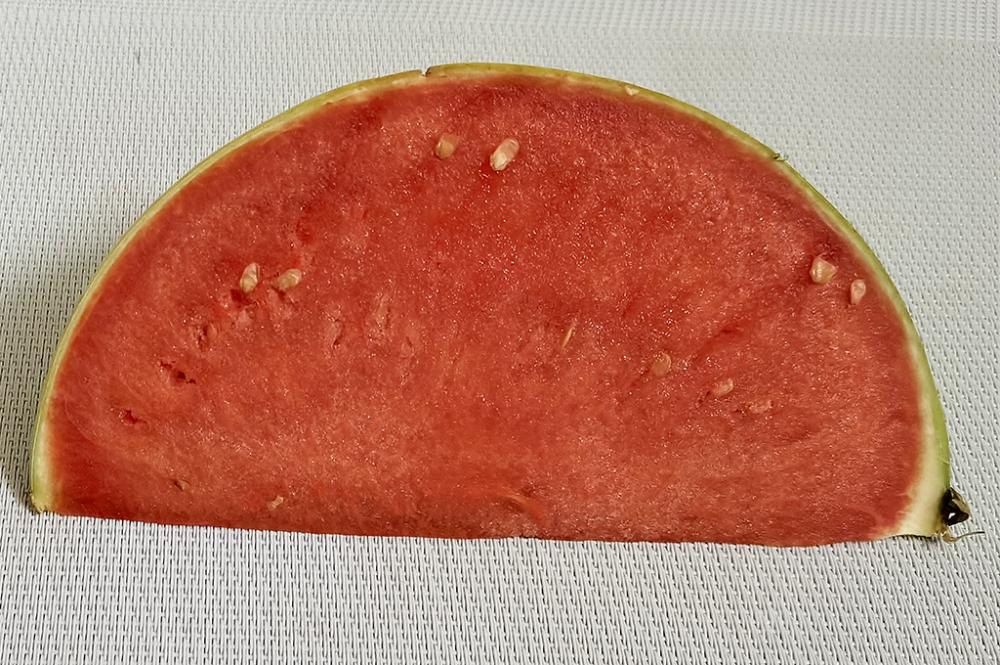
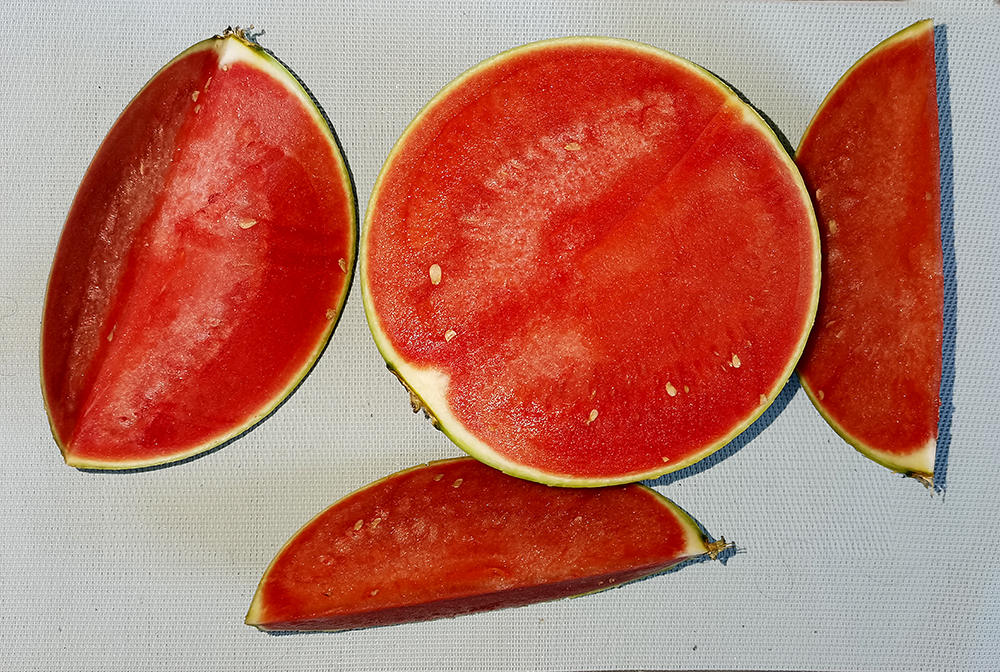
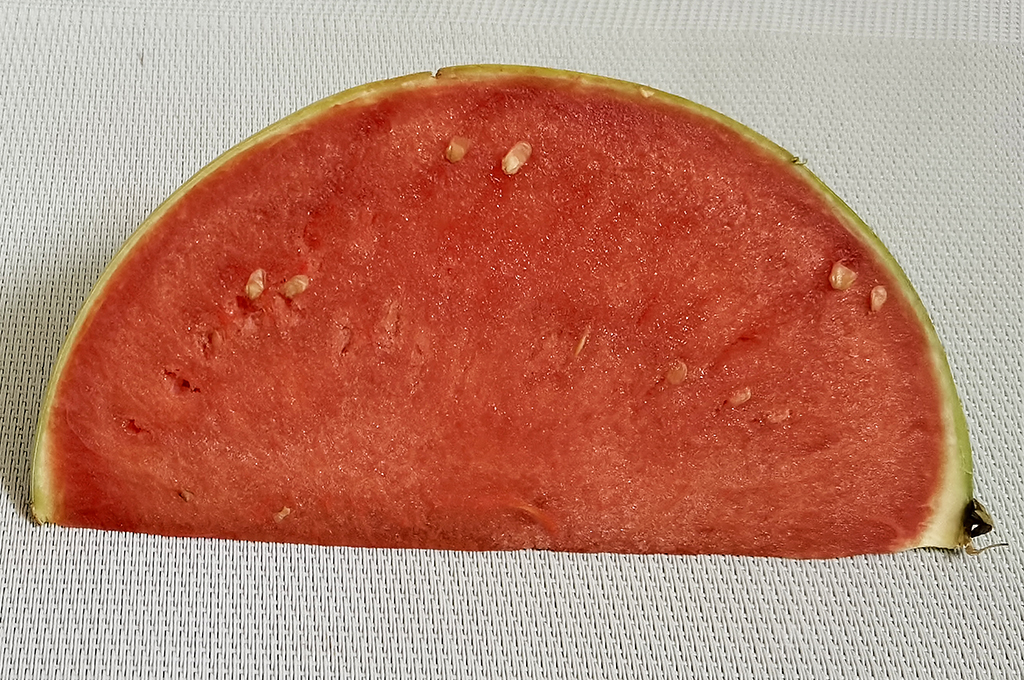
I don't eat a lot, either. I kind of overdosed on watermelon when I first came to China. It is everywhere and so cheap. That was a particularly fine example. Very red! I picked it up at the local market this morning. The rind is a bit thinner than usual for here, but not by much. I don't know much about watermelon horticulture, but there are different cultivars. Also, China produces over 60% of the total world supply, so I guess they've got something figured out. This is a "seedless" variety, although it does have a few tiny. little, yellowish seeds rather than the normal, larger black seeds.
-
Watermelon - 西瓜 (xī guā), literally "Western melon".
-
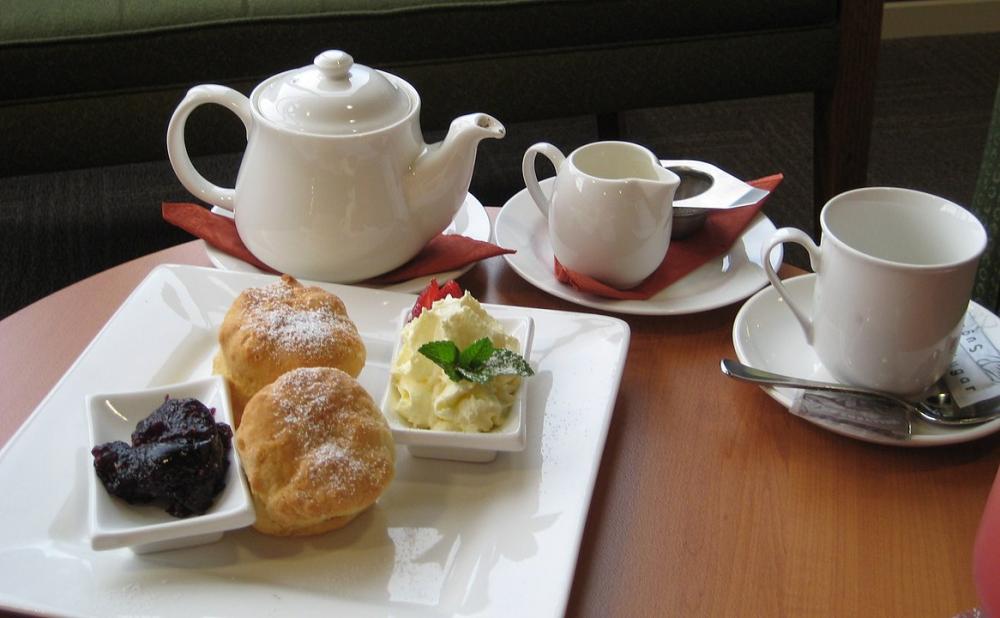
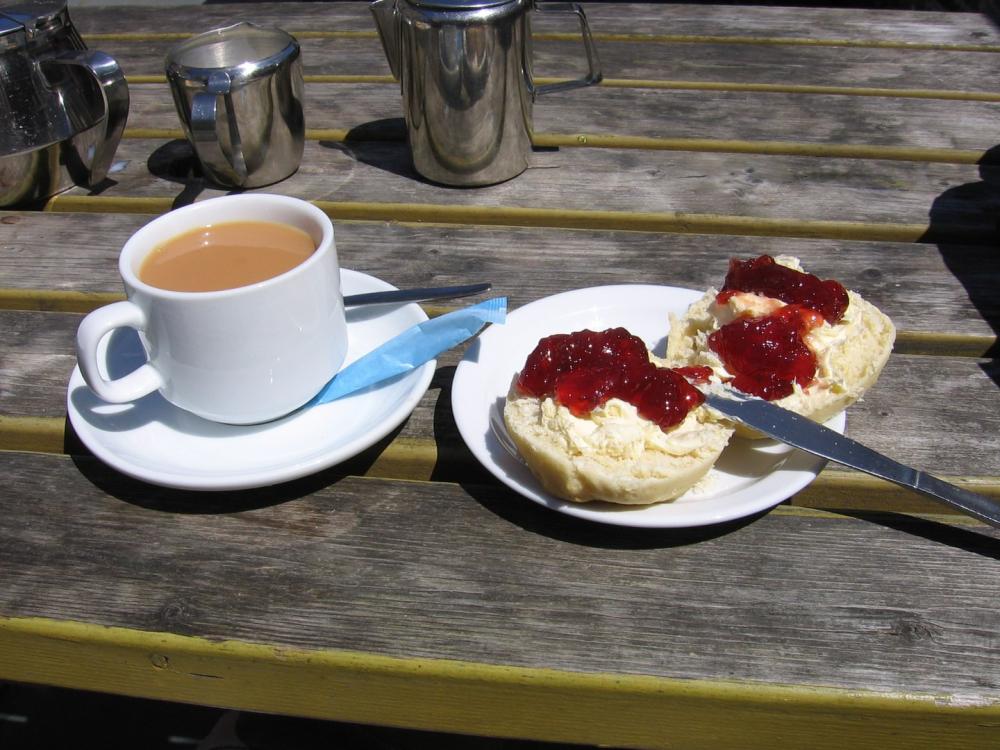
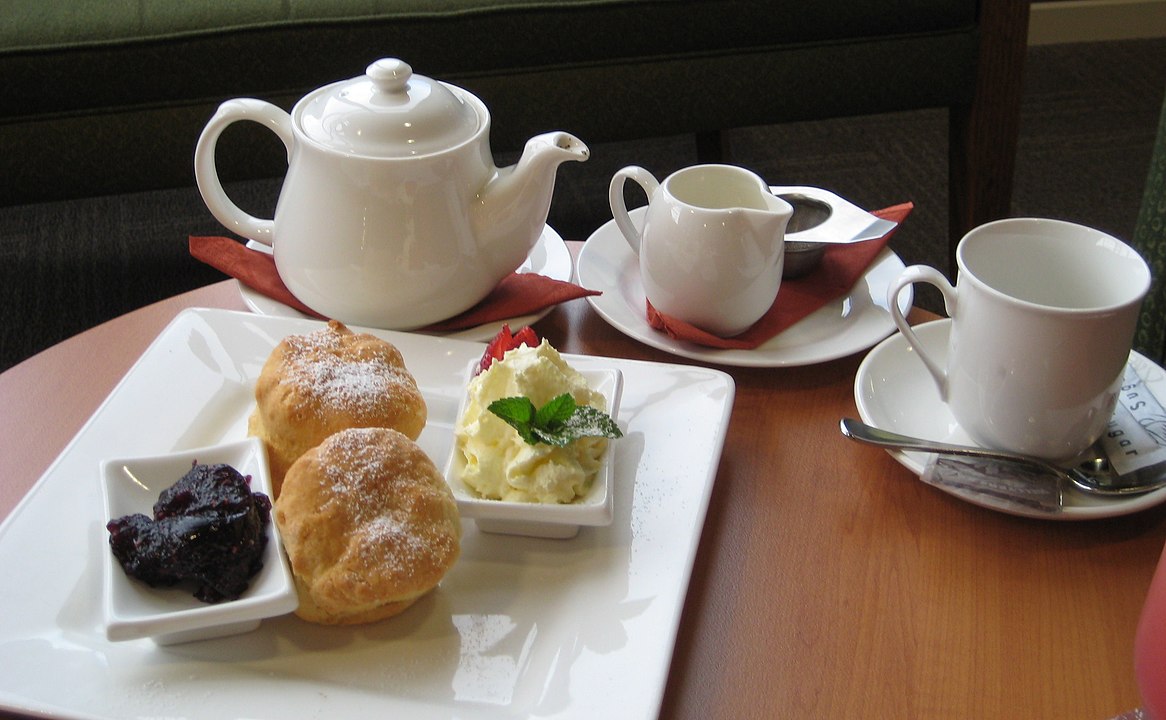
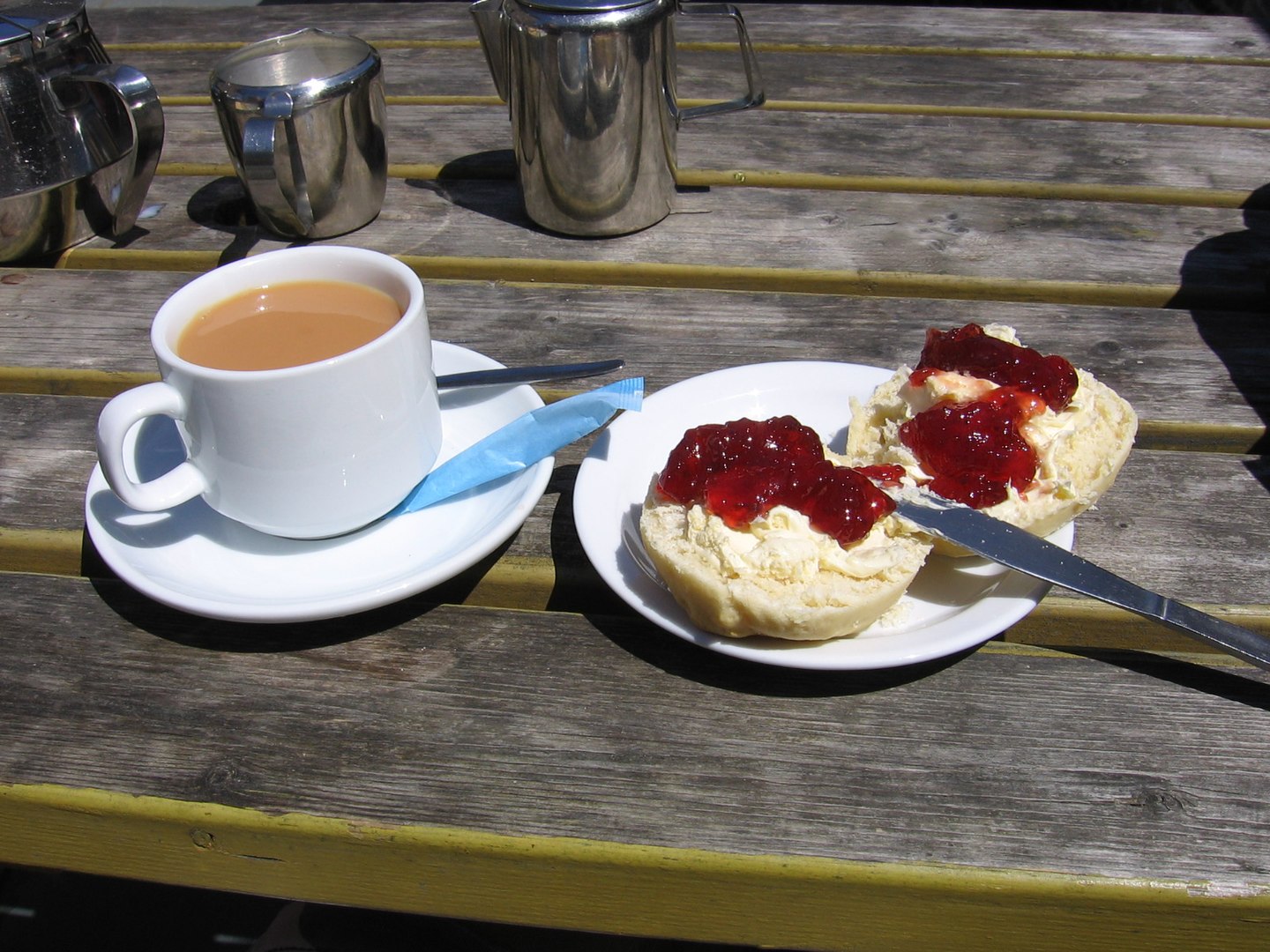
7a - A Question of Priorities - Cream Teas There are two types of “cream tea”; one from Devon(shire) and the other from Cornwall, adjacent counties in south-west England. There are crucially important differences between the two. Cream Tea - Scones, Clotted Cream and Strawberry Jam Devon or Devonshire Cream Teas consist of scones which are sliced horizontally in half, then spread with clotted cream and strawberry jam, served with a cup of tea. Cornish Cream Teas consist of scones which are sliced horizontally in half, then spread with clotted cream and strawberry jam, served with a cup of tea. Clear? No? Well, the difference lies in which do you spread first, the cream or jam? Devon favours first topping your scones with cream (no butter is used) then adding the jam on top of the cream. Cream Tea in the Devon Way Cornwall favours first topping your scones with jam (no butter is used) then adding the cream on top of the jam. Get this wrong and you will live forever in ignominy. In fact, people in both counties use either method. I prefer the Devon way except for when I prefer the Cornish way. The image above of the Devon way was actually taken in Cornwall! Although these teas are now served as part of “afternoon teas” as described above, they are more traditionally served on their own – scones, cream and strawberry jam; no sandwiches or other items. This is how they are served in the relevant counties to this day. So, I hear you ask, “what is clotted cream?” Fans of Tolkien’s Lord of the Rings should know – it’s one of the Hobbit’s staple foods. Cow’s milk is heated indirectly by steam, then left to cool causing the cream content to float to the top in clots (or clouts). This is skimmed off and left to drain. It then forms a crust on top. Cornwall clotted cream has Protected Designation of Origin (PDO) status within the EU. Clotted Cream Clotted cream is made in other counties of south-west England and elsewhere and cream teas are served all over the UK, but Devon and Cornwall serve the cream of cream teas. It is unclear which county came up with clotted cream (or cream teas) first, but whichever, it was certainly a long time ago that clotted cream arrived. The English poet, Edmund Spenser, a contemporary of Shakespeare mention it in his poem, The Shepheardes Calender, published in 1579, but written earlier. This dish I really do recommend. Image Credits Cream Tea - Scones, Clotted Cream and Strawberry Jam - by Liyster; Licenced under CC BY 3.0 Cream Tea in the Devon Way - by Tuxraider; Licenced under CC BY 3.0 Clotted Cream - by Biggishben - Licenced under CC BY-SA 3.0
.thumb.JPG.891a02745cf9de50005cee1089541ed8.JPG)
-
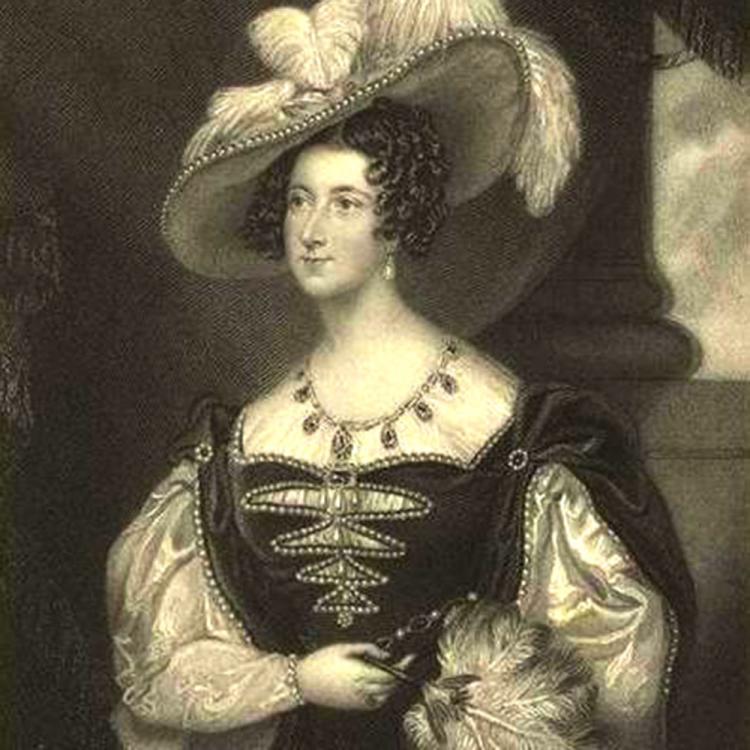
7. Time for Tea, Your Grace Having breakfasted on a full-English breakfast, had a lunch of bangers and mash or pie and mash, you’d think our intrepid YouTubers might slow down. Not a bit of it! There is another cliché yet to be explored. We’re off for “afternoon tea”, no less, as all right-thinking British people do every day. Except they don’t. Afternoon tea originated among the highest echelons of the aristocracy in the 1840s. Anna, Duchess of Bedford (1783- 1857) was a close friend of Queen Victoria. In those days, lunch was a fairly light affair at noon and dinner not usually served until as late as 8pm. Her Grace, unsurprisingly, got a bit peckish around 4 pm and one day ordered her servants to bring her a cup of tea, some bread and butter and some cake. Anna Maria Russell, Duchess of Bedford Tea had been drunk in England since the 1660s after being popularised by Charles II and his wife, but it was Anna who turned “tea” into a mini-meal. She then took to inviting her lady friends to join her for “tea” and the whole concept became a social event. This was copied by all the idle rich, aristocratic women of the time, becoming an institution among that class. Gradually, by the 1880s the practice of taking afternoon tea had slipped down the social scale to the non-aristocratic upper class women, who would dress up in their best glad-rags, complete with long dresses, hats and gloves to gossip among themselves while elegantly downing petite sandwiches and cakes, along with a cup of tea, taking turns to host the events in the drawing rooms of England around 4-5 pm. And there it largely stuck. The middle classes rarely indulged in inviting friends to “take tea” and the working classes never did – they were too busy trying to survive by working for those above them! The habit of the afternoon tea in one’s drawing room pretty much died out after WW1 as the aristocracy went into decline and servants became fewer and fewer. The middle classes continued to maybe have a light bite and a cuppa sometime in the afternoon, but not in any formal way. Today, with more women working than in former times, the practice is all but dead. It lasted in the traditional form for less than 100 years. However, it continues in some restaurants, especially those in hotels. And this is where the YouTube army go. Few go to the great hotels such as the Ritz or the Savoy, both in London, where the privilege of sitting in their grand tearooms while nibbling daintily at a few cakes and sipping on a tea will set you back a minimum of a cool ₤55* ($78 USD) in the Ritz per person or ₤65 ($92)in the Savoy. Plus service charges. You aren’t really paying for the mini-meal, but paying rent! The Ritz Afternoon Tea Menu is here (PDF) The Savoy Afternoon Tea menu is here. Tea at the Ritz The famous luxury London department store, Harrods also serves afternoon tea (menu here), price-wise dropping in mid way between those two hotels, at ₤59 ($83.50)*. These prices, of course, don’t include the glass (or bottle) of champagne usually offered alongside. YouTubers making their latest Oscar winners would not be welcome in any of the above venues. Also, all the above have strict dress codes. One of the cheaper options I’ve found in London is in this hotel near the British Museum (and near my London home) where the tea comes in at a mere ₤10.95 ($15.50) per person. This is not necessarily a recommendation – I’ve never eaten afternoon tea in my life and, although I know the hotel, I’ve never stepped inside. This website covers around 700 of the UK’s afternoon tea venues, searchable by location. Although I have never taken part in an afternoon tea, I have eaten pretty much everything on their menus – there are few surprises. Of course the menu contents vary by price, although most include the almost obligatory cucumber sandwiches. Today many also include Devon or Cornwall scones with clotted cream and jam. This, however, is not traditional and is a recent trend. These are more correctly a separate experience known as Devon or Cornwall cream teas which I have eaten (see below). So. it seems that afternoon teas are mainly eaten by visitors who may have seen too much Downton Abbey and the like. I have never heard of any of my social circle in London partaking in such a thing. Today people may have a 15 minute tea break in the afternoon, at work, but this will usually be a biscuit (cookie) and a mug of tea made by dunking a tea bag in the mug! No silver service or champagne. * due to rise to ₤60 in October 2021 Image Credits Anna Maria Russell, Duchess of Bedford - Public Domain Tea at the Ritz - Herry Lawford; licenced under CC BY 2.0
.thumb.jpg.f1a7cf7a881eaf953aba912d24aa1840.jpg)
-
Well that rather proves my point, doesn't it? These YouTube pests lining up to film something few people have heard of! That said, I think most London natives would know what "pie and mash" referred to, even if they have never actually eaten it. Same with 'eel shops". I knew what pie, mash and eel shops were and even walked past some of the few that remain decades before I ever entered one. And most native Londoners would immediately associate "pie and mash" with just such an establishment. As to pie consumption in general, I deliberately went out of my way to say that pies were a staple of British cuisine, so I'm baffled as to how that could be miscontrued as me claiming the British don't eat pies or that pies are "an obscure eccentricity". I was brought up eating pies regularly!
-
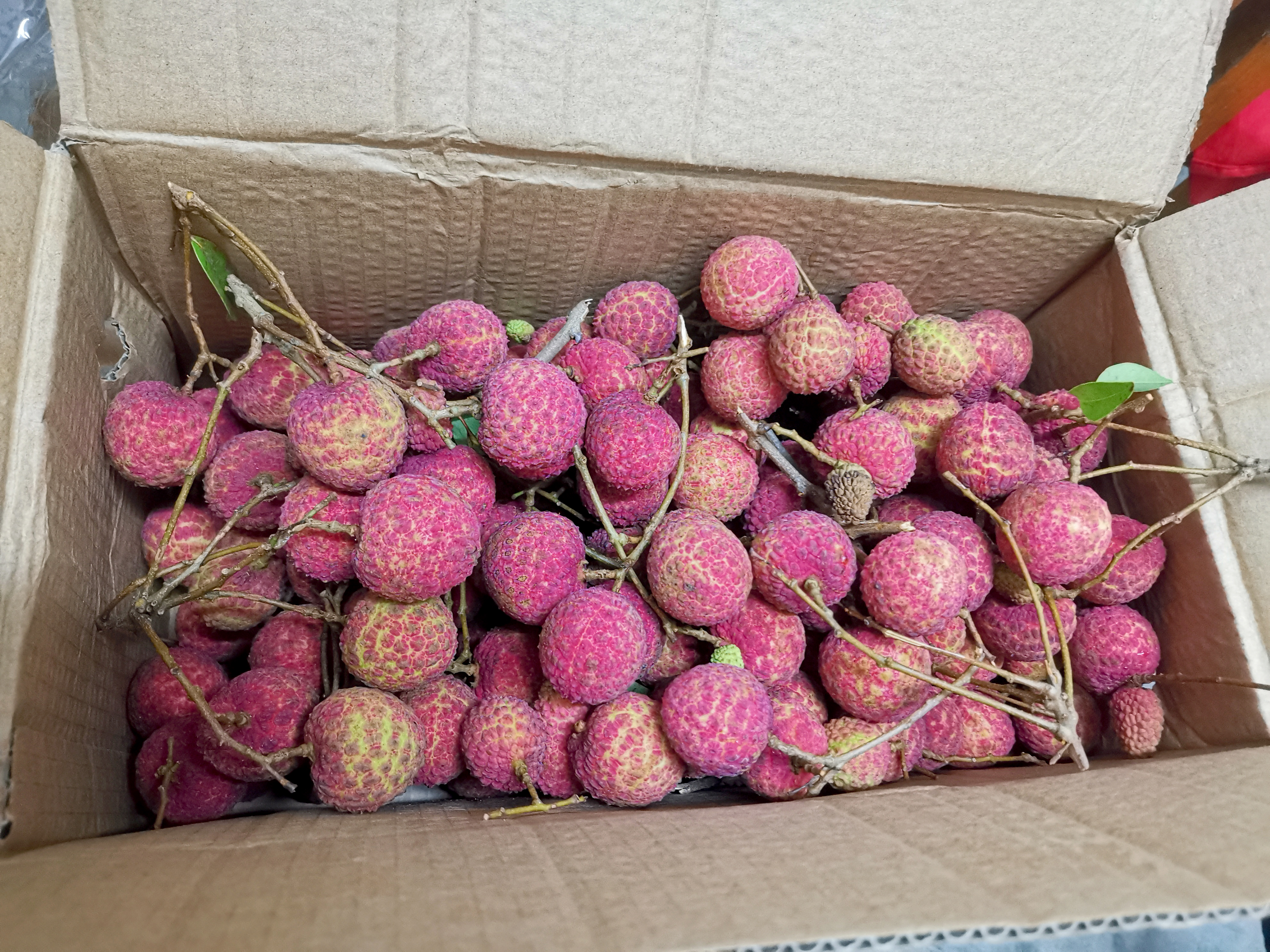
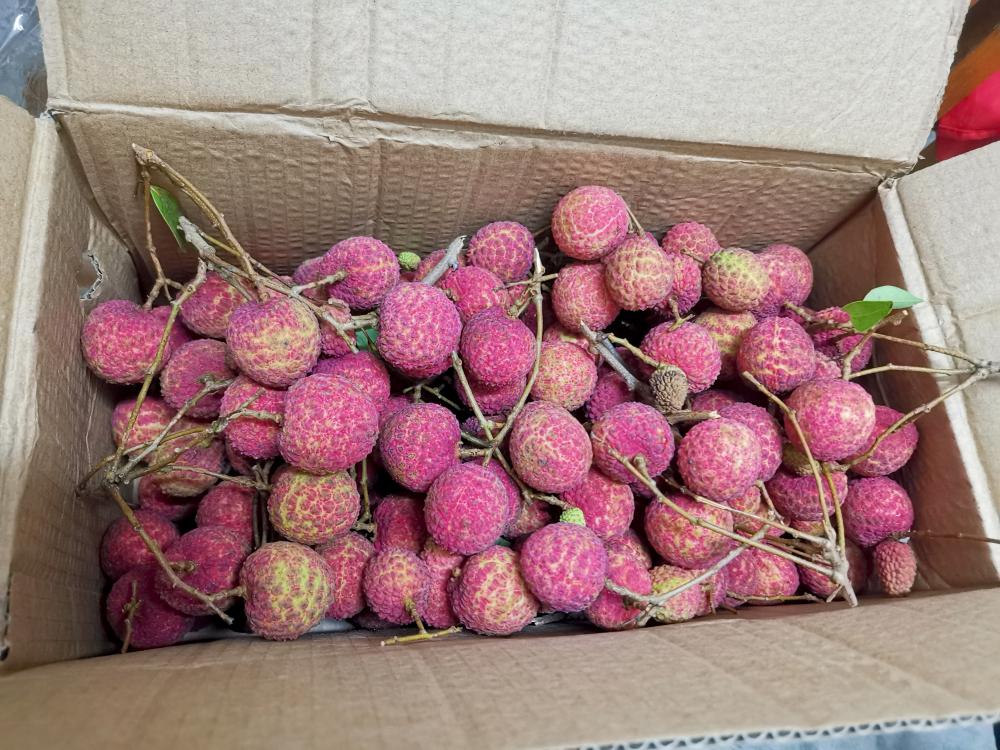
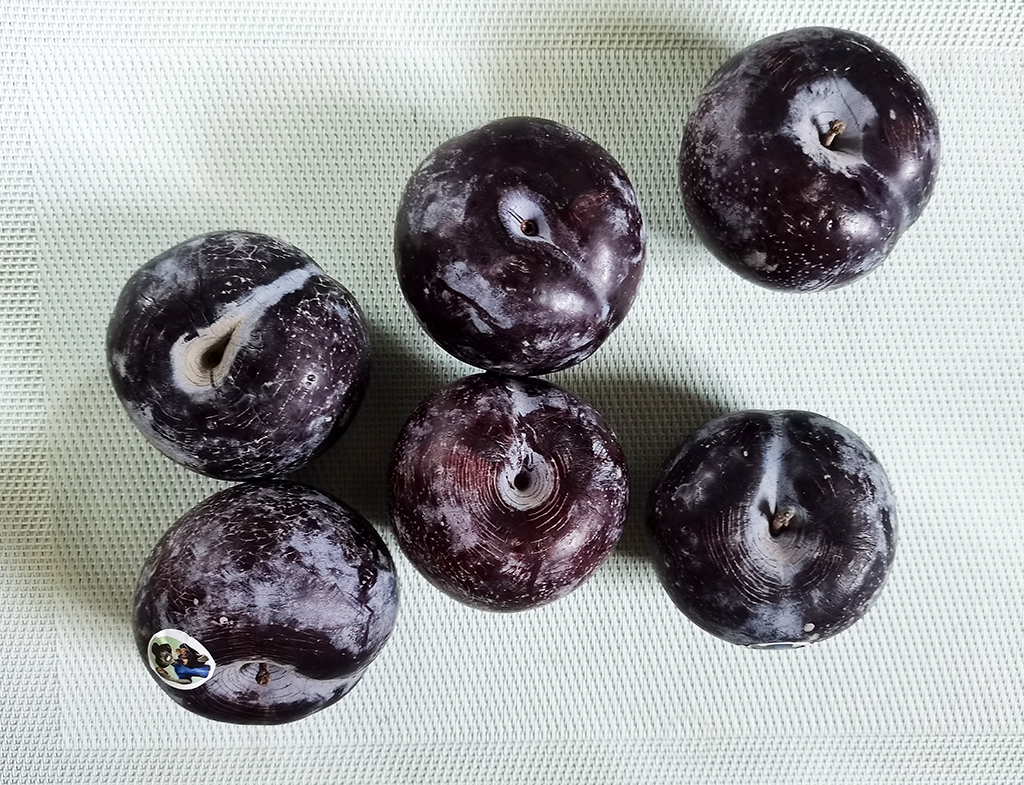
Today's haul: Picked this morning from my friend's trees.
-
I have a torch I use when cooking, but there is no way it can give wok hei! That only comes from a wok, well seasoned from contiuous daily use over a long period of time. But I've said many times before,wok hei is a concept only Americans seem to obsess about. Most Chinese cooks aren't interested.
-1024.jpg.46144f09b57990931ff720cd6a29254d.jpg)
-1024.jpg.19b4ce365f813d32a8028b7501b477c5.jpg)

.JPG.75931e881af842941e890d28bd6b120c.JPG)
.jpg.aea5b9539f1698393ac40ed7122478d1.jpg)