
liuzhou
-
Posts
16,762 -
Joined
-
Last visited
Content Type
Profiles
Forums
Store
Help Articles
Everything posted by liuzhou
-
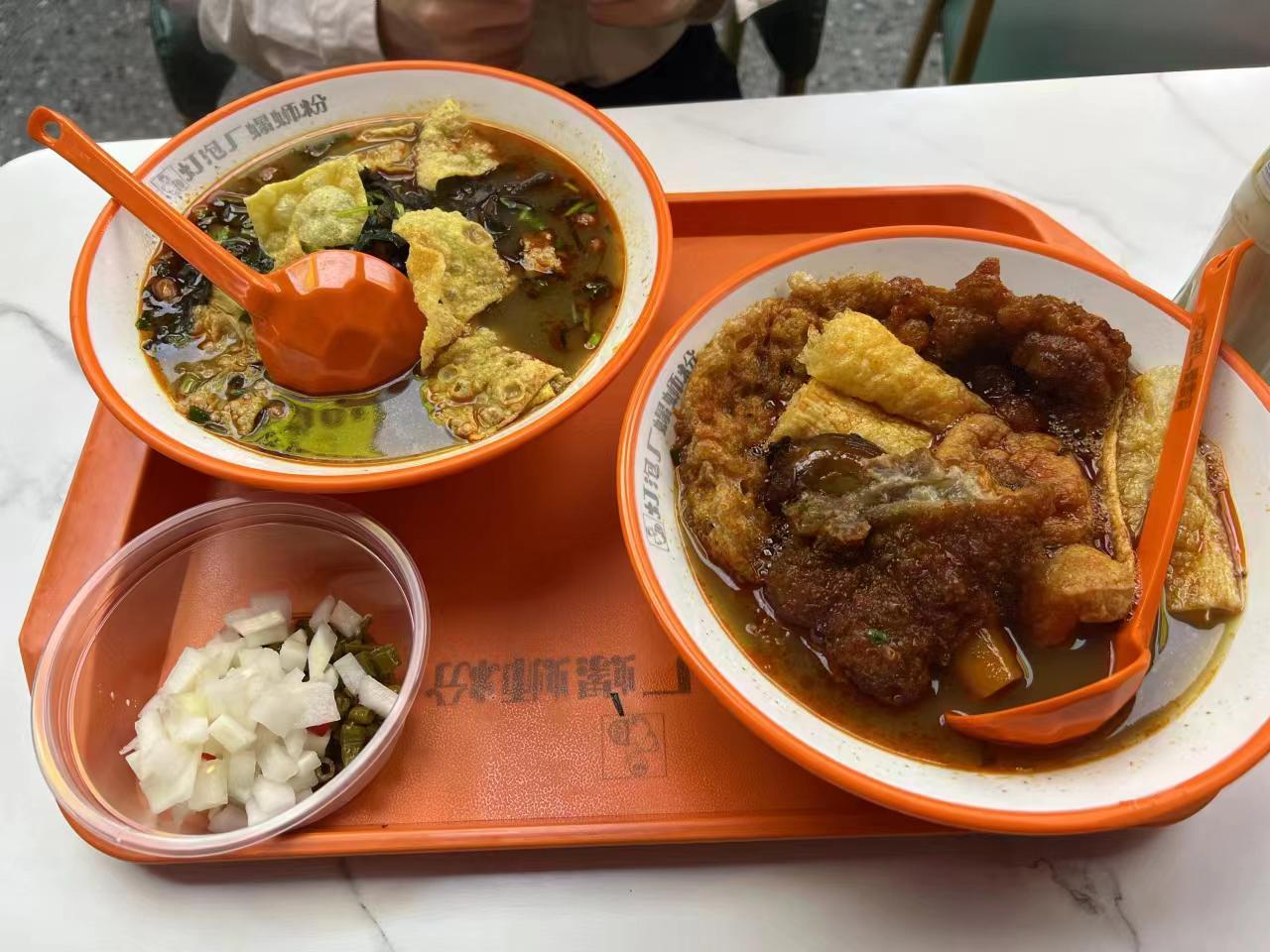
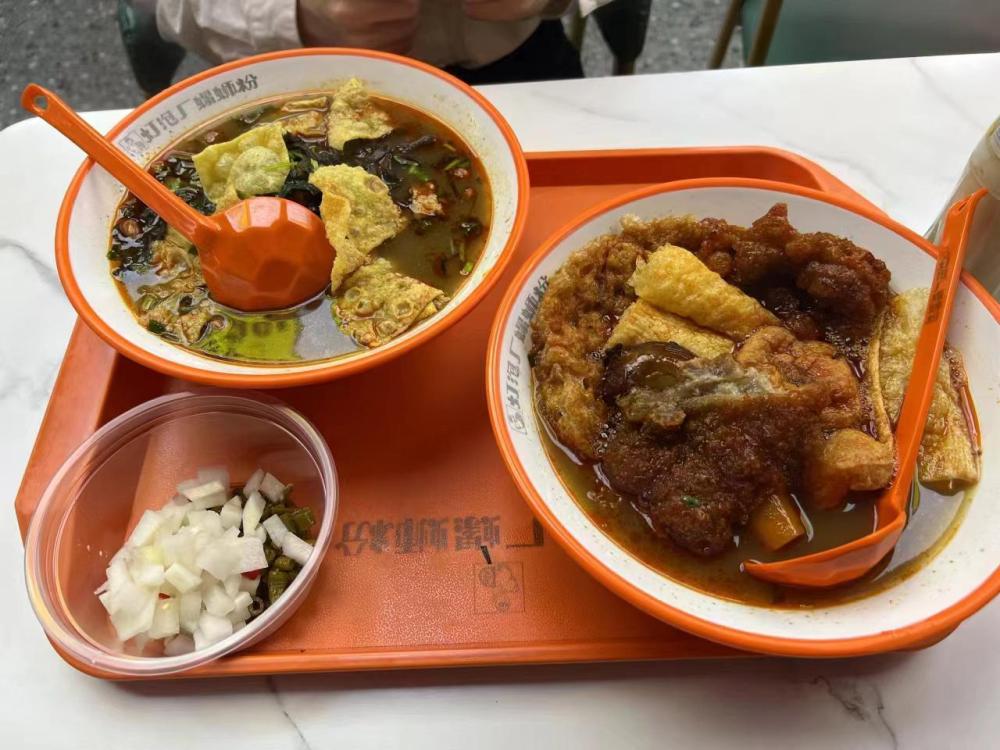
螺蛳粉, (luó sī fěn), Luosifen (top left); Braised Pig foot (right); daikon radish (bottom left).
-
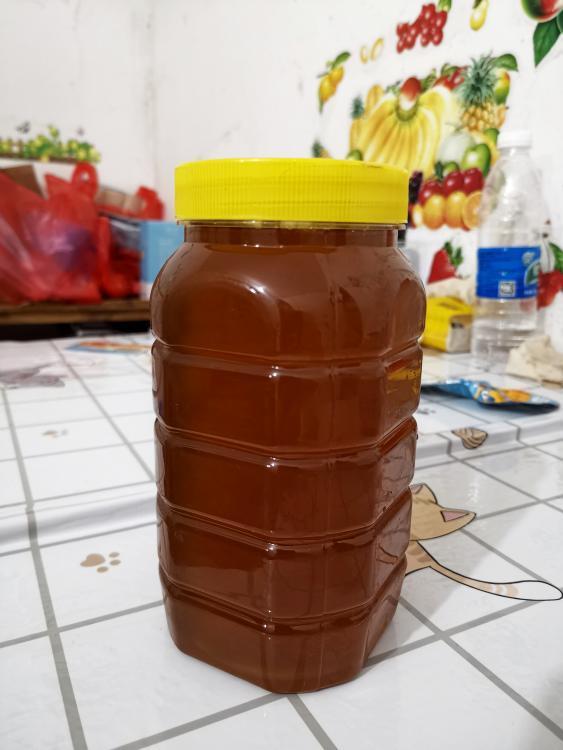
For the last three years, I've received regular supplies of free lychee honey from my friend whose family are lychee farmers and beekeepers. It is lovely stuff.
-
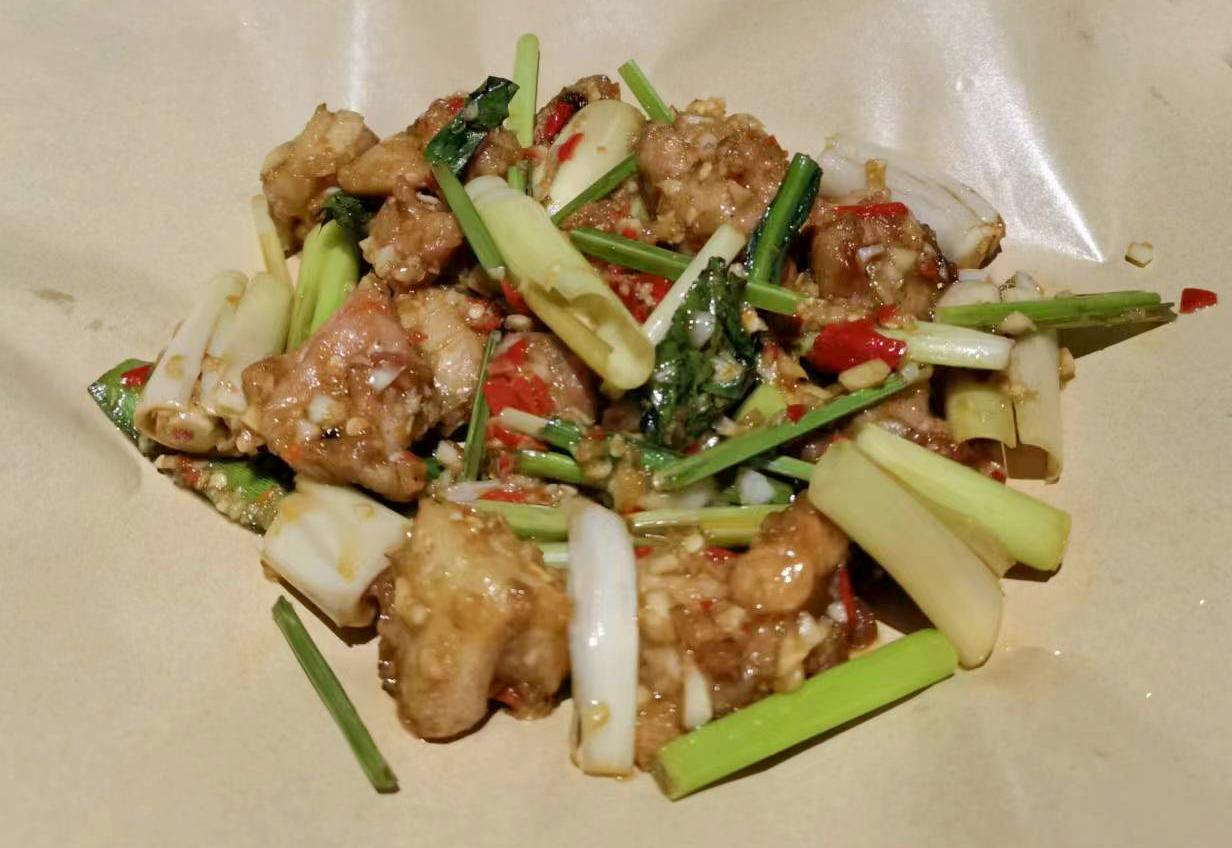
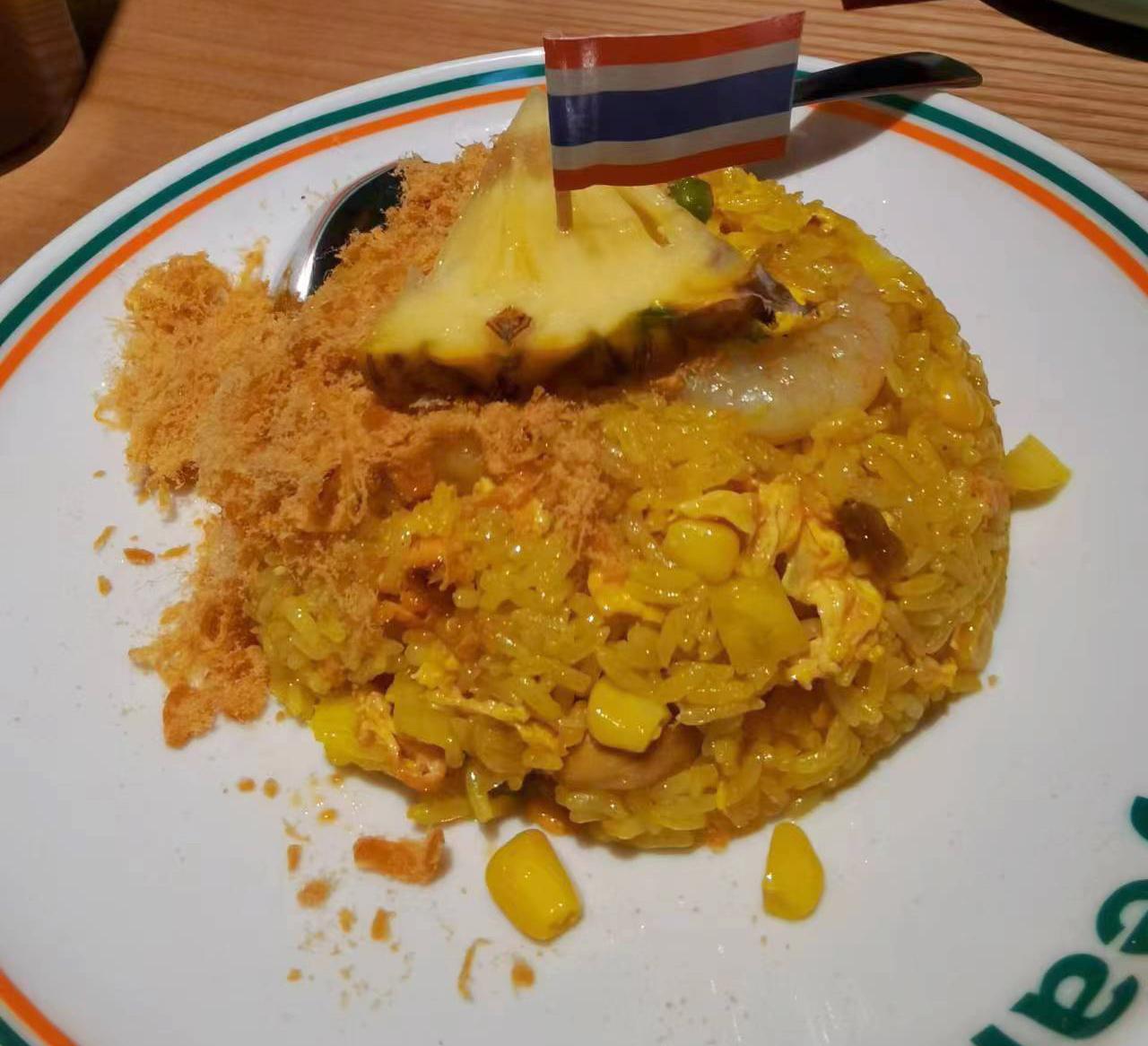
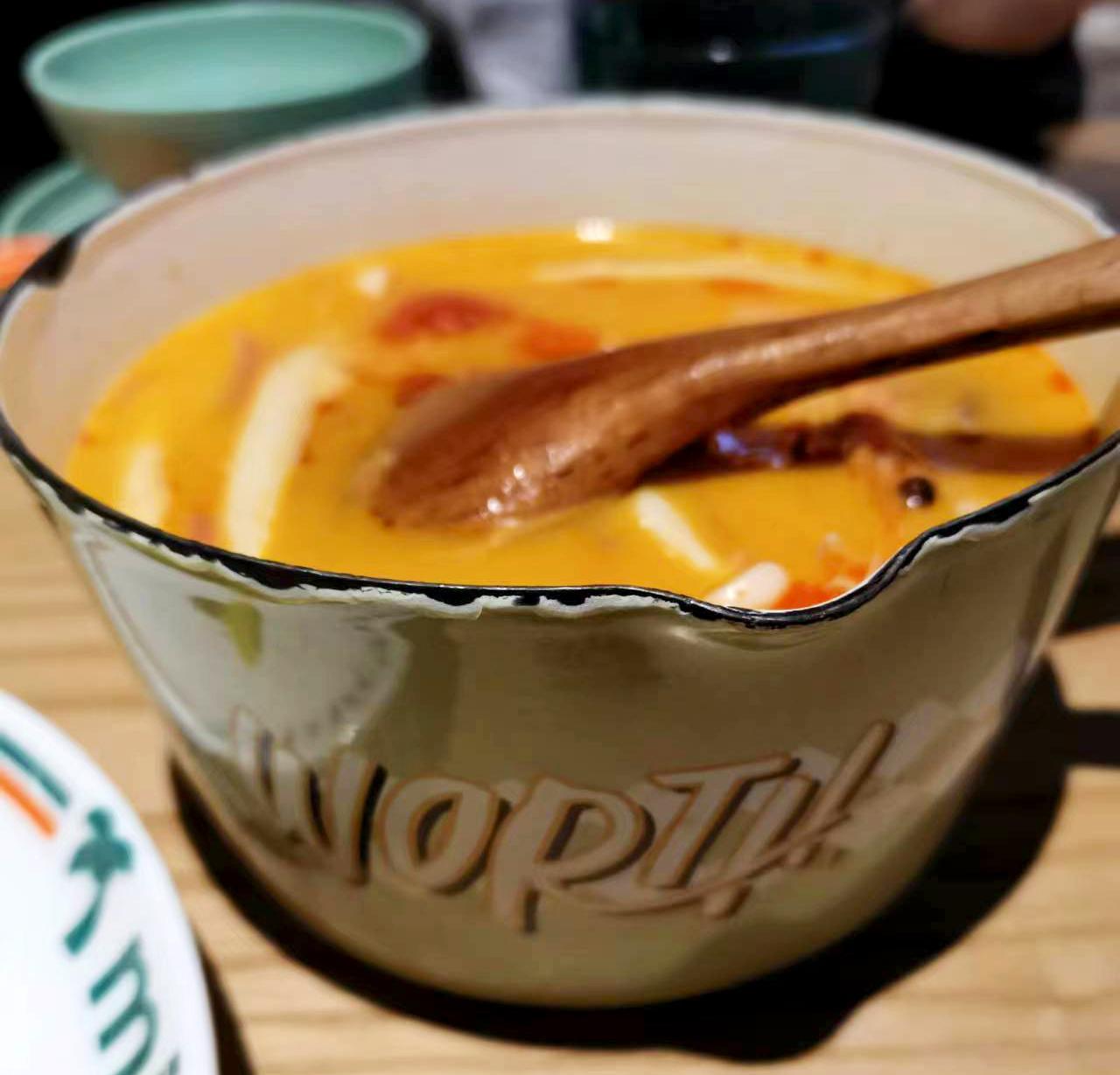
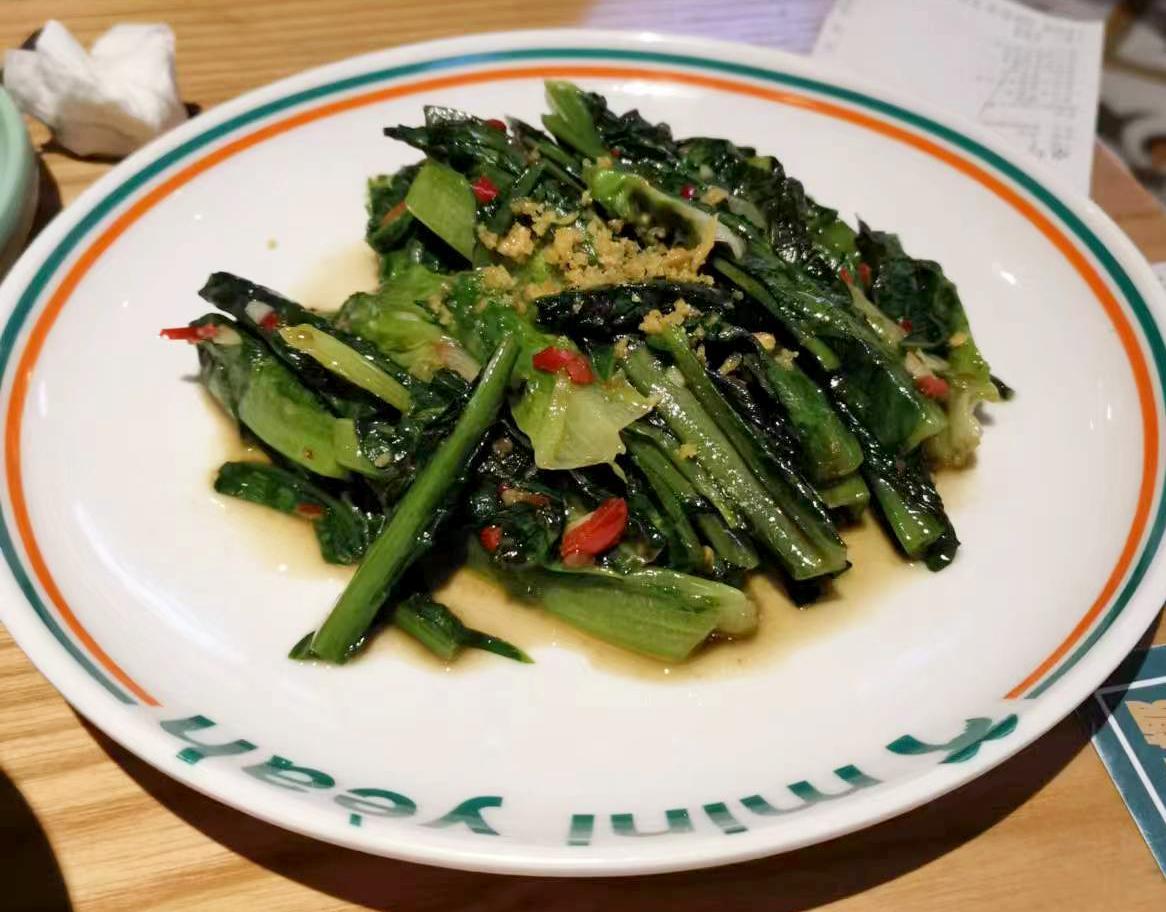
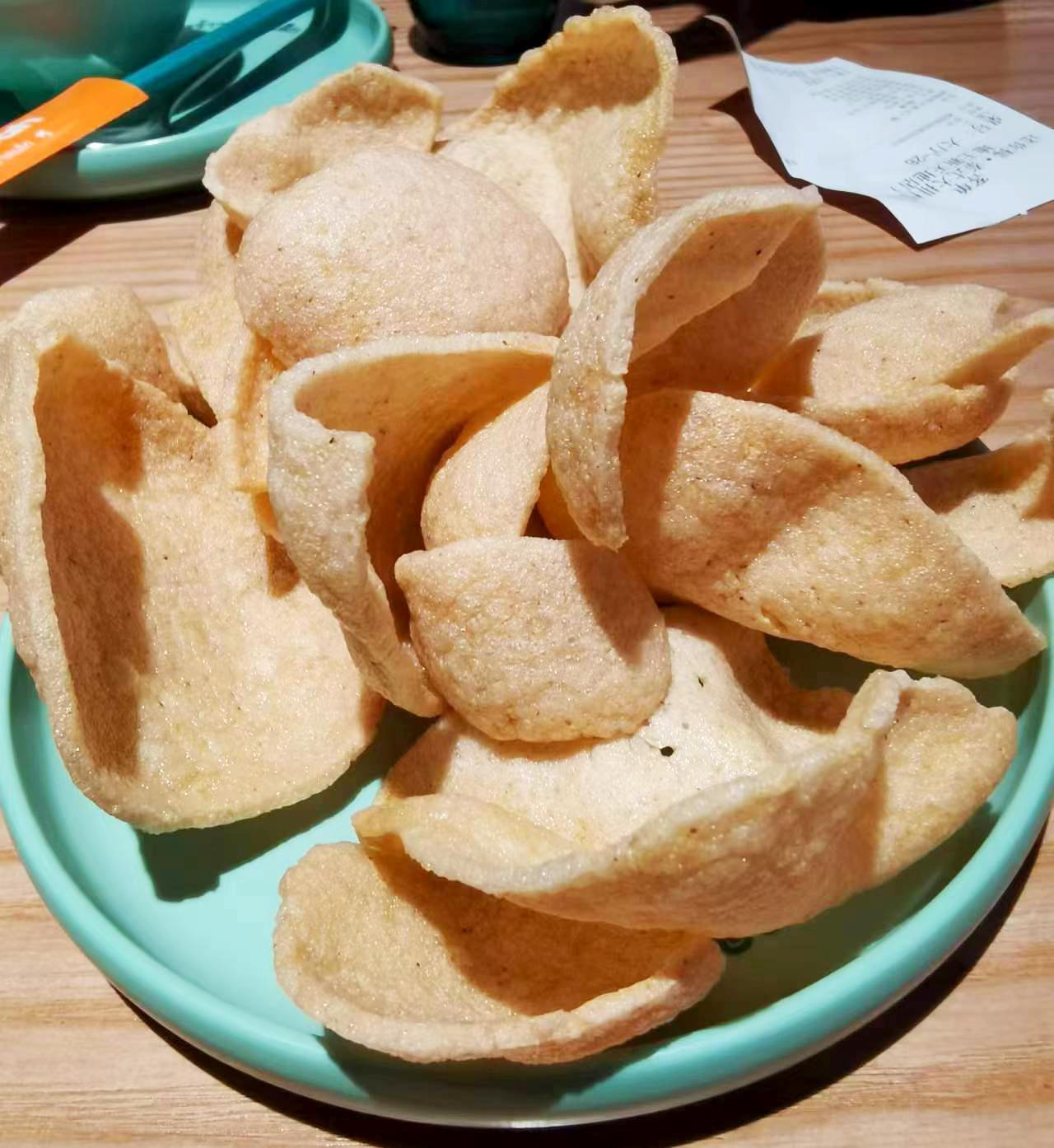
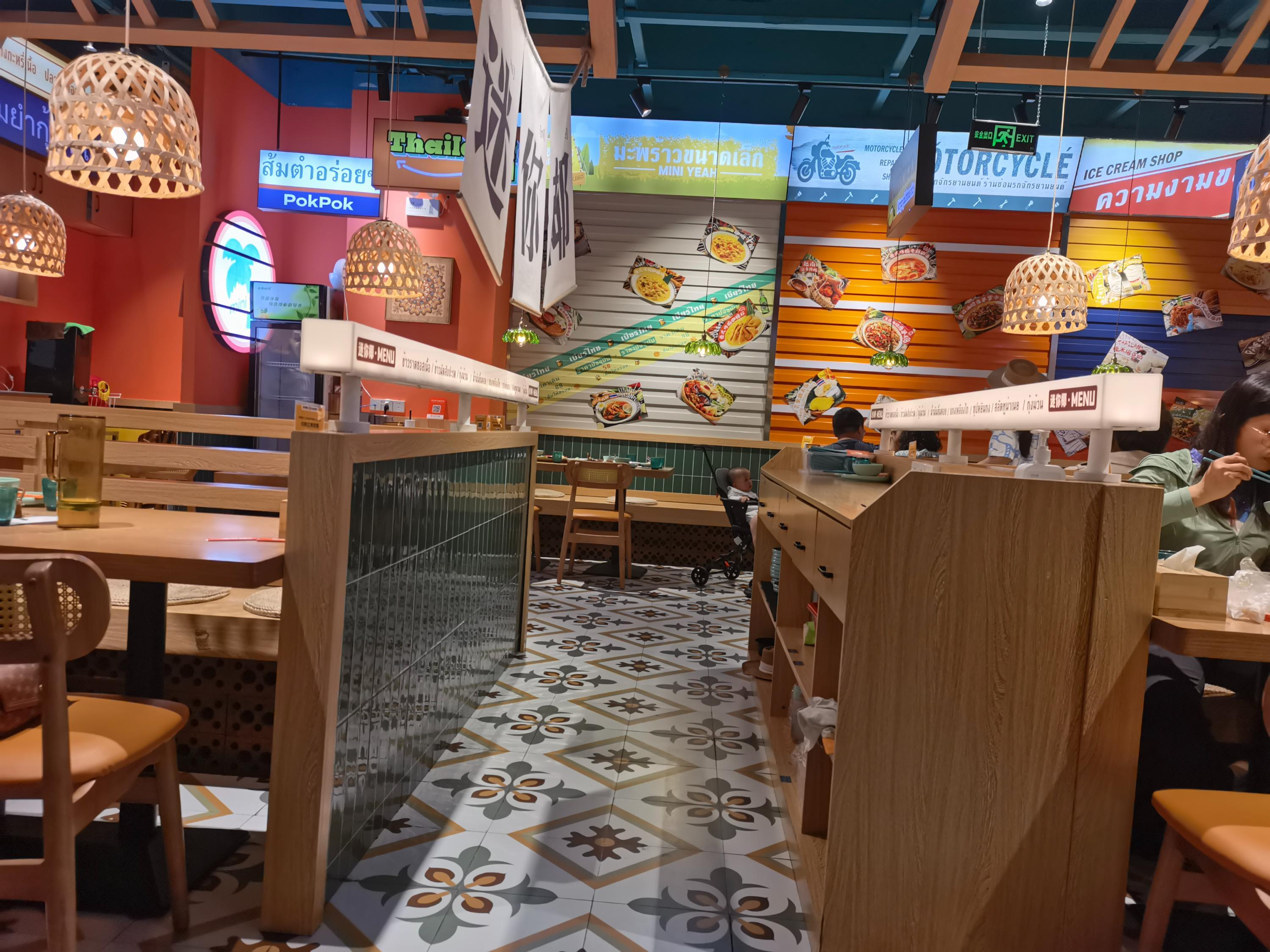
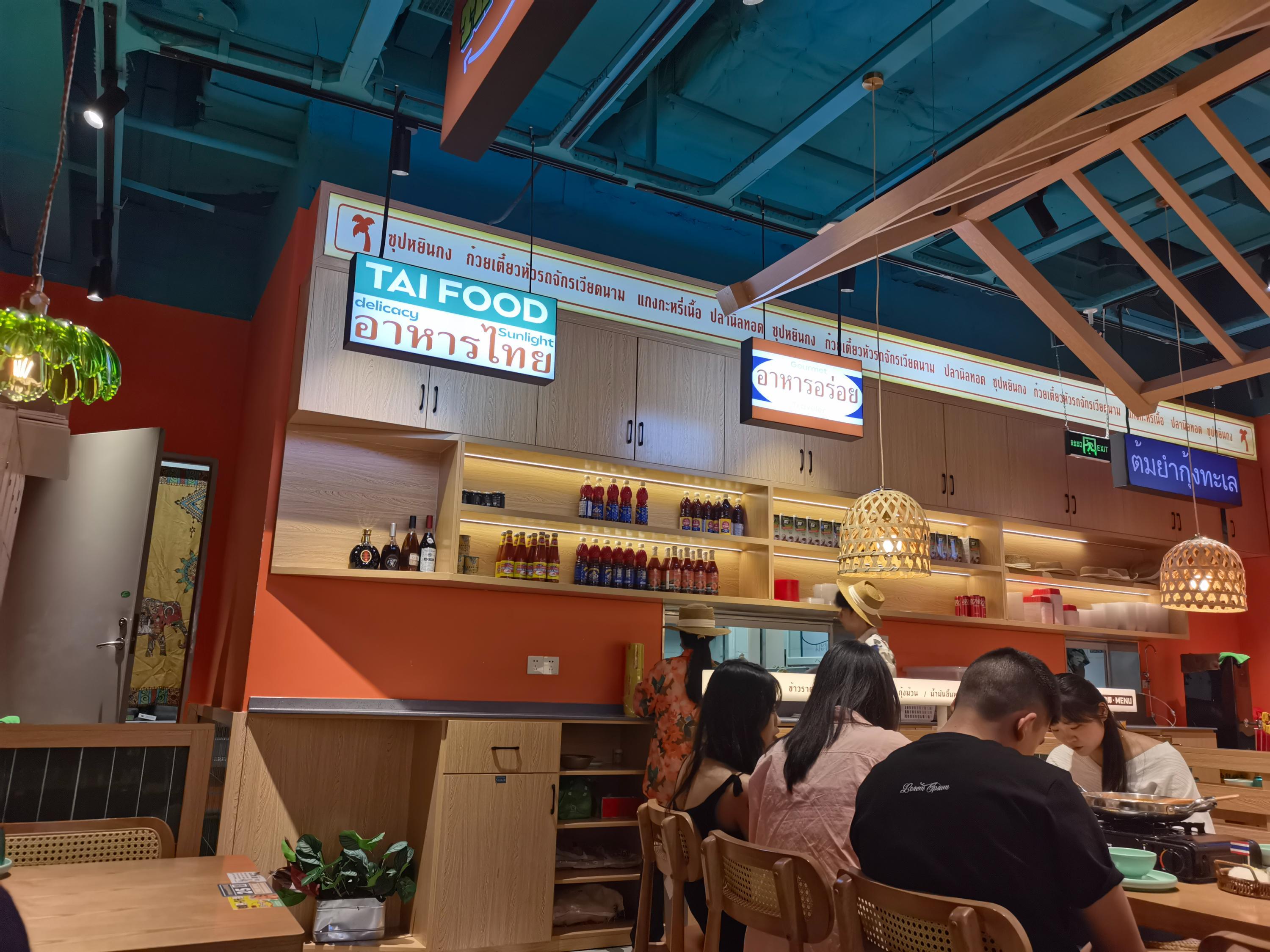
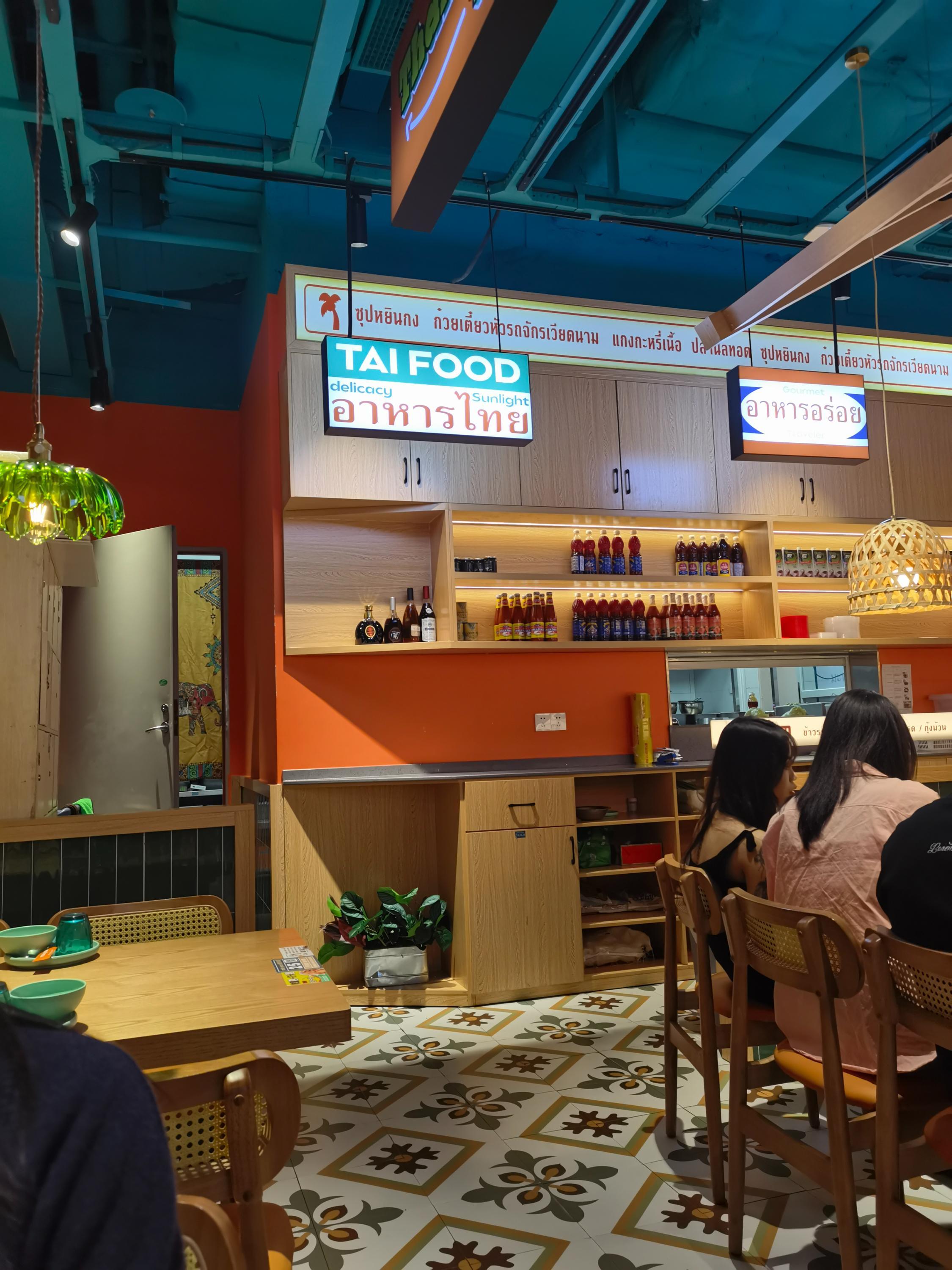
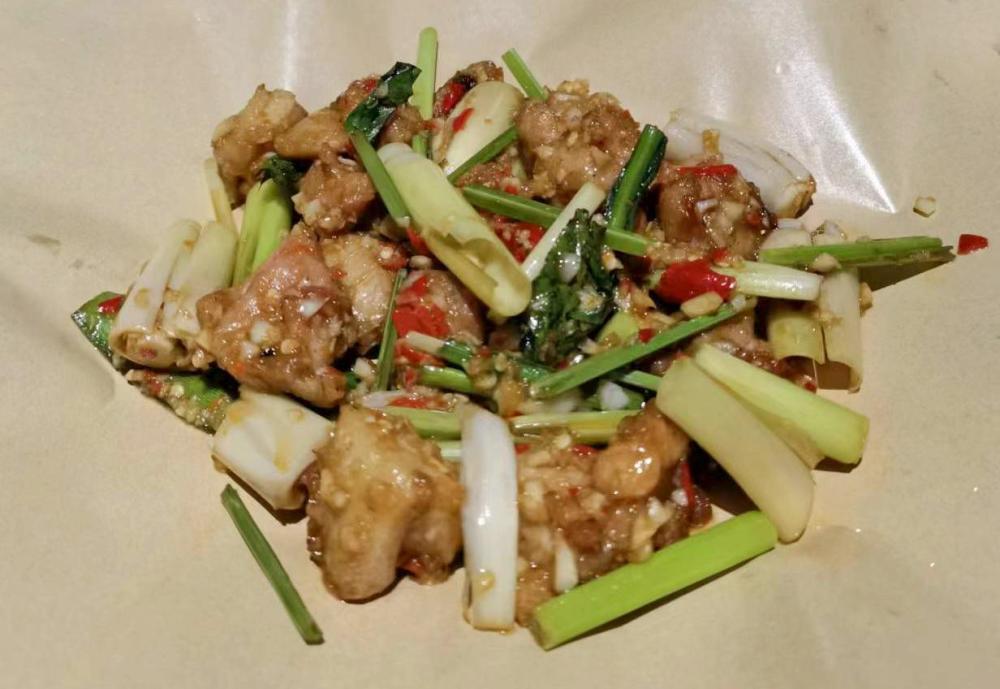
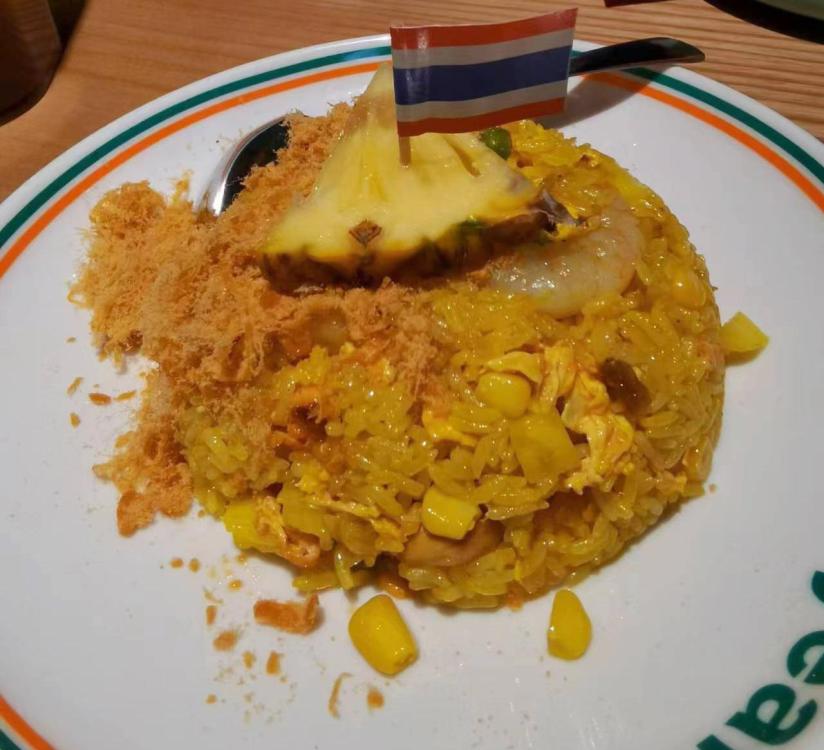
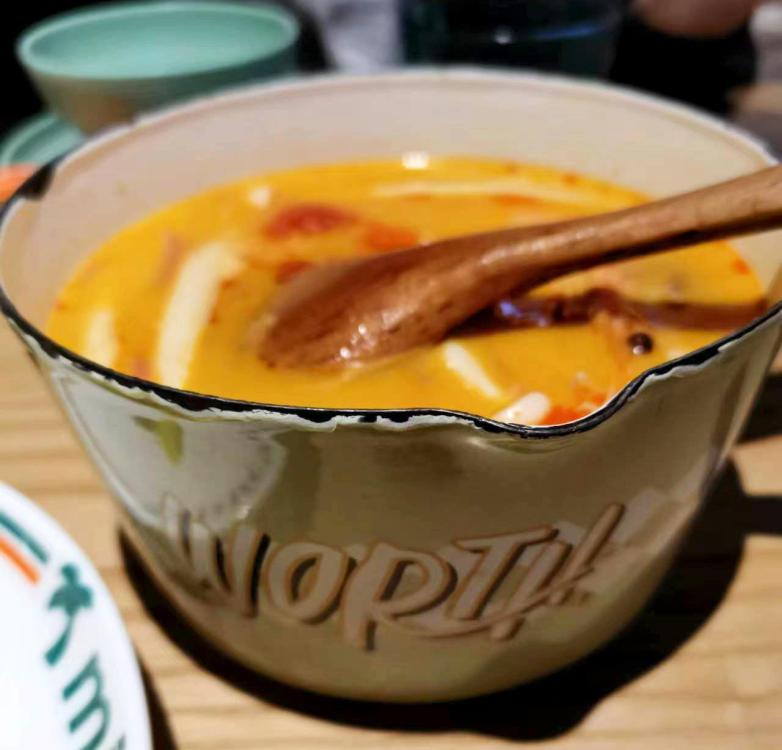
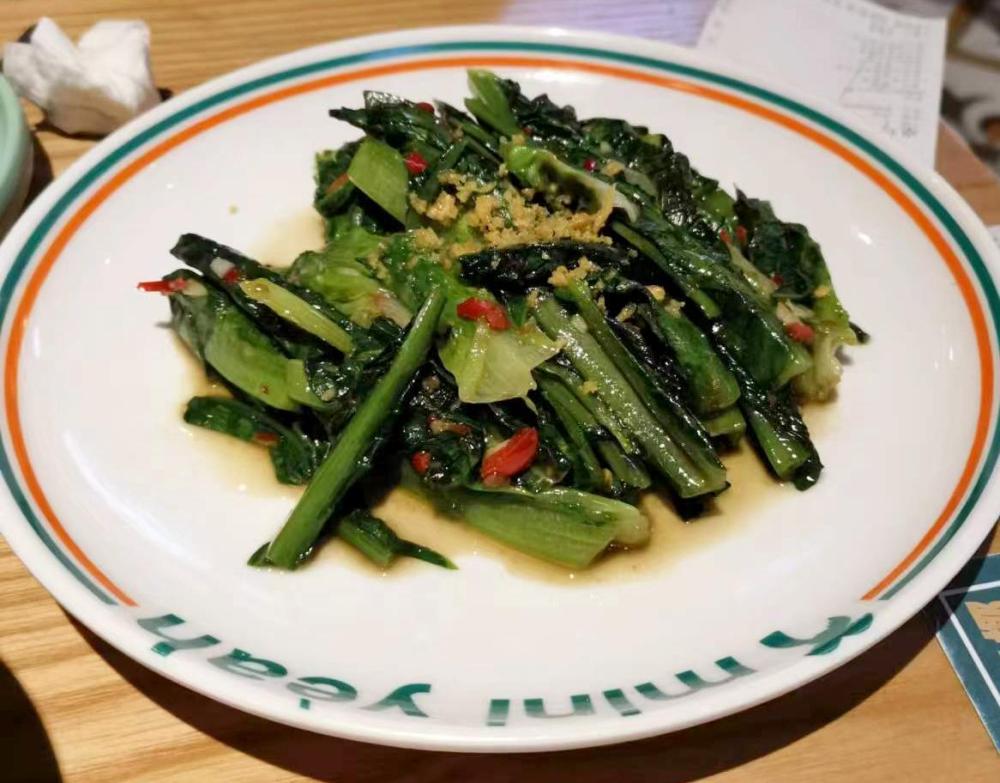
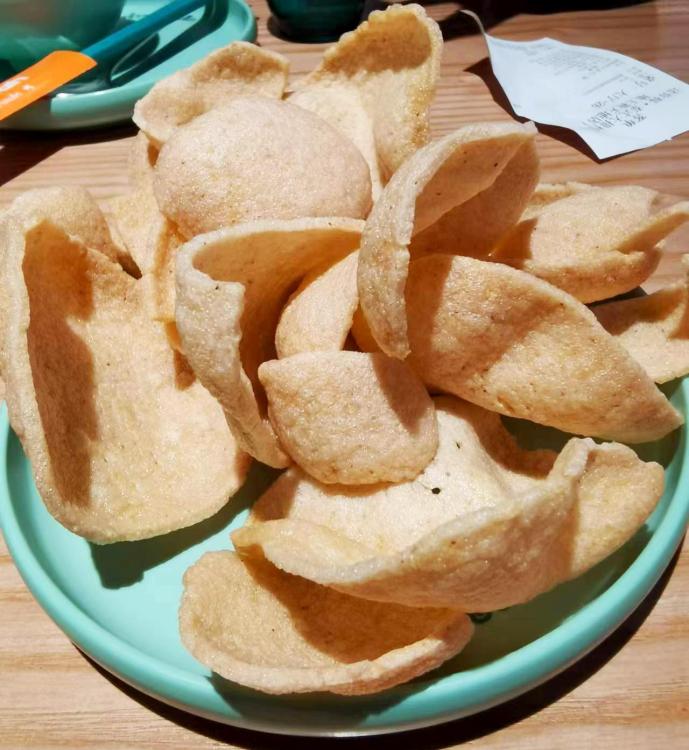
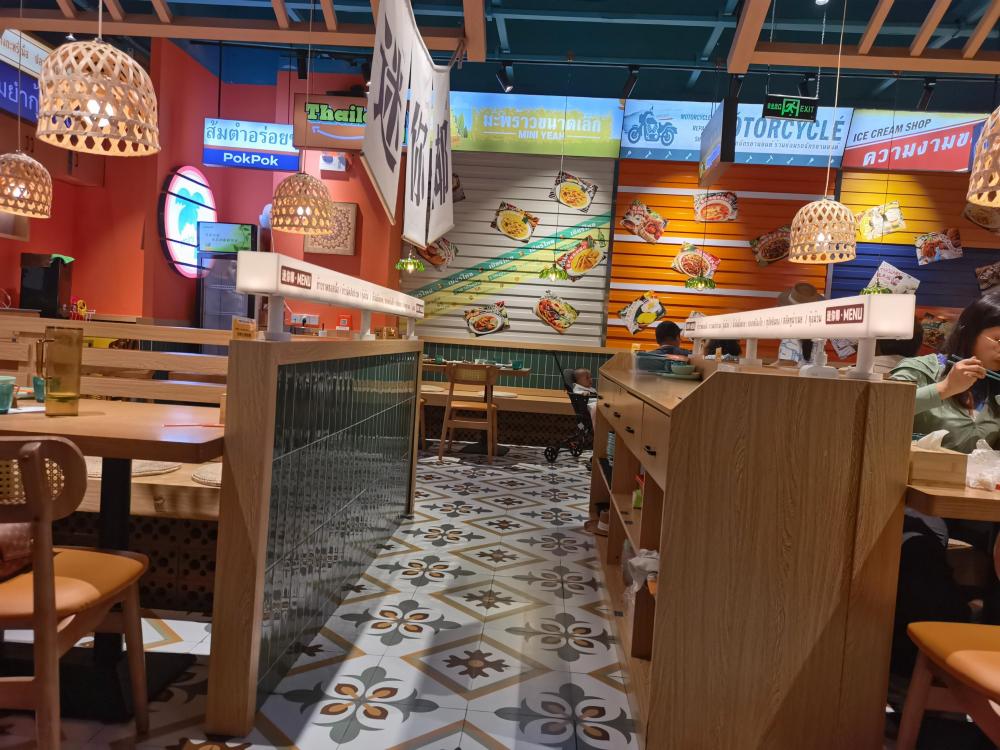
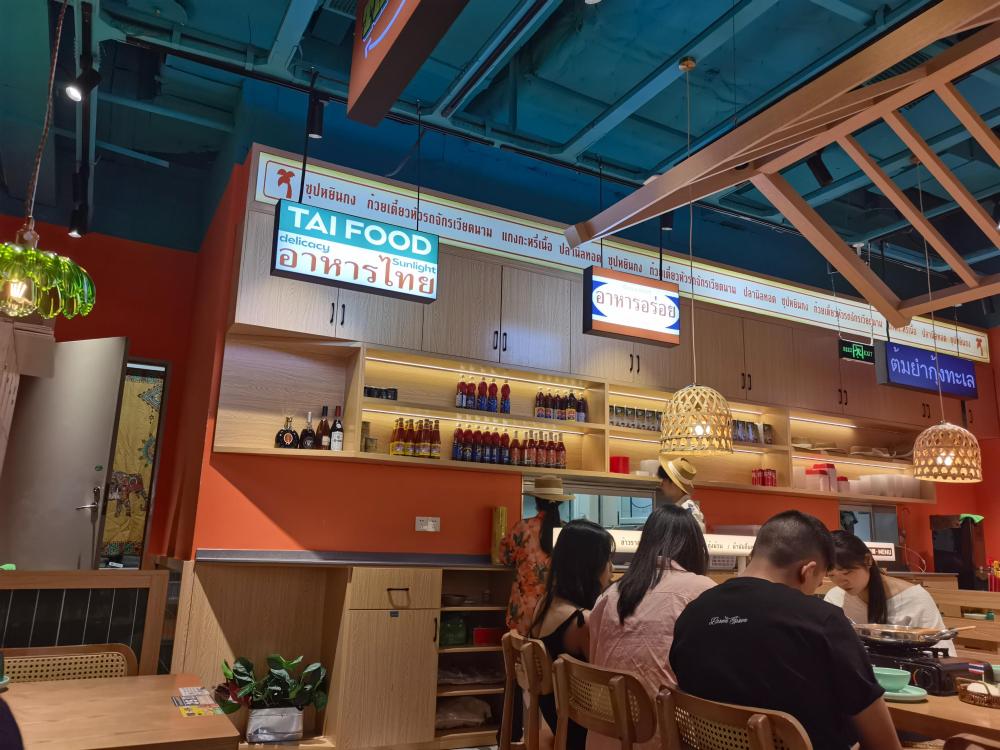
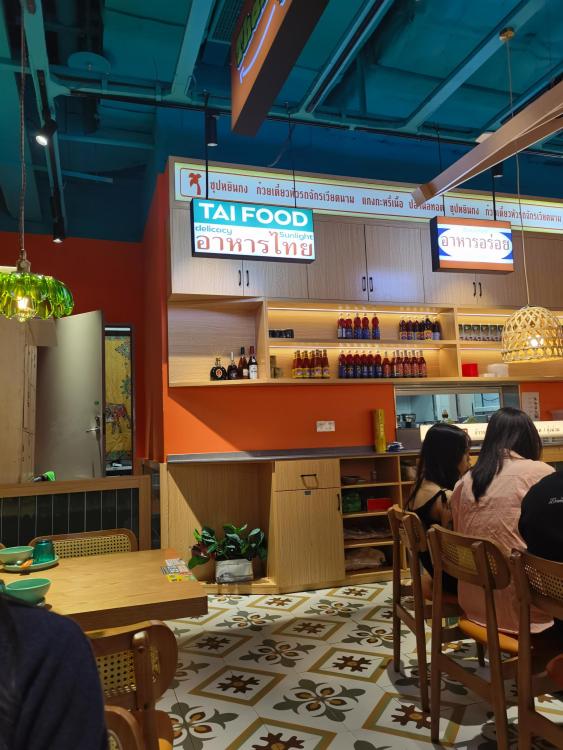
Isn't it typical? Days after writing that prawn crackers aren't served in Chinese restaurants in China as they are in every 'Chinese' restaurant in the UK, they only go and serve me prawn crackers. In my defence, it was a Thai restaurant in China. I visited with a friend who ordered. We had the aforementioned crackers; specifically Coconut Songkhla Prawn Crackers. The name has no mention of chilli, but they were spicy. Nicely so. Other dishes were "Thai Emperor Pineapple Fried Rice" which came with came with yellow pestilence and pork floss. Thai Style Shrimp Sauce "Lettuce*, "Changmai Fried Chicken with Lemongrass"', and "Traditional Tom Yum Goong Thai Soup". (My translation of the names in Chinese - No Thai names were shown.) * The lettuce was celtuce tops aka AA choy or 油麦菜 (yóu mài cài). It was all OK for a quick dinner - neither of us were particularly hungry. The chicken was by far the best dish - I'd go back for that alone. The restaurant:
-

A pictorial guide to Chinese cooking ingredients
liuzhou replied to a topic in China: Cooking & Baking
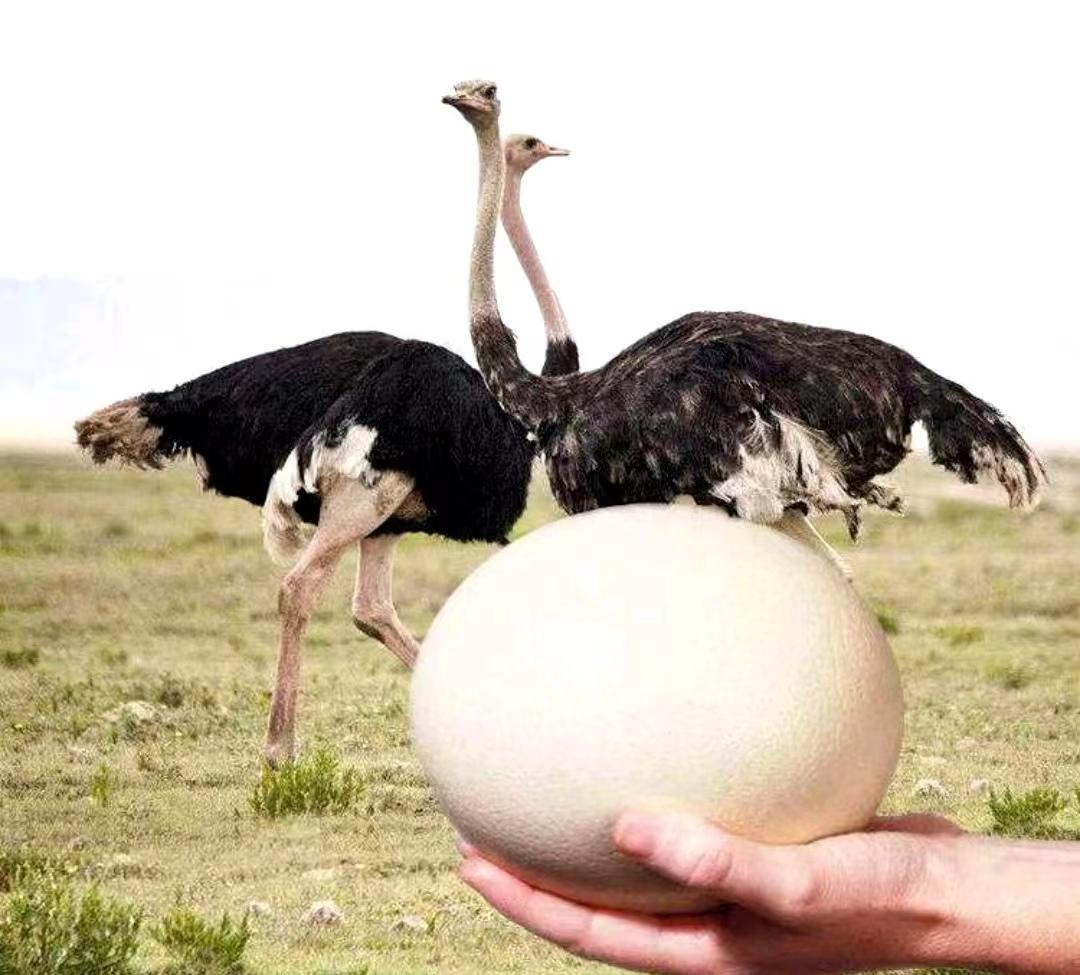
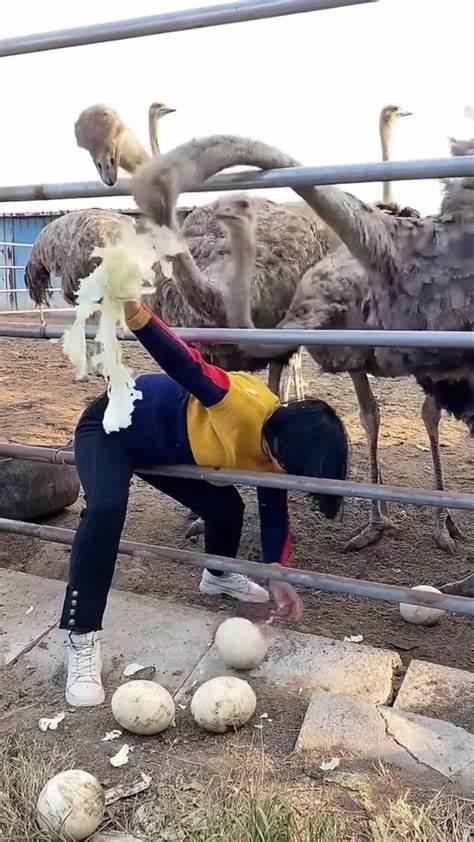
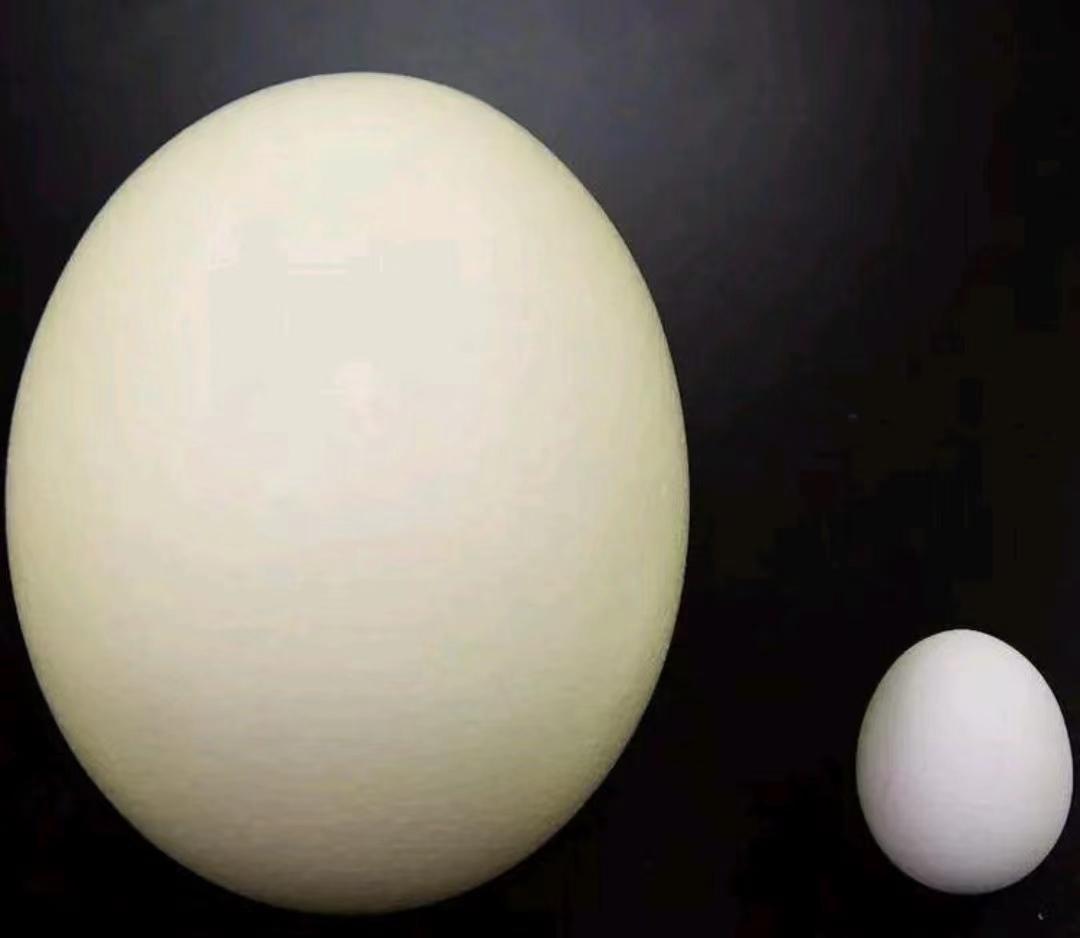
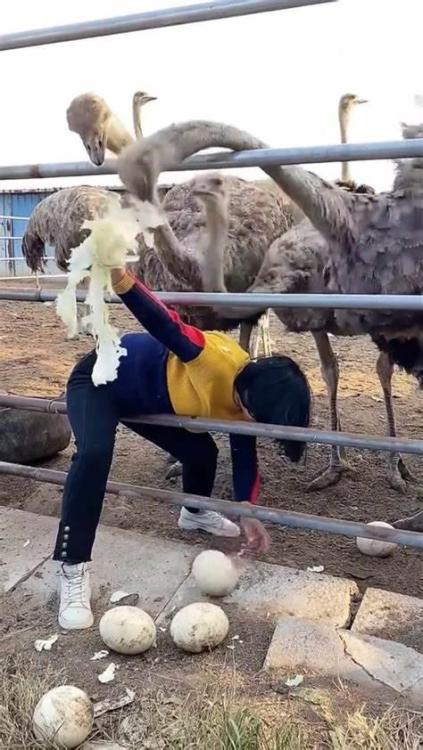
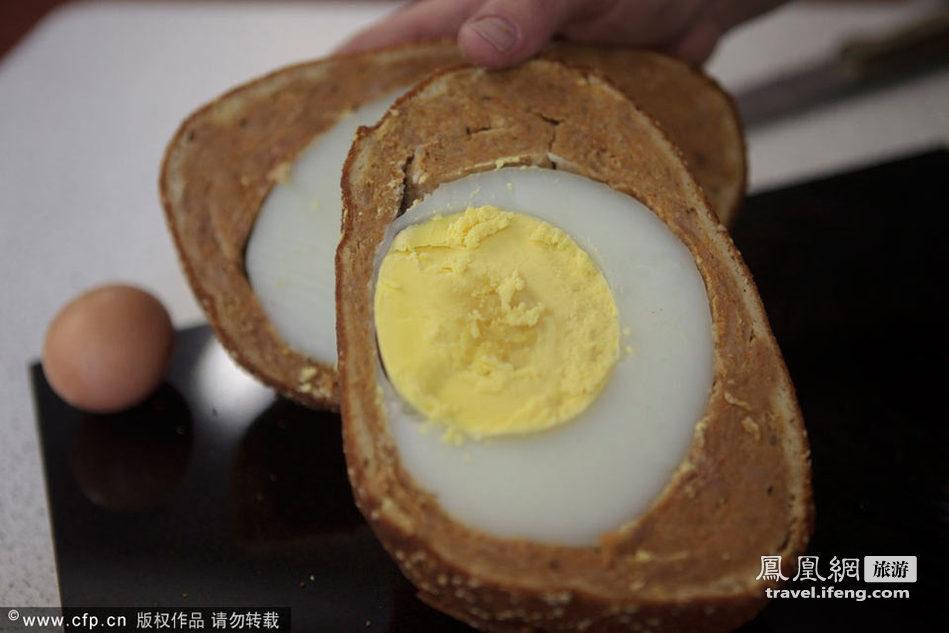
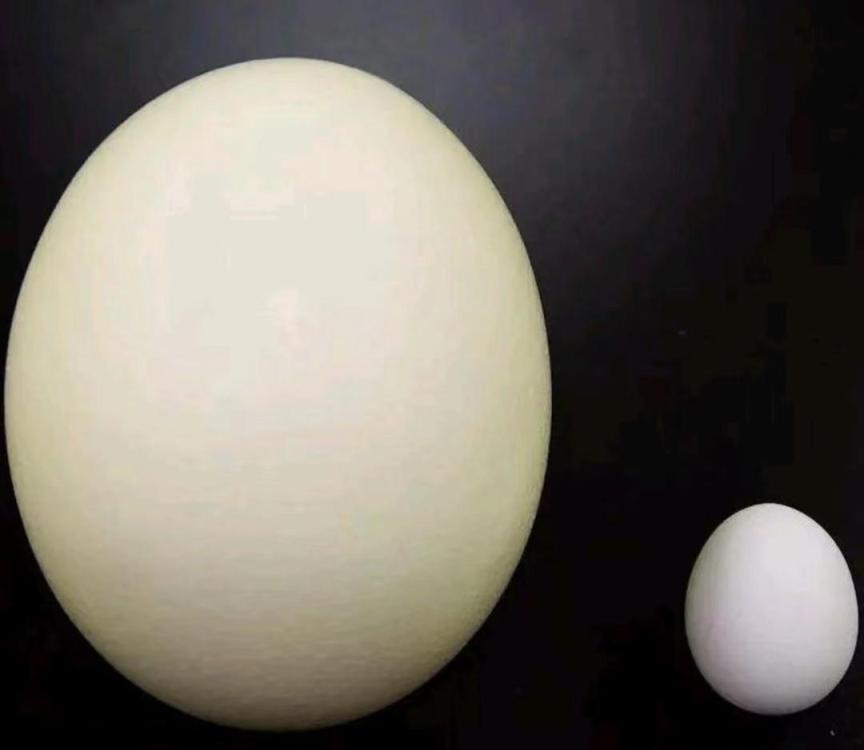
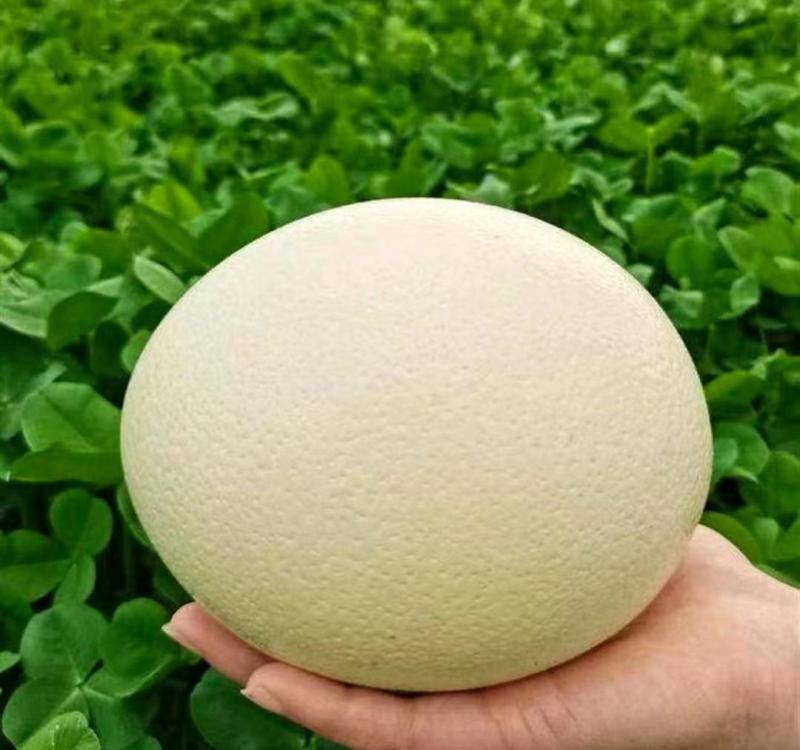
...and finally we reach S: 鸵鸟; T: 鴕鳥 (tuó niǎo), Struthio camelus, the largest bird on earth, the ostrich. The bird is a multiple record holder. It can run at 55 kmh / 34 mph) for sustained periods but reach 70 kmh / 40 mph in short sprints. This makes it the fastest land bird on earth. It also lays the largest eggs but not while running! And it lays the smallest eggs when compared to body weight. Native to Africa, they have been introduced in Australia, New Mexico and Israel where they have gone feral. They are also farmed on varying scales across the globe. There are a large number of farms in China, especially in the central-east. Distracting the birds while collecting eggs on a farm Although, in theory, ostrich eggs can be cooked the same way as any other eggs, in practice, they do present their problems, nearly all related to their size. An ostrich egg is usually said to be the equivalent of 24 chicken eggs and weigh around 1.4 kg / 3 lbs. They each contain about 2,000 calories. Ostrich and Chicken eggs The shell is thick and hard (they can bear the weight of a man without breaking) necessitating some mechanical aid in accessing the contents. A drill or kitchen saw is the normal method. Then you need appropriately large pans and kitchen equipment not found in the average kitchen. Boiling an ostrich egg to medium takes an hour; hard boiled need at least 90 minutes. I suppose you could poach one in a bathtub. Or sous vide for a week or so. Omelettes are the way to go if you can find a big enough pan for a 24 egg omelette. Someone has made a scotch ostrich egg, perhaps in a wok from a commercial kitchen. A British chip shop fryer might manage it, but if you don’t have a chip shop, it would be a problem. Ostrich eggs sell for between 100 and 200元 / $14-28 USD a piece. Those at the lower end tend to misshapen although the contents are the same. As with emu eggs, the shells are used as ‘çanvases’ for decorating, so pristine shapes are preferred. Happy Easter to those who celebrate. Easter eggs are not something I can find in China. Yet. (All images in this post from Meituan food delivery app, China)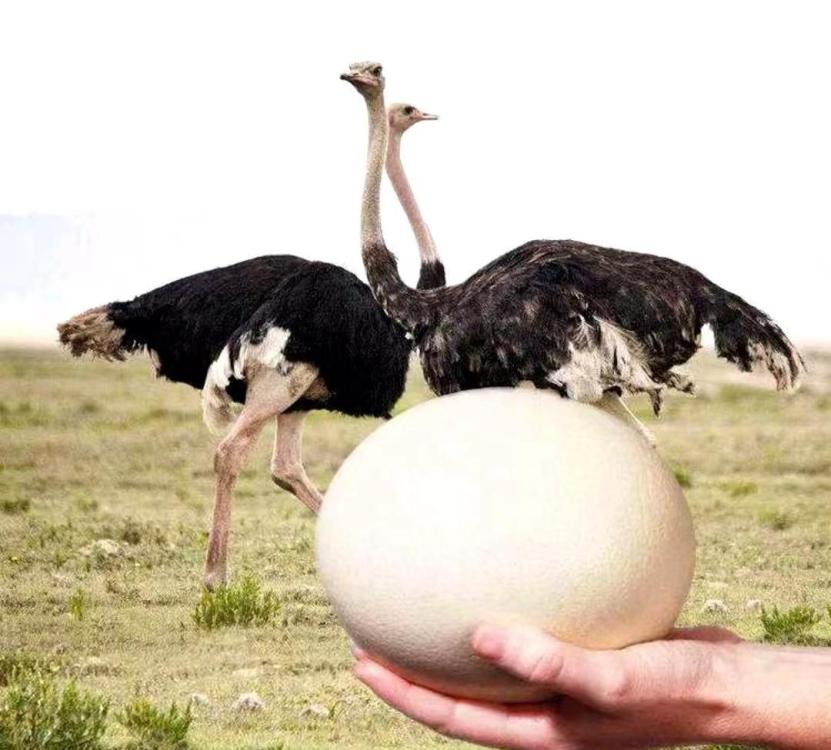
-
A pictorial guide to Chinese cooking ingredients
liuzhou replied to a topic in China: Cooking & Baking
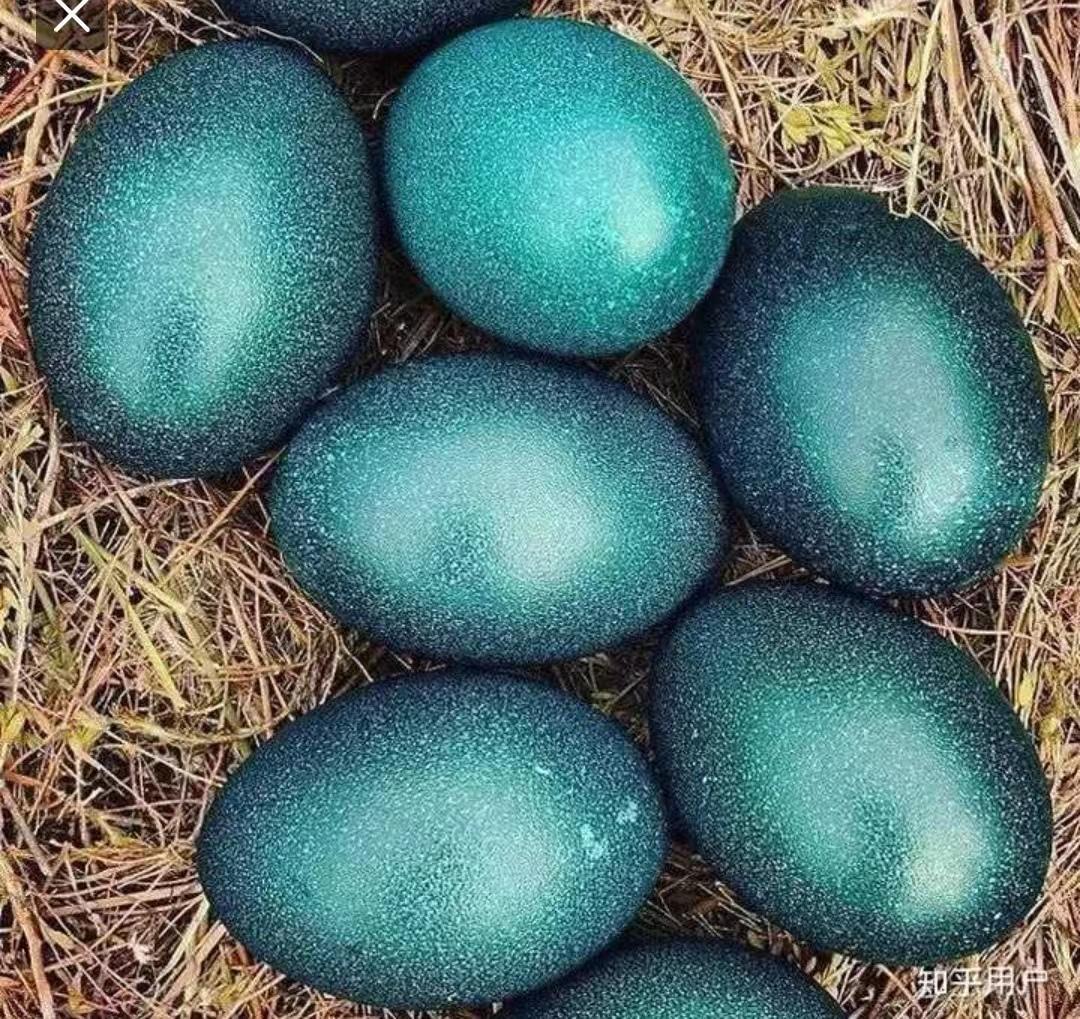
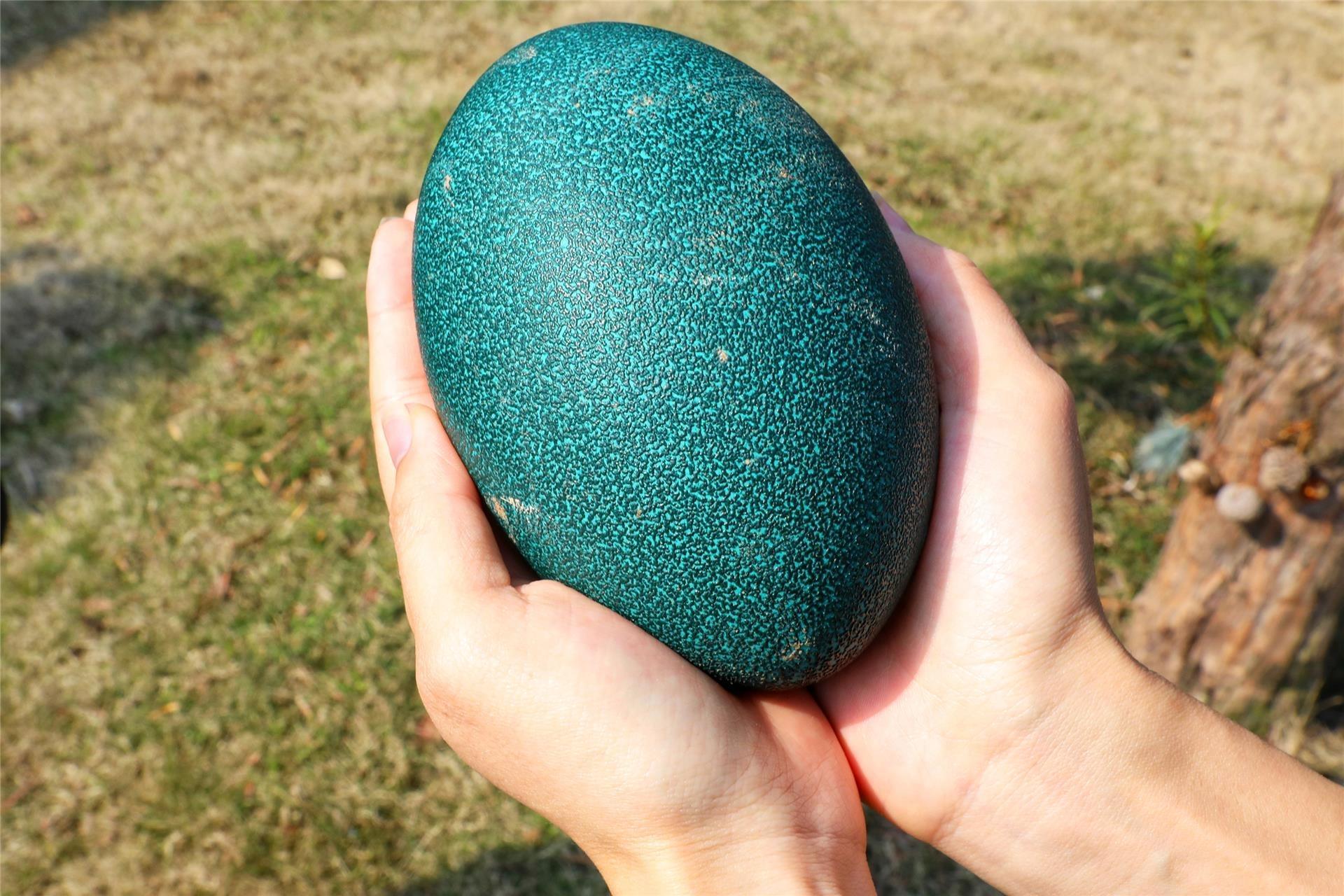
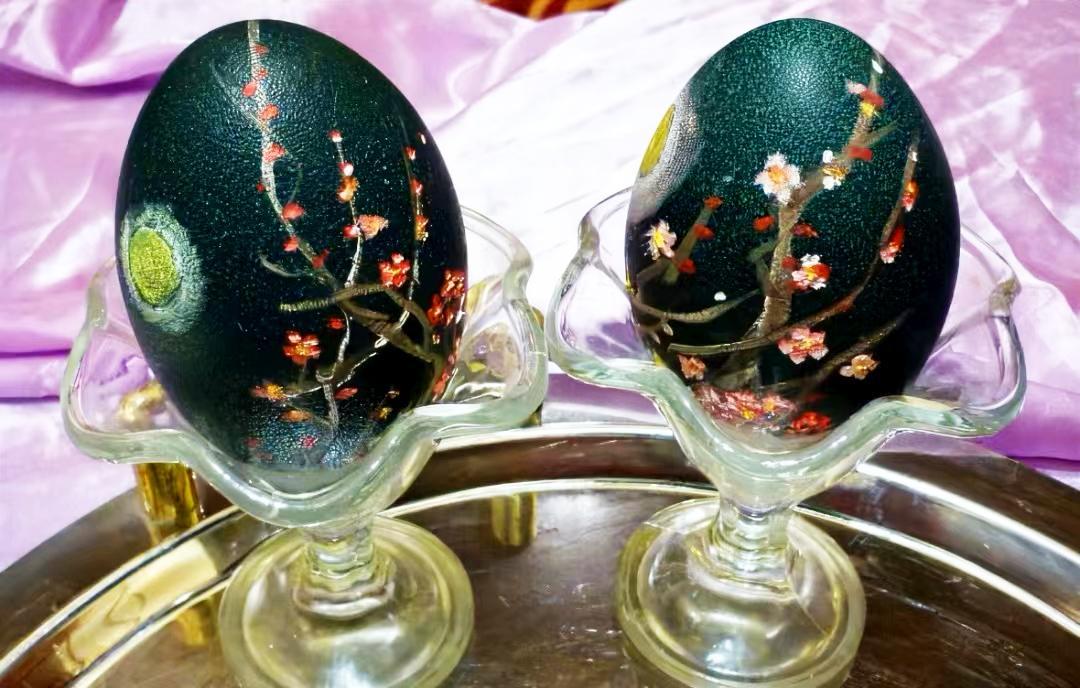
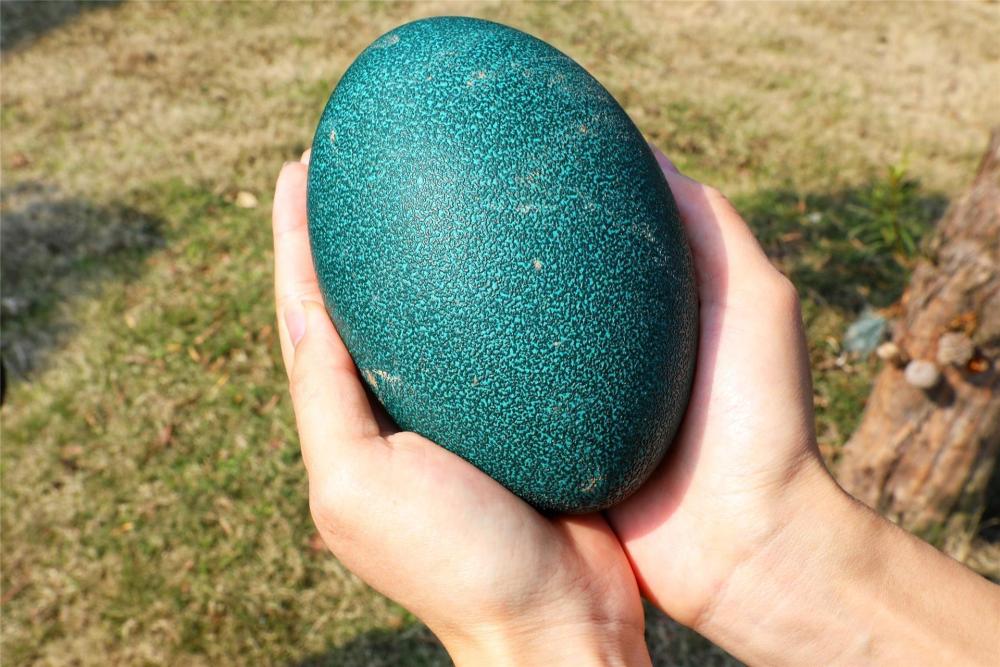
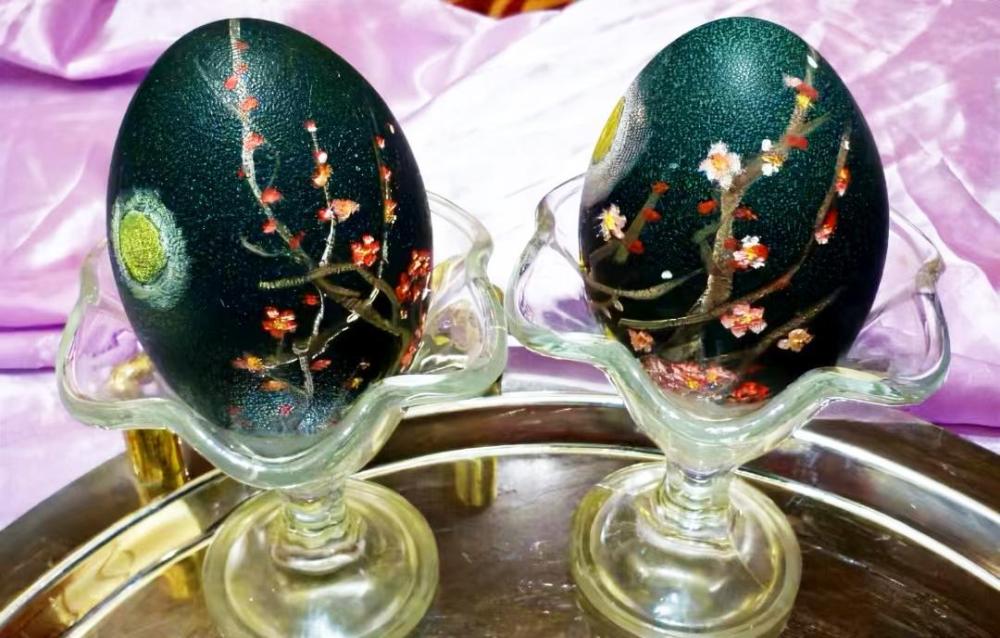
Continuing up the scale of largeness, next we come to the second largest bird, S: 鸸鹋; T: 鴯鶓 (ér miáo), Dromaius novaehollandiae, the emu. Native to Australia and New Guinea, these reach up to 2 metres / 6 foot 6 inches tall and weigh up to 45 kg / 99 pounds. They are flightless but can run at up to 50 kmh / 31 mph and can also swim when necessary. The females are a little larger than the males and after laying her eggs, she abandons them and her mate. The male then incubates the chicks and stays with them for the next year and a half until they reach independence. The female, in the meantime, goes off in search of new mates and starts over again. Raised on farms for their meat, eggs and oil, emus have been imported to China and farms are now producing limited numbers. I’ve never seen the eggs in any store, large or small, or in any market, but they are available on-line. The eggs weigh around 350 grams and are hard-shelled with a deep bluish green colour. They are said to taste just like good quality free-range chicken eggs and have similar nutritional qualities. The eggs are roughly equal to between 8 and 12 chicken eggs, so one egg can easily feed a large group or family. They can be prepared in the same ways as chicken eggs, but boiling one will take over an hour! Emu Eggs The problem I have is that they are often sold pre-fertilised for people wishing to farm them or raise them as pets (not a great idea in the city – they need a lot of space and exercise. Also they also come as empty shells. The shells are drilled at the wide end and the contents drained leaving the shells as ‘canvases’ for egg artists who then paint or carve them with all kinds of imagery. Some are beautiful and are found in museums and art galleries. Some are amateurish – as with any art form. A bit of a disappointment though, if what you were after was a nice, but expensive omelette. More on Emu Art here Painted Emu Eggs The eggs sell for around 180 元 / $25 USD each. I can’t see them being a regular purchase for the average home cook. All images from Taobao.com - home shopping service.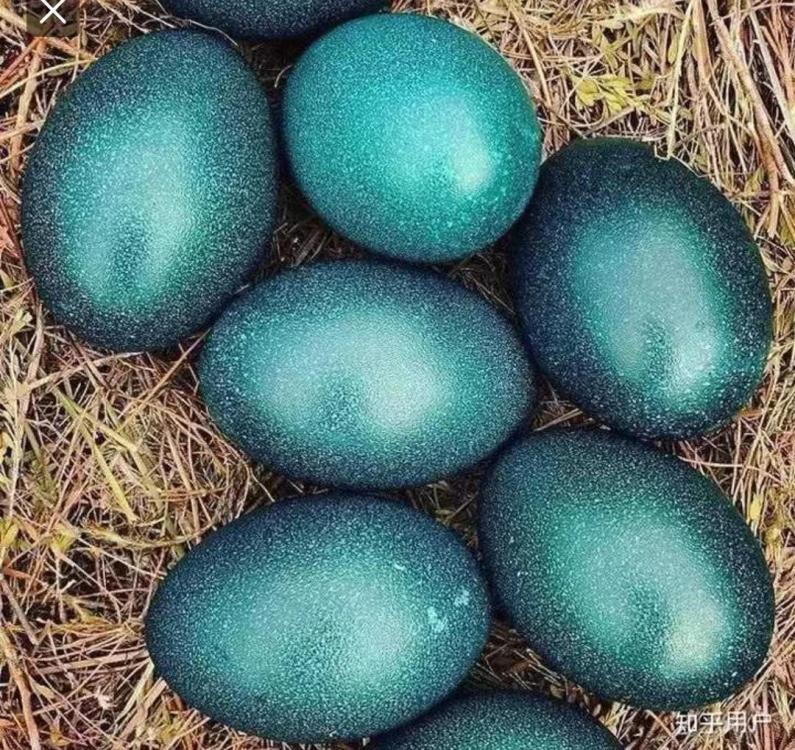
-
A pictorial guide to Chinese cooking ingredients
liuzhou replied to a topic in China: Cooking & Baking
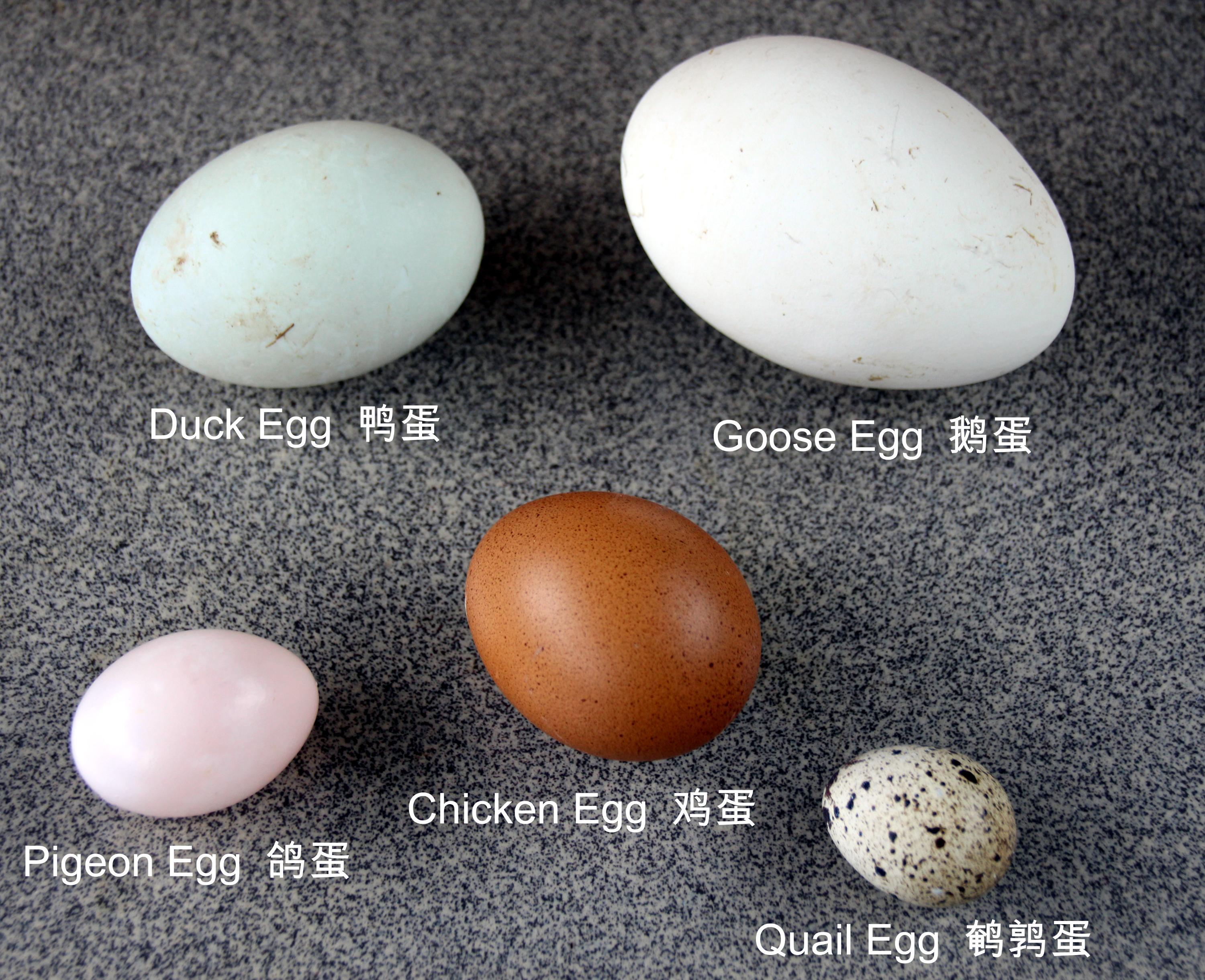
I have two more eggs to go, but before doing so, here is an image of the eggs I've mentioned so far showing relative sizes. I took this some time ago for my granddaughter, at her request, to use in her infant school class. She is the teacher; not a student!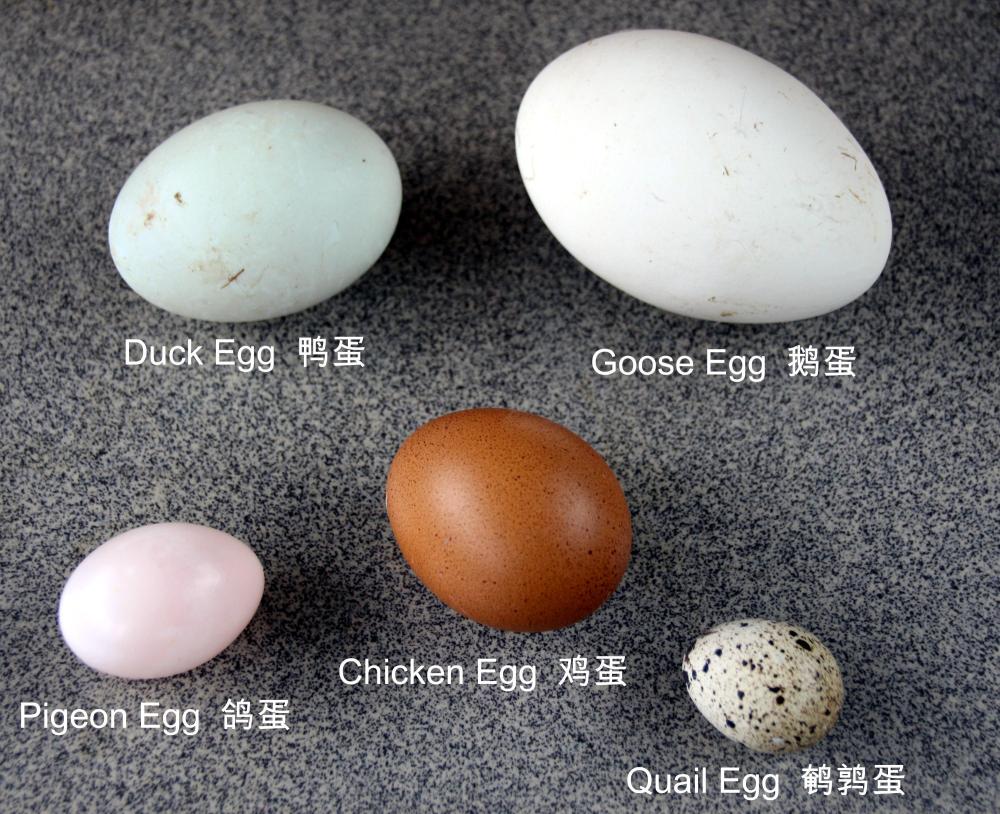
-
A pictorial guide to Chinese cooking ingredients
liuzhou replied to a topic in China: Cooking & Baking
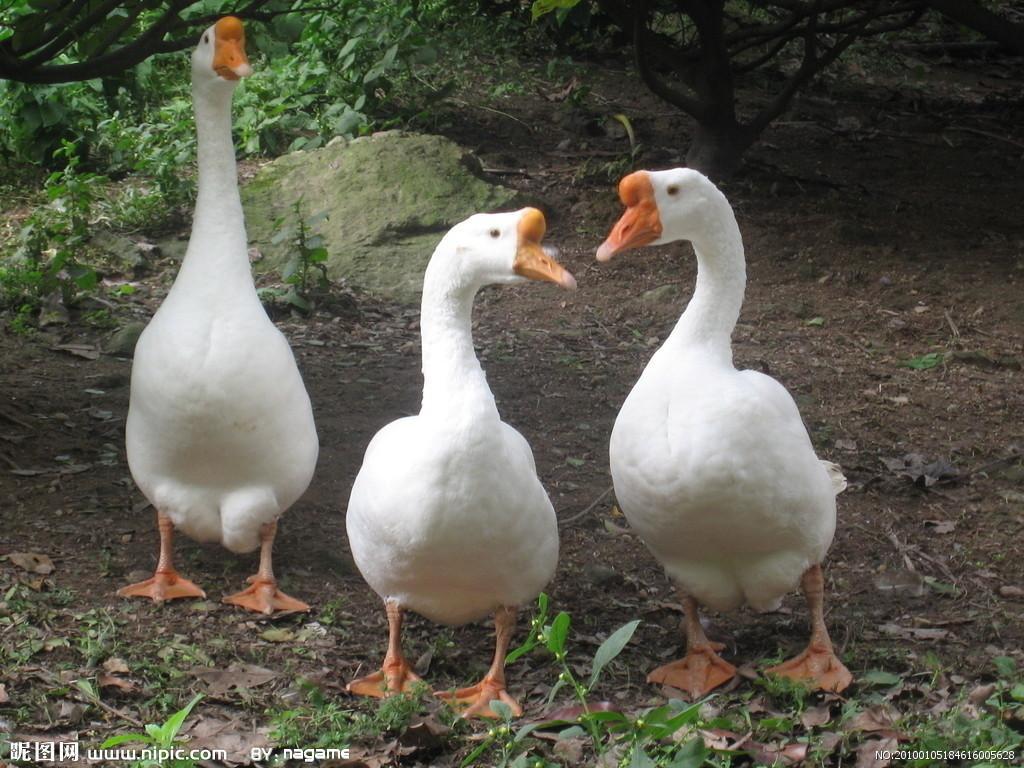
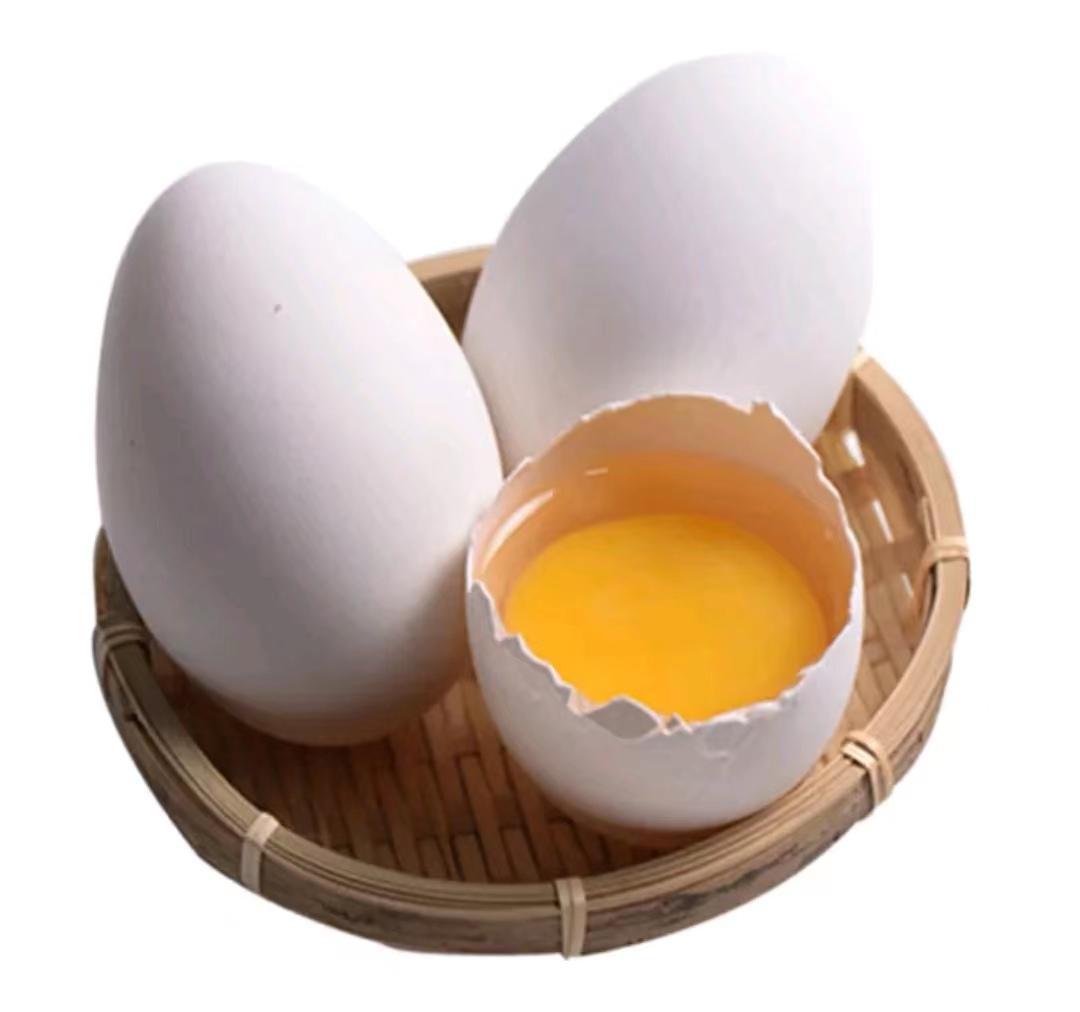
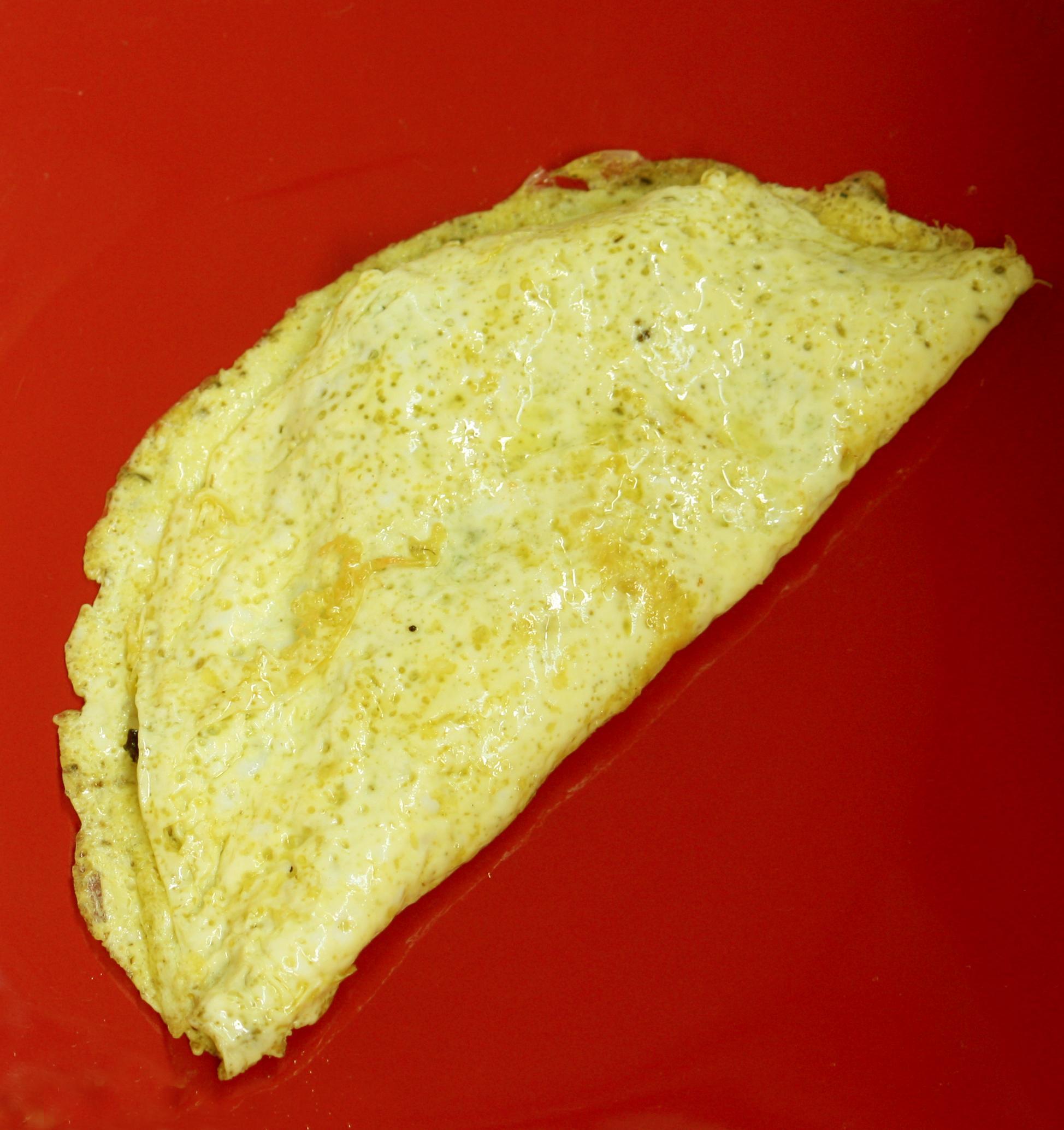
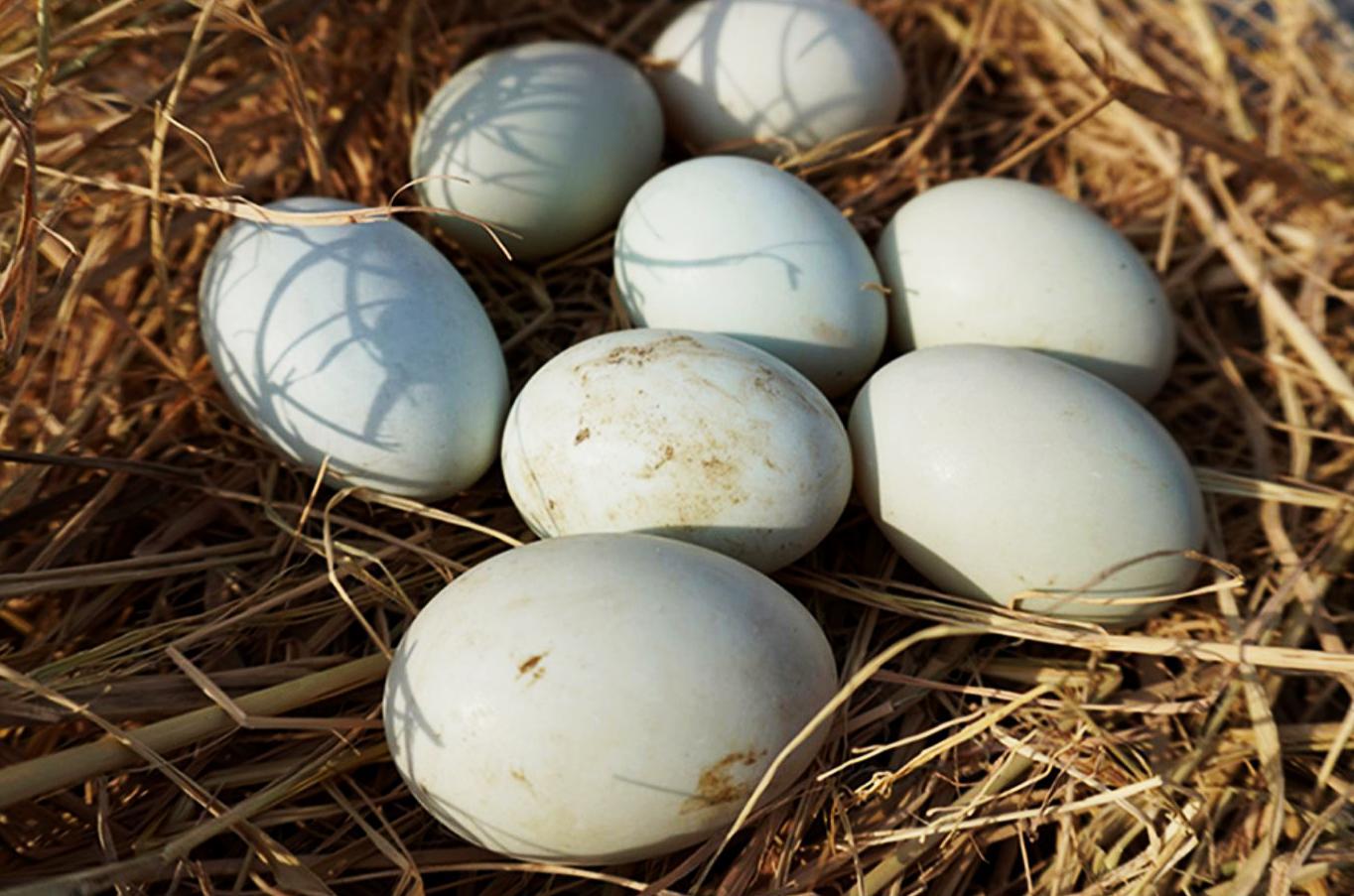
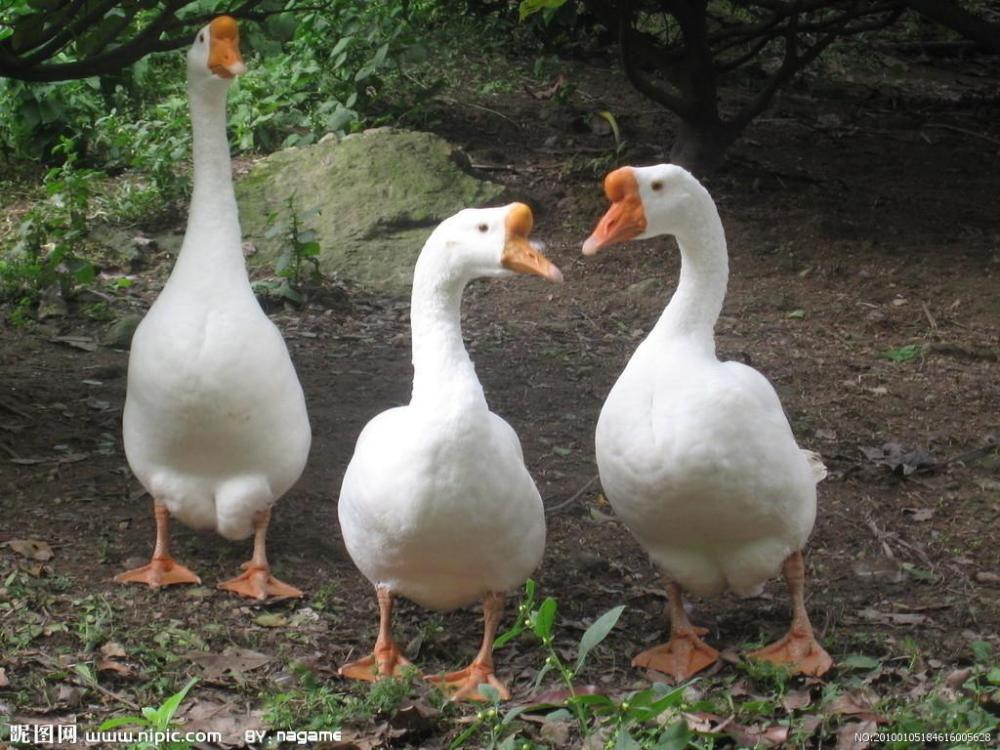
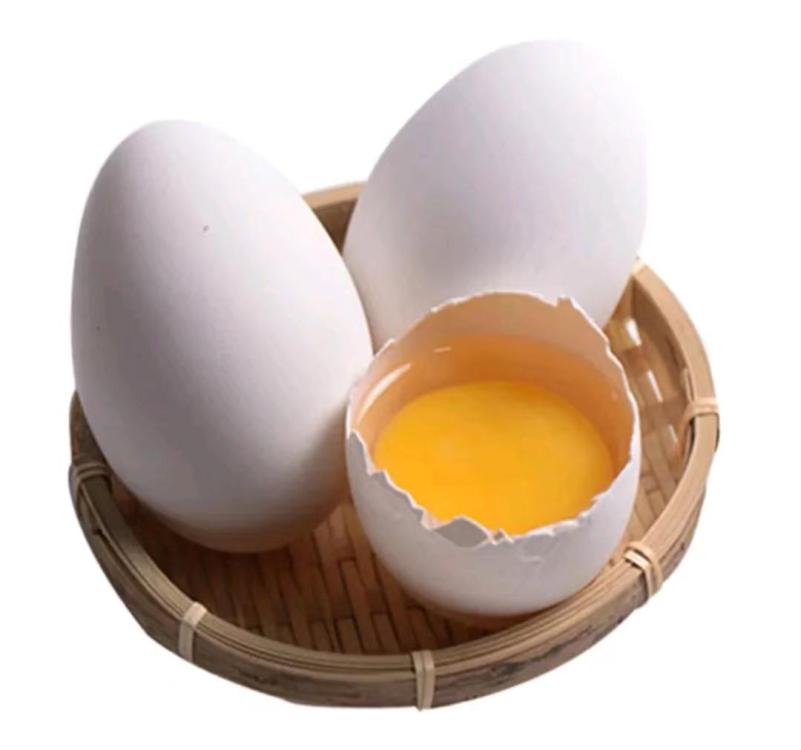
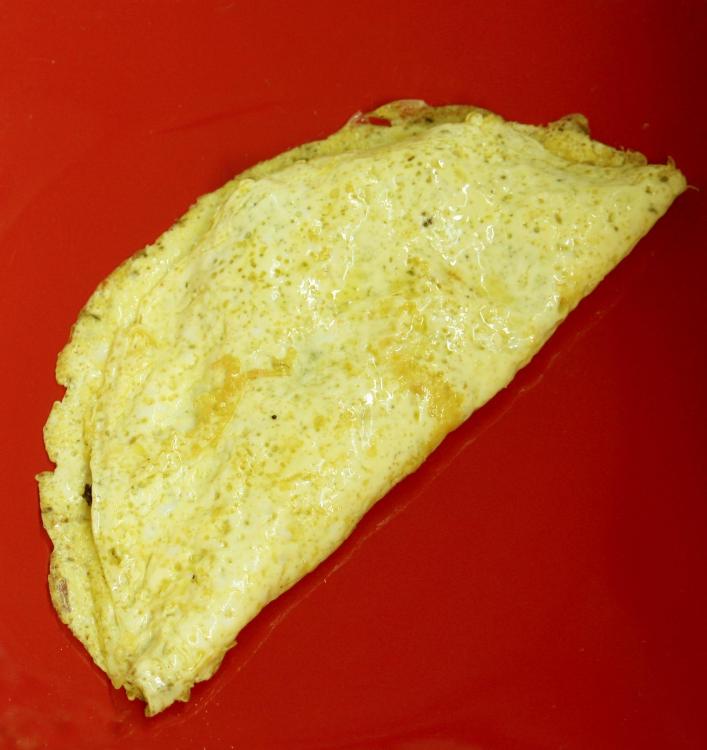
While we may not be able to get turkey eggs, when we want a big egg, S: 鹅蛋; T: 鵝蛋 (é dàn) are easily found (many supermarkets have them) and particularly tasty. These are from Anser cygnoides domesticus, the Chinese goose. Unlike turkeys, these geese are native to China. This beautiful white variety are prolific layers producing 60 – 100 eggs per season. They are also sometimes known as ‘swan geese’. About the equivalent of three hen’s eggs (150-200 grams), these eggs are richer and have a larger, more deeply coloured yolk. Geese have to be raised in open pasture, so they are at least semi-free-range and free to peck at insects, worms etc which contributes to their eggs’ tastiness, although they mainly eat grasses. You do have to be careful opening the eggs. The shell is much harder than that of a chicken or duck egg and requires some force to crack, leading to the possibility of breaking the yolk. If you need the yolk whole, go slowly. I’ve never seen them other than fresh and selling at around 10 to 15元 / $ 1.50 to $2 USD each. They aren’t made into century eggs or salted like other eggs, although I can’t see any reason why not. I’m told they are particularly valued for making pasta or Chinese style egg noodles where they impart more flavour than chicken eggs. They can also be used in baking, but I don’t go there. I usually use them for making omelettes. Goose egg omelette Interesting facts corner: Chinese geese have excellent hearing and eyesight (unlike us, they can see ultra-violet light). They are also very territorial and very noisy. This combination makes them great guard dogs geese. When I was a kid, I used to see the geese guarding Ballantine’s Whisky maturation warehouses every time we passed. They were the security guards. Sadly they were made redundant in 2012 and replaced by modern technology. The story is here. Image: Chivas Brothers Archive
-
A pictorial guide to Chinese cooking ingredients
liuzhou replied to a topic in China: Cooking & Baking
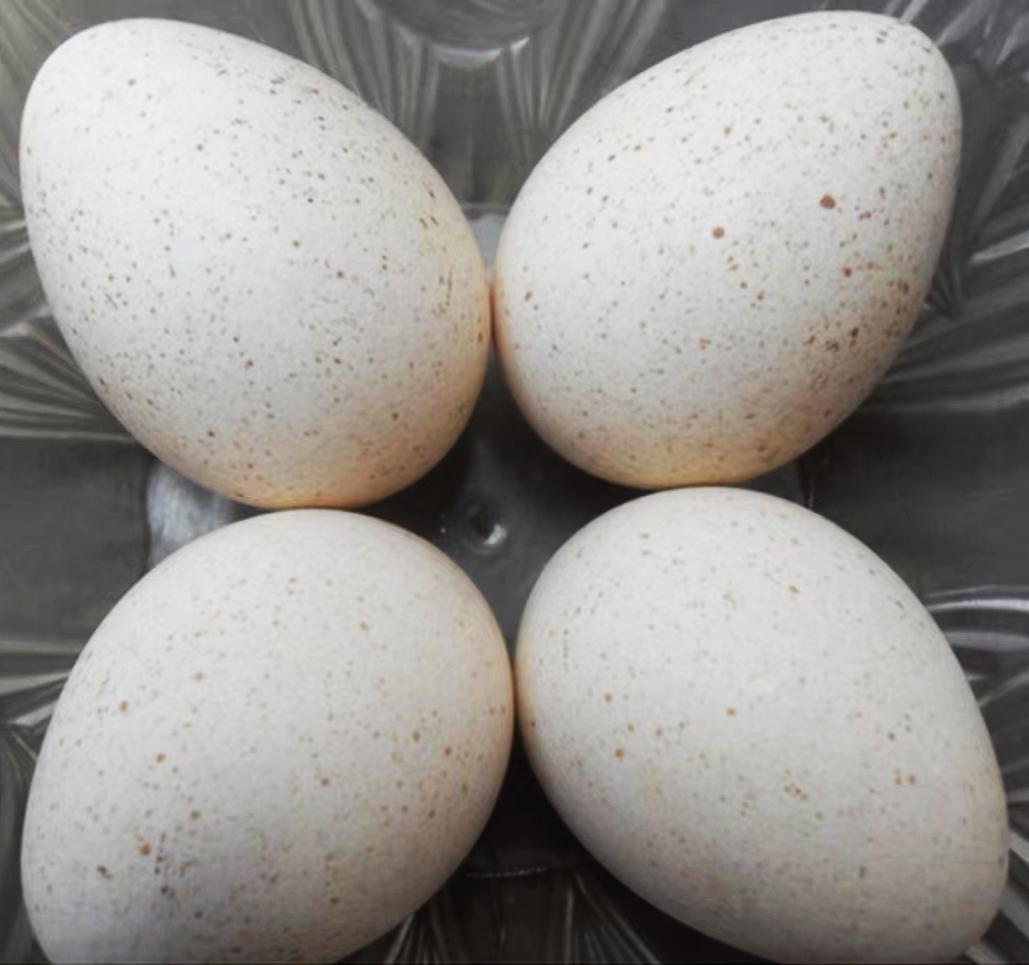
Let’s talk S:火鸡; T: 火雞 (huǒ jī). Literally meaning ‘fire chicken’ this is Meleagris gallopavo, the turkey, probably not a bird you associate with China and you’d be right. Between 2001 and 2005, China imported 386,000 tons of turkey from the USA. 386,000 tons of turkey may sound a lot, but works out to just over ¾lb per person over five years - 2½ ounces a year, if my mathematics is correct! If not correct, and it seldom is, it’s still a miniscule amount. Little has changed in the last 25 years. China does raise turkeys but on an extremely limited scale; it just isn’t a bird on people’s radar. They know about turkeys but see them as some sort of grotesque, mammoth lump of meat that they wouldn’t fit in their wok. Most turkeys sold for meat are sold to American and Canadian ex-pats in Shanghai and Beijing for their respective Thanksgiving celebrations. For 15 years, I did have a second home in the countryside next door to a man who was a part-time hobbyist turkey breeder. He sold the meat for pet food and the feathers to the garment industry and theatrical milliners. He didn’t sell eggs. The reason he and most turkey breeders worldwide don’t sell usually sell the eggs is simple economics. They birds are to blame! They reach optimum age for selling as meat before they begin to ovulate and even then only lay one or two eggs a week, if they’re in the mood. The cost of feed etc while waiting for the eggs makes little sense to the farmers as they’d have to sell the eggs for a minimum of around 4元 each, which few would be willing to pay. I can buy a dozen hen’s eggs for the same price while the farmer can make more from hatching the eggs and raising and selling more birds. Turkey eggs PD Image That said, if you do get hold of one they are perfectly edible. About 50% larger than the average (50 gram) chicken egg., they taste much the same but are a bit creamer. Yes, I have eaten one, but not in China.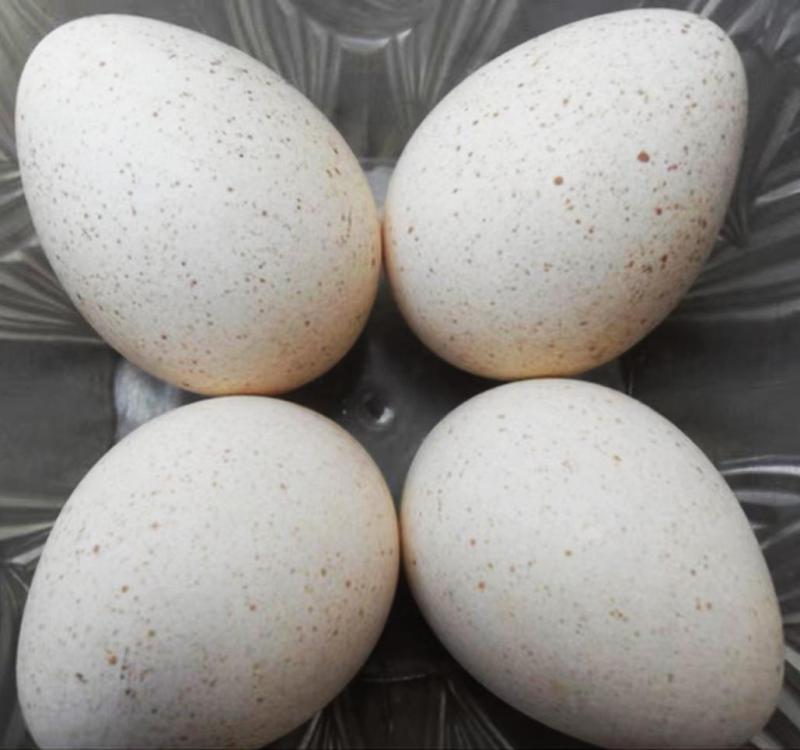
-
A pictorial guide to Chinese cooking ingredients
liuzhou replied to a topic in China: Cooking & Baking
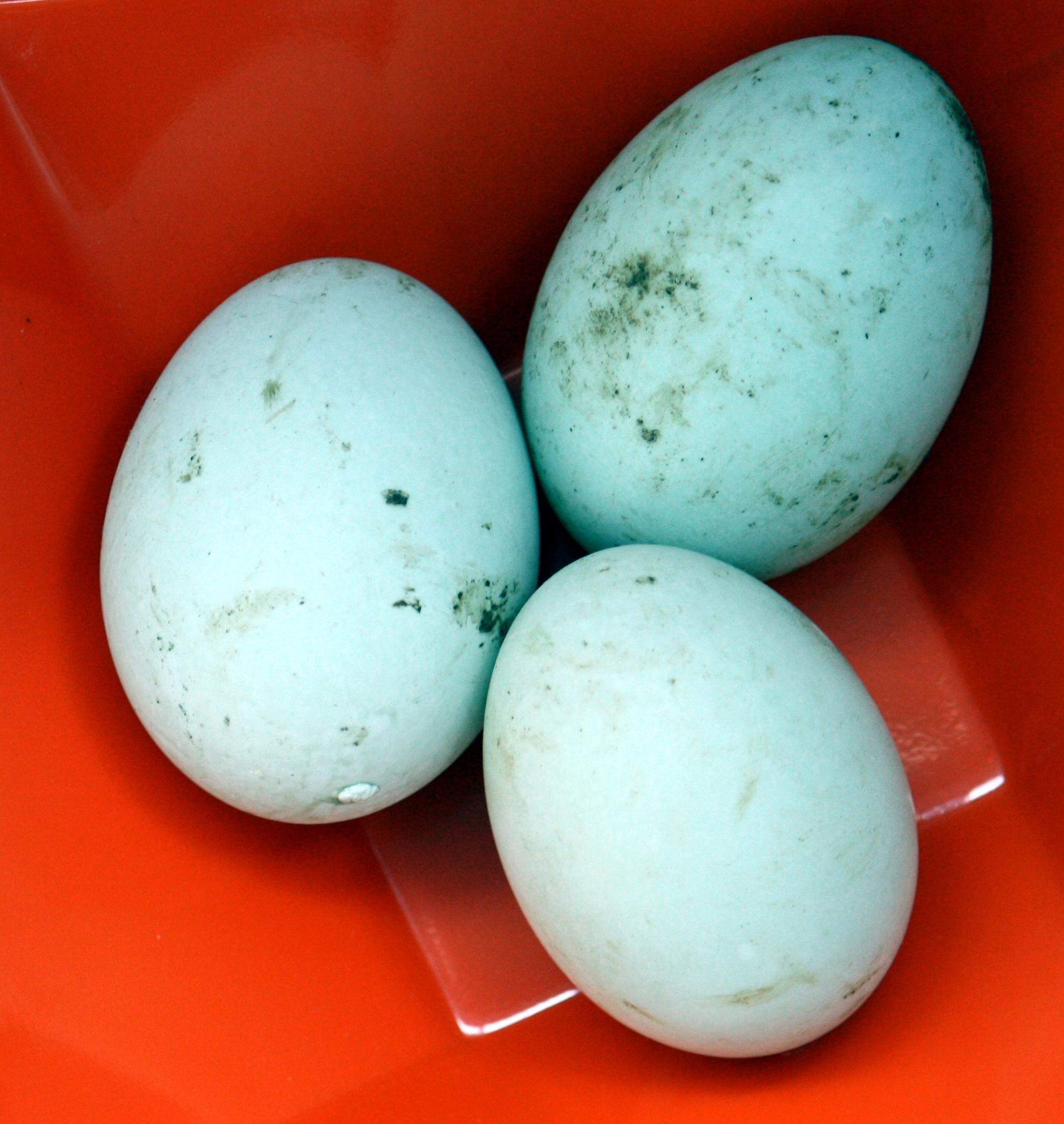
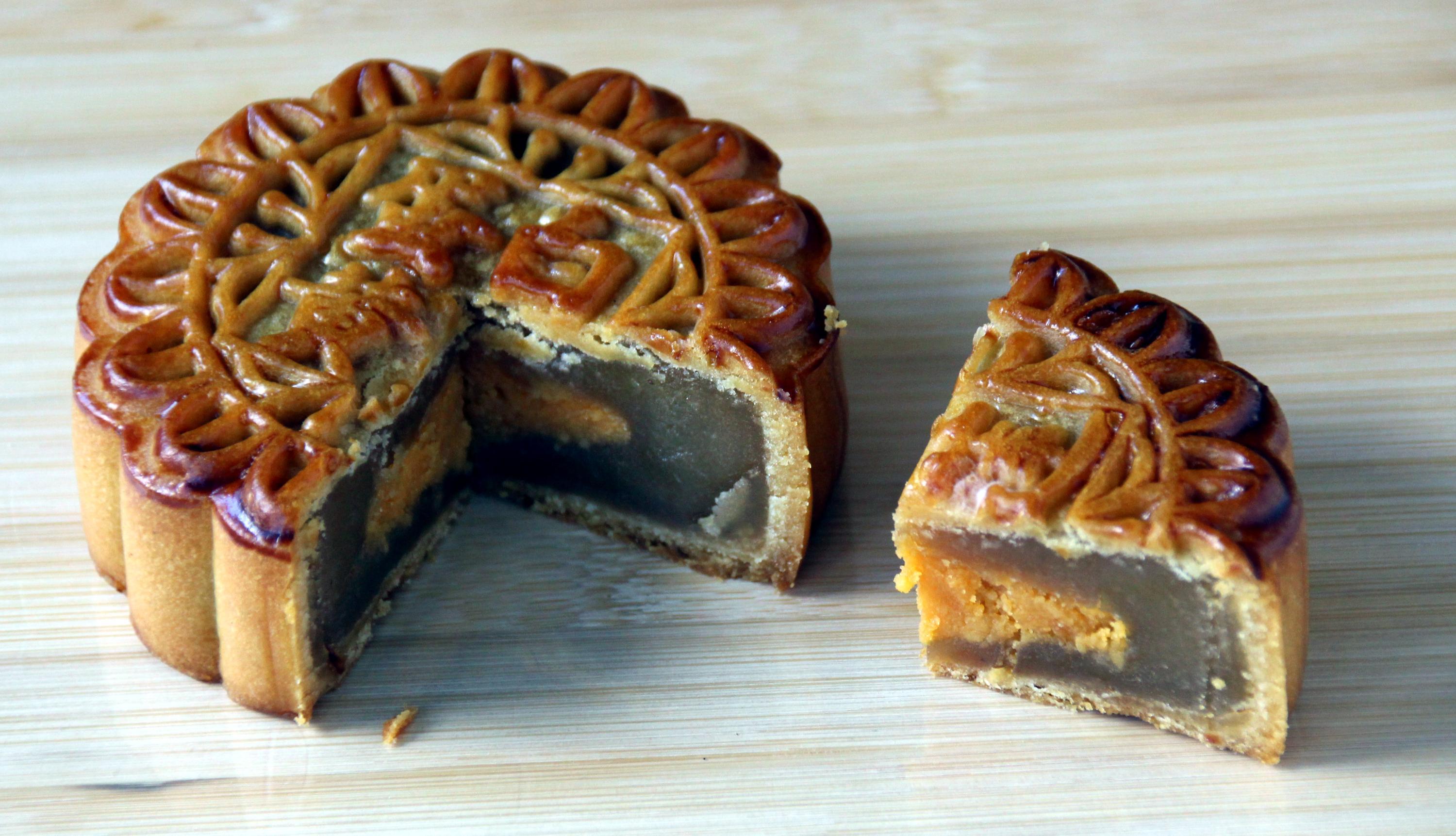
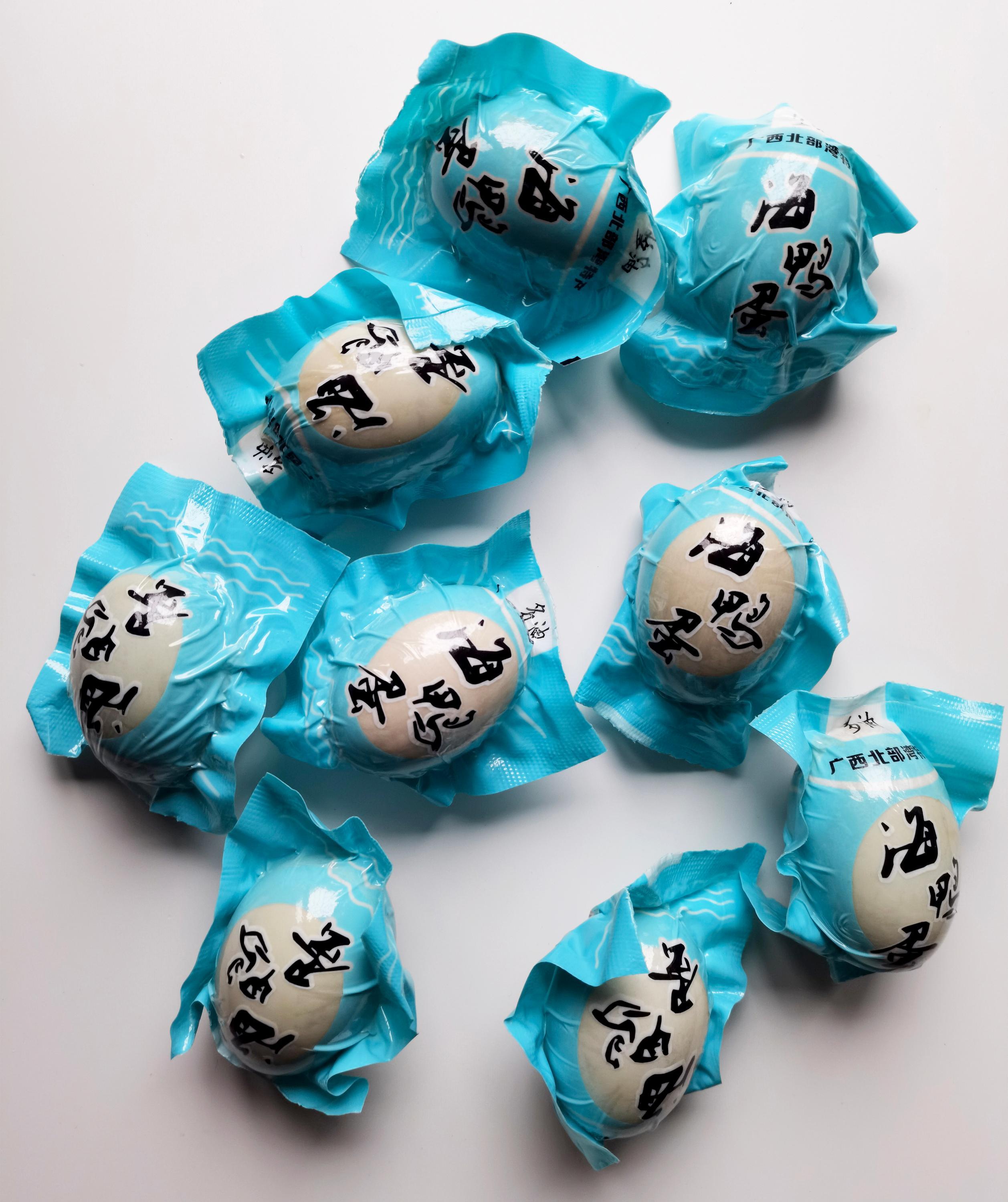
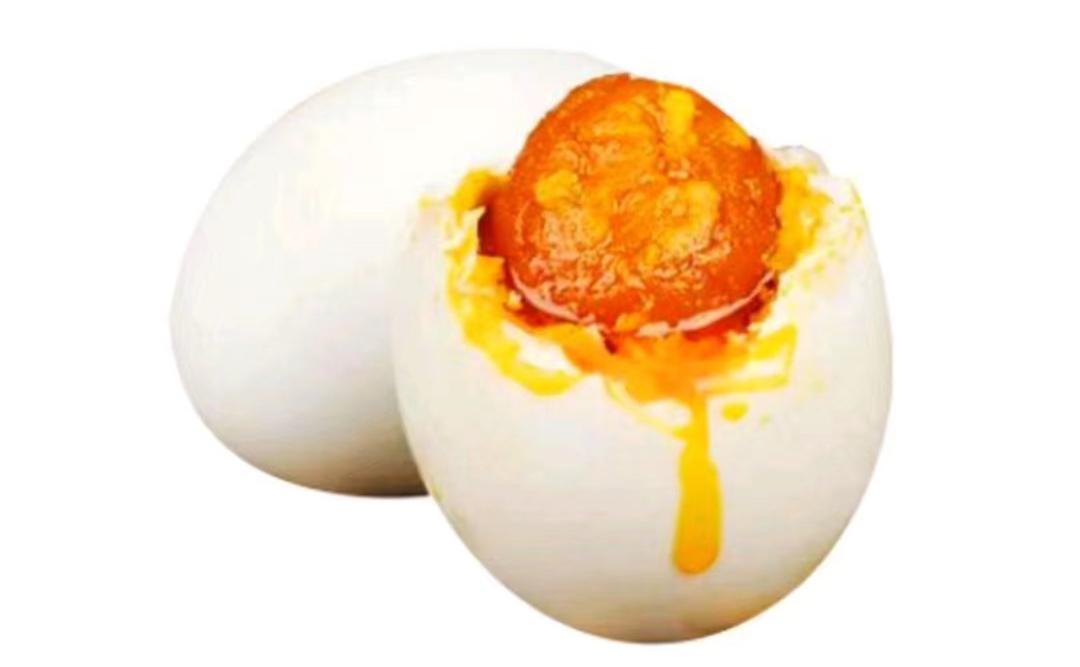
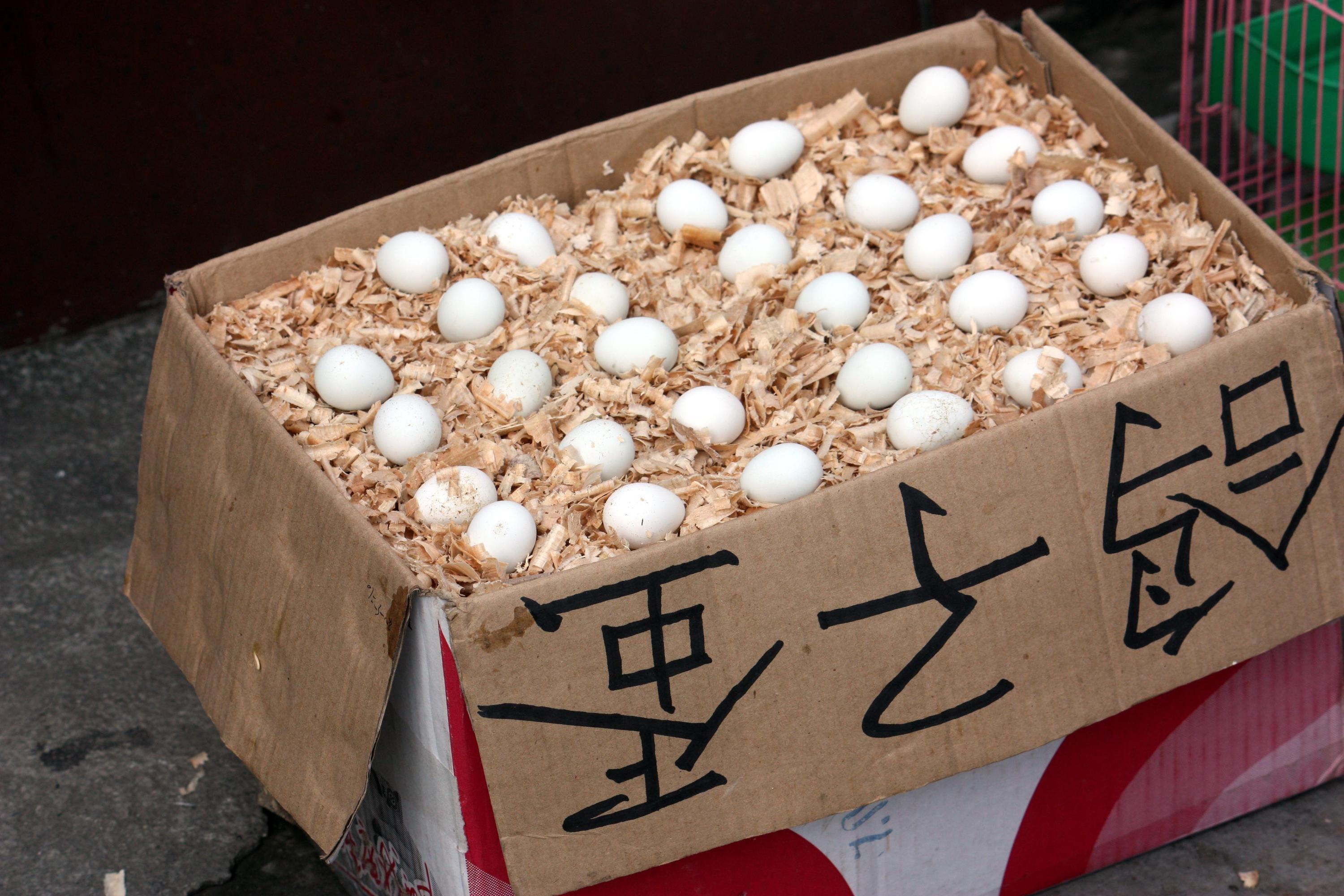
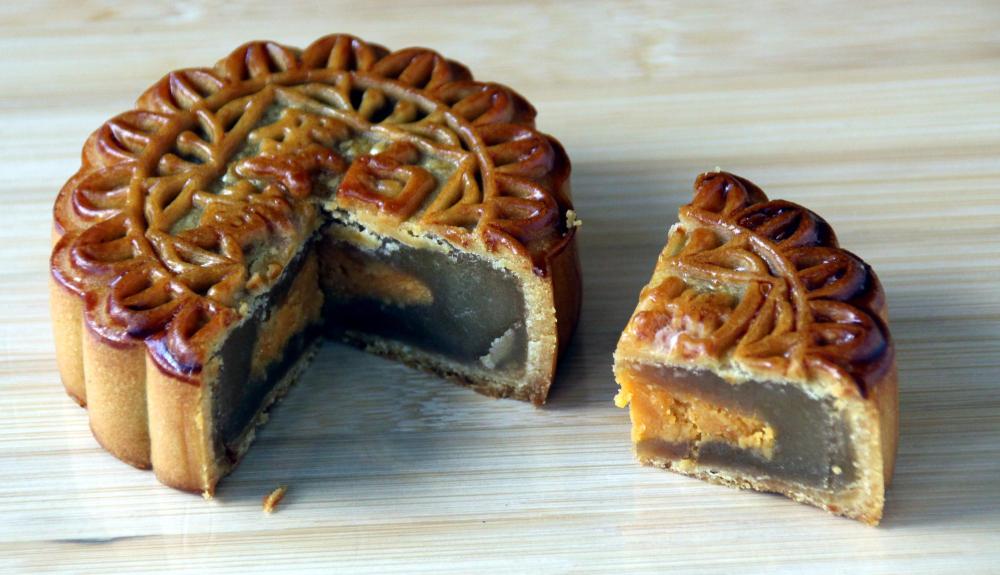
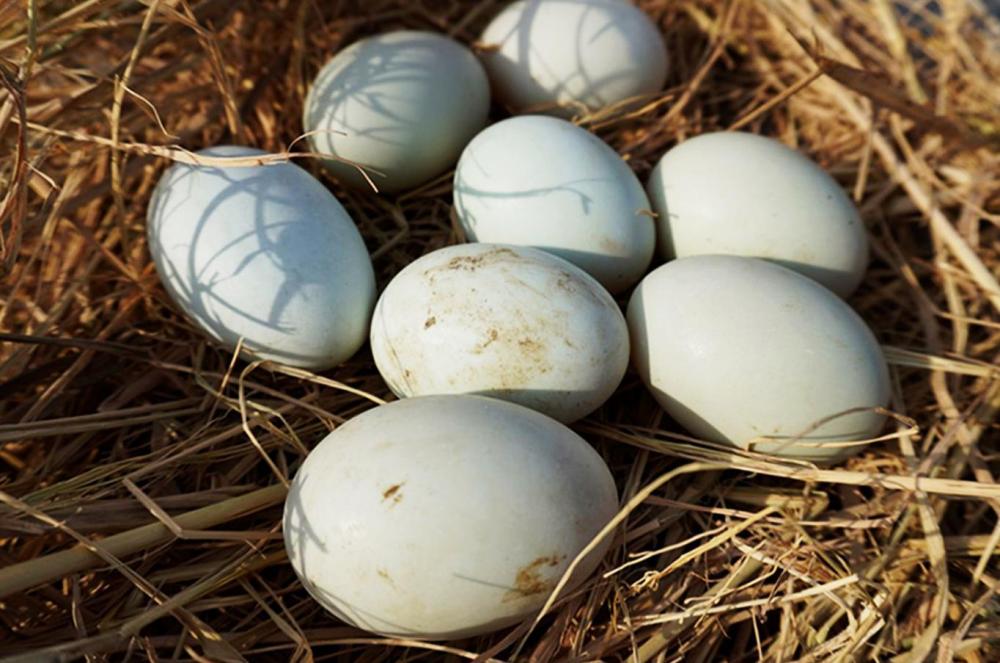
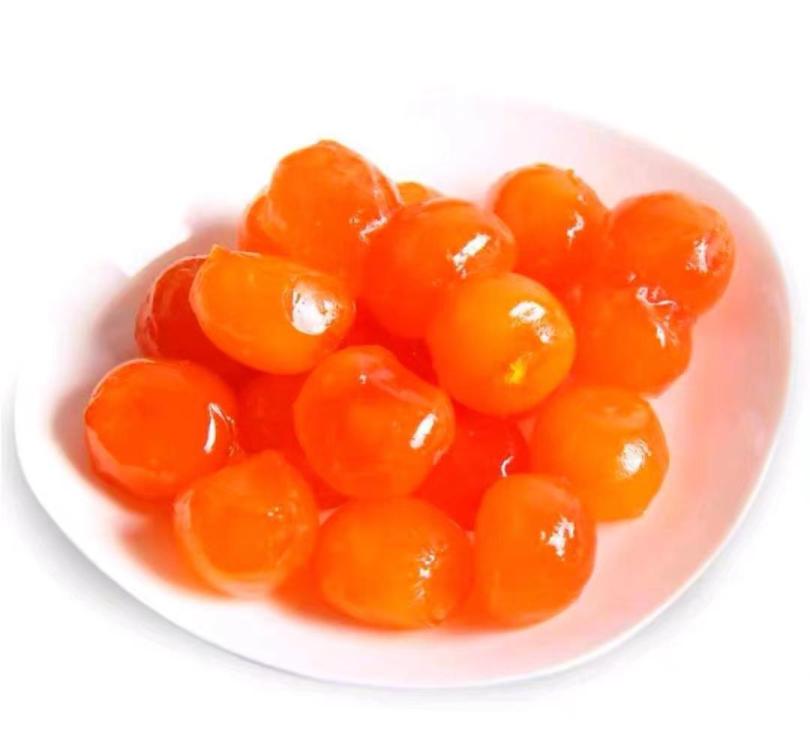
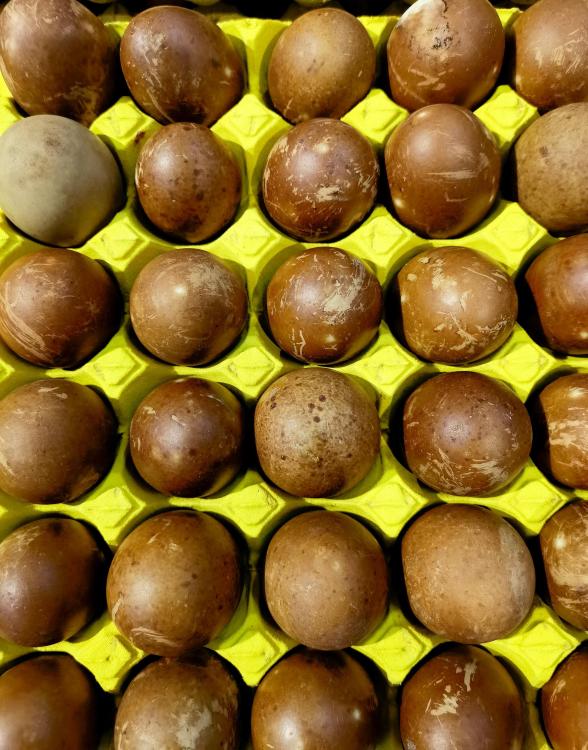
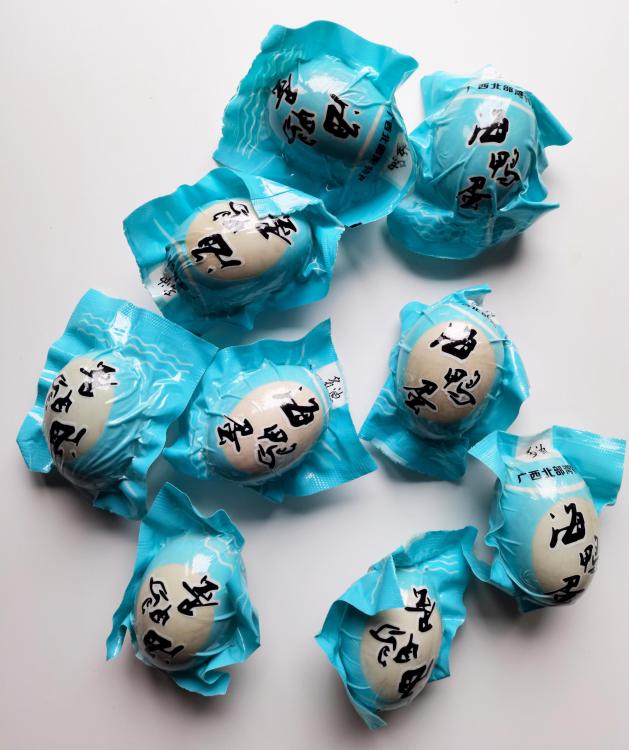
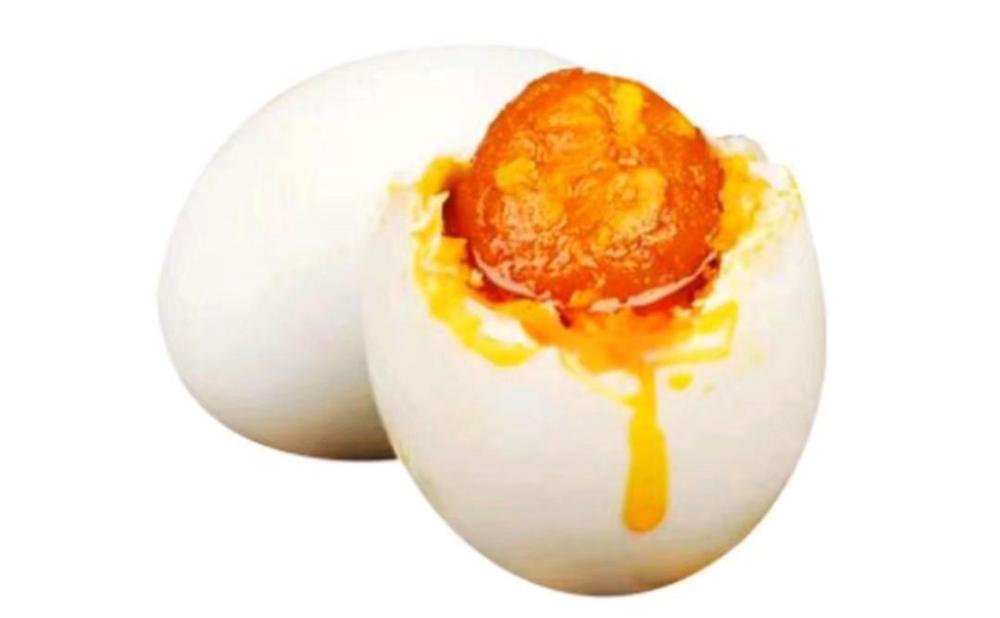
Ducks may say “quack quack” when they speak English but in Chinese they say 呷呷 (gā gā). I suspect Lady Quackquack doesn’t know that! S: 鸭蛋;T: 鴨蛋 (yā dàn), duck eggs are my default egg purchase here in China, as they are for many people. Specifically, I buy sea duck eggs from nearby Qinzhou in southern Guangxi. These birds live by the shores of the Gulf of Tonkin and are prized over other ducks both for their meat and eggs. Qinzhou sea duck eggs Larger than chicken eggs, and generally more ethically raised (no battery ducks, methinks) the eggs taste great. The fresh ones are noted for their deep yellow yolks and even richer taste. Duck eggs make for awesome scrambled eggs. Contrary to some people’s expectations, the ducks don't generally eat fish, so aren’t at all fishy in taste. They mostly eat insects and are even used in paddy fields as natural insecticides. The eggs have noticeably thicker shells so less chance of breaking them on the way home from the grocer’s shop. Every store here carries duck eggs. Sea or land. Again in many forms. And in many colours; not that colour is any indication of anything else. They can be white, green, blue-shelled and more but what’s inside is the same. Most salted eggs and most pidan/century eggs are made from duck eggs. Salted duck egg These are also sold individually wrapped as snacks. Eat a traditional mooncake at Mid-Autumn Festival and you’ll bite into a salted duck egg yolk representing the moon. Yolks are sold seperate;y for this and similar applications. What they do with the whites, I don't know. Mooncake with salted duck egg yolk I’m told duck eggs are good for baking, but I’m no baker so take that as you like. I guess, given their larger yolks versus white, some adjustments may be necessary to your recipes. Unlike other birds' eggs these are also sometimes sold roasted, which would please the English poet Alexander Pope who wrote in The second epistle of the second book of Horace: imitated by Mr. Pope. "The vulgar boil, the learned roast, an egg." Learned eggs Finally, S: 吃鸭蛋; T: 吃鴨蛋 (chī yā dàn), to eat duck egg(s) is a figurative expression in Chinese meaning to score zero in a test or competition. Massive fail!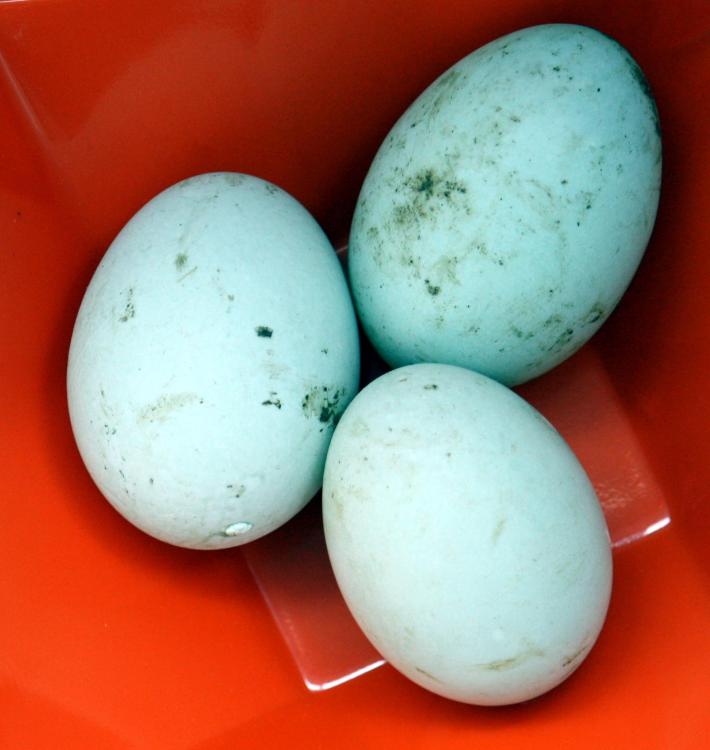
-
A pictorial guide to Chinese cooking ingredients
liuzhou replied to a topic in China: Cooking & Baking
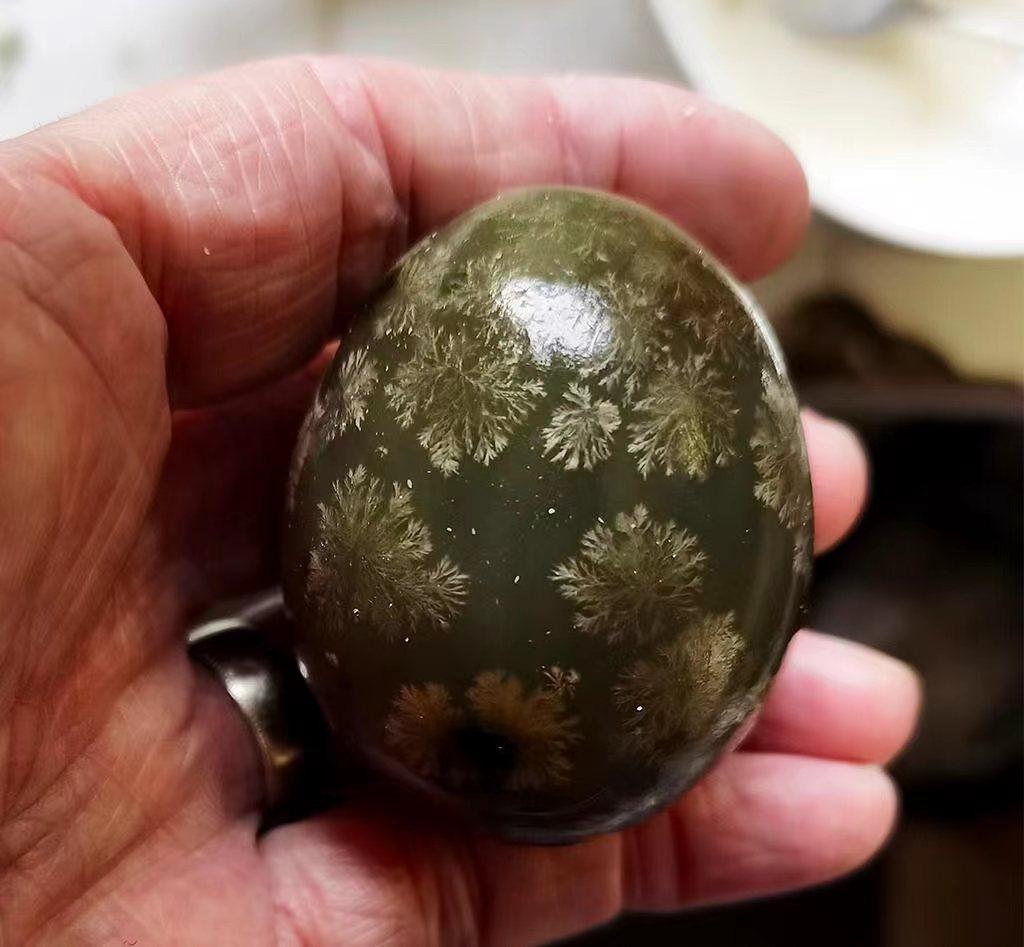
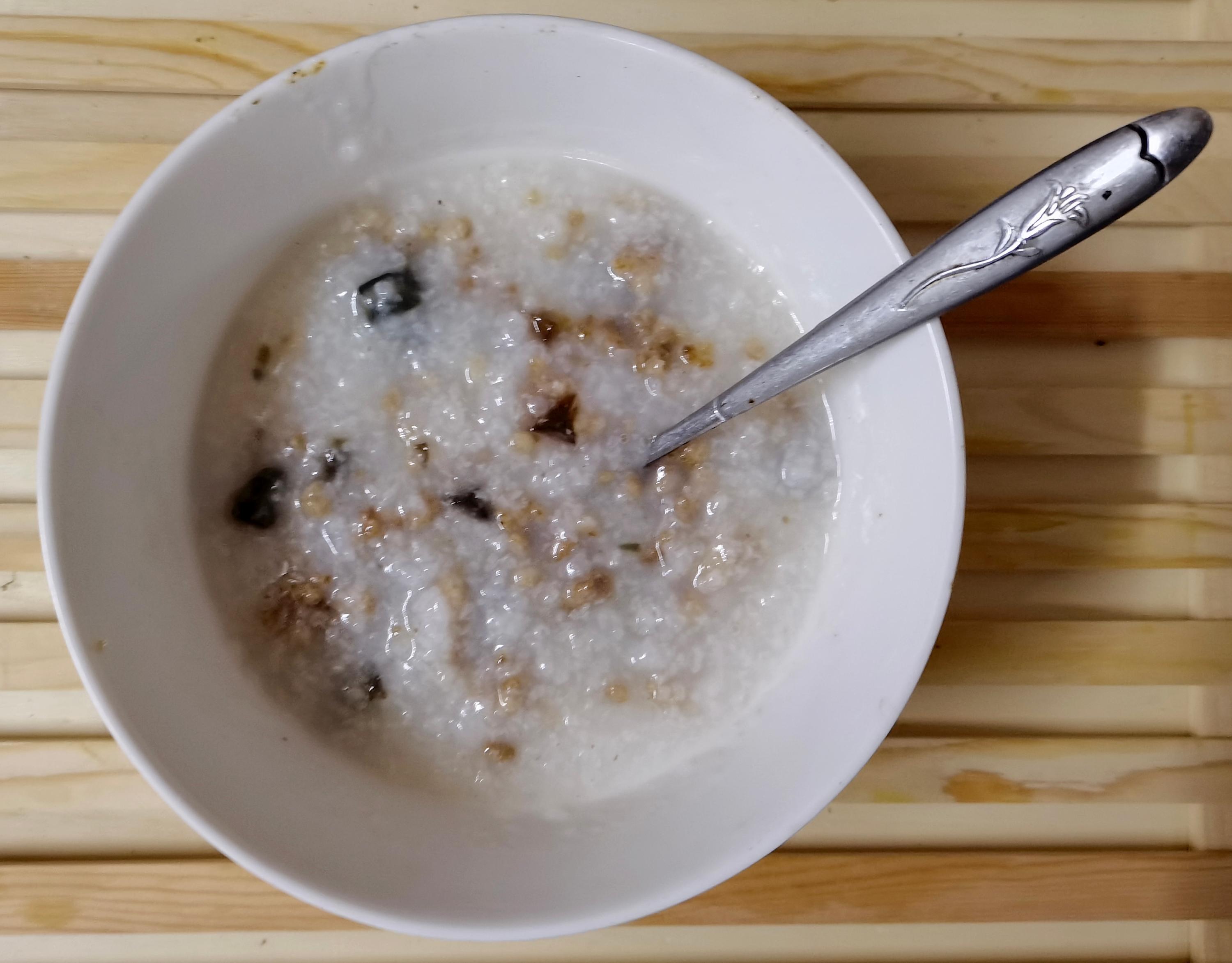
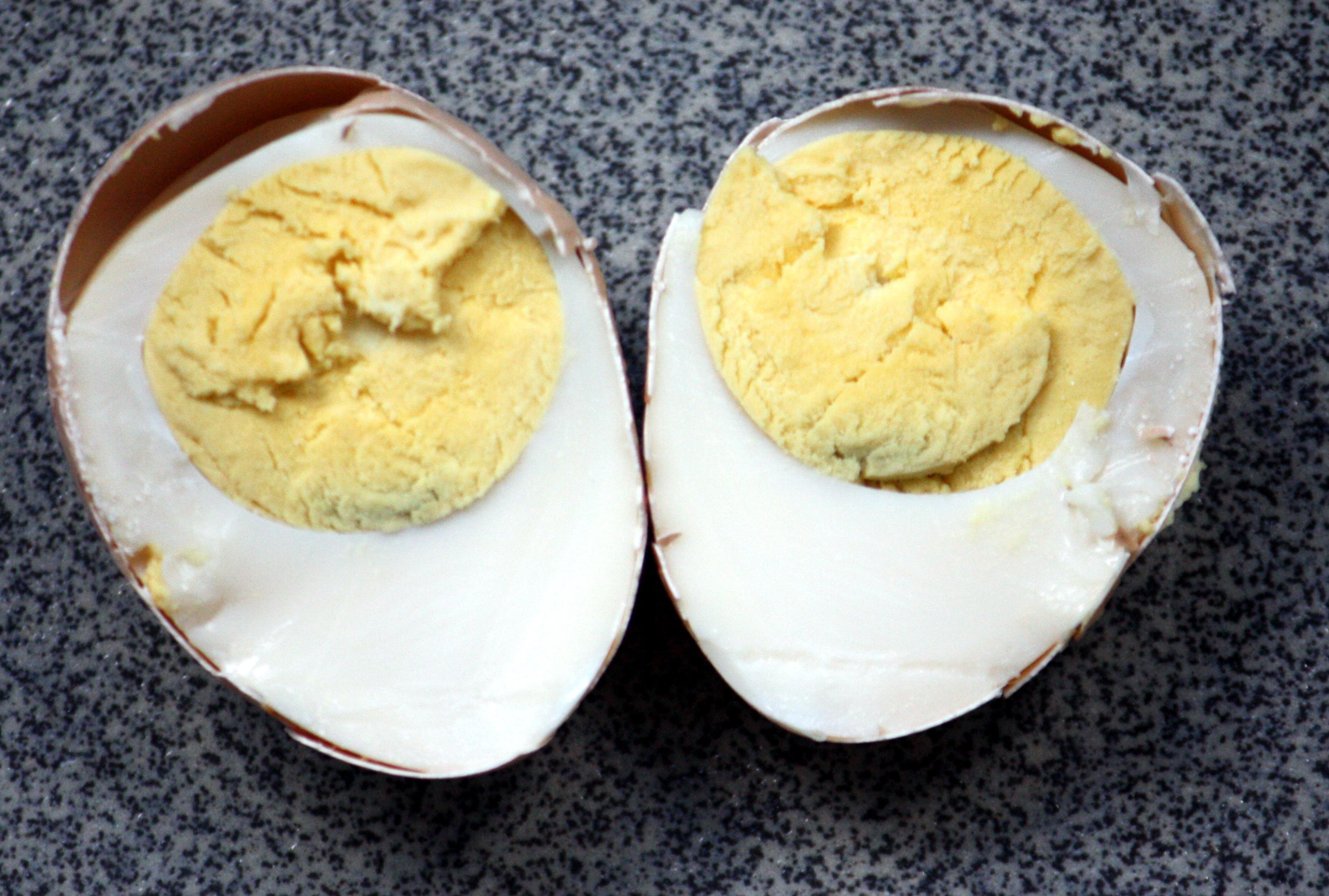
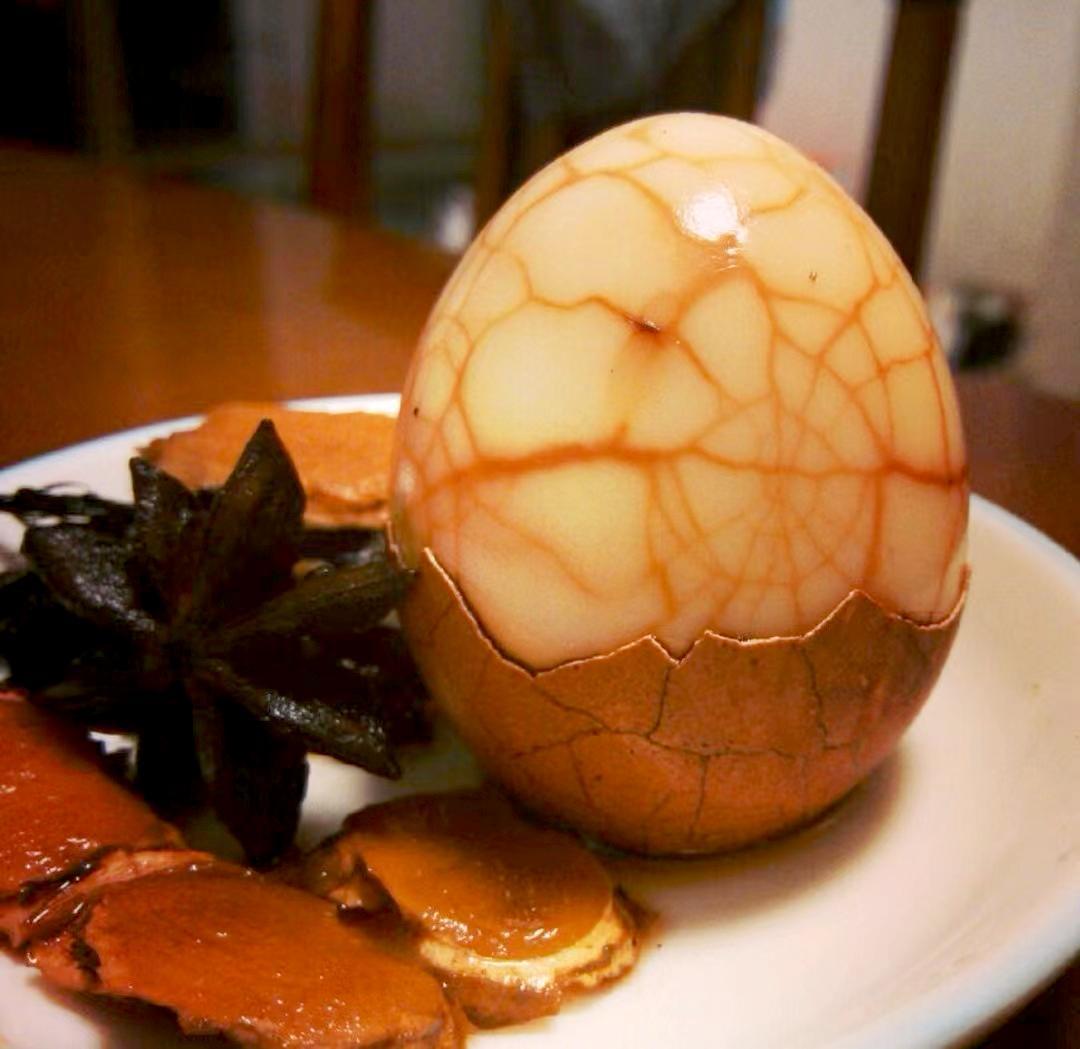
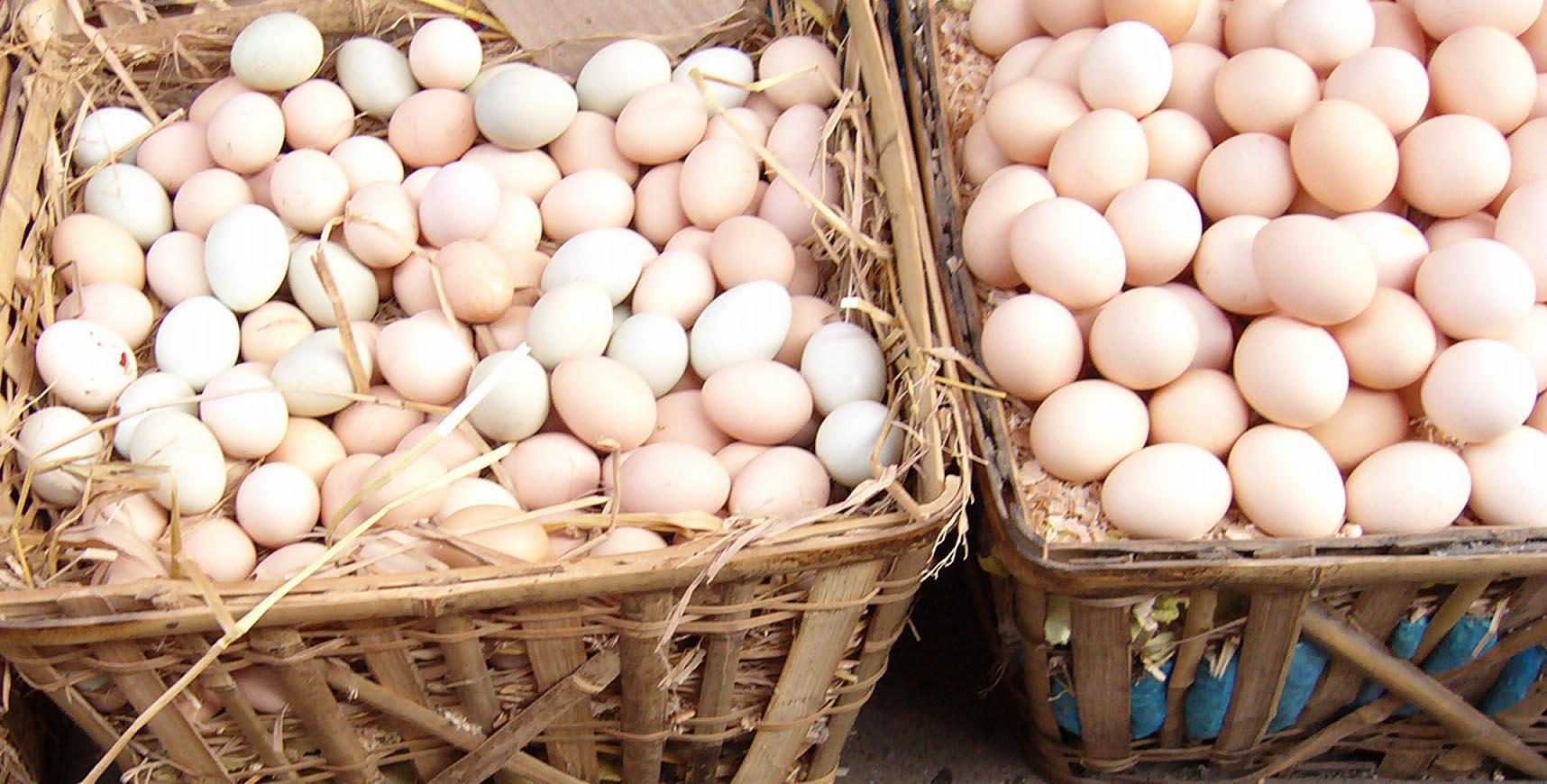
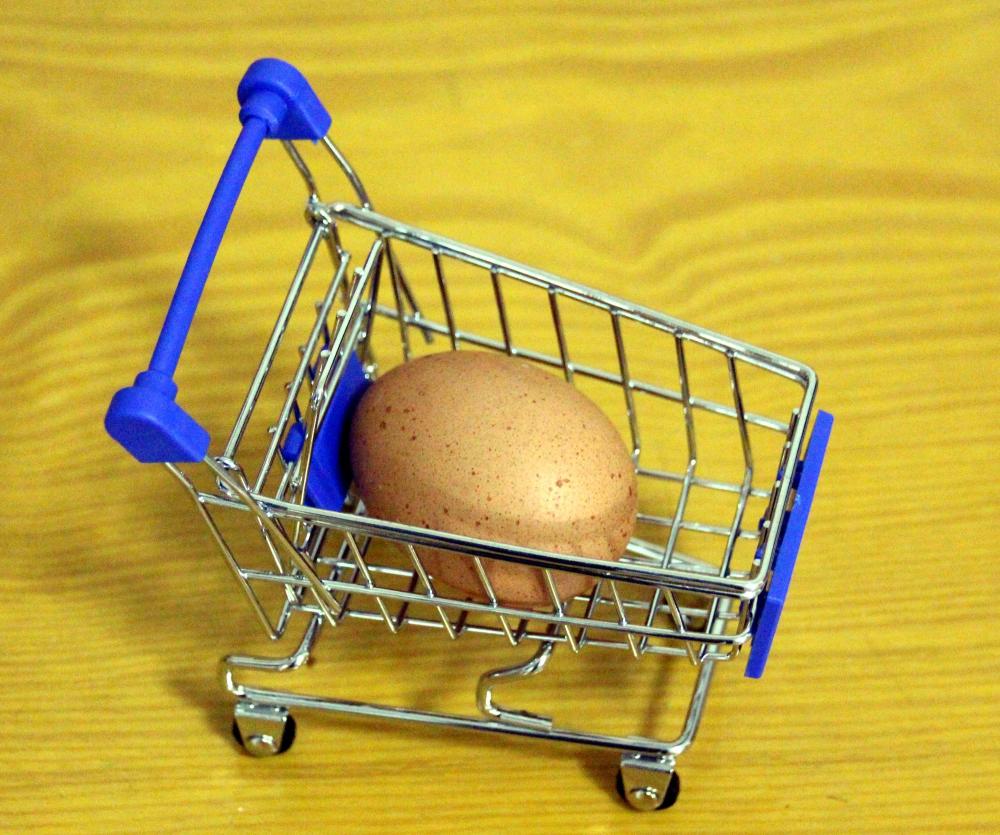
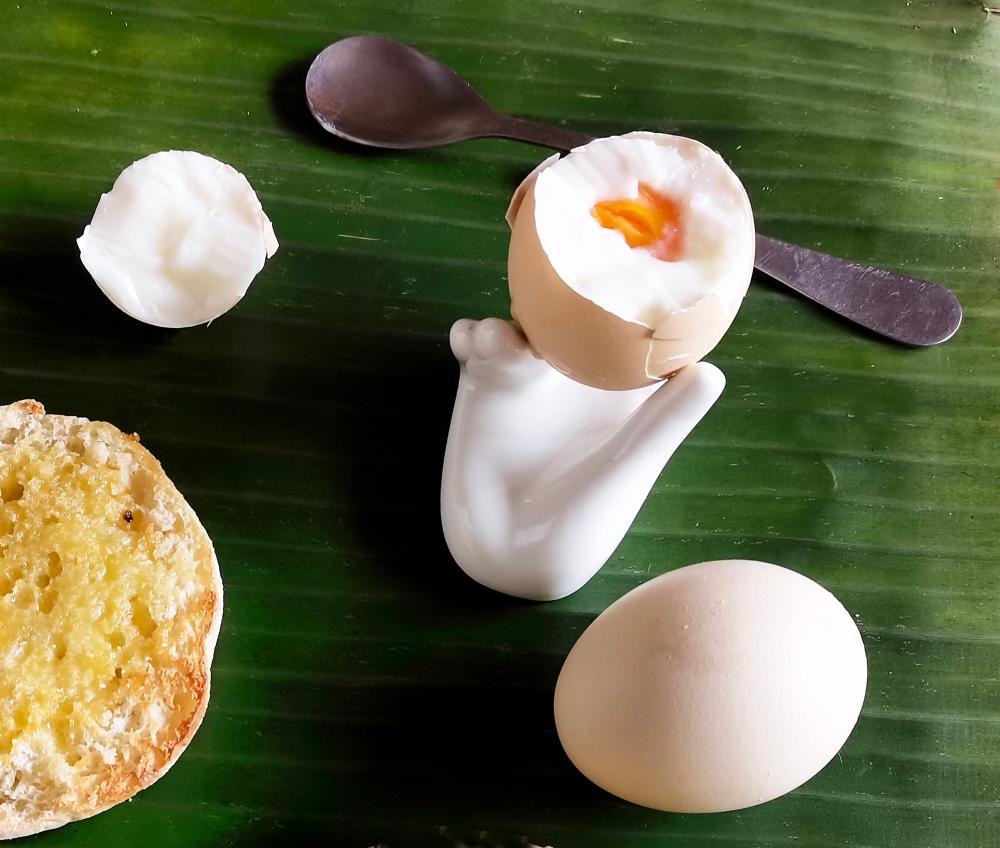
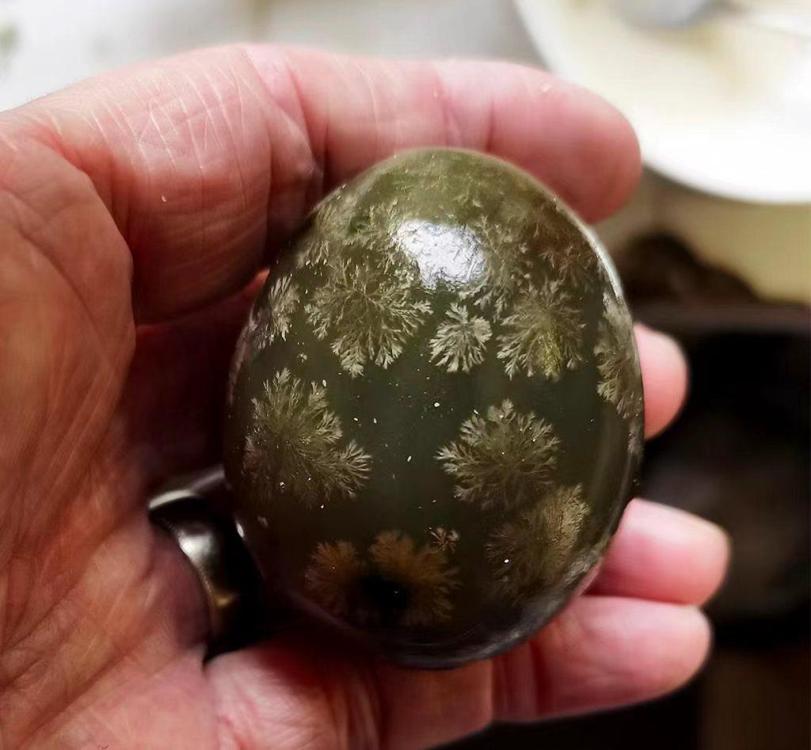
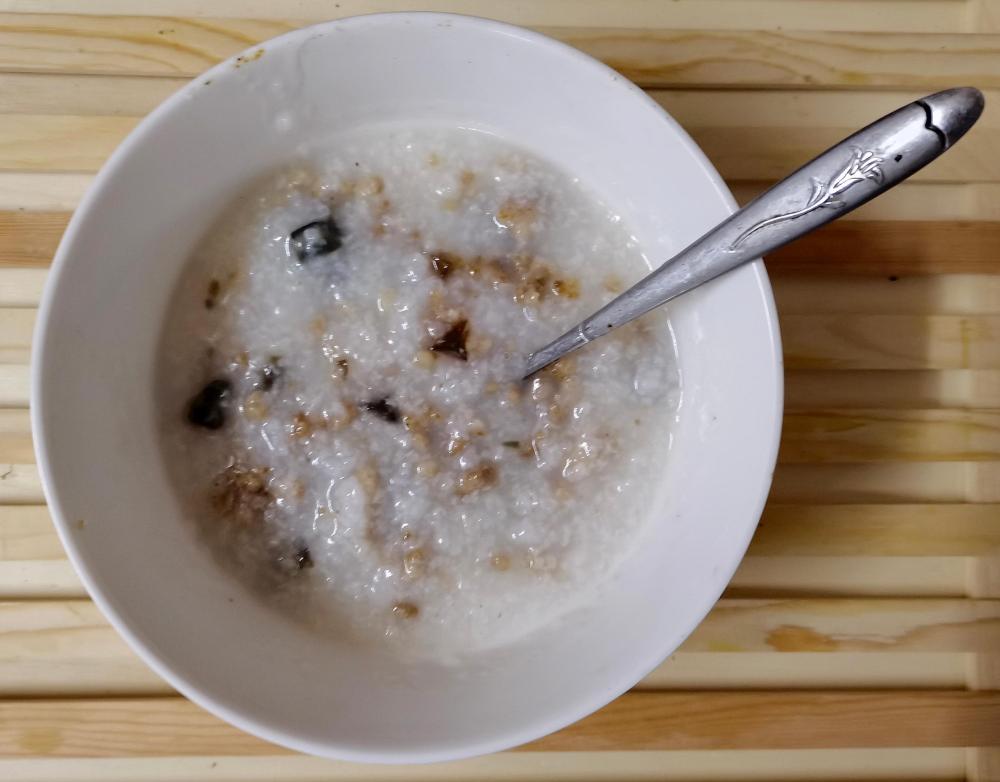
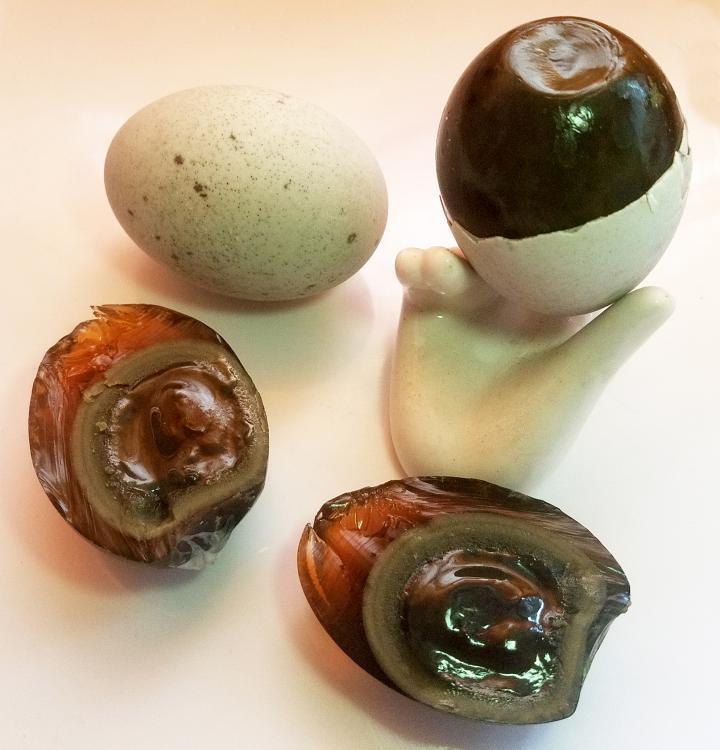
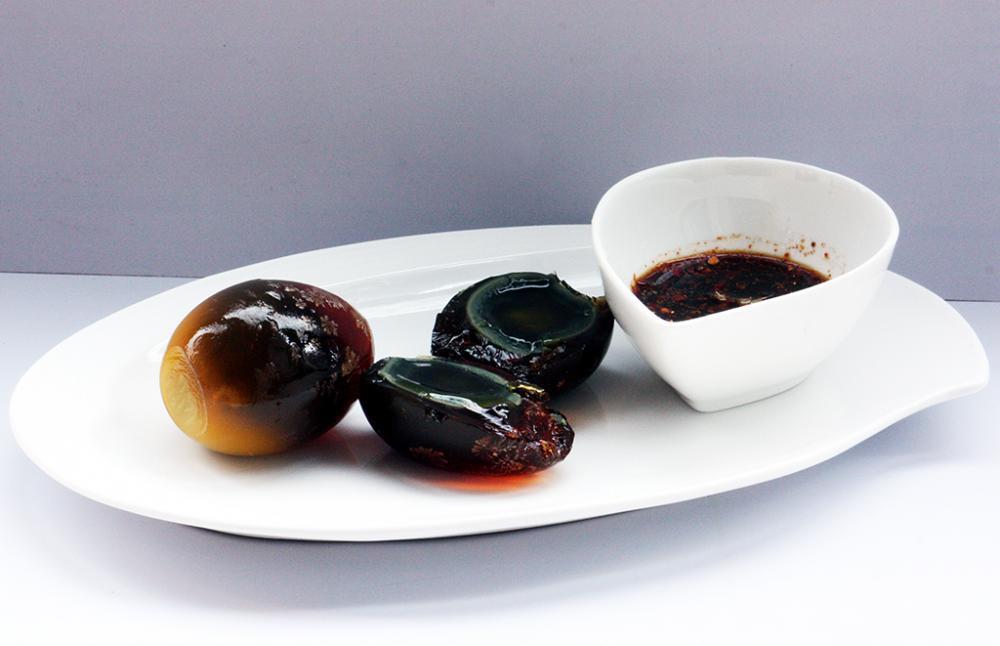
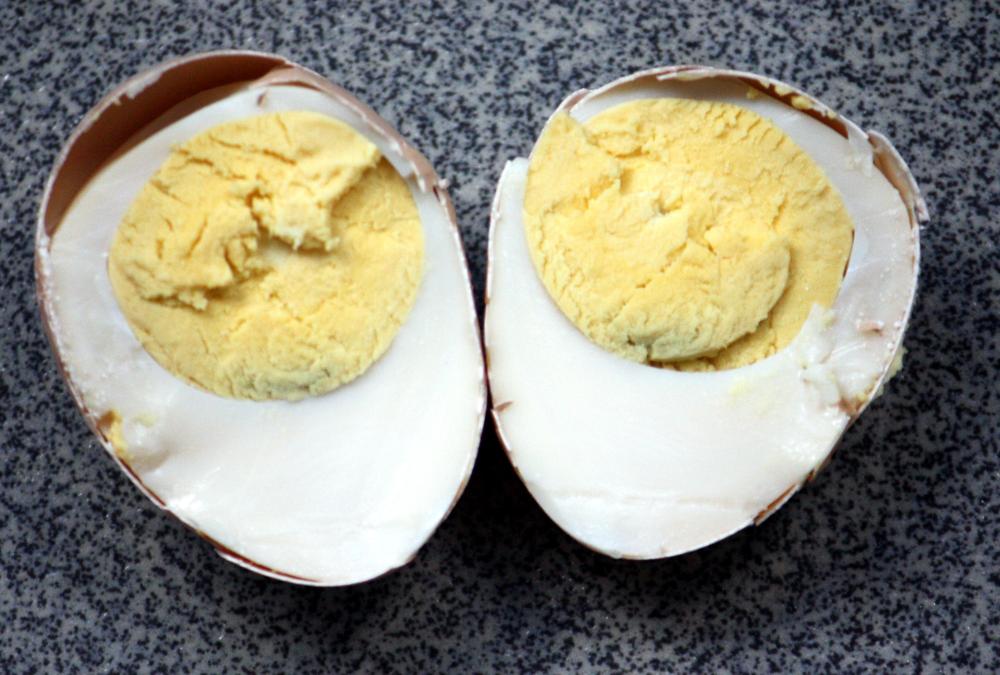
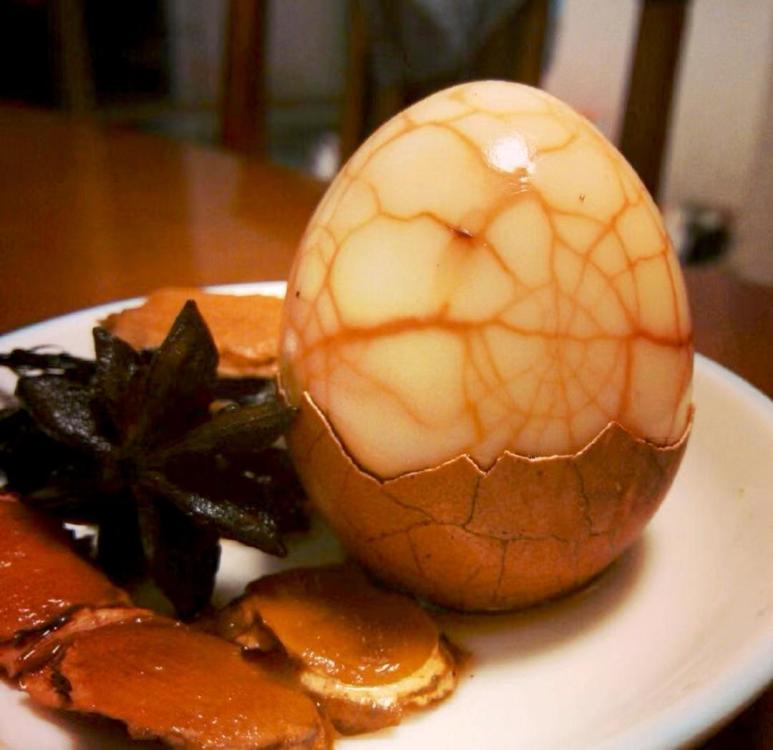
By far, the most widely eaten eggs in the world are laid, of course, by female Gallus gallus or Gallus domesticus – chicken hens. S:鸡蛋; T: 雞蛋 (jī dàn), chicken eggs are no less popular in China. Note that in Chinese the bird is always specified, 鸡/雞 (jī) being ‘chicken’. According to Statista, in 2022, China had over 5 billion chickens, more than any other country by a wide margin. Indonesia was second with 3.5 billion and the USA was 5th with a paltry* 1.5 billion. Of course, not all of these were layers, but most were. I should note at this point that eggs are never refrigerated here in China. In fact, they aren’t in most places. I’ve never put eggs in the refrigerator in my life. The USDA regulations mean that most eggs are washed before sale, removing the natural protective coating eggs have, without which they have to be refrigerated. Also, in most of Europe, chickens are vaccinated against salmonella. This NPR article explains in further detail. As usual, in China the eggs are sold fresh (by weight unlike in some countries where they are sold by number), but again also come in disguise. They are often boiled and eaten on the hoof or dropped into noodle dishes. They are, of course, used in egg fried rice. They are scrambled with tomato; fried; steamed etc. Omelettes are made, but eggs are very seldom poached. Boiled eggs They are often sold salt cured. Salt cured chicken egg Also, a good proportion are processed into 皮蛋 (pí dàn), aka century eggs, 100-year-old-eggs, thousand year eggs, millennium eggs, and many other names. Pidan This is the unwary shopper’s danger zone. Often century eggs look exactly like fresh eggs. Read the labels! Pidan will be clearly marked 皮蛋 or 松花蛋 (sōng huā dàn), the latter being a prized version in which the egg develops a pattern supposedly resembling a pine flower, which is what the name means – they are nutritionally and taste-wise, identical. Pine Flower Century Egg Traditionally made pidan are easily identifiable. they are coated in rice husks, but factory made eggs, the majority today, are indistinguishable. Traditional style pidan Pidan are often served with chilli as a side dish or chopped in congee. Pidan with chilli dip My favourite breakfast is 皮蛋瘦肉粥 (pí dàn shòu ròu zhōu), century egg and pork mince congee. Century egg and pork mince congee S: 茶叶蛋; T: 茶葉蛋 (chá yè dàn) are sold in mom and pop stores or roadside. These are boiled eggs with cracked but unpeeled shells which are then stewed in black tea with herbs and spices. The tea enters the cracks and ‘paints’ intricate patterns while flavouring the eggs. A common snack. * Weak pun intended!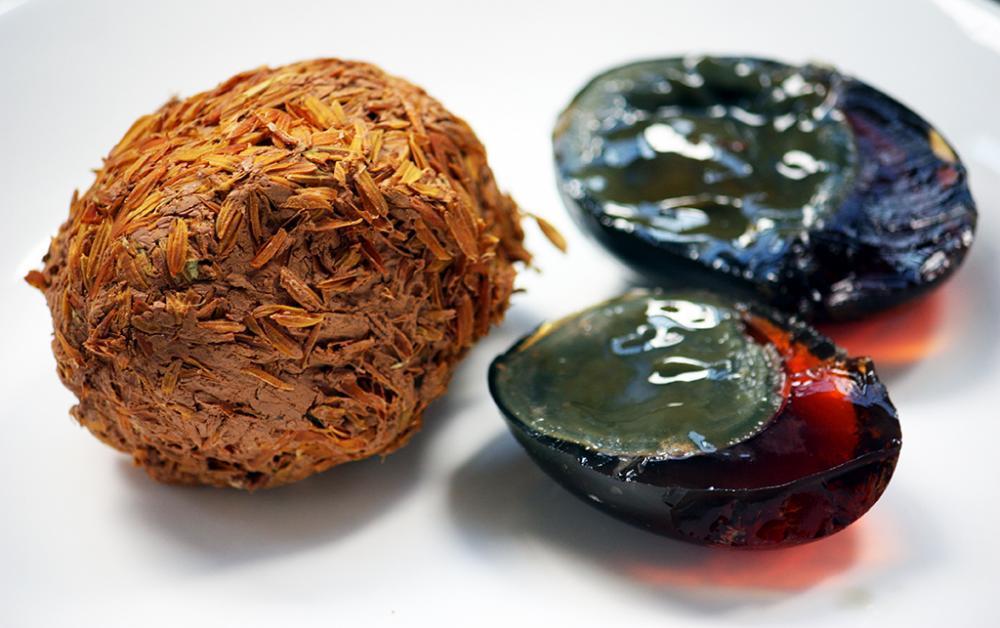
-
A pictorial guide to Chinese cooking ingredients
liuzhou replied to a topic in China: Cooking & Baking
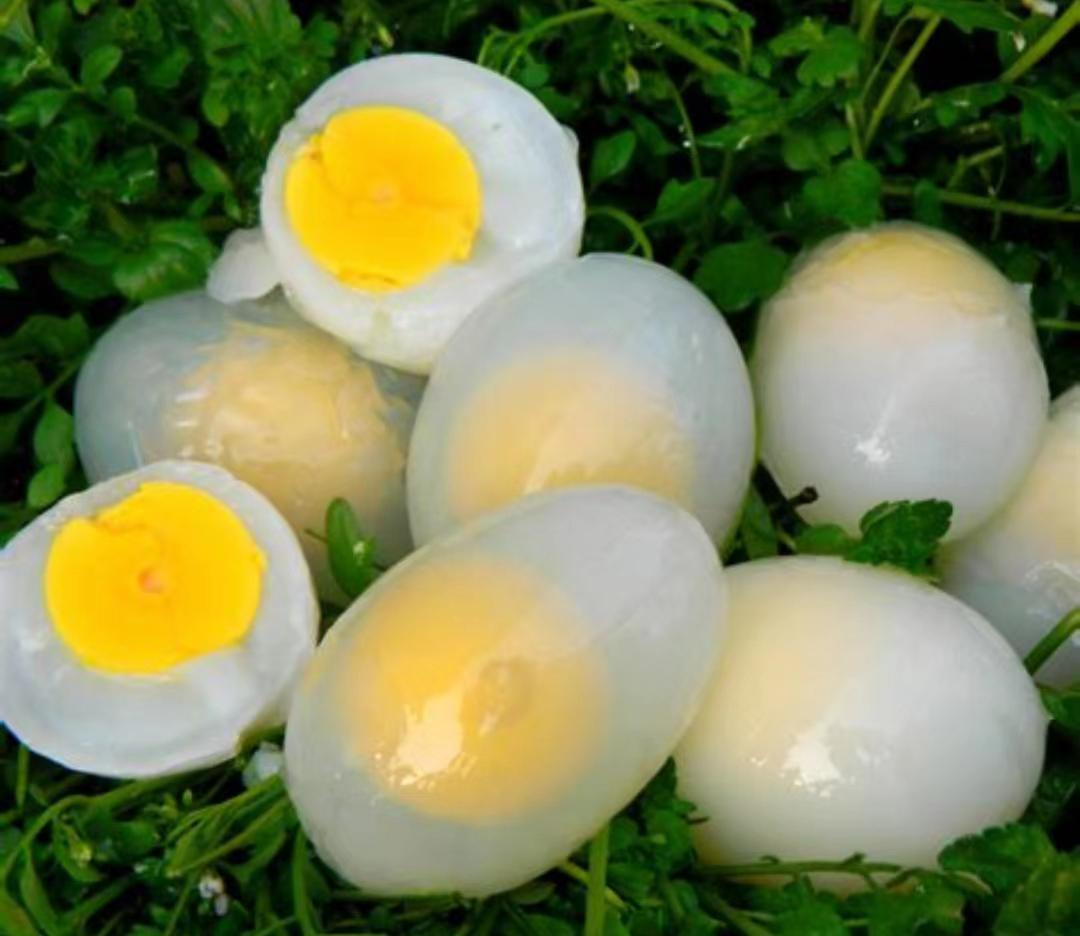
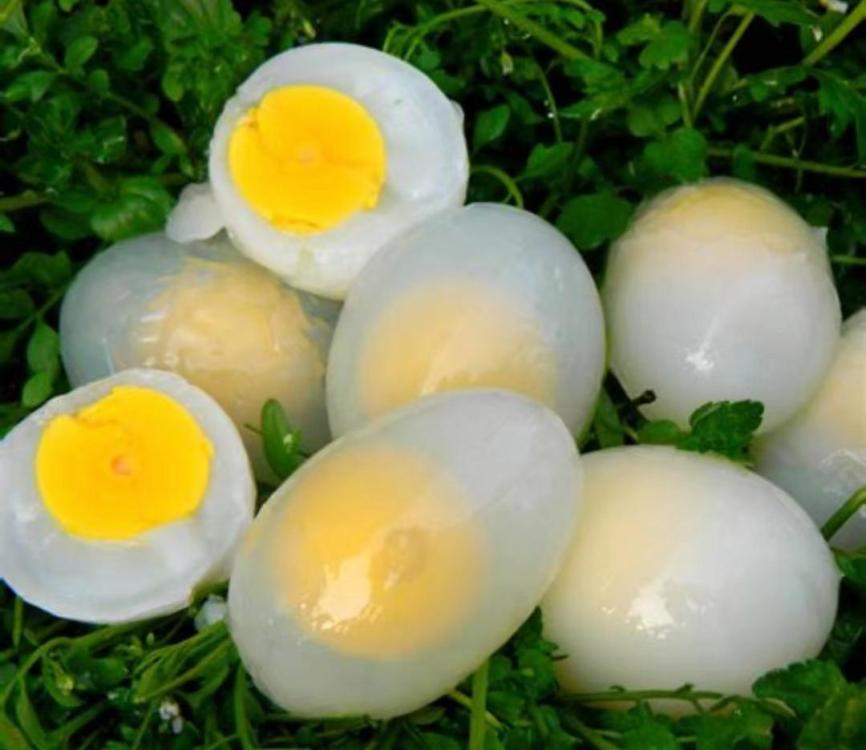
The next egg to be laid is the one I see least often. And it will be the one I have least to say about. S: 鸽蛋; T: 鴿蛋 (gē dàn), pigeon eggs only very occasionally turn up in my local markets and stores, but I can buy them online. They are only a little larger than quail eggs. When boiled the ‘white’ takes on this strange looking blue-tinged translucent appearance. Otherwise, they taste just like quail eggs. I have no idea how people use them; none of my friends have eaten them.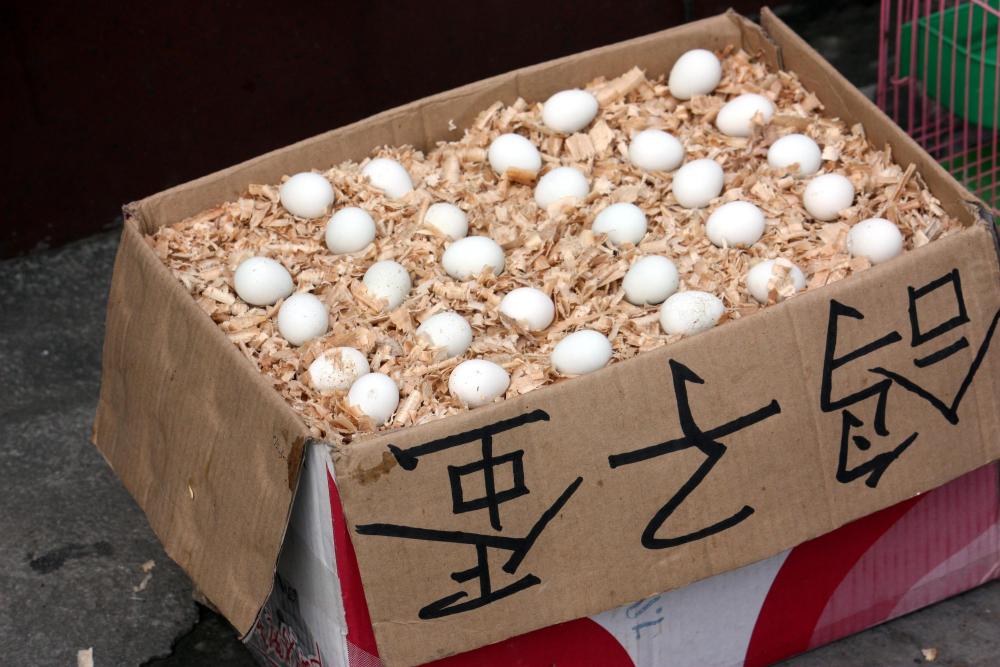
-
A pictorial guide to Chinese cooking ingredients
liuzhou replied to a topic in China: Cooking & Baking
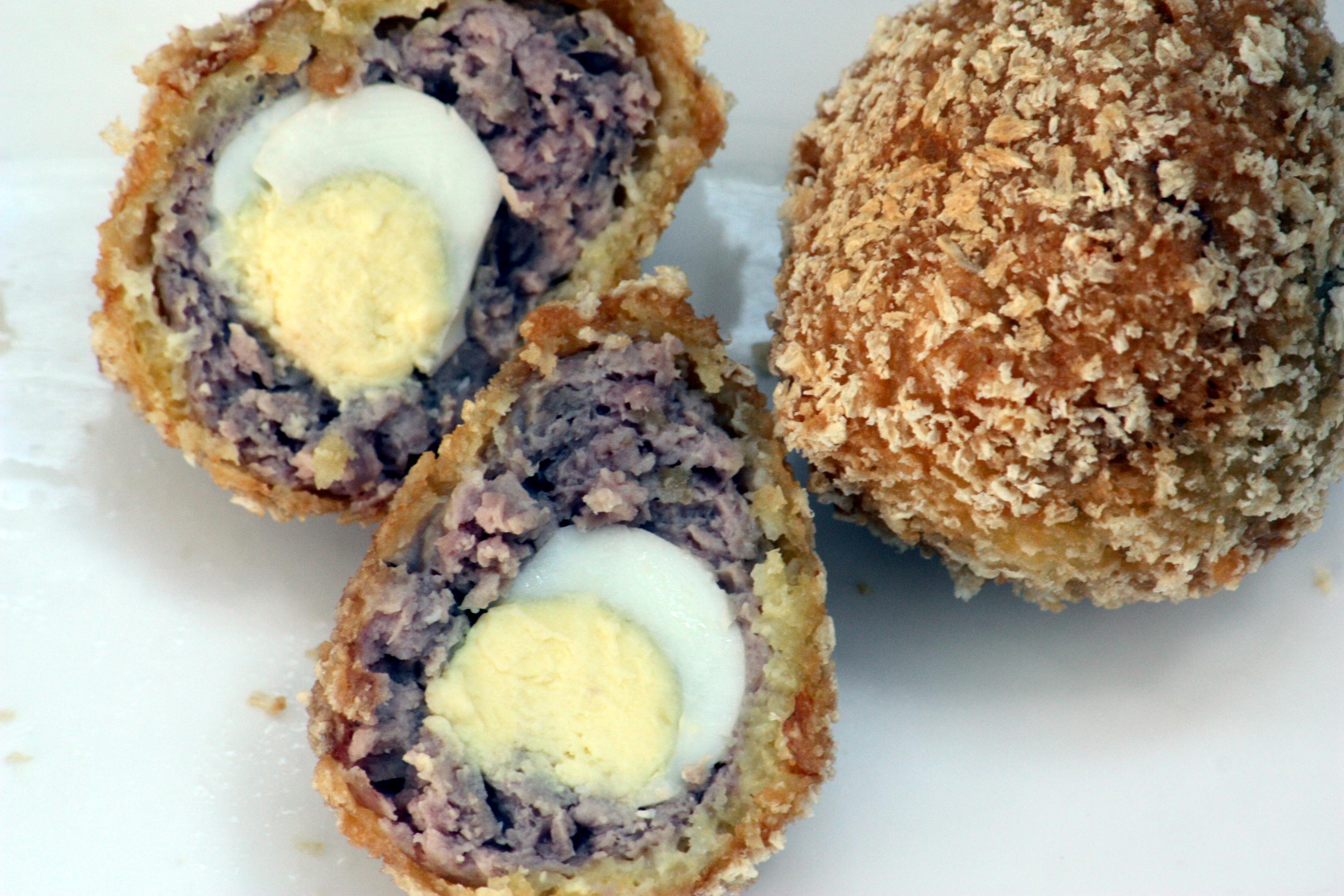
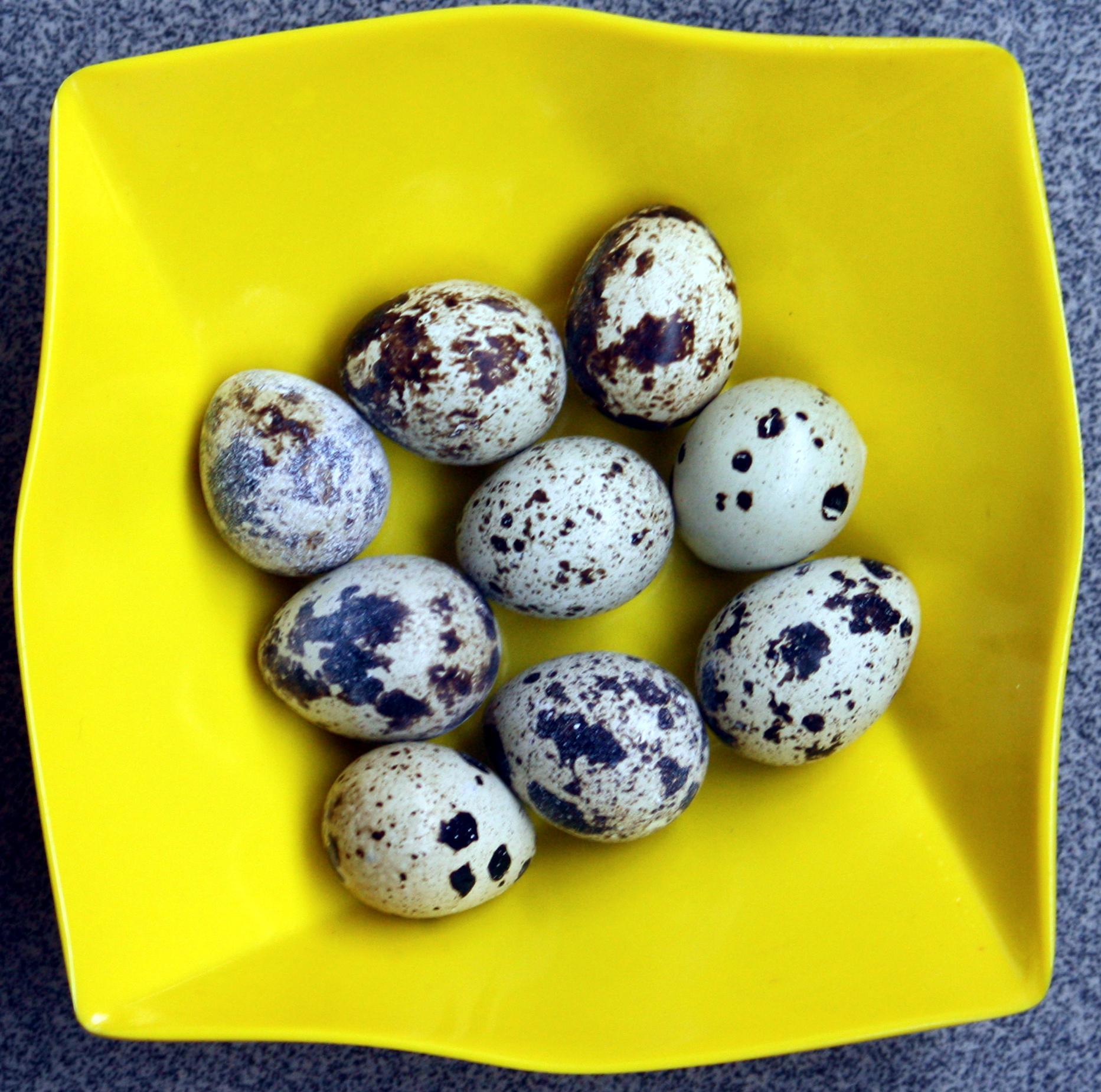
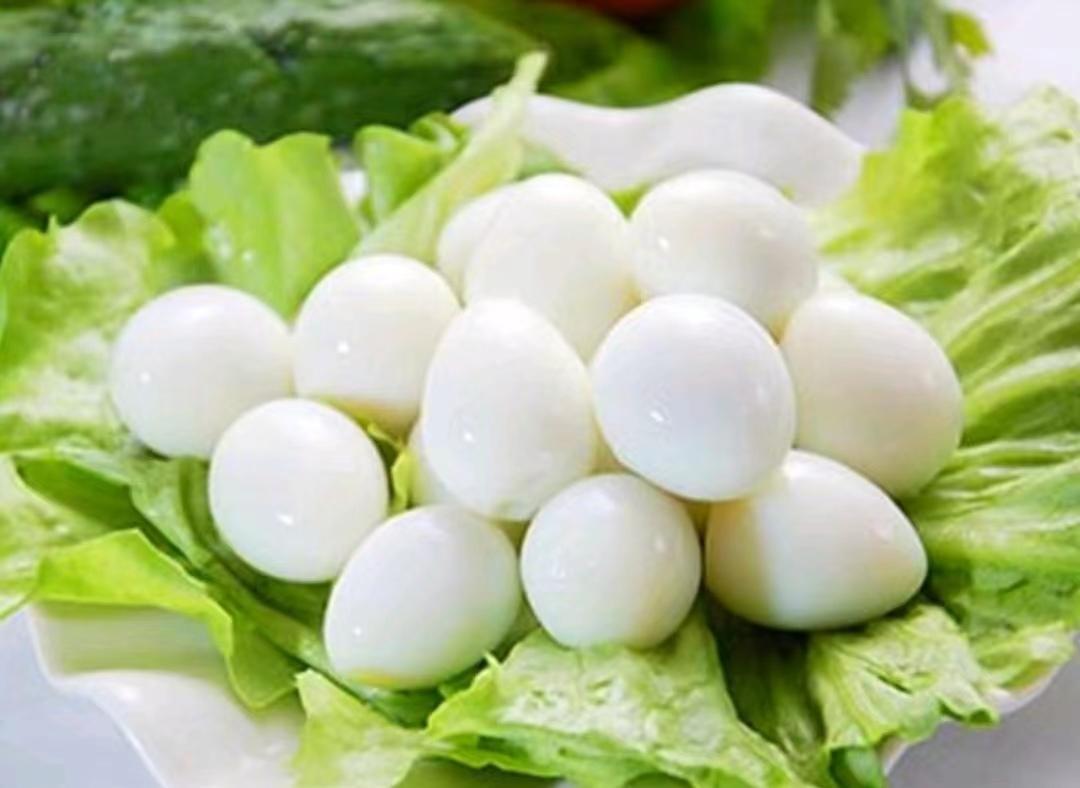
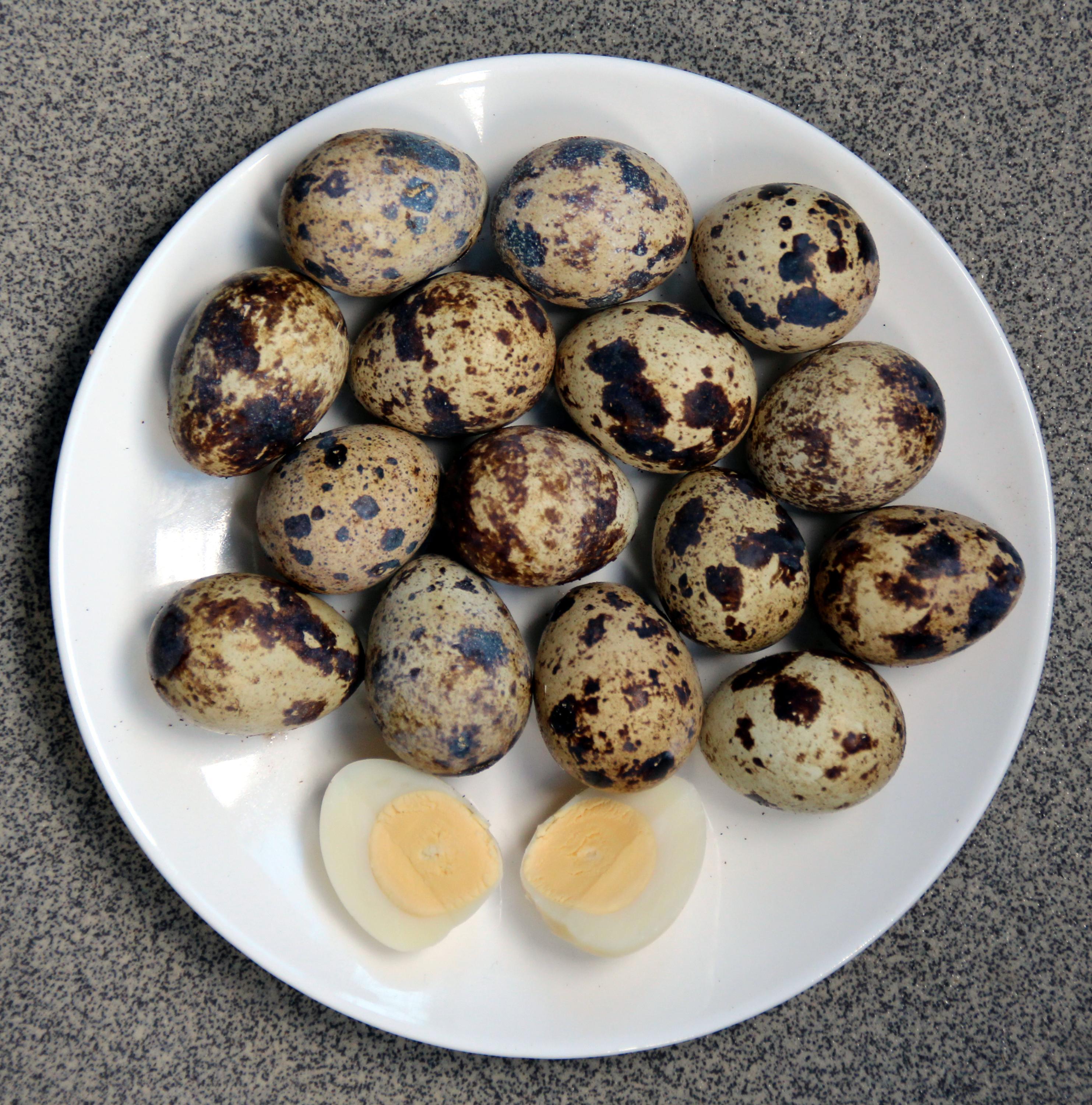
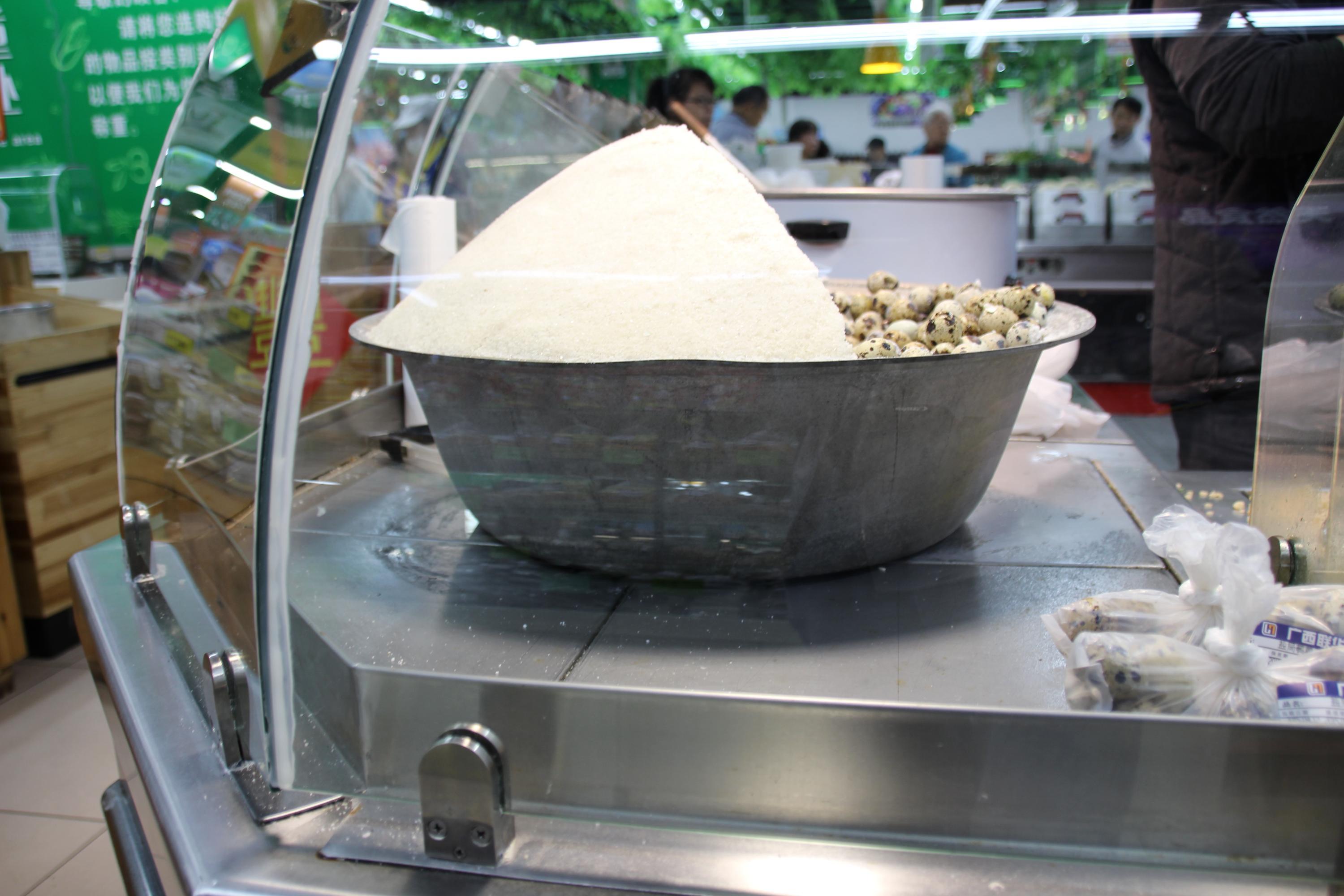
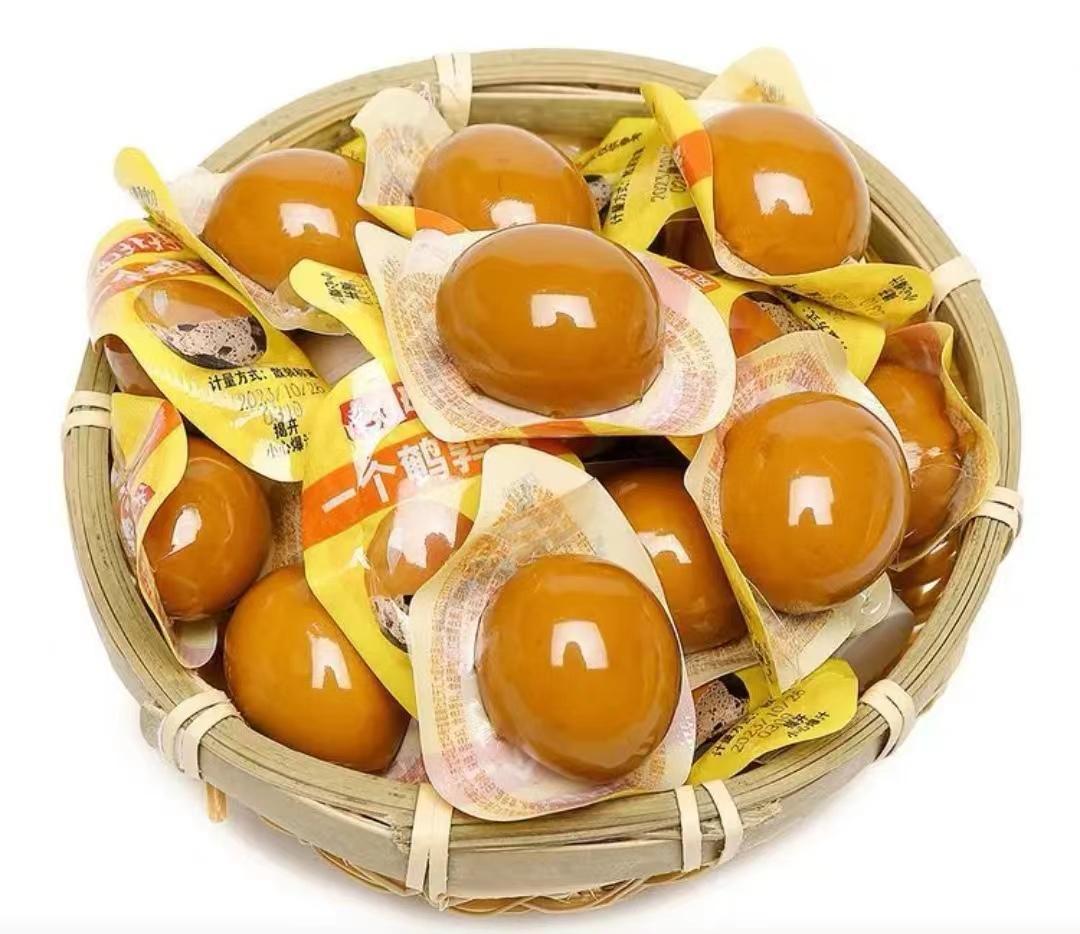
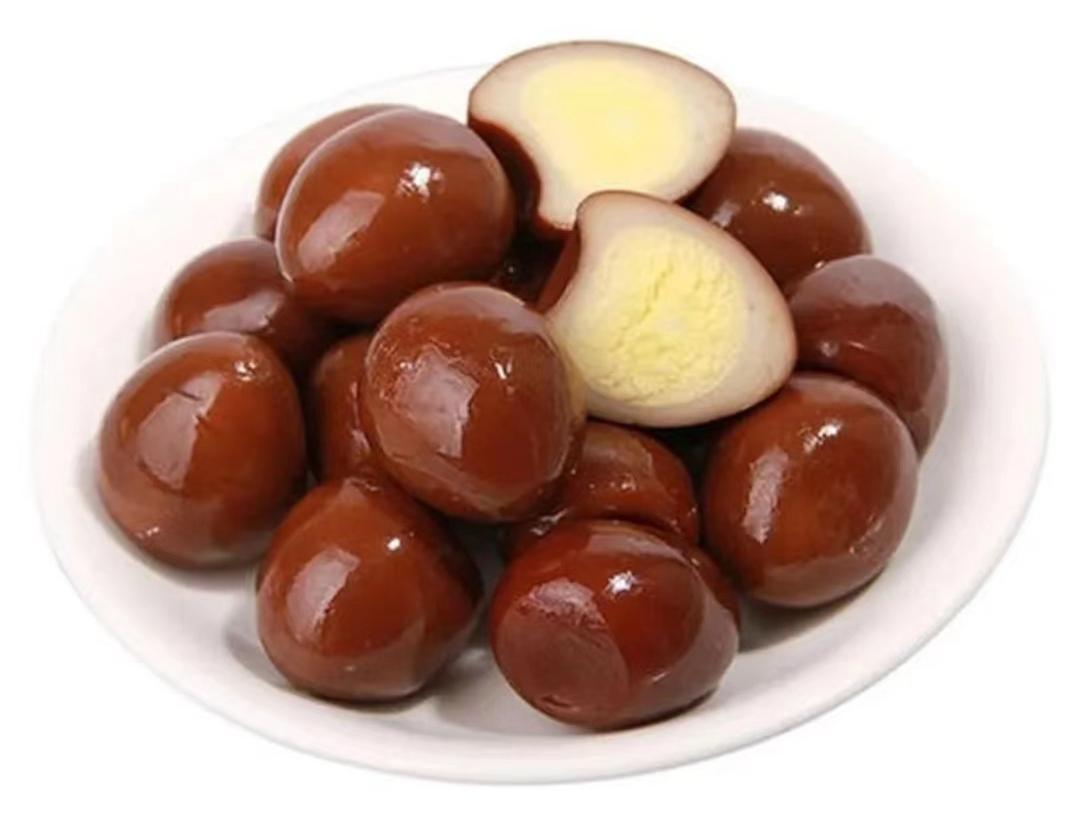
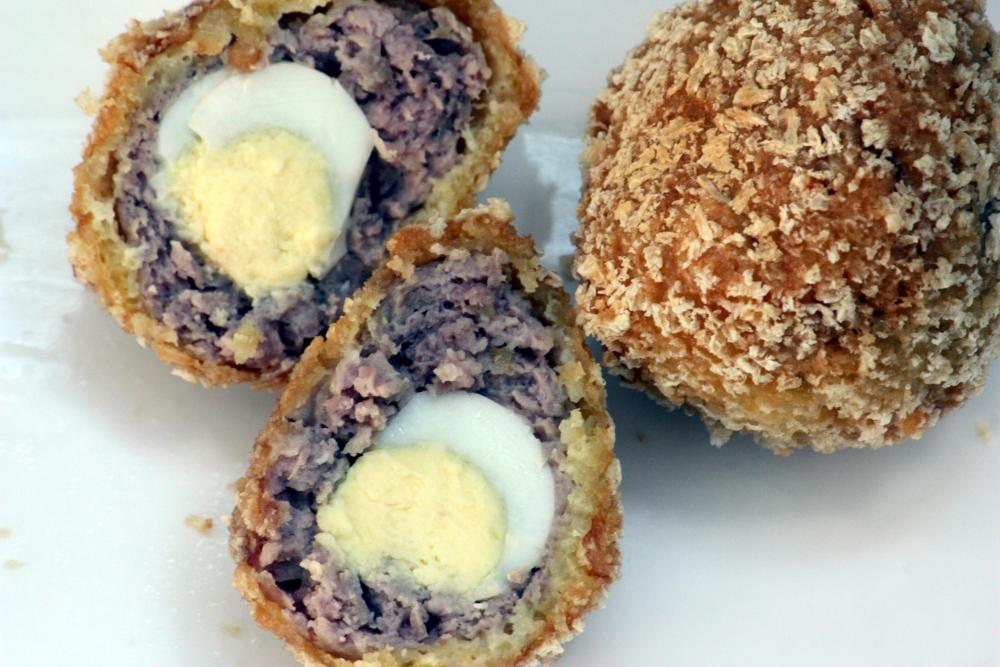
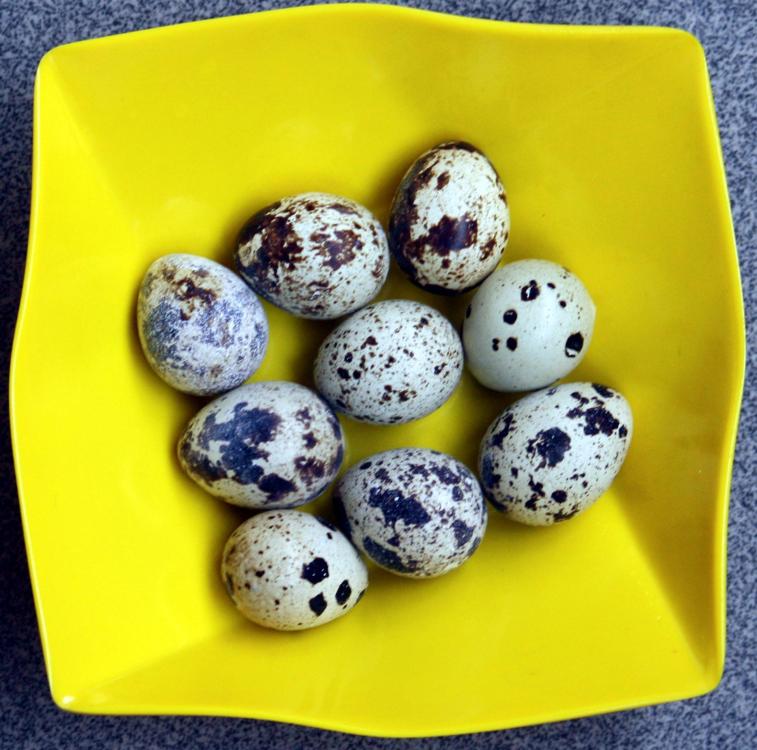
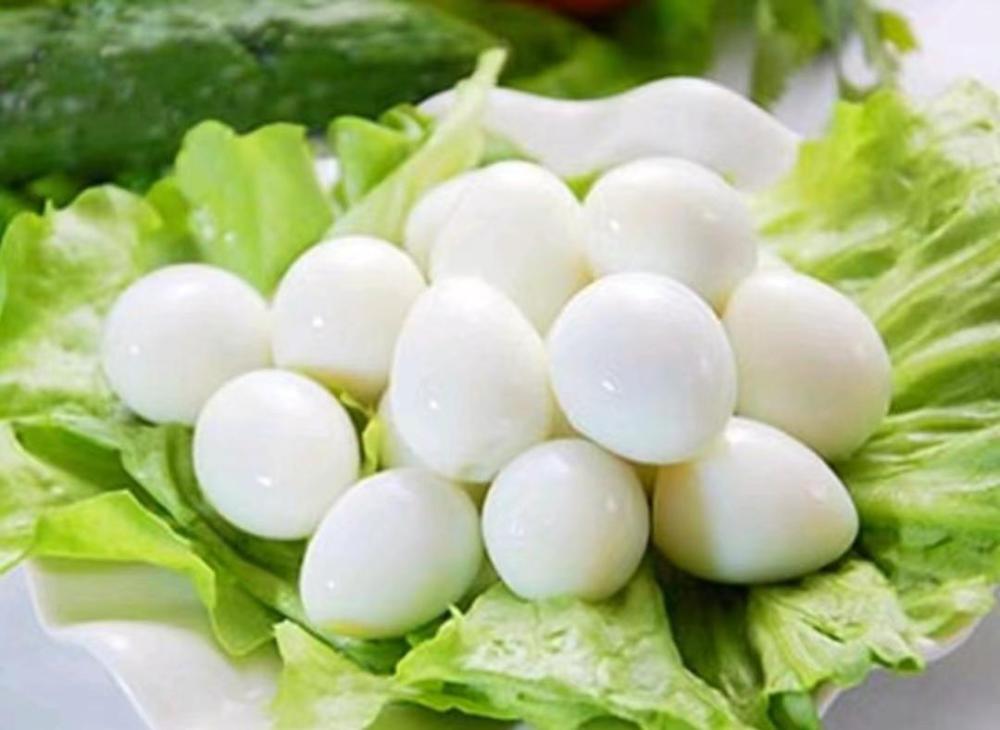
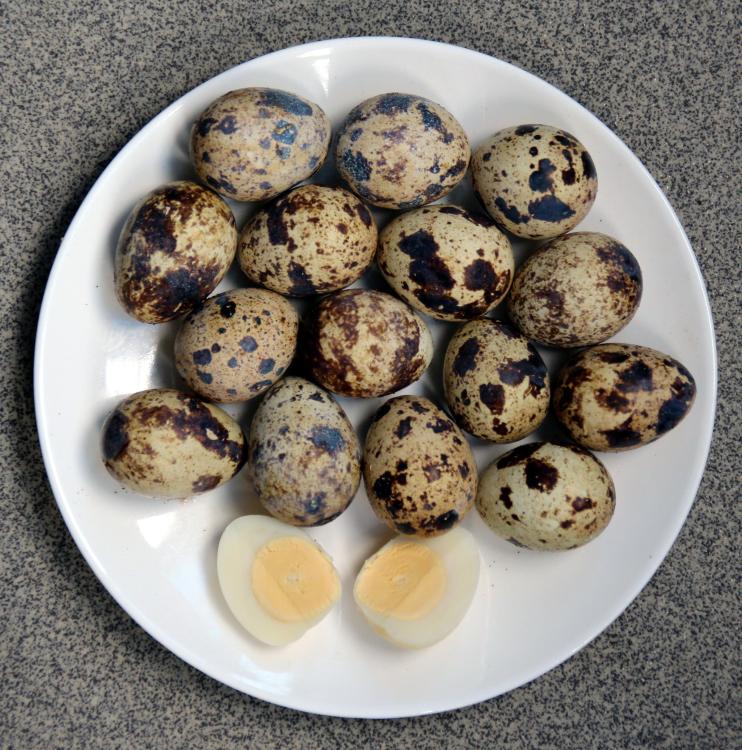
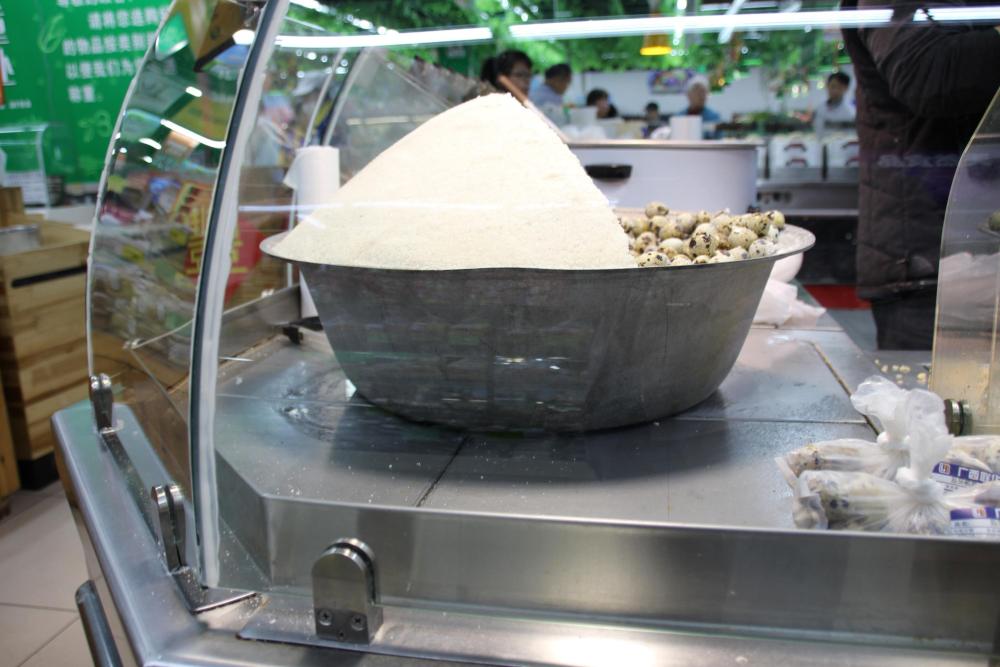
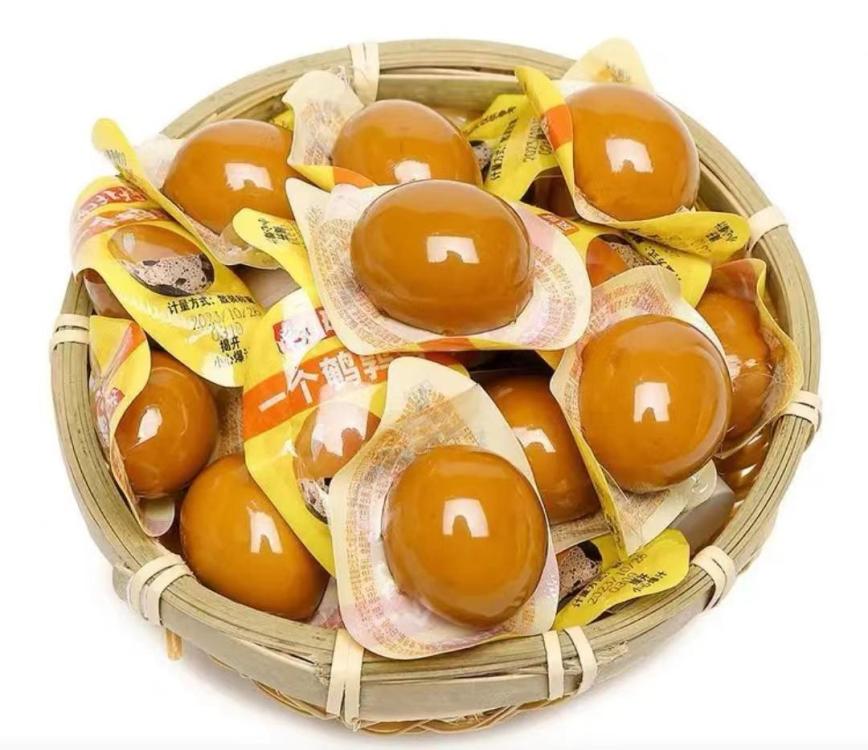
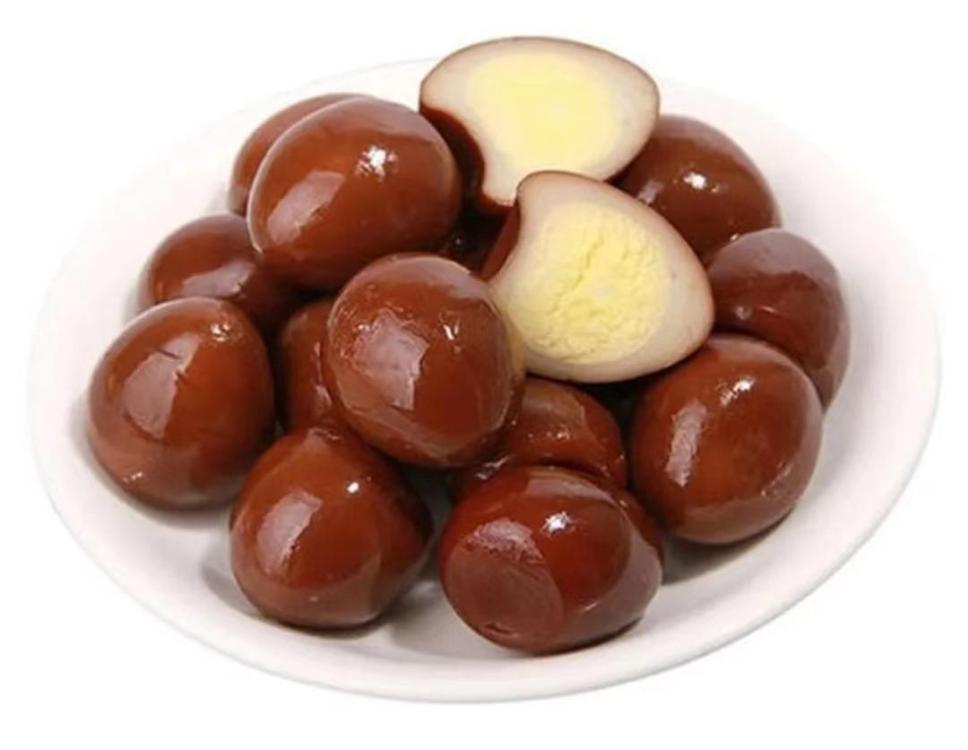
My next (not so) few posts are going to be about an ingredient that is used almost universally. The humble but amazingly versatile source of life itself – the egg. When I arrived in China, I was surprised to find almost every market and supermarket carried a larger range of eggs than anything I’d seen anywhere else. Not only were there eggs from more types of bird, but I also had to be careful within the choice from any one bird. Even small neighbourhood mom and pop stores carry more than one type of species and type. I’ll start with the smallest and work my way up. 鹌鹑蛋 (ān chún dàn), quail eggs. Not only are these sold everywhere; they come in different formats. Fresh quail eggs are boiled and served in soups, noodle dishes and hotpots. I’ve had them as a garnish with fried rice and fried noodles, as well as other dishes. However, also available most places are S: 咸鹌鹑蛋; T: 鹹鹌鹑蛋 (xián ān chún dàn), salt baked quail eggs. These are often prepared in-house by supermarkets but also sold individually wrapped as snack items. In the supermarkets, the eggs are buried in a mound of salt and baked. The salt is cracked open and the eggs extracted to be sold by weight. As you will see, the fresh eggs in the yellow bowl above look identical to these salted eggs. It took me a few attempts to buy the ones I really wanted! I had to learn to read the labels. This applies to eggs from almost all species. The individually wrapped salted eggs are sold like this. A bit easier. Another snack item is S: 卤香鹌鹑蛋; T: 鹵香鹌鹑蛋 (lǔ xiāng ān chún dàn), stewed, spiced quail eggs. They are usually stewed with 5-spice powder. For those who find peeling boiled quail eggs difficult or boring, they are sold peeled by some supermarkets. Several years ago, I had a student who was funding her studies by working part time in a large, local supermarket. Her main task was peeling the quail eggs. She taught me her secret method. The eggs are placed in a bowl and covered with a 50:50 mix of rice vinegar and water and left for 15 minutes. Lo and behold, the shells dissolve and leave prisitine peeled specimens which are then washed and sold. I've tried it and it works without leaving a vinegar taste to the eggs. Not a Chinese preparation, but I usually use quail eggs to make mini scotch eggs. Quail scotch eggs with duck meat and panko casing.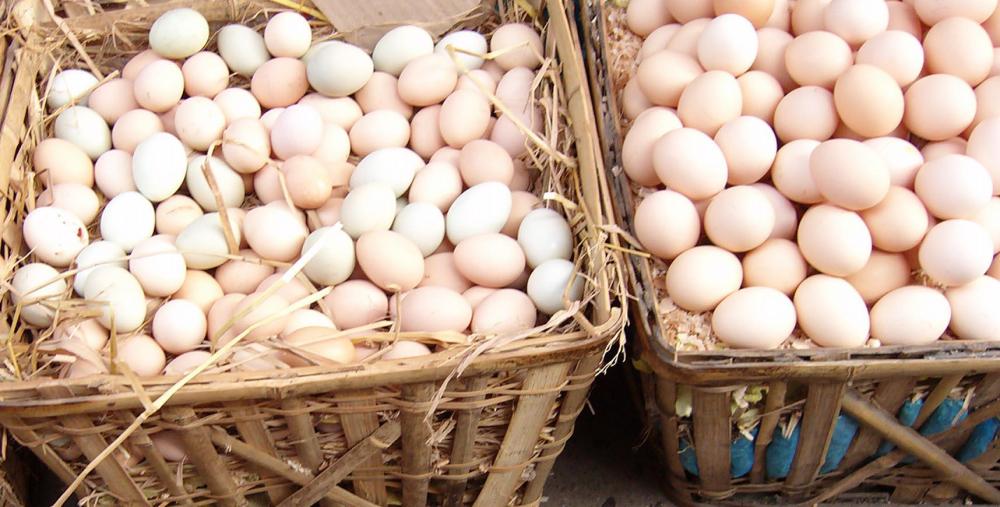
-
Perhaps but they print 'Easter' on the wrapper.
-
Best long before Easter
-
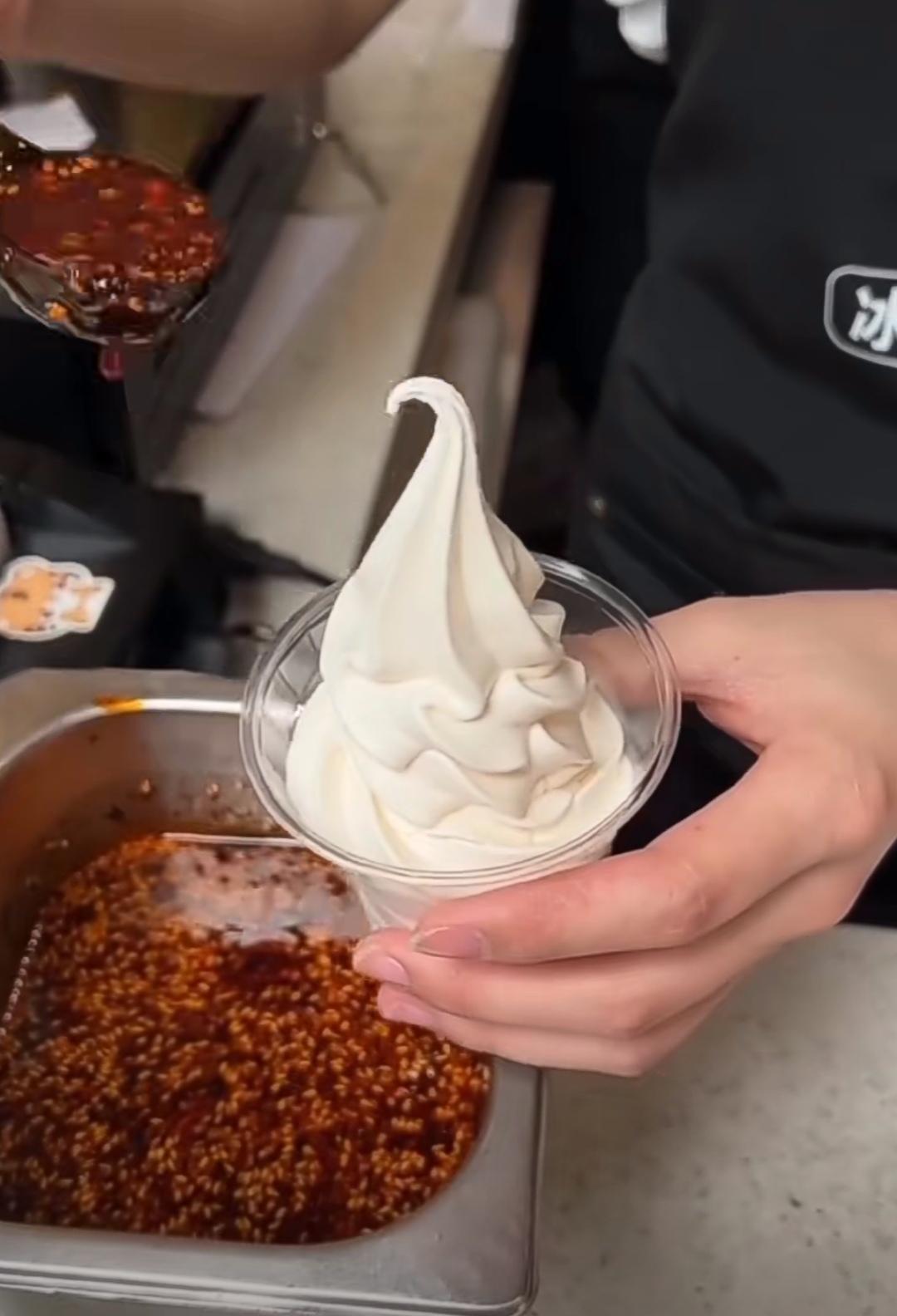
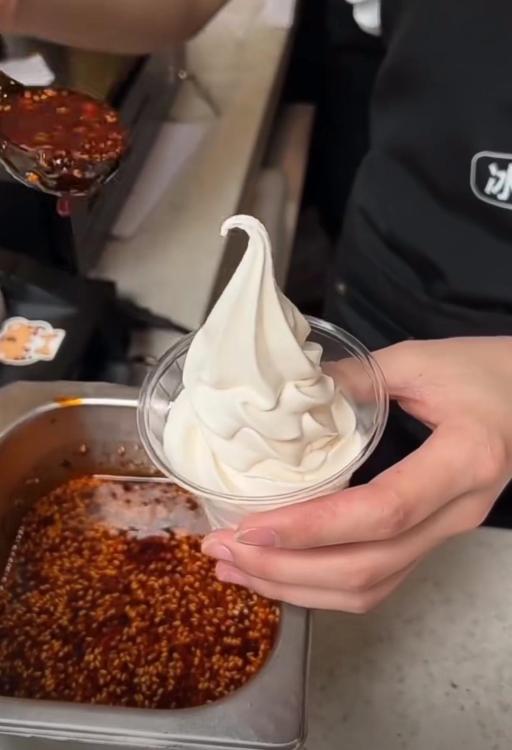
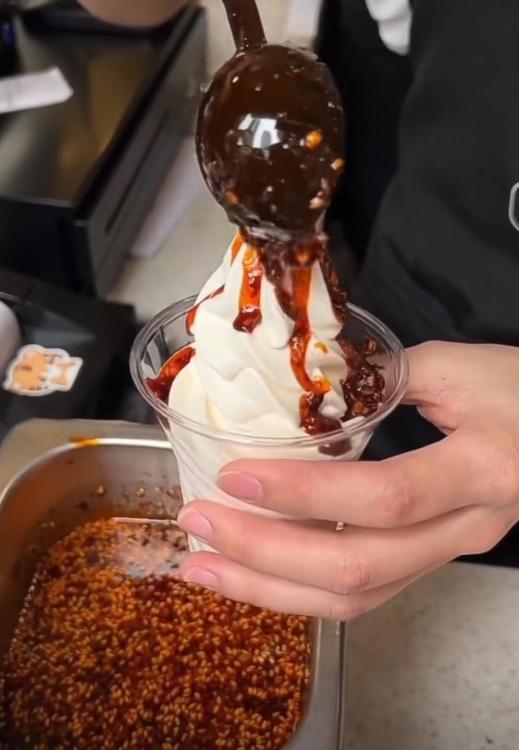
Actually, I'm not sure if this is a bad idea or a stroke of genius. A new fashion is erupting in southern China. 冰淇淋 (bīng qí lín) means 'ice cream' with the first character meaning 'ice'. Now they're substituting 辣 (là) instead of 冰 (bīng) and selling 辣淇淋 (là qí lín), hot (ice) cream. It's your regular soft whip ice cream garnished not with sprinkles but Sichuan style chili oil. I'd try it.
-
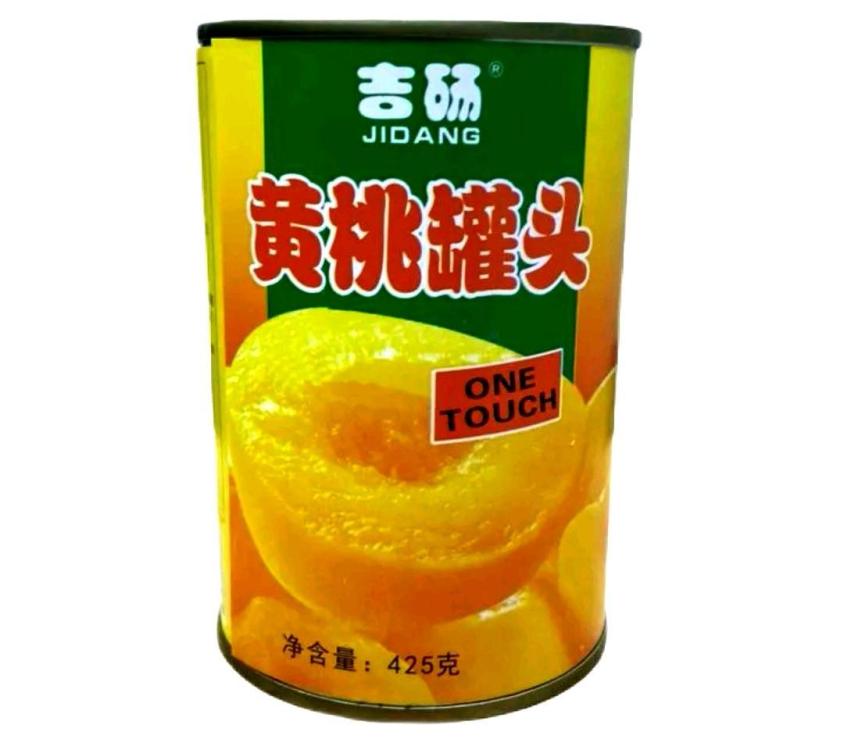
I'm in shock. For the first time, after almost 30 years in China, today I saw the first canned fruit ever. 黄桃 (huáng táo), yellow peaches Did I buy them? Of course not. I can get them fresh. It's the latest sign of the decline of civilisation!
-
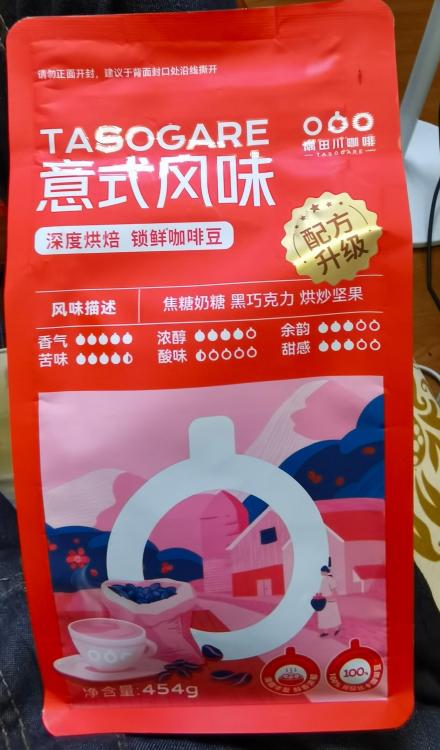
You've probably heard of 普洱茶 (pǔ ěr chá), Pu'er tea from the Pu'er region of Yunnan. However, this is 普洱咖啡 (pǔ ěr kā fēi), Pu'er coffee from the Pu'er region of Yunnan. The packaging states that it's an Italian style dark roast. I'm not sure what's Italian about it. This bag was a 'gift' which came with a new drip machine I bought today. I'll try it later when I've finished the batch of different Yunnan beans that's still half full. Will report back.
-
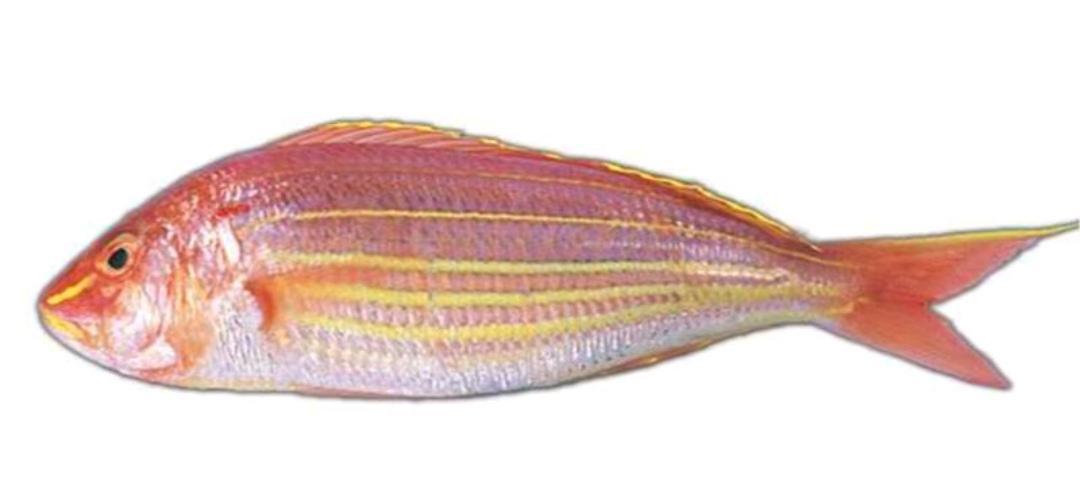
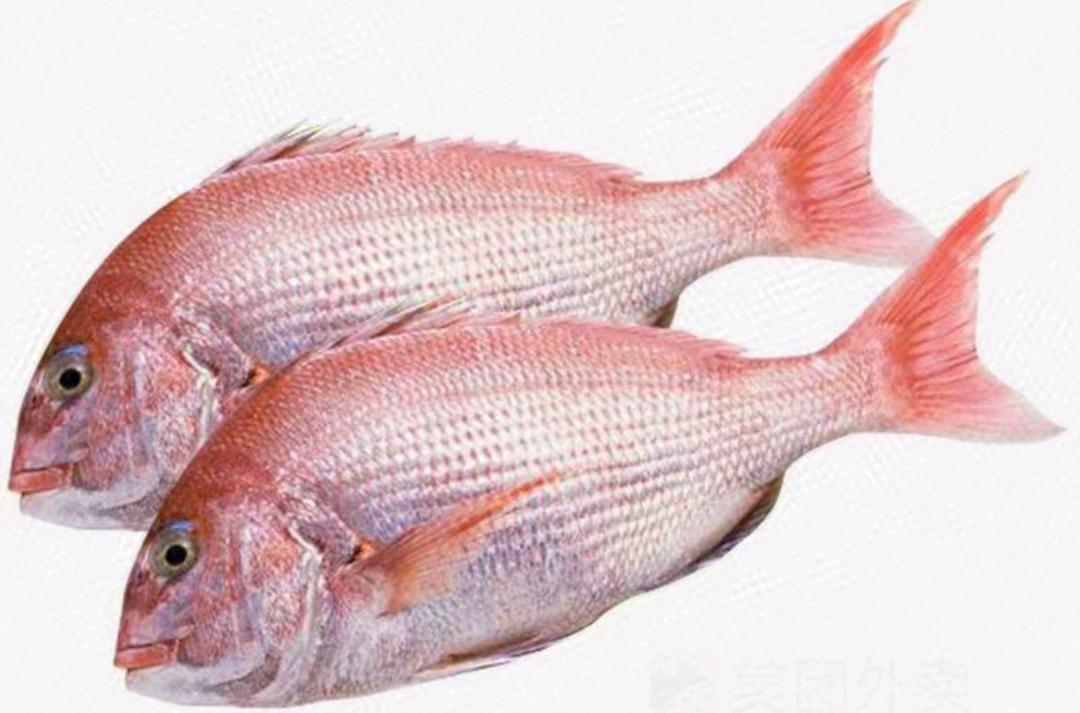
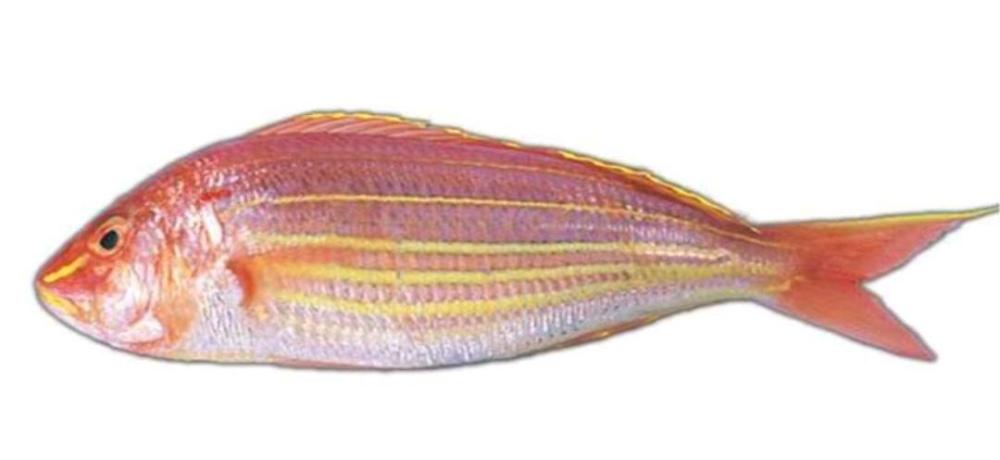
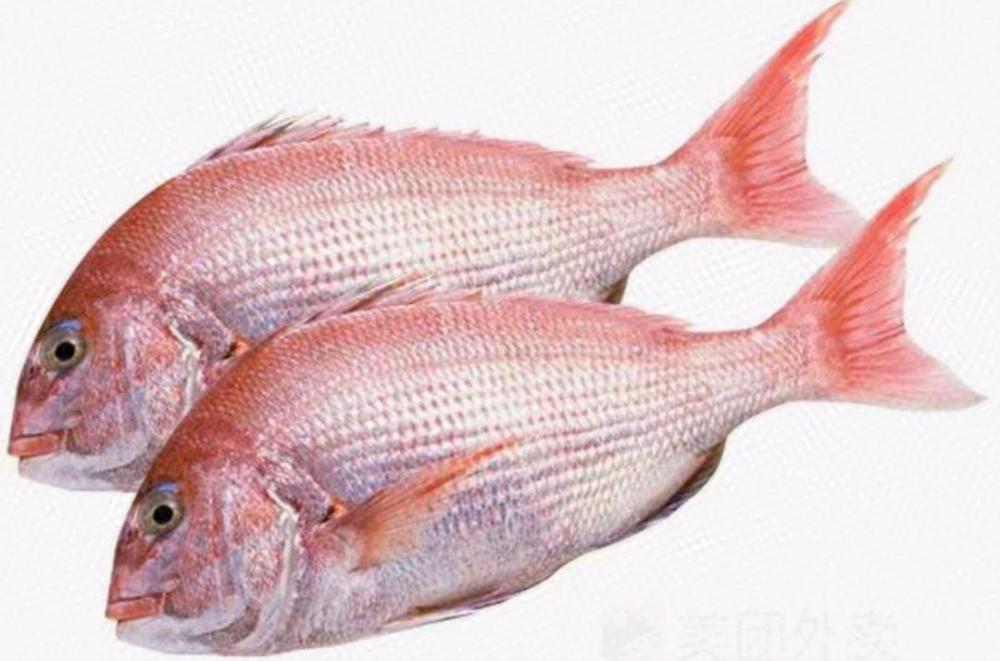
This is 红三鱼 (hóng sān yú), Nemipterus hexodon or ornate threadfin bream. Line or trawler caught in southeast Asia and southern China. Mine come from the Beibu Gulf off where China meets Vietnam. Nice meaty white fish similar to cod. Good for fish and chips.
-
It's almost 30 years since I lived in London so I can't be much help. However I do know the area around Tower Bridge is not London's best food site. Apart from the touristy places by the bridge and adjacent Tower, to the east there is little of interest and to the immediate west is London's financial district. Few people actually live there and many pubs, restaurants and lunchtime sandwich shops close early when the bankers and office workers head home. At weekends, it's dead. Further west, around Covent Garden and Soho with neighbouring Chinatown may be your best choice. Easily accessible by the Tube (London Underground). One recommendation nearer to Tower Bridge is on the south side of London Bridge (the next bridge to the west). Borough Market is both London's best food market and also has several good restaurants and street food type places. Check opening times, though. https://boroughmarket.org.uk/visit-us/
-
A pictorial guide to Chinese cooking ingredients
liuzhou replied to a topic in China: Cooking & Baking
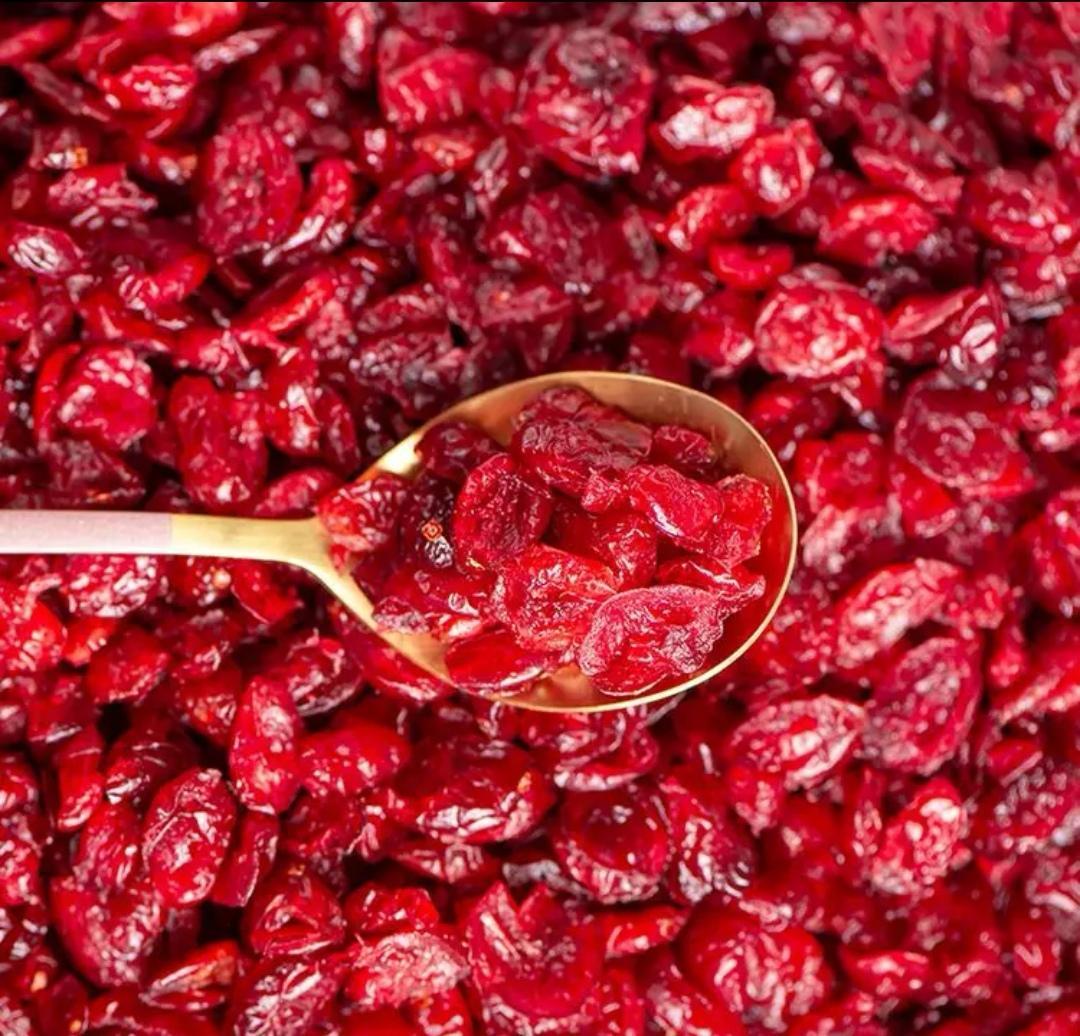
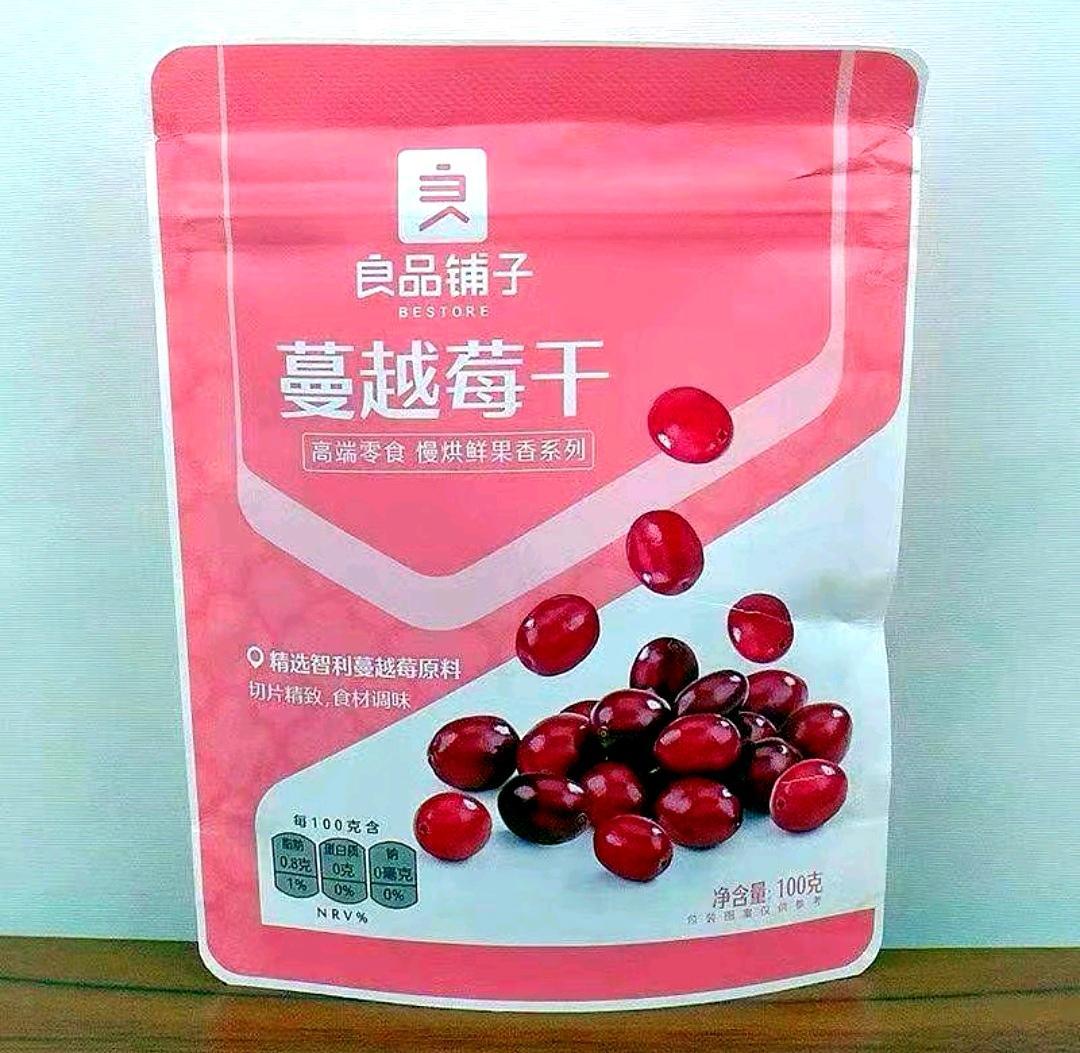
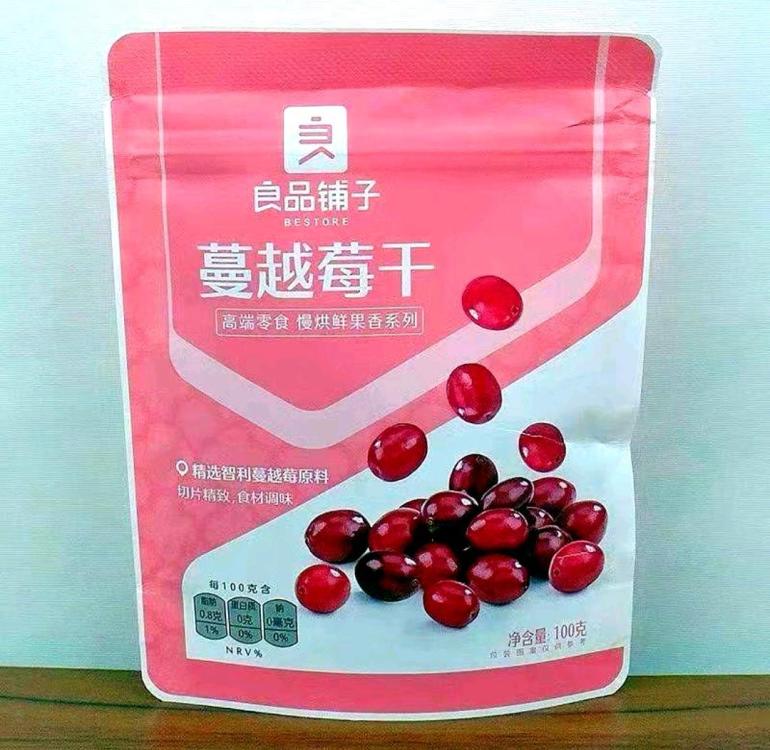
For something only recently introduced to China, this ingredient has gathered quite a few names. S: 小红莓; T: 小紅莓 (xiǎo hóng méi, literally 'small red berries'). 酸莓 (suān méi, literally 'sour berries'). 蔓越橘 (màn yuè jú, literally 'creeping fruit'). 蔓越莓 (màn yuè méi, literally 'creeping berry'). I'm talking Vaccinium macrocarpon, the all-American cranberry. Or maybe not so all-American as you think. Introduced around 2013 and the fruit slowly becoming known, the import market was hit by trade tariffs and stalled. Imports from Canada and Chile were unaffected and grew and now cranberries are being grown in China in limited but growing amounts. China grown cranberries It will be interesting to see what happens in the future. Most are sold dried and eaten as such although a lot are used in jams and in baked goods, especially 'cookies'. They're certainly not being eaten as sauce with turkey.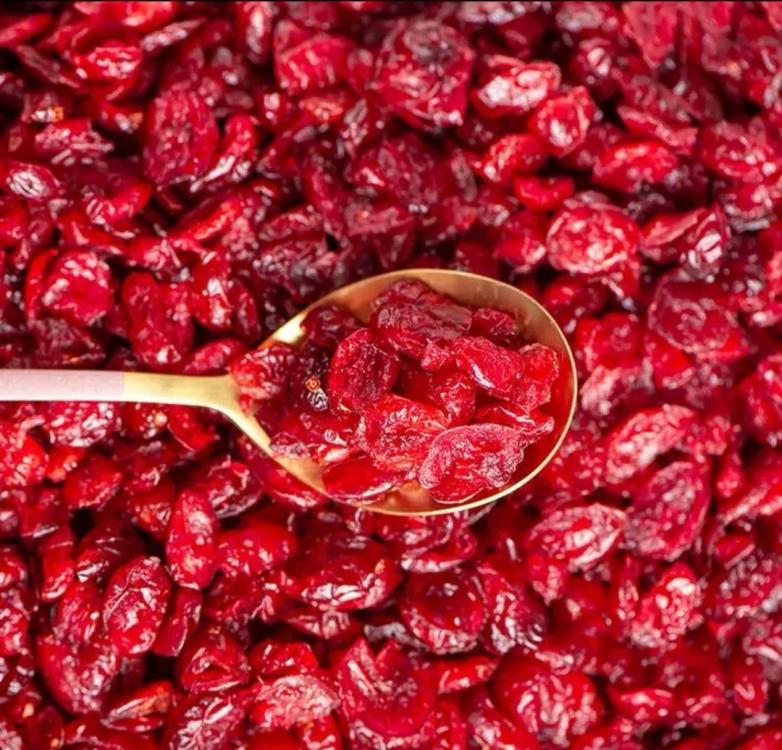
-
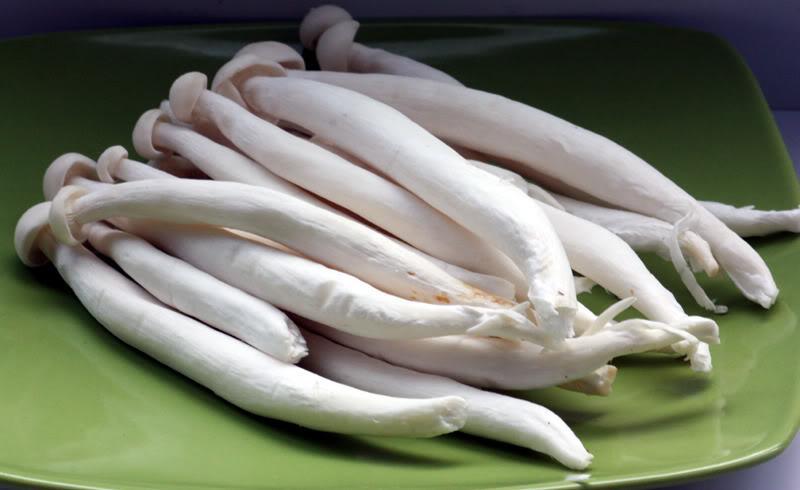
We get these here. In Chinese they are 真姬菇 (zhēn jī gū), which means 'true woman (or true concubine) mushrooms' or 玉皇菇 (yù huáng gū), 'Jade Emperor mushrooms'. There is also a white type called 白玉菇 (bái yù gū), meaning 'white jade mushrooms'. Do you get Jade Gill Mushrooms, (海鲜菇 hǎi xiān gū, literally "seafood mushroom") or 蟹味菇 (xiè wèi gū), crab flavour mushrooms'? They are a variety of the shimeji mushroom. Shimeji normally grow in clusters but when they grow individually they are referred to as jade gill mushrooms. Jade Gill Mushrooms By the way the Japanese for the beech mushrooms is ブナしめじ, buna-shimeji, buna meaning 'beech'. Don't be tempted to try any of these raw. They're not poisonous but very bitter if not cooked. Don't ask me how I know!
-
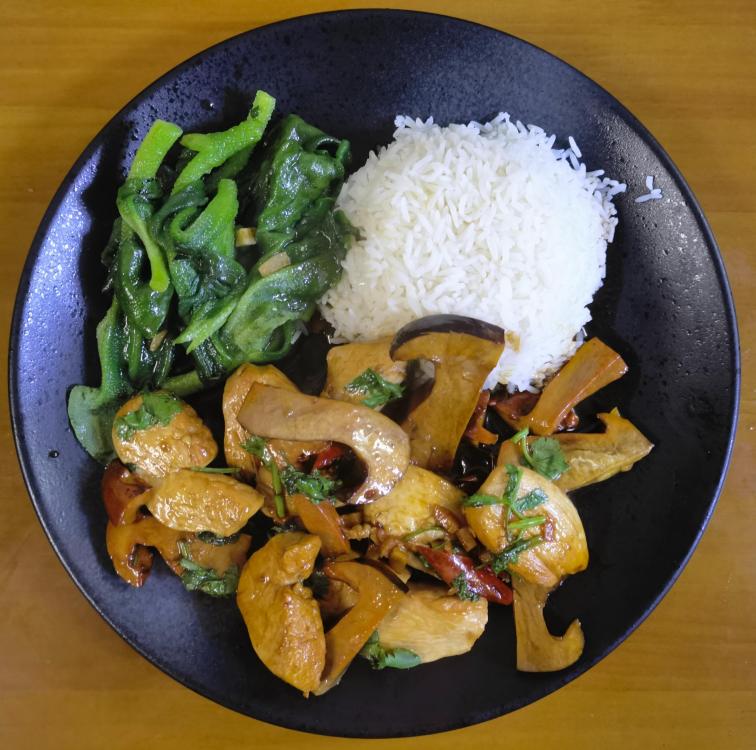
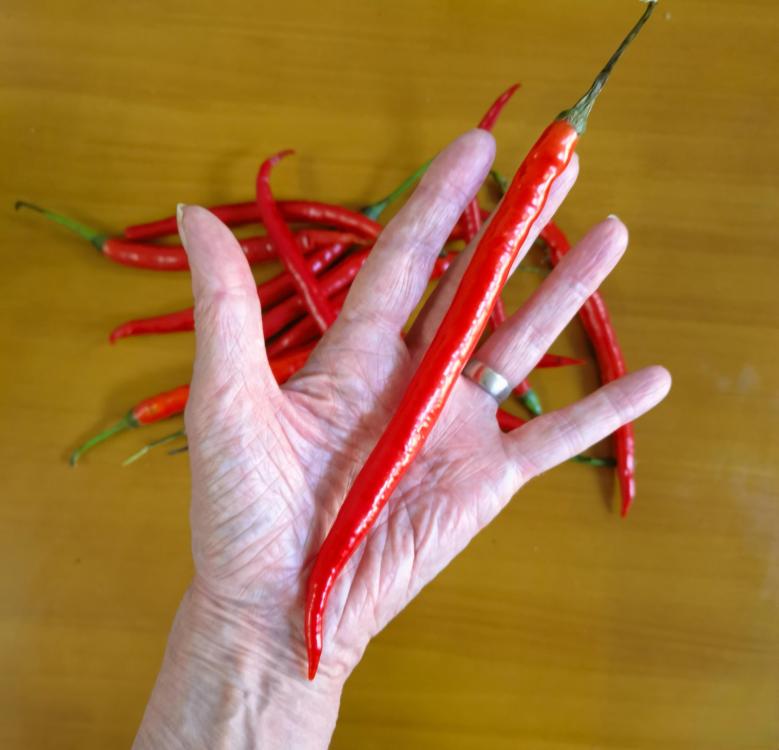
Chicken, black bolete, garlic, 美人椒 (měi rén jiāo, beautiful people chilli), ginger, Shaoxing wine and soy sauce. Stir fried South African ice plant with garlic. Rice. 'Beautiful people chilli - 美人椒'
-
A pictorial guide to Chinese cooking ingredients
liuzhou replied to a topic in China: Cooking & Baking
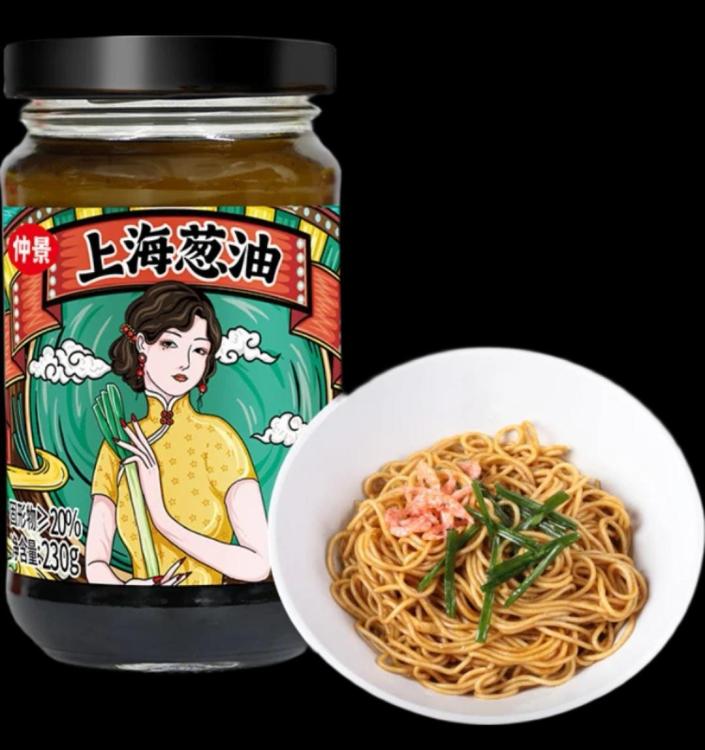
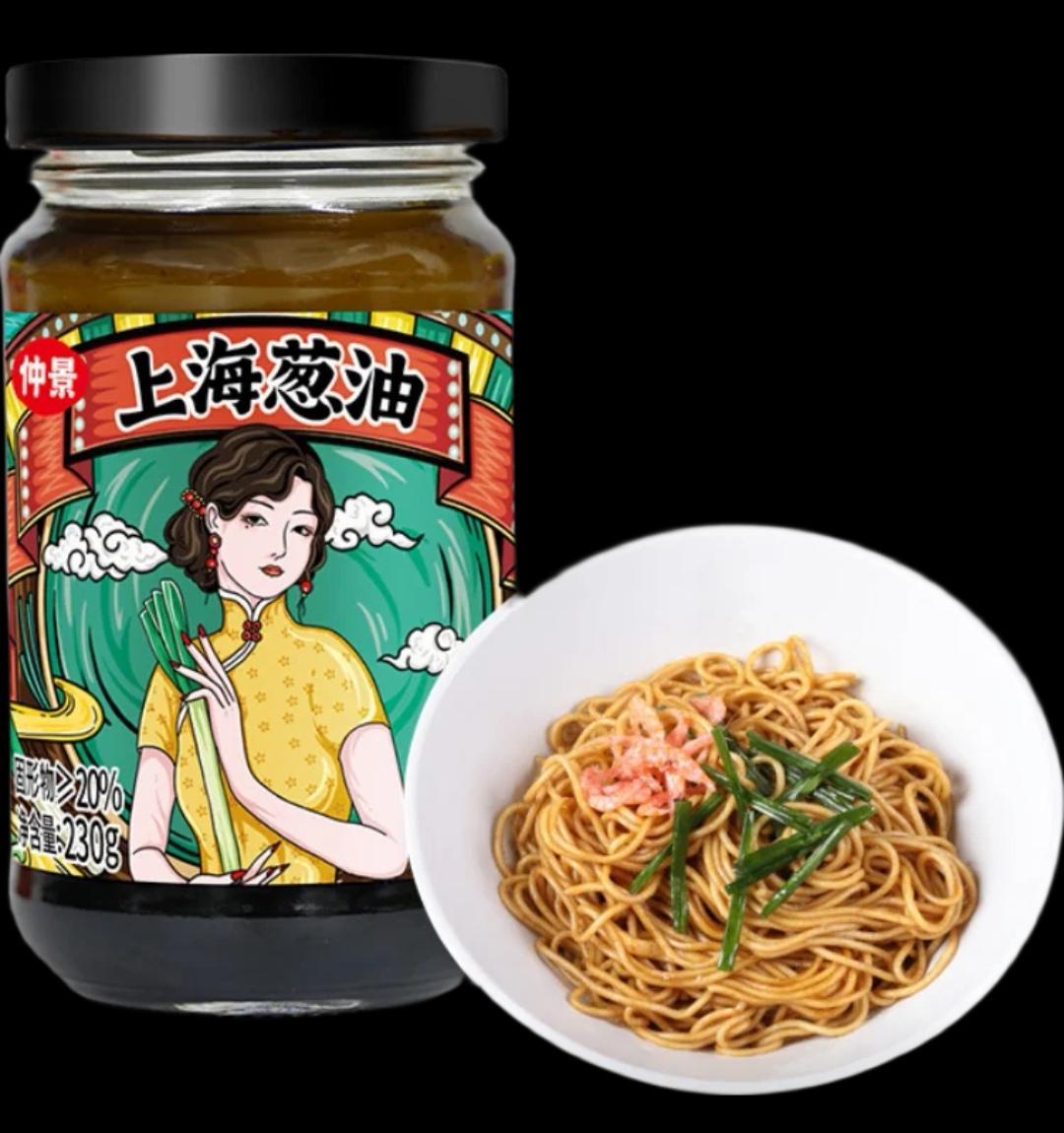
This is a handy thing to have in the store cupboard / fridge, although I prefer to make it myself. It's easy. 上海葱油 (shàng hǎi cōng yóu), Shanghai scallion oil. There are other scallion oils, especially the popular Cantonese version, maybe the only thing where I prefer the Cantonese version to others. The Shanghai version includes too many unnecessary ingredients for me. Besides the obvious oil and scallions, it has soy sauce, oyster sauce, salt and sugar. But then, Shanghai is known for its love of soy sauce and sweet flavours. The classic Cantonese version is simply oil and scallions. It is similar to the Vietnamese version, mỡ hành. Here is a recipe from inactive eG member Carolyn Philips, author of All Under Heaven (eG-friendly Amazon.com link). And here is a recipe for the Vietnamese version. As you will see it's almost identical. What to do with it? Add it to to noodles, fried rice, salads, stir fries. It makes be a garnish for all kinds of savoury dishes, Asian or not.