
liuzhou
-
Posts
16,754 -
Joined
-
Last visited
Content Type
Profiles
Forums
Store
Help Articles
Everything posted by liuzhou
-
https://kitchenmisadventures.com/water-chestnut-cake
-
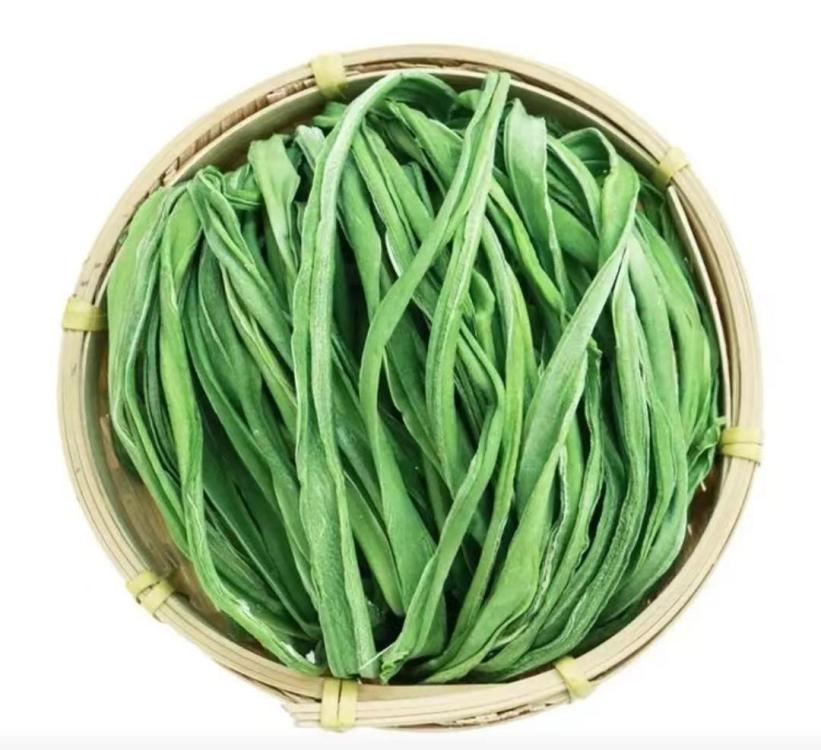
Here is yet another version of celtuce. Known as S: 贡菜干; T: 貢菜乾 (gòng cài gān), this is shavings of the stem which are then dried. The name literally means 'tribute vegetable' as some emperor or other supposedly tasted it and thereafter was given it as a tribute on a regular basis. Can be eaten raw after rehydrating or can be stir fried. Regular folk have to buy it. 80 grams / 40 cents USD.
-

A pictorial guide to Chinese cooking ingredients
liuzhou replied to a topic in China: Cooking & Baking
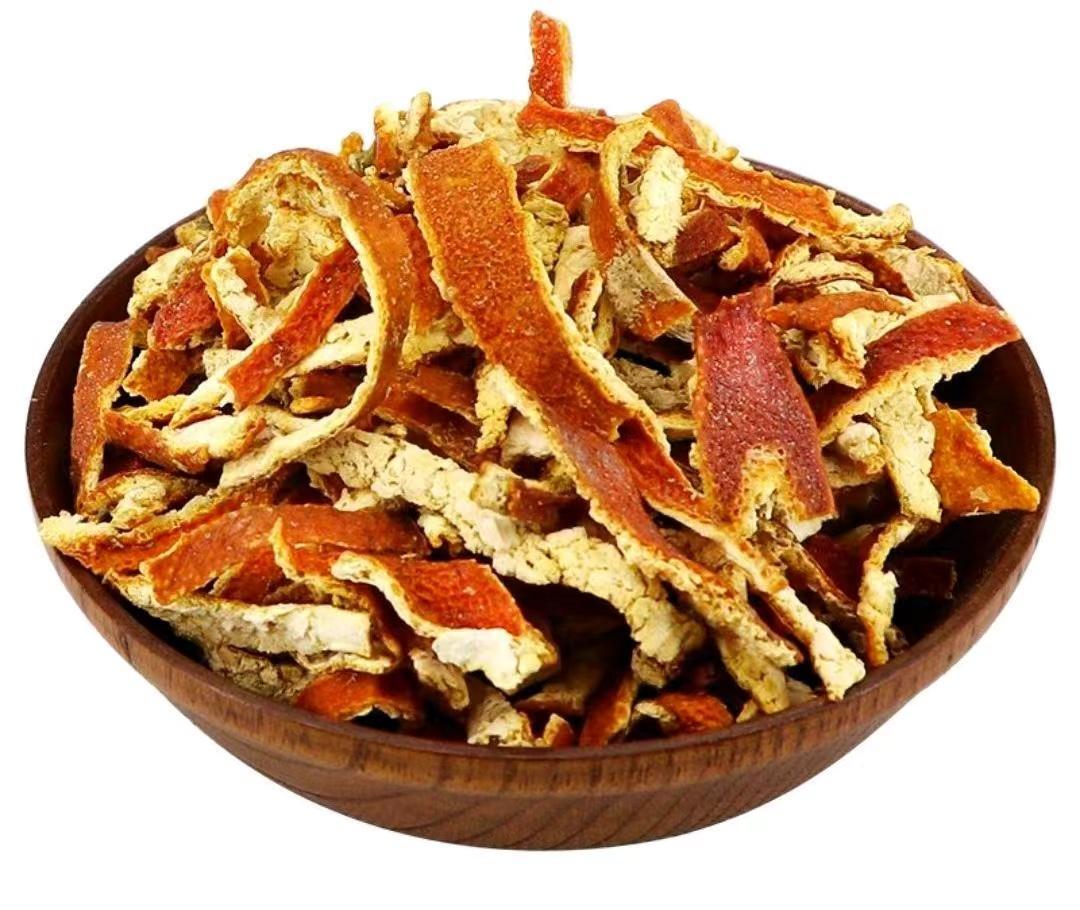
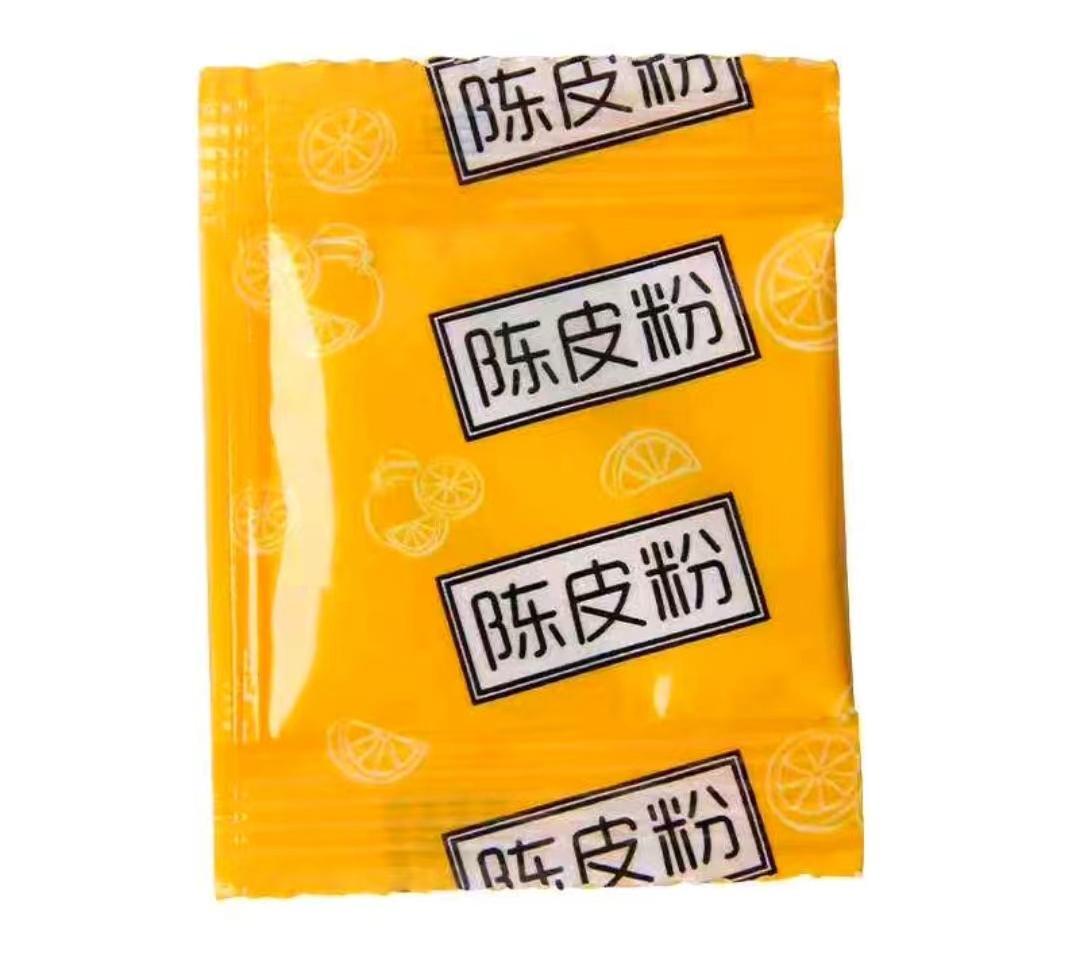
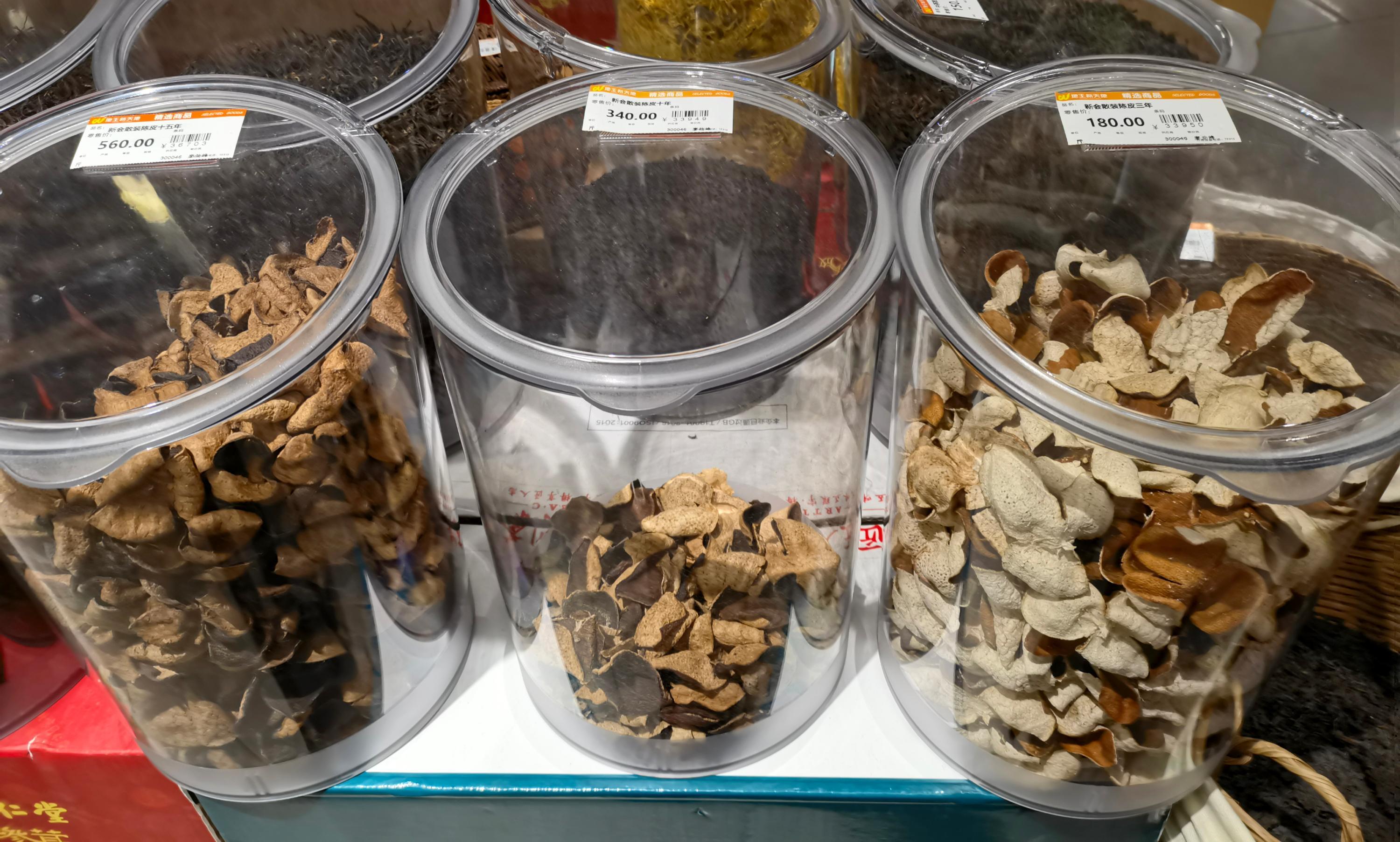
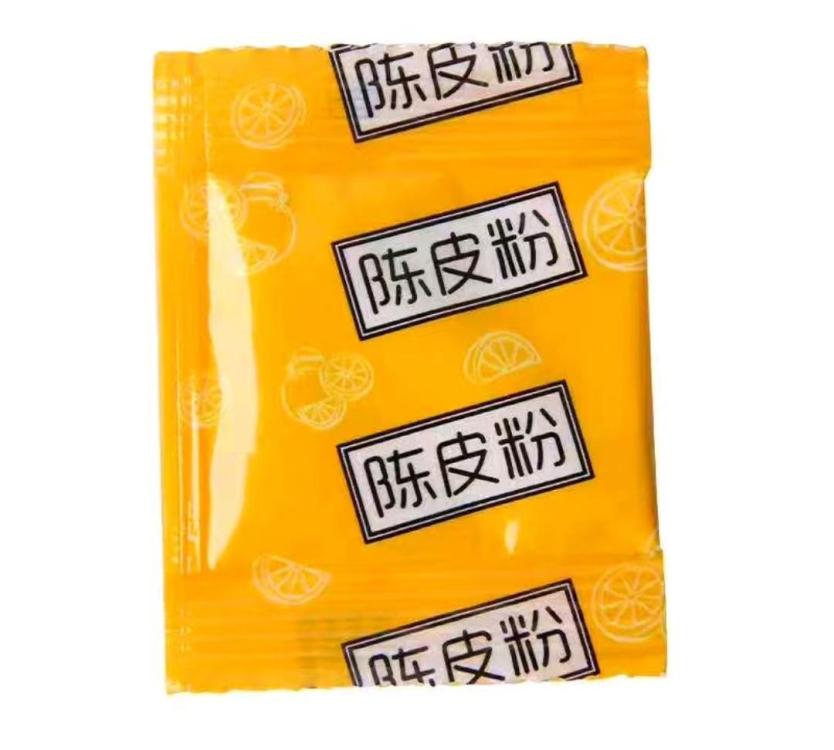
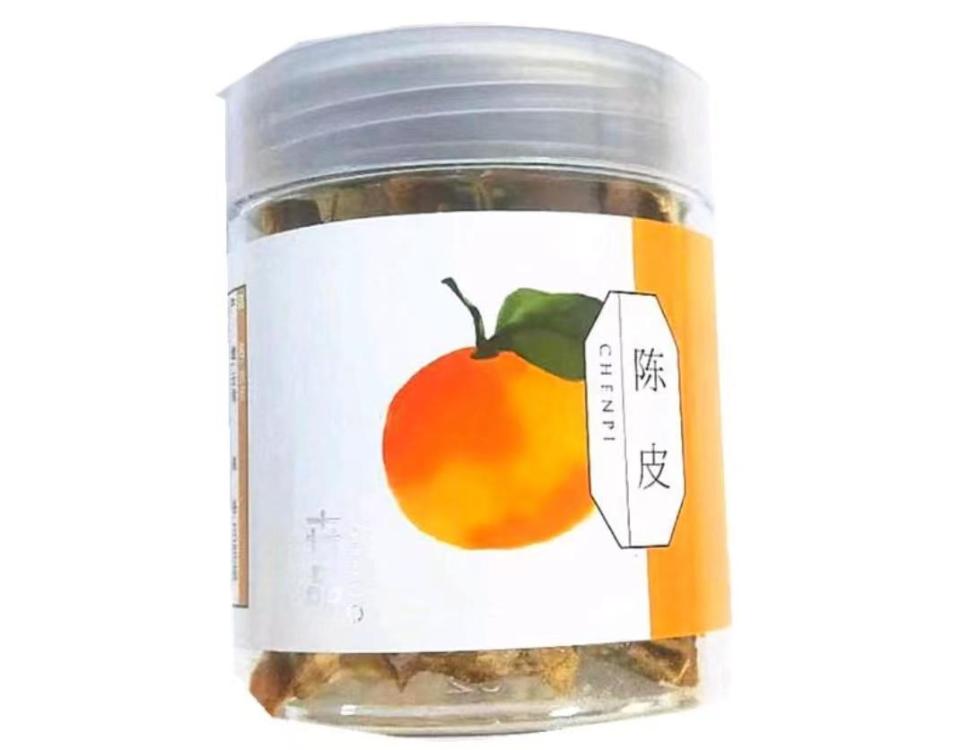
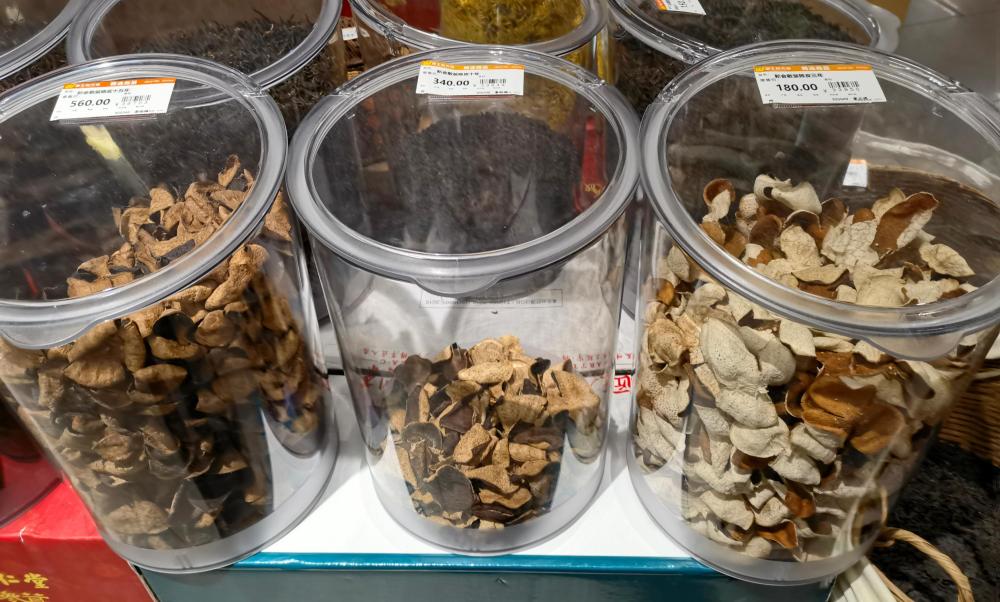
Here’s something I haven’t seen before. S: 陈皮;T: 陳皮 (chén pí), dried orange or tangerine peel is a common ingredient in Chinese cuisine. Every supermarket has it, although most people dry their own, including me. It keeps for decades in a sealed container in a cool dark cupboard.. In fact, for most people, the older it is; the better. It is possible to buy peel up to 80 years old. That is expensive, though. More than $5 USD a gram. These three jars in my local supermarket hold (left to right) 15-year-old peel ($77.39 USD / 500g), 10-year-old ($46.99), 3-year-old ($24.88). The Woks of Life site goes to its ludicrous lengths as usual, explaining how to dry it. One sentence would do. “Remove peel and dry it in the sun.” It is used medicinally, but also in both sweet and savoury dishes. It is used in hot pot bases, in soups, stocks, and especially, braised dishes. So, I’m well used to the ingredient. What I found yesterday was powdered peel in sachets. I totally fail to see the point. The stuff comes free with every tangerine you buy! Dried tangerine peel powder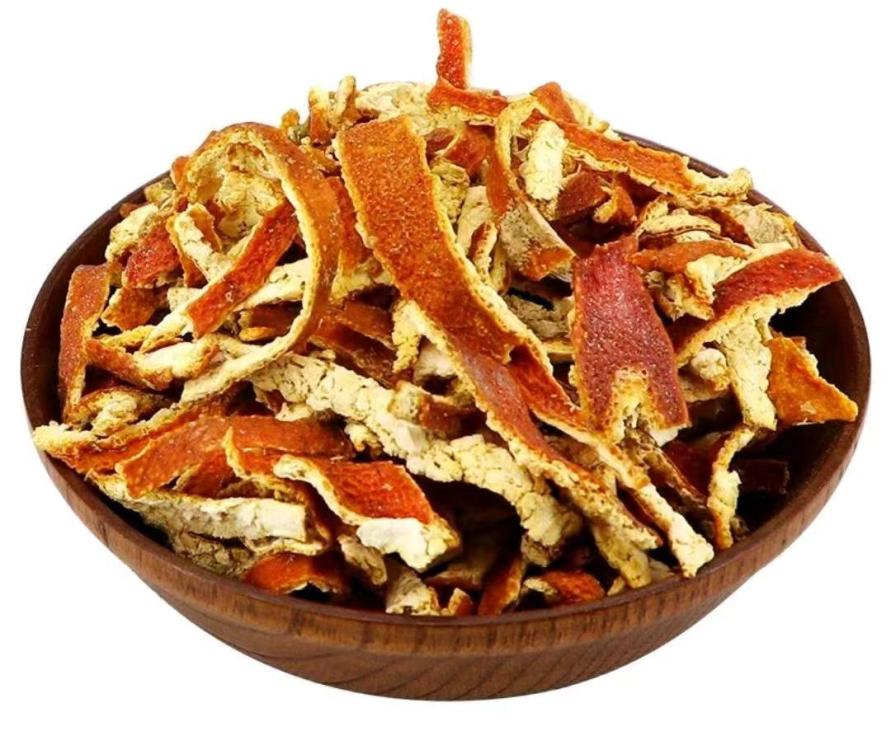
-
A pictorial guide to Chinese cooking ingredients
liuzhou replied to a topic in China: Cooking & Baking
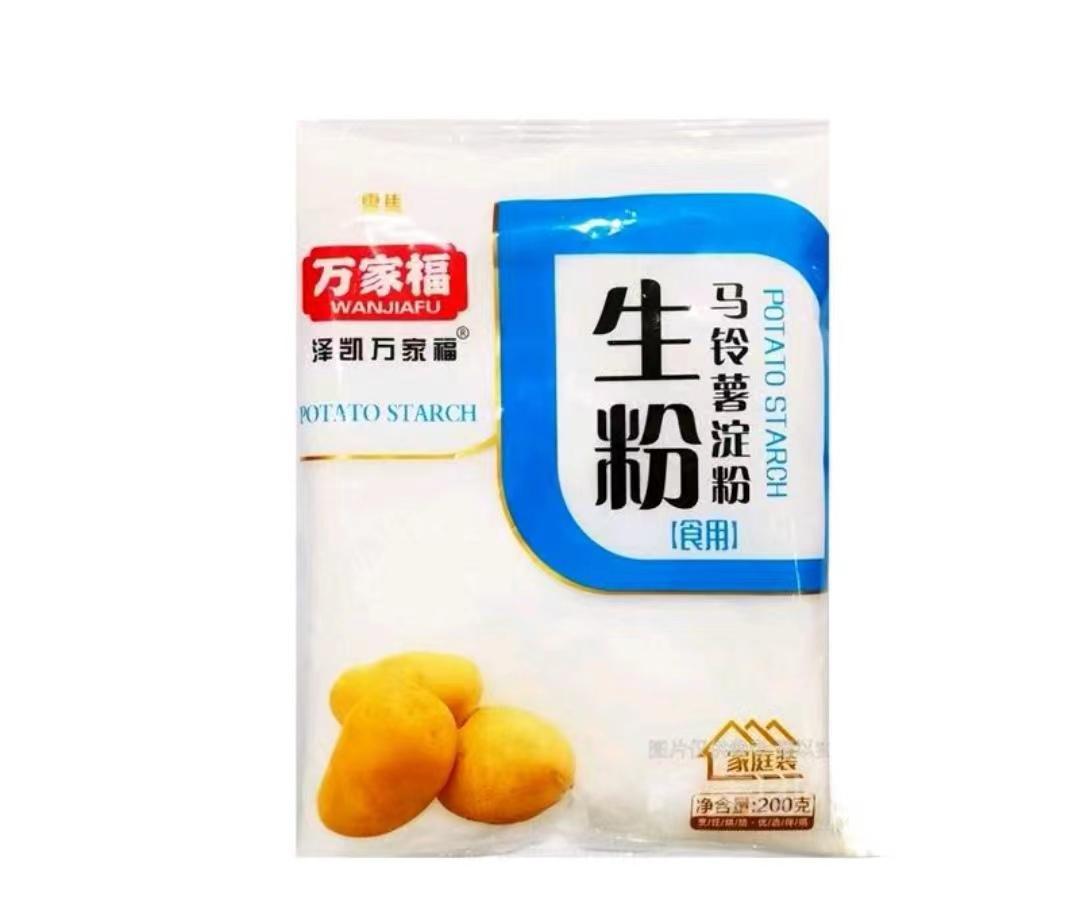
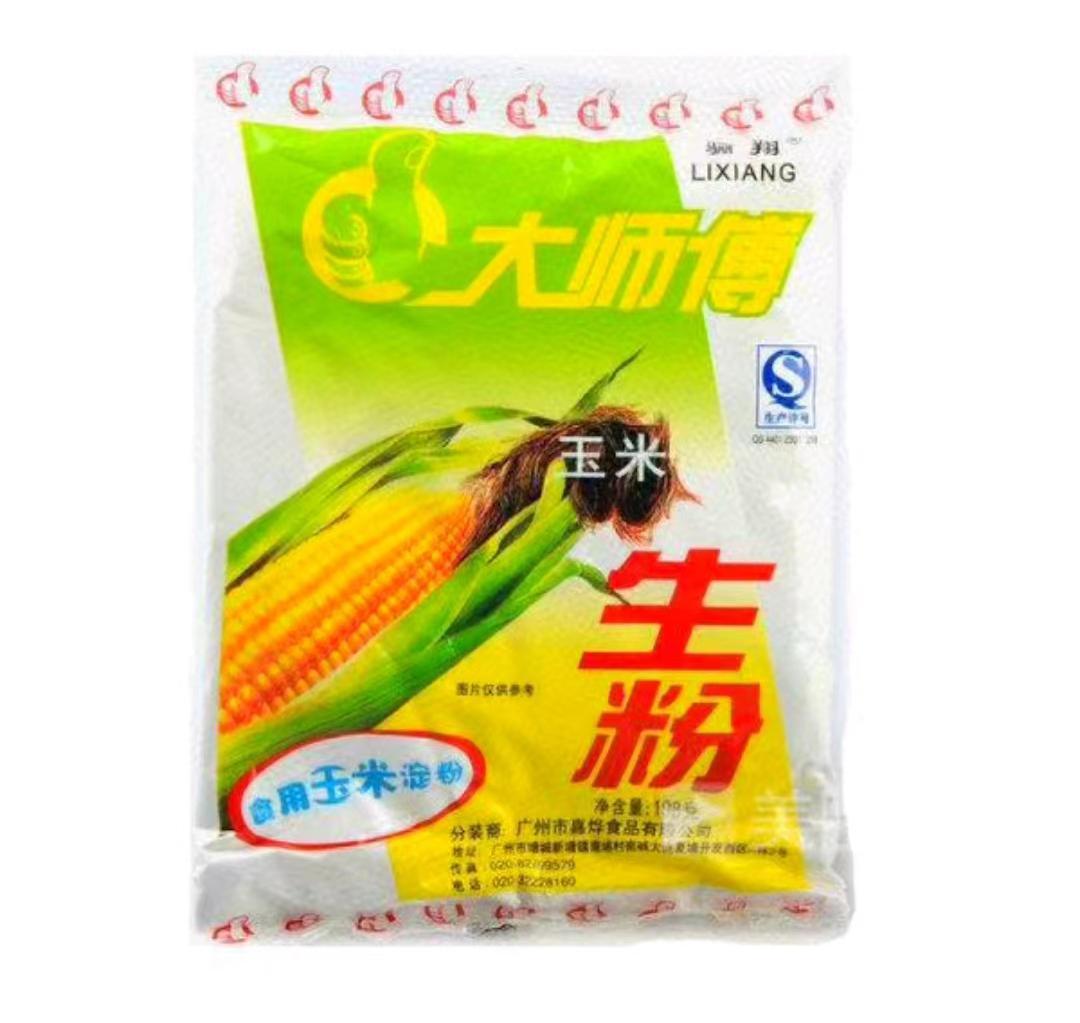
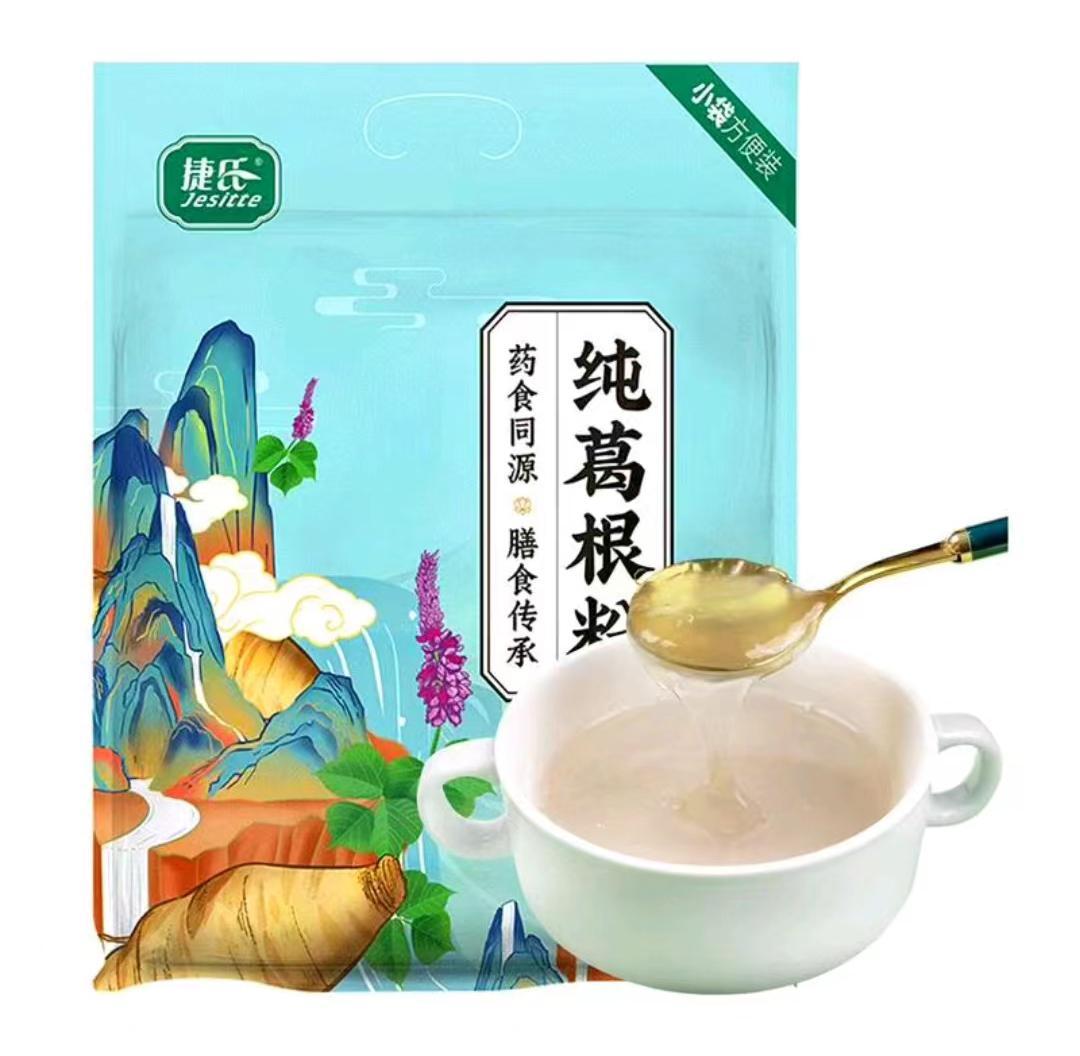
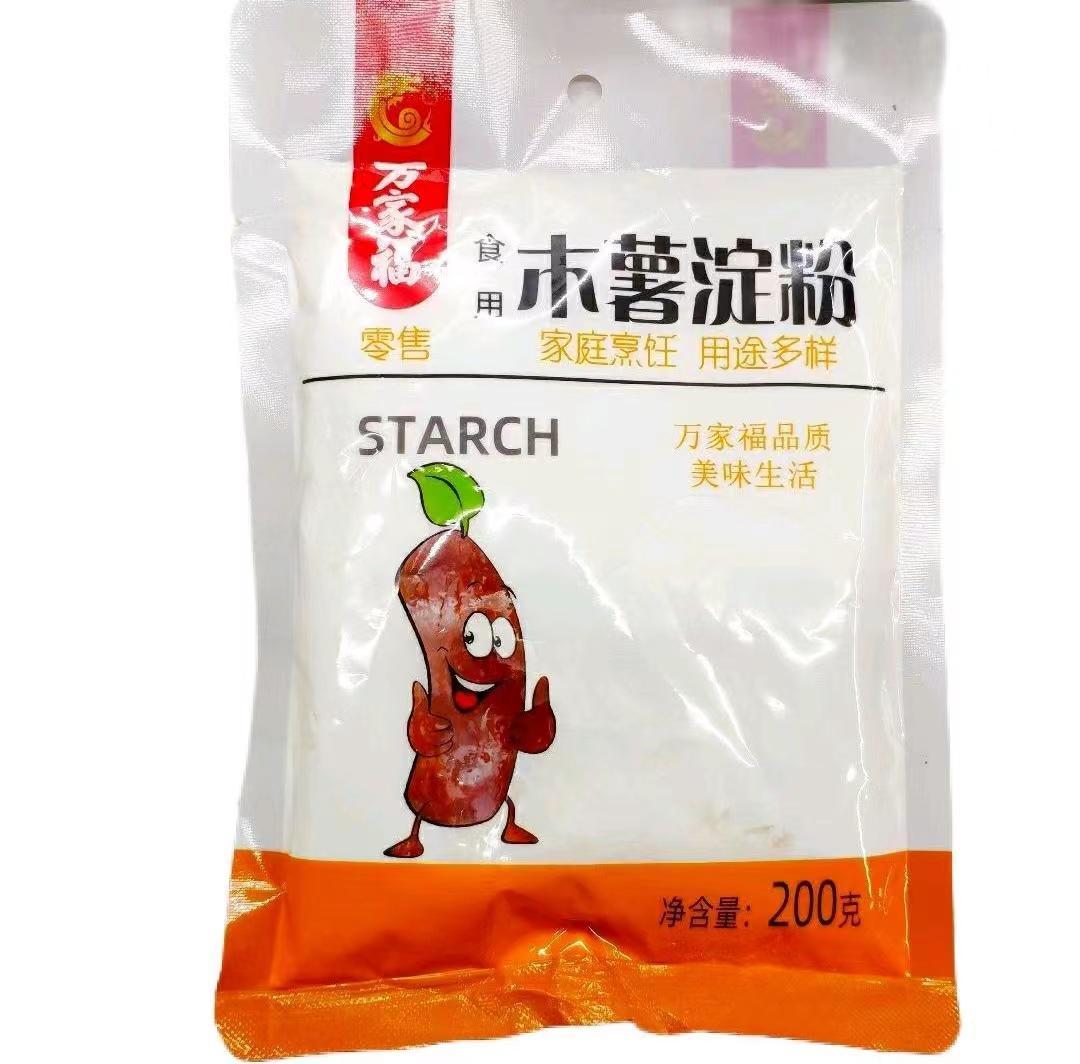
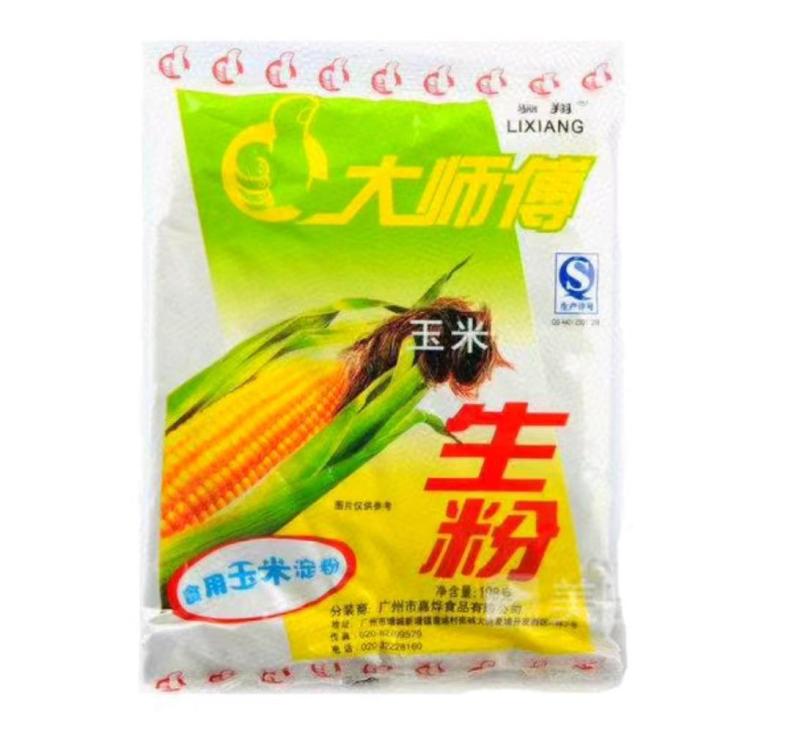
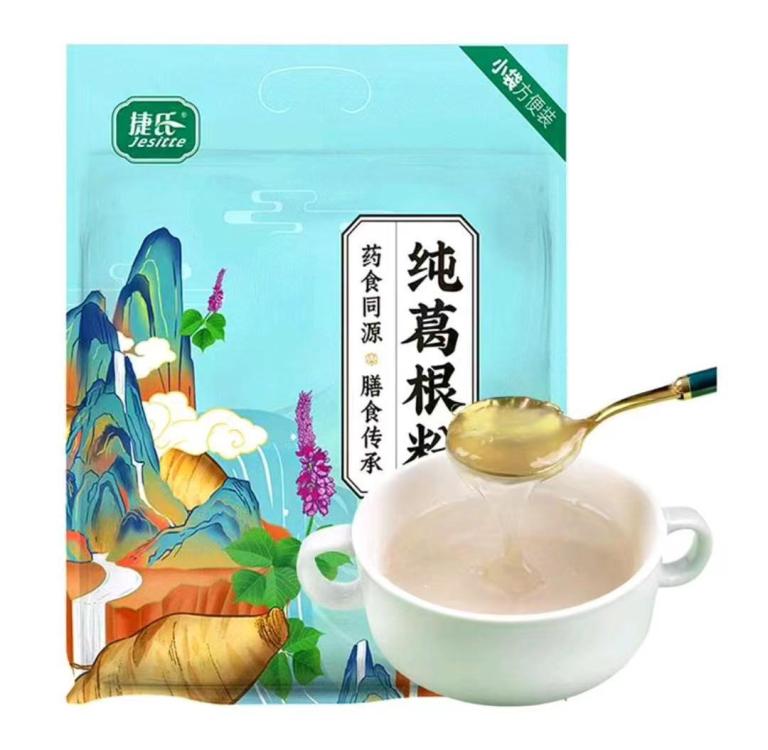
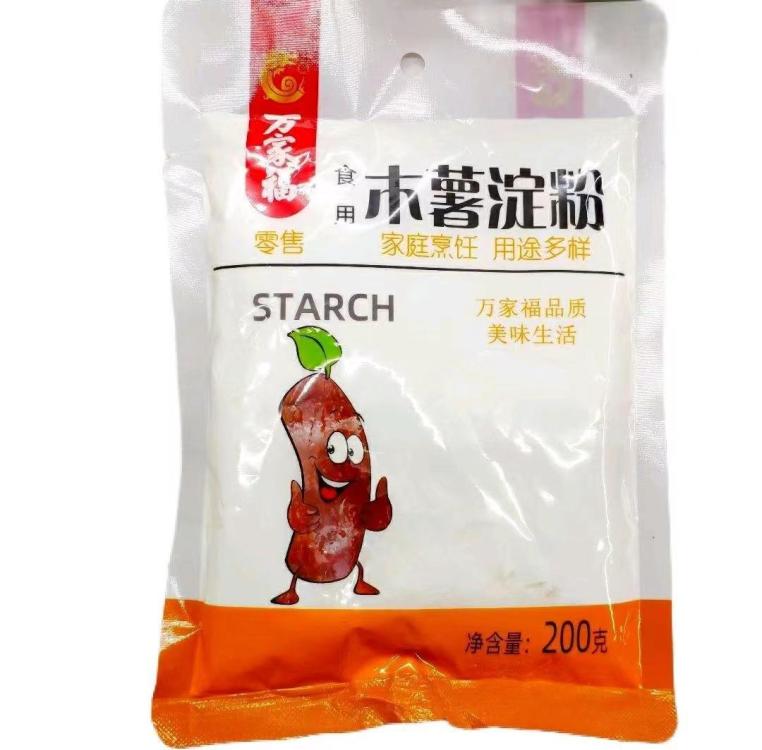
Here, I am looking at (C6H10O5)n, a polysaccharide comprising glucose monomers joined in α 1,4 linkages. Extracted from the roots, tubers or seeds of various plants this tasteless white powder is used in kitchens worldwide to thicken sauces, tenderise meats and coat foods to be fried. Its friends call it S: 淀粉; T: 澱粉 (diàn fěn) or starch. The most common is found as 玉米粉 (yù mǐ fěn) in Chinese 🇨🇳, cØrn starch in American English 🇺🇸 or cØrnflour in British English 🇬🇧 and is widely available both in the west and in China. However, cØrn is far from the only source. I always use S: 马铃薯粉; T 馬鈴薯粉 (mǎ líng shǔ fěn) or 土豆粉 (tǔ dòu fěn), potato starch, as do the Sichuanese. S: 木薯淀粉: T: 木薯澱粉 (mù shǔ diàn fěn), tapioca starch, made from cassava, is used some places as are 葛粉 (gé fěn) Pueraria montana, kudzu or 竹芋 (zhú yù), Maranta arundinacea, arrowroot. Tapioca Starch Kudzu Starch Anonymous starch is also sold as 生粉 (shēng fěn) often also labelled in English "Edible Starch". This is sometimes cØrn but there are no guarantees. The cØrn starch pictured above is labelled as both 生粉 and 玉米 meaning, cØrn. The above starches are also used to make noodles as are rice starch and S: 绿豆粉; T: 綠豆粉 (lǜ dòu fěn), mung bean starch.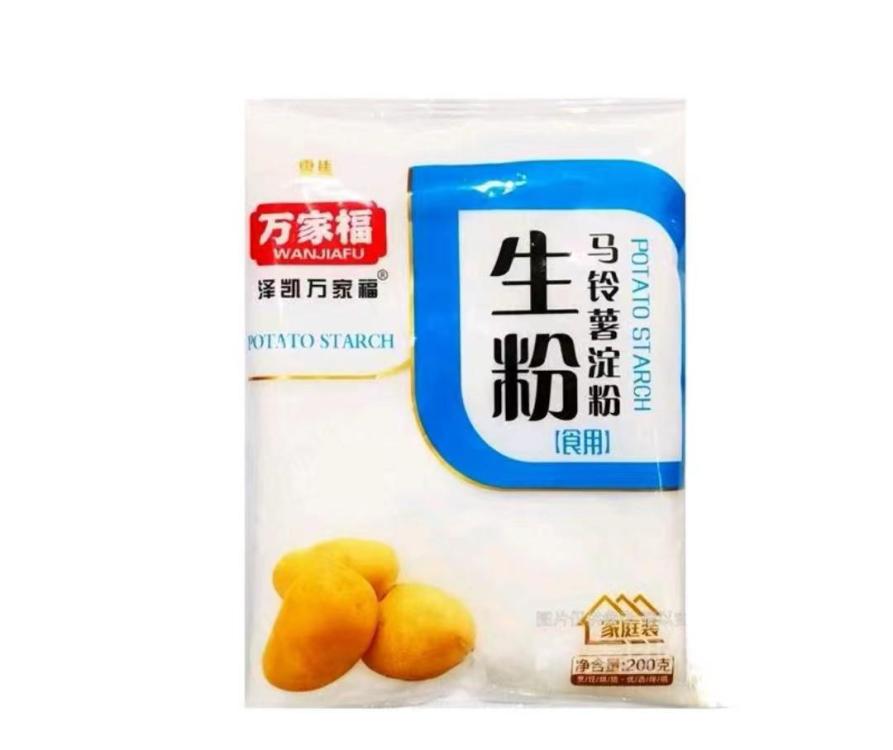
-
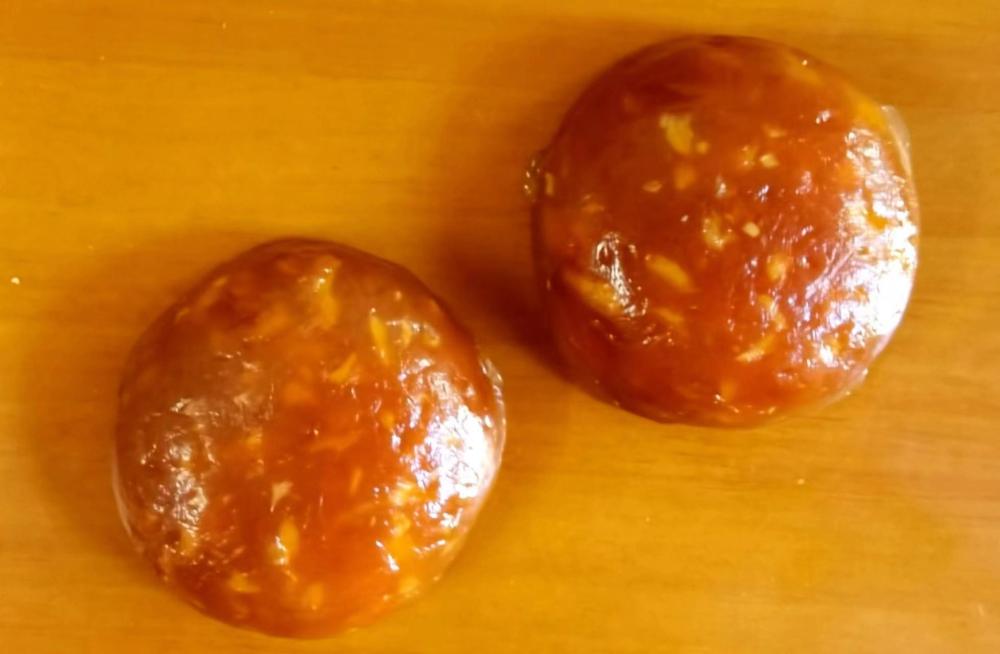
A recent conversation with @KennethTled me here. We were talking about the Chinese dim sum 'turnip cakes' which are rarely, if ever, made from turnip, but are in fact daikon radish cakes. Here is a variation, which I picked up this morning. These are 马蹄糕 (mǎ tí gāo), water chestnut cakes made with glutinous rice.
-
A pictorial guide to Chinese cooking ingredients
liuzhou replied to a topic in China: Cooking & Baking
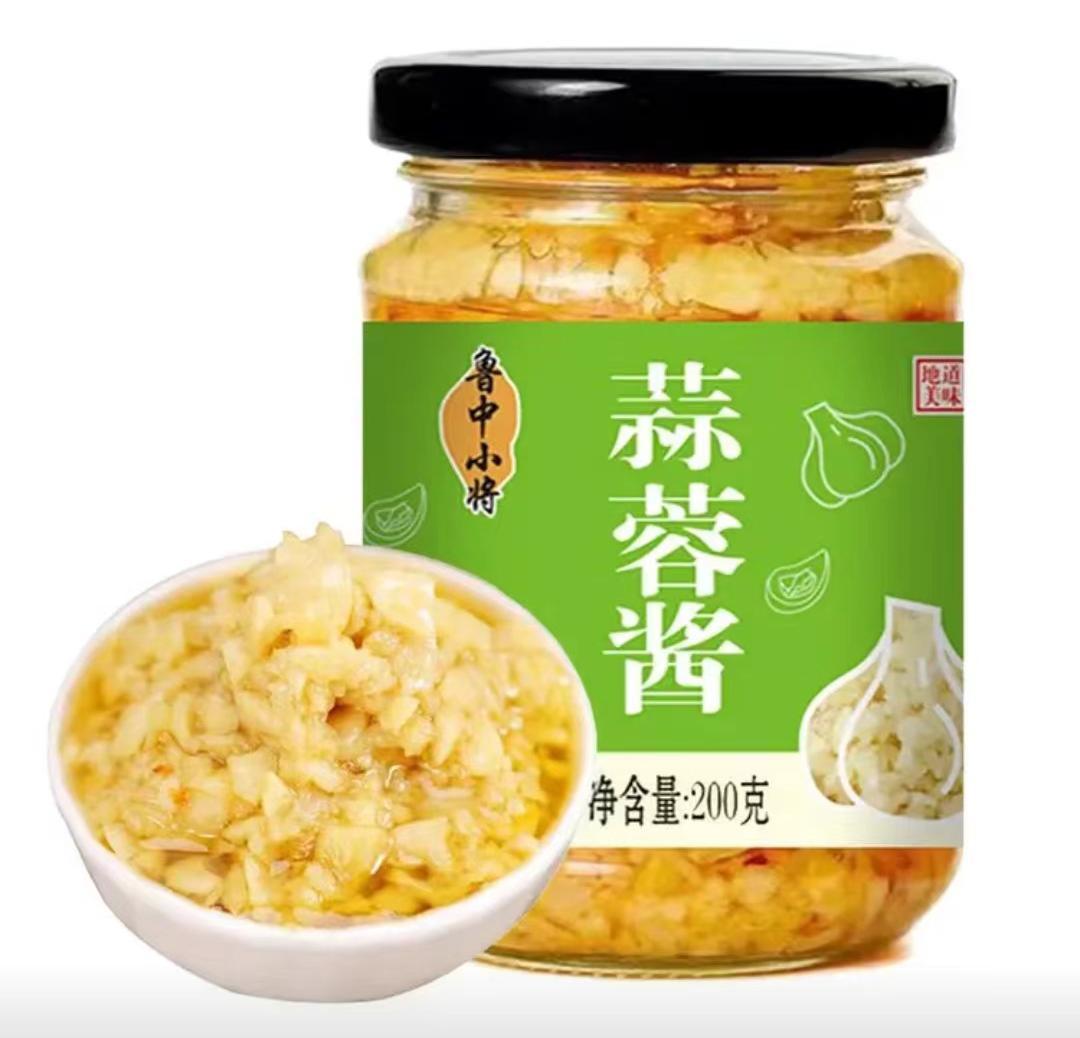
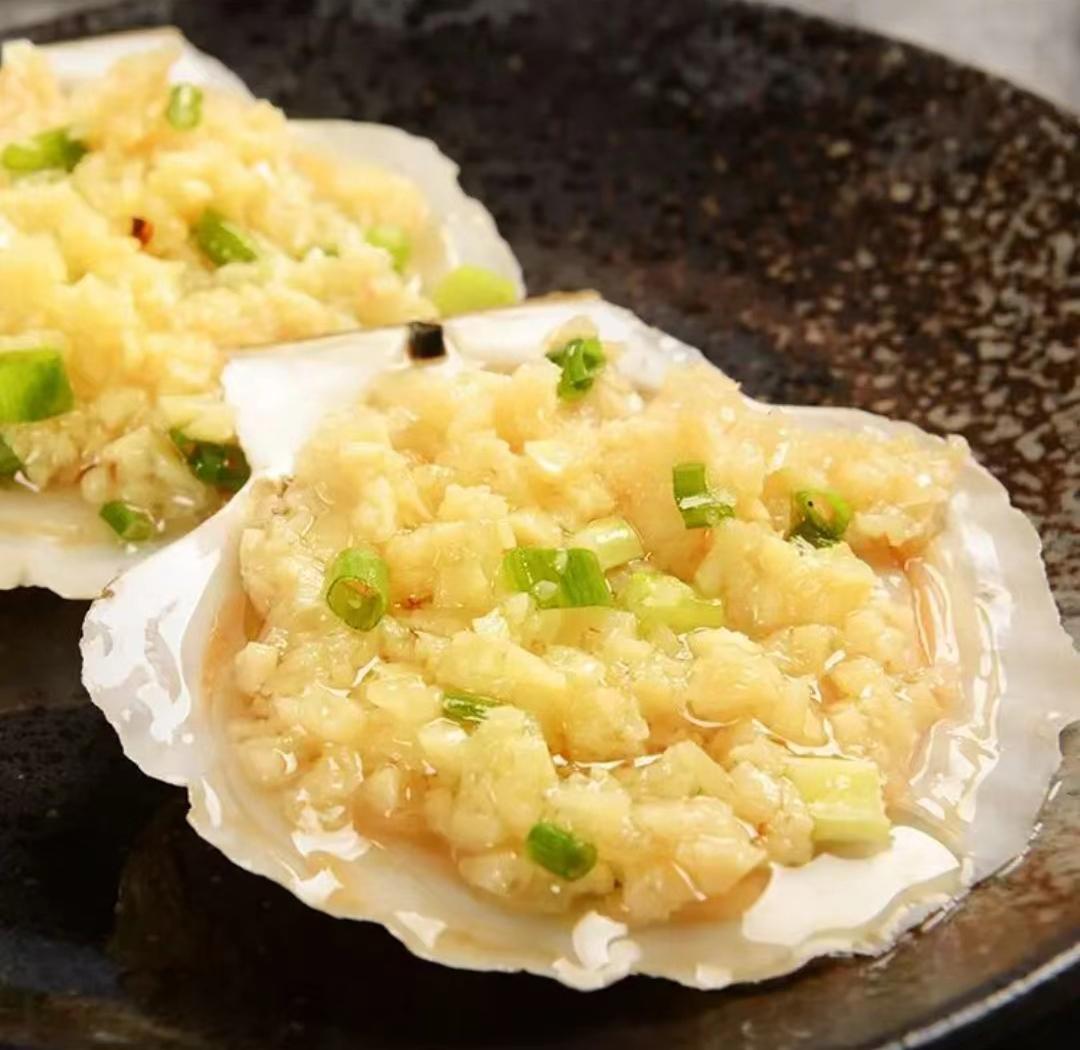
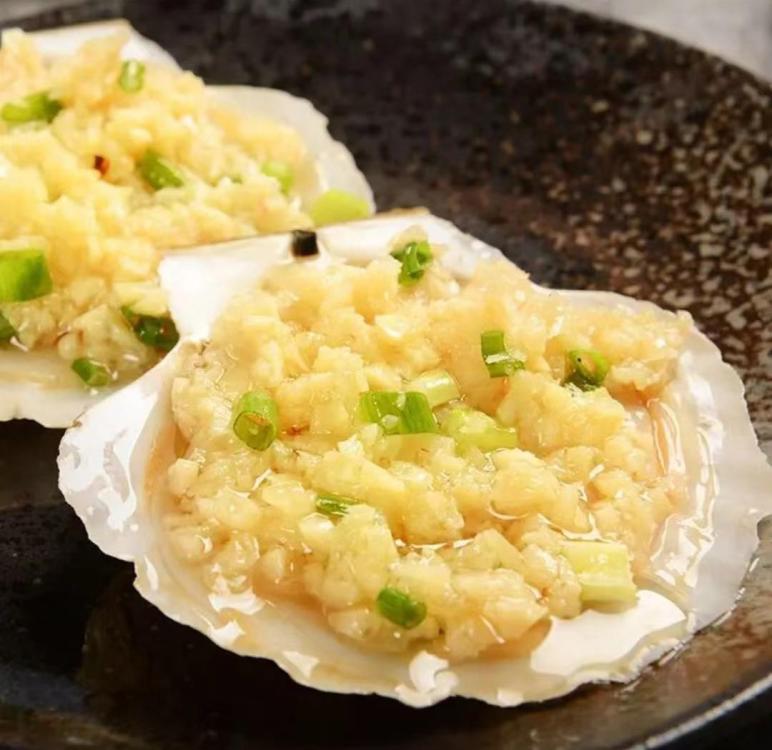
I’ve mentioned before on eG my bafflement by ‘garlic powder’. I only normally hear reference to it on American websites or television shows etc. It isn’t a thing anywhere else, so far as I can determine. I could buy it in China online, if I chose but it’s imported and I don’t choose. That said, it is made here but mainly for export or for processed food manufacturers. Yes; it is exported and re-imported! I don’t know anyone who uses it. The only garlic product that I do see regularly is this 蒜蓉酱 (suàn róng jiàng), minced garlic sauce or paste). It costs between $2 and $3 for a 320g jar, depending on brand. This is sometimes used as a dip with hotpots but more often slathered over oysters in the shell before grilling. I only eat my oysters raw. Fresh garlic is ubiquitous and dirt cheap.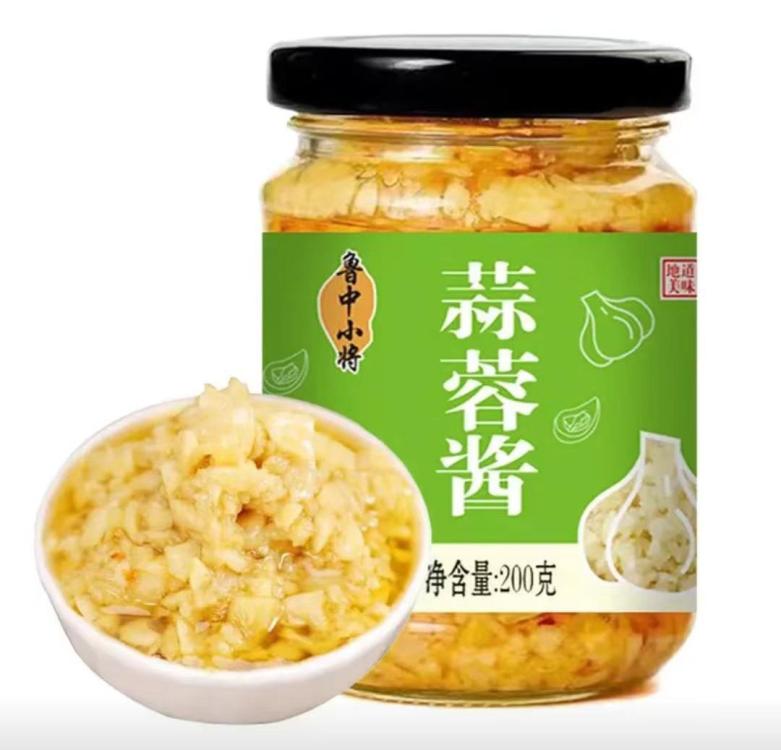
-
Are your 'turnip cakes'made with turnip? In most of dim sum places here, what is sold as turnip cakes are actually daikon radish cakes. I've never seen a turnip in China.
-
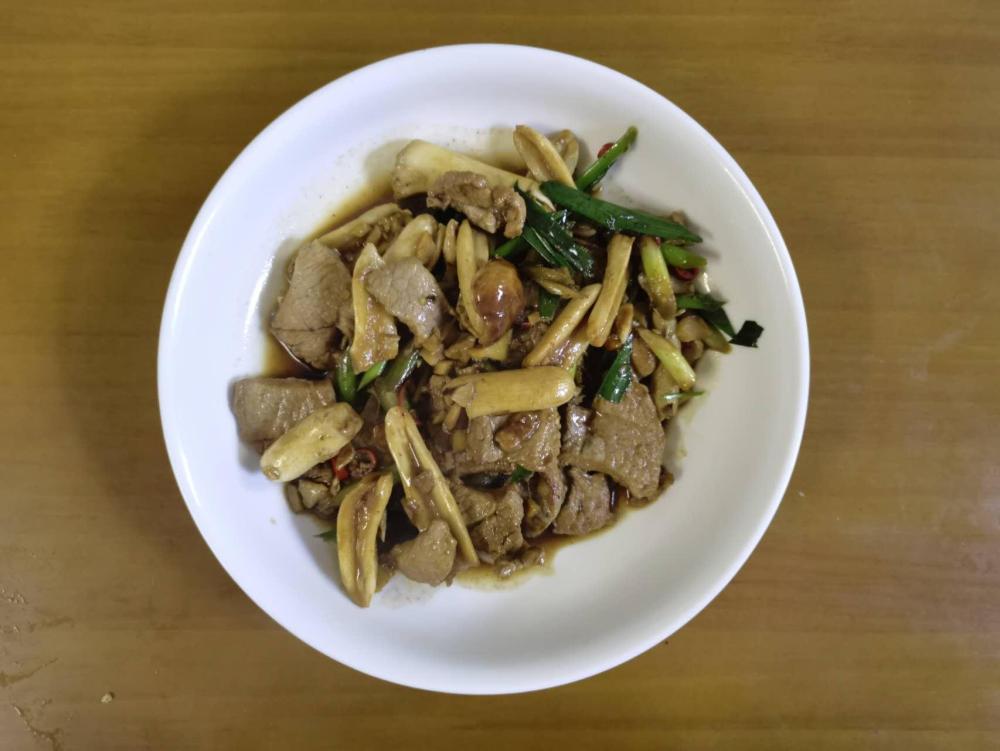
Stir fried pork with fresh 松茸菌 (sōng róng jūn) aka matsutake. Garlic, ginger, chilli, Chaoshan fish sauce, soy sauce, scallions. Served with rice.
-
A pictorial guide to Chinese cooking ingredients
liuzhou replied to a topic in China: Cooking & Baking
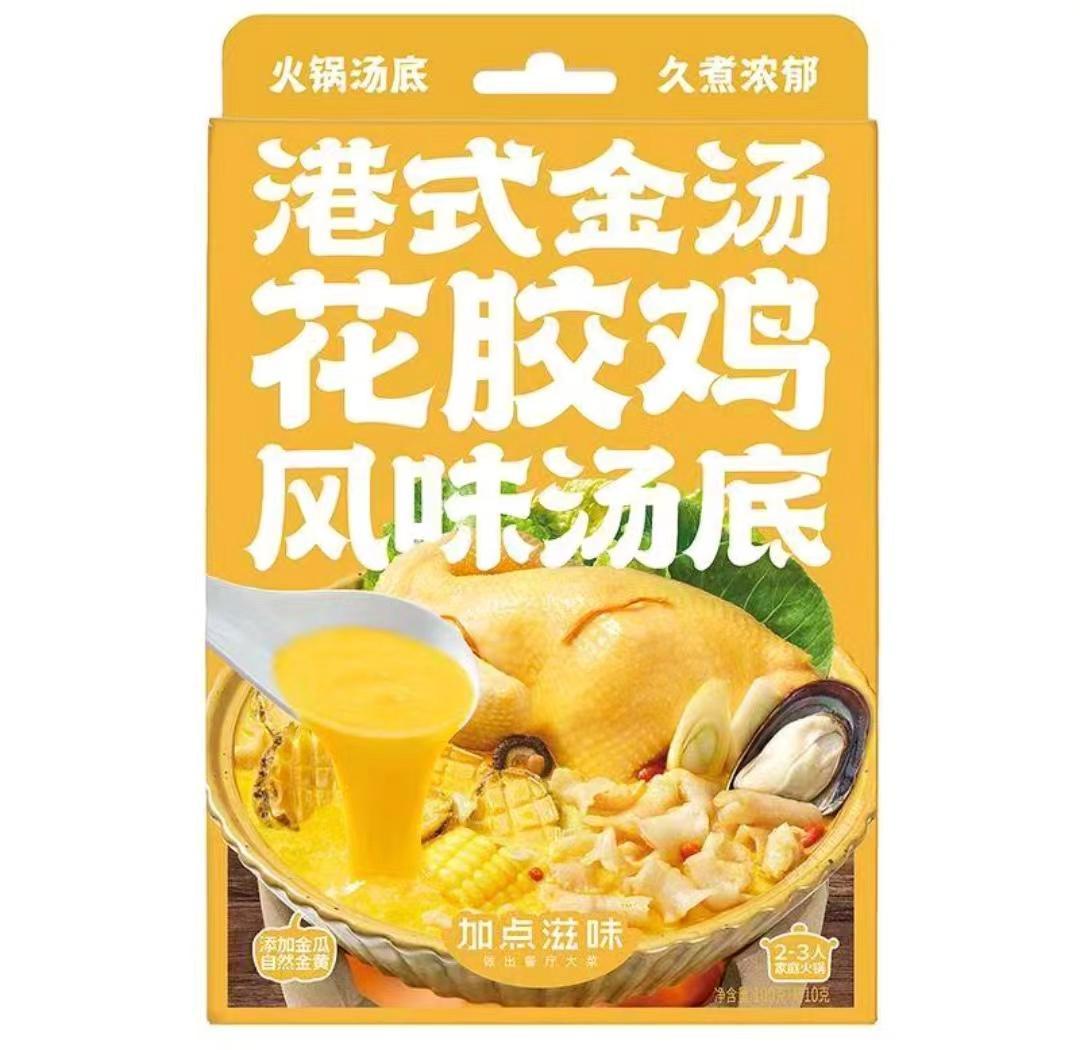
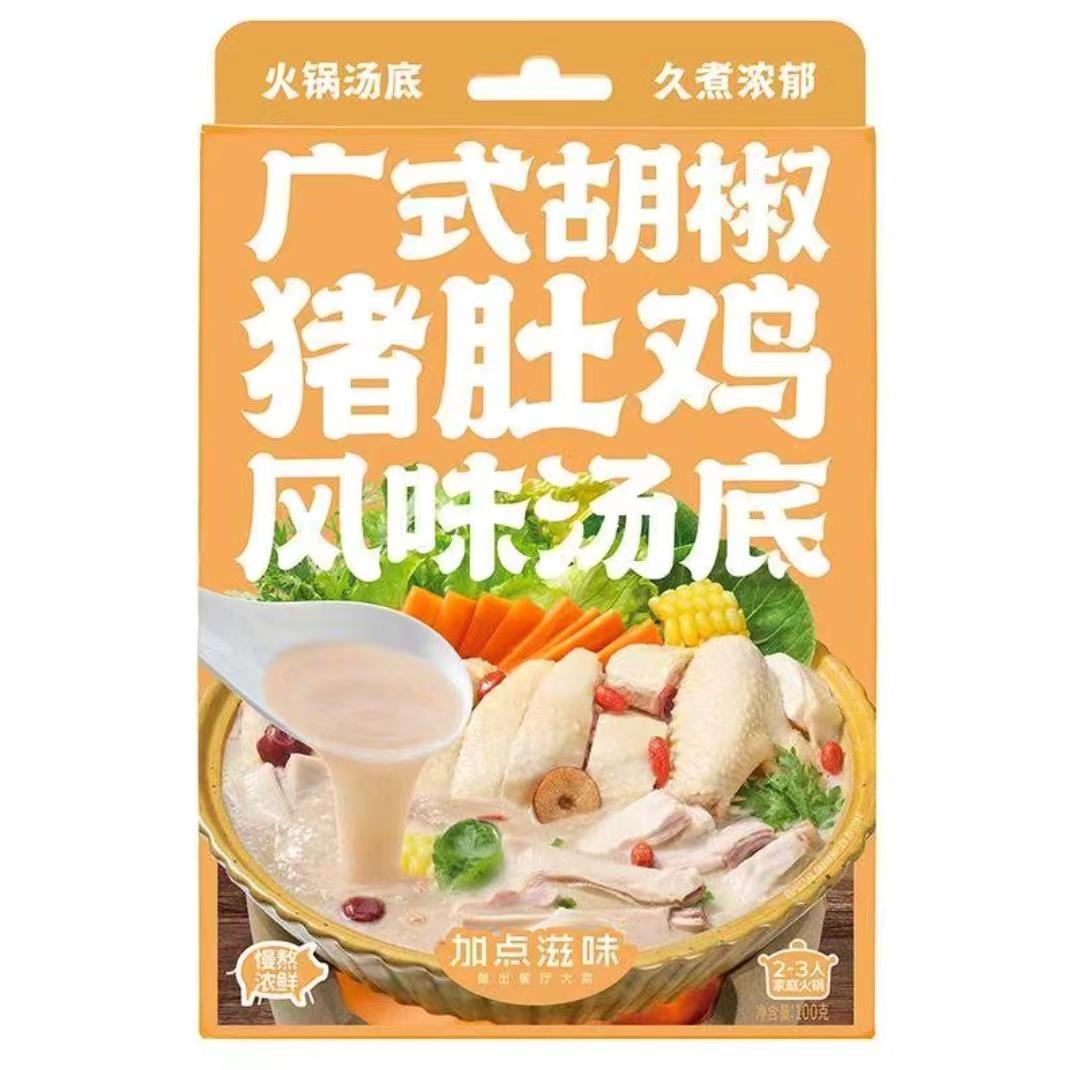
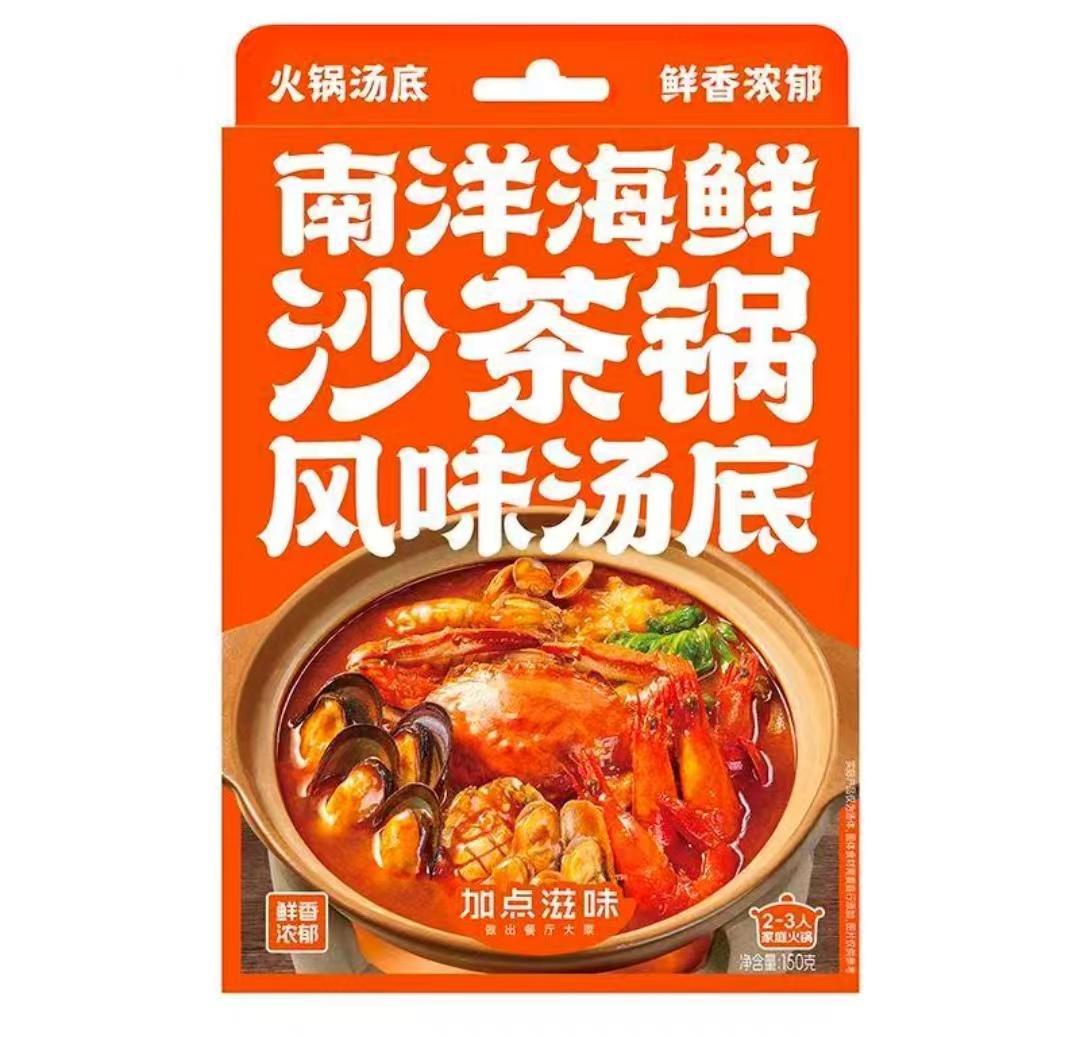
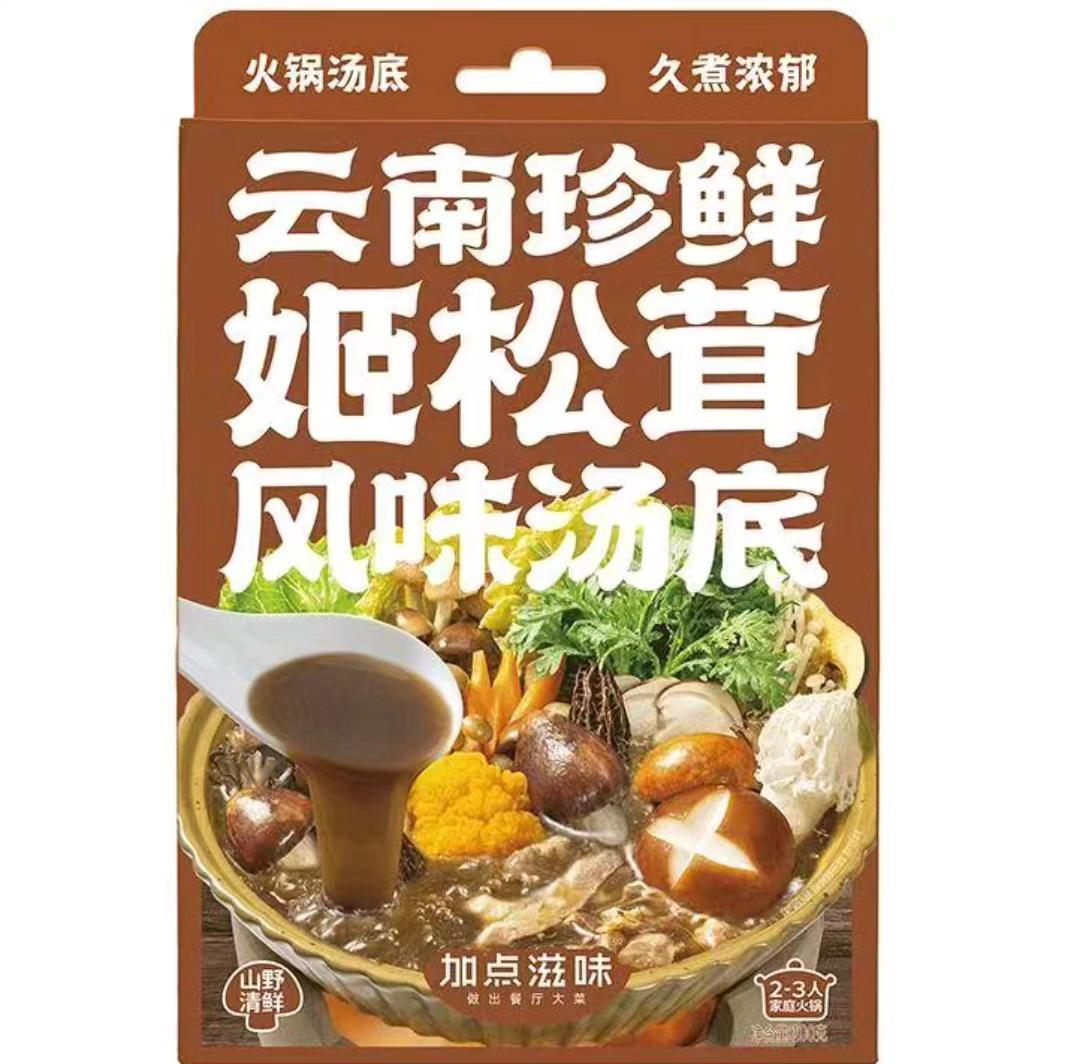
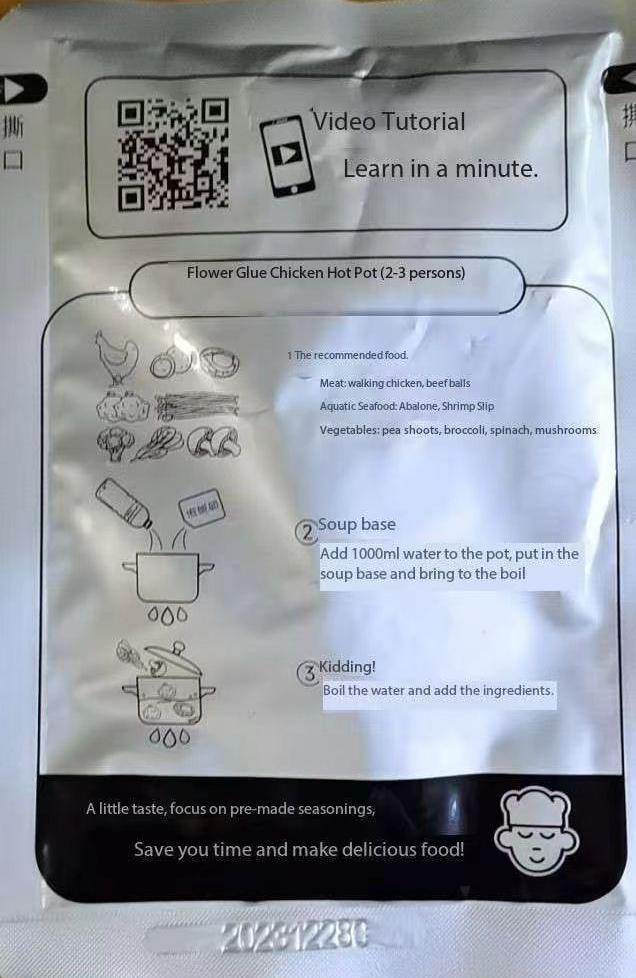
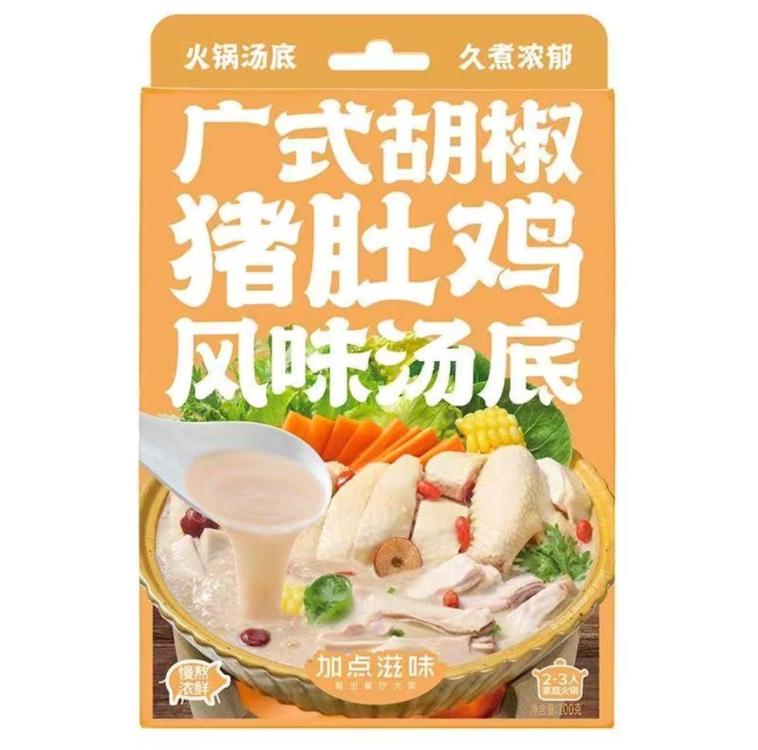
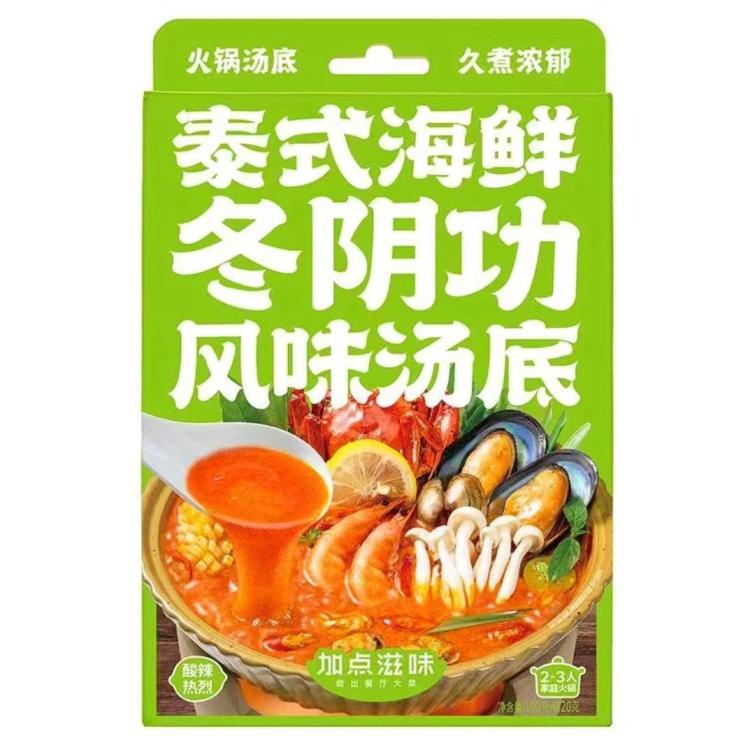
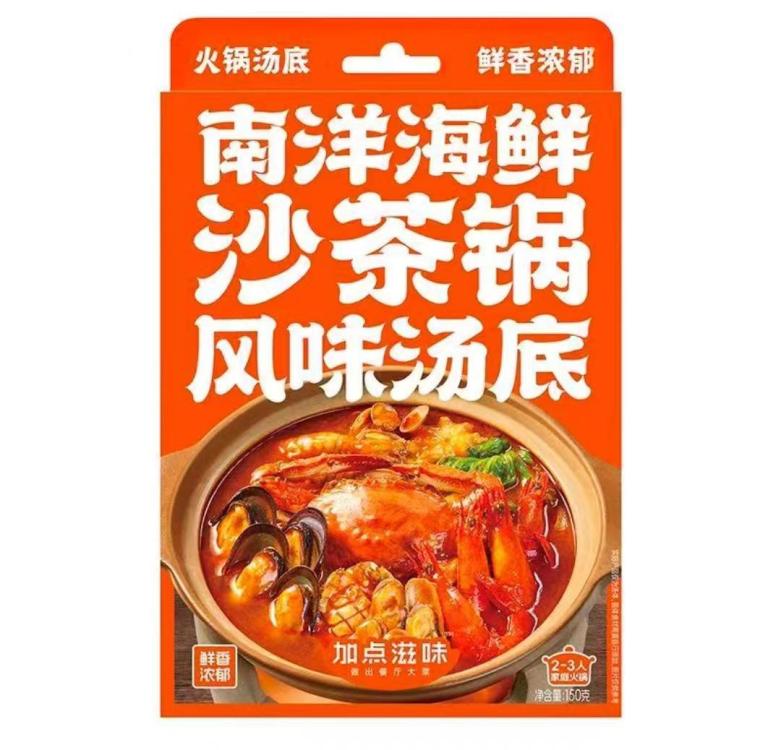
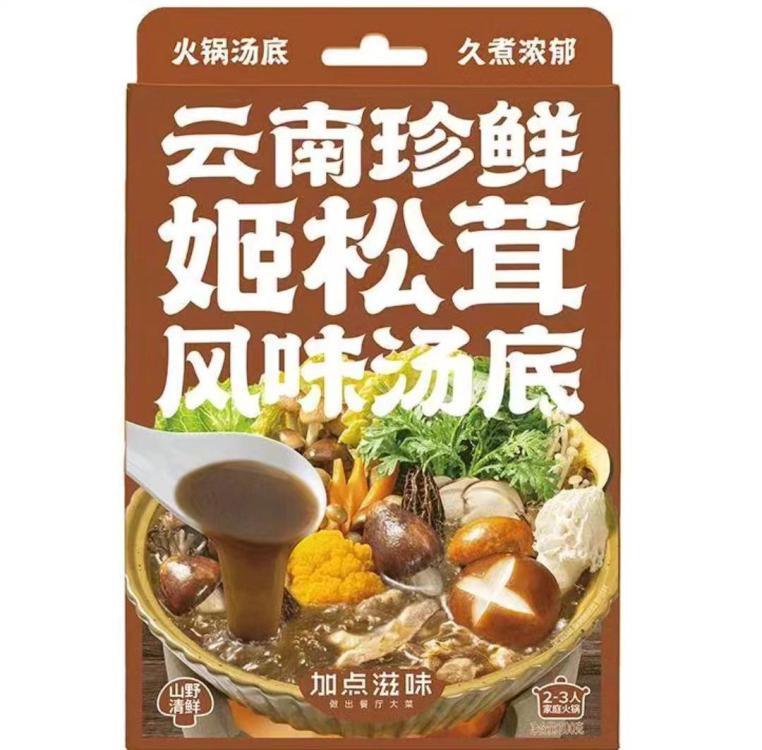
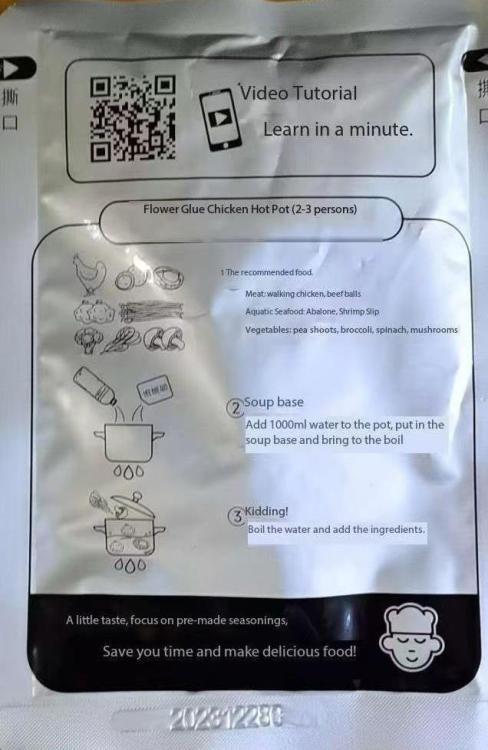
汤 (tāng), not to be confused with 唐 (táng) is ‘soup’ or ‘stock’ or ‘broth’ or just ‘boiling water’. (唐 (táng) is sugar, sweets, candy). Soups are a frequent part of meals, but unlike in western countries aren’t necessarily served at the beginning of a meal in China. As in the west, however, the best soups depend on the quality of the stock used to prepare them and top Chinese chefs go to extreme lengths to achieve perfection. On the other hand, the lazy or incompetent or uninterested or all three take shortcuts and there are companies ready to take advantage. Factory made soup bases 汤底 (tāng dǐ) are sold in most supermarkets. Here is a selection. Hong Kong Style Golden Chicken Flavour Soup Nanyang Seafood Shacha Flavor Soup Cantonese Pepper Pork Belly Chicken Flavour Soup Yunnan Precious Agaricus Blazei Flavour Soup Thai Style Seafood Tom Yum Goong Flavour Soup I have never eaten any of these so can't vouch for any of them, but I can say I avoid anything described as 'flavour' XXXX. It's usually a guarantee that it contains zero XXXX. Unusually, the ingredients are not listed. Instead they list all the things it doesn't contain to make a decent soup and suggest you buy them, too! Here is a computer translation of the instructions on the foil bag containing the 'soup'.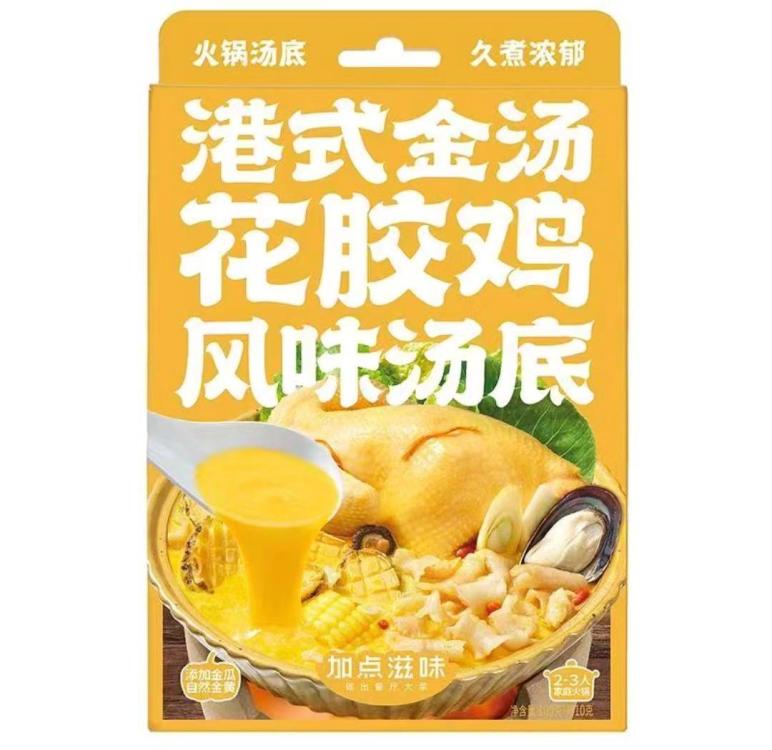
-
A pictorial guide to Chinese cooking ingredients
liuzhou replied to a topic in China: Cooking & Baking
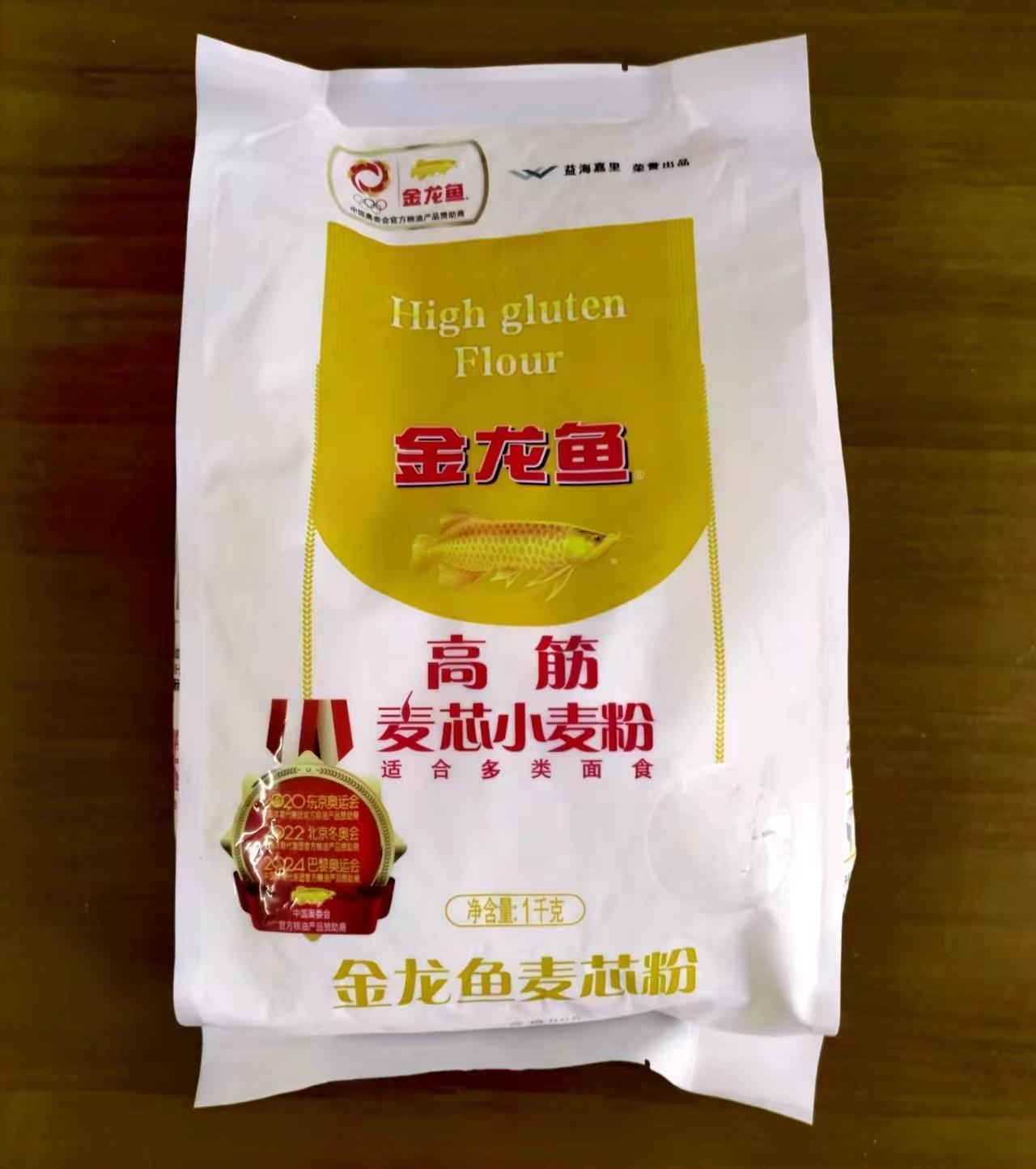
Of course, yeast needs something to raise, so... Wheat (小麦 - xiǎo mài) in China tends to be lower in gluten than most western strains, so I tend only to buy high-gluten flour (高筋粉 - gāo jīn fěn) or ‘bread flour’, (面包粉 - miàn bāo fěn). Twenty years ago, this was mostly imported from the USA, but various trade wars, tariffs and quotas have scaled that back dramatically and China is now growing western cultivars alongside its own varieties. I use very little flour, usually only for bread and for batters. Mostly, I buy this “goldfish*” brand, as it’s widely available. Many types of flour are used here, wheat and rice flours being the most common. For a bilingual list of flours in China, see this website. * Commonly called “goldfish” brand but the Chinese, 金龙鱼 (jīn lóng yú, literally ‘golden dragon fish’) actually means golden arowana, a similar looking species.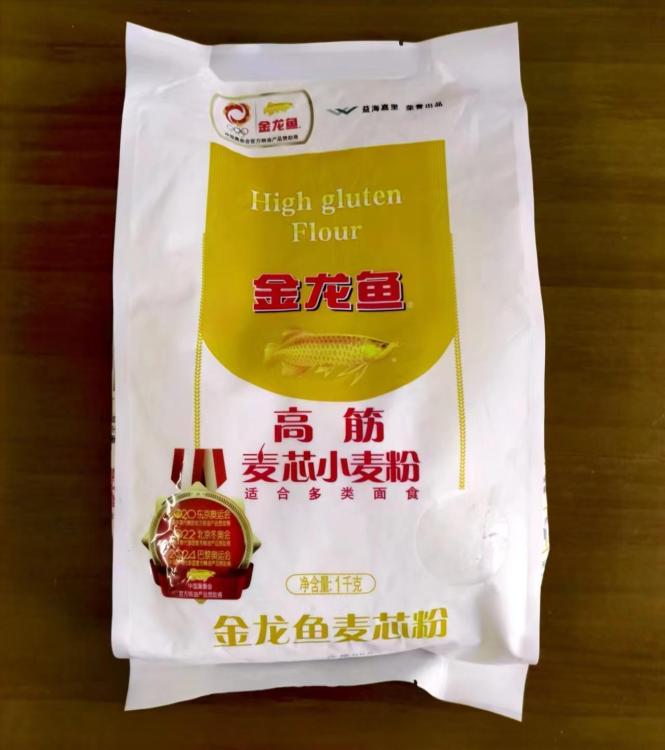
-
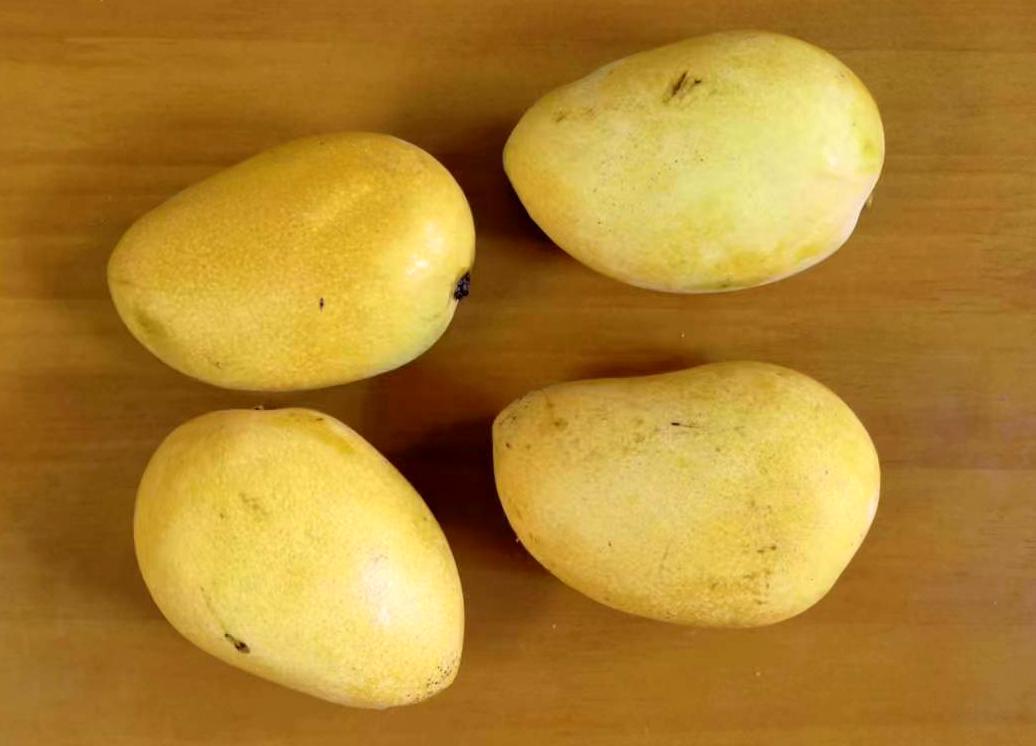
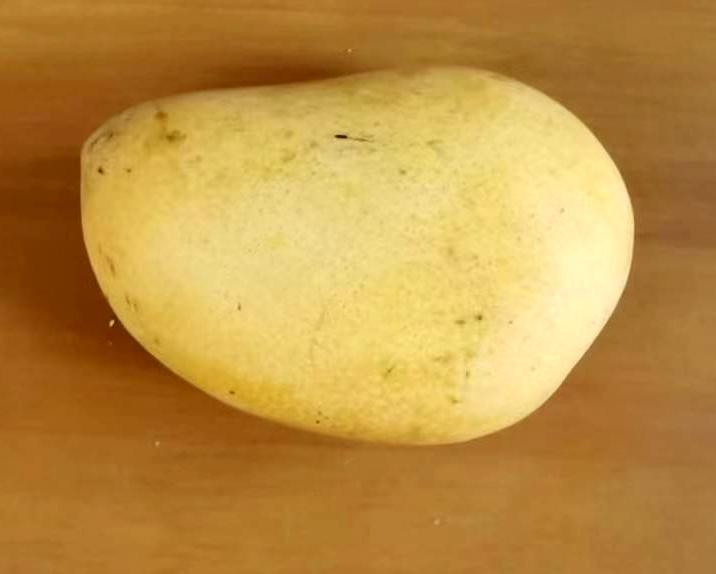
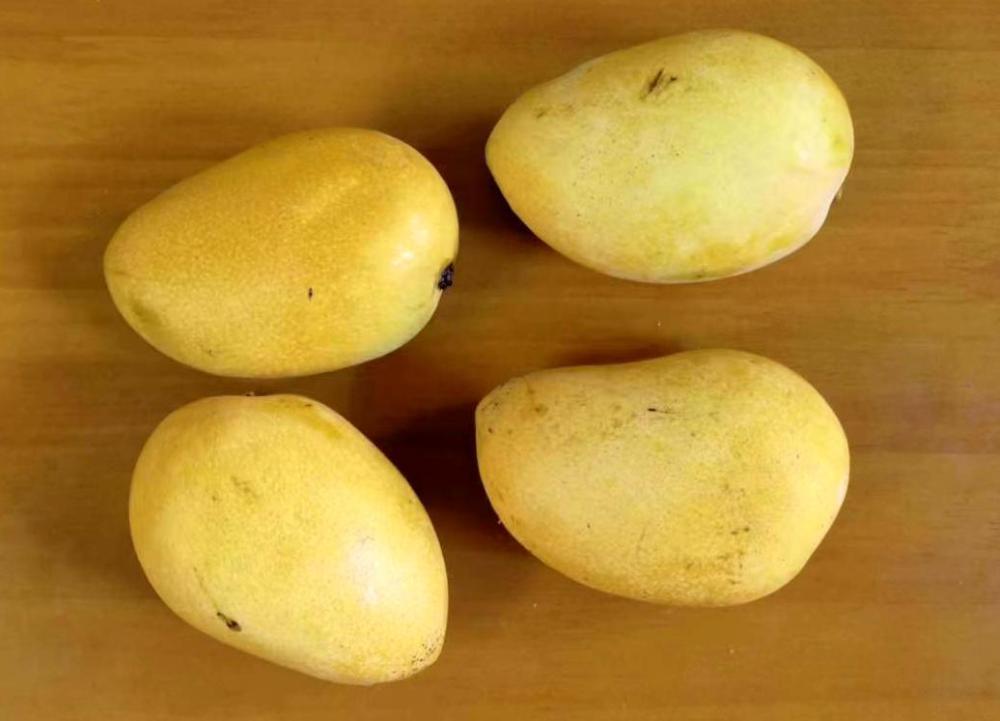
My mango today was just a bit smaller. 143 grams / 5 oz. It was the largest of the four I bought, the smallest being 110 grams / 3.9 oz They sure smell good but need a day on the counter, I estimate. -
-
I haven't really thought about it. I'm not a big fan of pineapple in savoury situations apart from fried rice, so I guess some will go there. Some will be eaten as is. Always open to suggestions, though.
-
My soy sauce bottles (various types) all give a two-year recommendation, although I'm sure they'd be fine longer. No one refrigerates them here in China.
-
A pictorial guide to Chinese cooking ingredients
liuzhou replied to a topic in China: Cooking & Baking
Yes.. Saf is almost everywhere. -
A pictorial guide to Chinese cooking ingredients
liuzhou replied to a topic in China: Cooking & Baking
Which one? -
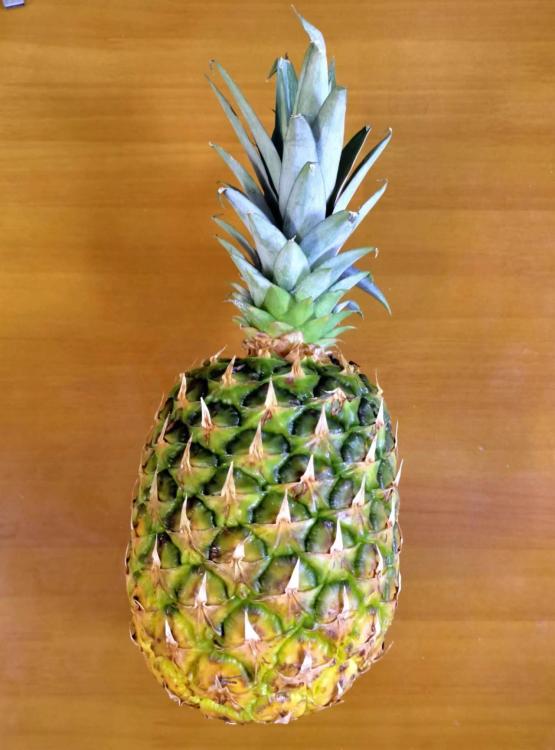
Having only recently moved, I don't really know my new neighbours but today I met one in the elevator who handed me a pineapple, saying "I have too many! Please enjoy." Well. she actually said "我有太多了。请尽情享受吧!", which comes to the same thing. I accepted and fully intend, too. How my neighbour came to have excess pineapples, I chose not to ask. It's not quite ready. but there's no hurry.
-
A pictorial guide to Chinese cooking ingredients
liuzhou replied to a topic in China: Cooking & Baking
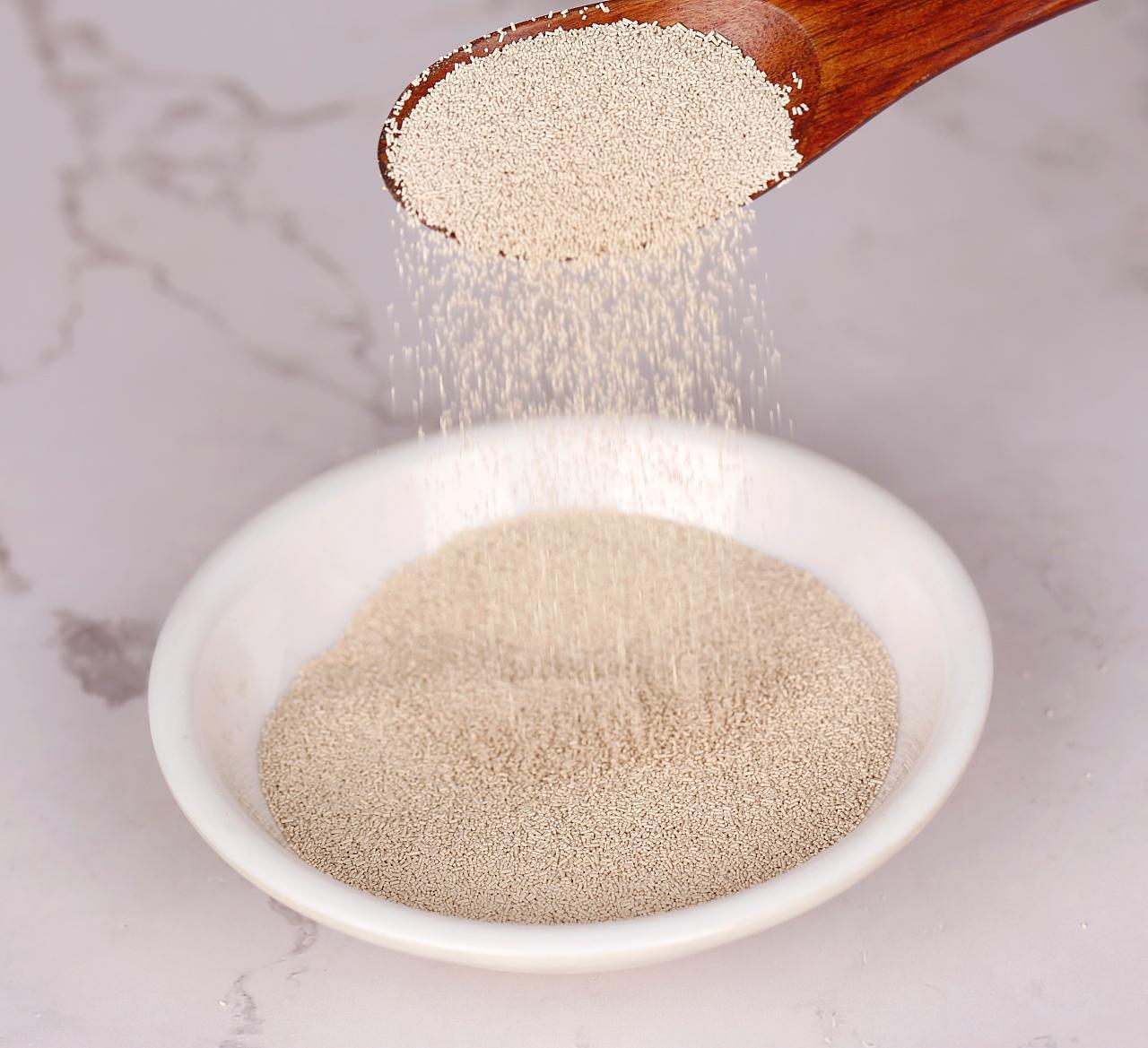
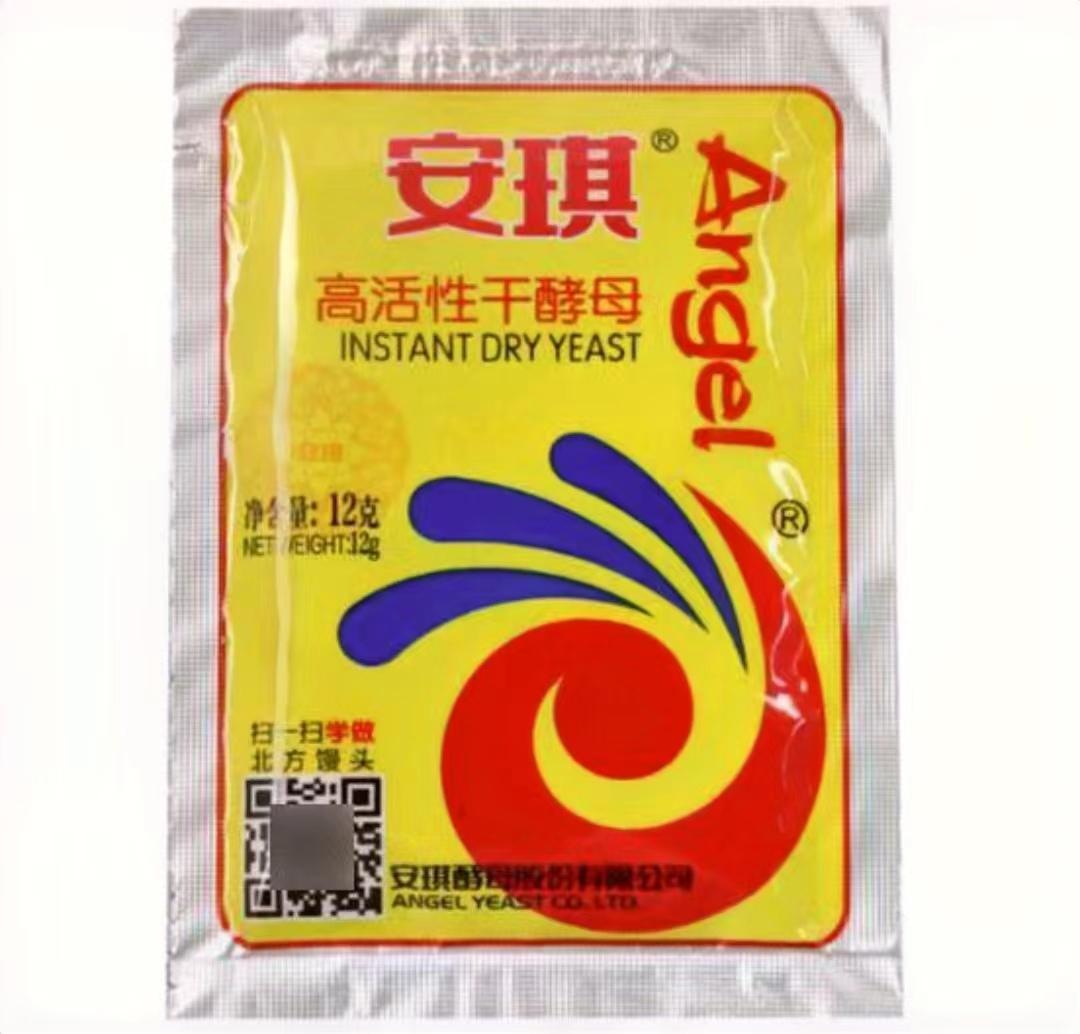
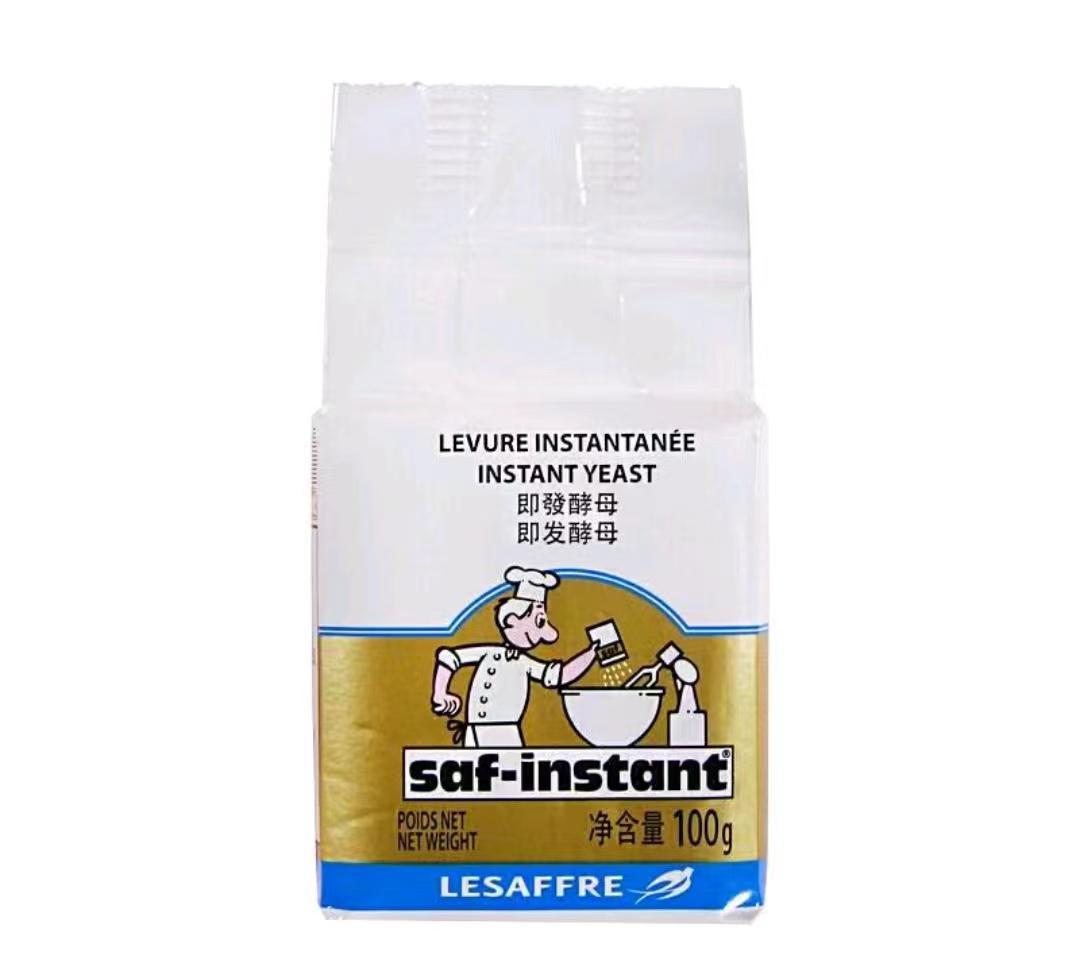
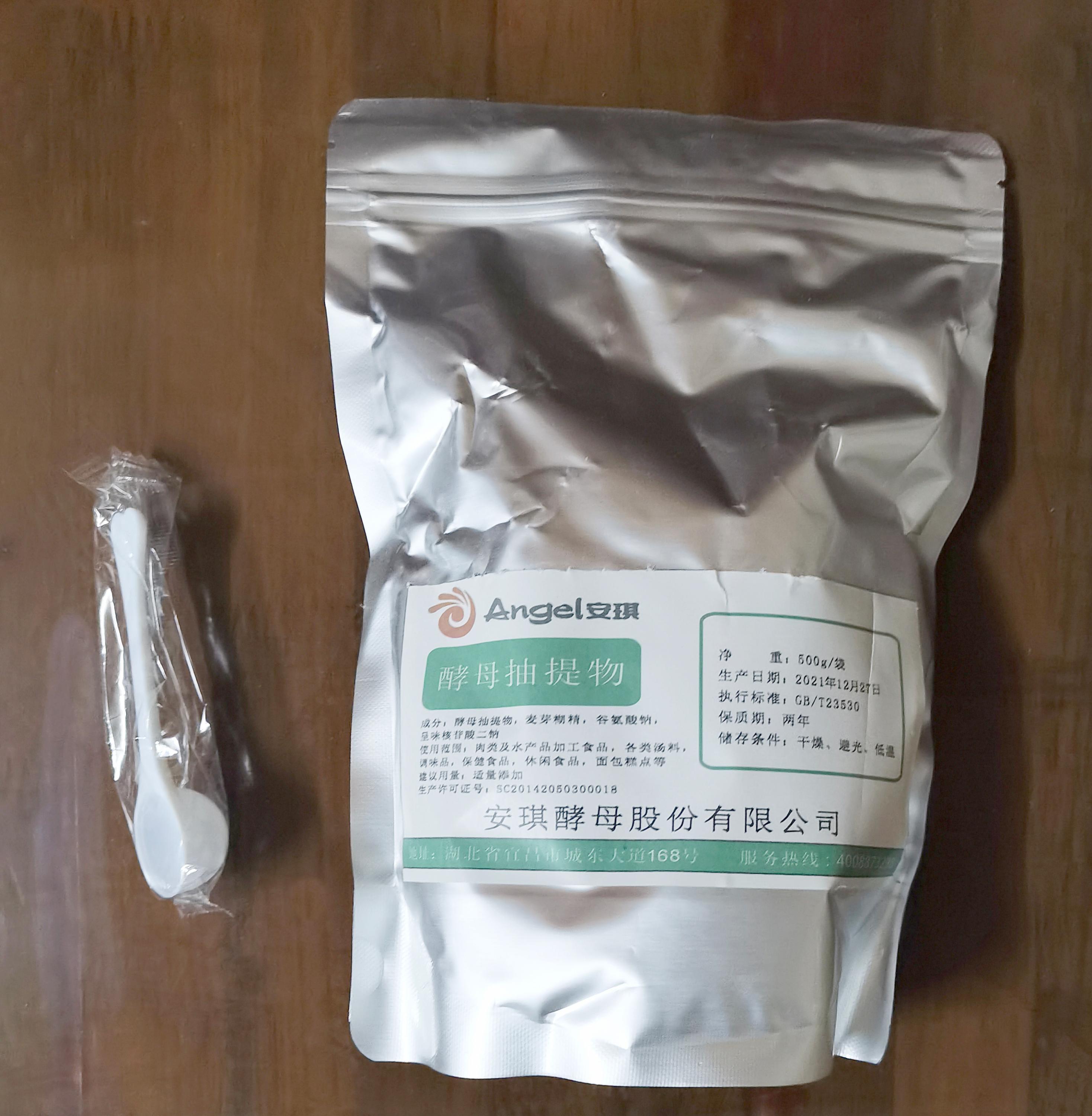
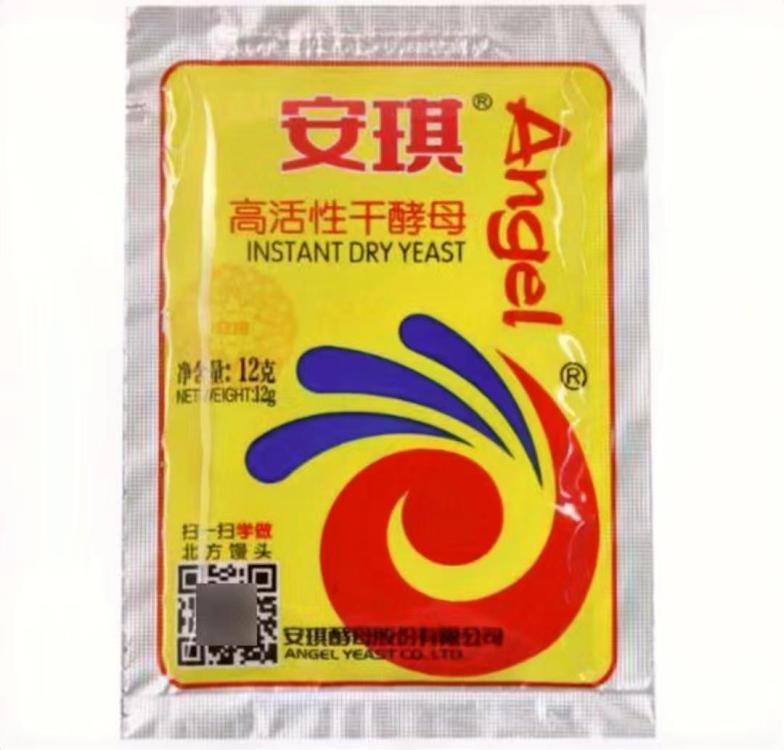
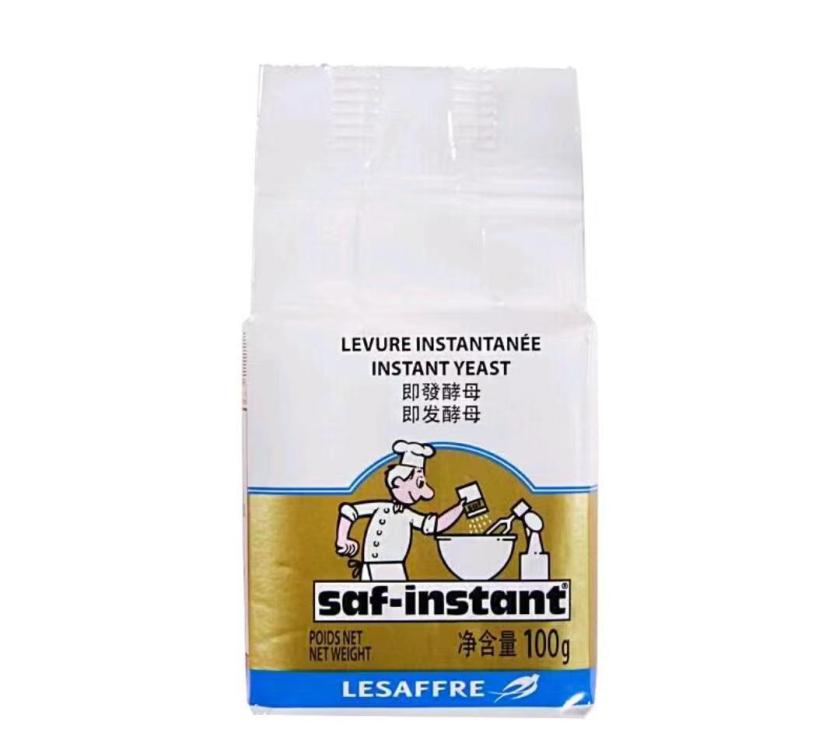
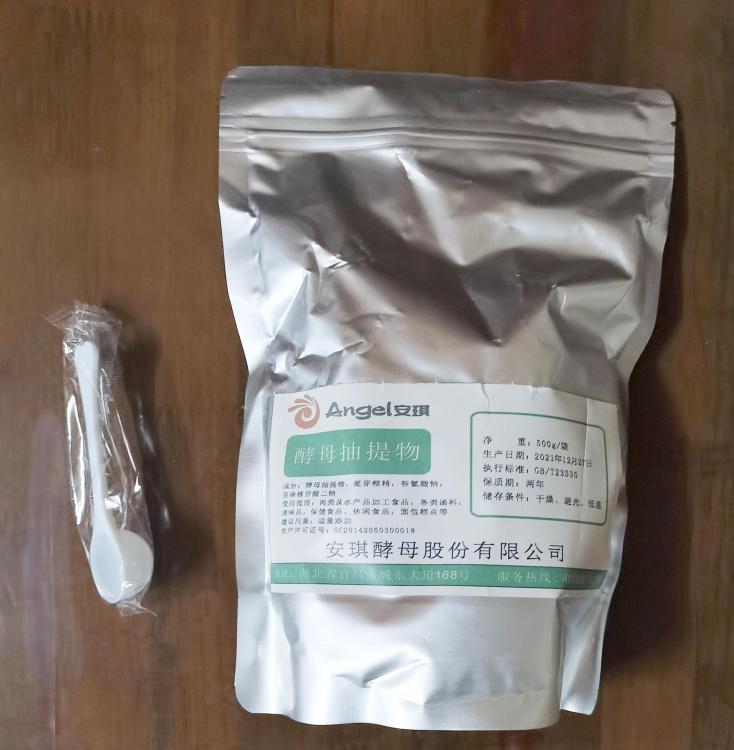
A rising ingredient is 酵母 (jiào mǔ), Saccharomyces cerevisiae or yeast. I’ve only ever seen this in China as ’instant dry yeast’, although I haven't tried to find anything else. Two companies dominate the field. The easiest to find by far is from The Angel Yeast Co., Ltd, (安琪酵母股份有限公司 - ān qí jiào mǔ gǔ fèn yǒu xiàn gōng sī), an international, Chinese owned company, founded in 1986 and based in Yichang, Hubei Province, home to the famous Three Gorges Dam. The other is the French international, LeSaffre, founded in 1853 and headquartered in Marcq-en-Baroeul, France. Their product is sold under the Saf brand; in Chinese, 燕子酵母 (yàn zi jiào mǔ), meaning ‘swallow (the bird) yeast’. They have a factory in Yizhou, a few miles west of Liuzhou, but their China HQ is in Shanghai. There are also a few minor players. Yeast is, of course, used in making ‘bread’, although Chinese bread is more like cakes and usually steamed. Think bao buns. It is usually sold in 12 gram sachets for around 50 cents USD, although if I hunt around I can find large packs. The Angel company also sell nutritional yeast supplement powder. I have a bag I’ve been looking at for over a year and never opened. It was a gift. The only supplement I use is another glass of wine!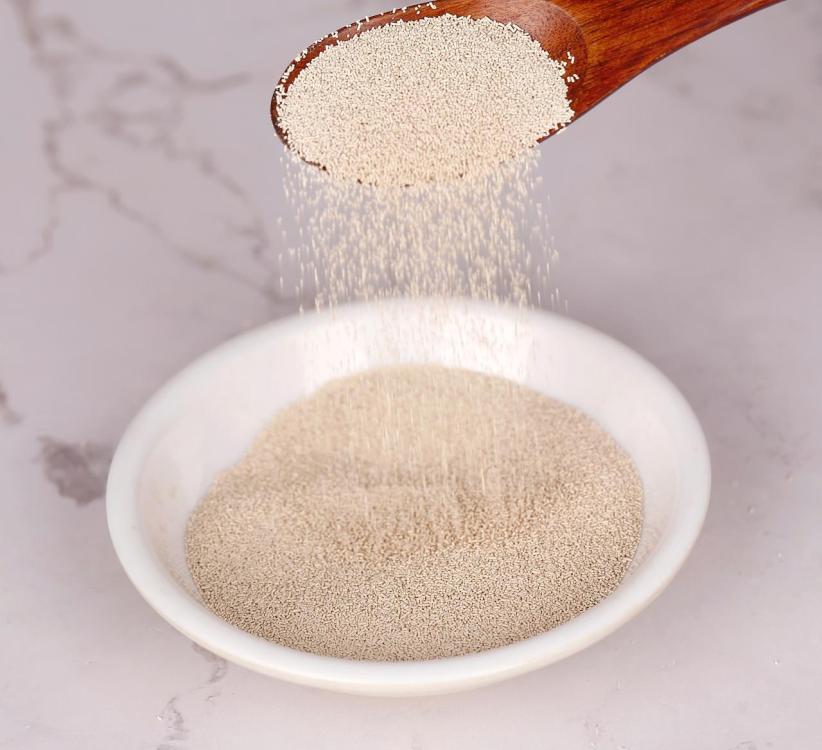
-
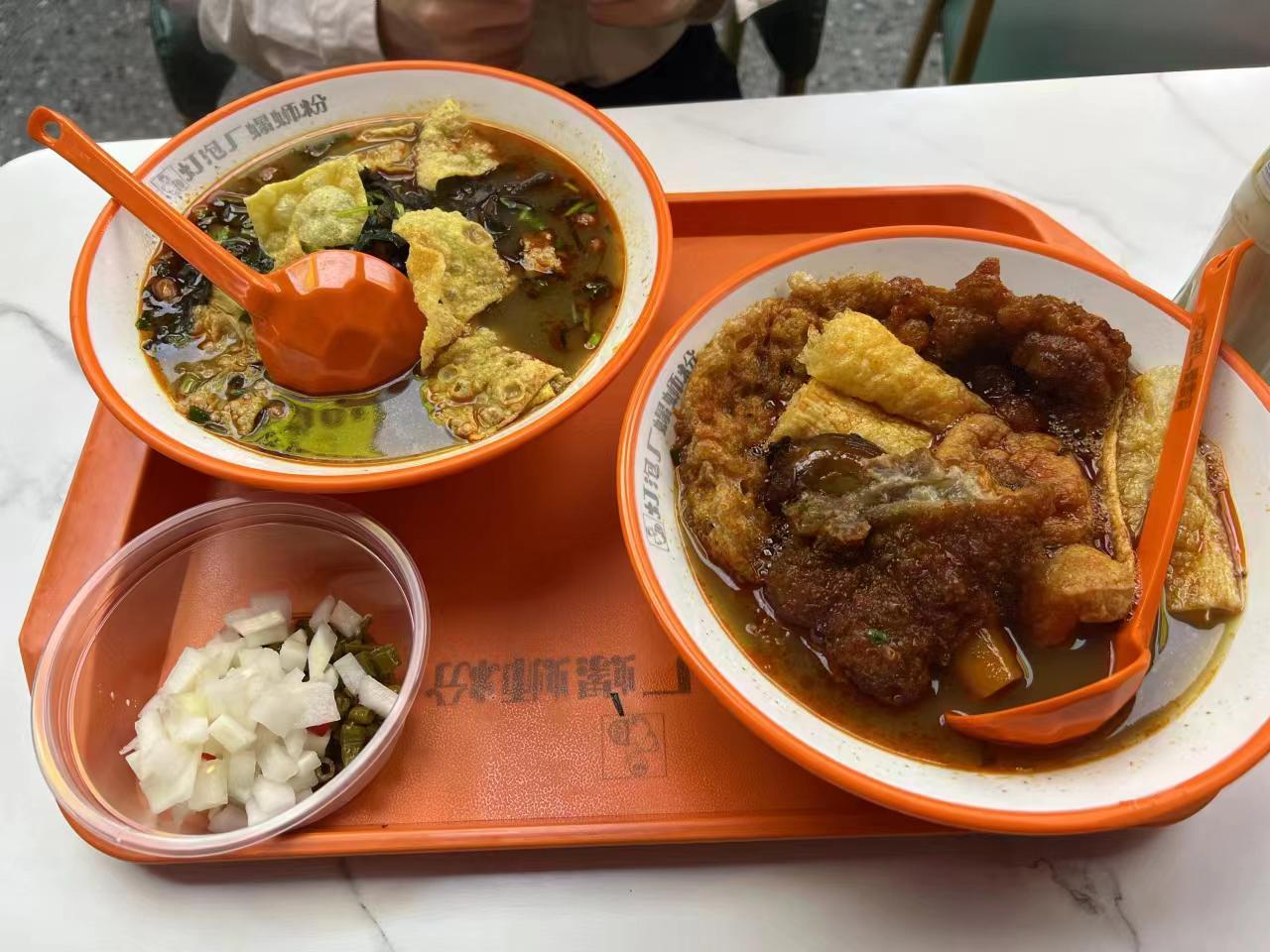
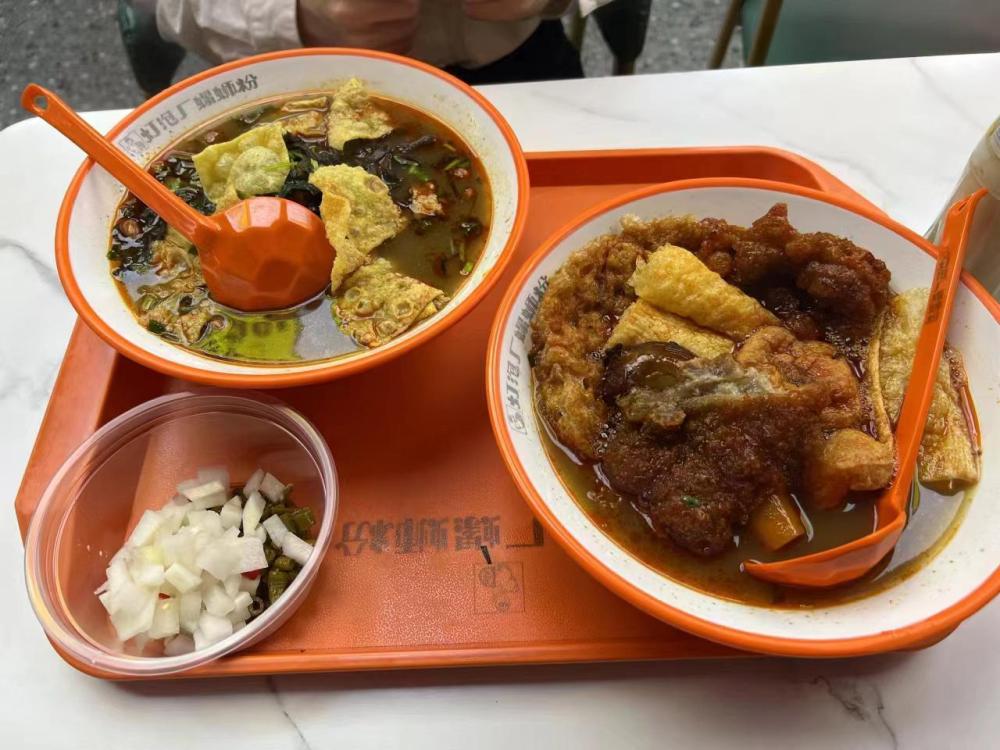
螺蛳粉, (luó sī fěn), Luosifen (top left); Braised Pig foot (right); daikon radish (bottom left).
-
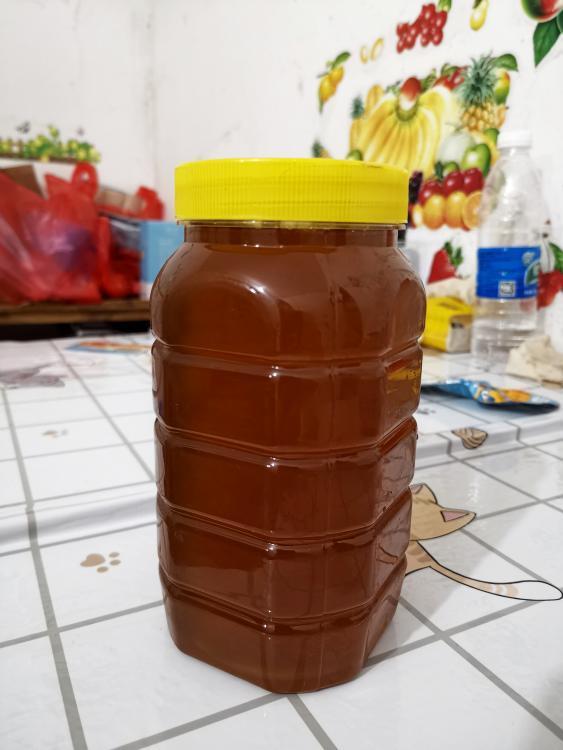
For the last three years, I've received regular supplies of free lychee honey from my friend whose family are lychee farmers and beekeepers. It is lovely stuff.
-
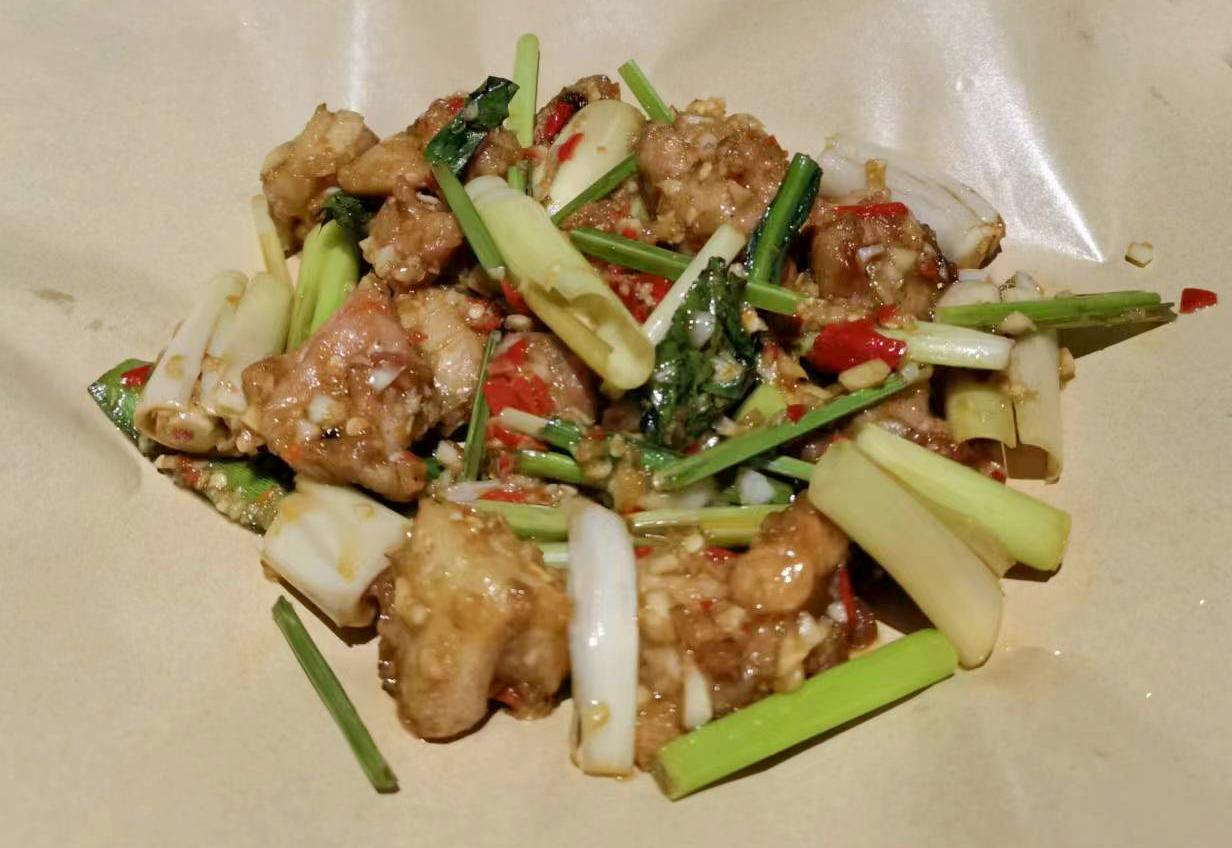
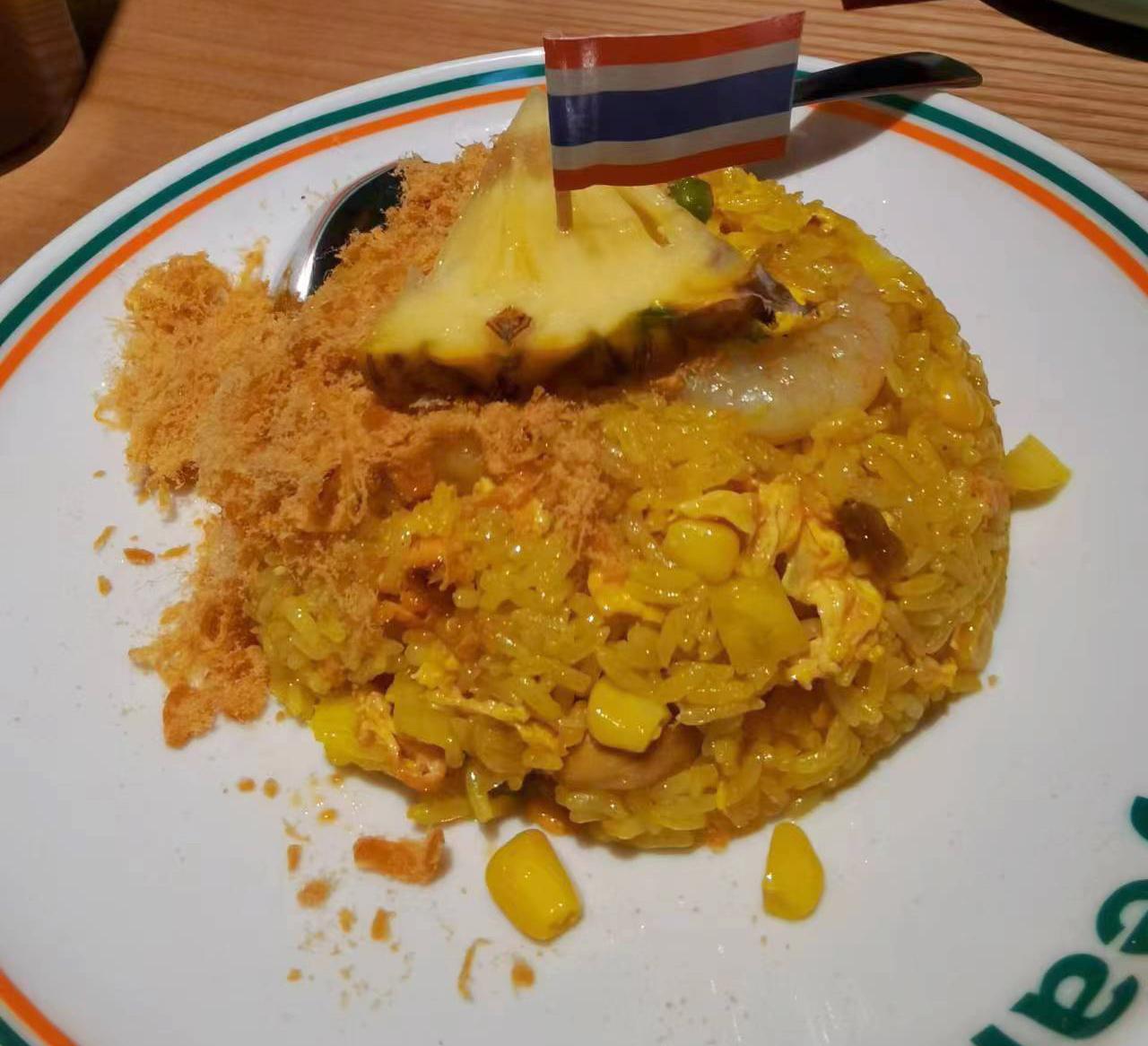
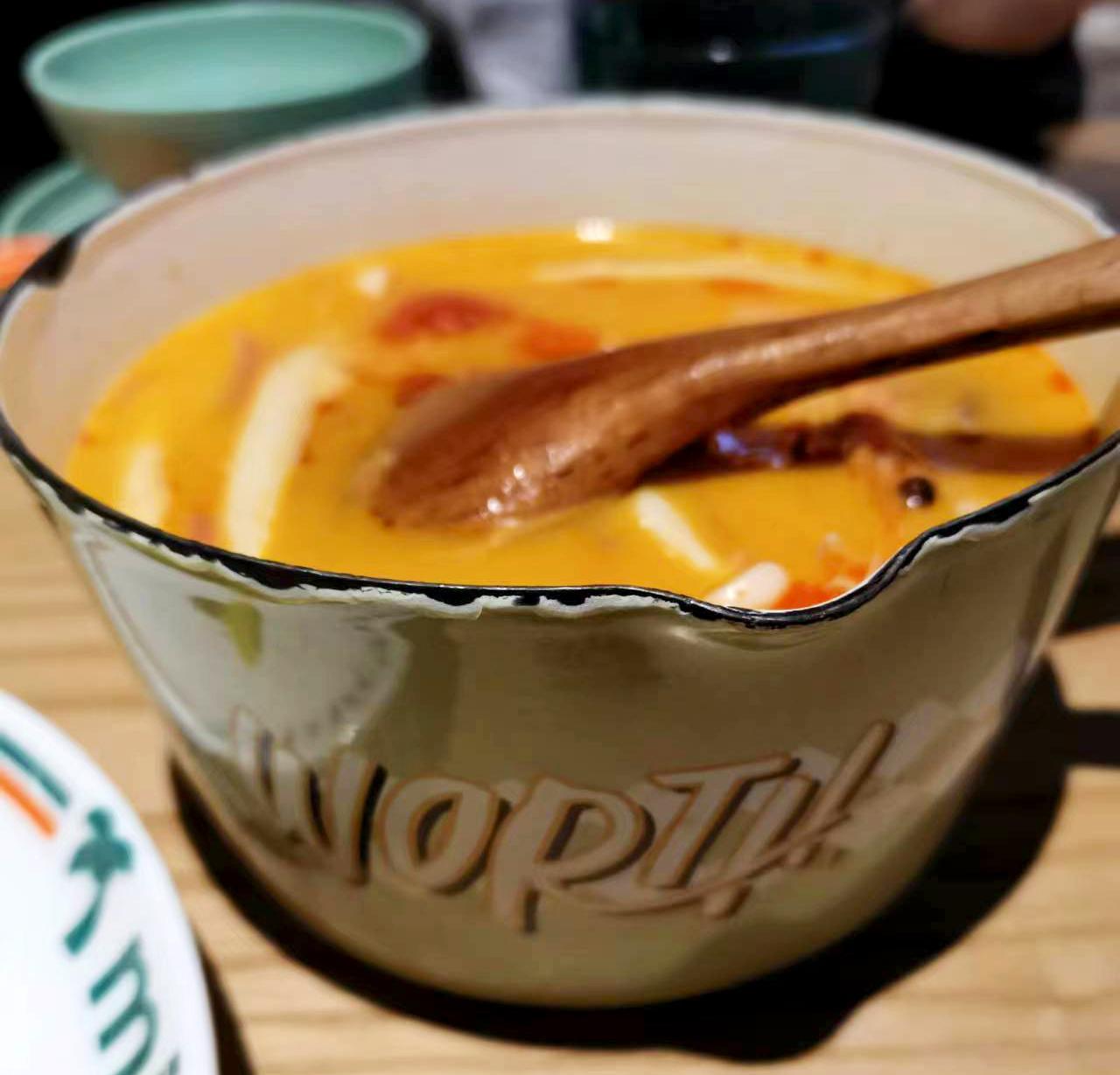
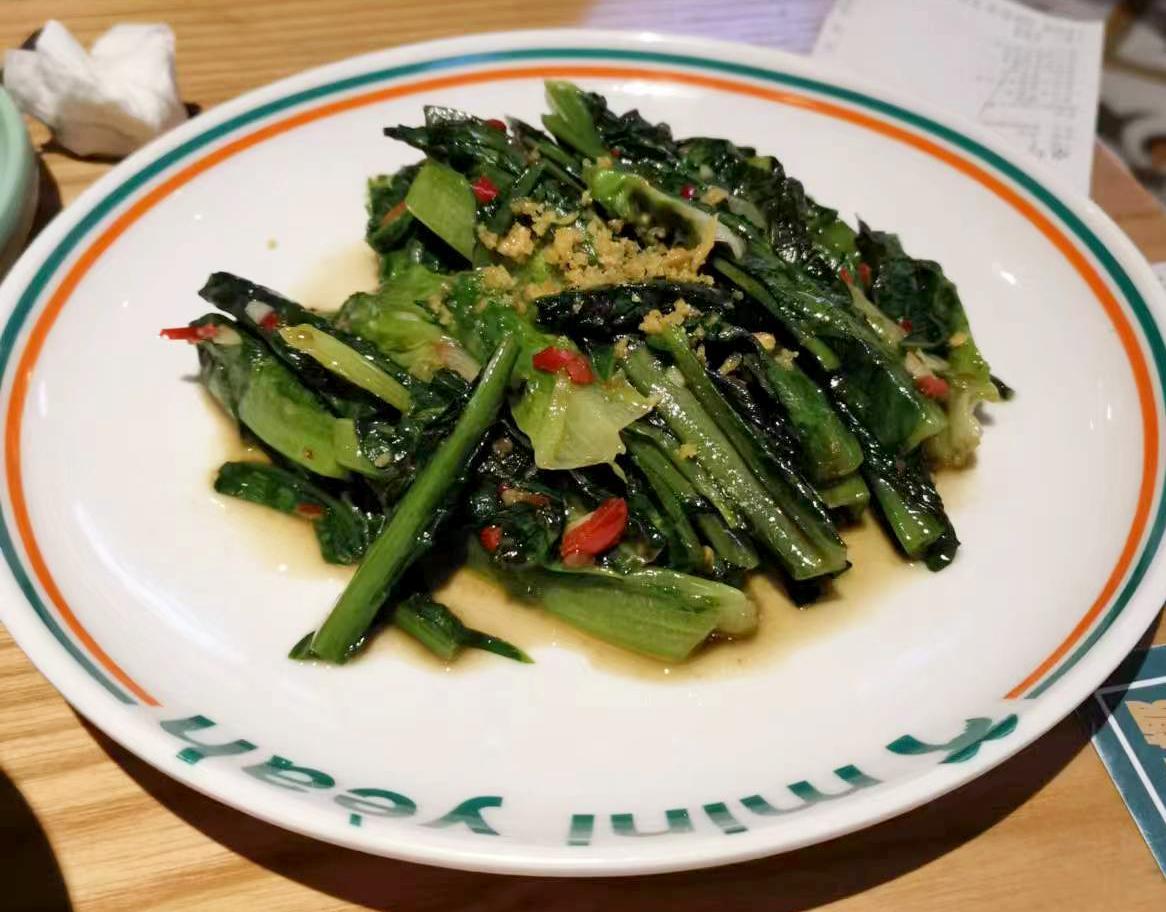
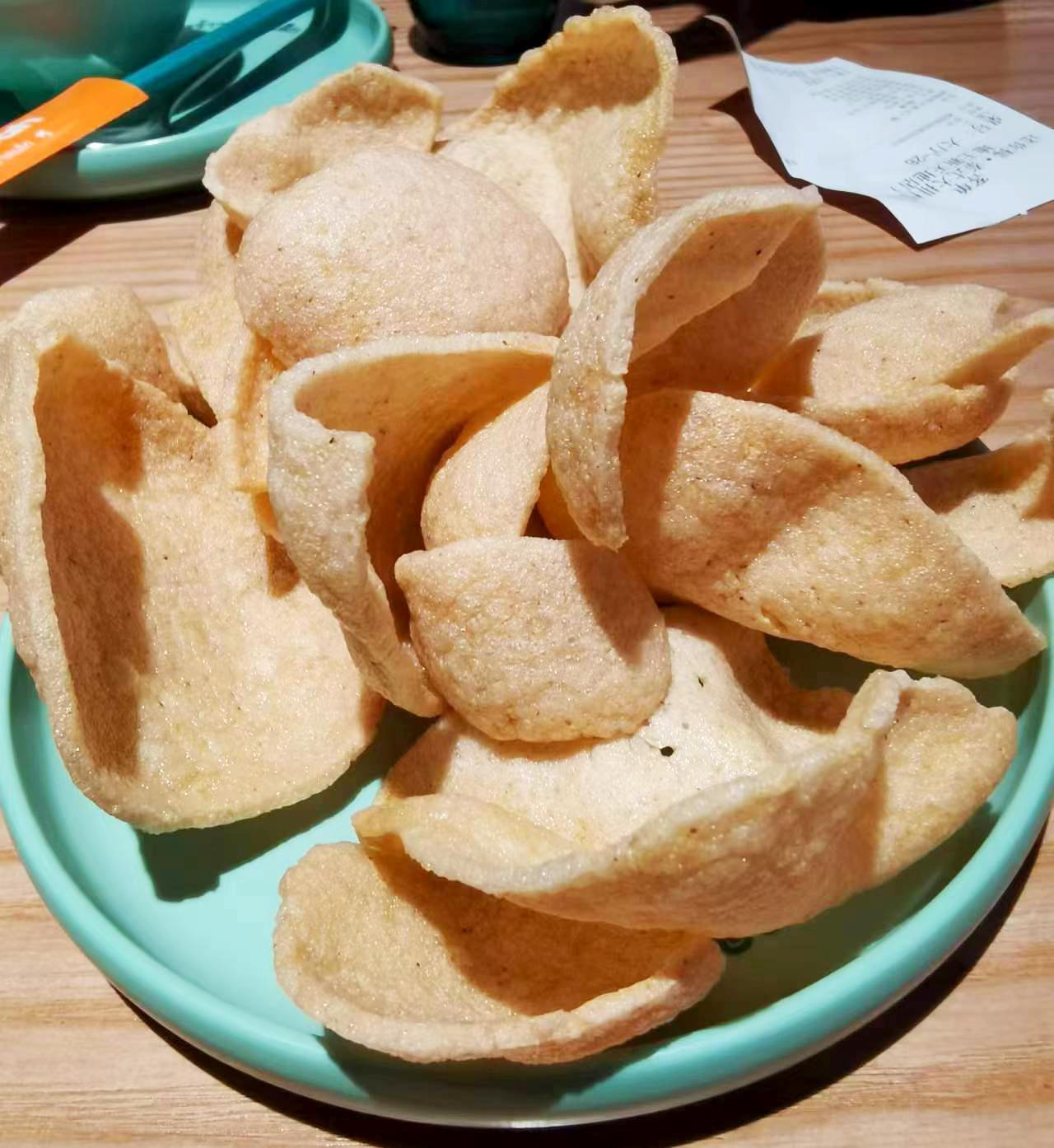
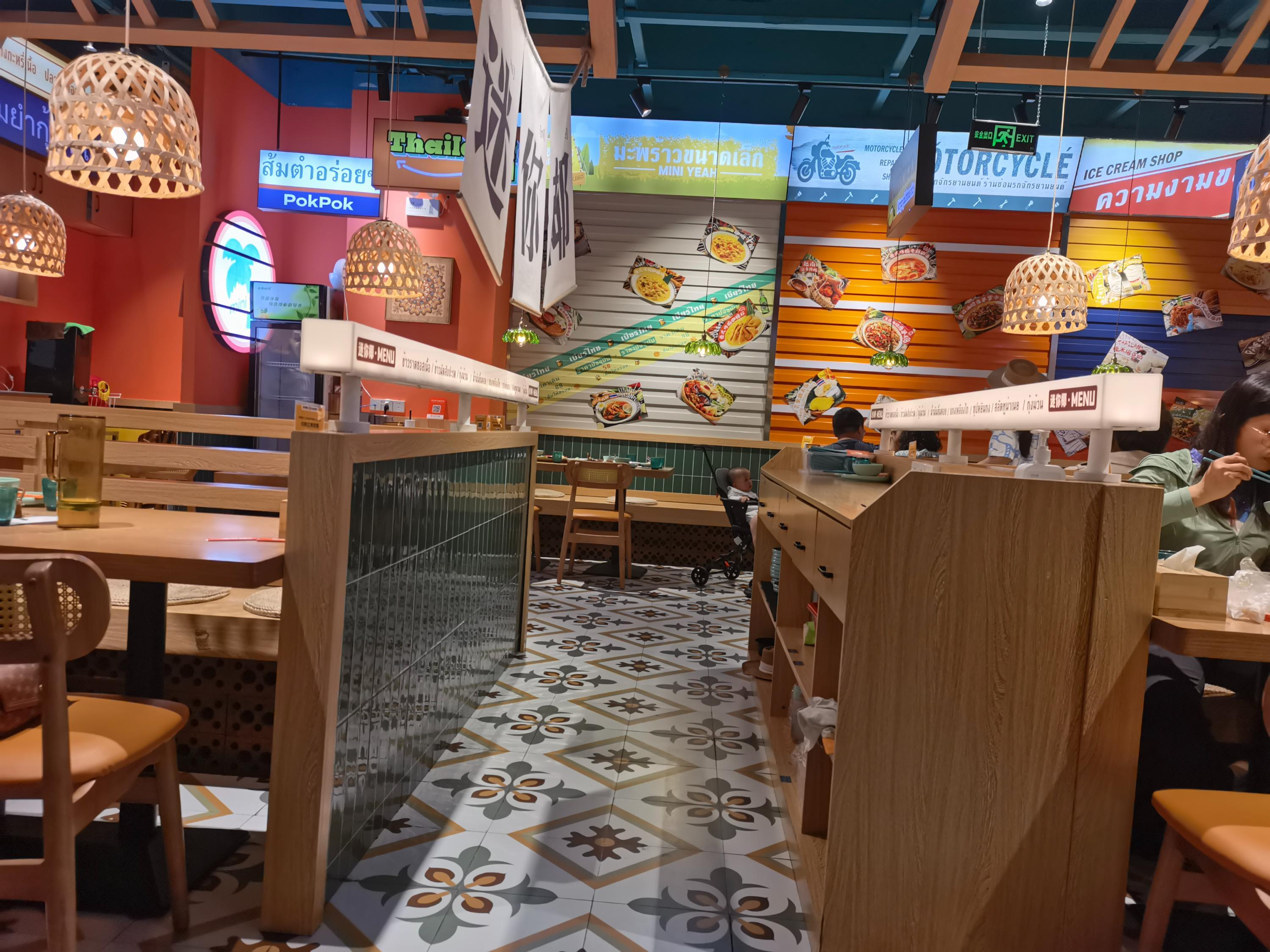
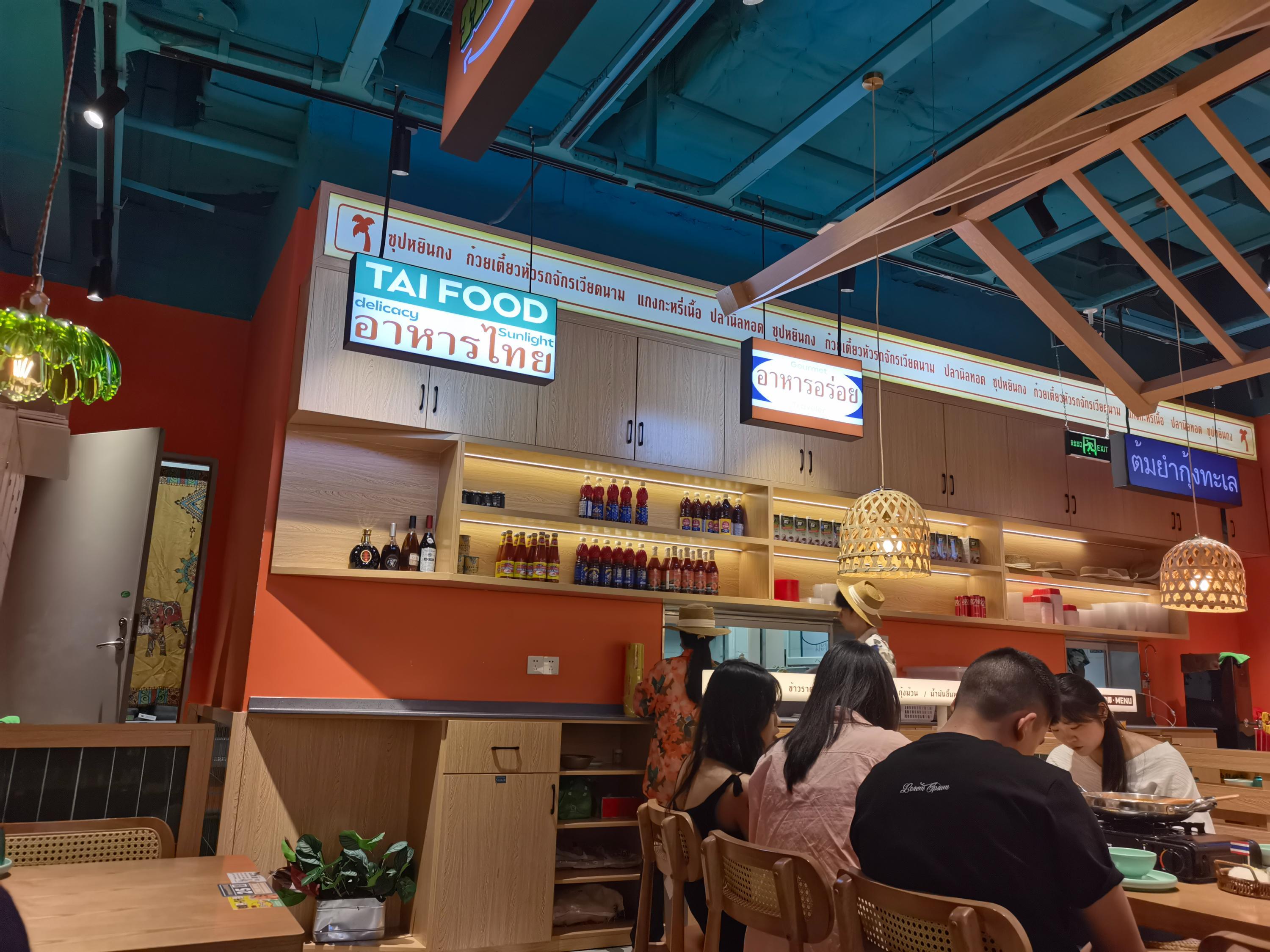
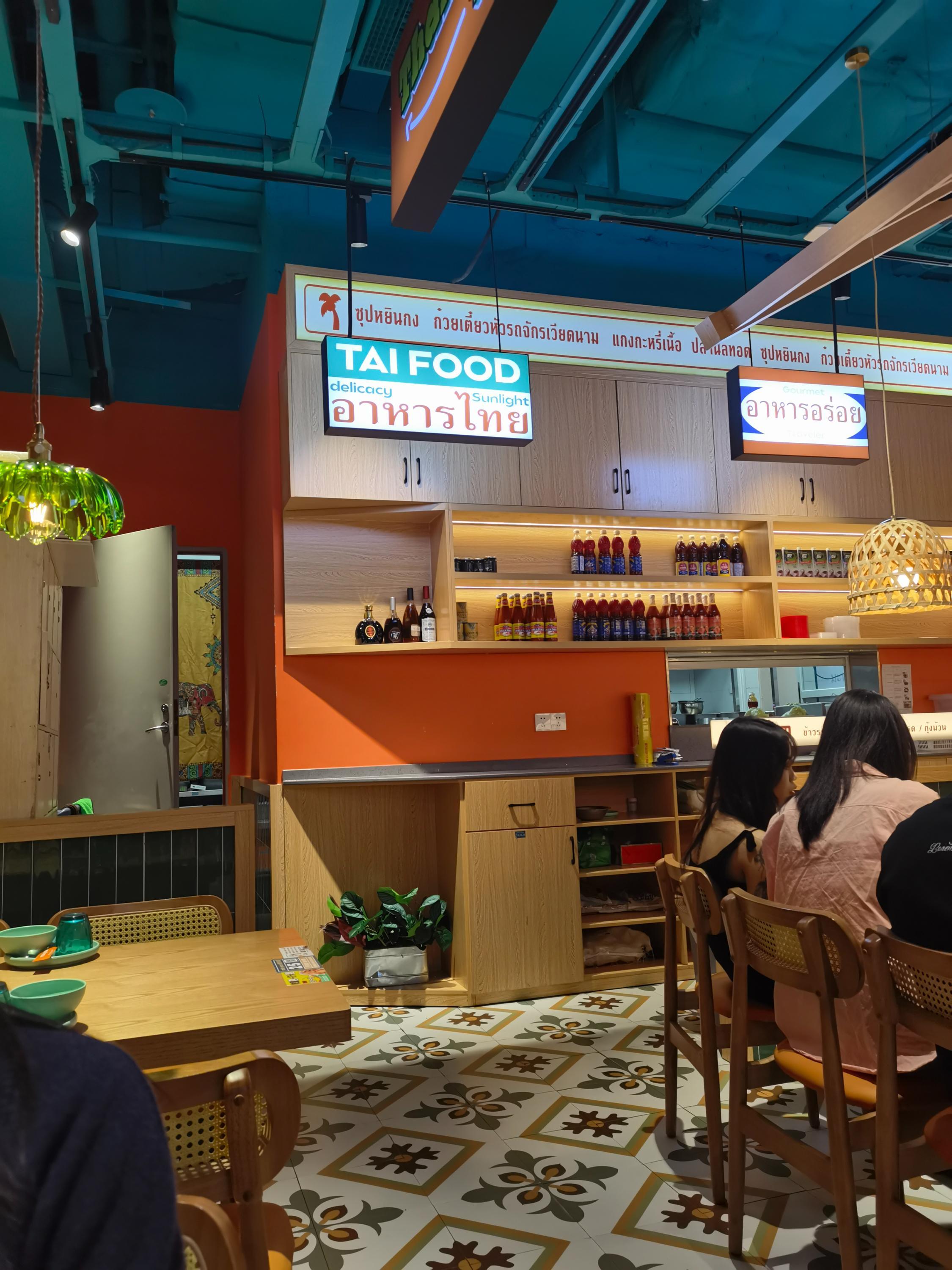
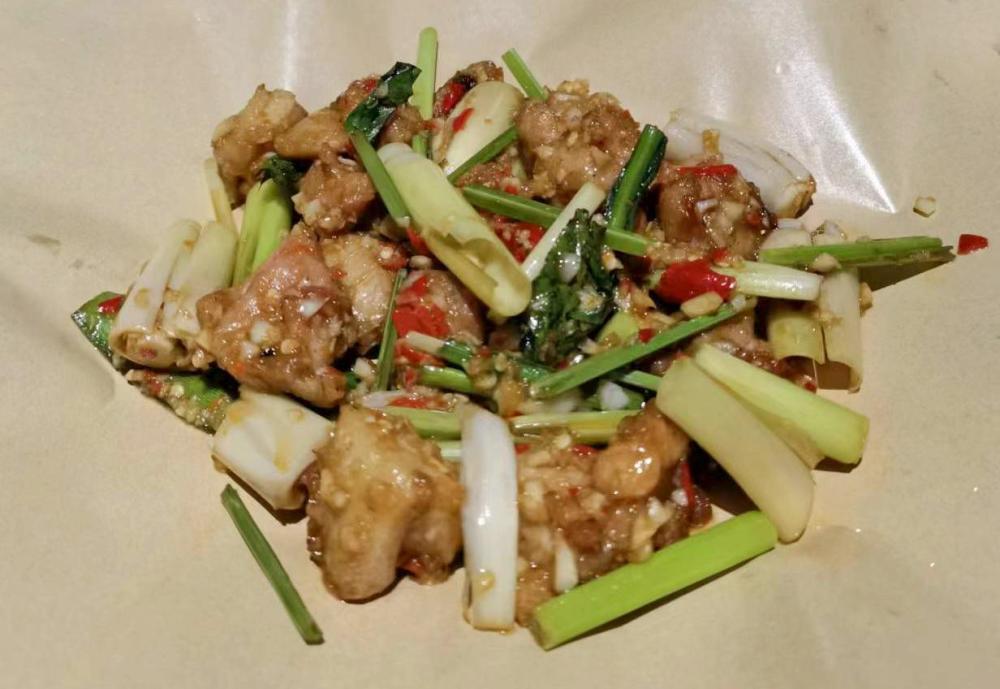
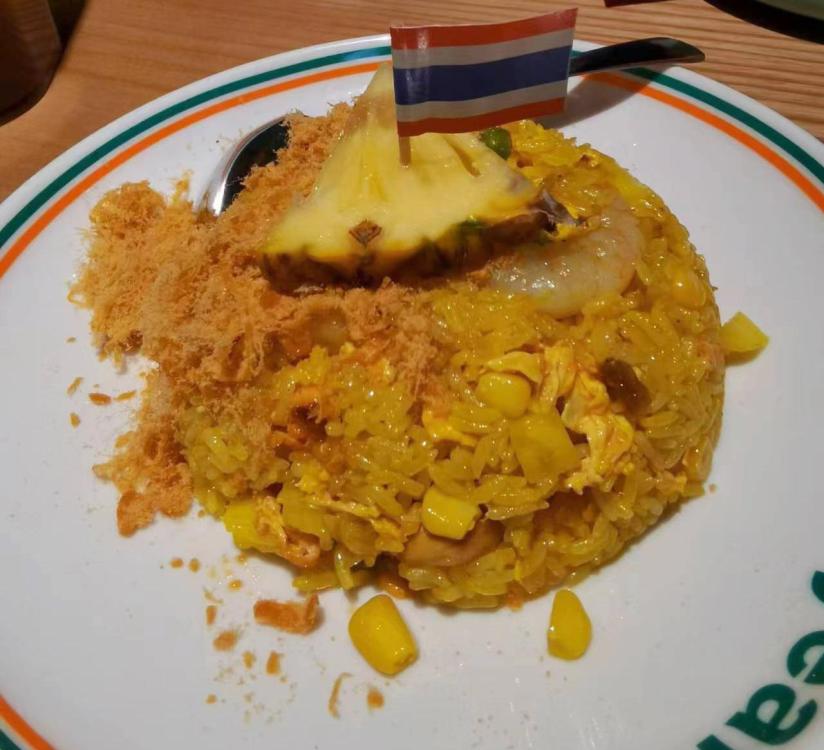
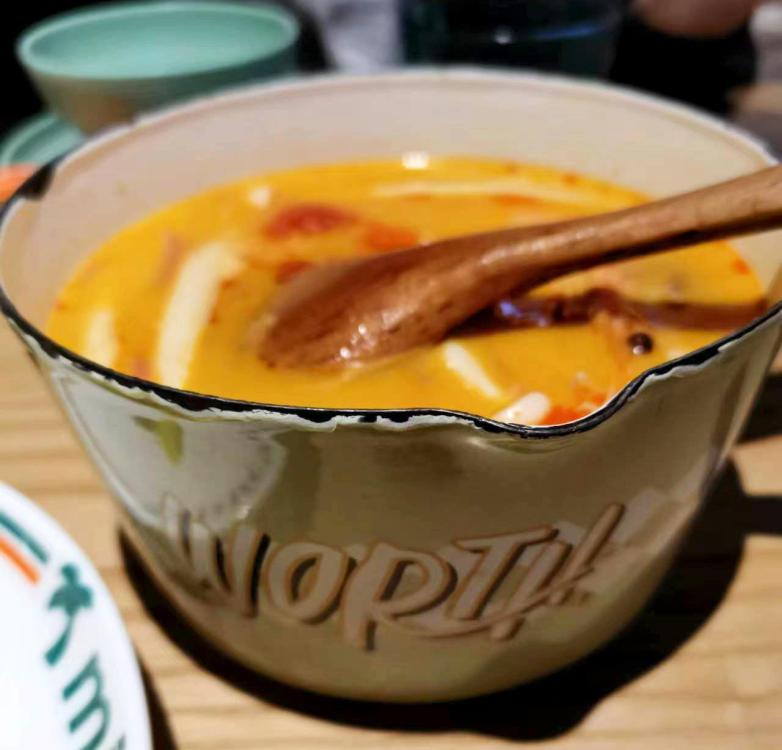
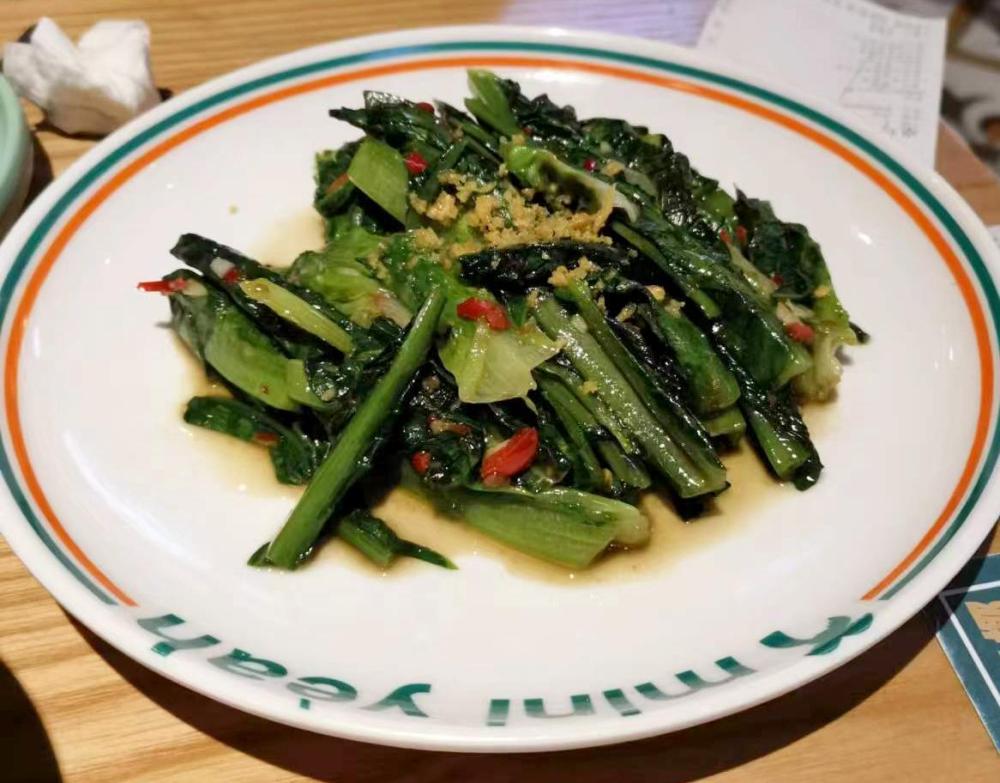
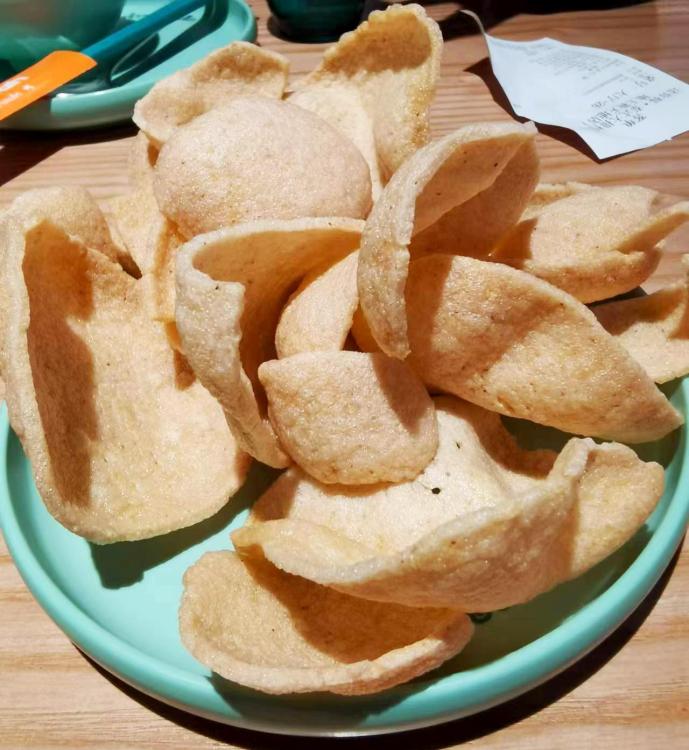
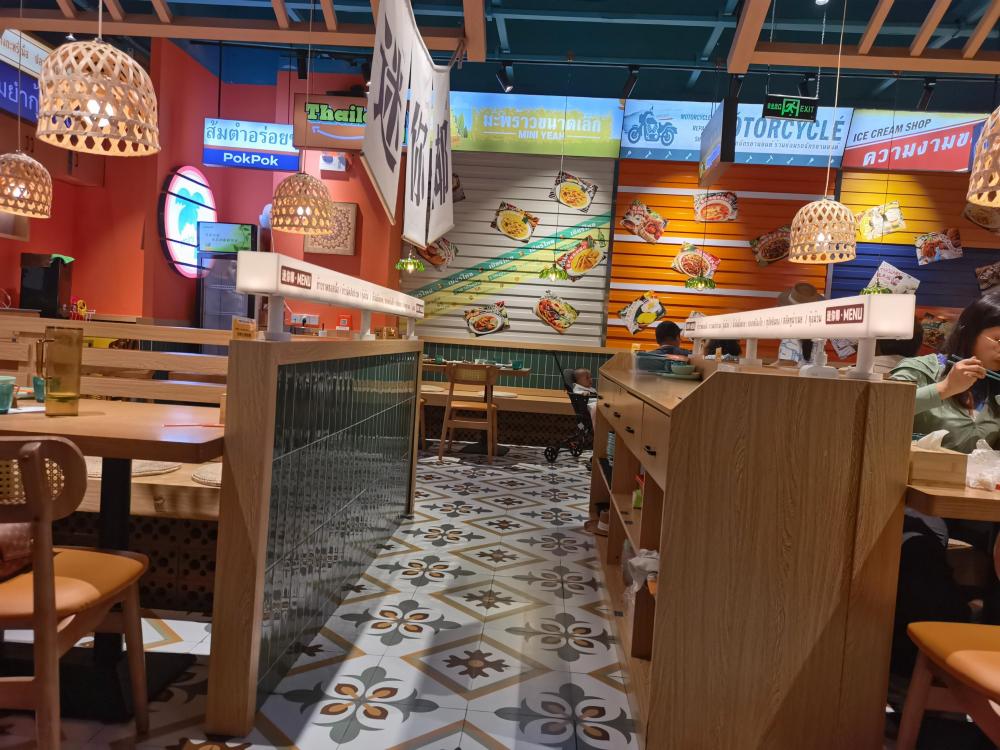
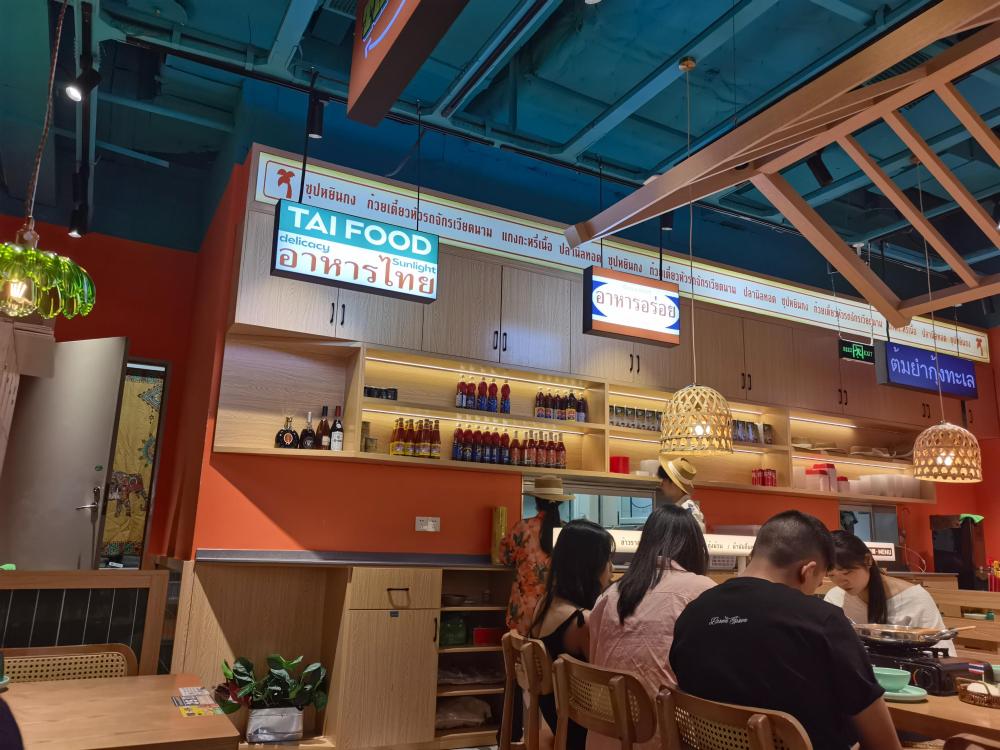
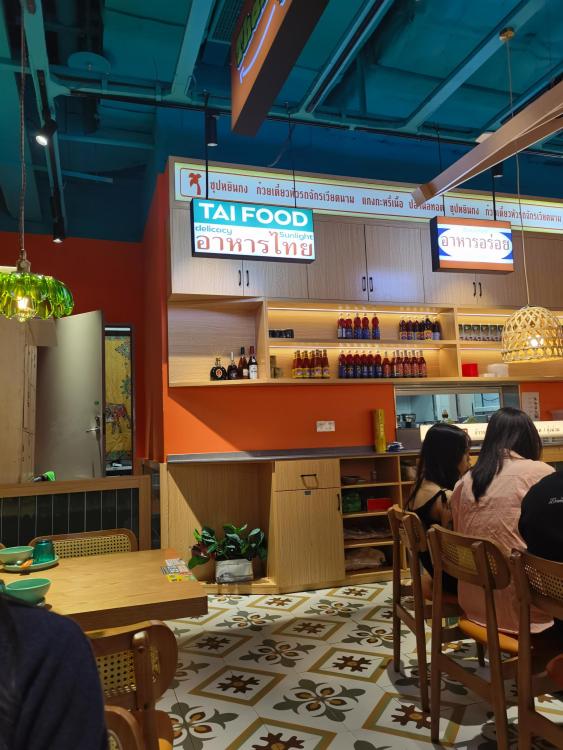
Isn't it typical? Days after writing that prawn crackers aren't served in Chinese restaurants in China as they are in every 'Chinese' restaurant in the UK, they only go and serve me prawn crackers. In my defence, it was a Thai restaurant in China. I visited with a friend who ordered. We had the aforementioned crackers; specifically Coconut Songkhla Prawn Crackers. The name has no mention of chilli, but they were spicy. Nicely so. Other dishes were "Thai Emperor Pineapple Fried Rice" which came with came with yellow pestilence and pork floss. Thai Style Shrimp Sauce "Lettuce*, "Changmai Fried Chicken with Lemongrass"', and "Traditional Tom Yum Goong Thai Soup". (My translation of the names in Chinese - No Thai names were shown.) * The lettuce was celtuce tops aka AA choy or 油麦菜 (yóu mài cài). It was all OK for a quick dinner - neither of us were particularly hungry. The chicken was by far the best dish - I'd go back for that alone. The restaurant:
-
A pictorial guide to Chinese cooking ingredients
liuzhou replied to a topic in China: Cooking & Baking
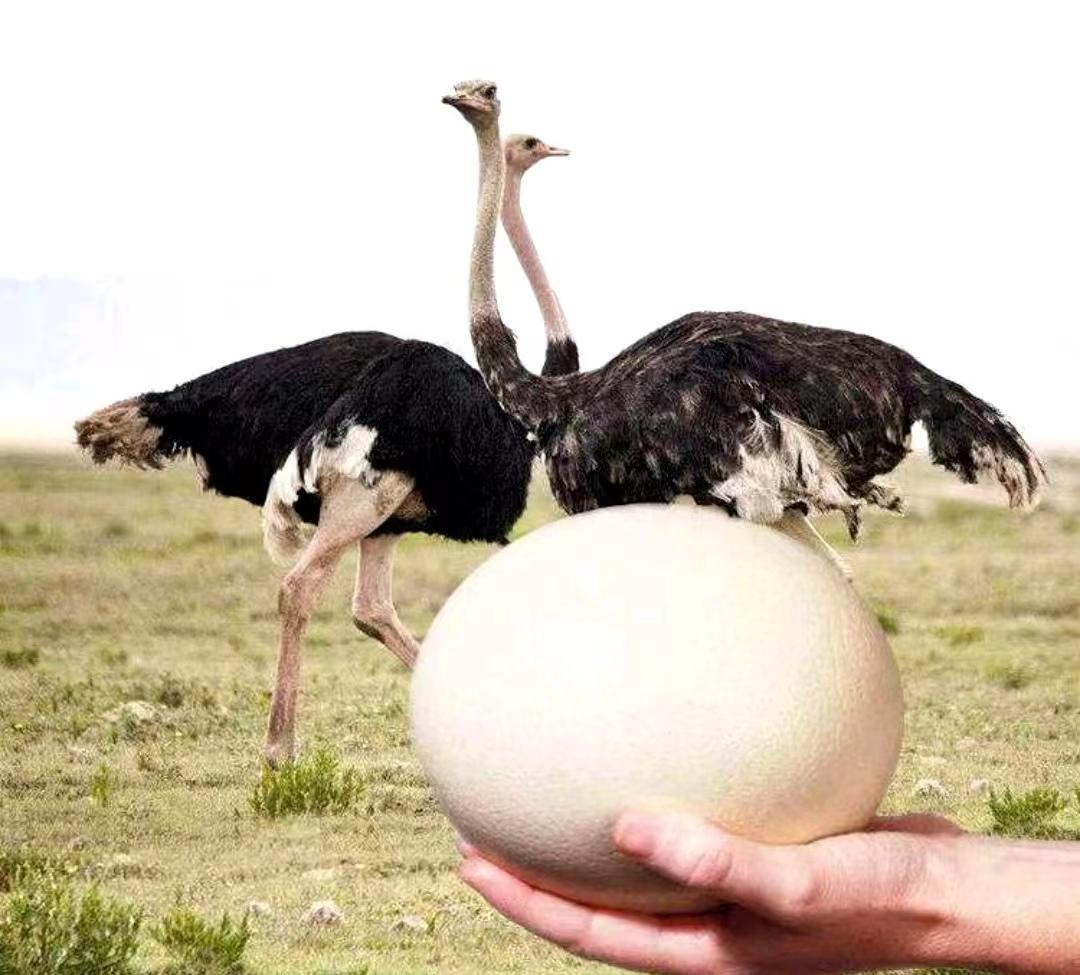
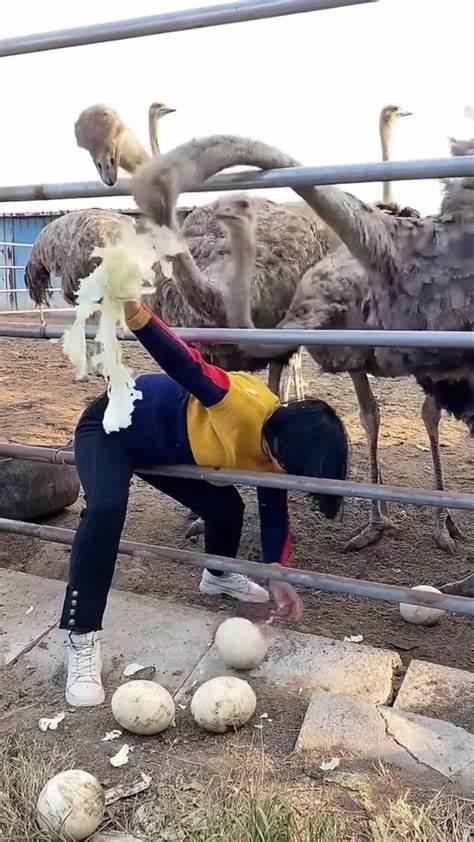
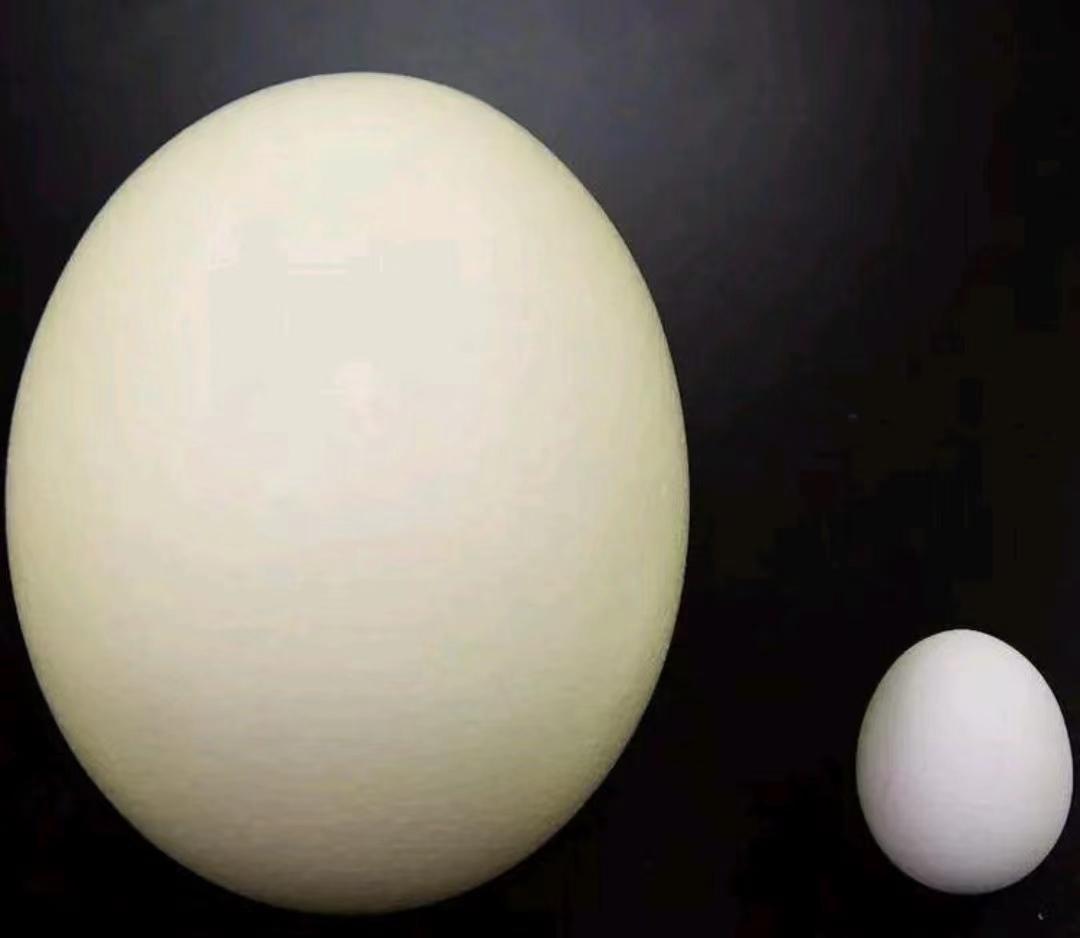
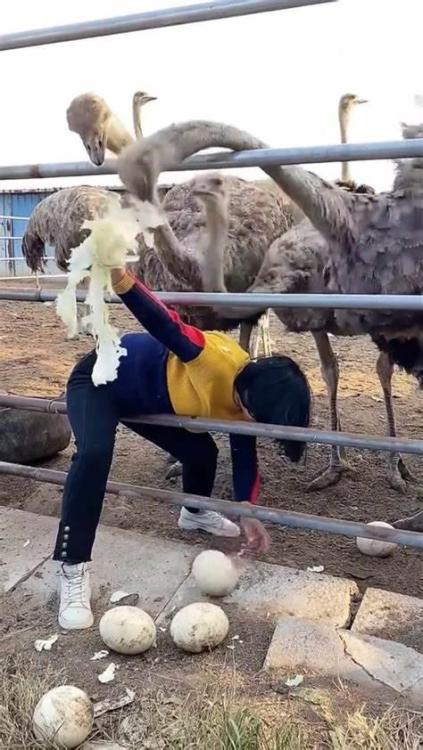
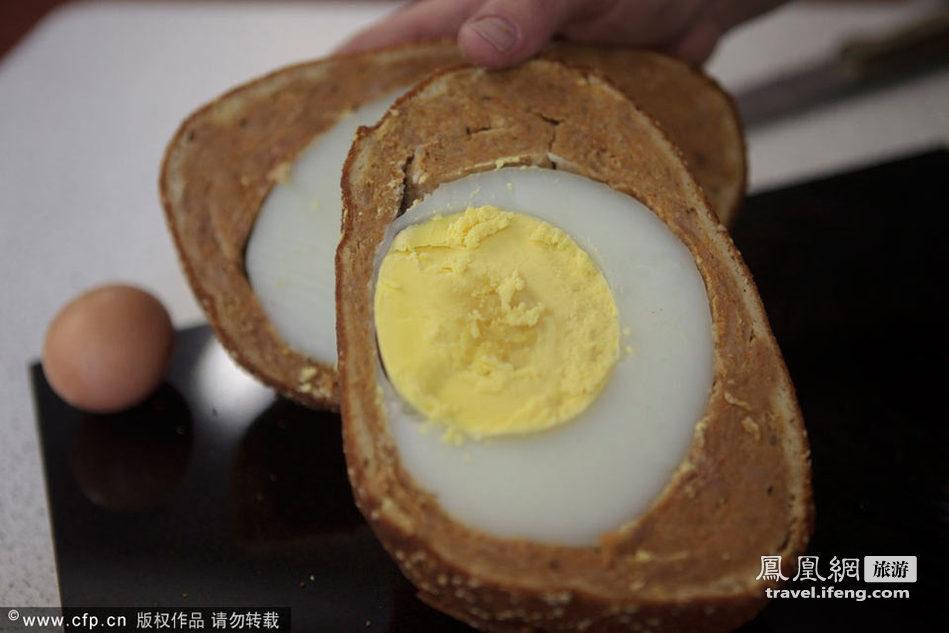
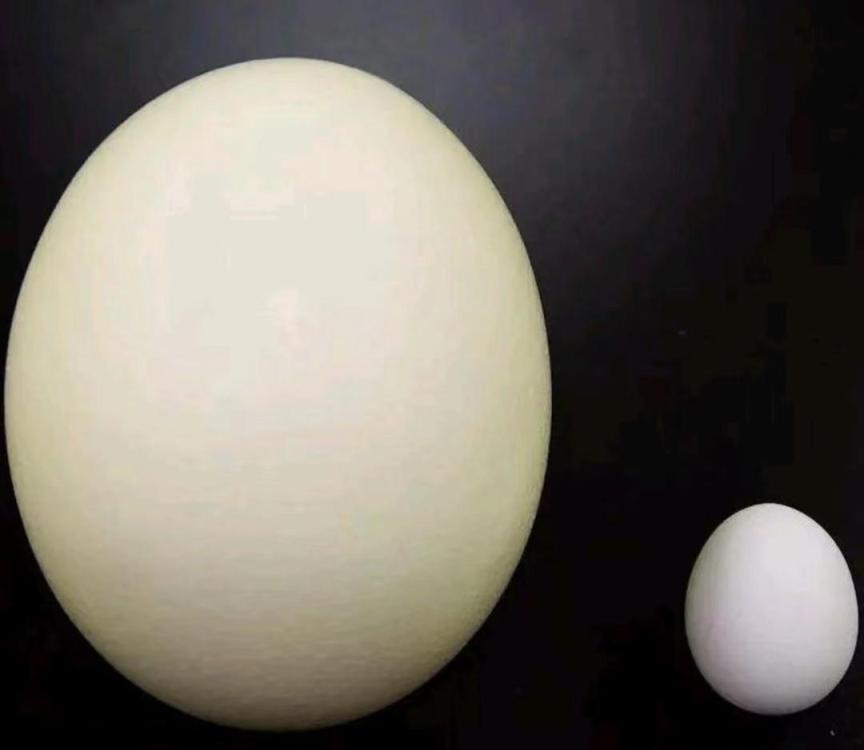
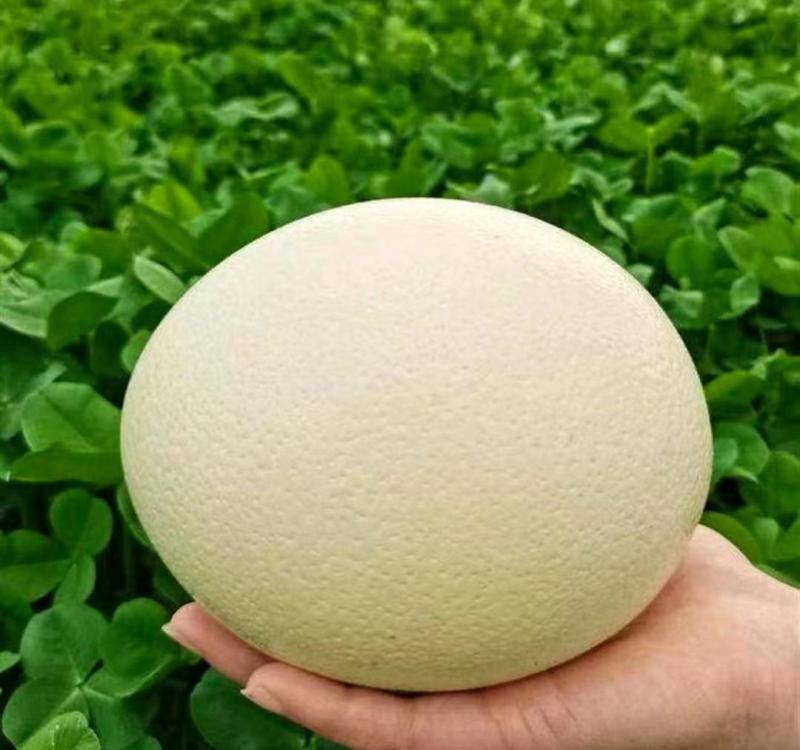
...and finally we reach S: 鸵鸟; T: 鴕鳥 (tuó niǎo), Struthio camelus, the largest bird on earth, the ostrich. The bird is a multiple record holder. It can run at 55 kmh / 34 mph) for sustained periods but reach 70 kmh / 40 mph in short sprints. This makes it the fastest land bird on earth. It also lays the largest eggs but not while running! And it lays the smallest eggs when compared to body weight. Native to Africa, they have been introduced in Australia, New Mexico and Israel where they have gone feral. They are also farmed on varying scales across the globe. There are a large number of farms in China, especially in the central-east. Distracting the birds while collecting eggs on a farm Although, in theory, ostrich eggs can be cooked the same way as any other eggs, in practice, they do present their problems, nearly all related to their size. An ostrich egg is usually said to be the equivalent of 24 chicken eggs and weigh around 1.4 kg / 3 lbs. They each contain about 2,000 calories. Ostrich and Chicken eggs The shell is thick and hard (they can bear the weight of a man without breaking) necessitating some mechanical aid in accessing the contents. A drill or kitchen saw is the normal method. Then you need appropriately large pans and kitchen equipment not found in the average kitchen. Boiling an ostrich egg to medium takes an hour; hard boiled need at least 90 minutes. I suppose you could poach one in a bathtub. Or sous vide for a week or so. Omelettes are the way to go if you can find a big enough pan for a 24 egg omelette. Someone has made a scotch ostrich egg, perhaps in a wok from a commercial kitchen. A British chip shop fryer might manage it, but if you don’t have a chip shop, it would be a problem. Ostrich eggs sell for between 100 and 200元 / $14-28 USD a piece. Those at the lower end tend to misshapen although the contents are the same. As with emu eggs, the shells are used as ‘çanvases’ for decorating, so pristine shapes are preferred. Happy Easter to those who celebrate. Easter eggs are not something I can find in China. Yet. (All images in this post from Meituan food delivery app, China)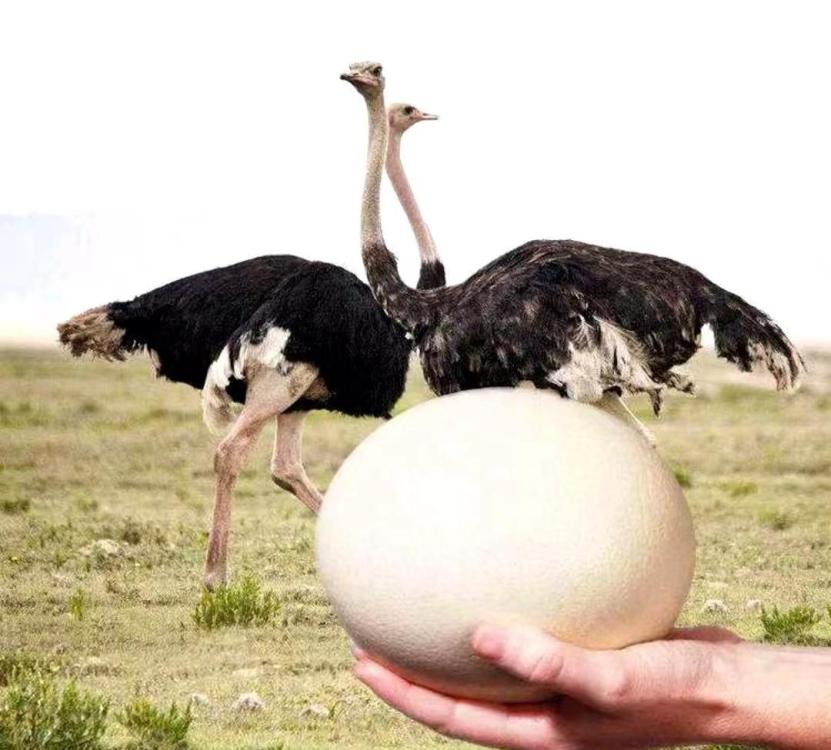
-
A pictorial guide to Chinese cooking ingredients
liuzhou replied to a topic in China: Cooking & Baking
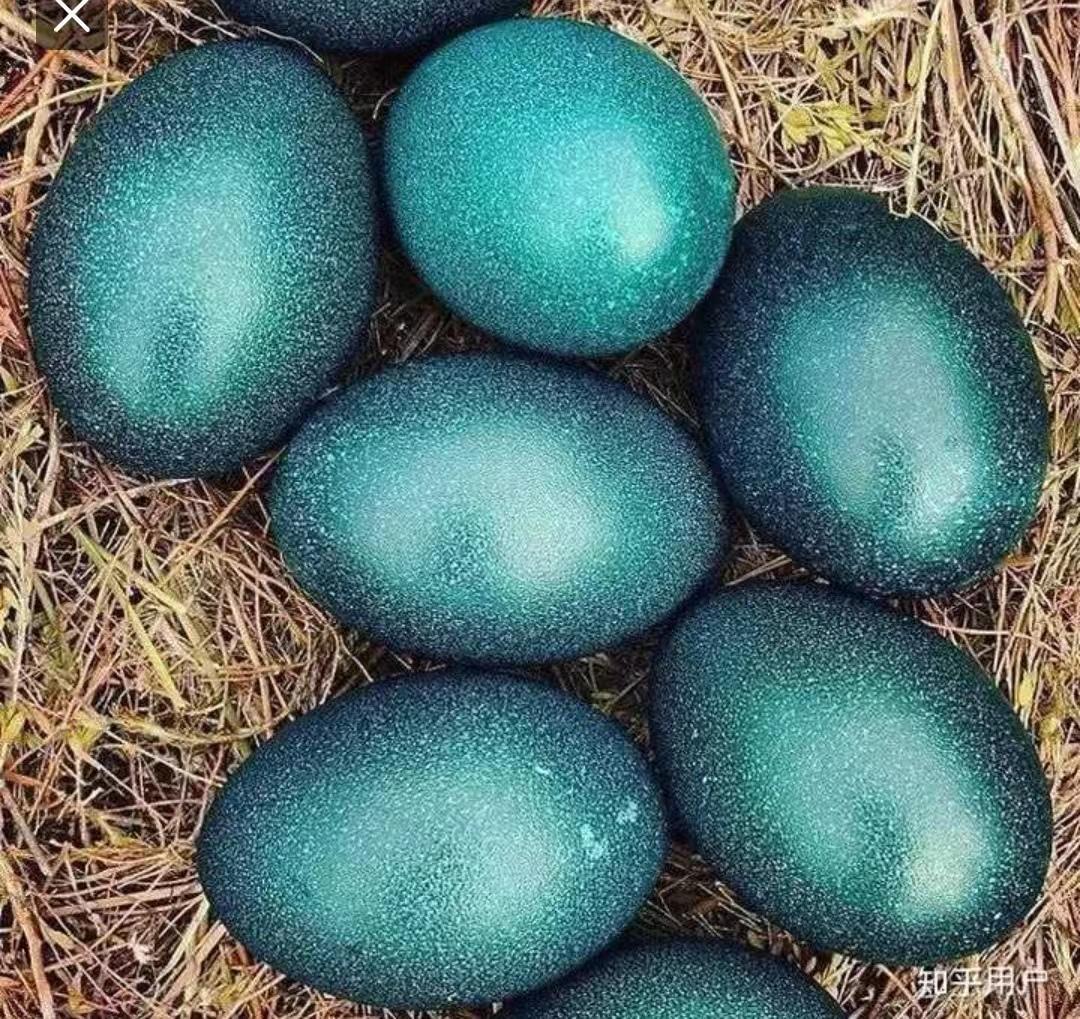
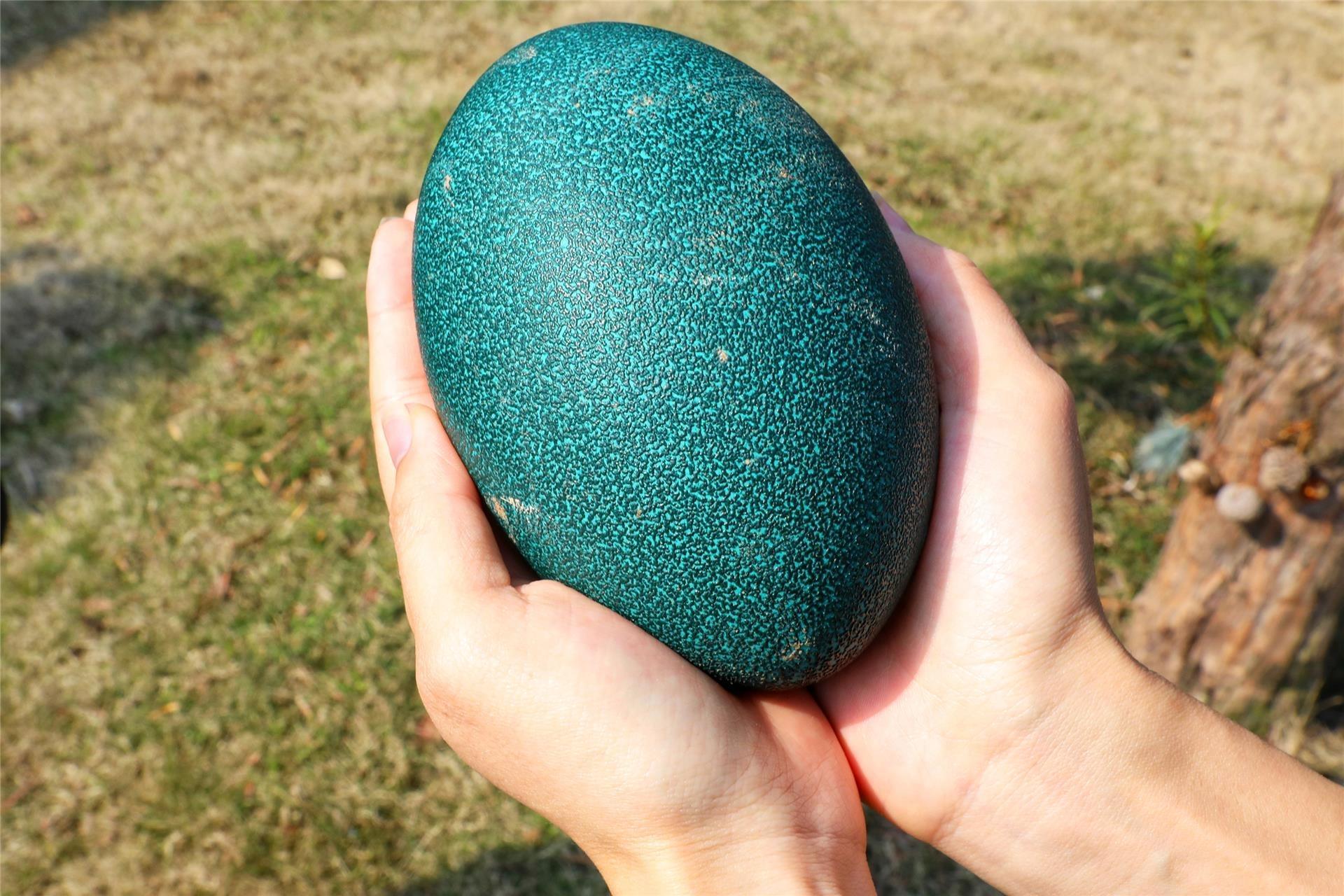
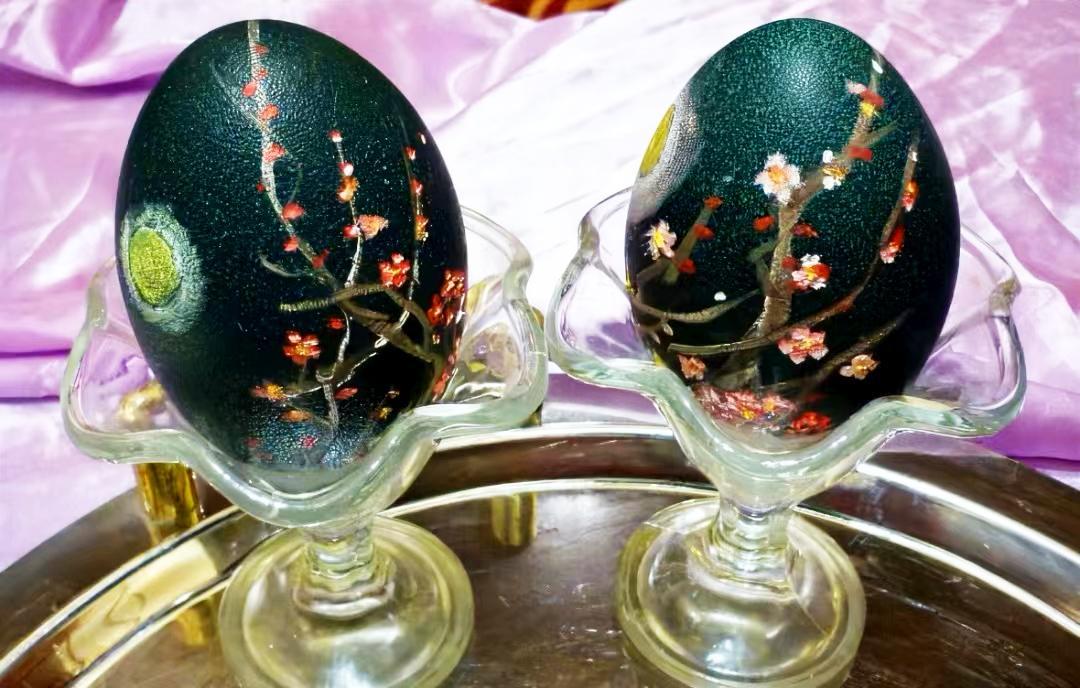
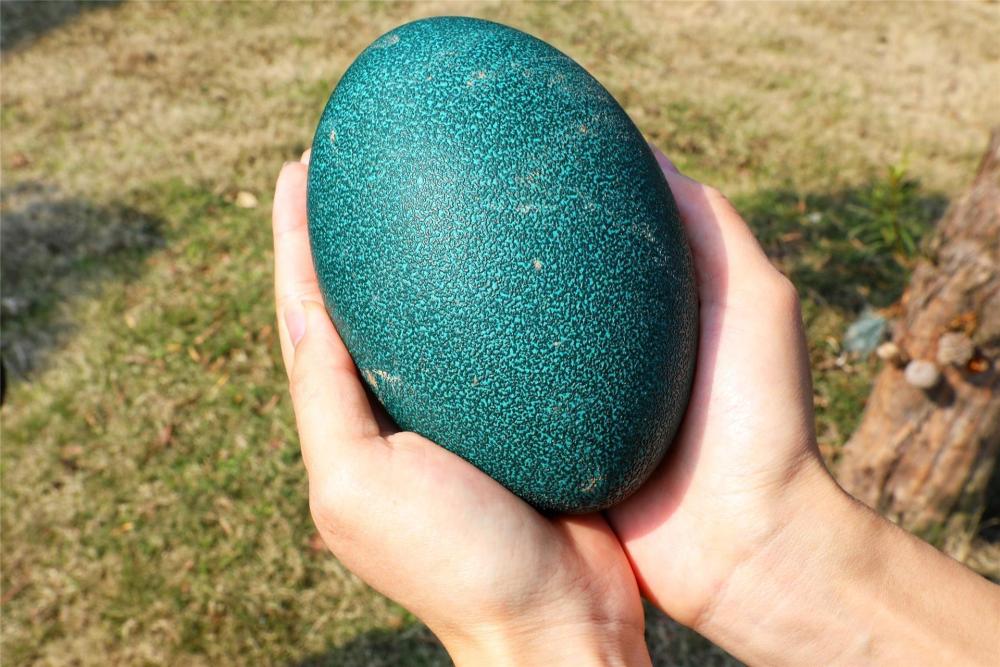
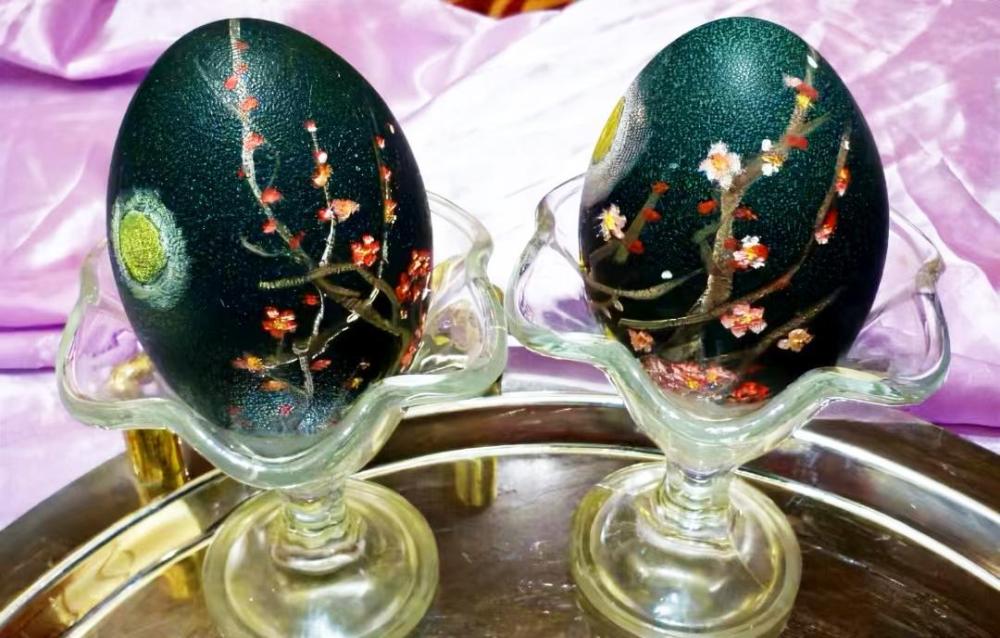
Continuing up the scale of largeness, next we come to the second largest bird, S: 鸸鹋; T: 鴯鶓 (ér miáo), Dromaius novaehollandiae, the emu. Native to Australia and New Guinea, these reach up to 2 metres / 6 foot 6 inches tall and weigh up to 45 kg / 99 pounds. They are flightless but can run at up to 50 kmh / 31 mph and can also swim when necessary. The females are a little larger than the males and after laying her eggs, she abandons them and her mate. The male then incubates the chicks and stays with them for the next year and a half until they reach independence. The female, in the meantime, goes off in search of new mates and starts over again. Raised on farms for their meat, eggs and oil, emus have been imported to China and farms are now producing limited numbers. I’ve never seen the eggs in any store, large or small, or in any market, but they are available on-line. The eggs weigh around 350 grams and are hard-shelled with a deep bluish green colour. They are said to taste just like good quality free-range chicken eggs and have similar nutritional qualities. The eggs are roughly equal to between 8 and 12 chicken eggs, so one egg can easily feed a large group or family. They can be prepared in the same ways as chicken eggs, but boiling one will take over an hour! Emu Eggs The problem I have is that they are often sold pre-fertilised for people wishing to farm them or raise them as pets (not a great idea in the city – they need a lot of space and exercise. Also they also come as empty shells. The shells are drilled at the wide end and the contents drained leaving the shells as ‘canvases’ for egg artists who then paint or carve them with all kinds of imagery. Some are beautiful and are found in museums and art galleries. Some are amateurish – as with any art form. A bit of a disappointment though, if what you were after was a nice, but expensive omelette. More on Emu Art here Painted Emu Eggs The eggs sell for around 180 元 / $25 USD each. I can’t see them being a regular purchase for the average home cook. All images from Taobao.com - home shopping service.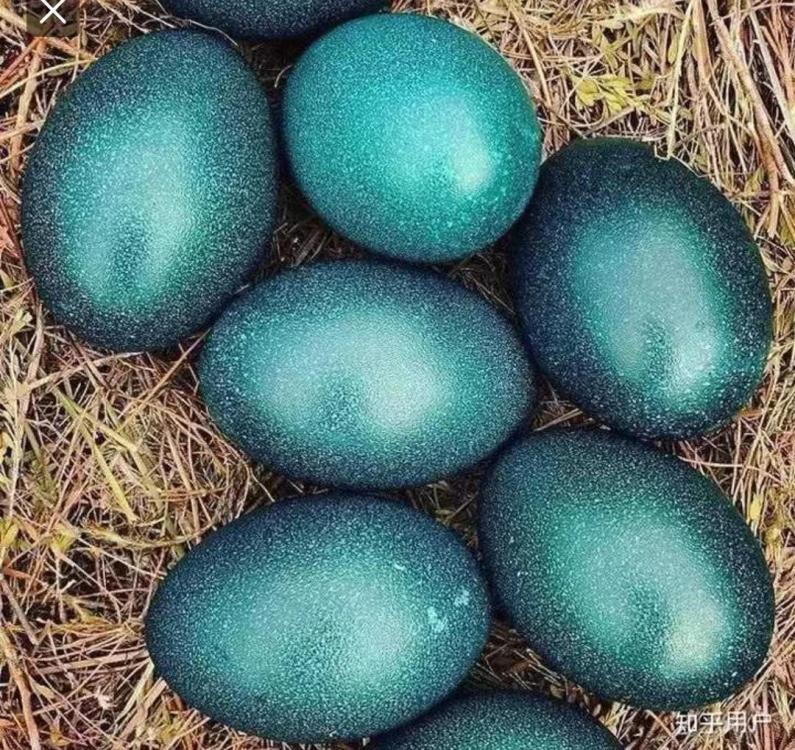
-
A pictorial guide to Chinese cooking ingredients
liuzhou replied to a topic in China: Cooking & Baking
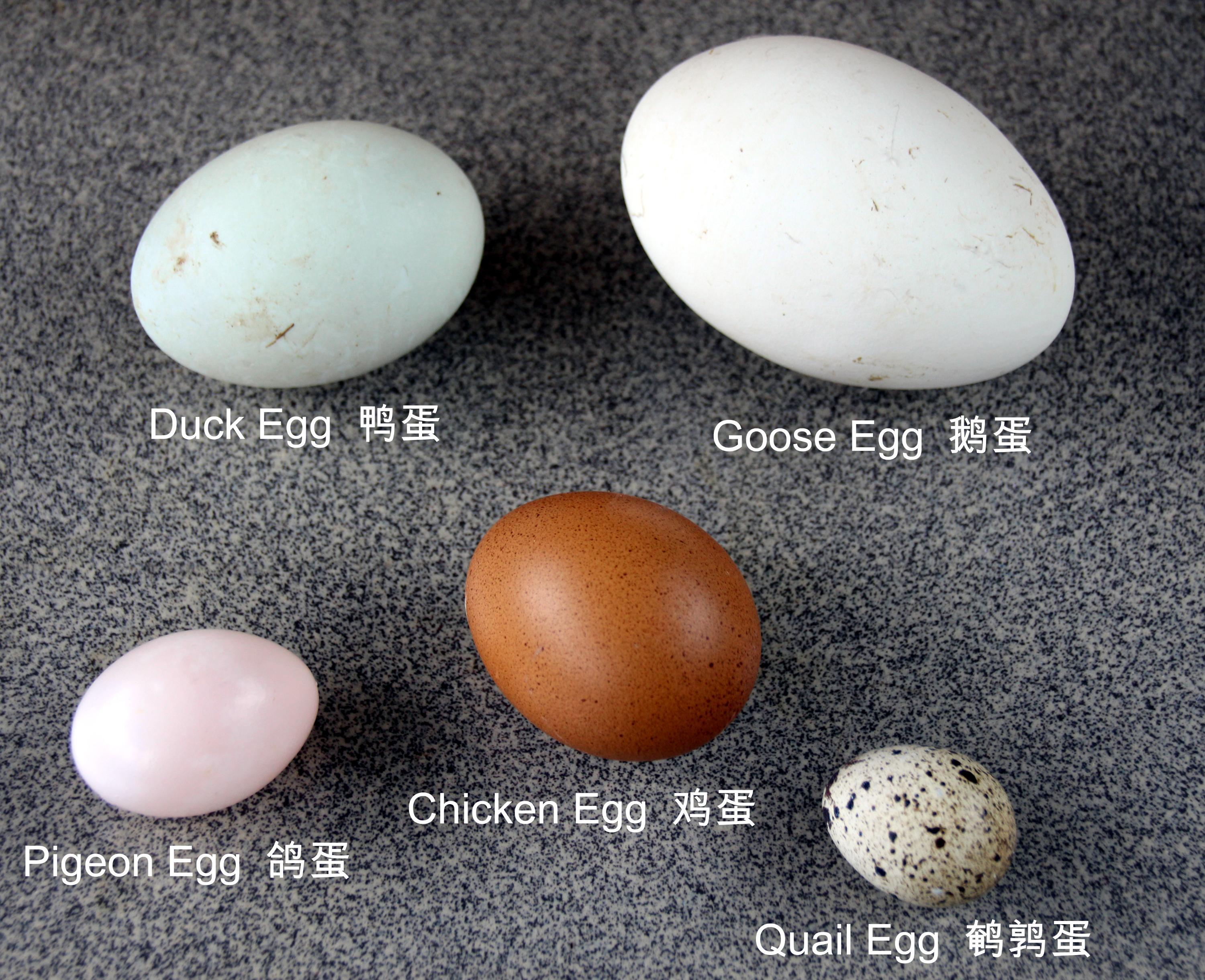
I have two more eggs to go, but before doing so, here is an image of the eggs I've mentioned so far showing relative sizes. I took this some time ago for my granddaughter, at her request, to use in her infant school class. She is the teacher; not a student!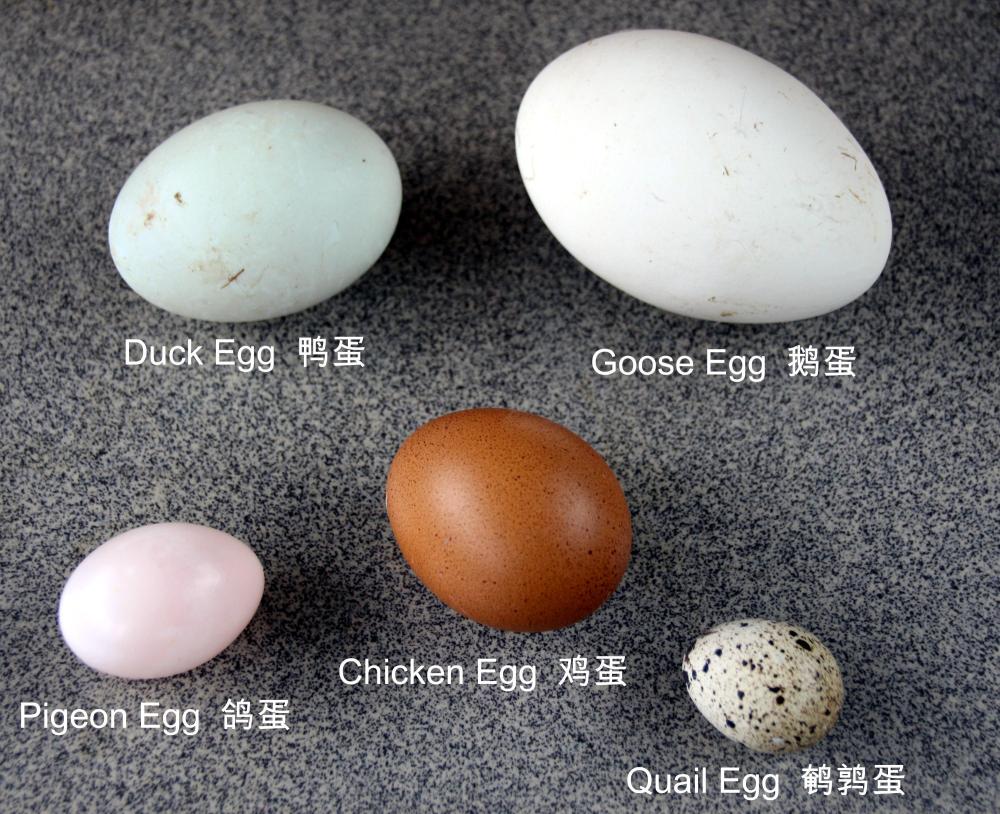
-
A pictorial guide to Chinese cooking ingredients
liuzhou replied to a topic in China: Cooking & Baking
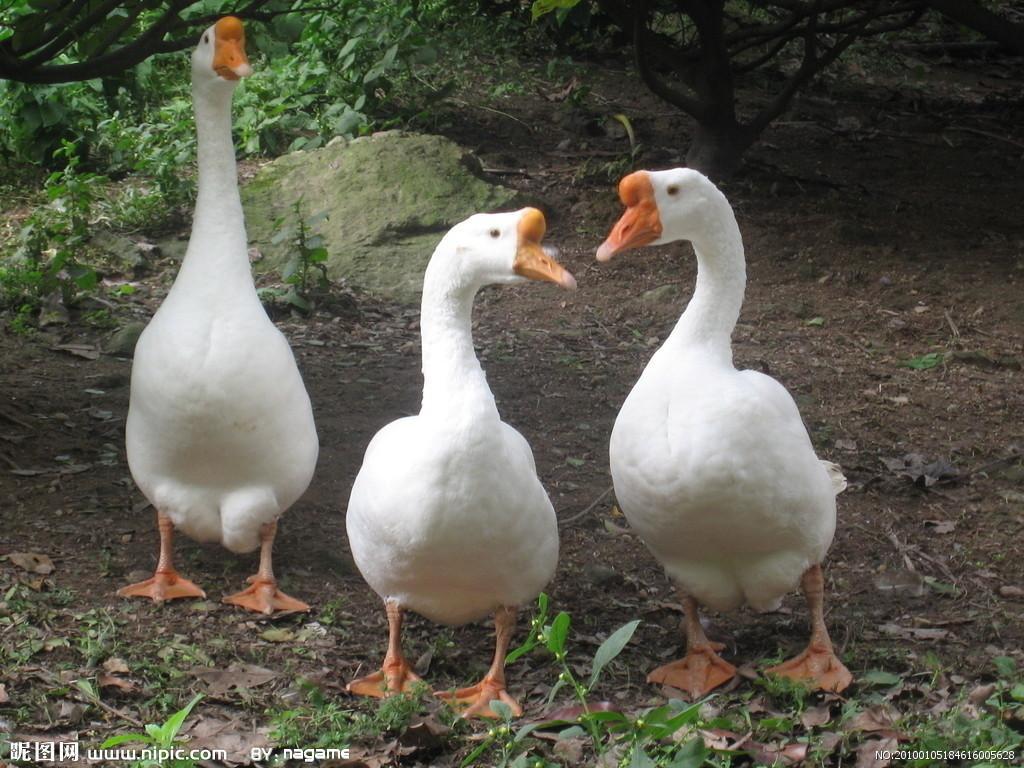
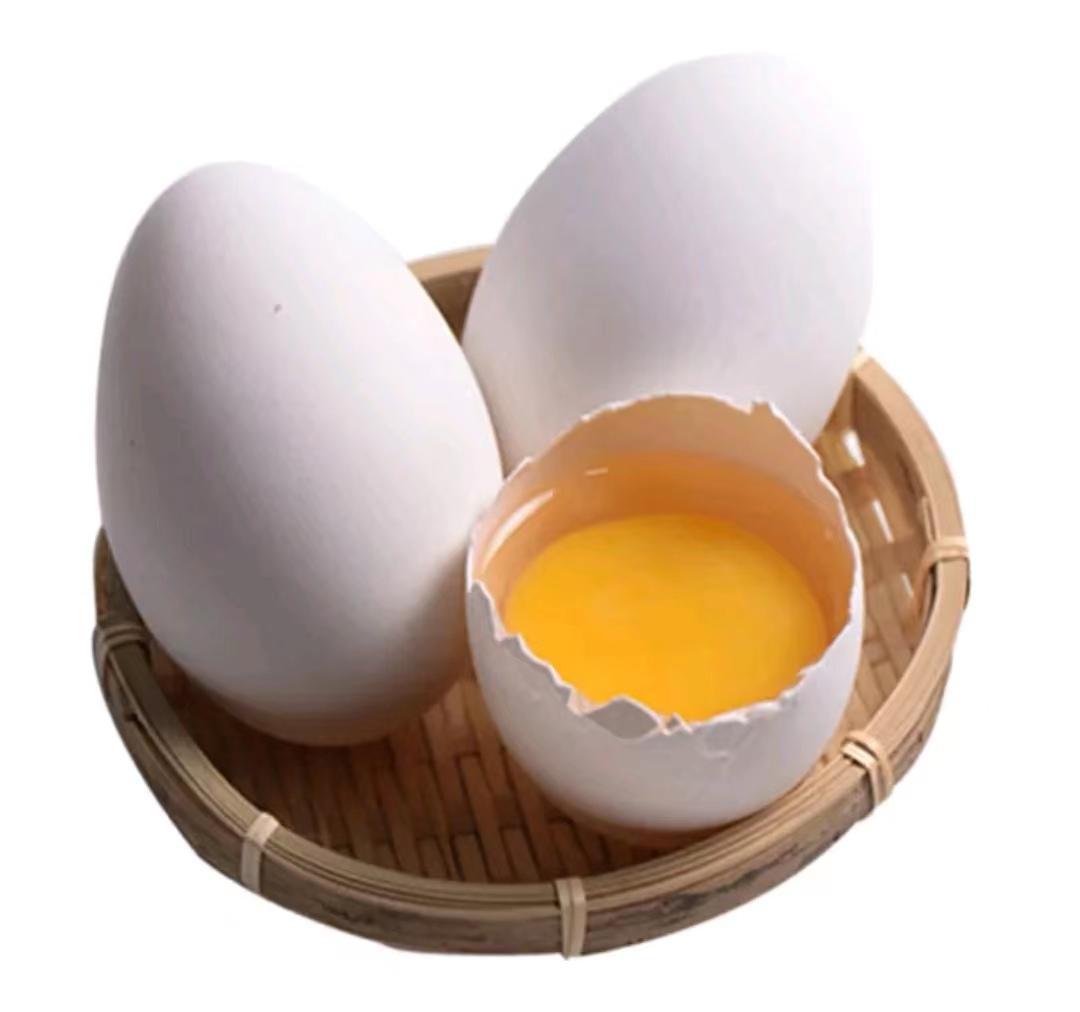
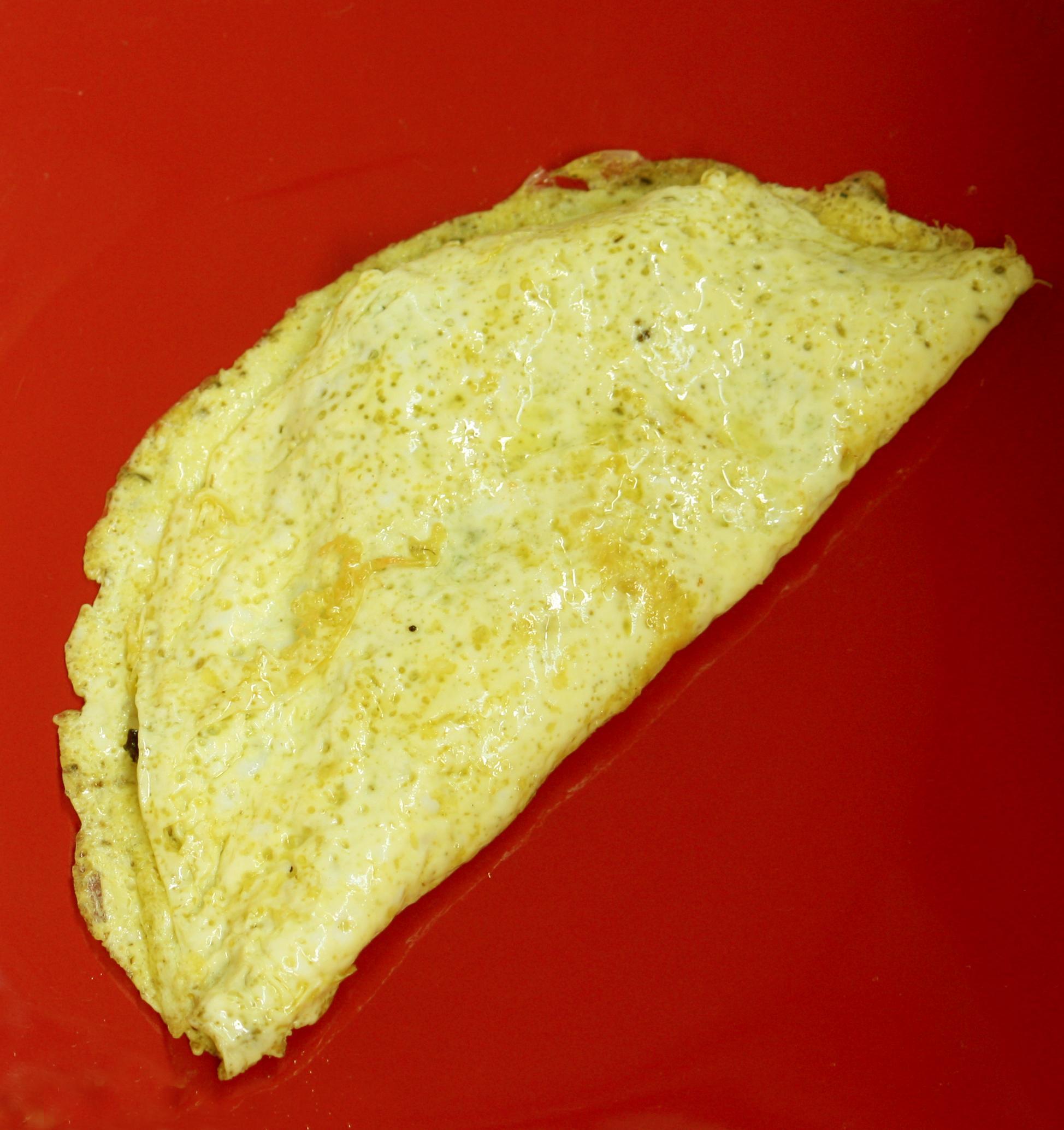
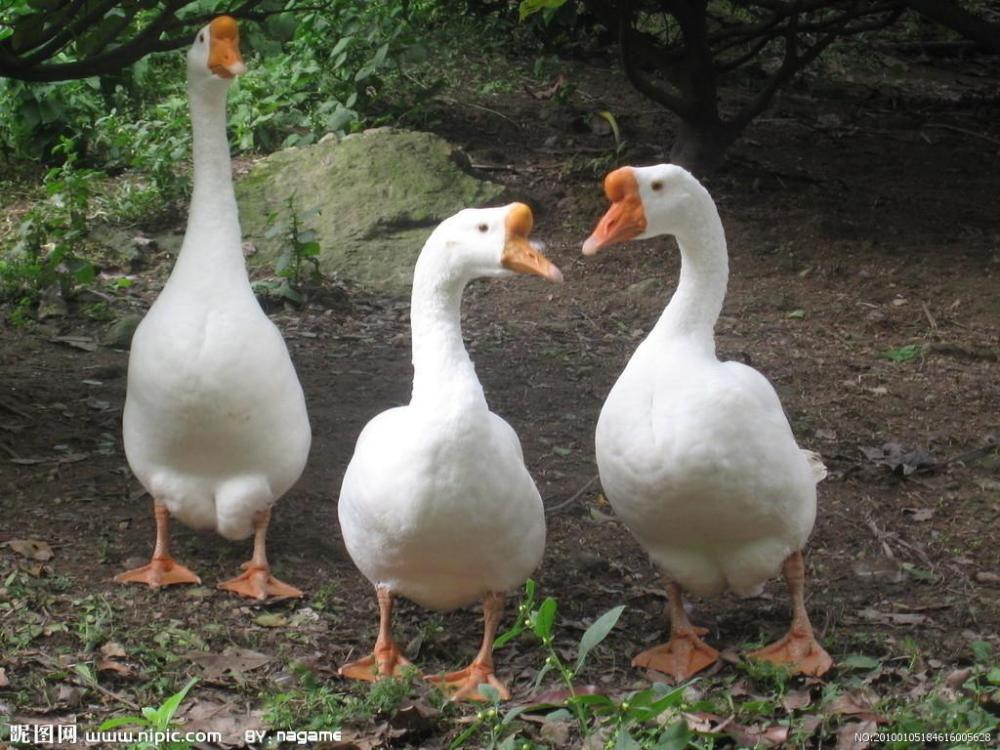
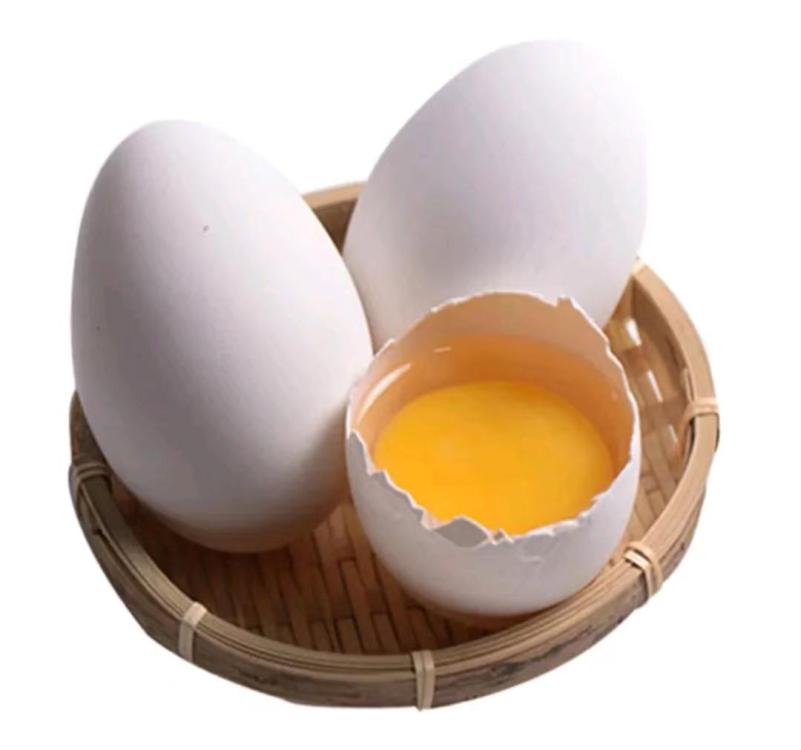
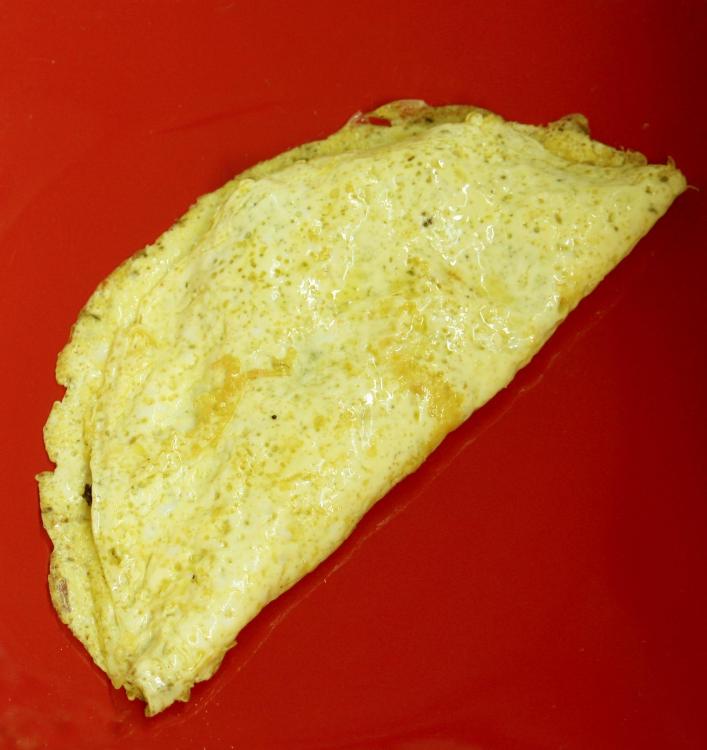
While we may not be able to get turkey eggs, when we want a big egg, S: 鹅蛋; T: 鵝蛋 (é dàn) are easily found (many supermarkets have them) and particularly tasty. These are from Anser cygnoides domesticus, the Chinese goose. Unlike turkeys, these geese are native to China. This beautiful white variety are prolific layers producing 60 – 100 eggs per season. They are also sometimes known as ‘swan geese’. About the equivalent of three hen’s eggs (150-200 grams), these eggs are richer and have a larger, more deeply coloured yolk. Geese have to be raised in open pasture, so they are at least semi-free-range and free to peck at insects, worms etc which contributes to their eggs’ tastiness, although they mainly eat grasses. You do have to be careful opening the eggs. The shell is much harder than that of a chicken or duck egg and requires some force to crack, leading to the possibility of breaking the yolk. If you need the yolk whole, go slowly. I’ve never seen them other than fresh and selling at around 10 to 15元 / $ 1.50 to $2 USD each. They aren’t made into century eggs or salted like other eggs, although I can’t see any reason why not. I’m told they are particularly valued for making pasta or Chinese style egg noodles where they impart more flavour than chicken eggs. They can also be used in baking, but I don’t go there. I usually use them for making omelettes. Goose egg omelette Interesting facts corner: Chinese geese have excellent hearing and eyesight (unlike us, they can see ultra-violet light). They are also very territorial and very noisy. This combination makes them great guard dogs geese. When I was a kid, I used to see the geese guarding Ballantine’s Whisky maturation warehouses every time we passed. They were the security guards. Sadly they were made redundant in 2012 and replaced by modern technology. The story is here. Image: Chivas Brothers Archive
-
A pictorial guide to Chinese cooking ingredients
liuzhou replied to a topic in China: Cooking & Baking
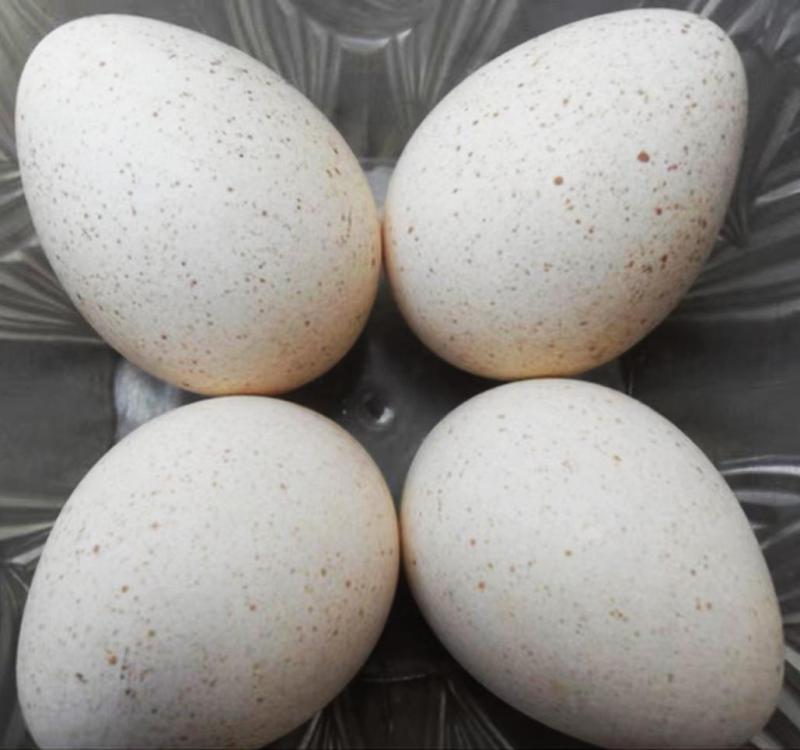
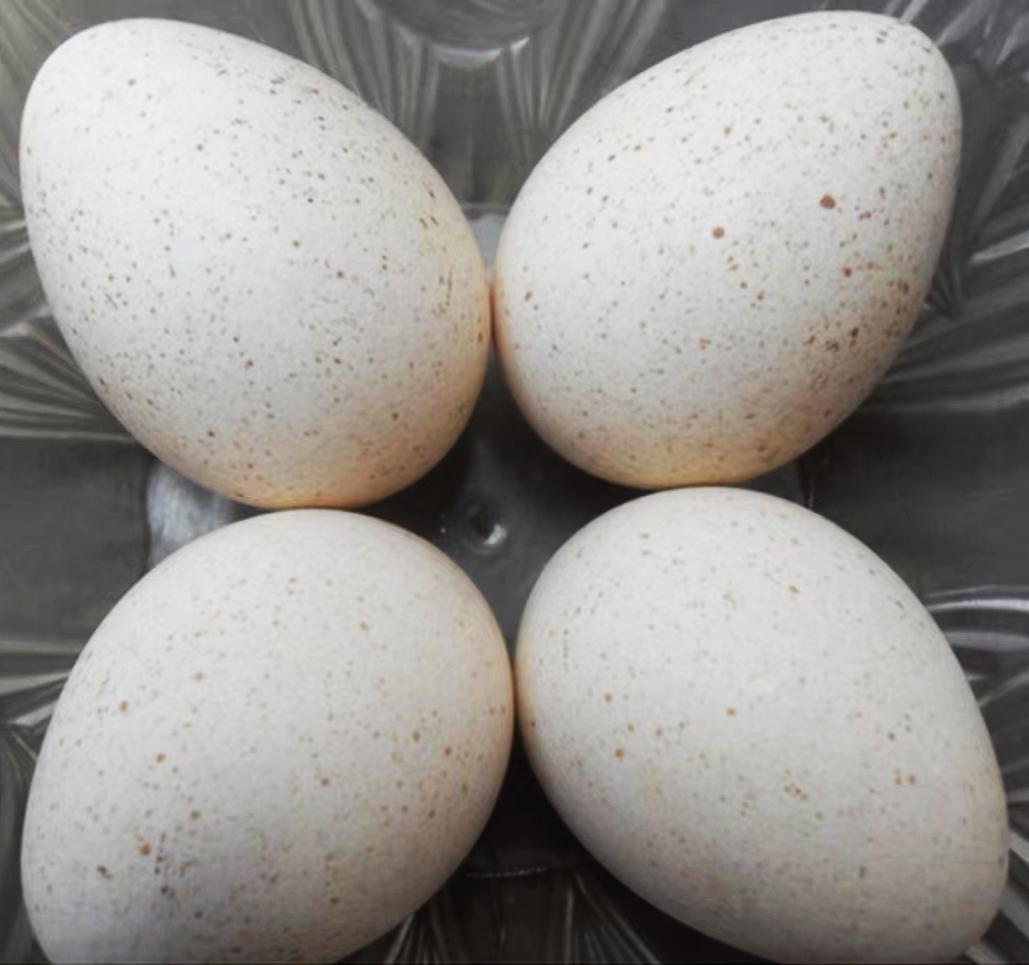
Let’s talk S:火鸡; T: 火雞 (huǒ jī). Literally meaning ‘fire chicken’ this is Meleagris gallopavo, the turkey, probably not a bird you associate with China and you’d be right. Between 2001 and 2005, China imported 386,000 tons of turkey from the USA. 386,000 tons of turkey may sound a lot, but works out to just over ¾lb per person over five years - 2½ ounces a year, if my mathematics is correct! If not correct, and it seldom is, it’s still a miniscule amount. Little has changed in the last 25 years. China does raise turkeys but on an extremely limited scale; it just isn’t a bird on people’s radar. They know about turkeys but see them as some sort of grotesque, mammoth lump of meat that they wouldn’t fit in their wok. Most turkeys sold for meat are sold to American and Canadian ex-pats in Shanghai and Beijing for their respective Thanksgiving celebrations. For 15 years, I did have a second home in the countryside next door to a man who was a part-time hobbyist turkey breeder. He sold the meat for pet food and the feathers to the garment industry and theatrical milliners. He didn’t sell eggs. The reason he and most turkey breeders worldwide don’t sell usually sell the eggs is simple economics. They birds are to blame! They reach optimum age for selling as meat before they begin to ovulate and even then only lay one or two eggs a week, if they’re in the mood. The cost of feed etc while waiting for the eggs makes little sense to the farmers as they’d have to sell the eggs for a minimum of around 4元 each, which few would be willing to pay. I can buy a dozen hen’s eggs for the same price while the farmer can make more from hatching the eggs and raising and selling more birds. Turkey eggs PD Image That said, if you do get hold of one they are perfectly edible. About 50% larger than the average (50 gram) chicken egg., they taste much the same but are a bit creamer. Yes, I have eaten one, but not in China.