
liuzhou
-
Posts
16,764 -
Joined
-
Last visited
Content Type
Profiles
Forums
Store
Help Articles
Everything posted by liuzhou
-
No. Not your fault! Thanks for trying.
-
Not my experience.
-
 - This phrase stood out to me. How are the 'top sites' decided upon? What criteria? This is a very subjective choice. There are highly popular sites which I find terrible and I've never found any one site that is strong on all cuisines or areas of culinary effort. Recipes, too are very personal. One person's favourite recipe for a dish may well not be my first or even tenth choice. Some sites have great writers and bad writers. And people have their own quirks. Some famous and 'influential' cooks irritate the hell out of me and I steer clear of them.
 -
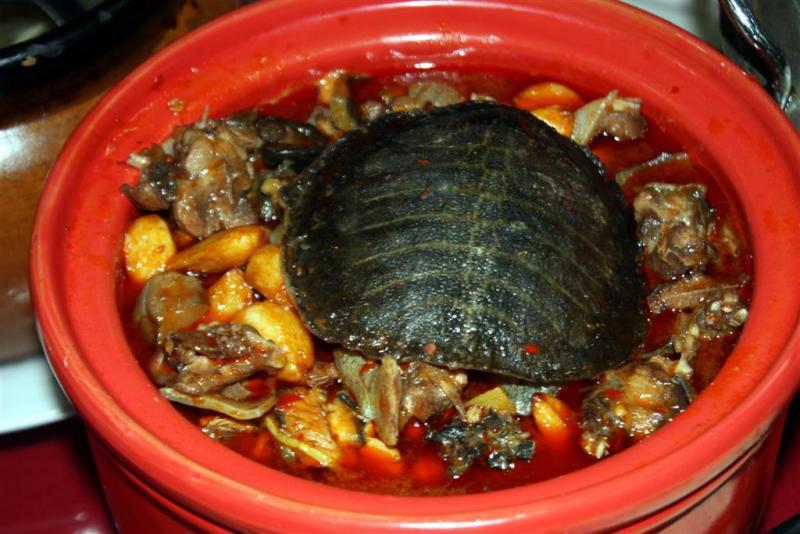
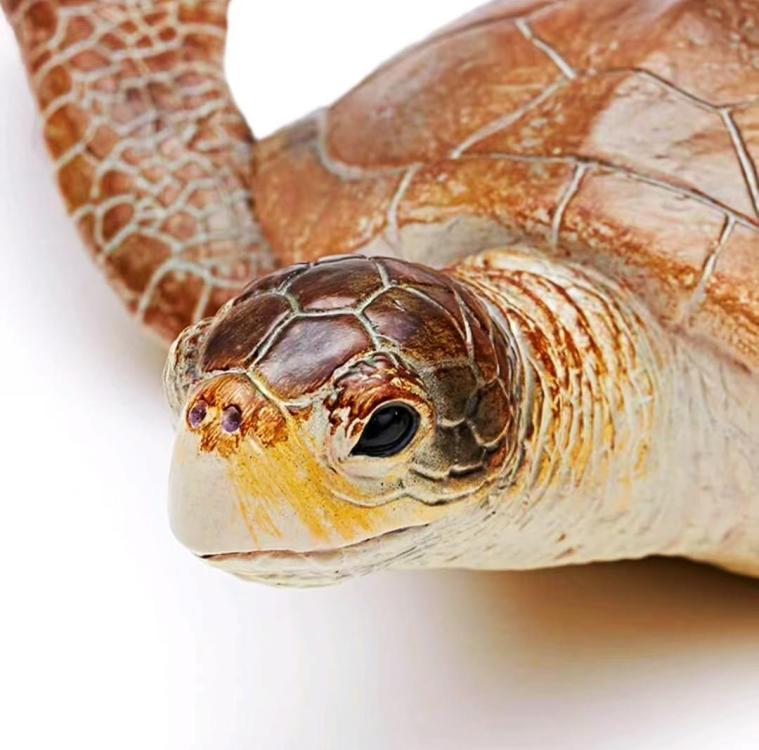
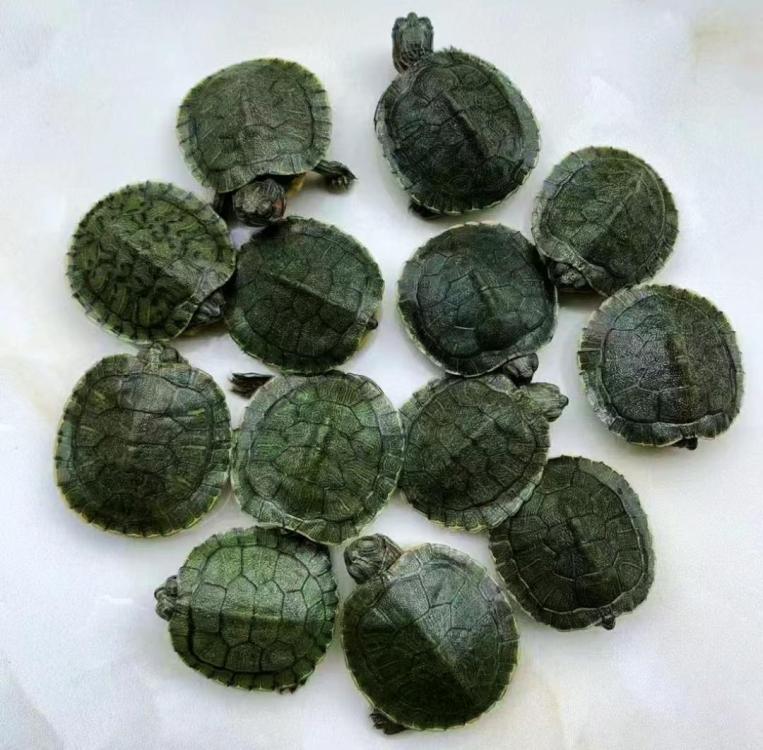
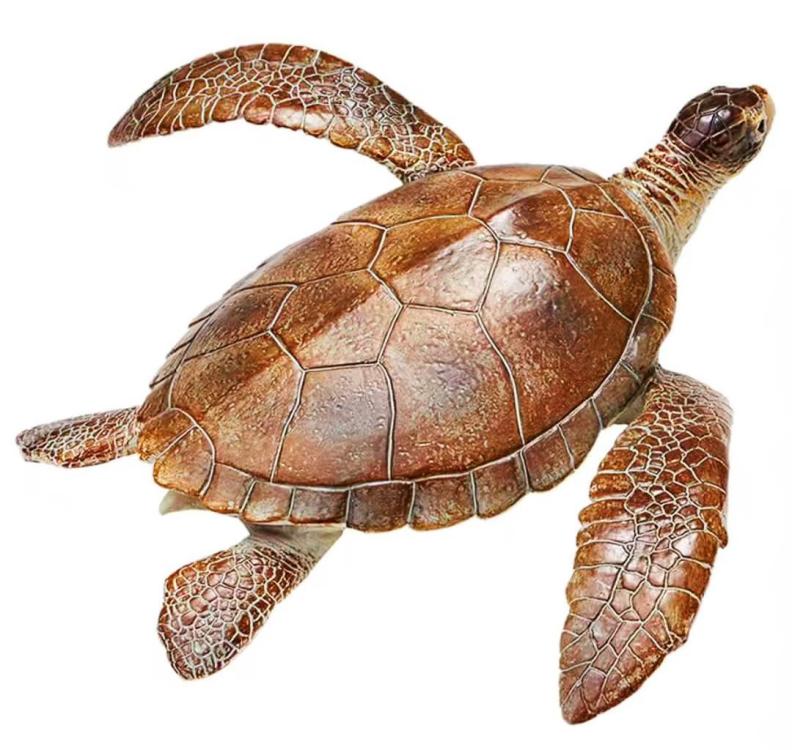
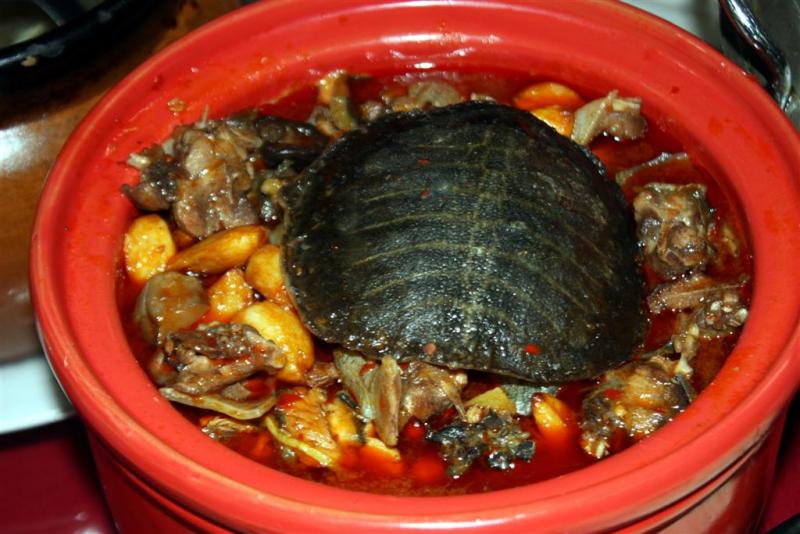
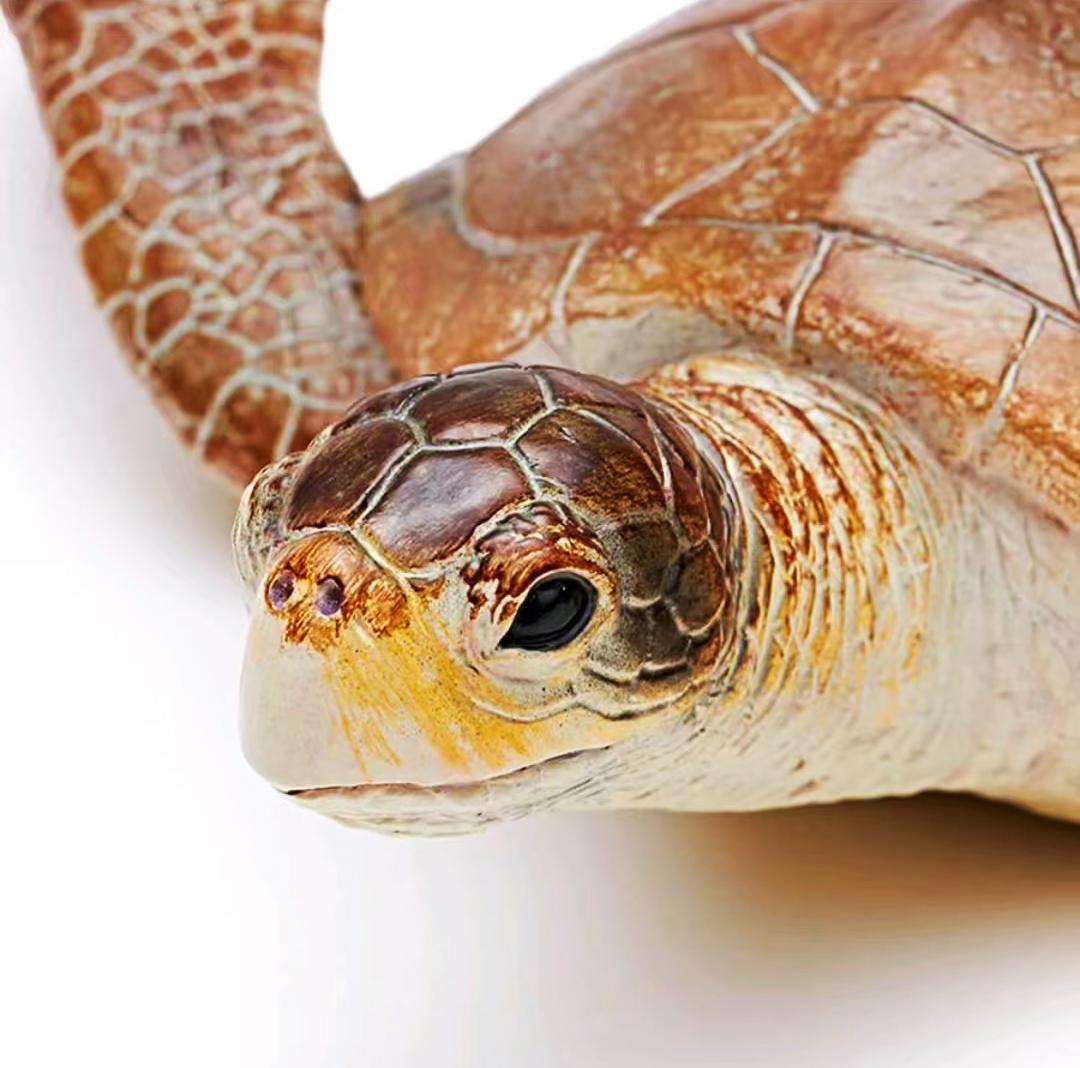
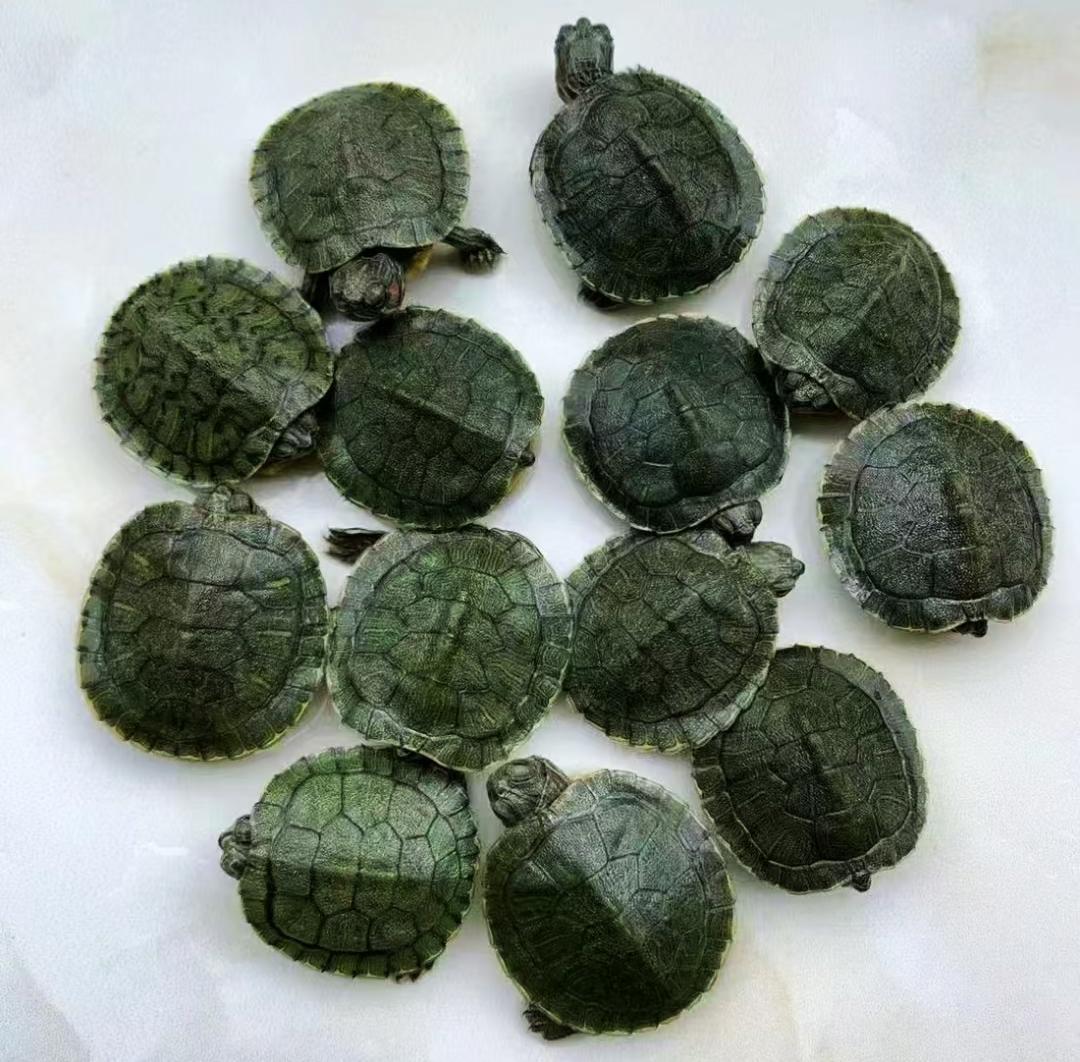
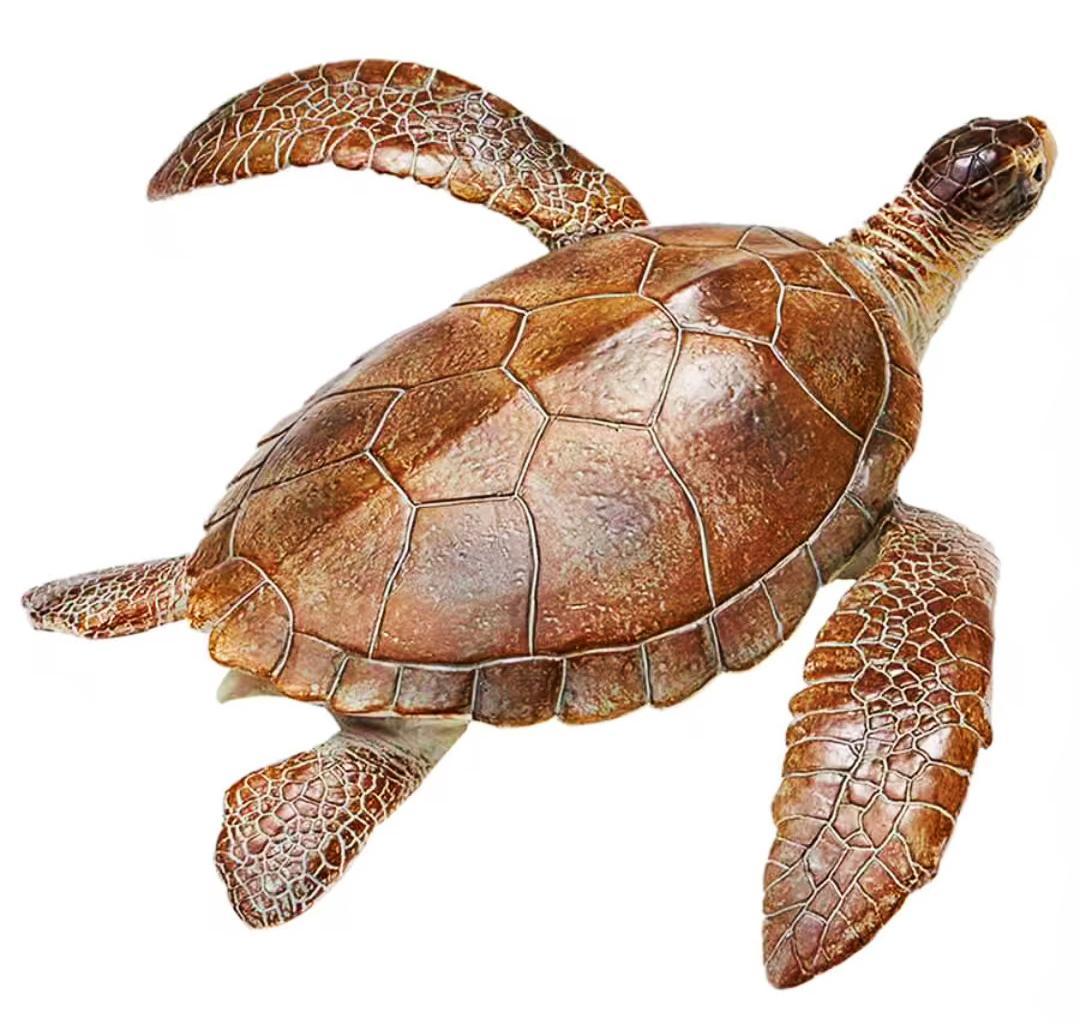
I’m poised to enter the deep and treacherous waters of nomenclature. This time not only in the Chinese but also the English. I’m looking at the Testudines order of reptiles. These include what I will refer to as turtles, tortoises and terrapins, although not everyone may agree. This is the preferred British nomenclature and that’s what I’m most used to. In the Chinese mind and the minds of many other cultures, they’re all the same thing. In Mandarin, 龟 (guī) is used for all three, although 海龟 (hǎi guī) can be used to specify the marine variety as can 鼋 (yuán). 甲鱼 (jiǎ yú) is used for both sea turtles and freshwater terrapins; rarely for tortoises. 甲鱼 (jiǎ yú) is perhaps odd as individually the characters mean ‘shell fish’. The shell part is easy to understand, but fish? Clearly not. However, 鱼 is often used in the names of aquatic animals other than fish. There are a few other names used in the names of specific types of whatever you call them, but they are not relevant here. In common British usage turtles are marine whereas tortoises are land based. Terrapins are tiny freshwater turtles. These distinctions are not always observed in other English speaking countries. But it’s as food we are thinking here. Both turtles and tortoises are eaten, rarely terrapins which tend instead to be sold as pets for children. They are also often served at wedding banquets,. When I lived in Hunan, there was a whole street of turtle restaurants. I’ve never really seen the point. They aren’t, in my opinion, good eating. Tough and bland. I suspect they are popular for a misplaced belief that they have aphrodisiac properties and an absurd belief that, because they can live long lives, eating turtles will do the same for you. They do live a long time. A tortoise collected by Charles Darwin in the Galápagos in 1835 lived until 2006; a lot longer than Darwin did. Braised Turtle Turtles, particularly their shells are used in TCM for all the usual nonsense. Guilinggao (龟苓膏 guī líng gāo), a herbal medicine / dessert was traditionally used making a specific type of turtle shell, but today rarely contains any at all. The link gives more information on that. A 2 kg turtle costs around ¥100 / $14 USD. A pet terrapin costs ¥5 // 70 cents. Pet Terrapins
-
There is little if any evidence of that. You have to remember that for much of those two centuries, China was closed or had only very restricted access. It was at war, both international and civil. It was occupied by the Japanese. It's also unlikely that early Chinese emigrants to the Americas were in any position economically to pop home bearing 'exotic' foodstuffs as gifts. They were struggling to survive. Many would have been political refugees, too. The few central American foodstuffs here were introduced, not by returning Chinese, but by European colonisers, particularly the Spanish and Portuguese. Chili peppers were introduced by the latter through their colony in Macao. China has developed its own cultivars. Central American varieties are largely unknown. Potatoes have long been looked down upon as 'peasants' food' at best. Only the arrival of first KFC, then McDonald's in the 1980s widened their availability. Tomatoes are a recent import, again through Europeans. Corn/maize was introduced much more than two centuries ago by the Arabs and Persians. More like five centuries.
-
Yes. I know Central, South America and the Caribbean has a largish Chinese population. However the majority of crossing has been from and not to China. I've been looking for allspice and Scotch bonnets for 30 years and only just found them this month. There is very, very little in the way of Mexican or Caribbean ingredients here. My climate is tropical, but I got these seeds from Heilongjiang, China's northernmost province bordering Siberia, so that isn't a factor. $1.45 for 5 seeds is a good prices in the USA?
-
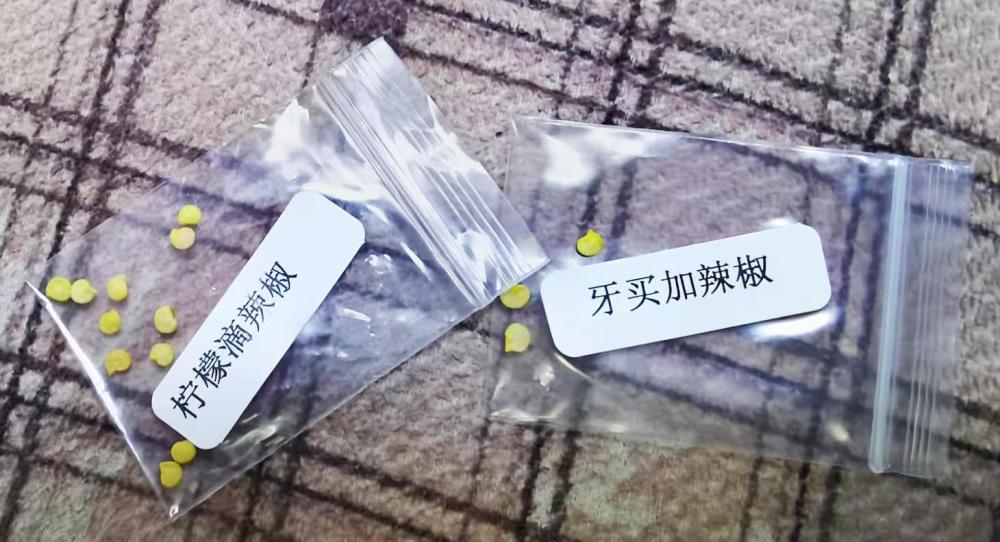
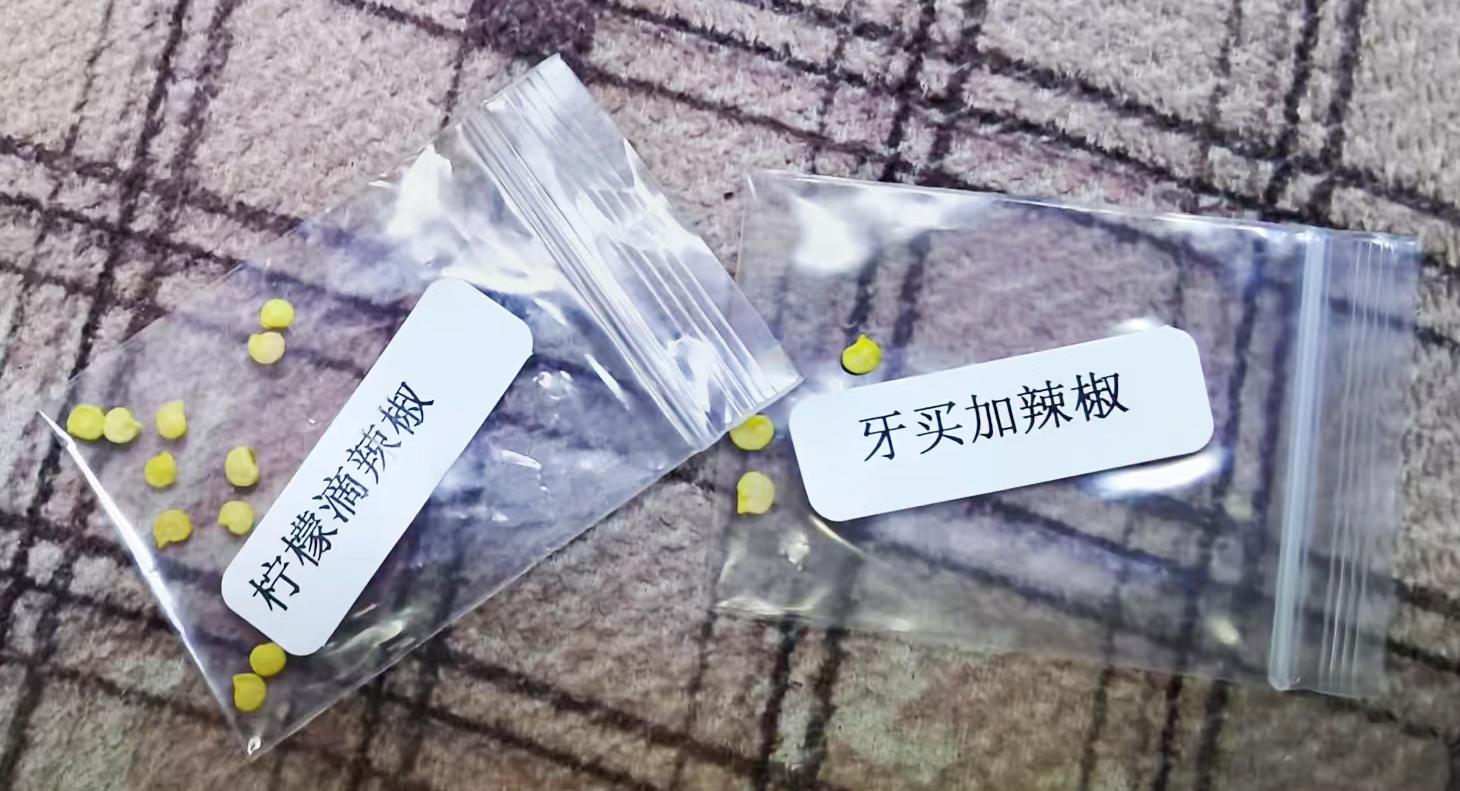
This should be fun. On the right is what I ordered. 牙买加辣椒 (yá mǎi jiā là jiāo), Jamaican Scotch Bonnet seeds. A whole five seeds! On the left is what they threw in as a "freebie". 柠檬滴辣椒 (níng méng dī là jiāo), lemon drop peppers aka Ají Limón which are Peruvian, How they got to China, I don't know. This lot cost me $1.45 USD. Hope they germinate!
-
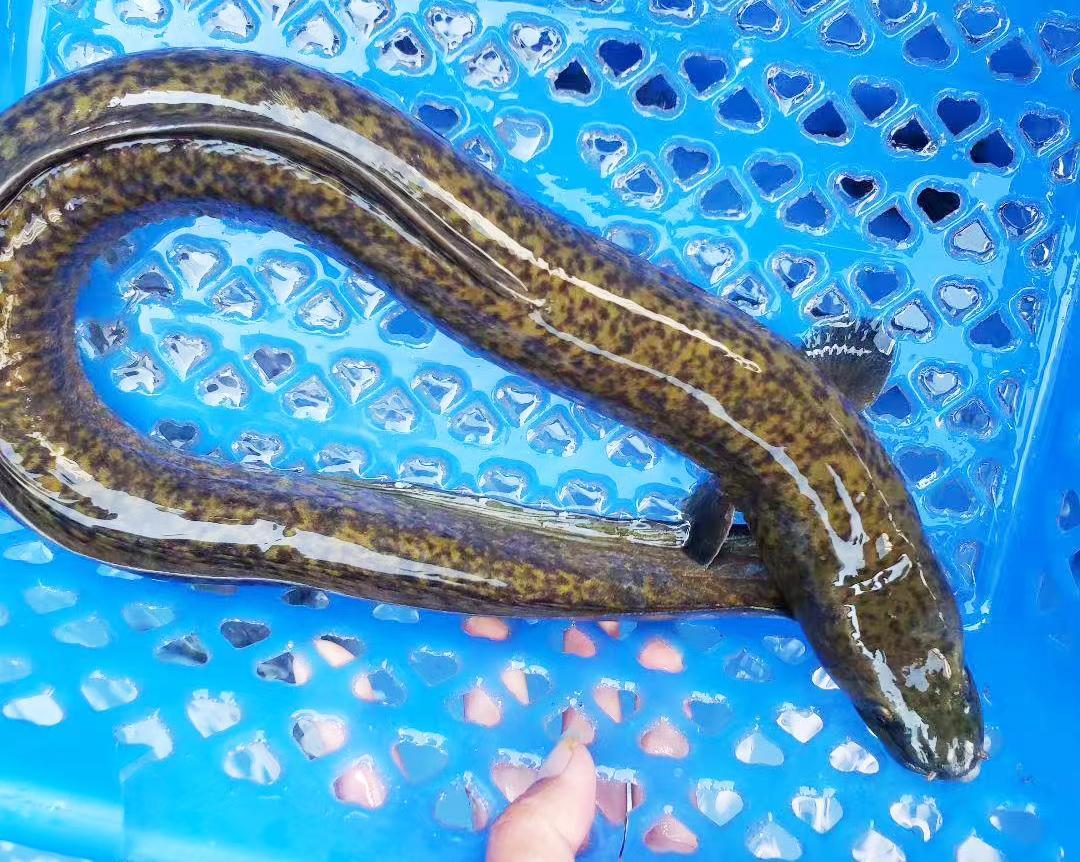
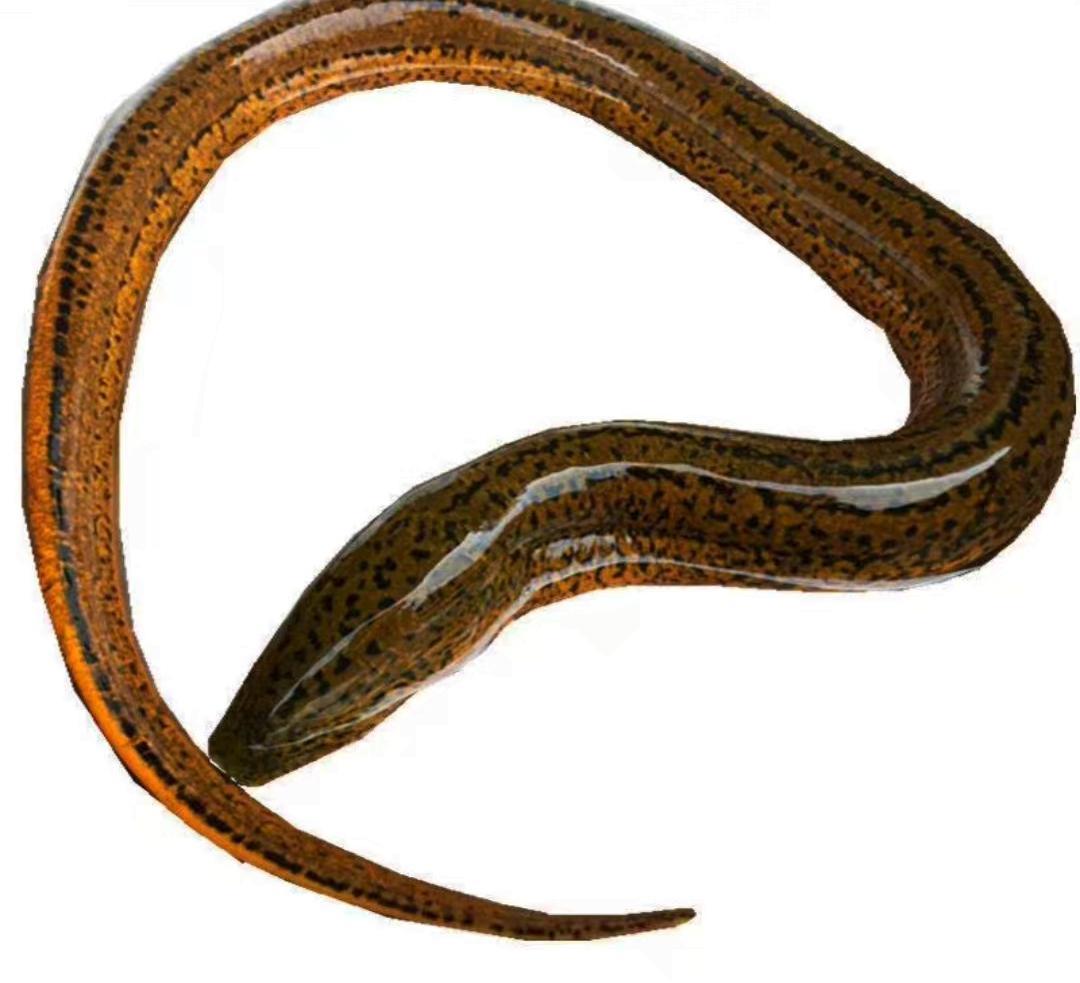
Another eel I meet is the prized 花鳝 (huā shàn, literally flower eel), Anguilla marmorata, the giant mottled eel or mottled eel. These can grow up to 2 metres in length in the case of the females while the males are generally shorter at a maximum of 1.5 metres. They can weigh up to 20.5 kg / 45 lbs. These are native to the Indo-Pacific, stretching from East Africa to Japan. They like to hang out in river estuaries or freshwater lakes and rivers but go to deeper sea waters to spawn. They are carnivorous, dining at night on seafood such as shrimp and fish as well as frogs – much like me. Unlike me, they only live to about 40 years of age, but impressive for an eel. As usual, these are sold live and restaurants usually hold them in tanks for you to choose from. The one in my image is from a fishmonger and sells for $23 USD but really giant specimens have been known to sell for up to $1,000. I’ve never bought one to cook; as I live alone, even the smallest are too large to be sensible. But I have happily eaten them in restaurants.

-
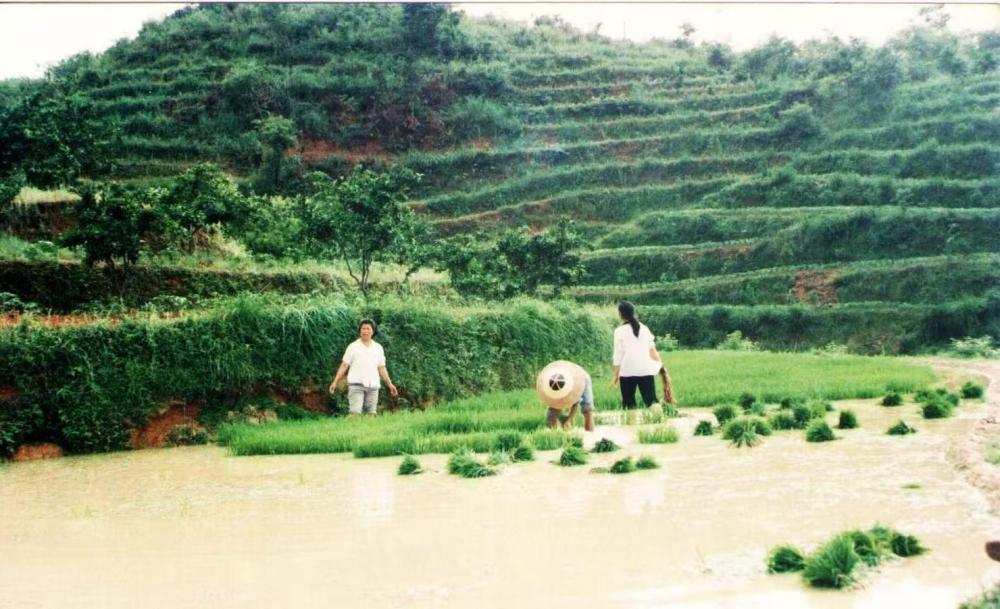
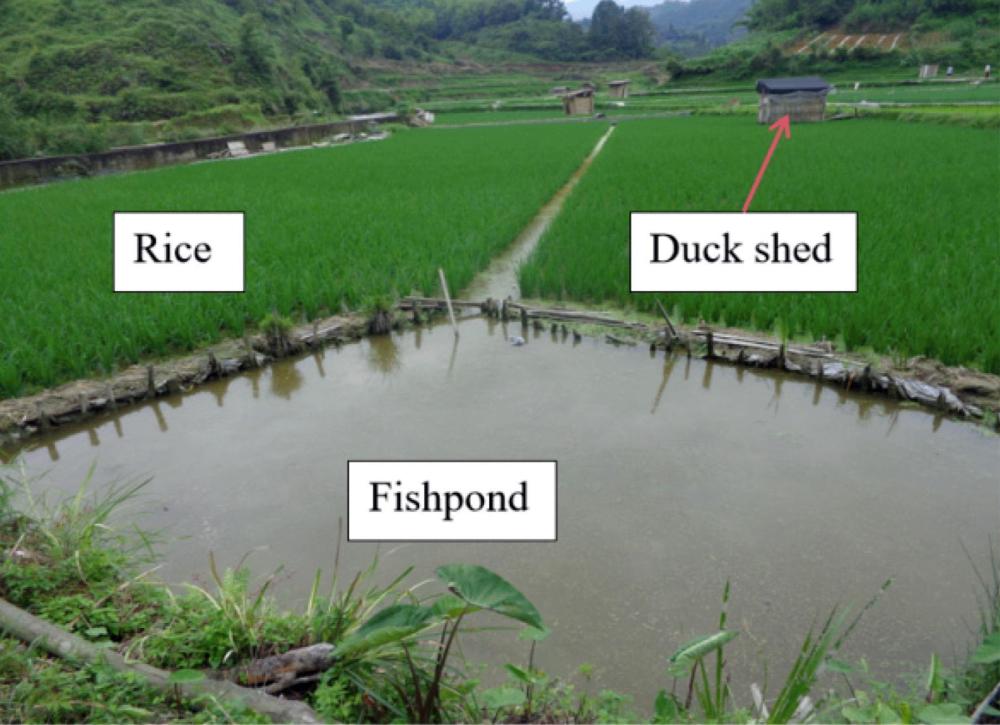
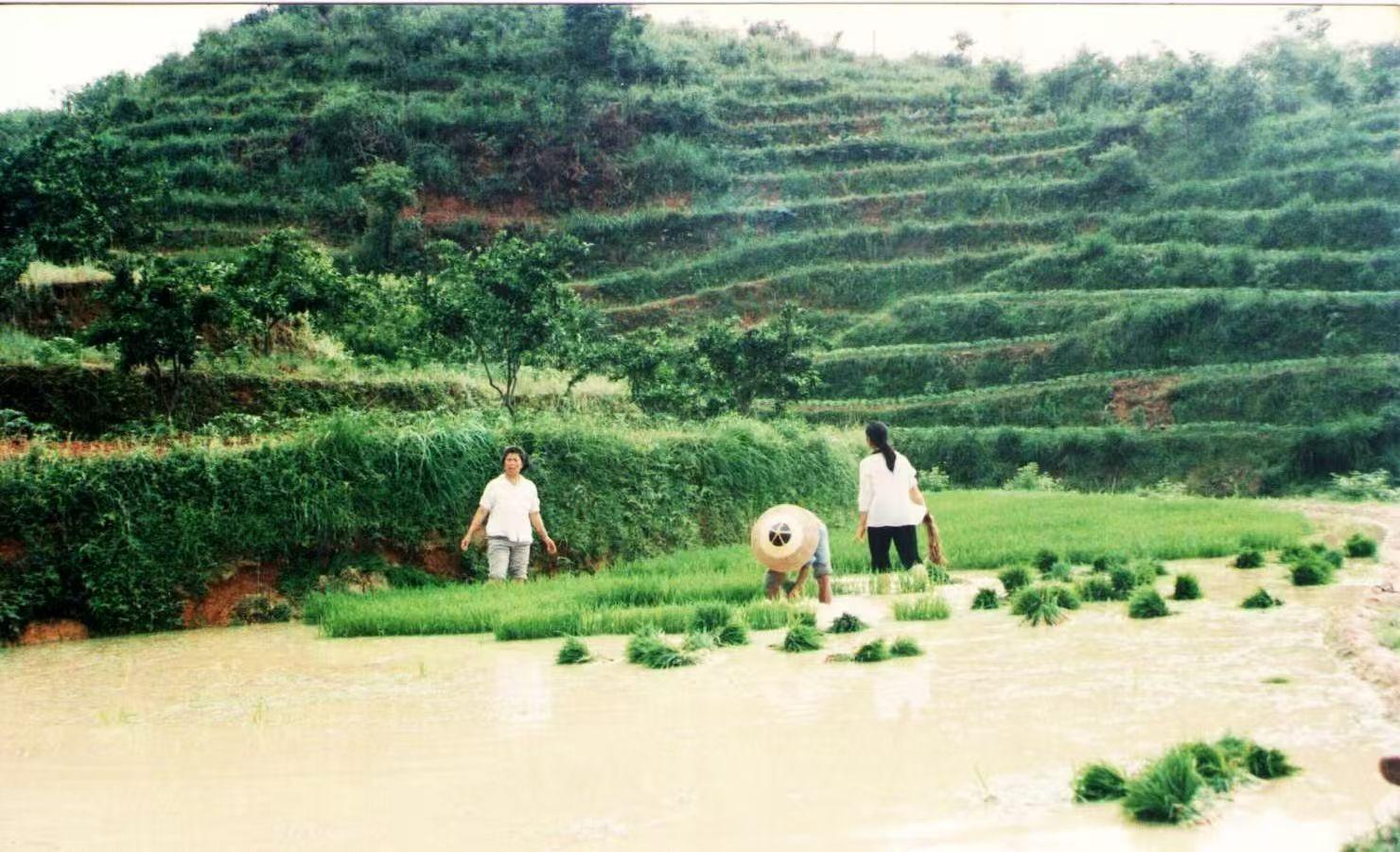
I’m no expert on rice cultivation, but I’ve seen it at close quarters. The two years I lived in Hunan in the 90’s, my home overlooked miles of rice paddies as far as I could see. Then for 18 years in Guangxi, my office over looked the same. Only once that I recall did I ever see a rice paddy being fully drained and that was to repair the terrace walls. What I did see every year was the paddies being restocked with fish which were raised in adjacent ponds such as this one in Conjiang, Guizhou just across the border from Guangxi. I believe they do this was because the previously existing stock has all been eaten! The eels are air breathing and fend for themselves. Image: https://www.mdpi.com/2071-1050/15/3/1910 This file is licensed under the Creative Commons Attribution 4.0 International license. Edited. The rice-fish polyculture system is ancient and very interesting, but I wouldn’t be a rice farmer for anything. It is back-breaking hard work.
-
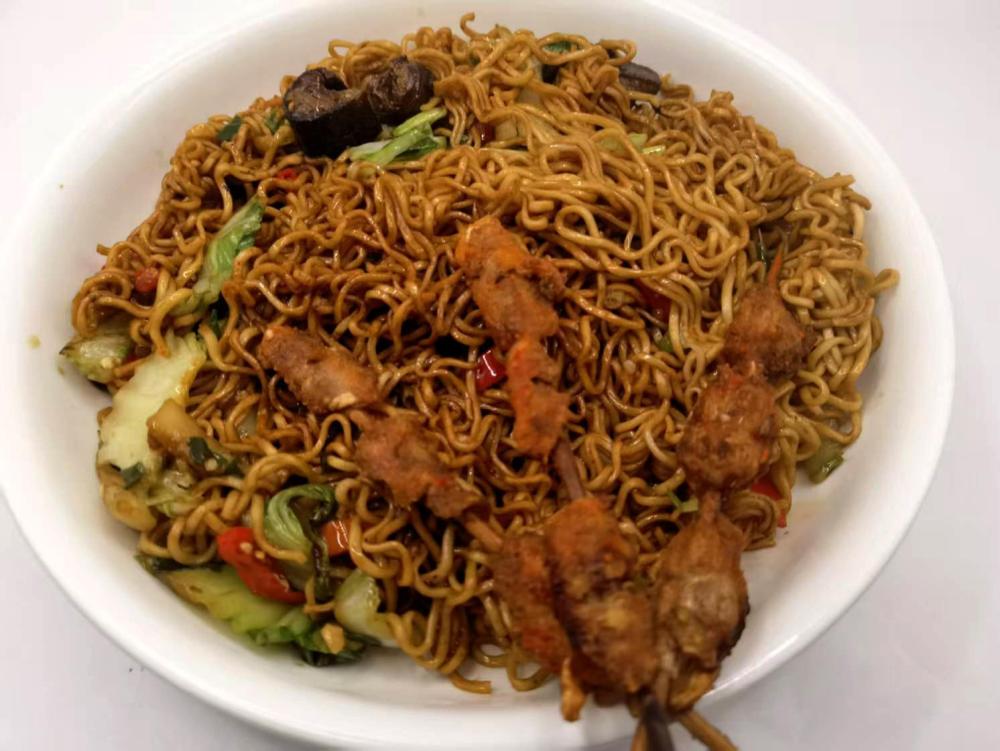
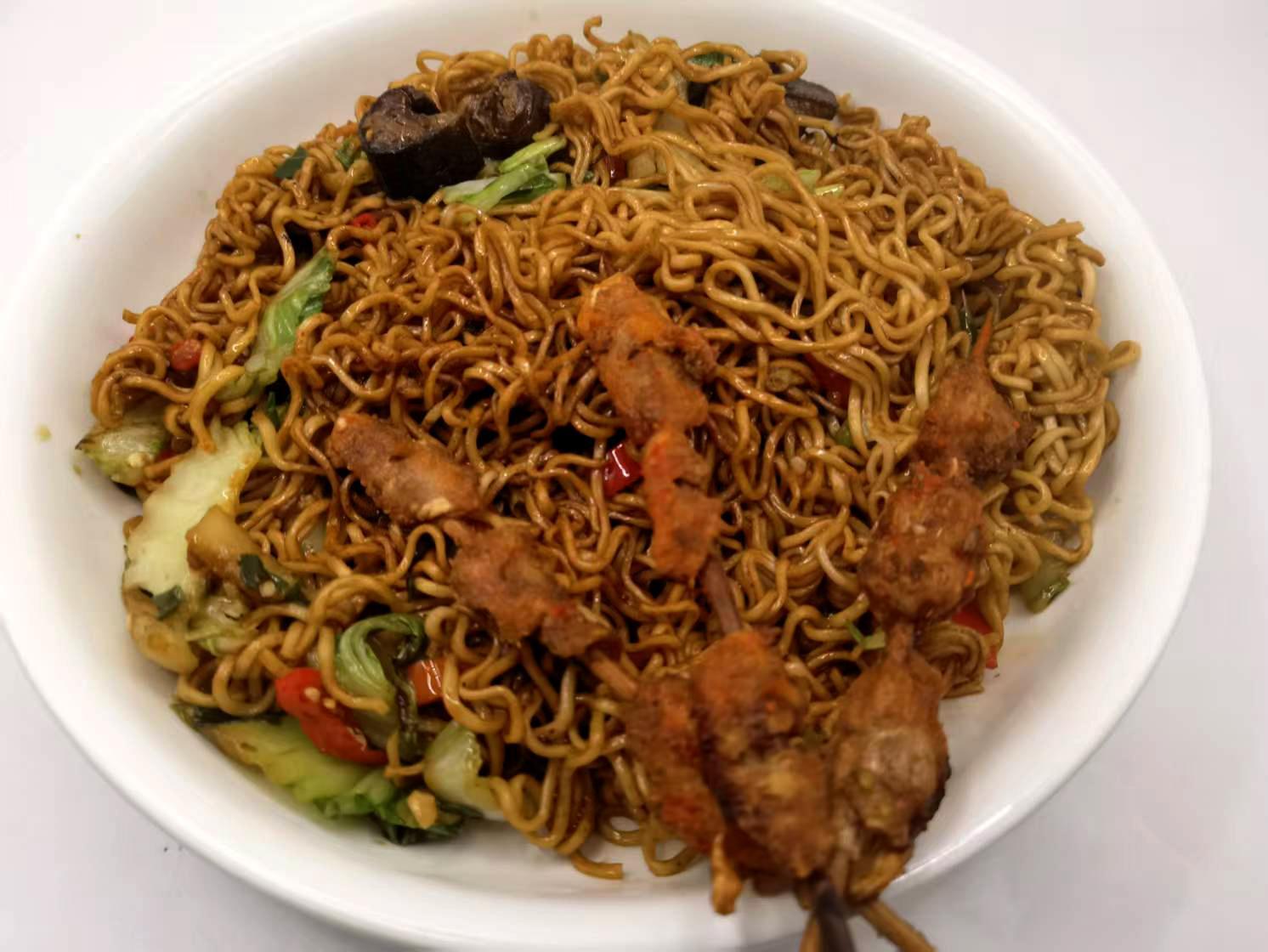
鳝鱼炒米粉 (shàn yú chǎo mǐ fěn), stir fried rice noodles with paddy rice eel, chilli, garlic, spring onion, cabbage. I also threw on three small Sichuan spiced chicken skewers left over from lunch.
-
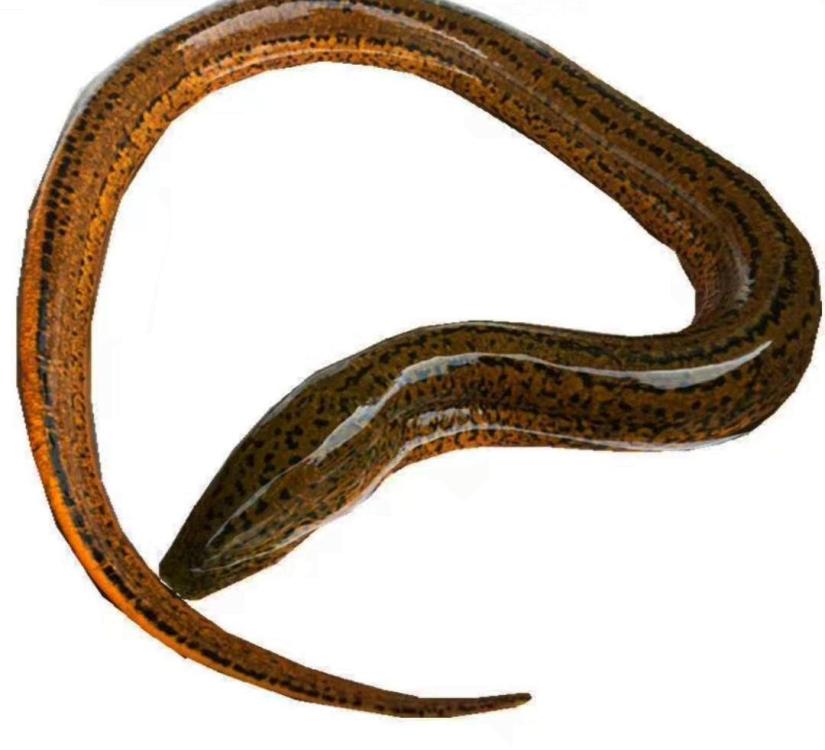
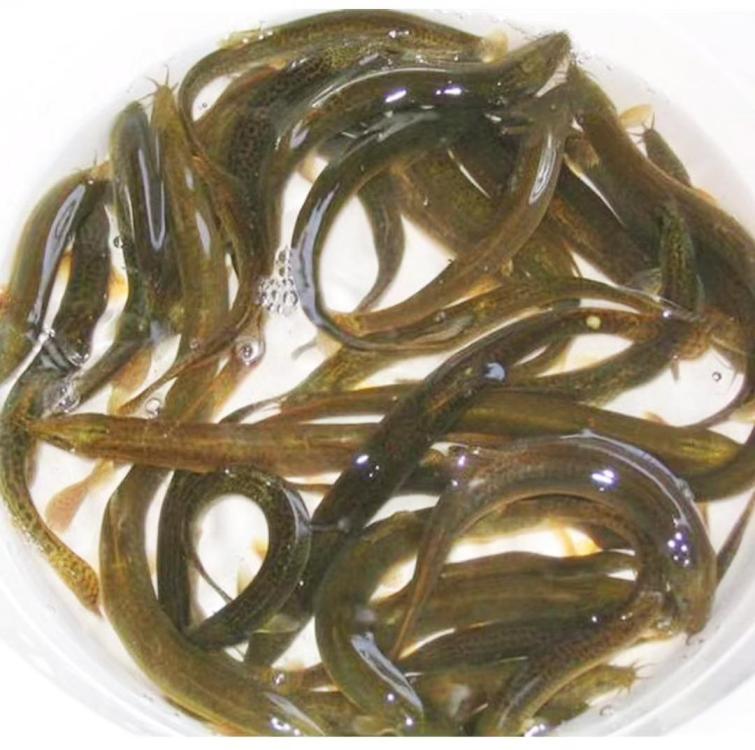
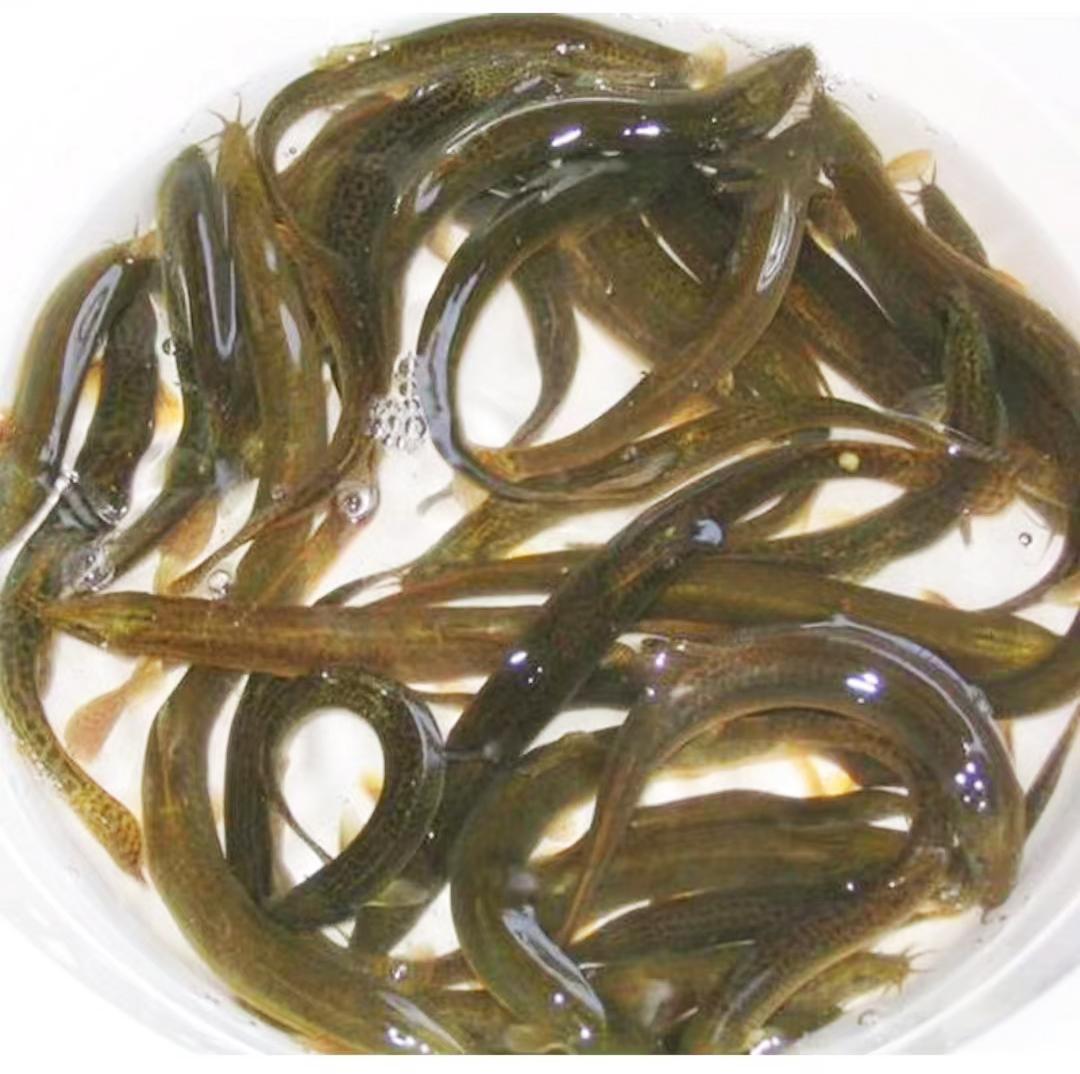
Despite spending most of UK life in London, and like 99% of Londoners, I have never eaten that speciality dish every YouTube idiot tourist rushes off in search of because “Londoners eat it every day” – the jellied eel! Utter nonsense. However I do eat eels here in China – sans jelly though. 鳝鱼 (shàn yú), the Asian swamp eel, Monopterus albus, also known as rice eel, ricefield eel, rice paddy eel, is the most common. These, as the name suggests spend part of their lives in rice paddies where they prefer to spawn. They are native to south and SE Asia and an important food source in Vietnam, Thailand and here in southern China. They grow up to about 40cm / 16“ in length and are eaten at all sizes. The adults tend to have a yellow tint and so are often called 黄鳝 (huáng shàn), yellow swamp eel. My favourite is a Sichuan dish of spicy baby eels. These eels are sold live and fetch around $7-8 USD per 500g / 1.1lbs. Although they are air breathing, the babies above are in water. Note: These are not unagi, the popular Japanese eels, which are usually Anguilla japonica.
-
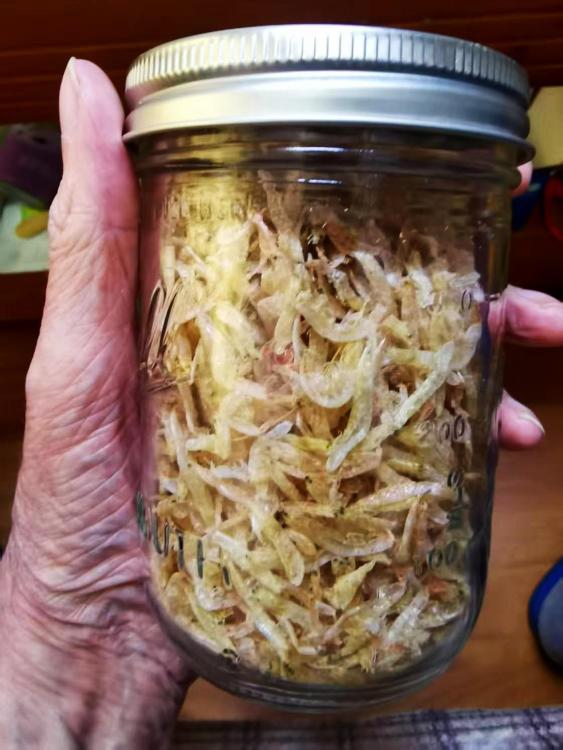
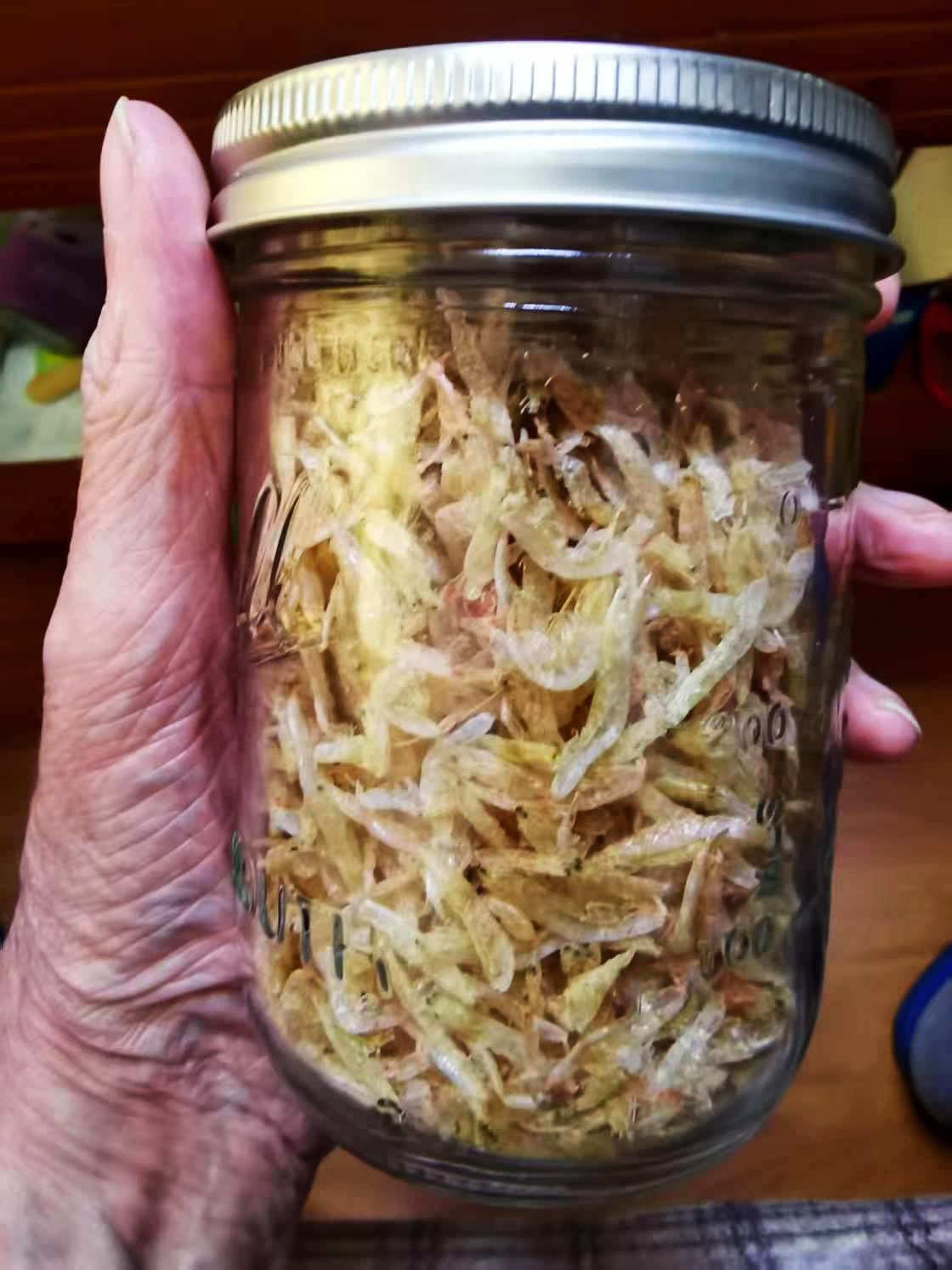
As a quick postscript to the 虾皮 post above, here is 50 grams of the critters. As you can see a little is a lot, especially when you consider we maybe use a tablespoon at most in a dish; usually a lot less. These cost me 78 cents USD today.
-
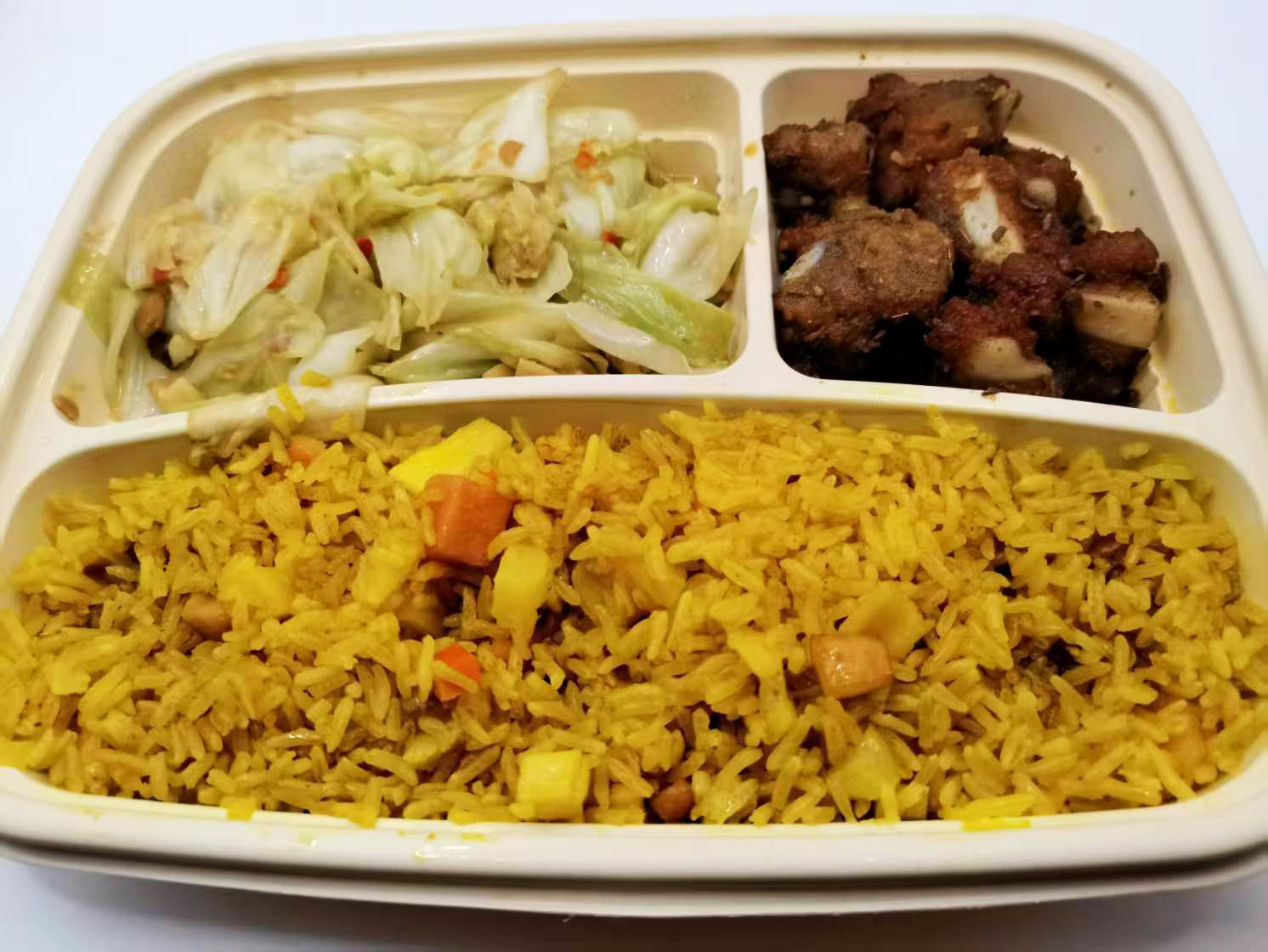
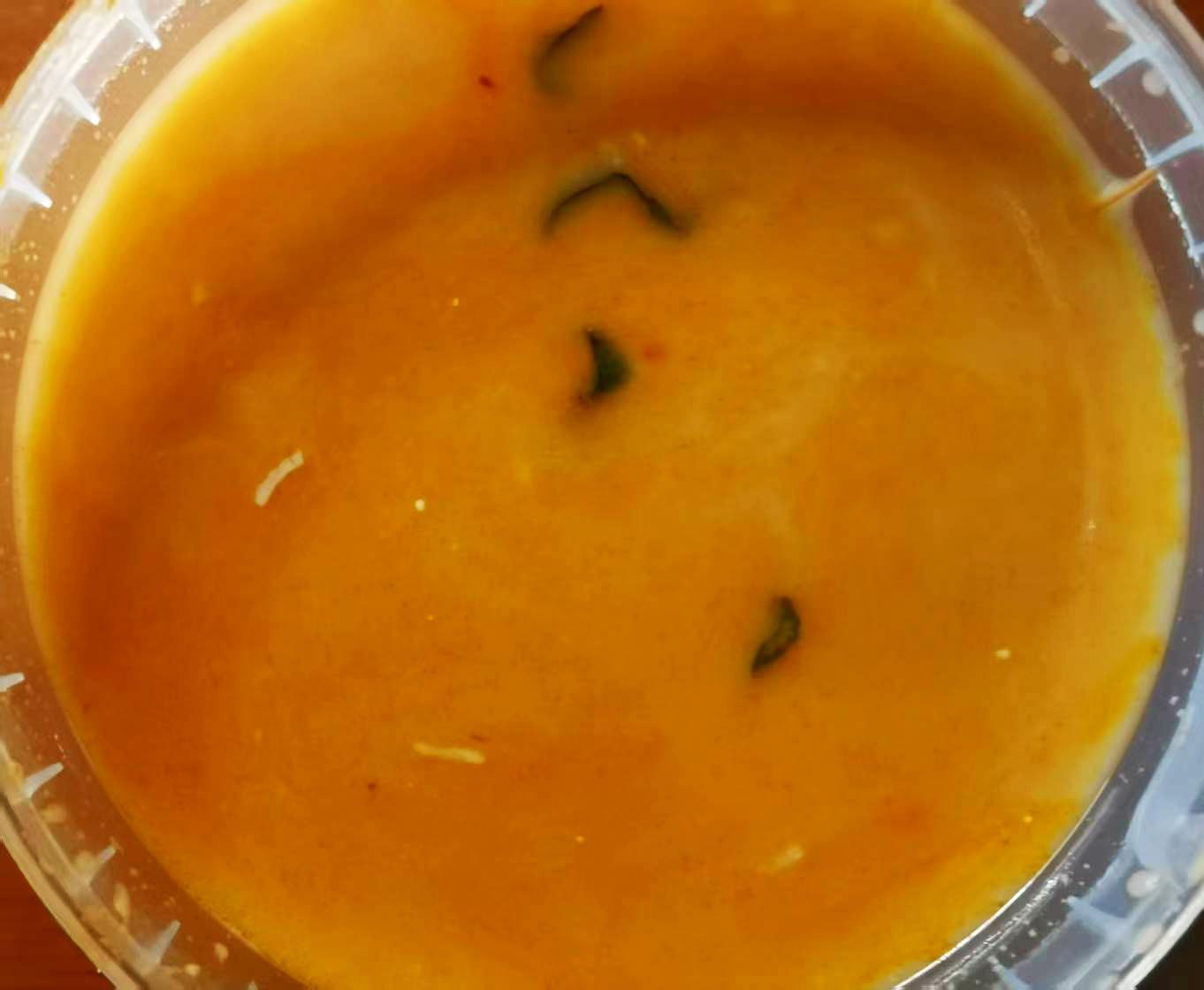
Today was busy. Very busy. Too lazy and tired to cook so picked up a takeout meal from a “Thai” place near my home. Their description (translated from Chinese): a) Pineapple and crab fried rice. b) Thai garlic ribs. c) Stir fried cabbage. d) Tom Yum Soup My description (translated from reality): a) Fried rice with one small piece of fake crab (surimi) and two dried shrimp. b) Flavourless ribs with zero garlic or Thai flavours. c) Unseasoned watery cabbage. d) Inedible mud. Never again.
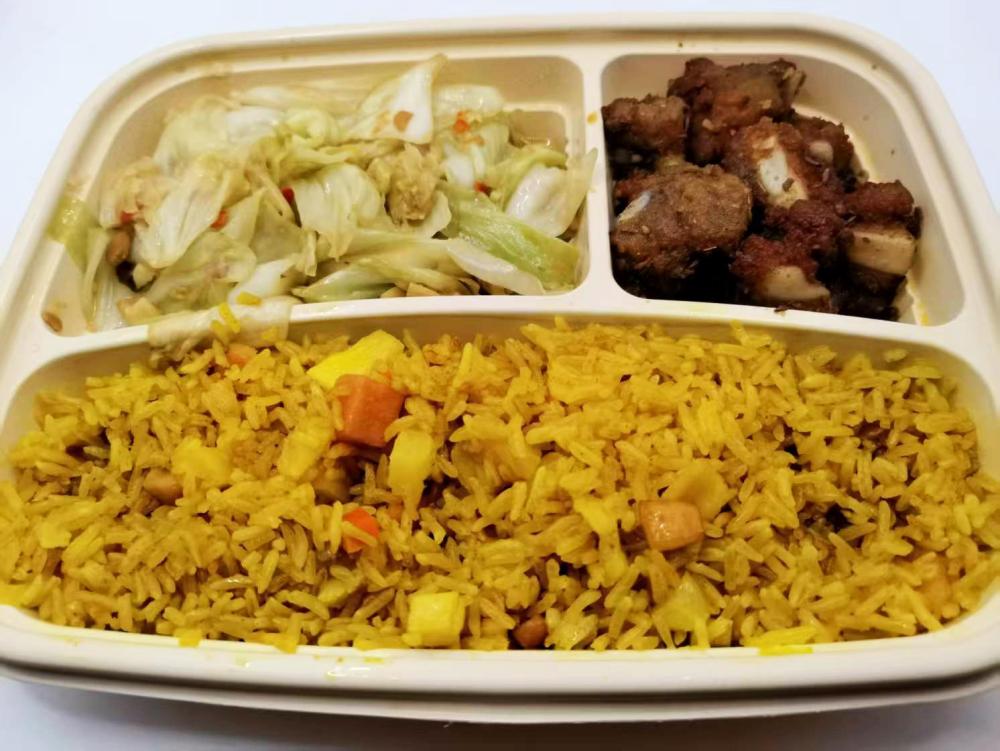
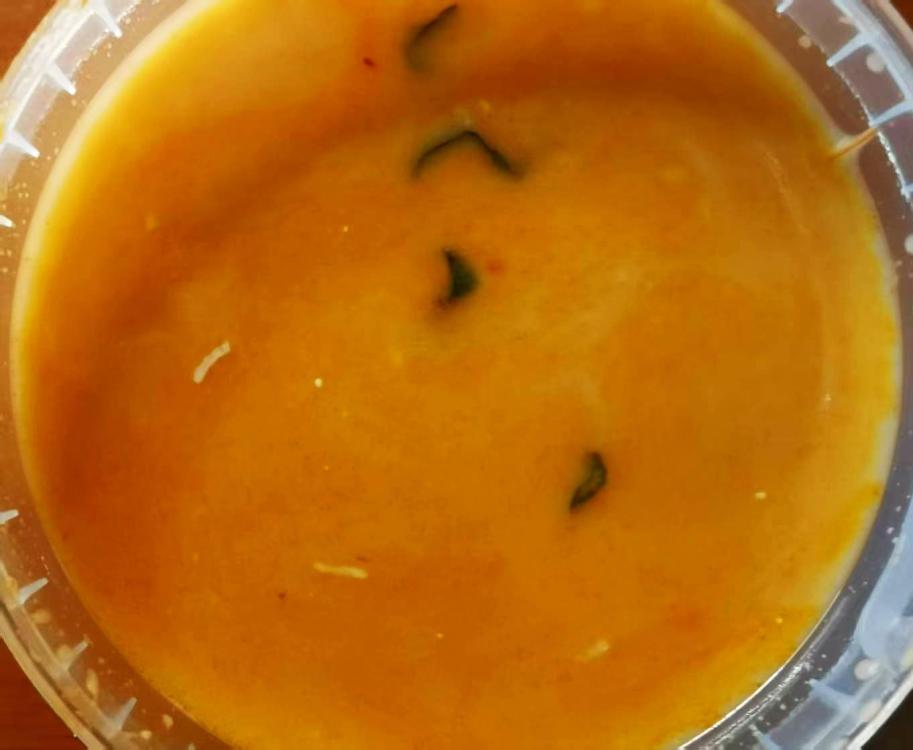
-
A pictorial guide to Chinese cooking ingredients
liuzhou replied to a topic in China: Cooking & Baking
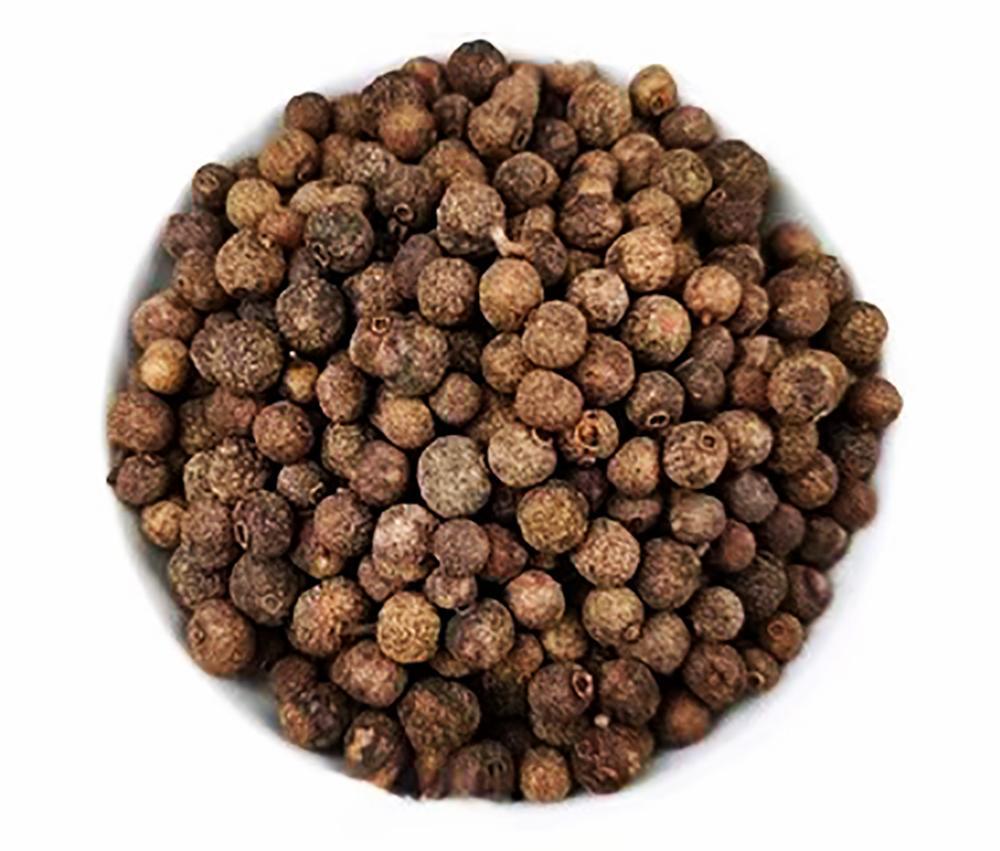
I’ve often mumped and moaned about the lack of culinary spices in China. They have thousands of herbs and spices in TCM to simultaneously purge your tubes while curing your cancer and syphilis and making you more intelligent, but for your dinner, forget it. So, I was pleasantly surprised today to find this. 多香果 (duō xiāng guǒ), Pimenta dioica, allspice. Of course, as I’m sure everyone knows, this is native to the Caribbean (especially Jamaica) and Mexico, but it has been introduced around the world, including Yunnan province, here. The Chinese name literally means 'many spices'. Also known as Jamaica pepper, myrtle pepper, pimenta, or pimento, this was named allspice in English in the 17th century, as it was considered a spice that combined the flavours of cinnamon, nutmeg, and clove. So, expect some Jamaican food from China in the near future! What the locals might do with it, I have no idea. So-called Japanese allspice, actually from China where it is 蜡梅属 (là méi shǔ), Chimonanthus fragrans is completely unrelated. It is an early-flowering shrub introduced to Japan from China in 1766.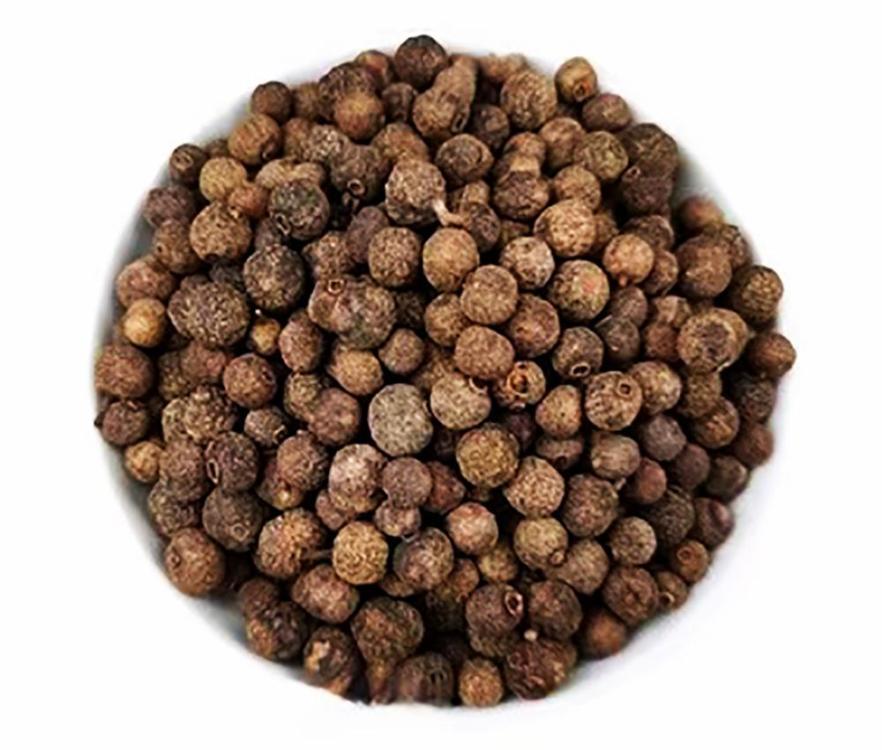
-
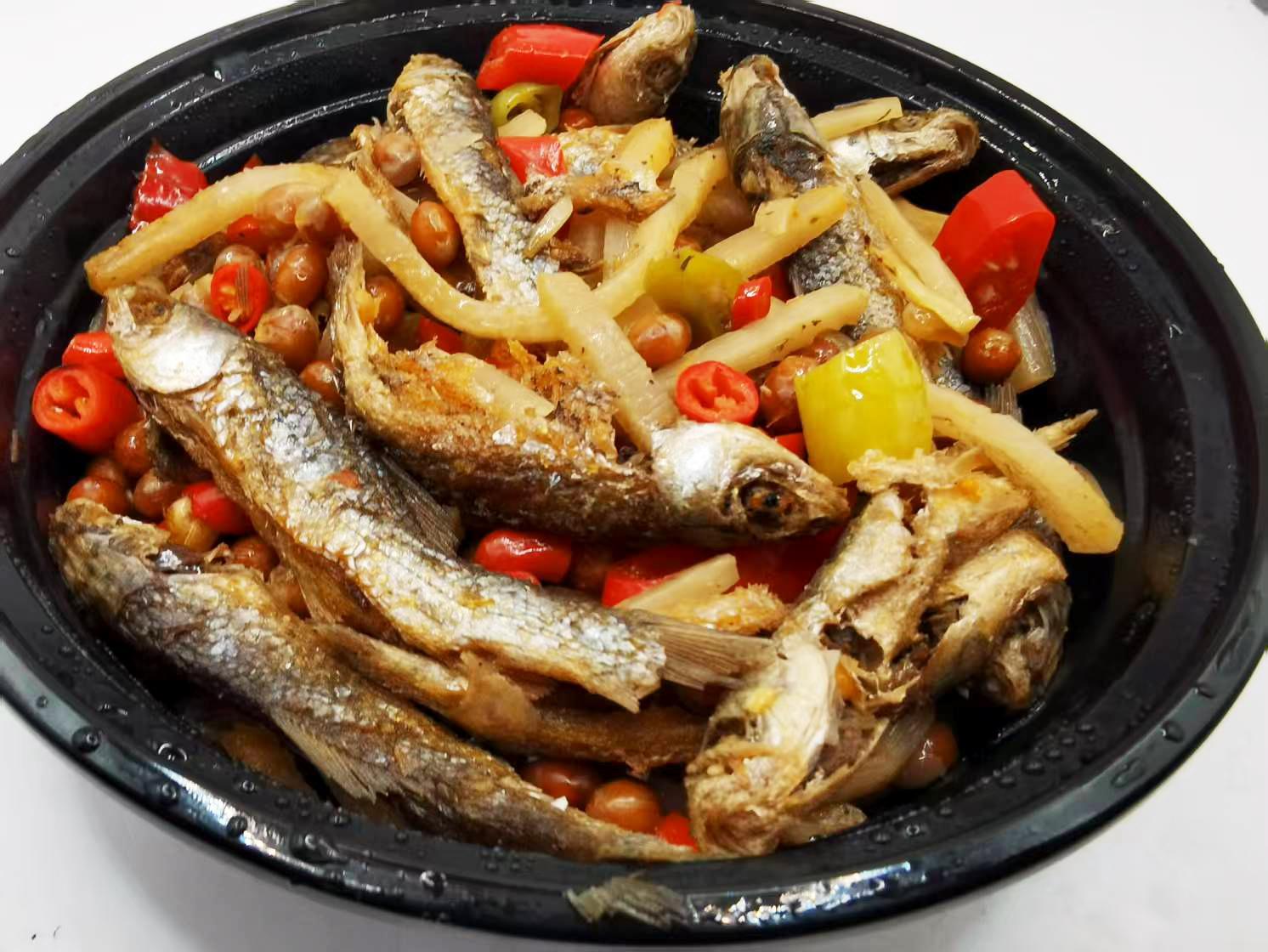
酸笋黄豆焖河边鱼仔 (suān sǔn huáng dòu mèn hé biān yú zǐ), pickled bamboo, soy bean, rice paddy fish. Served with rice.
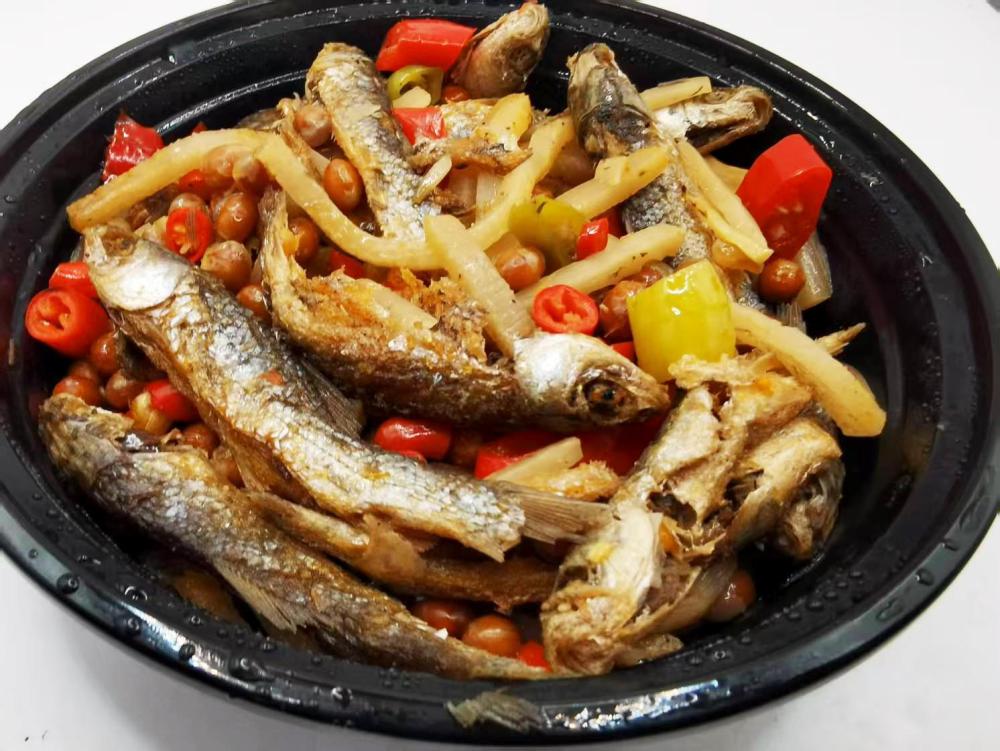
-
I'm putting this here as I don't want to get off topic in the food forums, but all the conversation about Diamond Crystal salt made me wonder if it's available here, so I searched the largest Chinese national online shopping portal. The results were very interesting and very salty. Lots of images of rather buxom young ladies in their smaller sisters' bikinis. Nothing I'd want to put in my dinner, though.
-
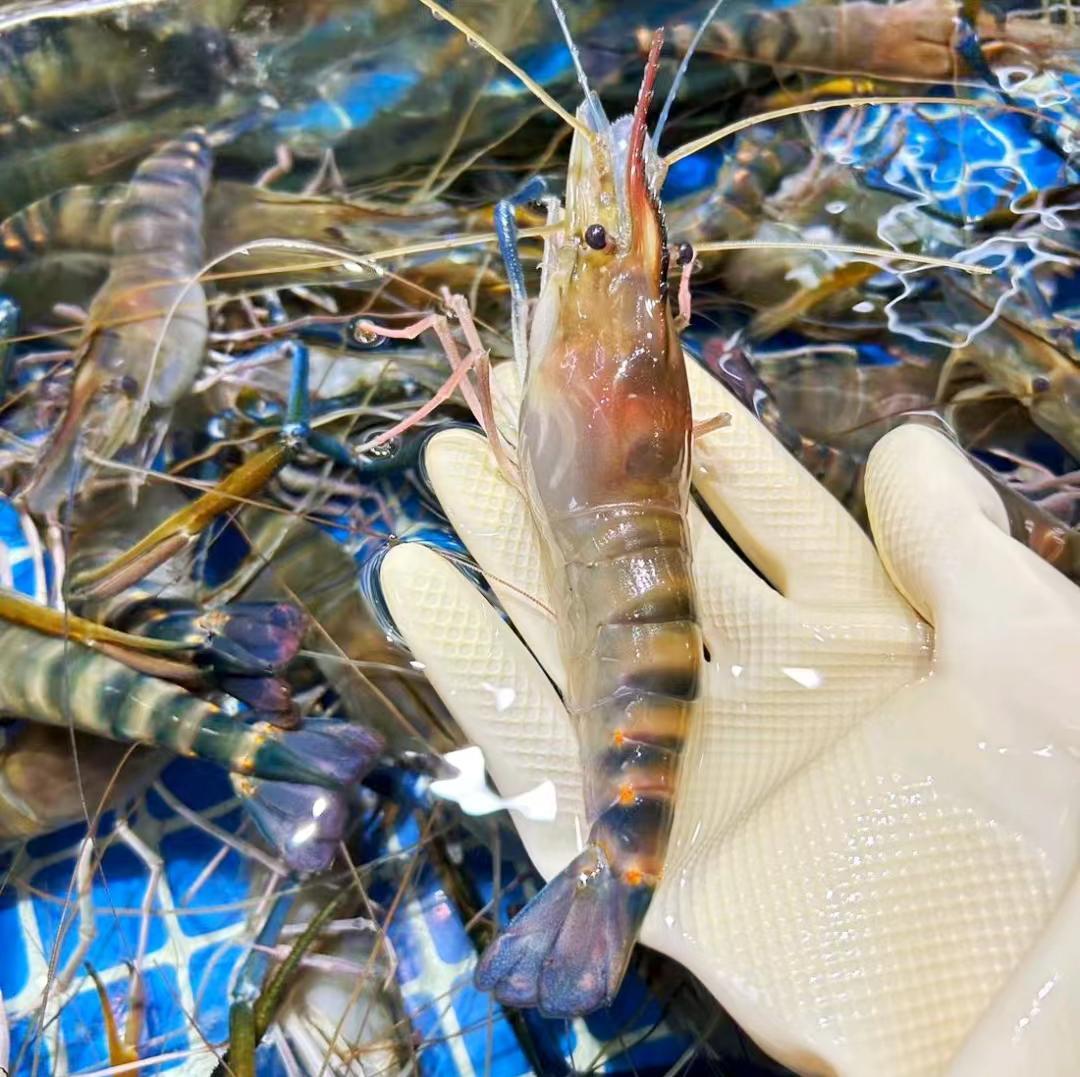
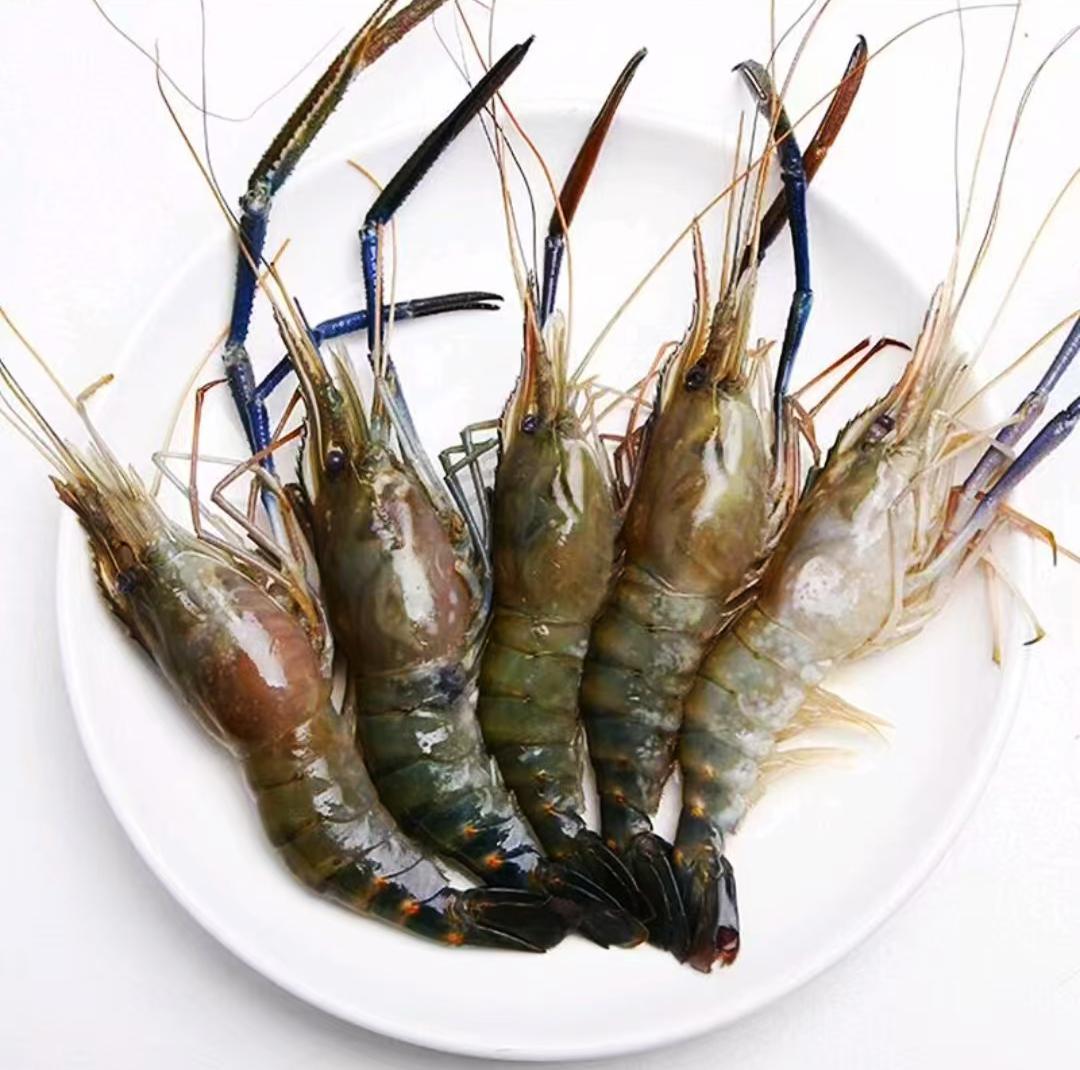
Although, the majority of shrimp / prawns available here are seawater species, which are easier to farm, we do also get freshwater types. Most popular, I guess, are 罗氏虾 (luó shì xiā), Litopenaeus vannamei, Roche shrimp, also sometimes known as Malaysian shrimp, despite being native to Ecuador. They have been introduced widely throughout SE Asia and down to Australia. In fact, they are euryhaline, meaning they are just as happy in either fresh or seawater (which leads them to being called Pacific white shrimp in places. Here, they are mainly freshwater. These are the largest shrimp able to tolerate a freshwater environment, reaching up to 40 cm in length, although more often retailed at between 11- 17 cm. They are brownish-blue in colour, thin shelled and their heads take up more of the bulk of than those of regular shrimp. They are also meatier than strictly sea shrimp. Usually sold live, they are around $10 to $12 USD for 500g / 1.1lbs. Serving suggestion:
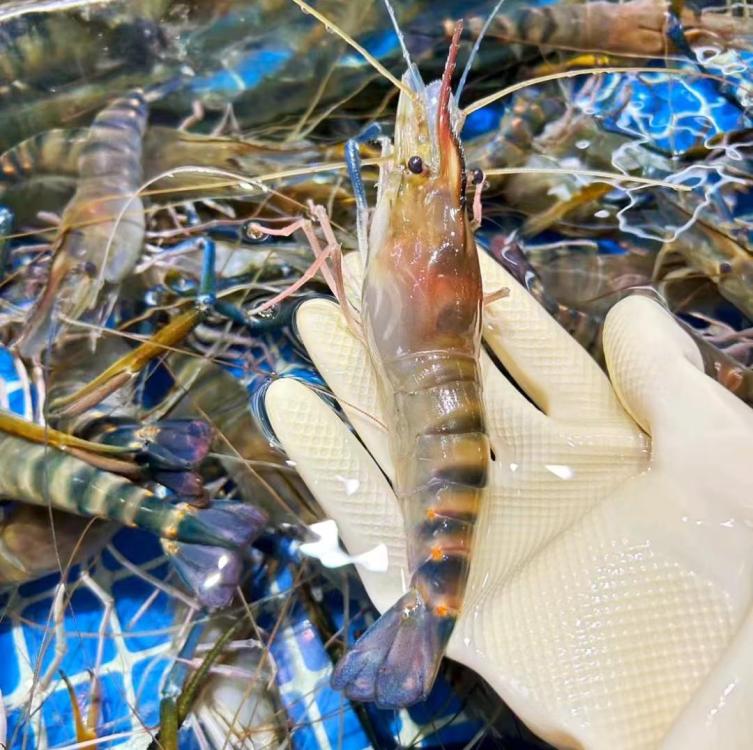
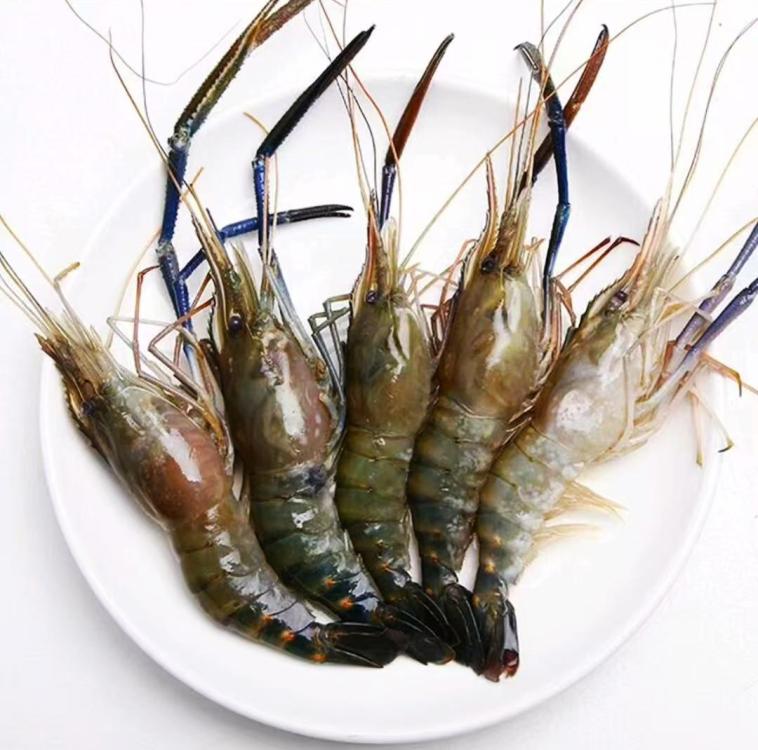
-
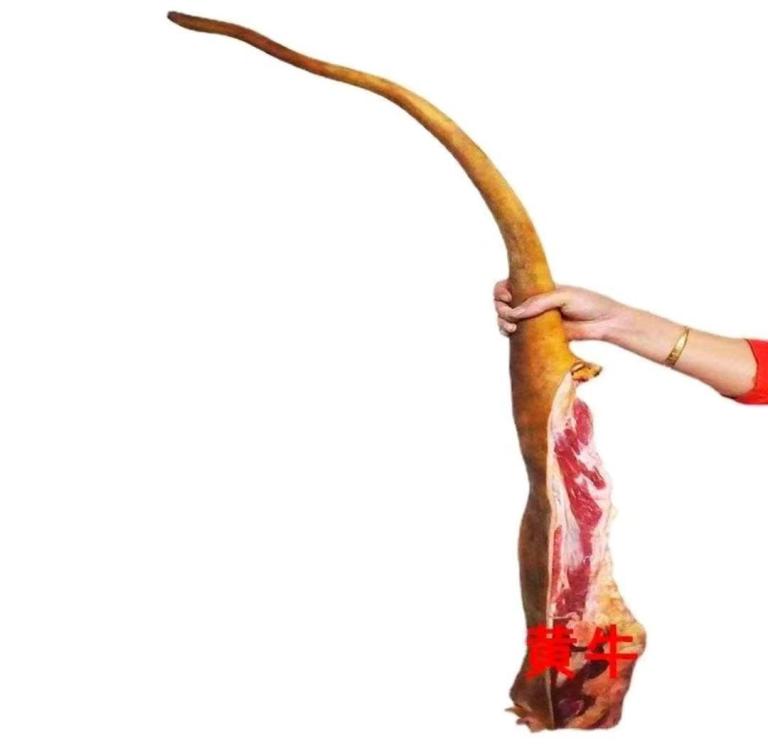
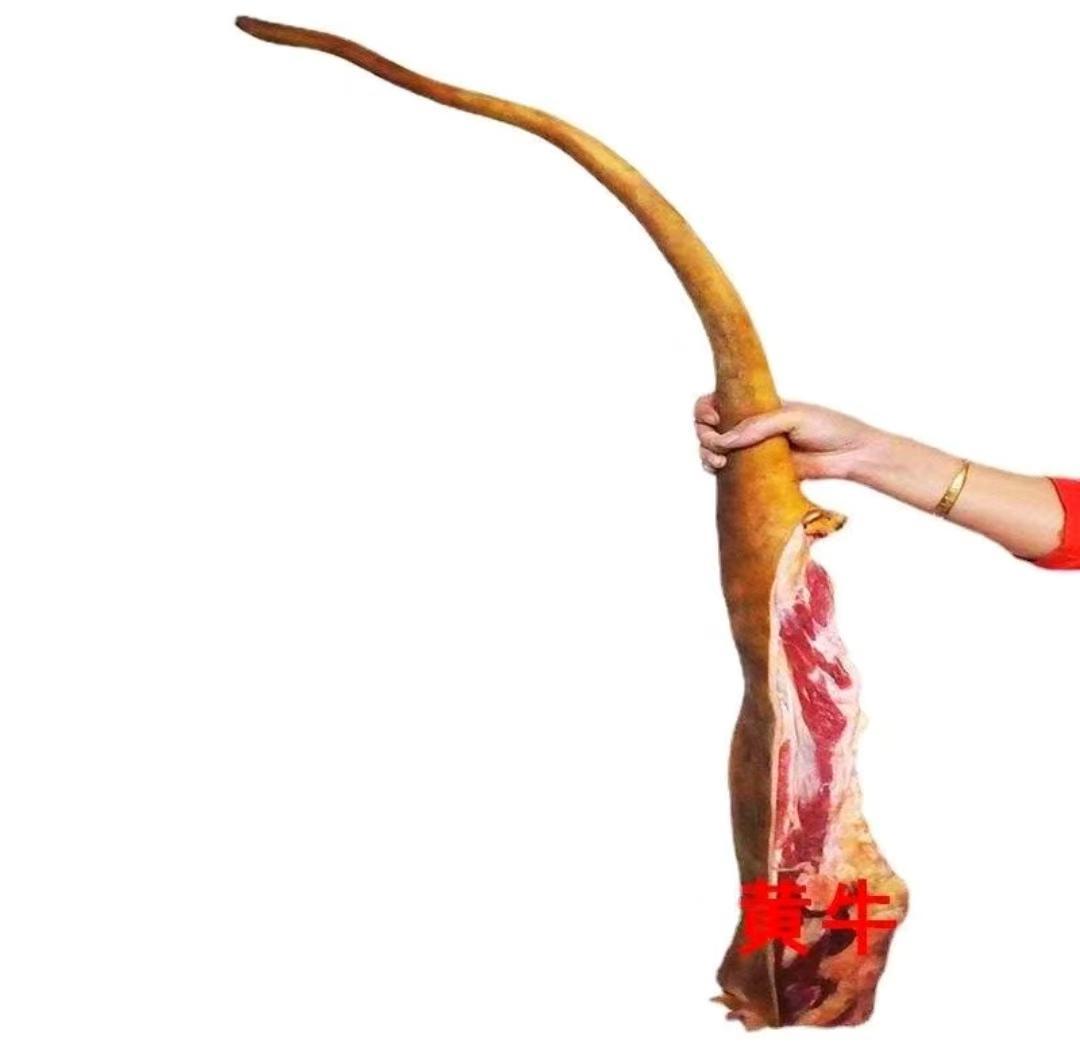
If it's any consolation, donkey tail is even more expensive!
-
Image from Meituan online shopping app, China Recent mentions in the Dinner 2025 topic regarding oxtail pricing has got me thinking. I had a look at the price here (I haven’t bought any for a while). Given the relative purchasing power of the relevant currencies, it is actually more expensive here than in N. America, but then not so much cattle here. But that is not my main point here. I have developed an untested, but I believe plausible, theory for oxtail being relatively expensive. In the past, it was considered poor people’s food and when even available, was cheap. In the 2000s, celebrity chefs such as Heston Blumenthal began to use cheap cuts more and they became a sort of fashion, driving up prices of many previously shunned foods. Also, each animal only has one tail! And that tail doesn’t provide a lot of food compared to the rest of the beast, again adding a scarcity premium to the costing. Heston Blumenthal Recipe: The twist in the tail | Life and style | The Guardian
-
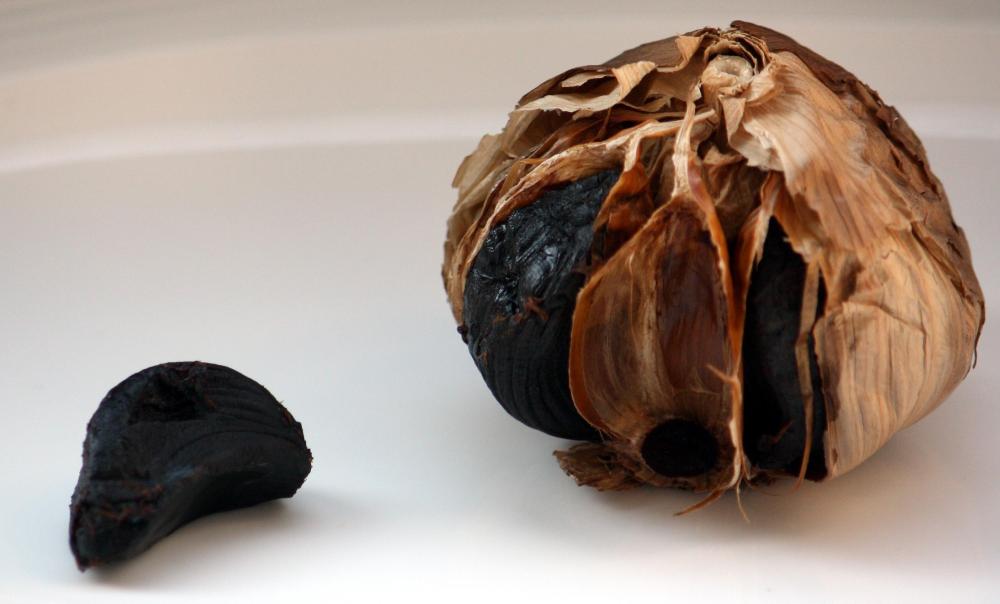
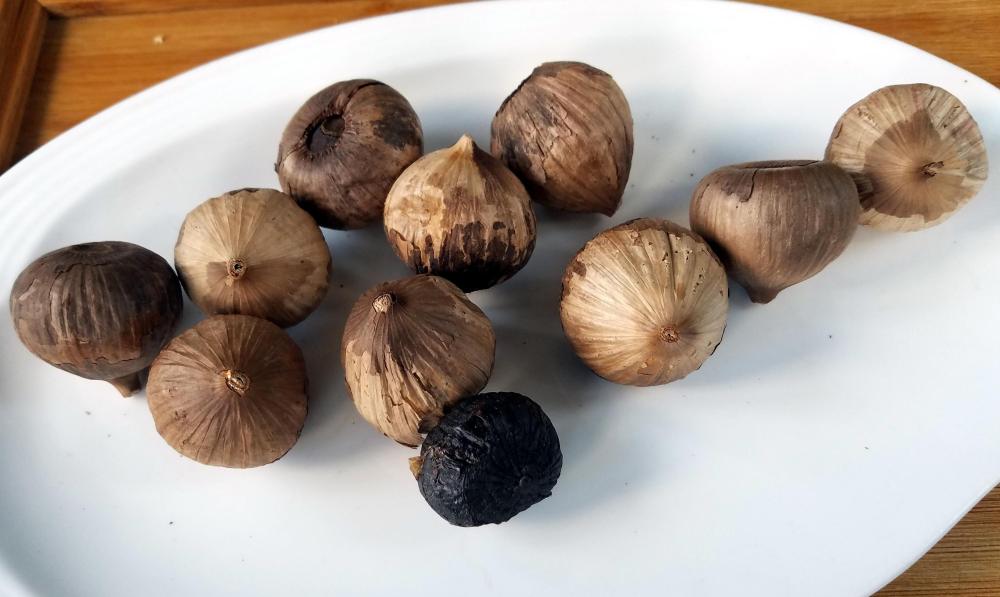
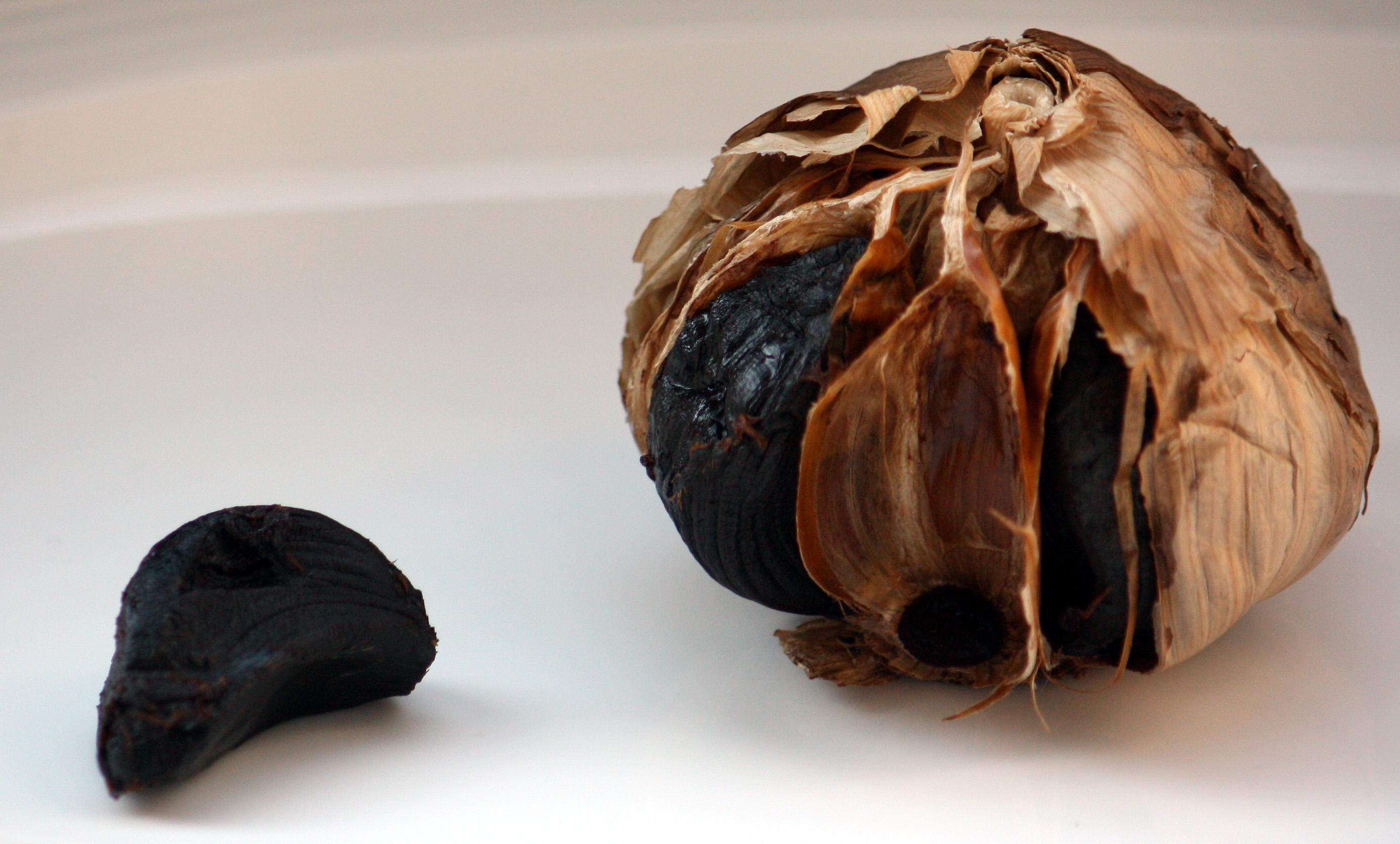
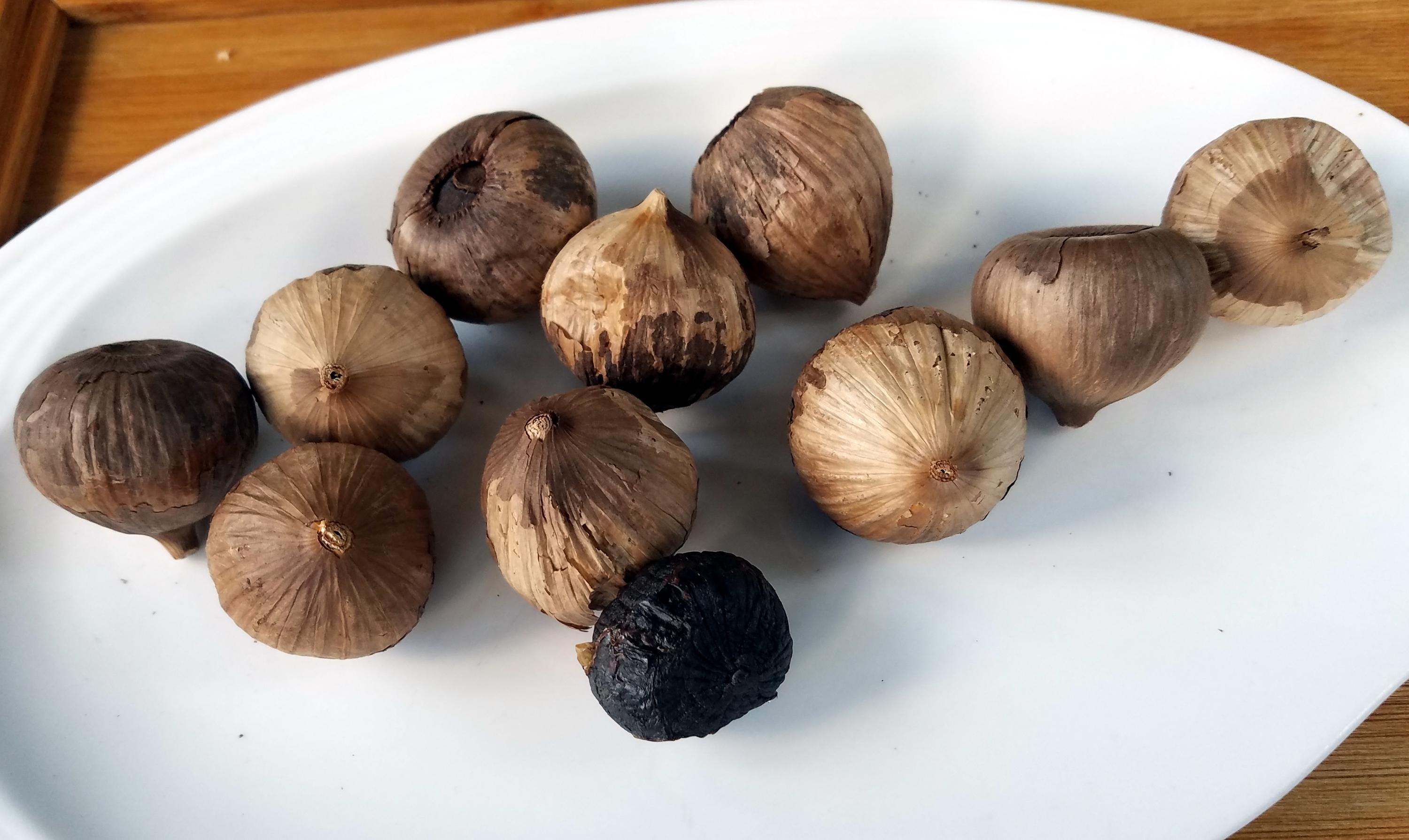
I love black garlic and am never without it. I get it both from regular multi-cloved garlic and from the local single head garlic. I use it mostly simply as a replacement for regular garlic but particularly like it with pasta. I add it to pesto, too. And I consider my black garlic risotto to be a winner. You can mash it into mayo and use that as you prefer. But a personal favourite is this stir fried chicken with black garlic, here served with orzo. When I had a second home in the countryside, I used to blacken garlic myself, but my neighbours in the city wouldn't thank me for trying that here, so now I buy it from the store.
.thumb.jpg.d75c4cc5a3250197728b128110fec229.jpg)
-
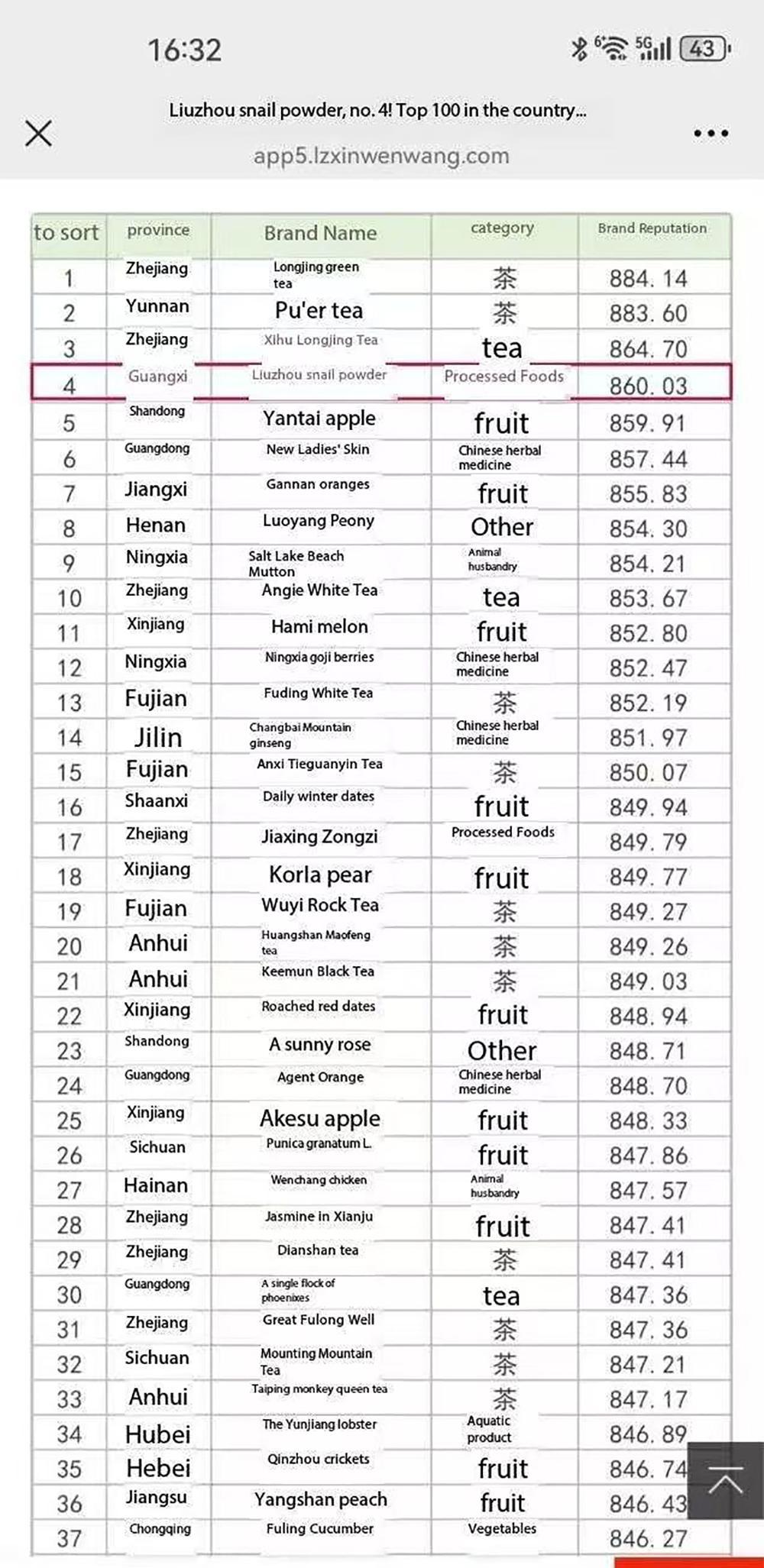
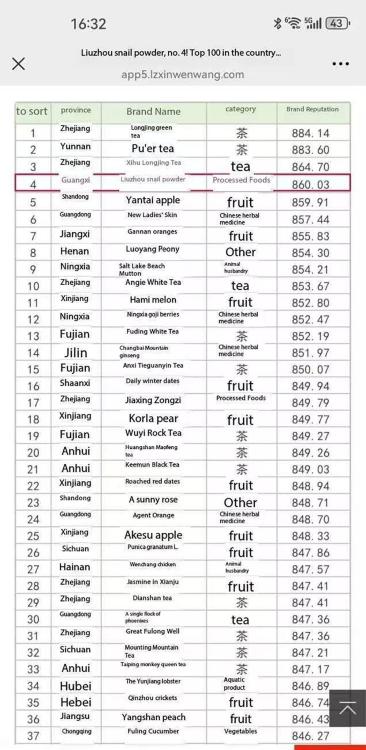
Haha. ‘螺蛳 (luó sī) means the type of snail used in the dish, literally 'spiral (river) snail'. Powder here is the mistranslation. 粉 (fěn) can mean 'powder' but here is an abbreviation for 米粉 (mǐ fěn) which means 'rice flour', which is used to mean that the noodles are made from that. A correct non-literal but pragmatic translation of luosifen would be 'spiral river snail rice noodles'.
-
A journalist friend sent me this today. A list of the top 100 selling agricultural products in China. No. 4 is luosifen. It is also the no. 1 non-tea product. Here is the top 37. I've used my phone's translation app to show you an approximation of the English meaning. It mistranslates luosifen though (as always). Also for some reason it often fails to translate 茶 at all. That is 'tea'. Clearly some translations are gibberish. If you really want to know any, let me know and I'll see if I can do better. No. 24 is Pomelo Peel; not Agent Orange, the toxic herbicide notoriously used in by the US military in Vietnam as a defoliant in the 60s!.
-
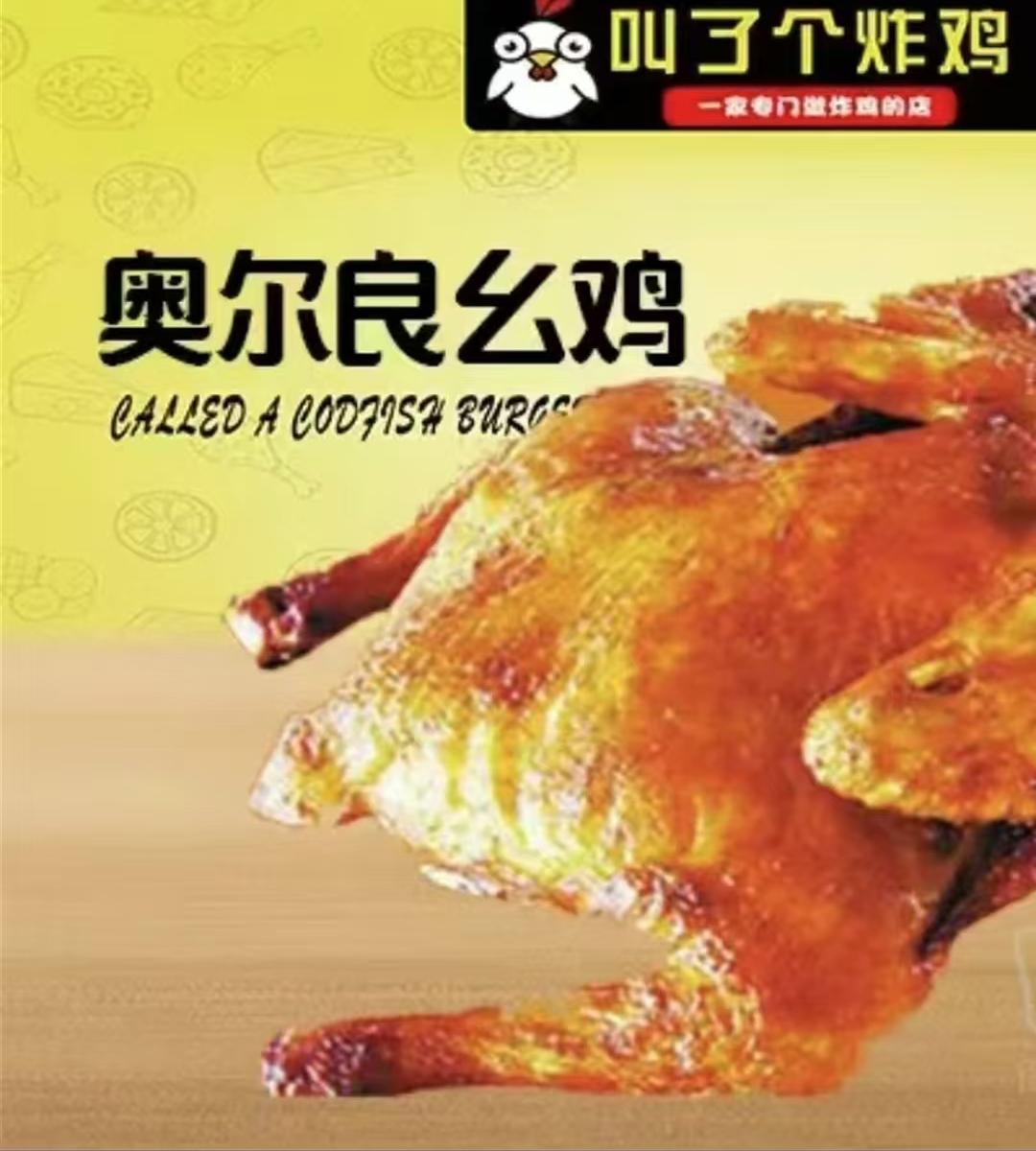
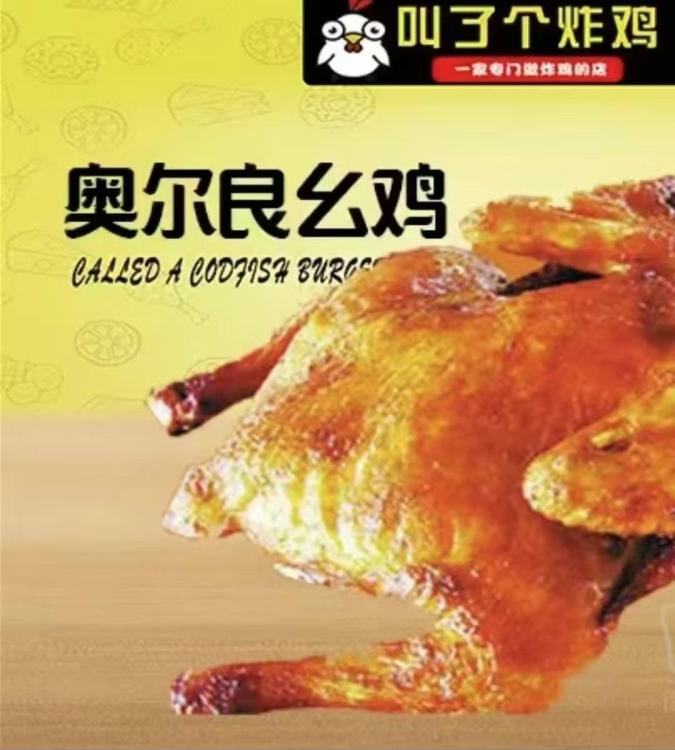
This ad simultaneously amused and baffled me. It reads (top right) I ordered fried chicken A shop that specializes in fried chicken then Orleans Chicken CALLED A CODFISH BURGER Did I buy some? Don't be ridiculous!
-
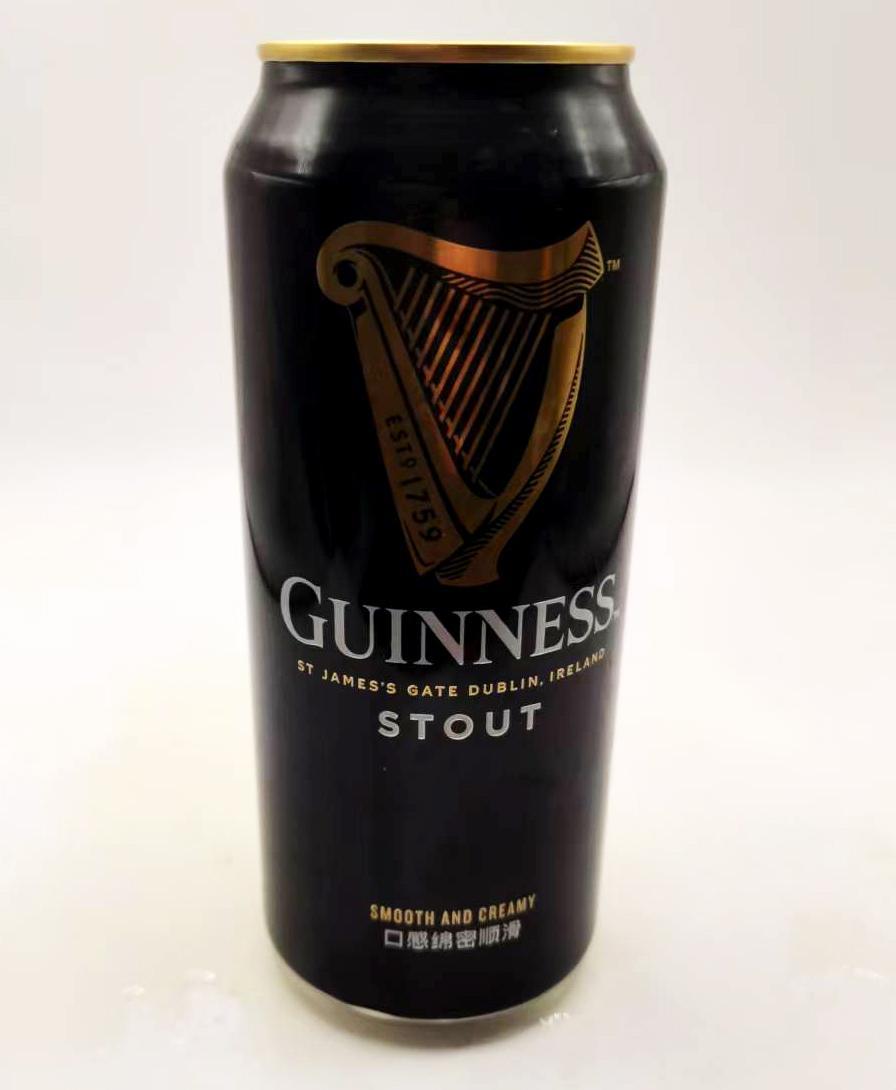
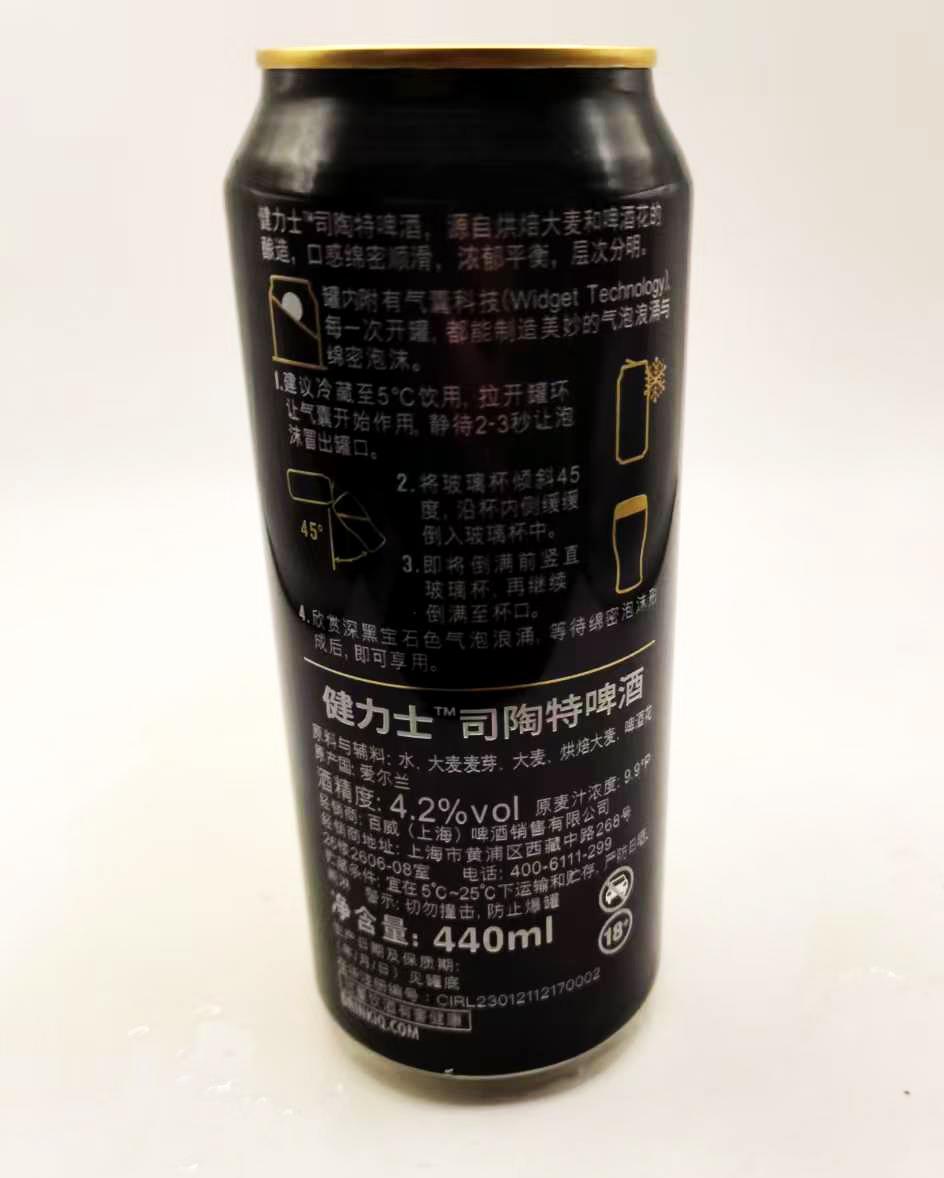
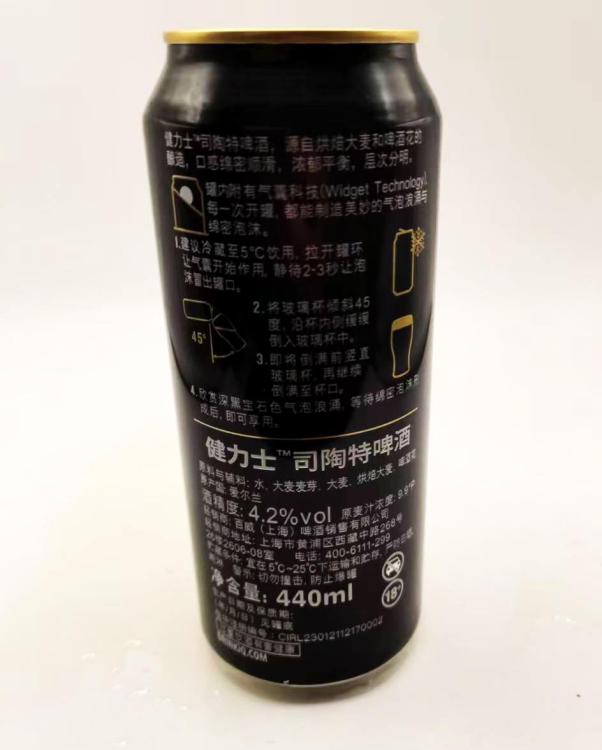
Due those incorrigible enablers, @C. sapidus and @Smithy 😂, I found myself splashing out on a six-pack of the black stuff. Guinness is barely known here and, outside of Beijing and Shanghai impossible to find on draught. Not even much there. Hong Kong is a much better bet. All I can get here is the canned, low 4.2 ABV version, imported from Dublin. Still. Better than no Guinness. It costs around $1 USD per can which isn't bad but twice the price of local beers. It's not very clear, but so little-known is it, they feel the need to give instructions on the can on how to chill it, pour it and drink it! Those I don't need!

-
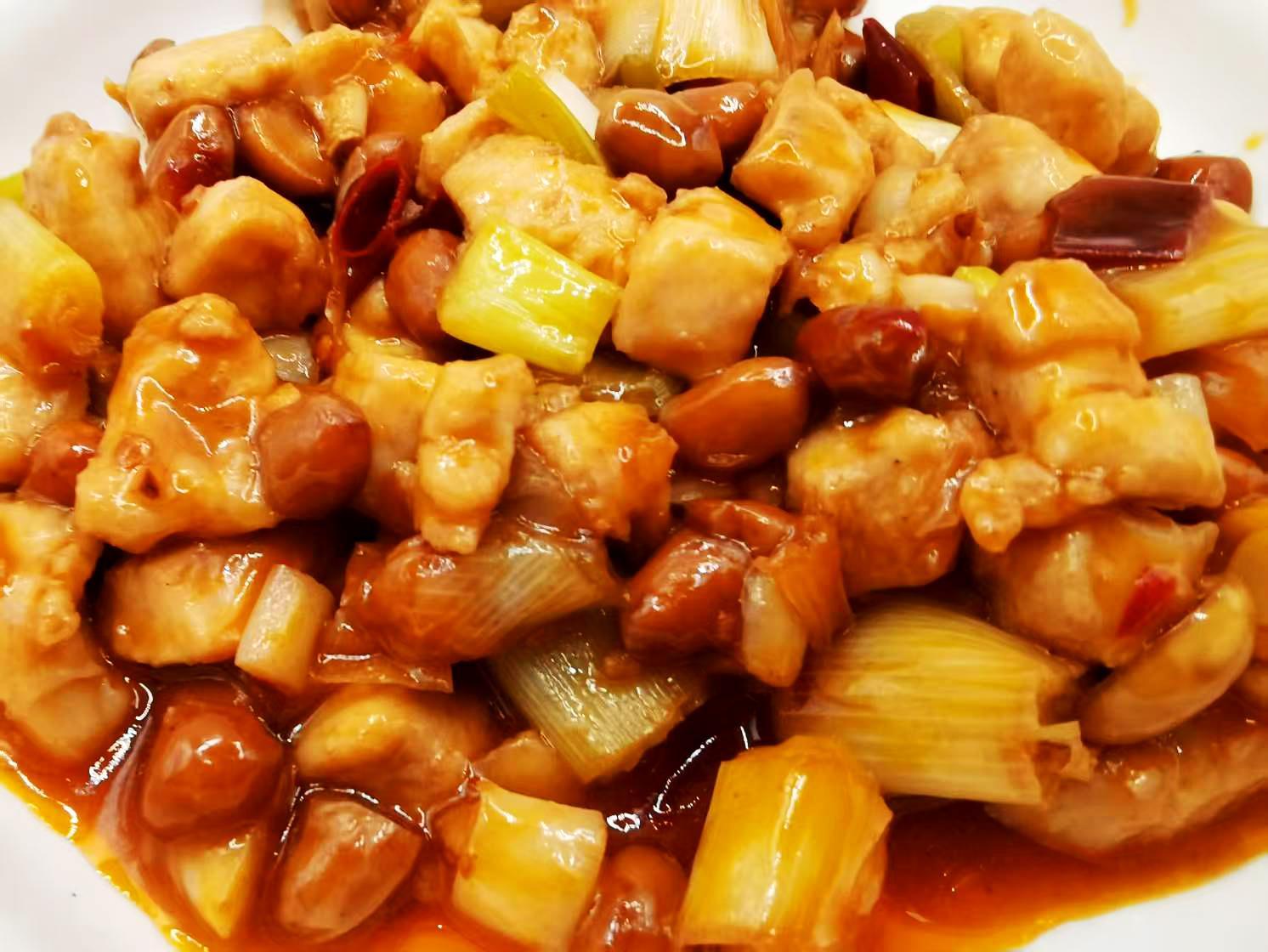
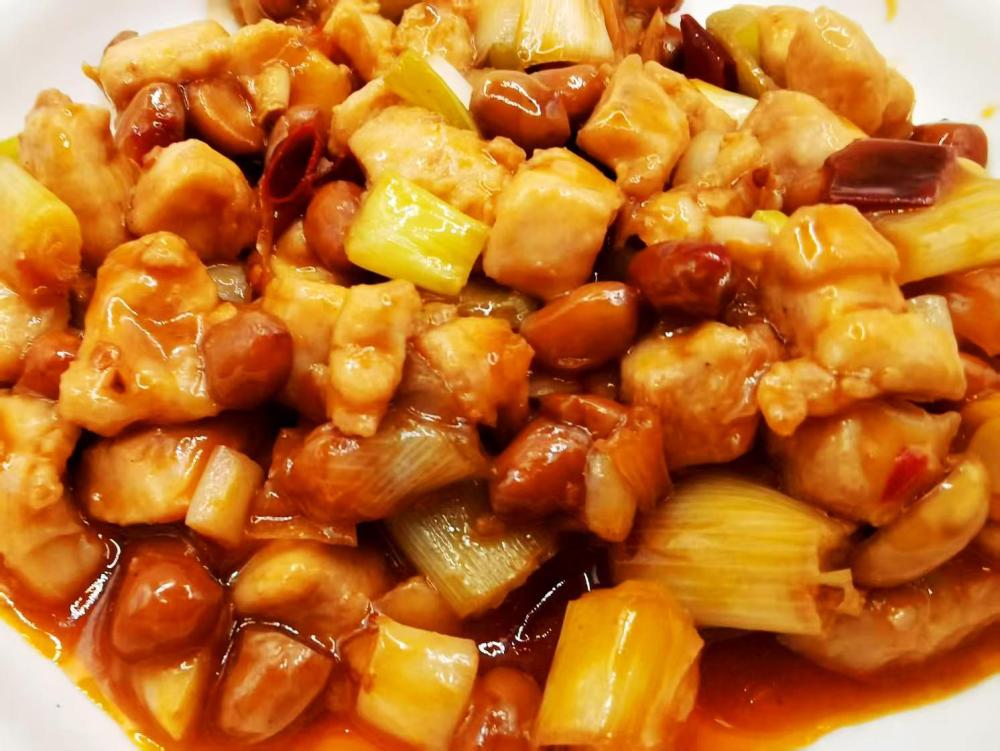
This, I didn't cook. A friend, a Sichuanese chef did. This is what 宫保鸡丁 (gōng bǎo jī dīng) looks like in his home village. What it looks like in Sichuan. That is what America knows as Kung Po Chicken, but China doesn't.





.jpg.d84f31f5b13835c0f8be11a58b5528e3.jpg)