liuzhou
-
Posts
16,813 -
Joined
-
Last visited
Content Type
Profiles
Forums
Store
Help Articles
Everything posted by liuzhou
-
Yes, I know about the potential for gut issues in some people, but decided to risk it. I'll let you know if I made a mistake! Yes, but bakpia were introduced to Indonesia by the Chinese.
-
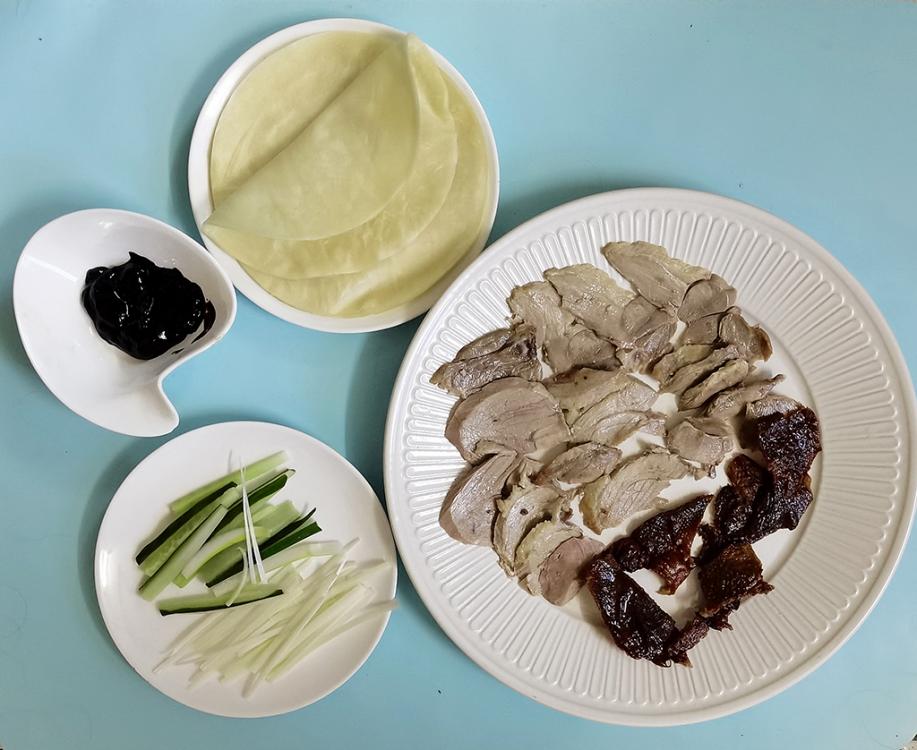
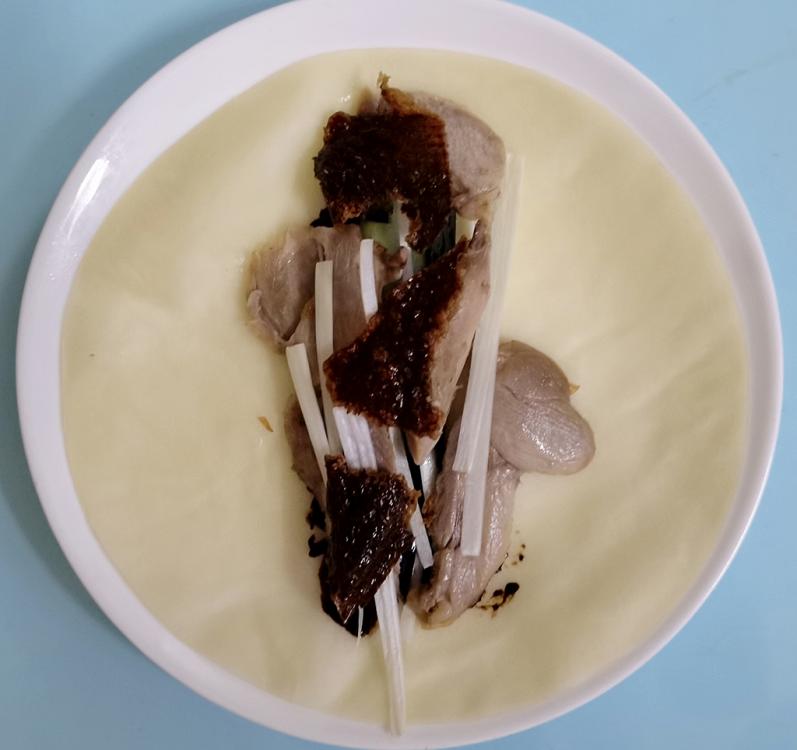
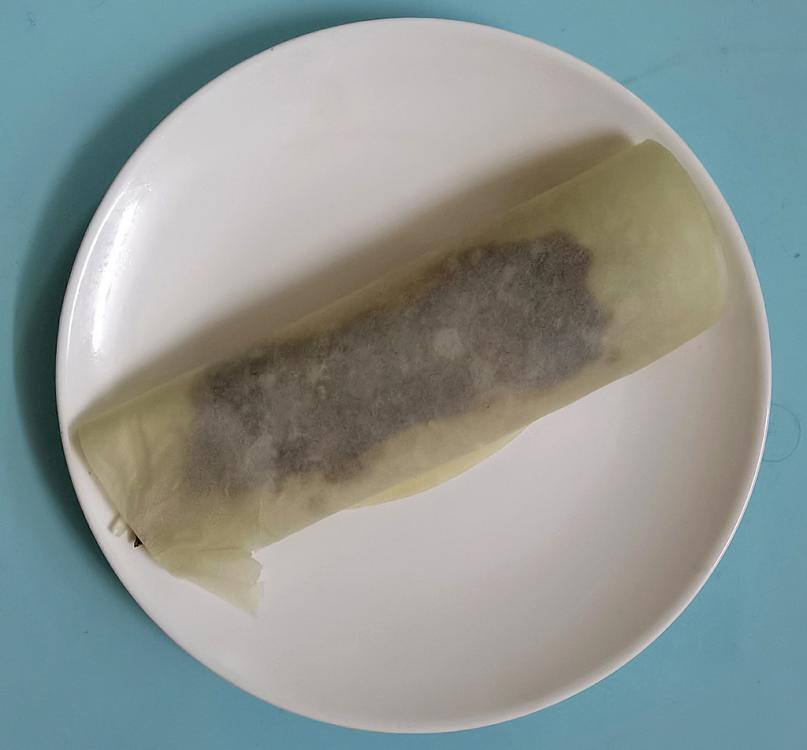
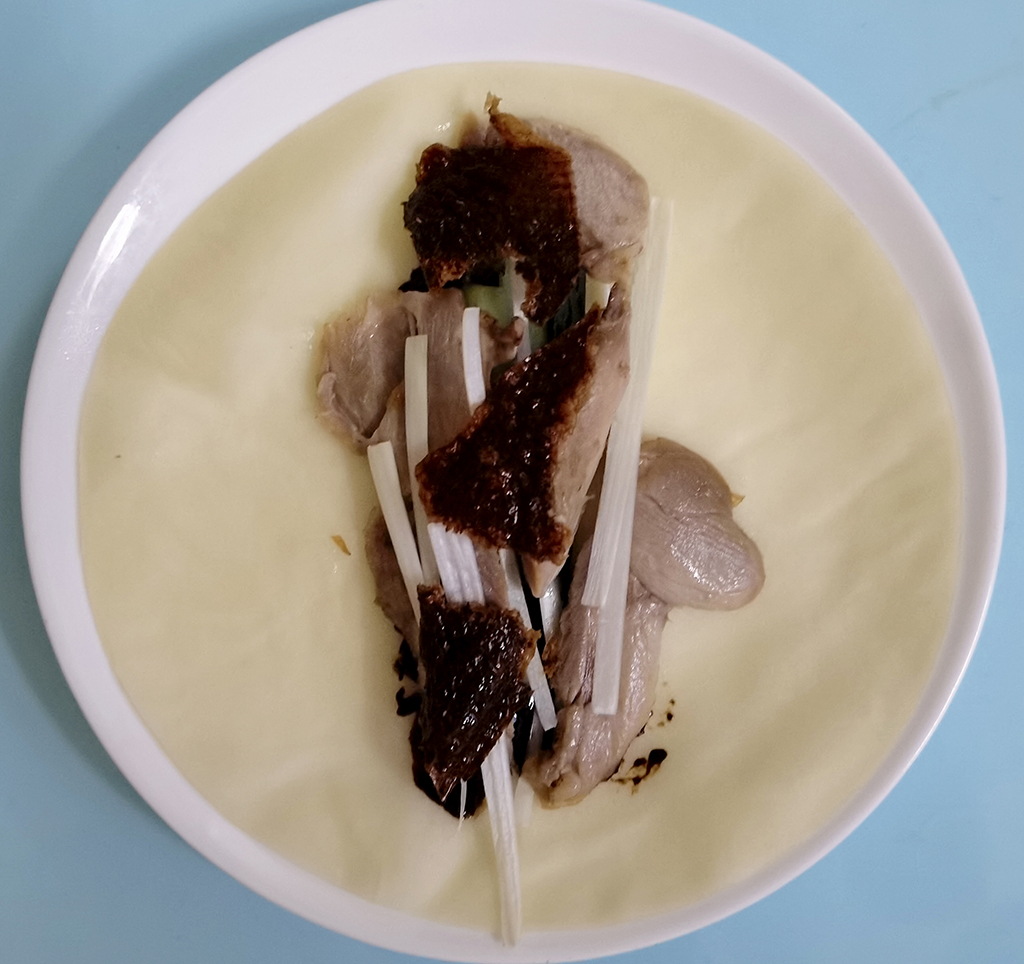
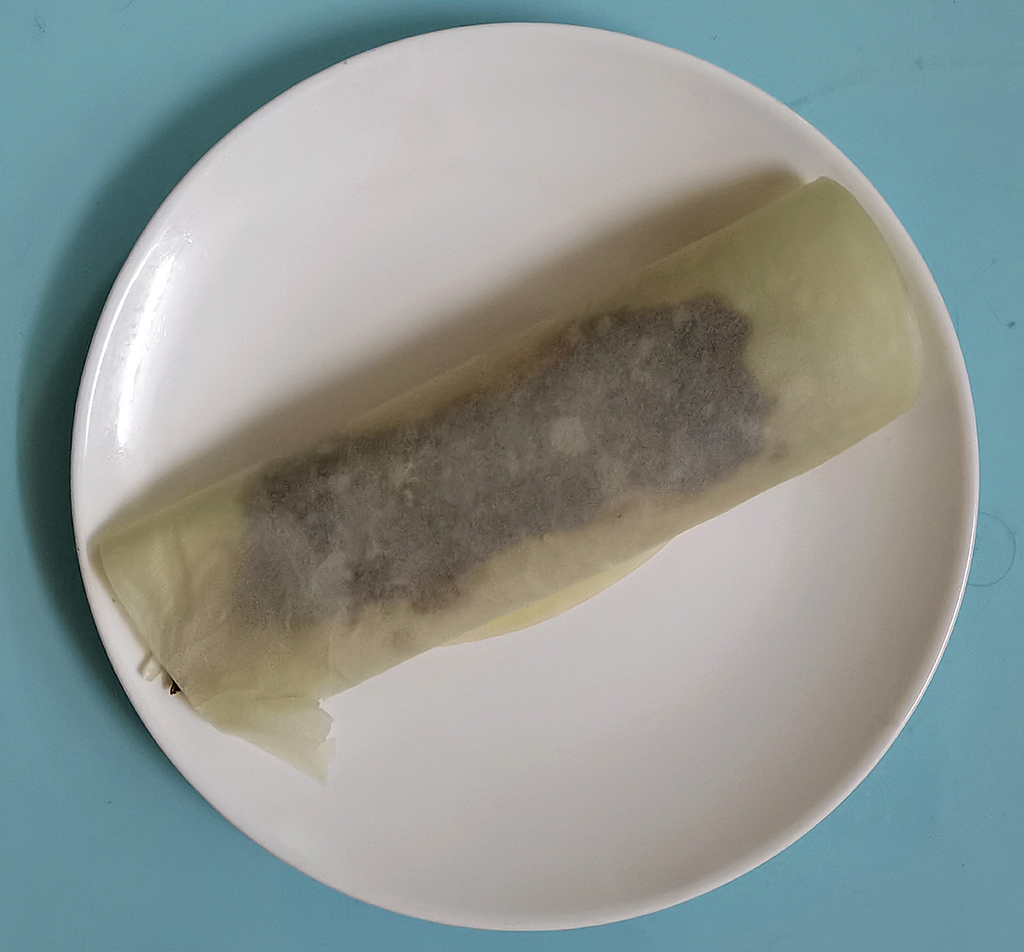
北京烤鸭 (běi jīng kǎo yā) - Beijing Duck. Clockwise from top: Pancakes (春饼 - chūn bǐng) , duck meat (鸭肉 - yā ròu) and duck skin (鸭皮 - yā pí), cucumber (黄瓜 - huáng guā) and daikon radish (白萝卜 - bái luó bo),sweet bean sauce (甜麵醬 - tián miàn jiàng。) Assemblage Down the hatch!
-
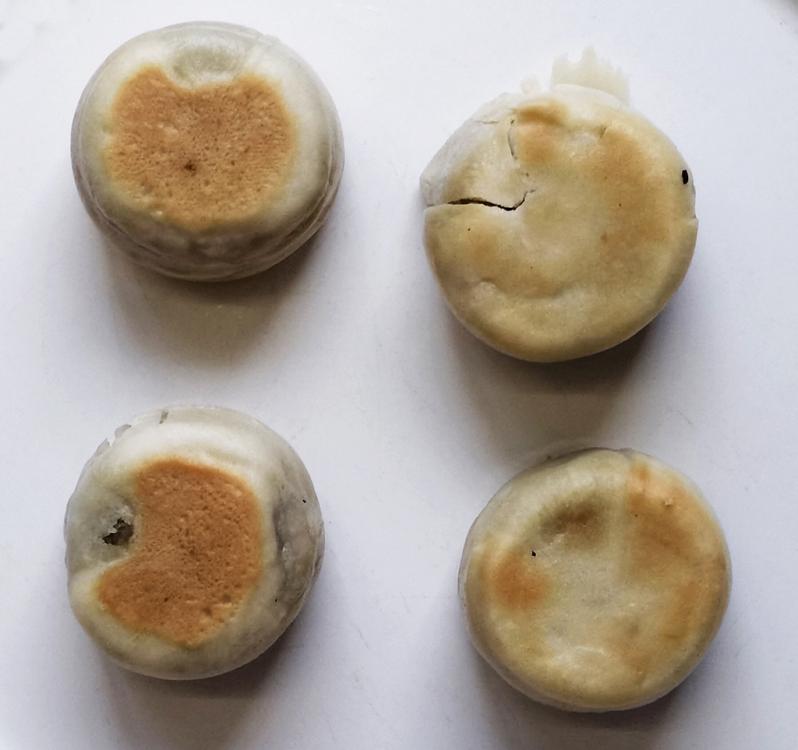
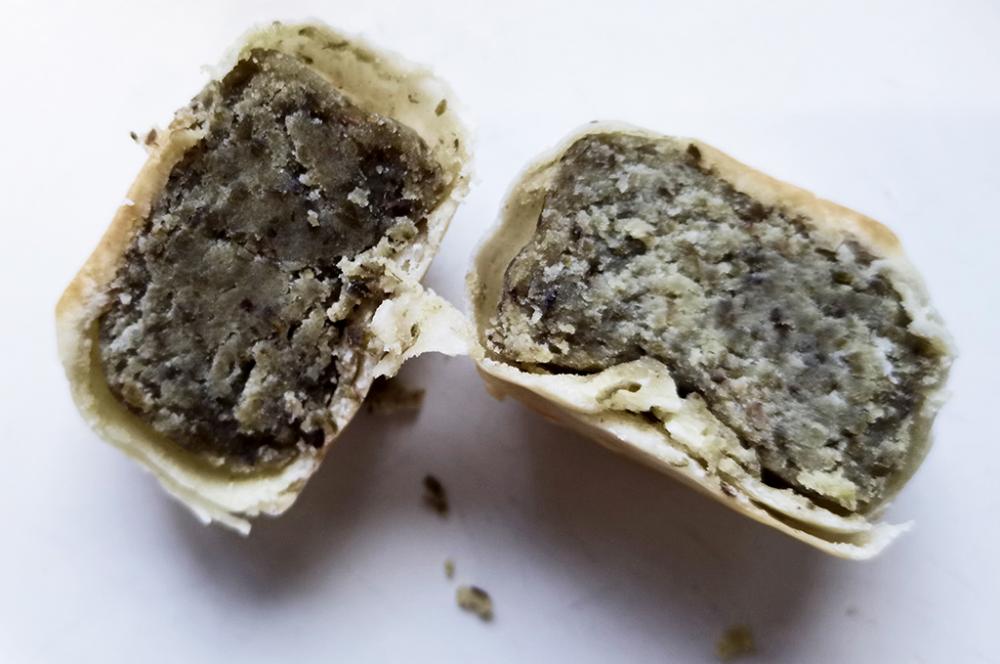
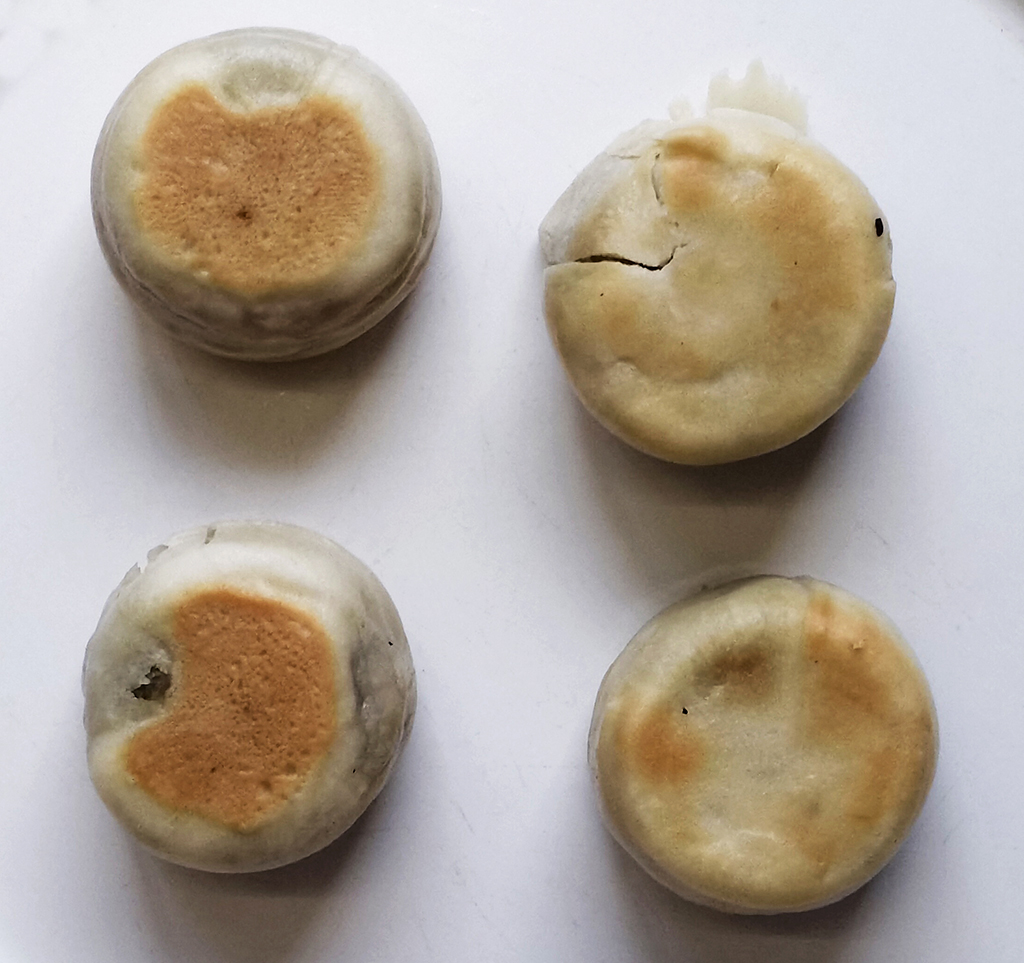
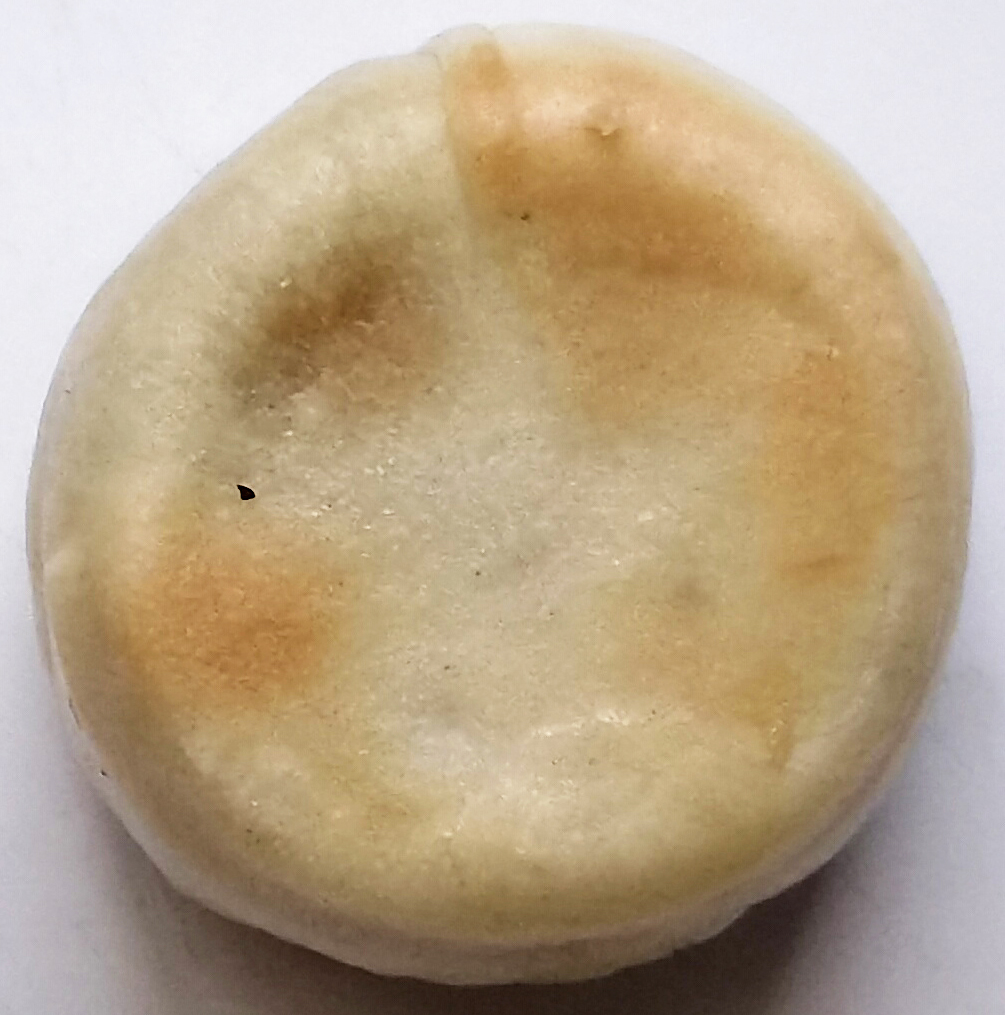
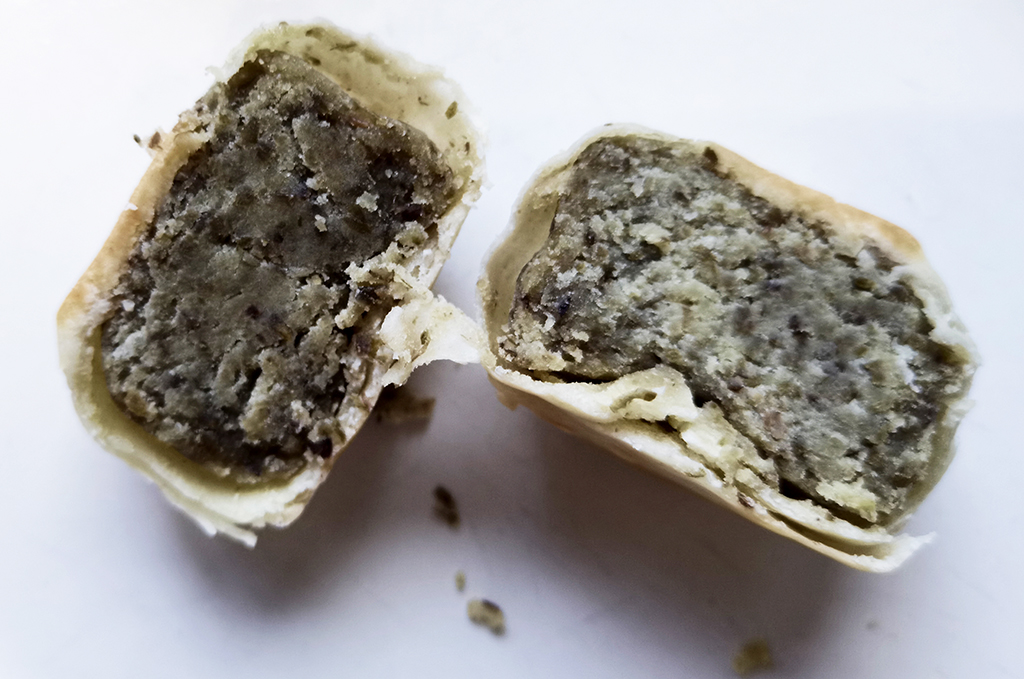
It happened again. I was sitting here working on something when my phone bleeped. A text message telling me my delivery had been deposited at the collection point two minutes from my home. What delivery? I have no outstanding deliveries due. Anyway, I popped out and sure enough there was a box waiting for me. The description on the box read "绿木, 无糖 [1 件]", which means "Green tree, sugar-free [1 packet]. Well, that is helpful! Back home, I opened it, still wondering who was sending me suger-free trees and found ten little cakes labelled "木糖醇绿豆饼 (mù táng chún lǜ dòu bǐng)", which rather unromantically translates as "Xylitol Green Bean Cakes". Xylitol is an artificial sweetener, I learn. Still nothing ventured - I tried one. They are not particularly sweet (which, in my book, is a good thing). They are 1½" / 2cm in diameter; an inch / 2.5 cm tall. The pastry shell is soft and slightly sticky. The mung bean filling is soft, flaky and again not sweet but not beanish, either. All, in all, not bad! There are only four in the first picture, because I ate the other six before reaching for the camera - purely for research reasons, you understand. I have tracked down who sent them. Thanks Han Rong!

-
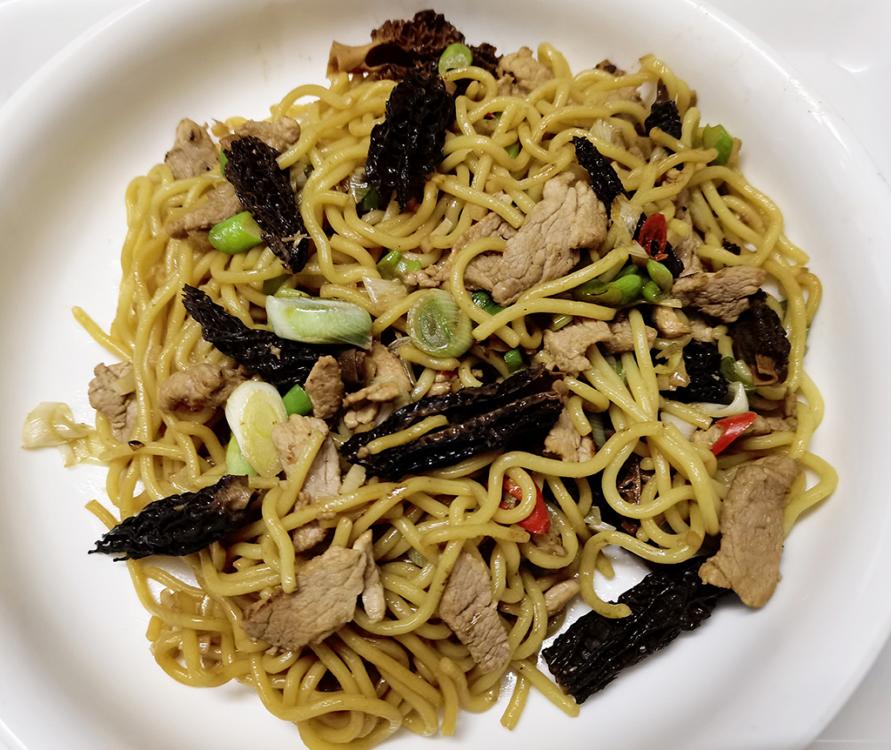
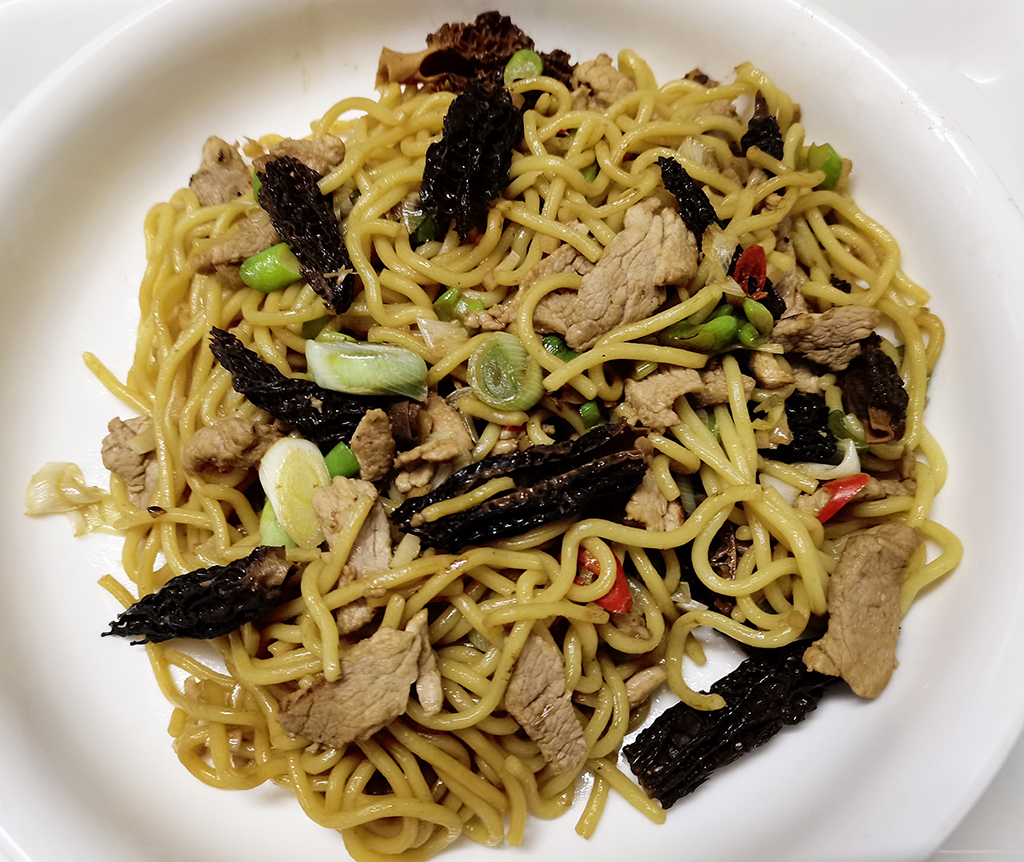
Pork fried fresh ramen noodles with morels and Welsh onions. Garlic, ginger, chili, Shaoxing wine, soy sauce.
-
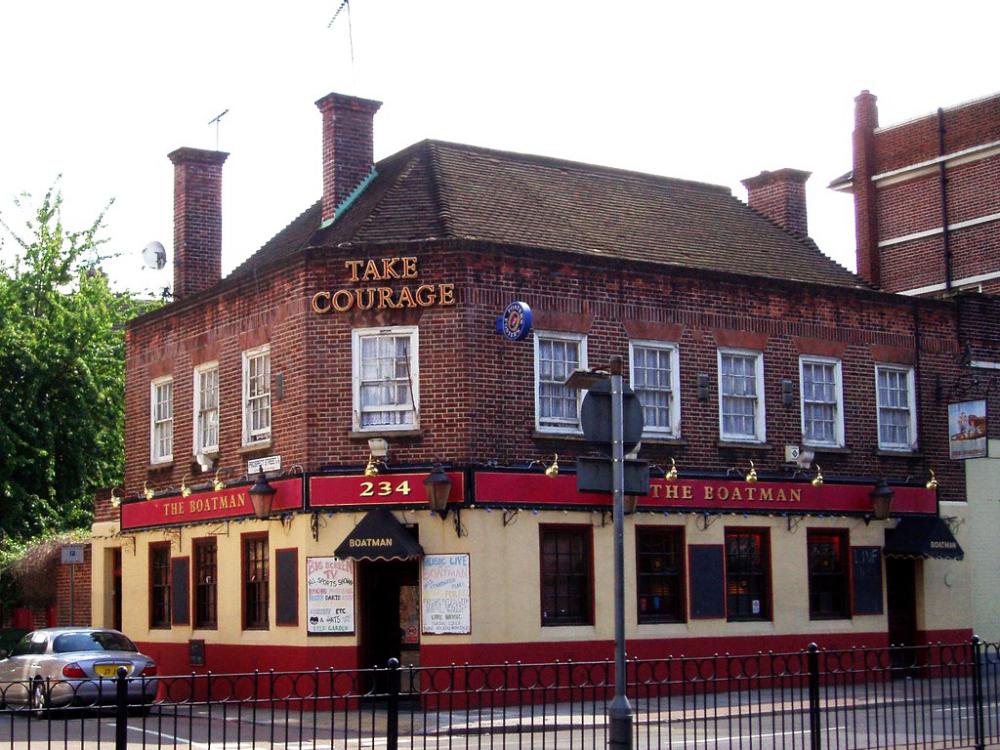
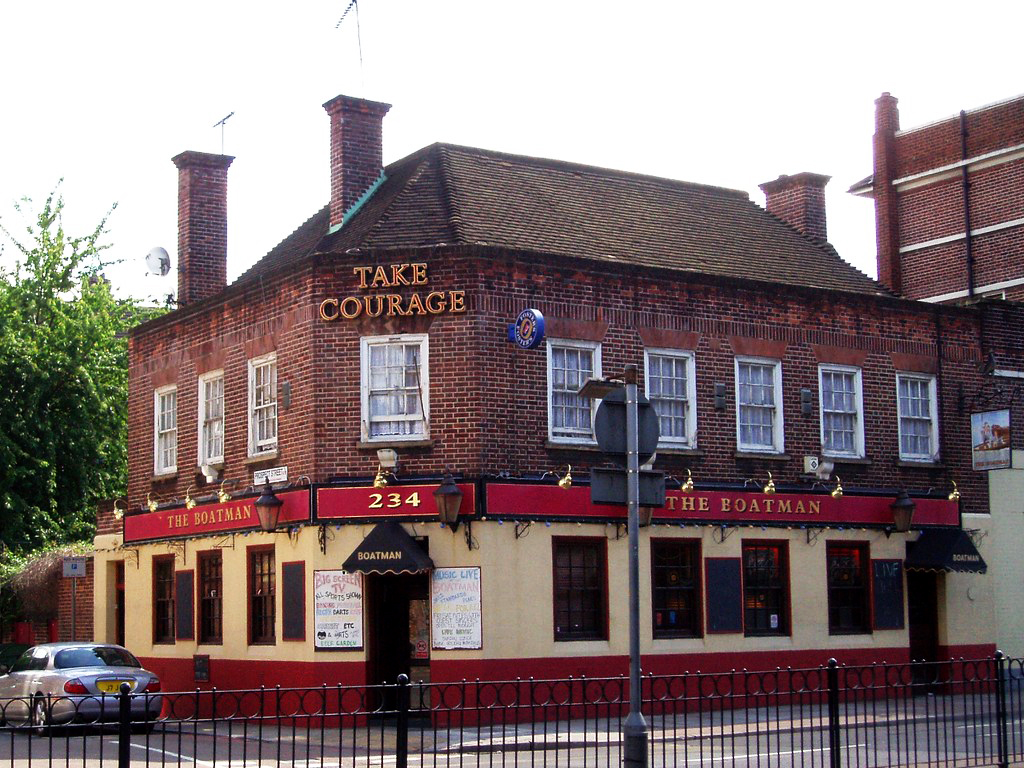
12b. The Decline and Fall of The British Pub - A Bad Business An article in The Conversation by Liam Keenan, lecturer in Economic Geography (T&S) at England’s Newcastle University, dated July 2020 suggested another cause for the decline in the number of pubs in Britain. The rise in the number of Pubcos began in 1989. Prior to that many pubs were owned by the brewers who installed managers to run the pubs. Of course, these managers were tied to only selling the owners’ own products or other products which the owners deemed acceptable – but these, too had to be bought from the brewery and not on the open market. I remember the first time I visited England from Scotland and being confused by the signs everywhere saying “Take Courage”. It turned out these was not some sort of motivational advice but advertising for the Courage Brewery Company, which owned thousands of pubs in England but not, at the time, Scotland. The Boatman, a former Courage pub on Jamaica Rd, London SE16. Closed in 2016 and demolished. Image by Ewan Munro; licensed under CC BY-SA 2.0 By 1989, the UK government decided that this practice discouraged competition and so, was unfair to the consumer. So, they introduced new regulations limiting to 2,000 the number of pubs any one brewing company could own. Thousands of pubs had to be sold off and the new pub companies stepped in. There are no restrictions on how many they can own. So, basically the situation was that the pubcos bought thousands of pubs with borrowed money, then with the global financial turndown in 2008 couldn’t repay the loans and so sold off a great number of those pubs, but for the land and property value, not as viable businesses. Pubs were either converted to apartments or more often, simply demolished and the land used to build new housing or offices. The pubcos still exist and are under a lot of pressure from Covid, as are all businesses involved in hospitality – not that the pubcos are primarily hospitality businesses; they are investment businesses. Landlords are also under pressure as many of the pubcos have continued to charge full rent, despite the tenants being unable to trade throughout the three Covid lockdowns Britain has had. One pub company with more of a background in hospitality is J.D. Wetherspoons started in 1979 by the controversial Tim Martin, which has 925 pubs around Britain as of June 2021. The company specialises in taking over large, empty premises such as cinemas, churches, banks and even a former swimming pool and converted them into mega-pubs. Each pub looks and feels the same (apart from the carpets, which are specially made and unique to each pub), with identical products on sale including a standardised pub food menu across the chain. 13 of the pubs are called The Moon Under Water after Orwell’s fictional ideal pub; none of them resemble Orwell’s description in any way. The Moon Under Water, Balham, London - Image by Ewan Munro; licensed under CC BY-SA 2.0 If you want to avoid visiting a pubco pub look for one declaring itself a free house. This means that the pub is independent of any brewery or pubco instead normally being owned by the occupants and is free to purchase its wares on the open market. They often have more selection and more interesting choices of beers etc than tied pubs. The Victoria Free House, Barnt Green, England. Image by Elliott Brown; licensed under CC BY-SA 2.0 to be continued

.thumb.jpg.07f2bdf8666bd46481979fabc7247155.jpg)
-
Daily life in ancient Rome
-
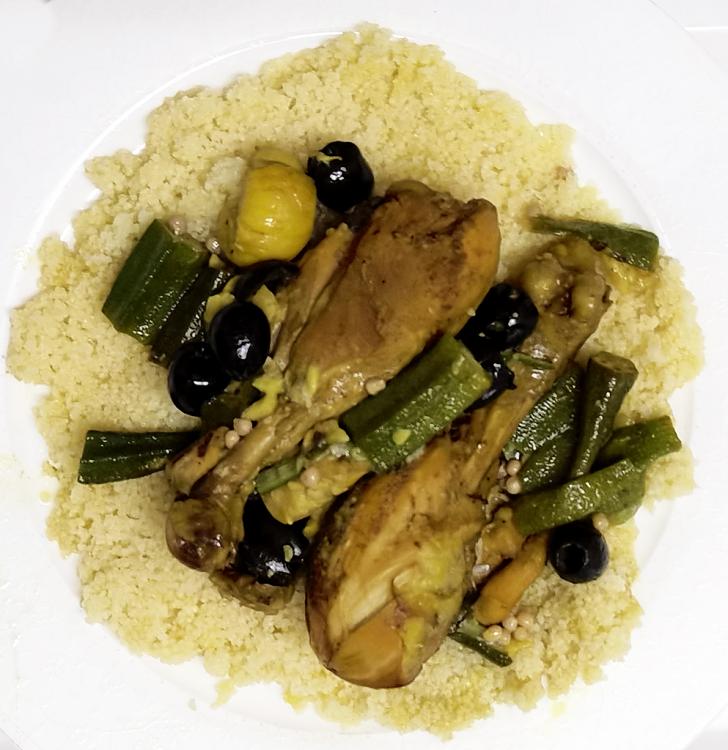
Chicken with olives, okra, garlic, turmeric, while wine and couscous. Spinkled with shichimi togarashi before eating, but after I took the photograph.
-
True. It was a reply to a post which seemed to suggest a link. I made the comment to suggest that it was nothing to do with the topic at hand. Thanks for the reinforcement.
-
I wasn't sure where to put this. It doesn't seem to fit in any existing topic that I can find. If there is one, no doubt this will be moved. I found this article both touching and remarkably sane. Love and microwaved eggs – my dinners at Dad’s
-
Any decent British boozer needs a ghost! I think it's decreed by Act of Parliament.
-
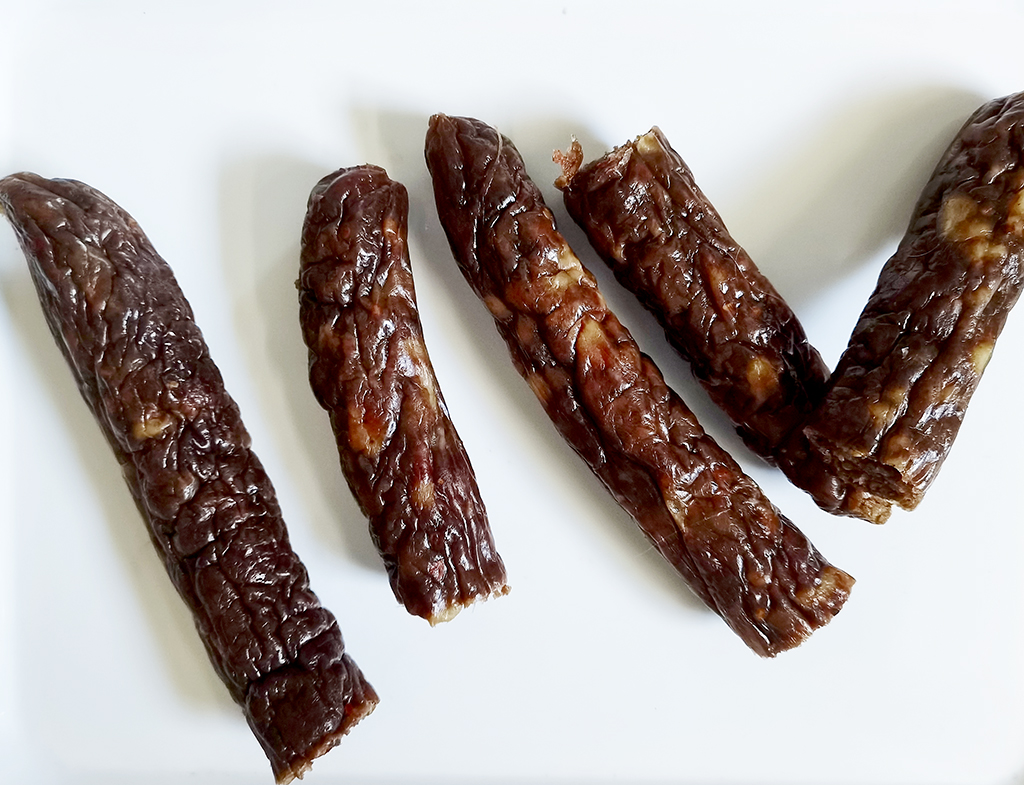
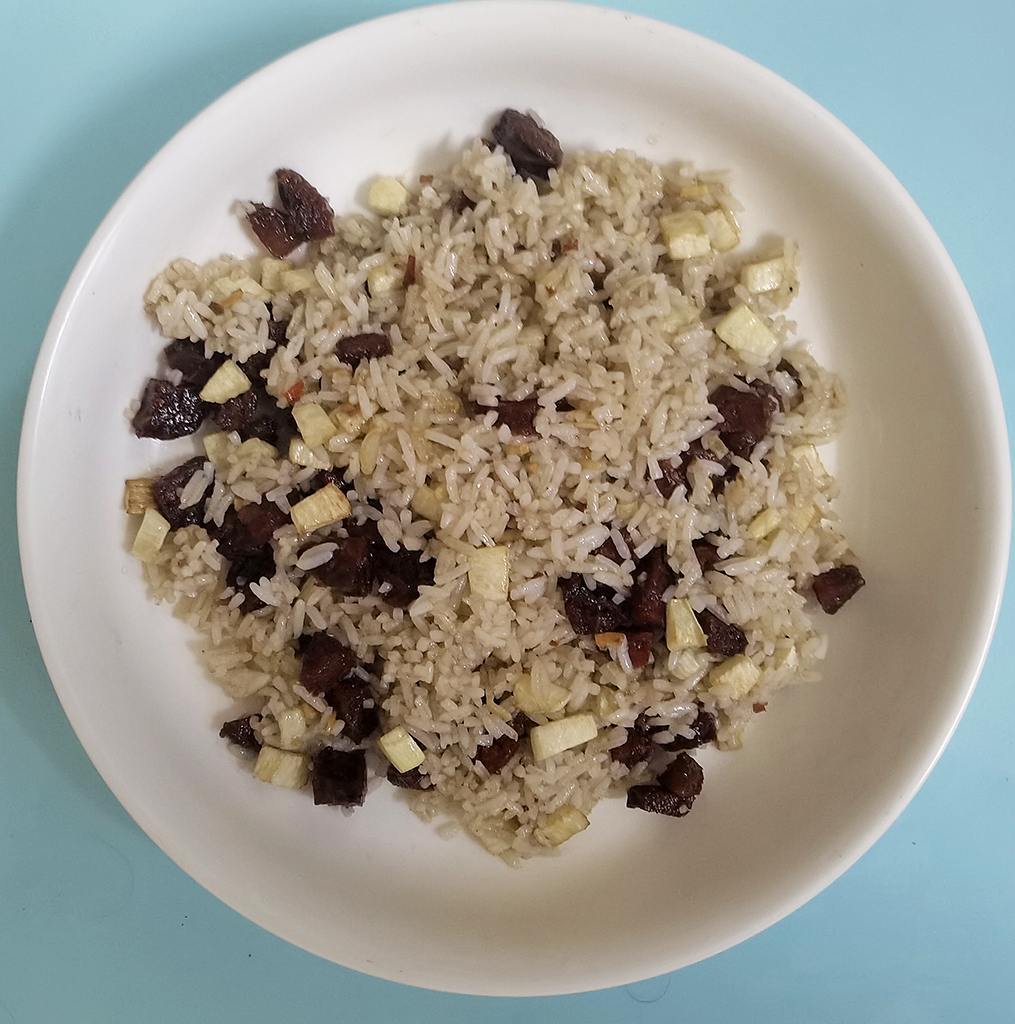
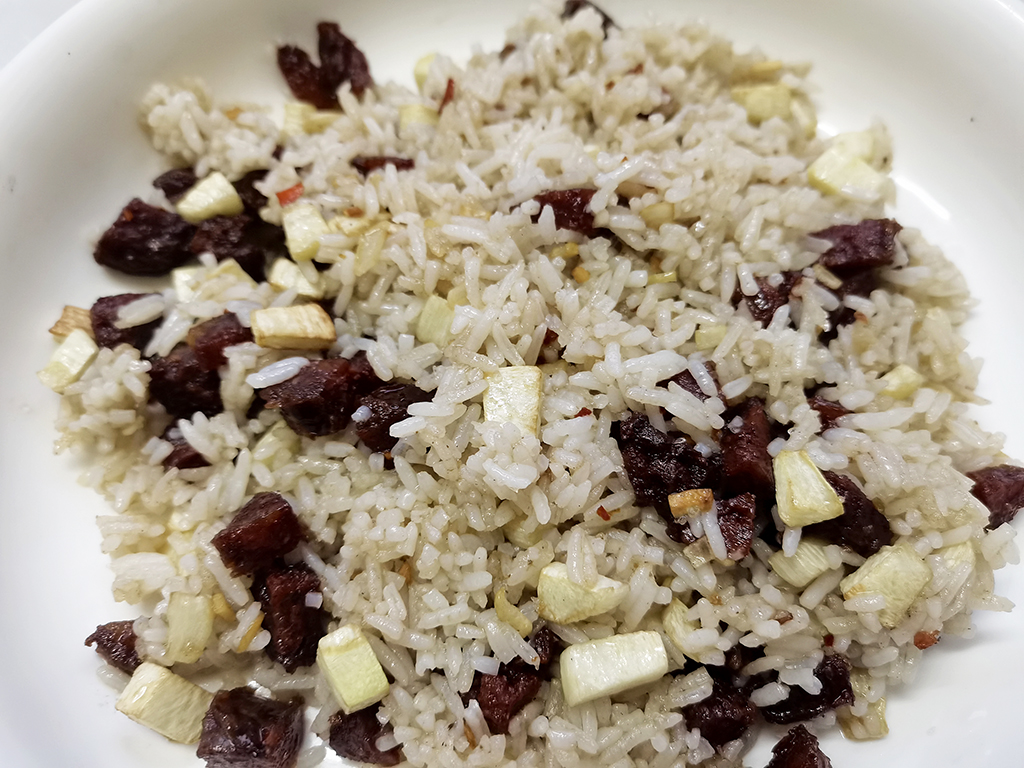
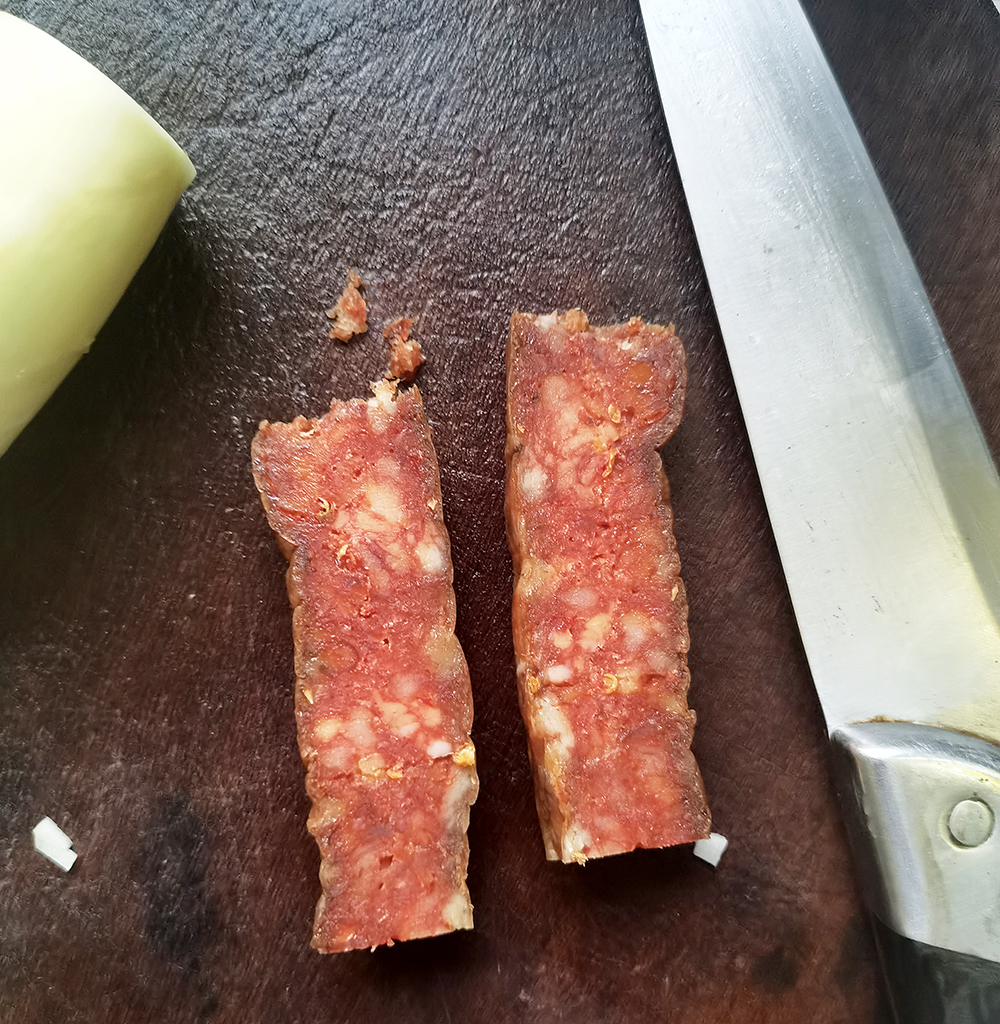
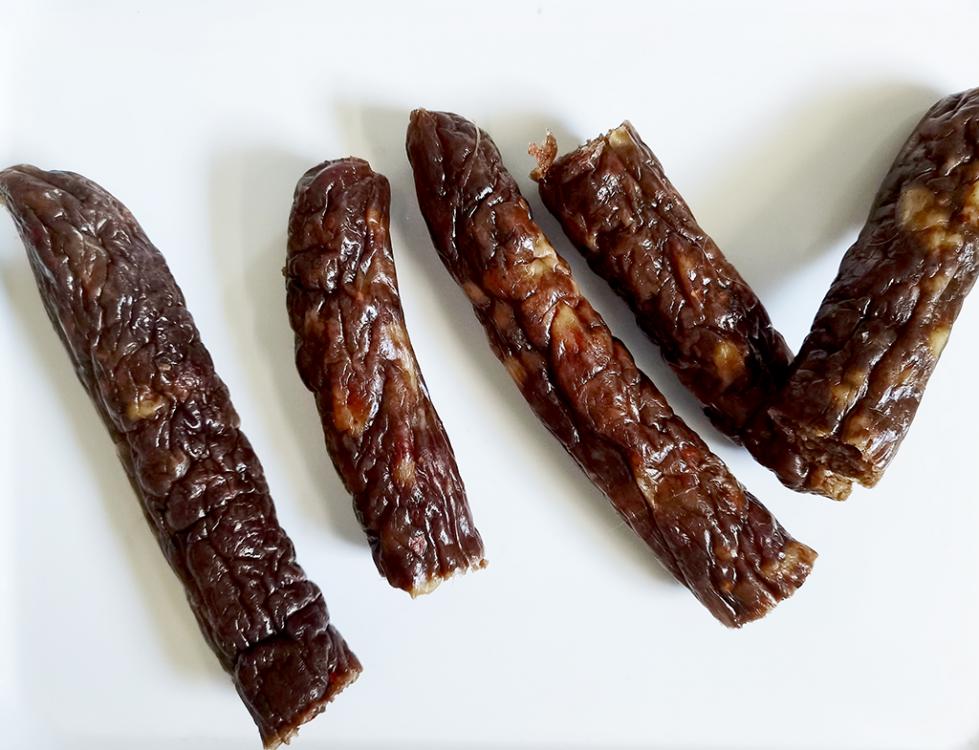
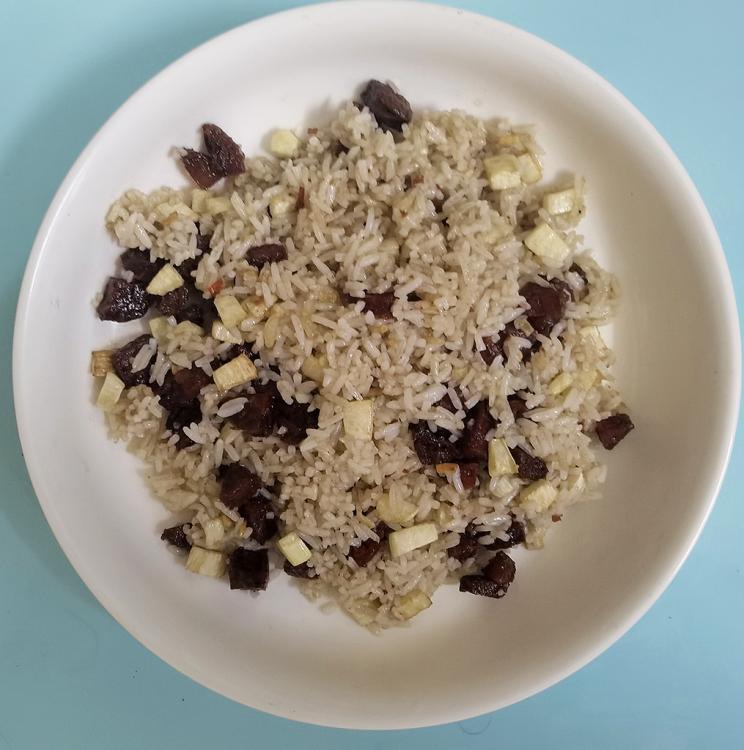
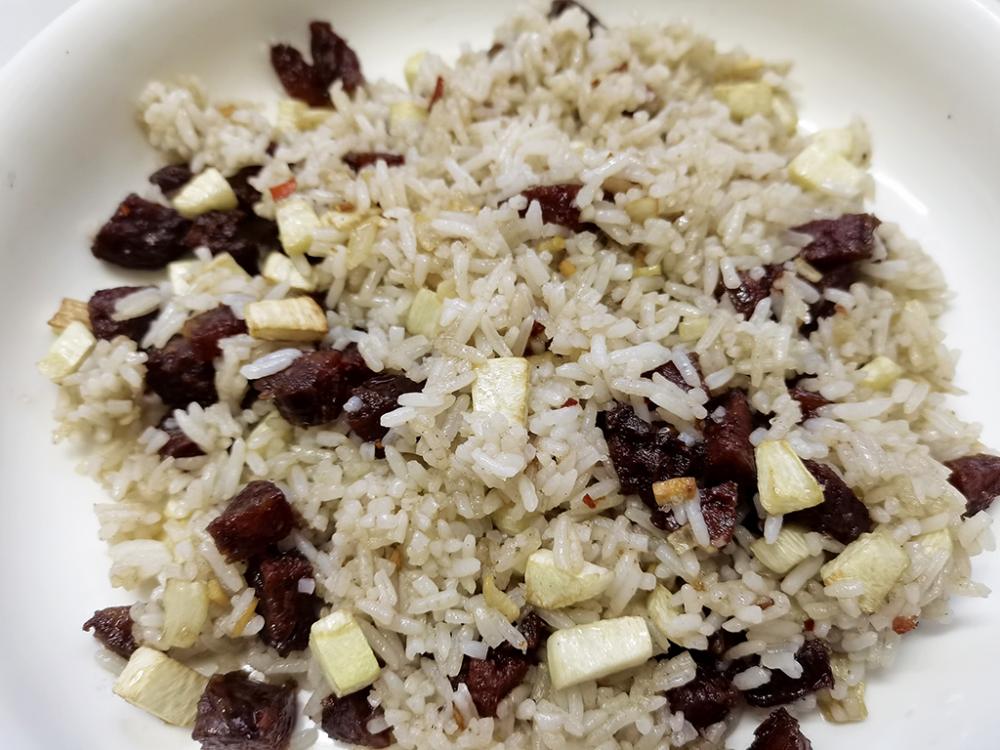
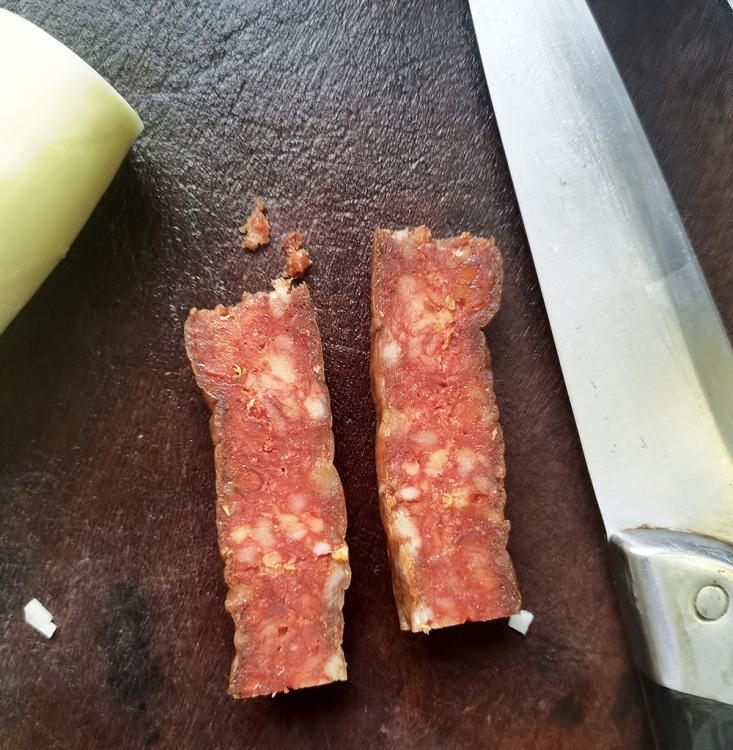
This is probably the laziest and most simple meal I've ever prepared, but also one of the tastiest, not that I can take credit for that. I had a very busy day (and will do so again tomorrow) and hadn't done any shopping. Luckily, yesterday I picked up some sausages from the local supermarket a couple of days ago and had rice left over from yesterday. I am no fan of the Cantonese sausages you may know as "lap cheong" or something similar. I never eat them. These, however, I do. They are 四川麻辣肠 (sì chuān má là cháng) - Sichuan hot and numbing (mala) sausages. Basically they are pork, rice, Sichuan peppercorns and chilli. I also had some fresh bamboo shoot. I always have garlic and ginger. So I fried the ricewith bamboo, sausage garlic and ginger. End of recipe! Damn! It was so much better than I deserved it to be. And very spicy! Take-no-prisoners Sichuan! It would have been nice to have had some scallions for aesthetic appeal, but honestly I didn't need them. Anyway, no one is going to see the dish otherthan me, are they⁈
-
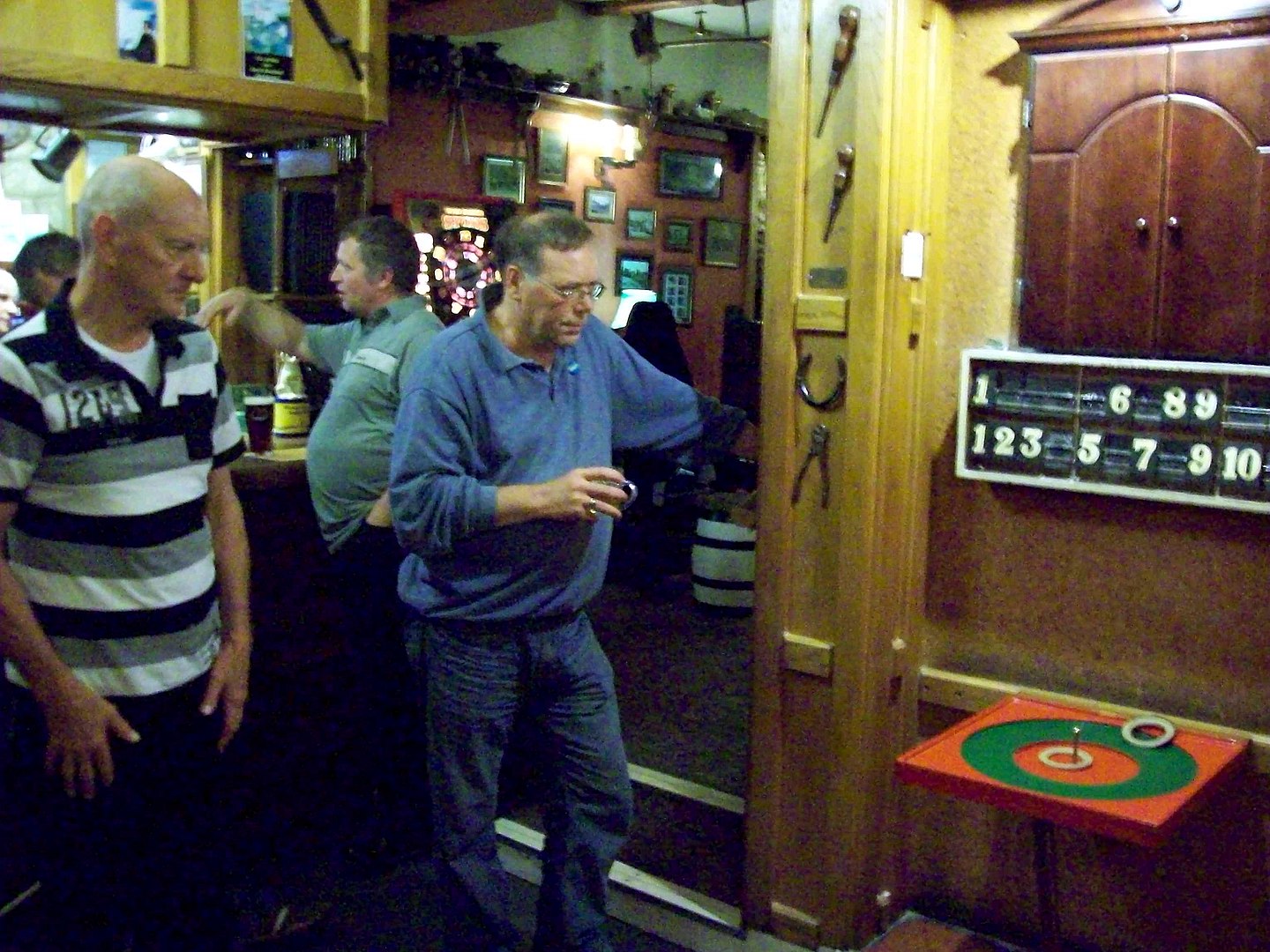
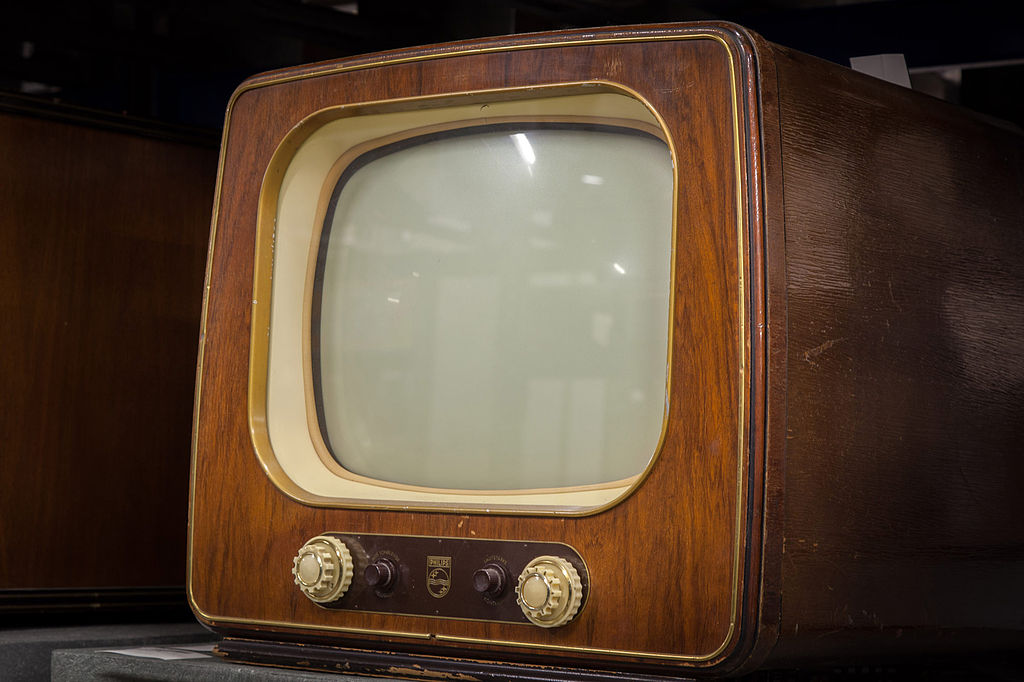
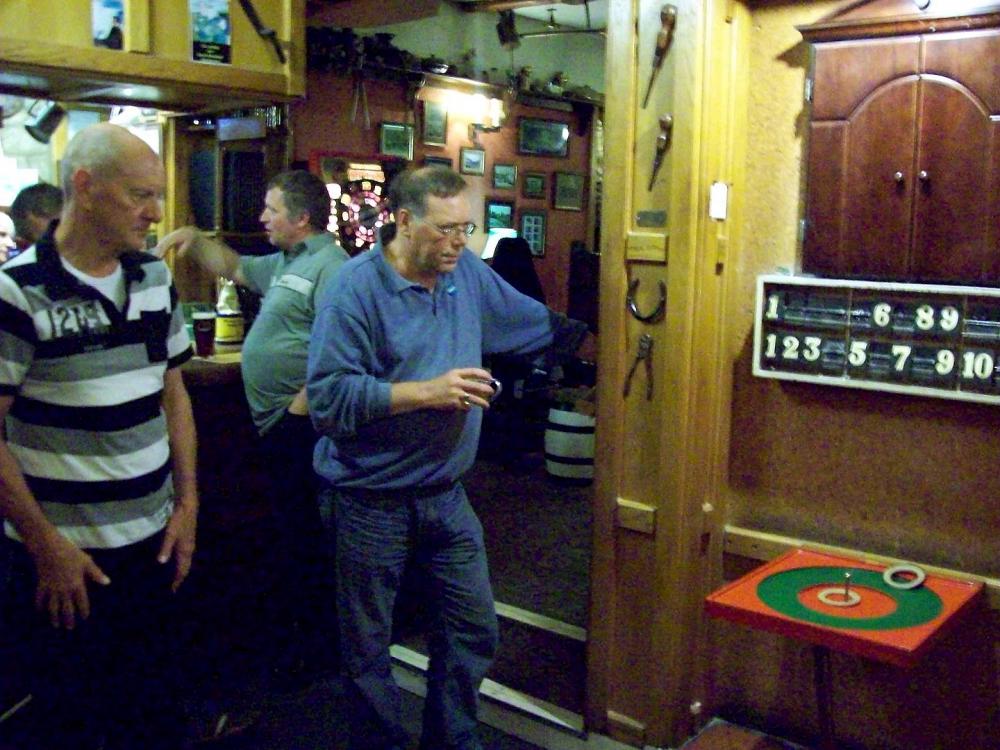
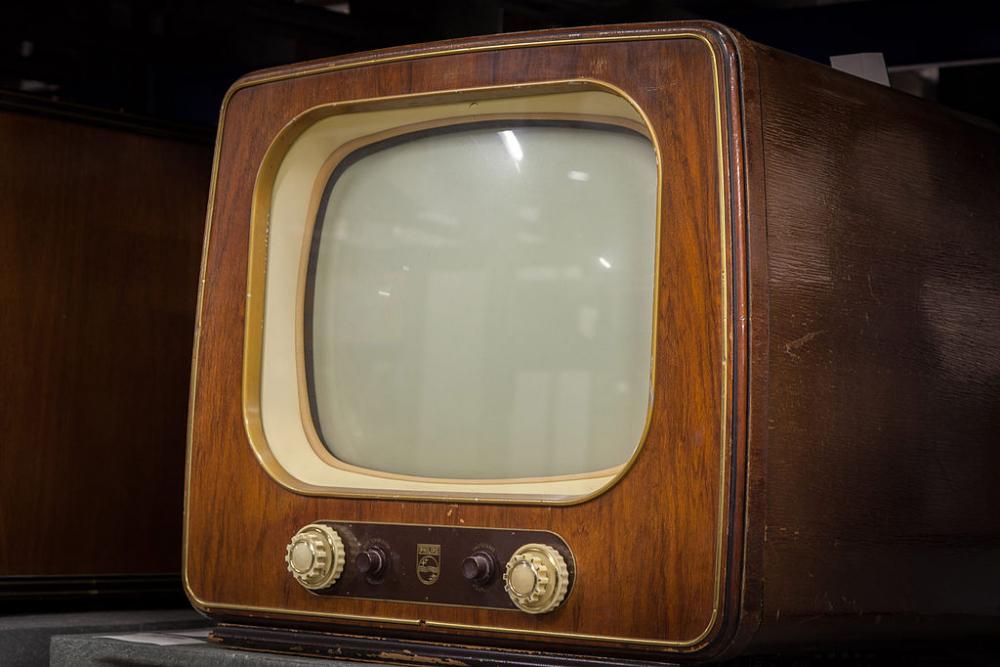
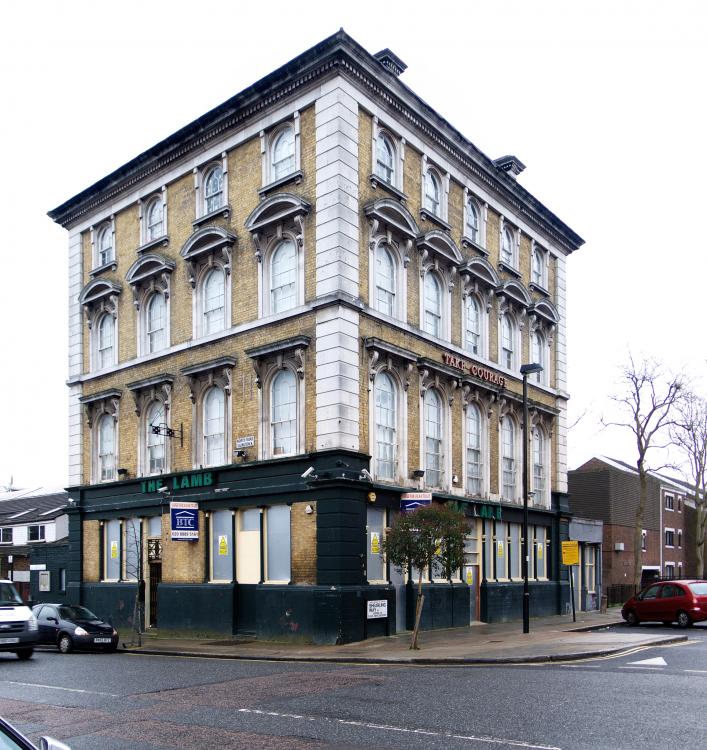
12a. The Decline and Fall of The British Pub - The Queen's Fault? In February 1946, the London Evening Standard published an article by George Orwell (1903-1950) entitled The Moon Under Water. This was a description of his ideal pub. After listing all its attributes, he admitted what That article is well-known (and I shall return to it soon), but it wasn’t the first time Orwell had written about pubs and pub culture. Three years earlier, on January 21st, 1943, The Listener magazine had published another article, entitled Review of The Pub and the People by Mass-Observation. Mass-Observation is a UK social research project which originally ran from 1937 to the mid-60s, before being revived in 1981. In his article, Orwell discusses some aspects of the Mass-Observation report on pub culture noting that From the article, it is clear that Orwell sees this as a matter of great regret. I can’t begin to imagine how he would feel today. Since his day, pubs in Britain have been disappearing at an alarming rate. The reasons for this decline are complex, but I’ll try to go through some of the main factors. Hold on for the ride! 1) Social Change and Television Prior to the mid 1950s, the pub was an important centre of the community (even more so than the church). It was where people met, hung out, chatted and socialised in general. It was also where one found one’s entertainment. Pub games were popular – particularly darts, but also games that are all but lost to living memory. Shove-halfpenny was a favourite, as was pool, bar-skittles and dominoes. Three Men’s Morris, draughts, quoits. By the 1980s, only darts and pool remained in the great majority of pubs. Indoor Quoits, or Table Quoits, being played at The Fountain Inn, Parkend, Gloucestershire Pubs were also a music venue. Not hired bands or professional singers, but the community sing-song was very popular, especially after a few throat relaxing beers. There was often a piano (slightly out of tune in all probability) and someone could usually be found to bang out a rough backing to the more popular tunes of the day (or, more likely, decades earler). Note that few of these pubs provided food, or at most only small snacks, but I’ll return to the subject of food in pubs in greater detail in a later post. On the 2nd of June, 1953, Elizabeth II’s coronation was shown live on television by the BBC. This was the first time (obviously) that a coronation had been televised and the common people could see what was happening. (Her father, George VI’s coronation had been broadcast on radio for the first time.) There was a frenzy of television buying just to watch that one 8-hour-long broadcast. My parents bought our first television the day before! They had a better view of proceedings than most of the congregation in Westminster Abbey, who coudn't see anything. Of course, after the Queen was suitably crowned, people continued to watch television and the entertainment partly shifted from the pub to the home. I’m not suggesting that overnight everyone stopped going to the pub, but many did or went less frequently. 1953 televison set. New generations grew up without knowing the old pre-TV culture, so didn’t miss it. Pubs became, to an extent, an old men’s place. I say ‘men’s’ deliberately. In those days, most pubs had two drinking rooms. The “public bar” was the larger and was almost always men only. A smaller, often slightly more well-decorated room, usually with its own entrance, was known as the ‘saloon’ or ‘lounge’ bar and was where women, families and couples were expected to take their refreshment. This discrimination lasted into the 1980s in some pubs. You can still see the old signs indicating the ‘public’ and ‘lounge’ entrances above the doors in many pubs. The Lamb Tavern, North Road, London N7 The image above shows the closed Lamb Tavern in north London. Established in 1870, this was a place I spent far too much time in during the 1980s. I was working across the road. The ground (first floor) is the pub and upstairs is accommodation. You can just about see a small appendage on the right, behind the yellow sign. This was the slate-grey attached building with separate entrance that was the ‘lounge bar’, a tiny afterthought for the ‘ladies’. The pub closed in 2004, another victim of the trend. It has now been converted into housing. To be continued Image credits: 1. Indoor Quoits, or Table Quoits, being played at The Fountain Inn, Parkend, Gloucestershire - Public Domain 2. 1953 televison set - Image by Maximilian Schönherr. This file is licensed under the Creative Commons Attribution 3.0 Unported license. 3. The Lamb Tavern. Unknown photographer. Creative Commons Attribution-Share Alike 3.0 Unported license.
-
I've seen a few chefs do that - I always do.
-
I wrote at length about British breakfasts back here. You missed out the essential bacon. Fried tomatoes are usually served in addition to the baked beans, not as an alternative.
-
@KennethT I'm told that lemons are now in every supermarket and fruit shop in Hunan now.
-
And I know that limes are plentiful just across the border with Vietnam very near to me. They just never get here for some reason, although we get plenty other Vietnamese fruit imports.
-
The English word 'lemon' came from the Spanish 'limon' in the 14th century.
-
I am working on more posts on this topic right now. Watch this space! London has large Spanish population and Spanish restaurants and stores are easy to find there. Not so much outside London, though. P.S. I was born in St. Andrews, but haven't been back in a while.
-
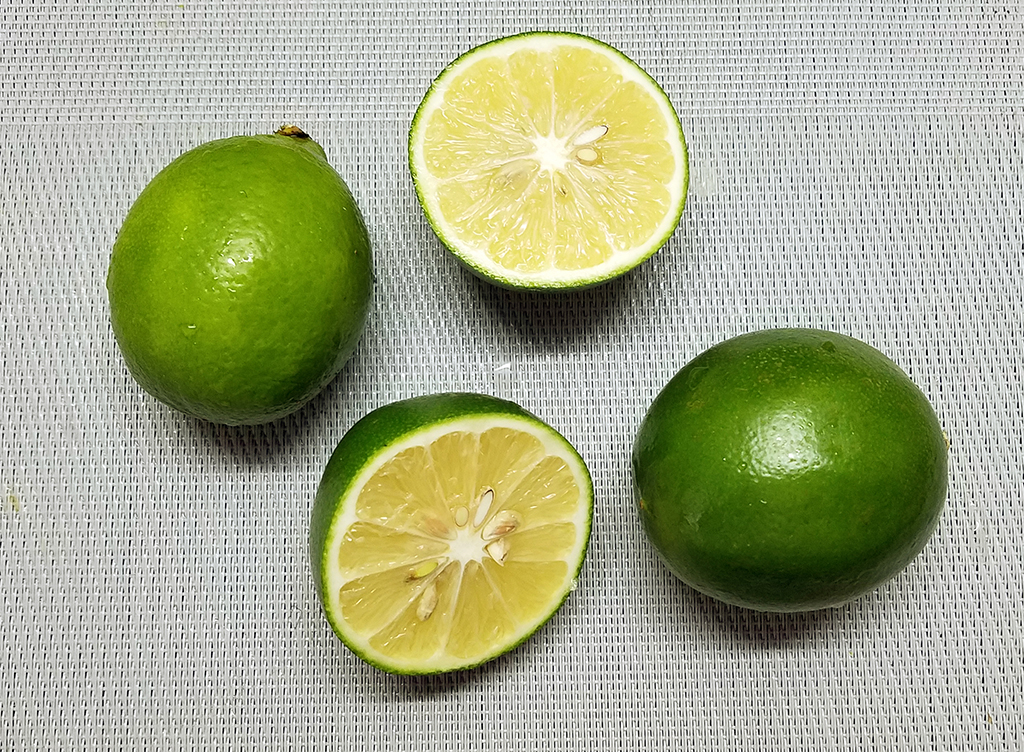
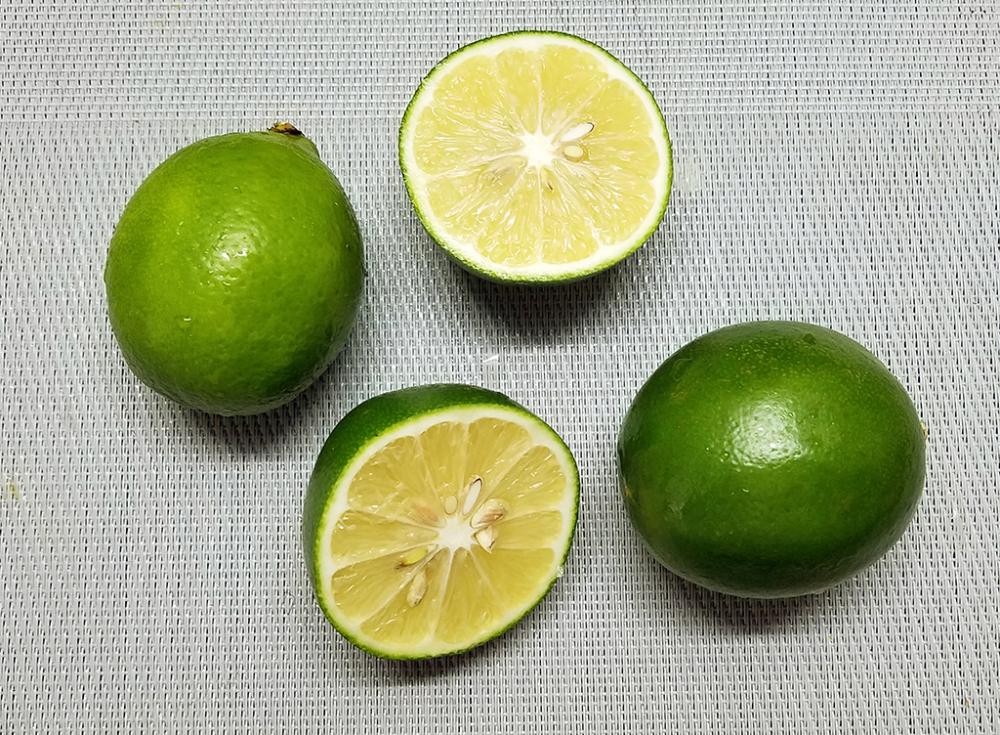
Lemons are everywhere. They grow here. I have the opposite problem. If I ask for limes, lemons turn up! I've only found real limes here once, several years ago. The Chinese for lime is 青柠檬 (qīng níng méng), which translates literally as 'green lemon'. Unfortunately, we do get green-skinned lemons here. They are ripe, but the skin remains green. So, that is what turns up when I ask for lime. When I lived in Hunan 23 years ago, I never saw lemons. Not sure about now. I shall ask. Green lemons.
-
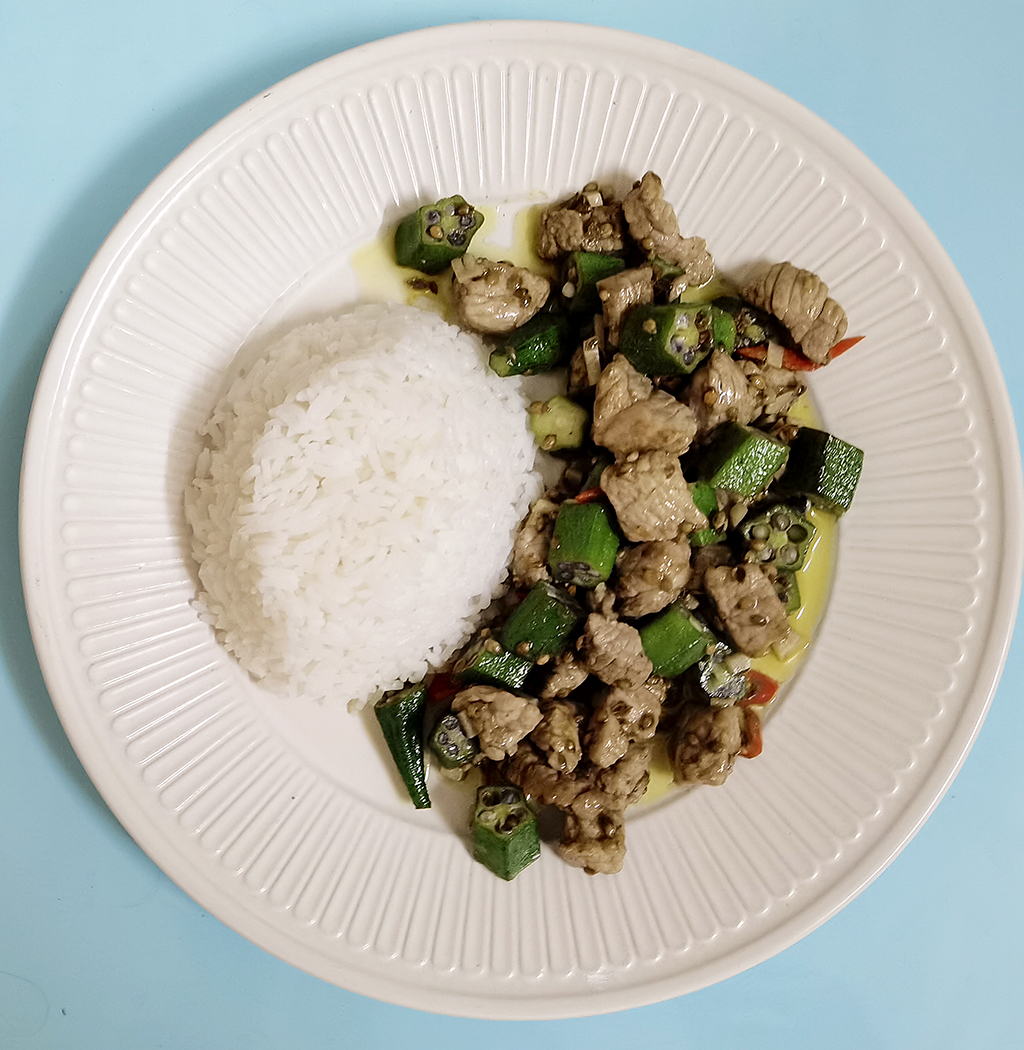
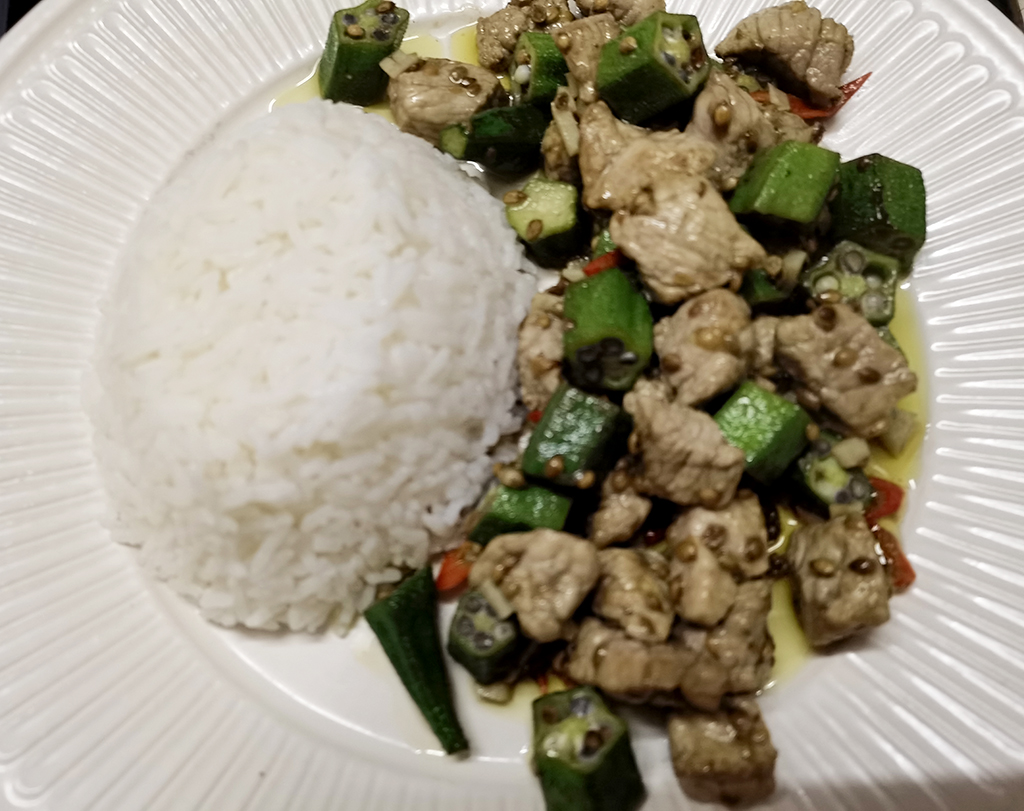
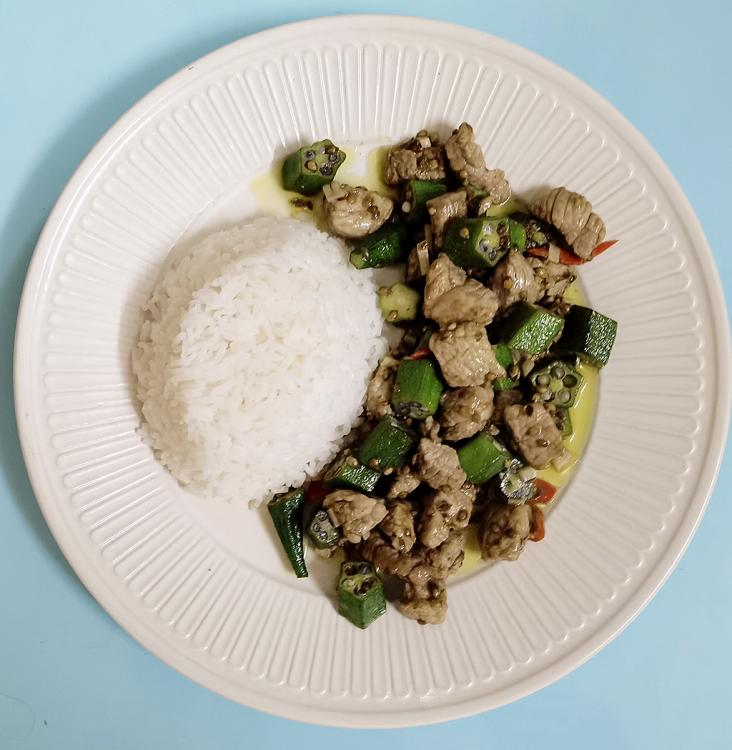
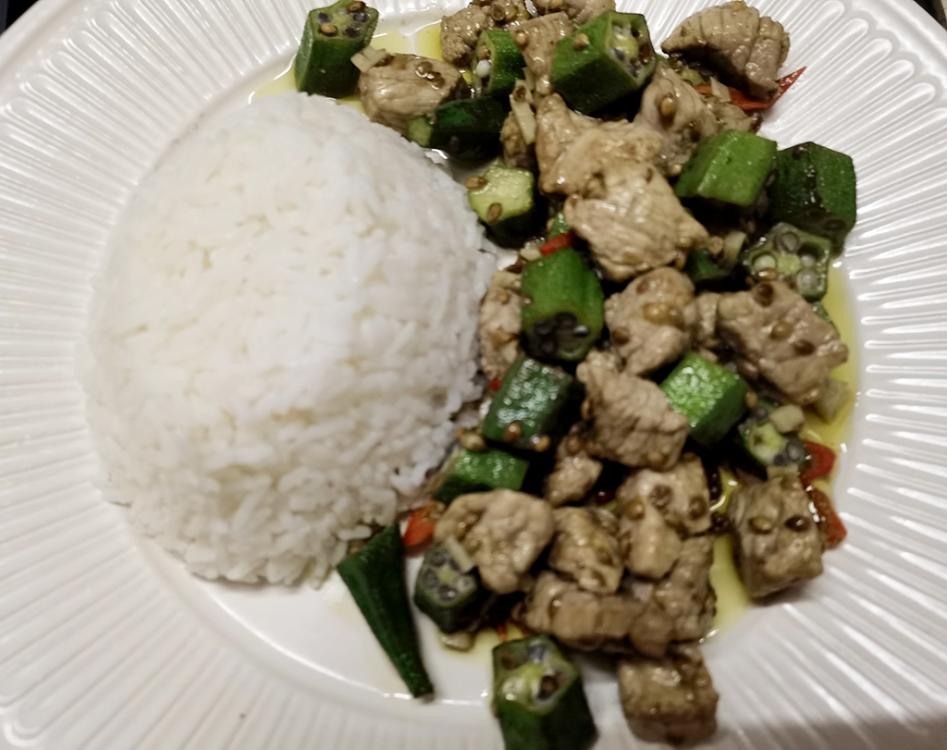
Lemon pork with coriander seed and okra.
-
Not much difference. But it's not a topic I'm going to get into here.
-
Beliefs have guided food choices for centuries. Look how many creeds have lists of prohibited and permitted foods. Nothing new there.
-
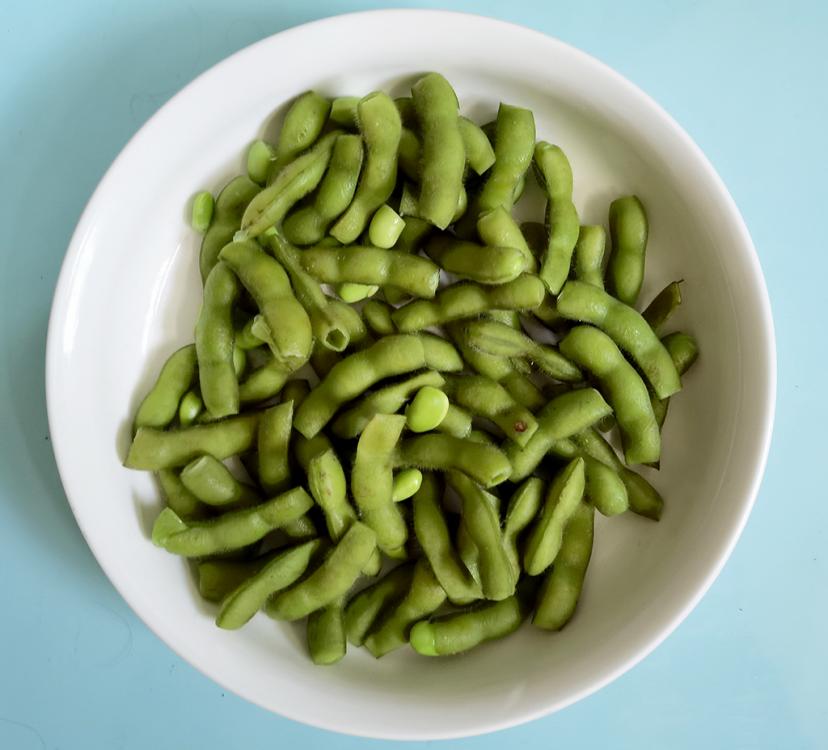
Chinese: 毛豆 (máo dòu); Japanese: 枝豆 (eda mame); Me: Delicious (dɪˈlɪʃəs)
-
It's a lot easier to wash your hands than to wash a food processor.




.jpg.4619a2d92462b6e2f6ef0f0ef9000932.jpg)