
liuzhou
-
Posts
16,813 -
Joined
-
Last visited
Content Type
Profiles
Forums
Store
Help Articles
Everything posted by liuzhou
-
It was kind of hard to tell. Certainly not roasted but perhaps boiled. I'll ask next time, but the supermarket people rarely have any clue about what they are selling.
-
Shiitake are different. They are Lentinula edodes. Some are more valued than others (flower shiitake for example) but that is based on aesthetic considerations, not taste or age. I can't comment on UK prices for mushrooms. It's over 30 years since I left. I guess they haven't got cheaper, though! I think a large part of why I have never left China after coming for only two years, 25 years ago, is that it would be too painful to leave behind the huge selection of mushrooms that every supermarket and market carries. I have detailed that on this topic from a while back.
-
Which other mushrooms?
-
.. which is really just one choice. They are all agaricus bisporus at various ages.
-
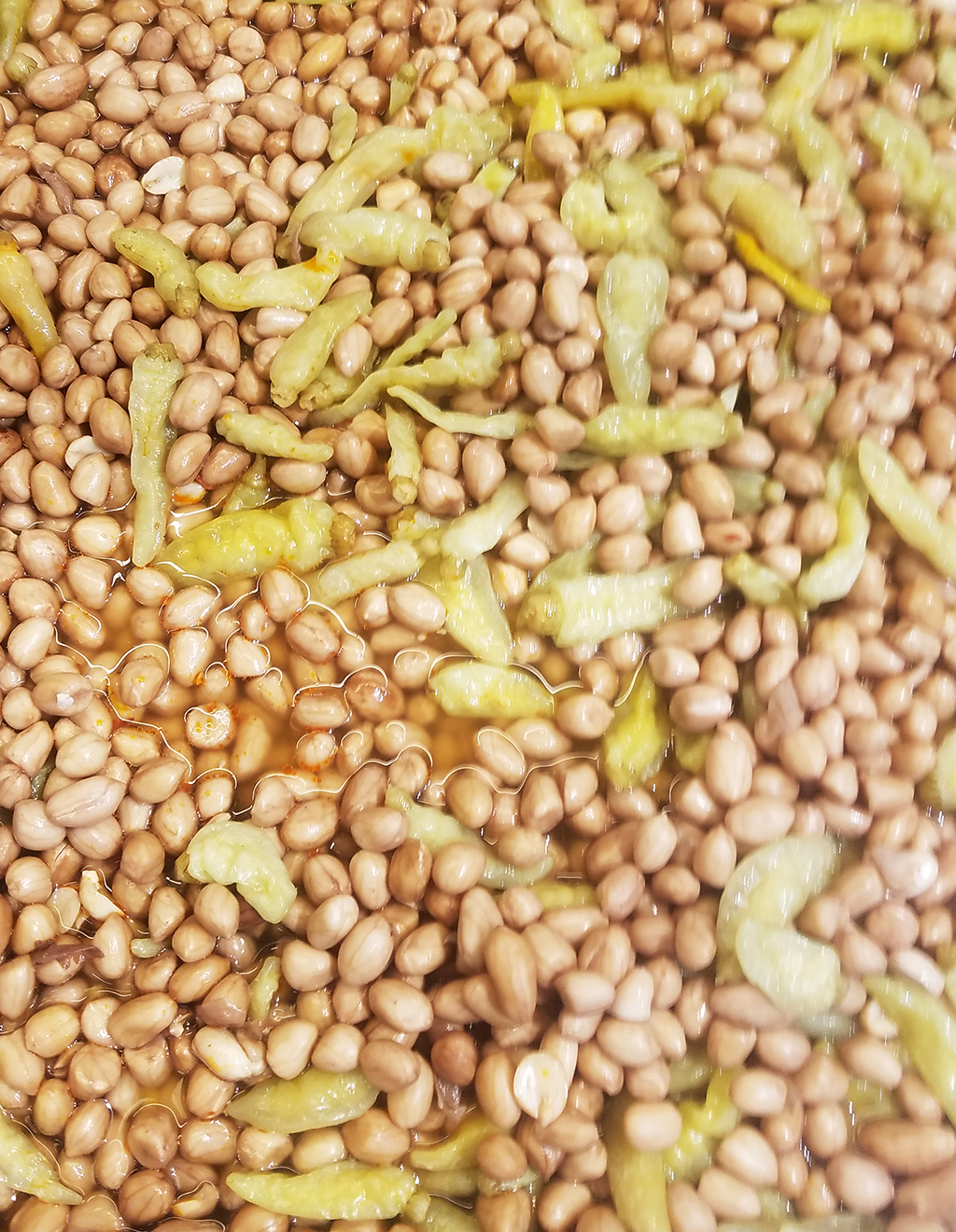
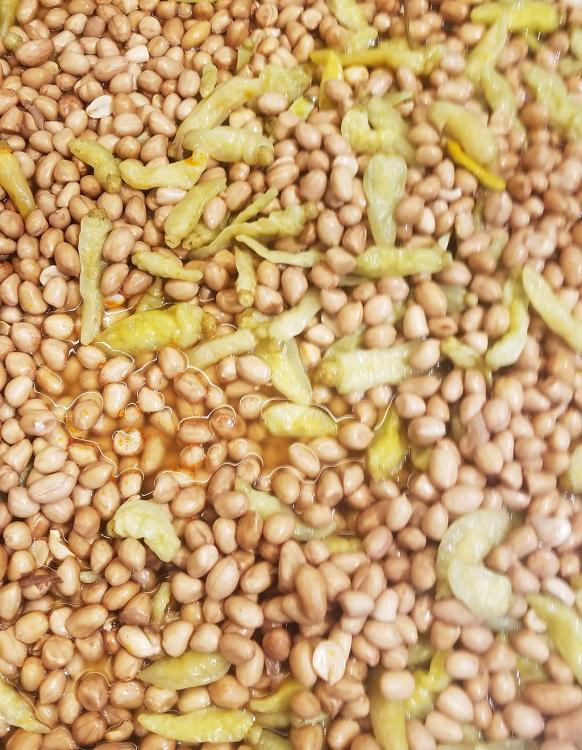
Here is an unusual pickled item that doesn't really need any explanation other than its name. 3. Peanuts pickled in apple vinegar with yellow chilis. I recently found these in a supermarket. I didn't make note of the Chinese name and don't want to guess. If I see them again, I'll take down their details and edit this. Anyway, they were surprisingly good, but so is anything with chilis, in my book.
-
https//www.eatthis.com/news-grocery-outlet-opening-new-locations/
-
There are many types of mustard.
-
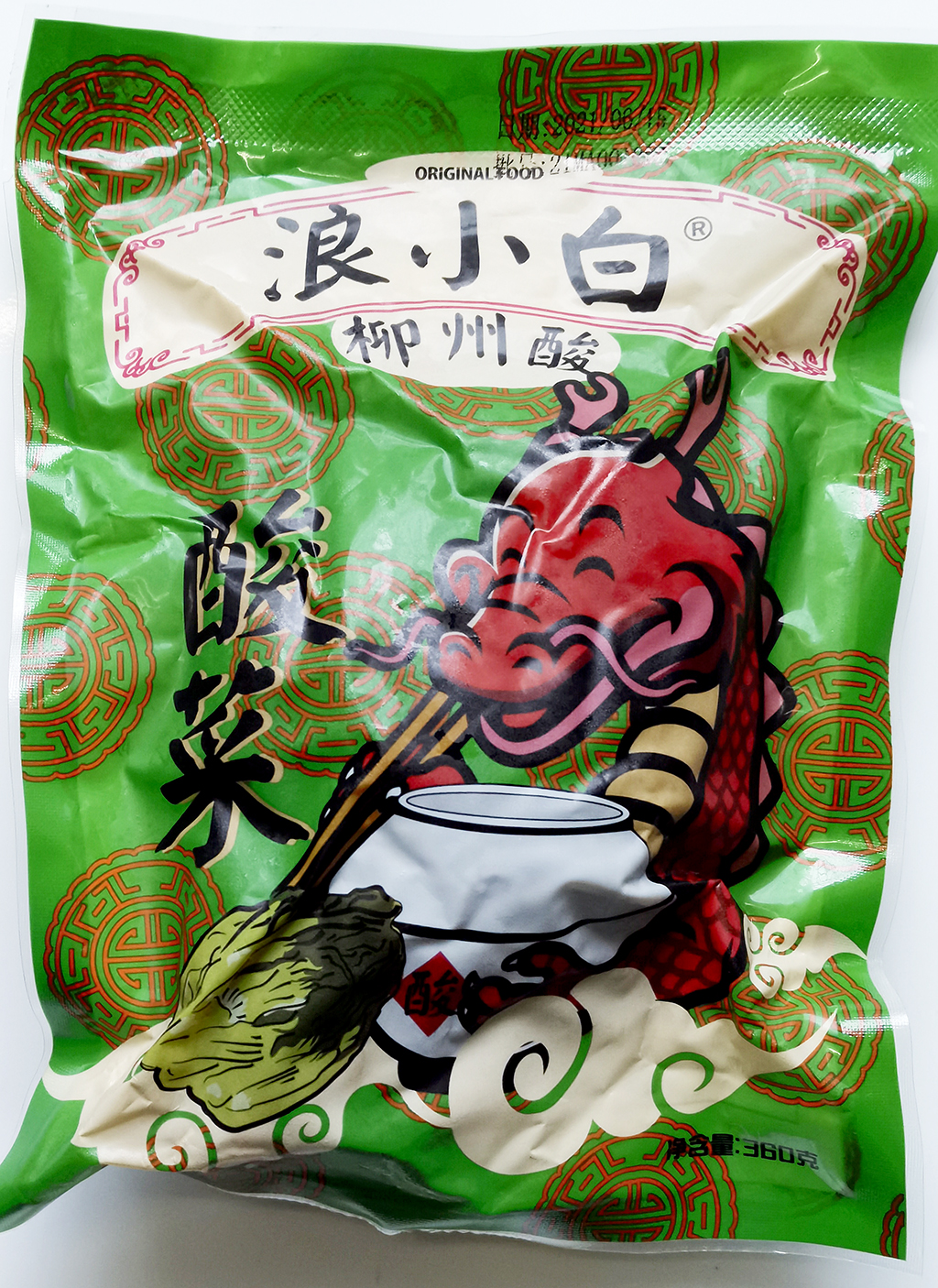
I can't make out all the ingredients there but all those I can see (apart from mustard) seem to be artificial preservatives and flavouring. The second picture in my first post - the southern style version of suan cai - is a commercial product made in a friend's pickling company. It only has salt and spices in addition to the mustard. Must be kept chilled.
-
Thailand and Vietnam's use of a Chinese pickle was being discussed. Not Thai or Vietnamese pickles.
-
That is neither Chinese or mustard. It is Japanese. It is pickled daikon radish, also popular in Korea. The Japanese probably did get the technique from China, though.
-
The only one I've seen in Thailand is phak kat dong, their version of suancai. I don't remember neon though. Is that the one you mean? Vietnam also has their version - dưa cải chua. I've never seen the salted version in Thailand or Vietnam, but it may be there.
-
 There is plenty evidence which predates that study. I remember reading it years ago.
 -
People have known for a very, very long time that grain usage preceded agriculture. Never in the history of human life has anyone woken up and thought, "I've got a good idea. I'll start planting these seeds no one ever never uses and set up a chain of bakery shops as soon as I invent bread and cakes. And while I'm at it, I'll use these new things I'll call crops to make a drink that makes people talk garbage and then fall down. There is nothing new in that article.
-
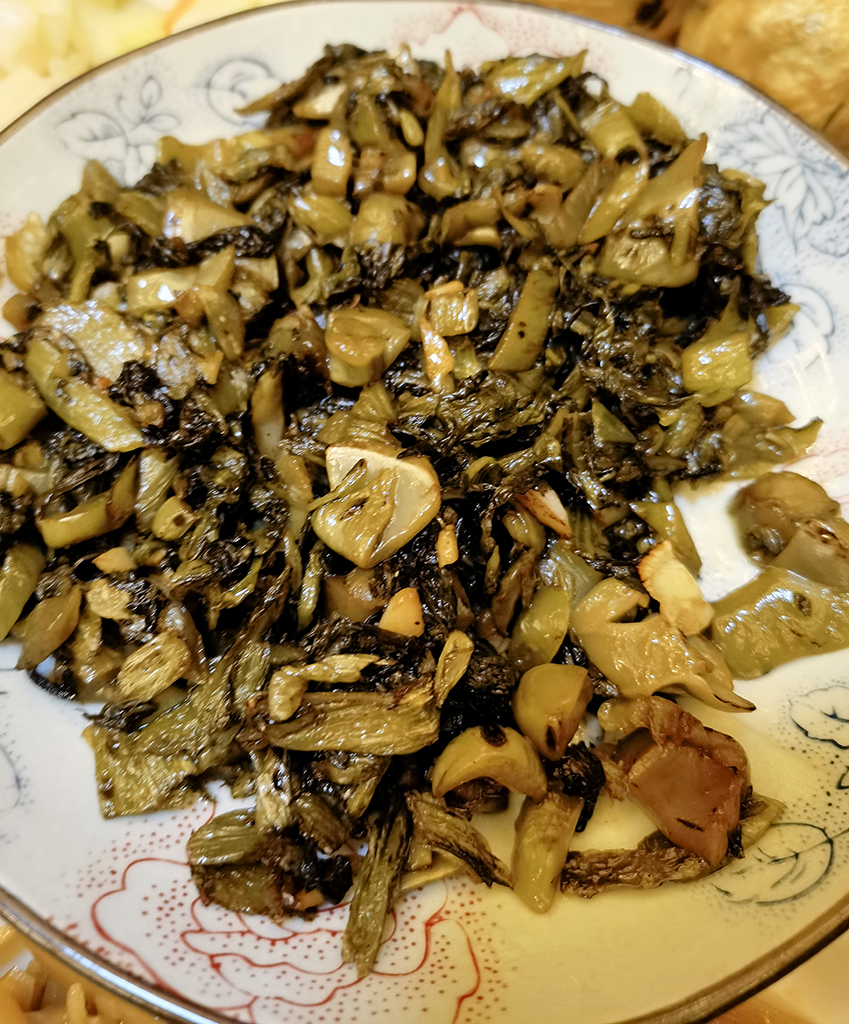
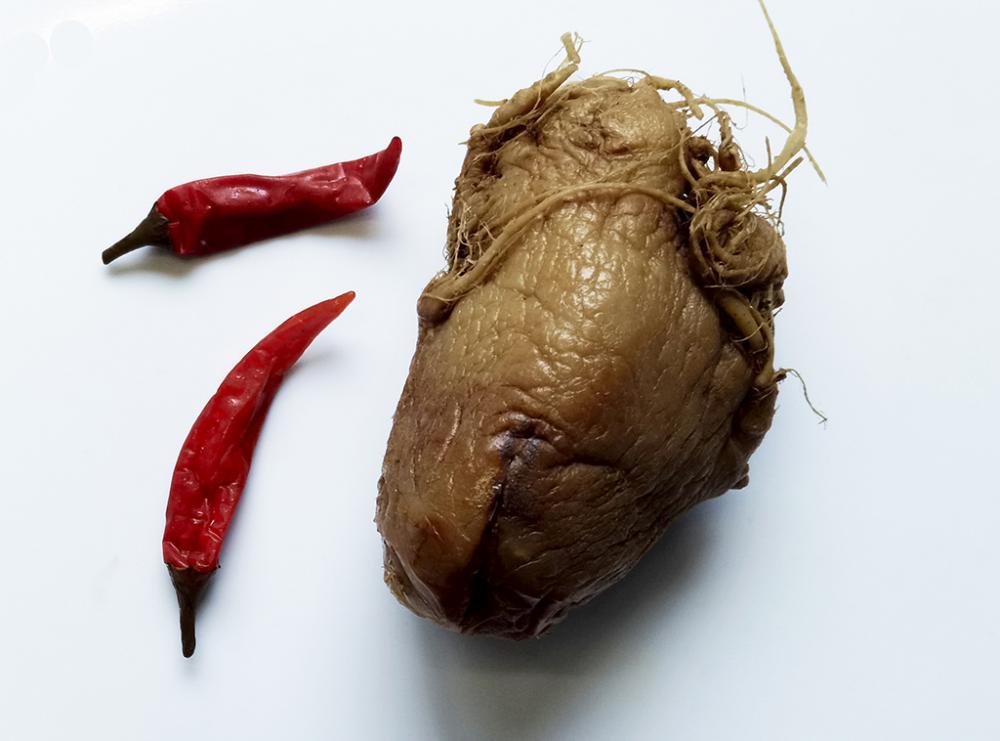
2. 雪里红腌菜 (xuě lǐ hóng yān cài) - Salt Cured Potherb Mustard (Brassica juncea var. crispifolia) This is another local treatment for mustard. It is exactly as described in the name. "雪里红" means "potherb mustard"; "腌" means "salt" and "菜" means "vegetable". Unlike the suancai above, this is dry cured, so the final product retains some crispiness, unlike suancai which has a more "cooked" texture. Whether or not it is available elsewhere, I don't know. Suancai is everywhere - I've bought it in London. Most Asian stores or markets should have suancai. If you can also find this one outside China, please let me know.
-
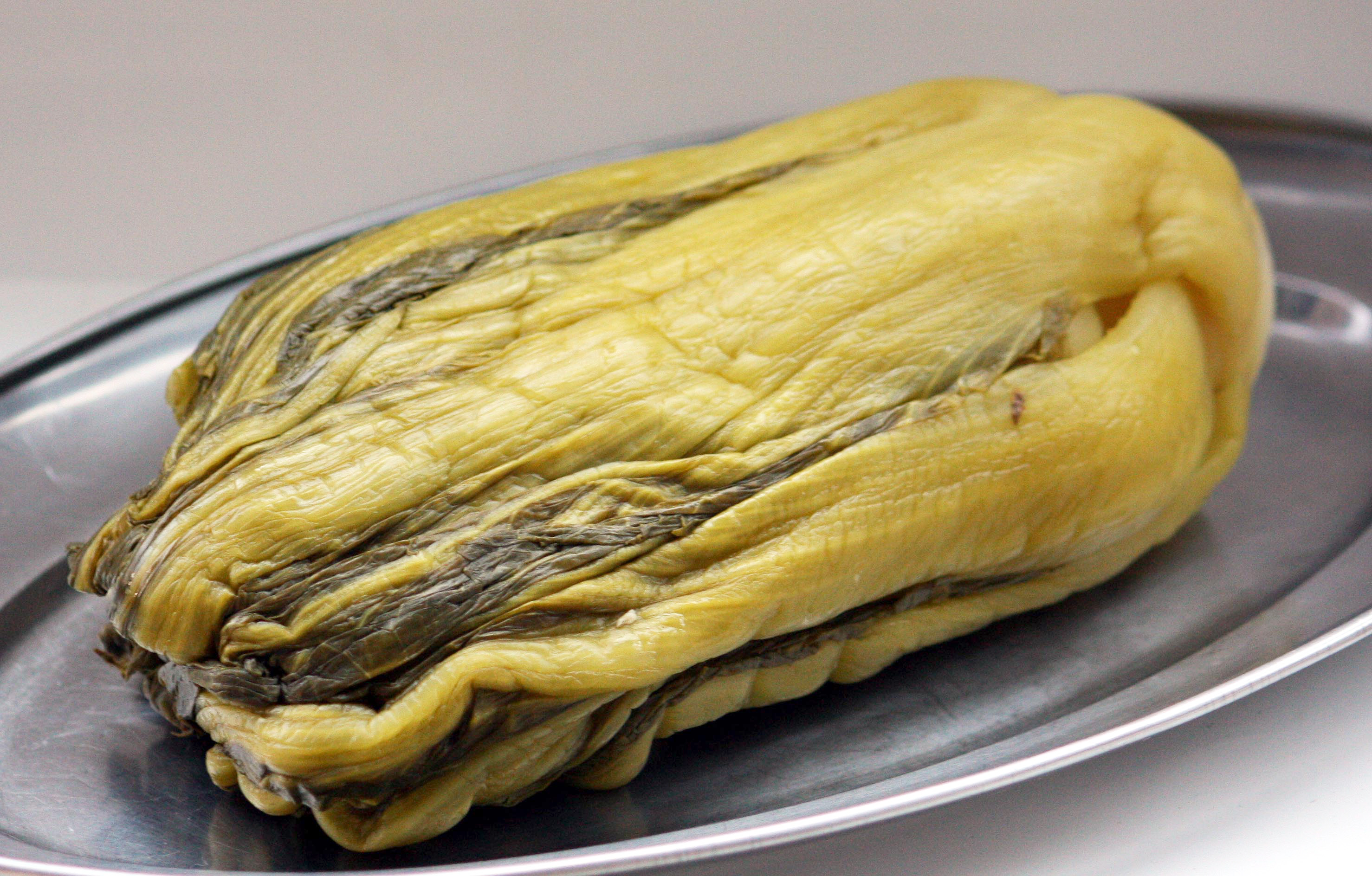
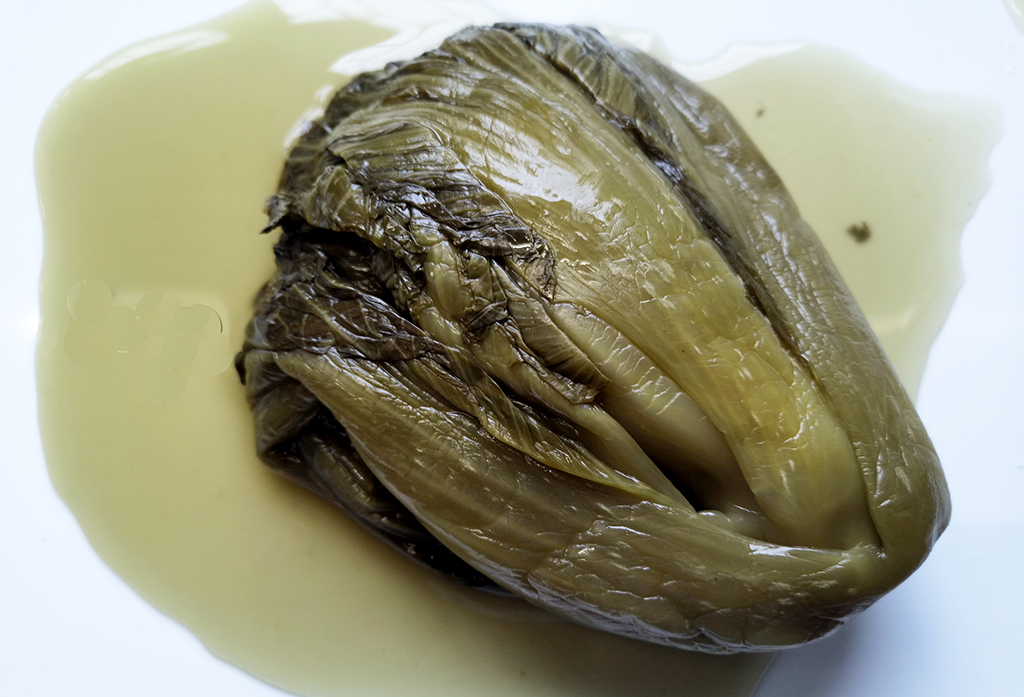
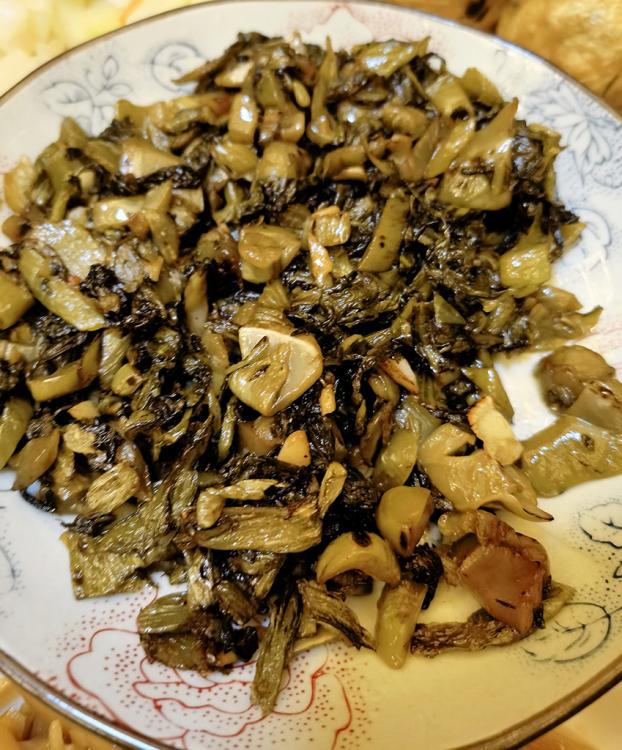
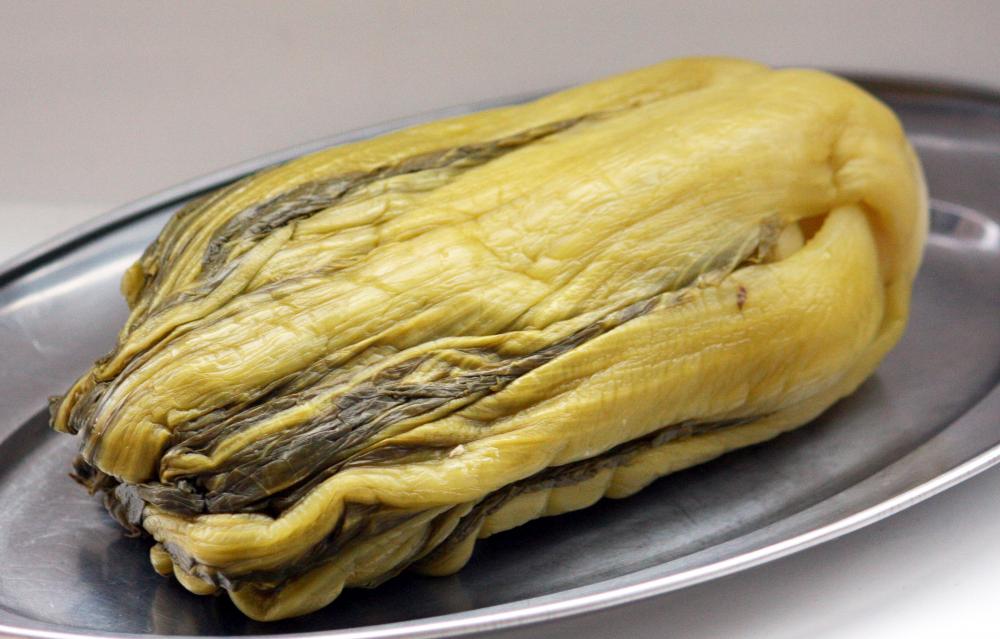
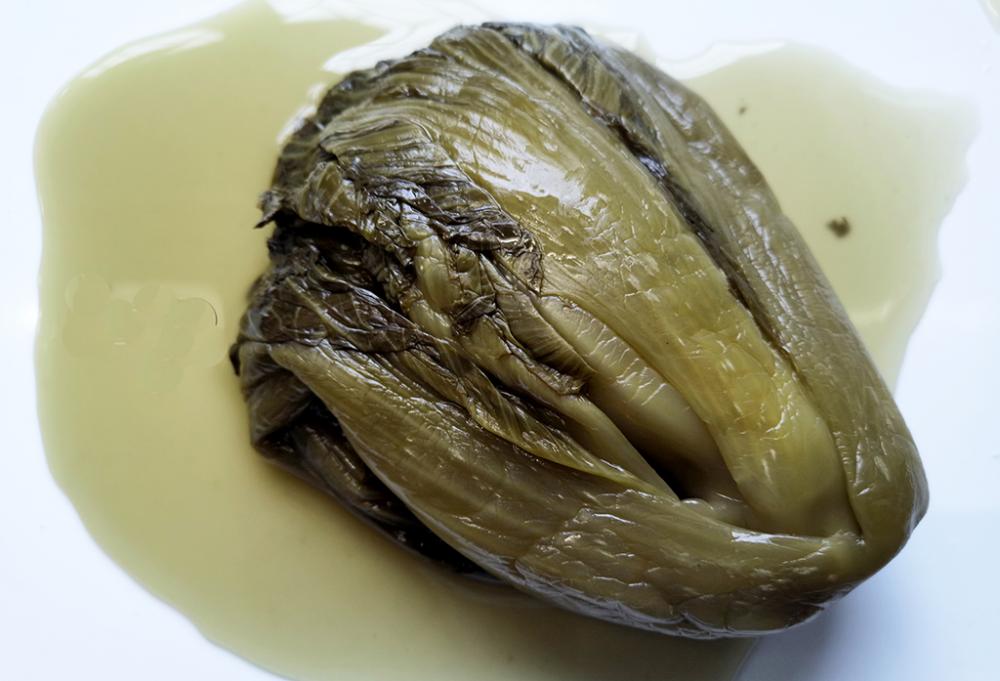
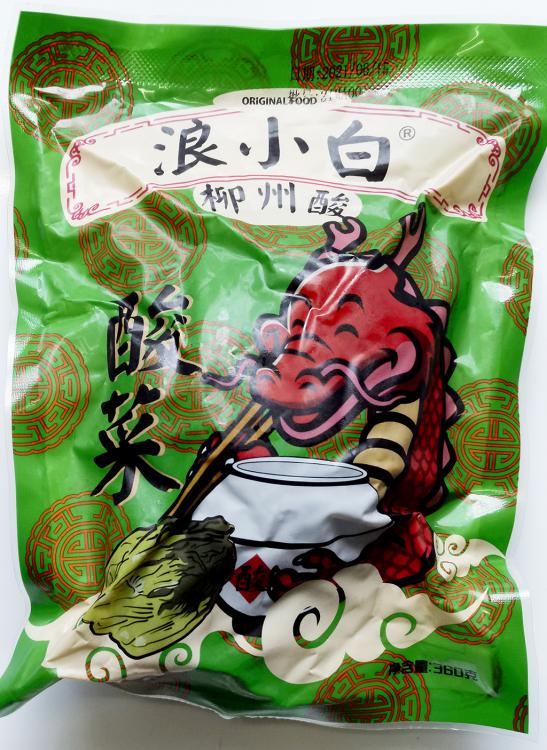
For centuries, the Chinese have been pickling and preserving foods. There is almost nothing that they haven't pickled, salted, dried or whatever. Even Germany recognises that sauerkraut originated in China, while most Koreans patriotically deny that kimchi came from China, but it almost certainly did. So, in this thread, I want to mention some of the most common, but also some of the more unusual. It could be a long ride! 1. 酸菜 (suān cài), literally 'sour vegetable' Suan cai is common across China. However, there are two main types. In Northern China, the preference is for for the vegetable in question to be napa cabbage (大白菜 - dà bái cài), whereas here in the south, we go for stem mustard (芥菜 - jiè cài). Northern style preserved napa cabbage Southern style preserved stem mustard (made in Liuzhou) Whichever vegetable is used, the production process remains basically the same. The whole vegetable is placed in a large jar of water and salt - a simple brine - then compressed by placing a heavy weight on top. Spices may or may not be added. In Hunan, chilli and ginger are often added to the mustard. Suancai is sold in most markets and supermarkets, but many people make their own. Commercially produced suancai as found in supermarkets etc. The preserved vegetable is often served by being finely chopped and served alongside meaty dishes to cut through any fattiness, or can be stir-fried along with the meat. Unchopped suancai is also used in my favourite Chinese fish dish, 酸菜鱼 (suān cài yú), a Sichuan soupy mix of suan cai and fish. Fuschia Dunlop has a very good recipe in her "The Food of Sichuan (eG-friendly Amazon.com link)". Most recipes that I can see on the internet are not very inspiring. Chopped suan cai as served alongside meat. Note: Excessive consumption of pickles and salted preserves may be linked to certain cancers, according to many sources including the World Health Organisation and the Chinese Journal of Cancer
-
No need to be sorry. It has been a long topic. And if it's worth posting once, it's probably worth repeating!
-
https://forums.egullet.org/topic/161684-food-funnies/?do=findComment&comment=2245086
-
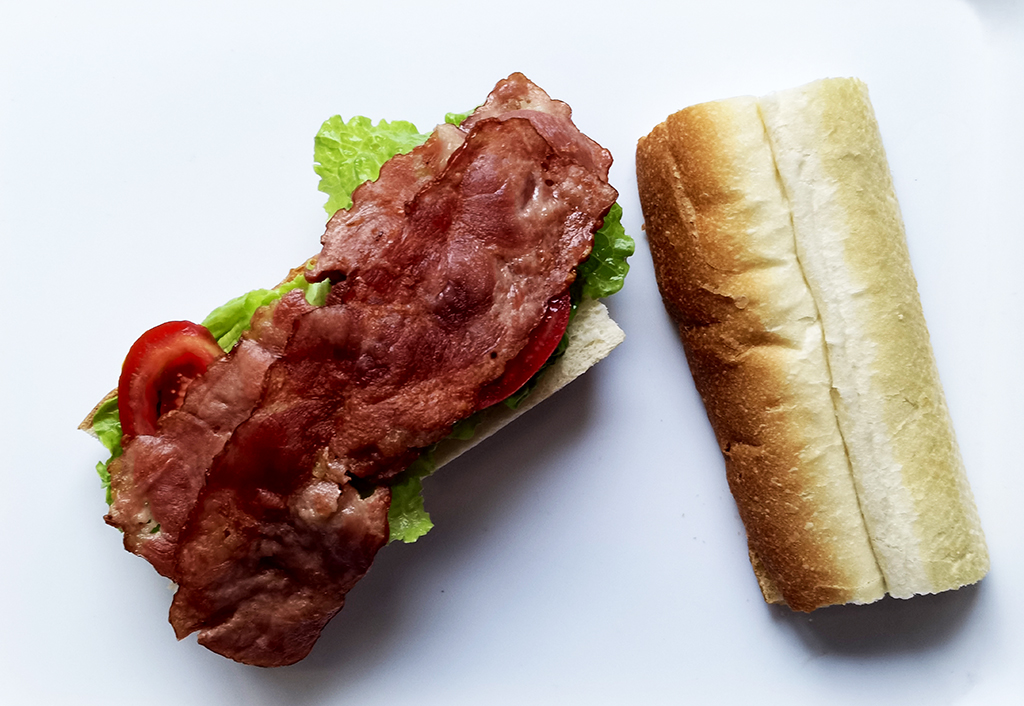
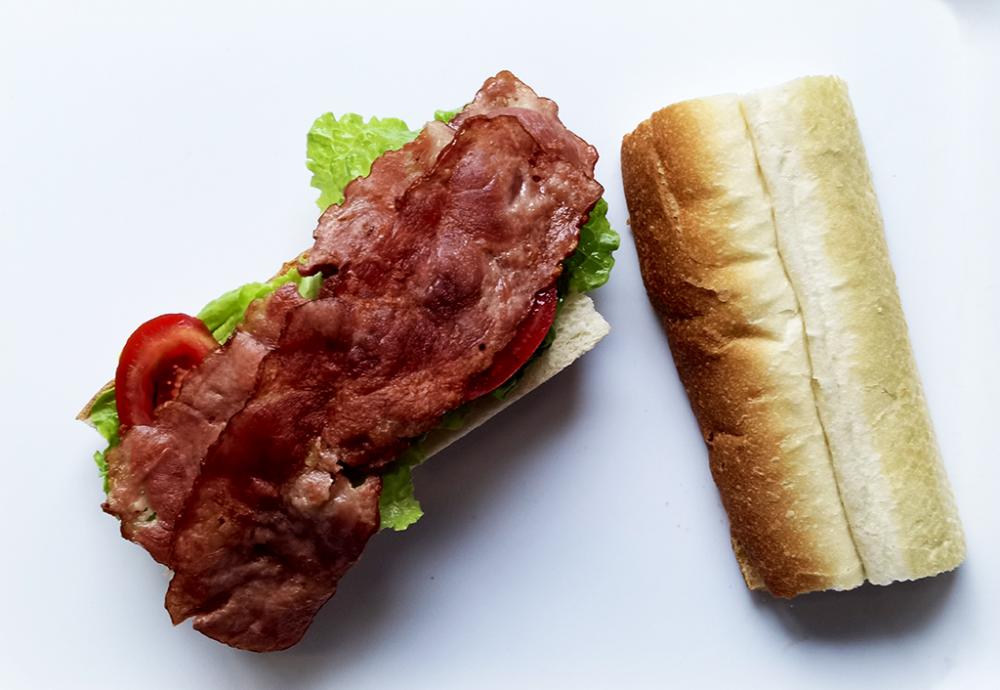
Even before I was properly awake, I knew this was going to be breakfast. I had literally been dreaming about it. BLT
- 764 replies
-
- 10
-

-

-

-
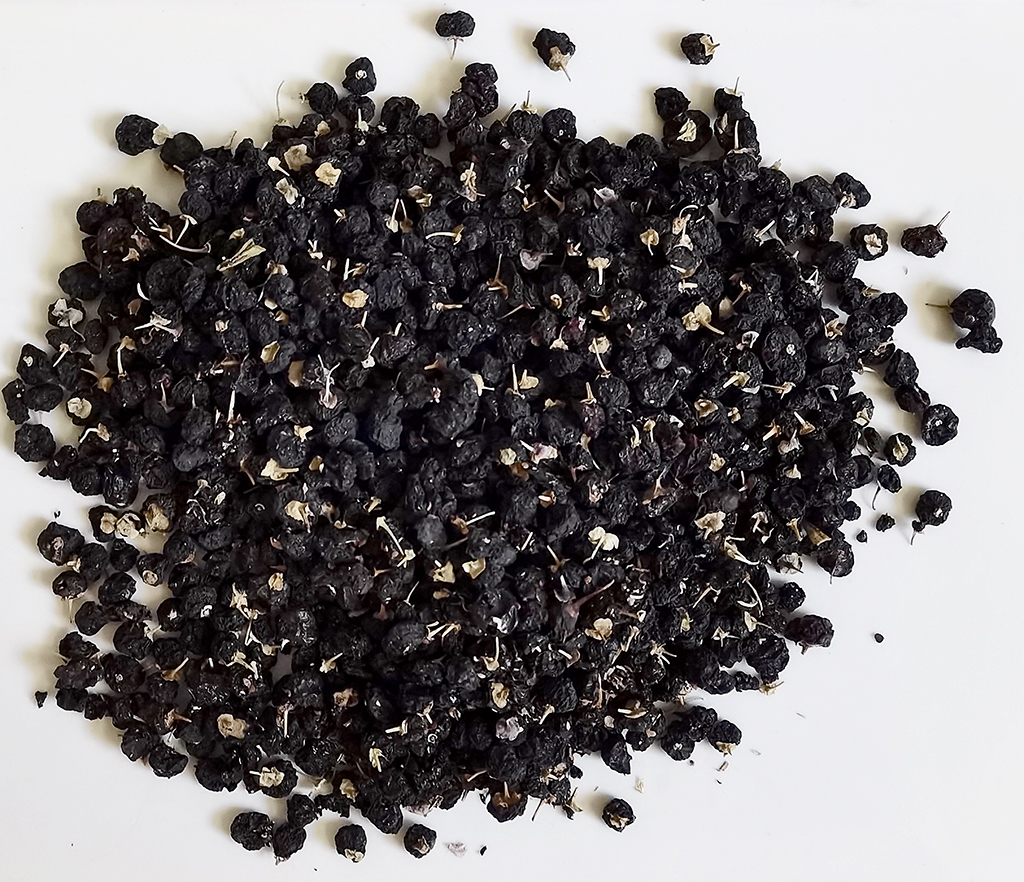
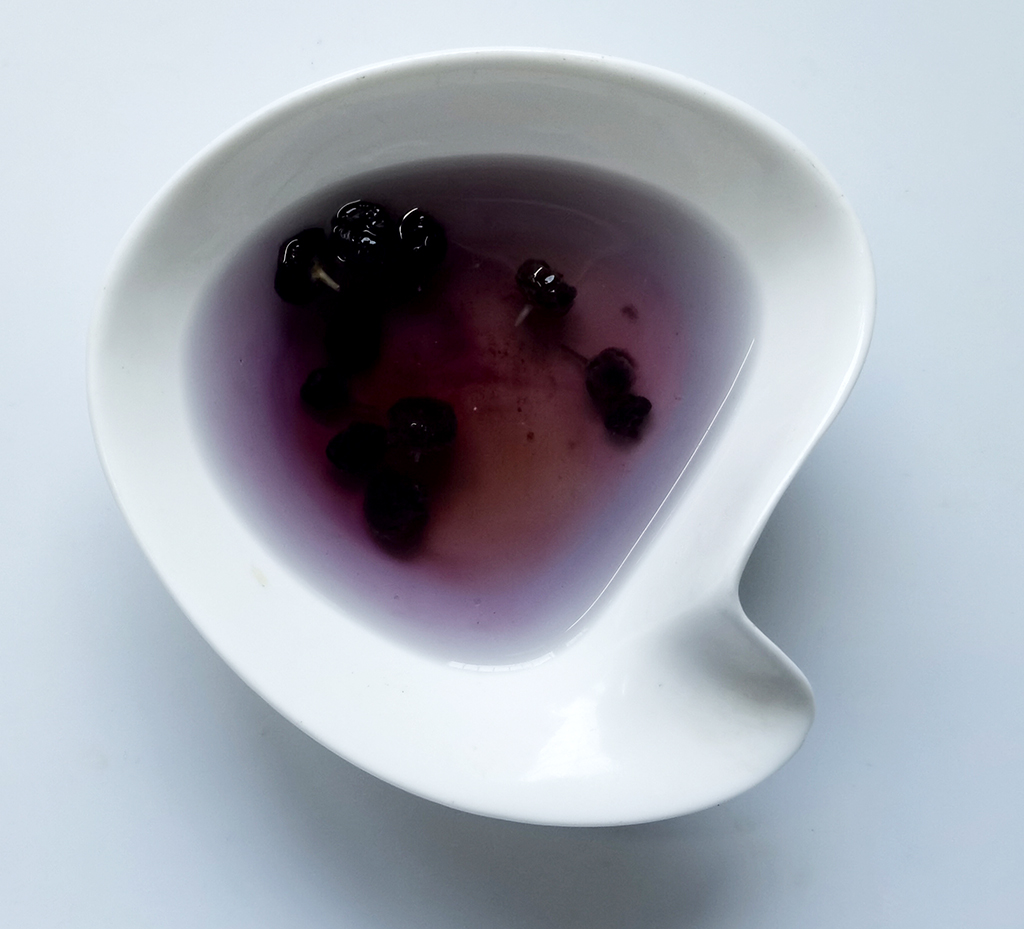
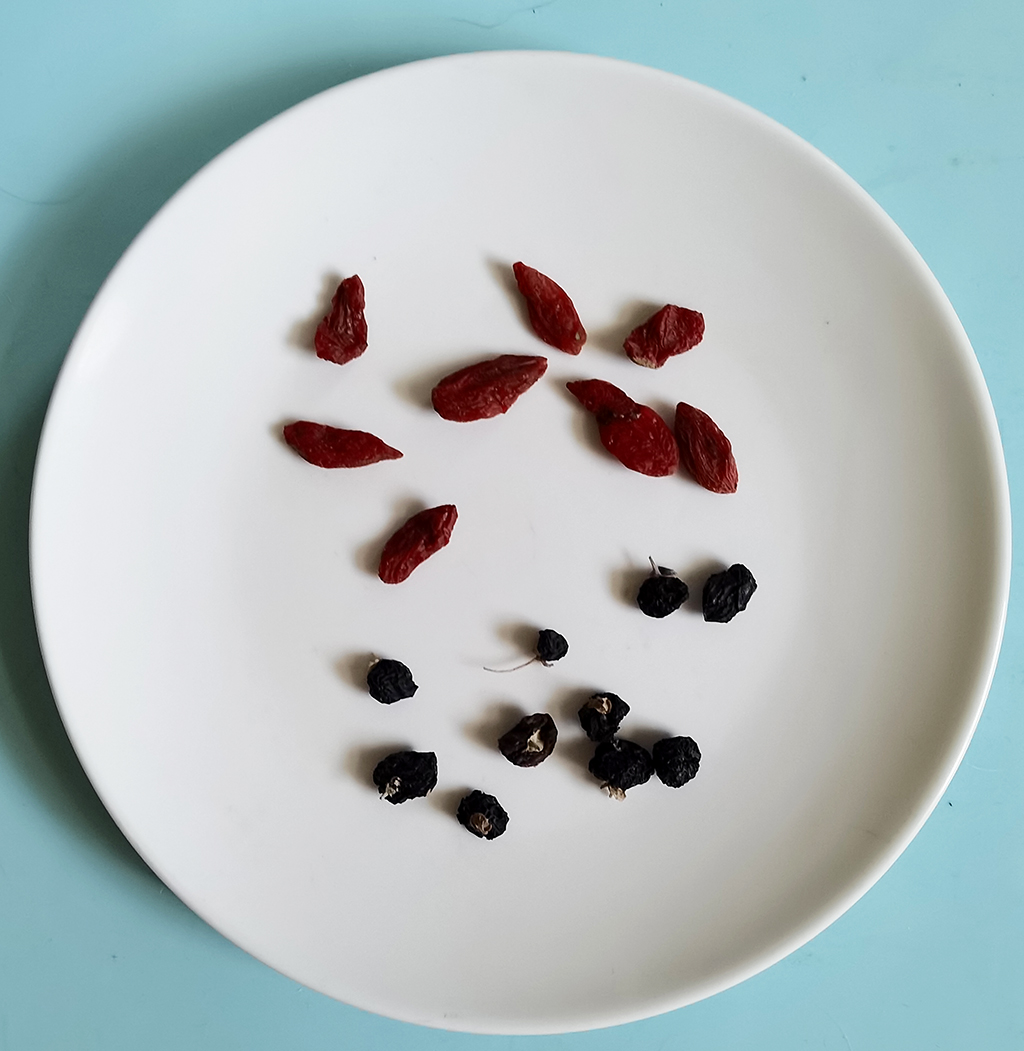
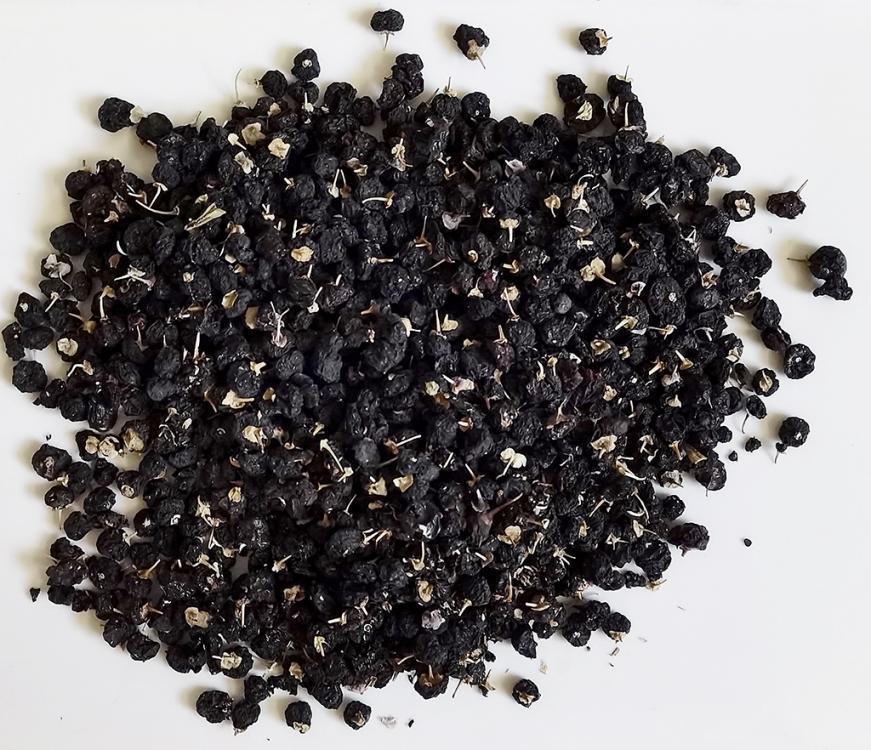
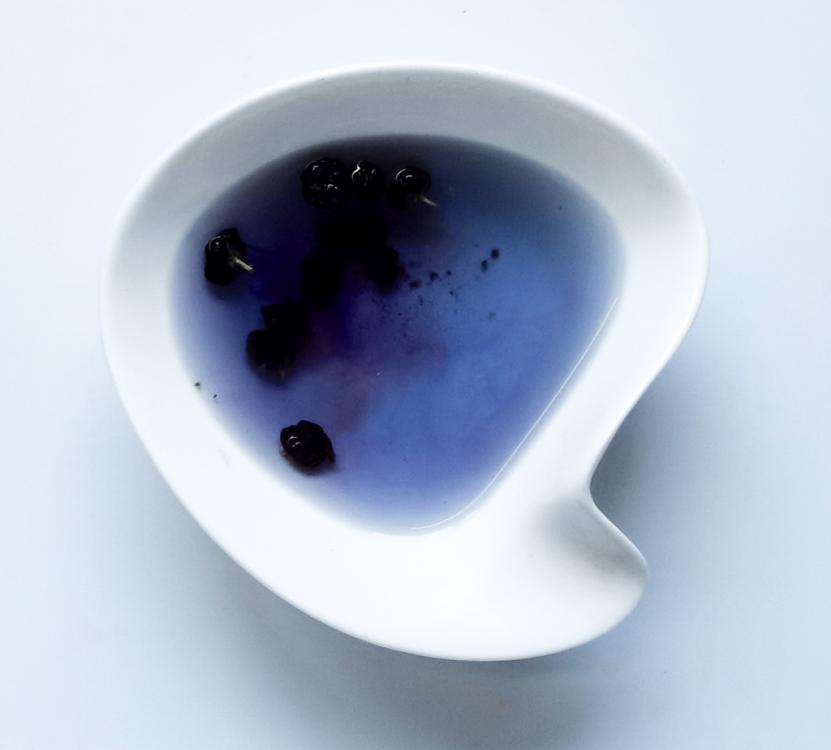
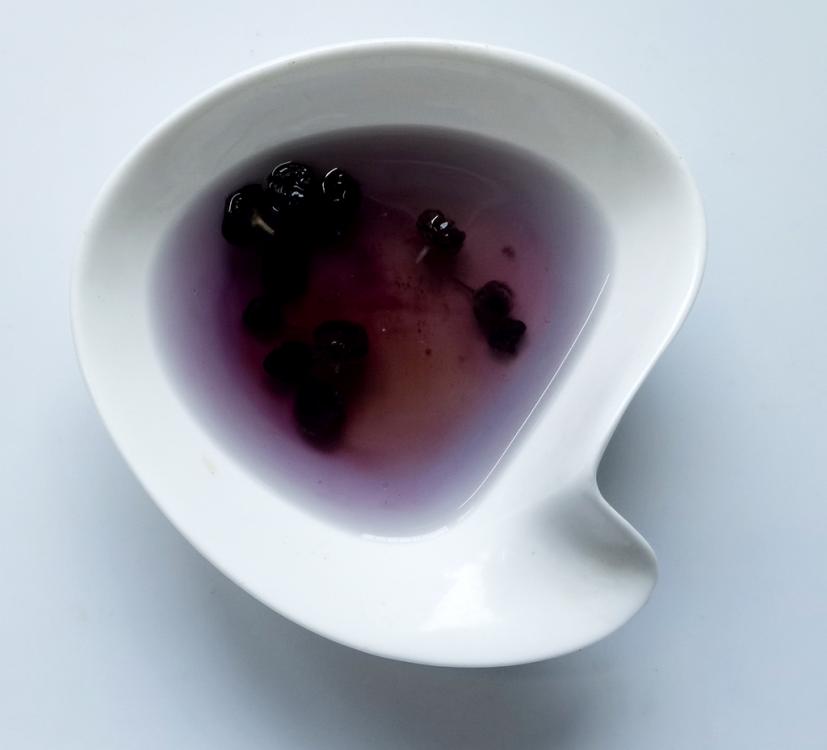
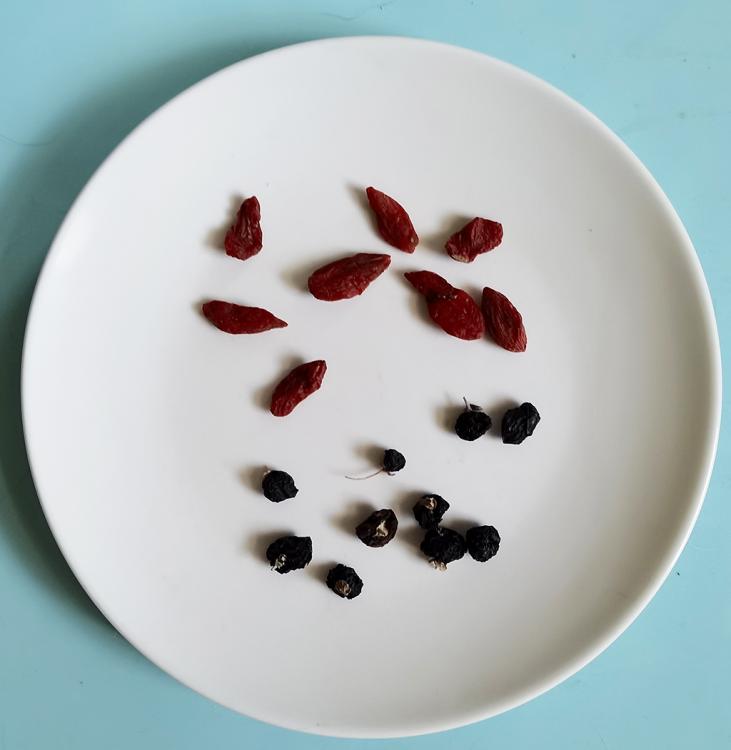
For no particular reason, I picked these up in the local supermarket. I don't go for all the superfood, antioxidant BS. OK, these have more phytochemicals then the red variety, but that only proves they have more phytochemicals then the red variety. Not that they do anything super. So, these are 黑枸杞 (hēi gǒu qǐ). Black goji berries. Much smaller than their red variety. Round here they are used to make a 'tea' or, more correctly, 'tisane'. That's where the fun comes in. When I drop them into water, the water turns this lovely blue colour. Unfortunately, within 30 seconds, it darkens and becomes a less lovely purple. Oh well.
-
Certainly is.
-
In a restaurant, they would normally be taken home. However, this meal was in a friend's home and there were very few leftovers. There were ten for dinner in total.
-
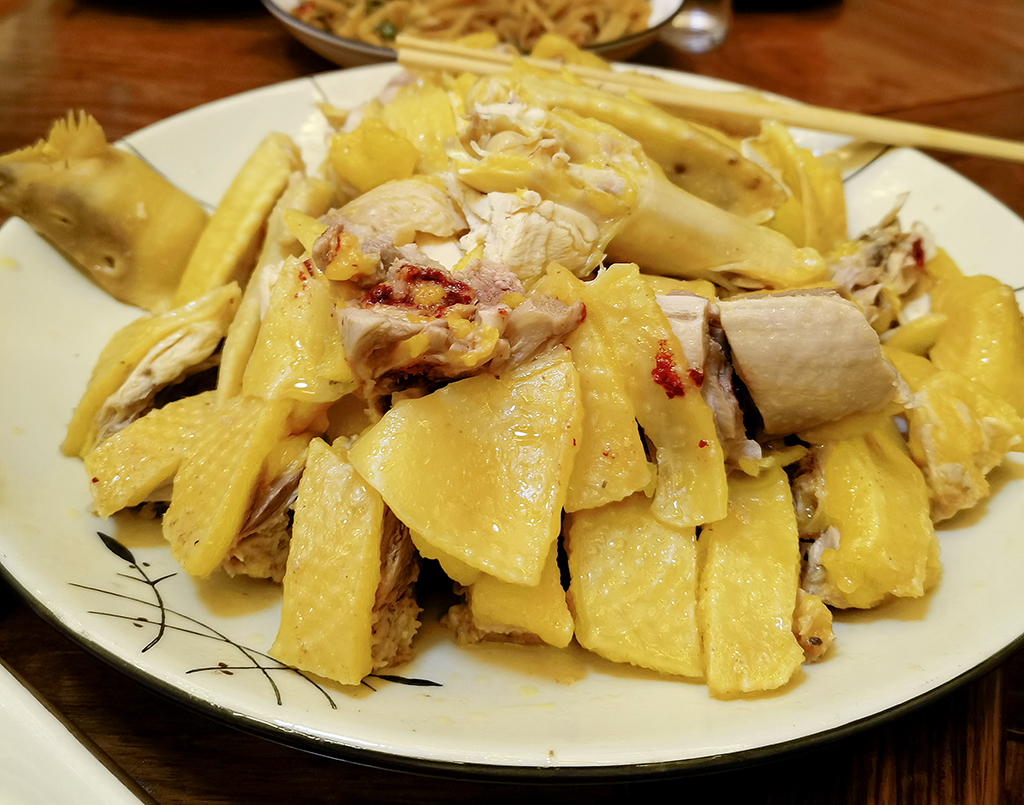
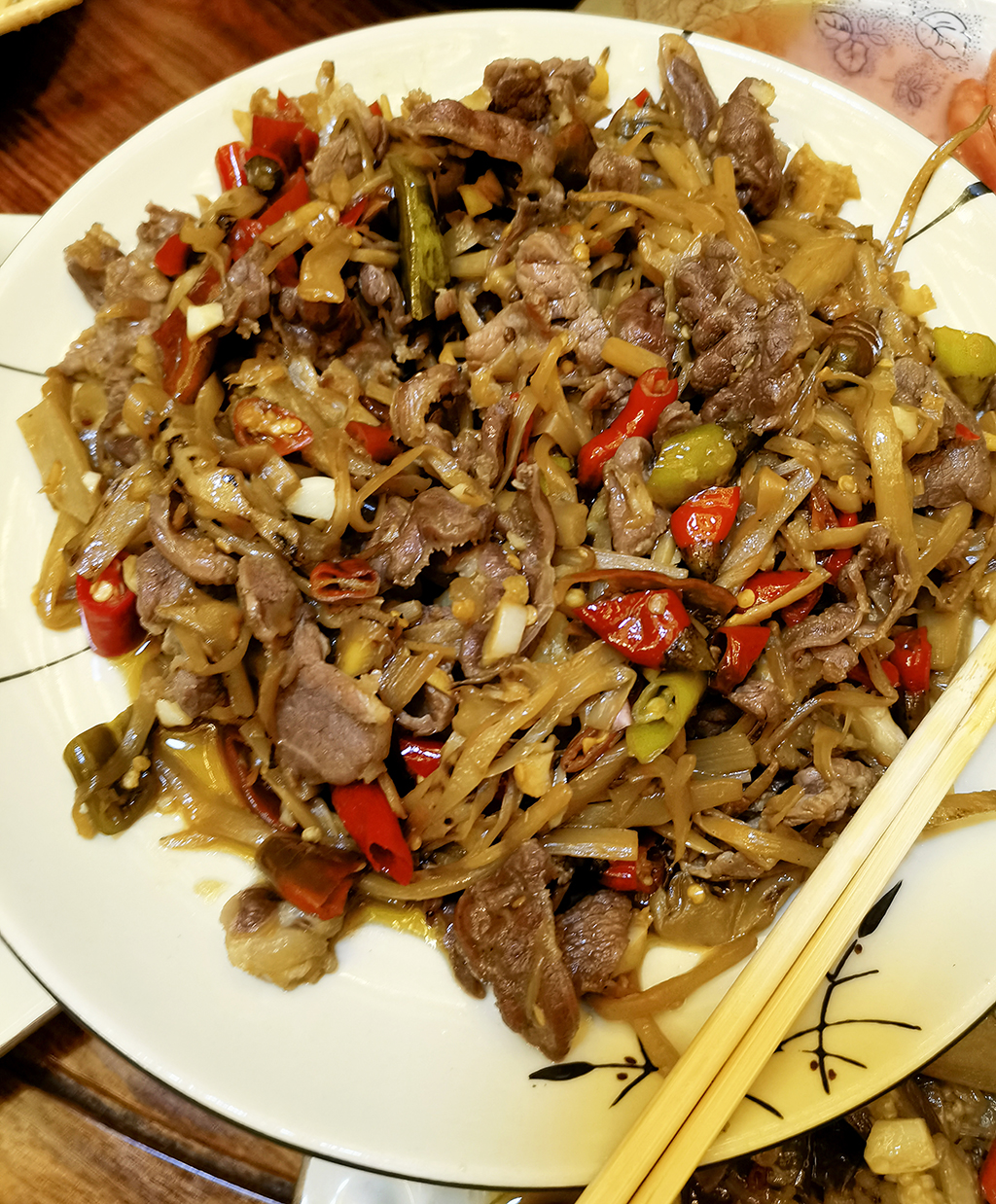
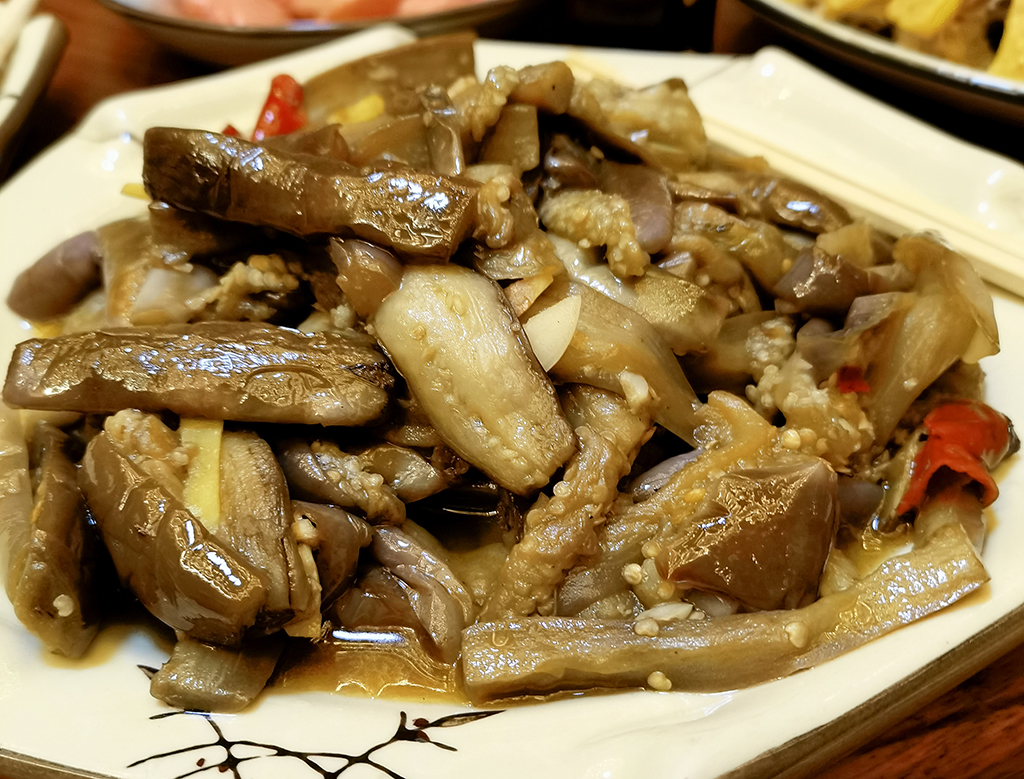
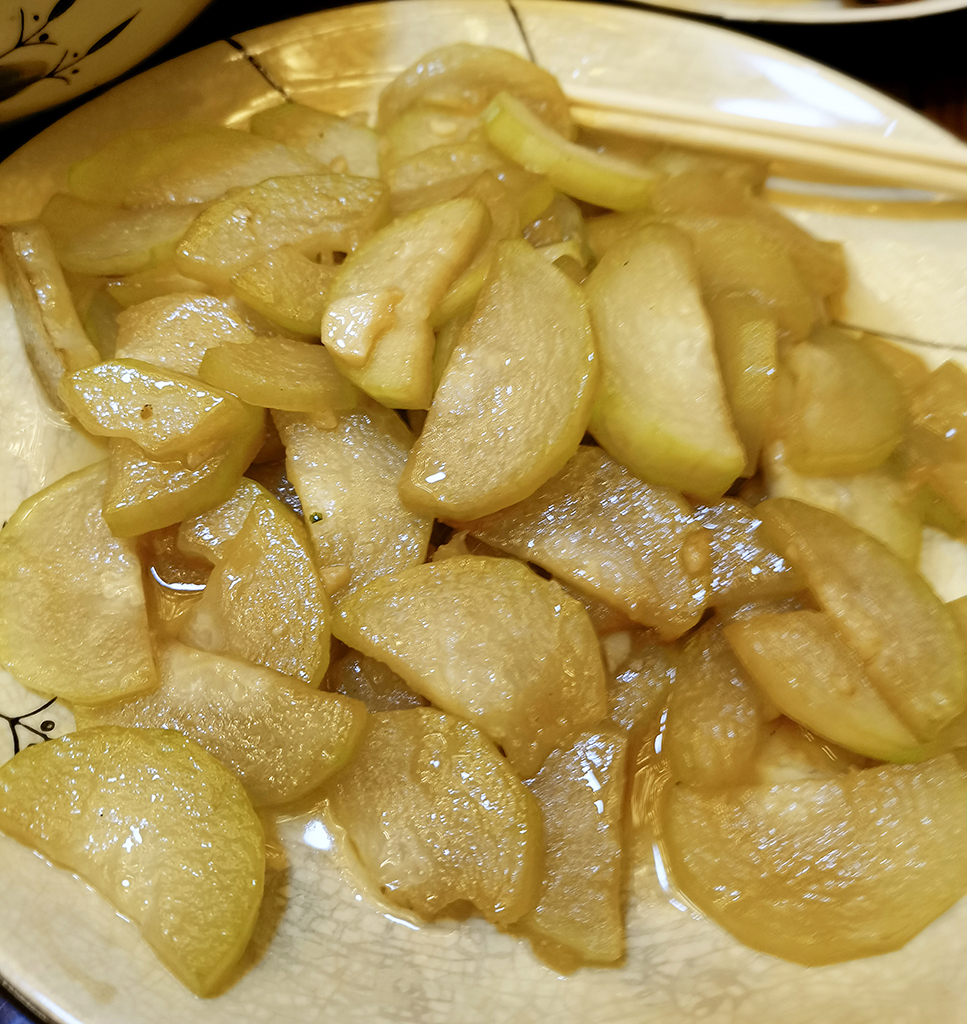
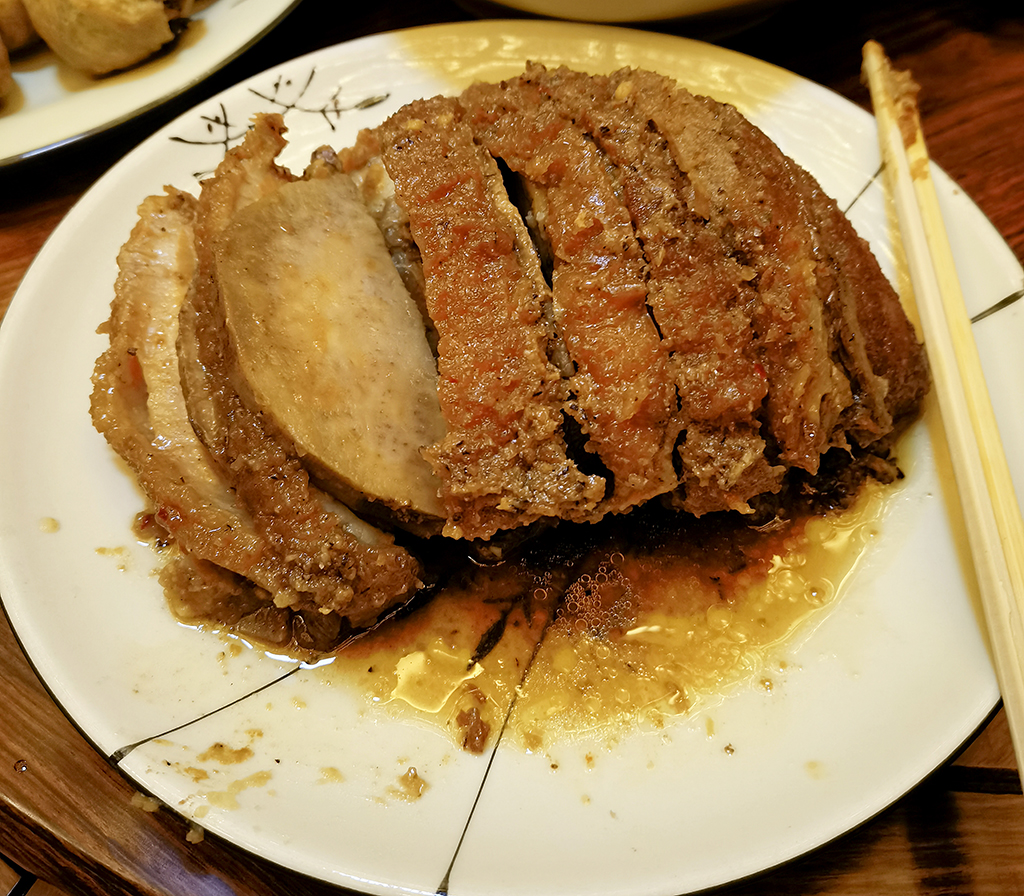
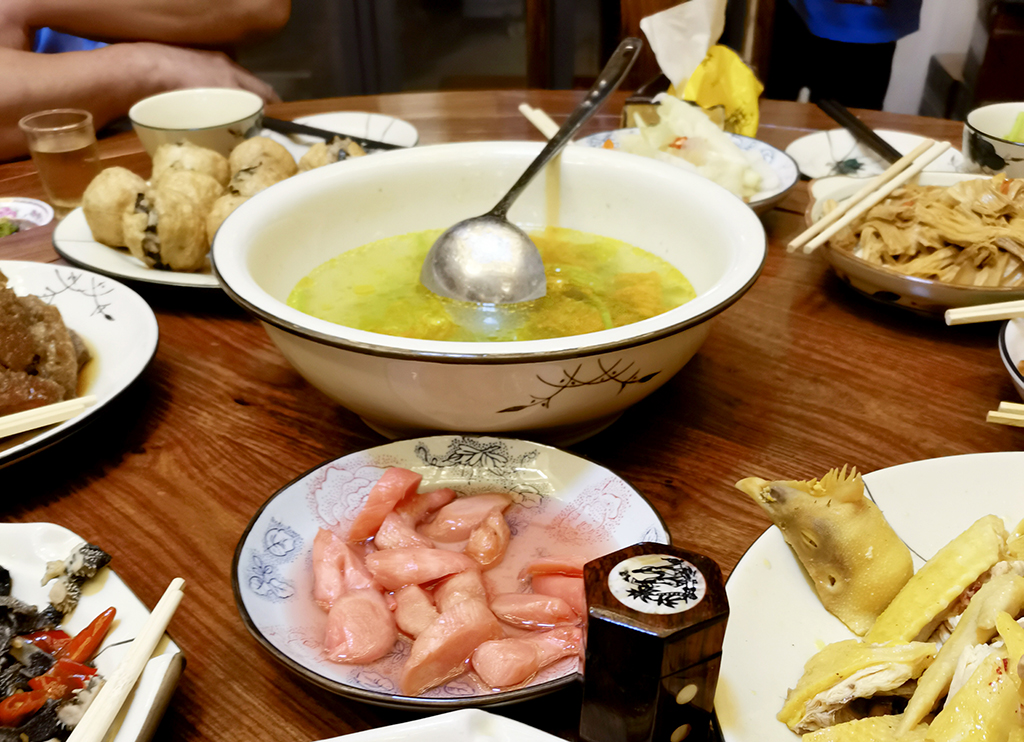
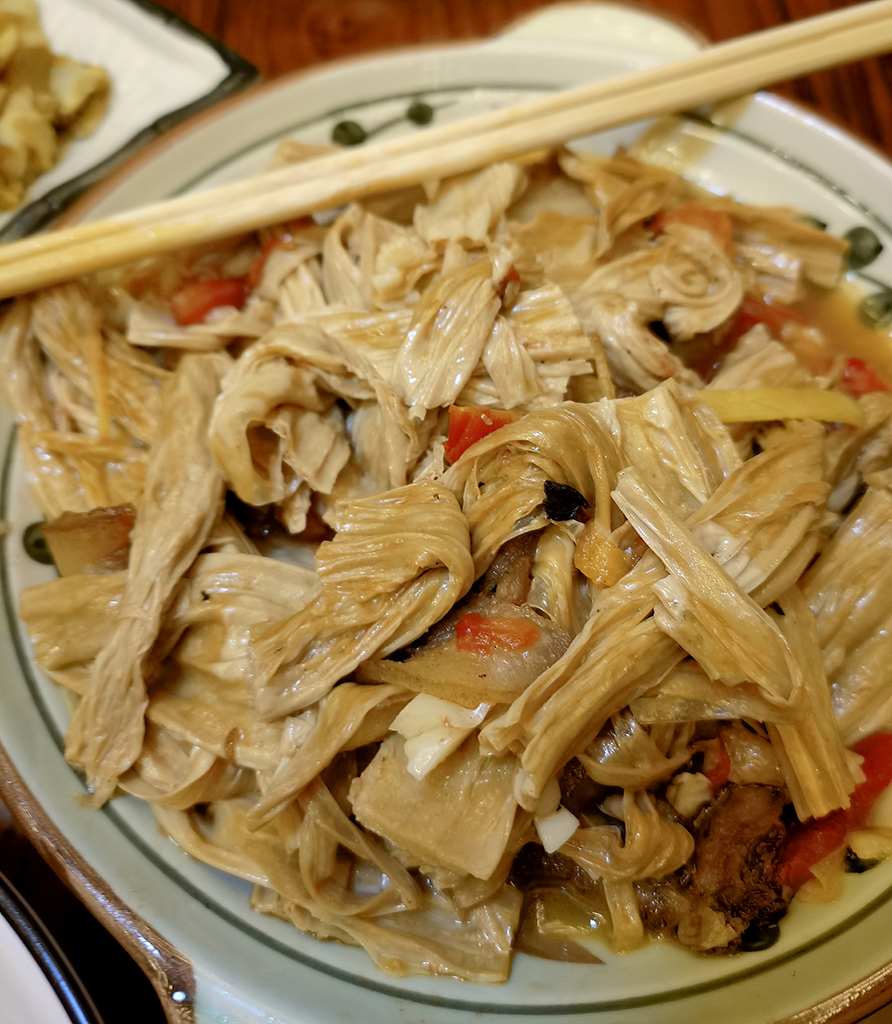
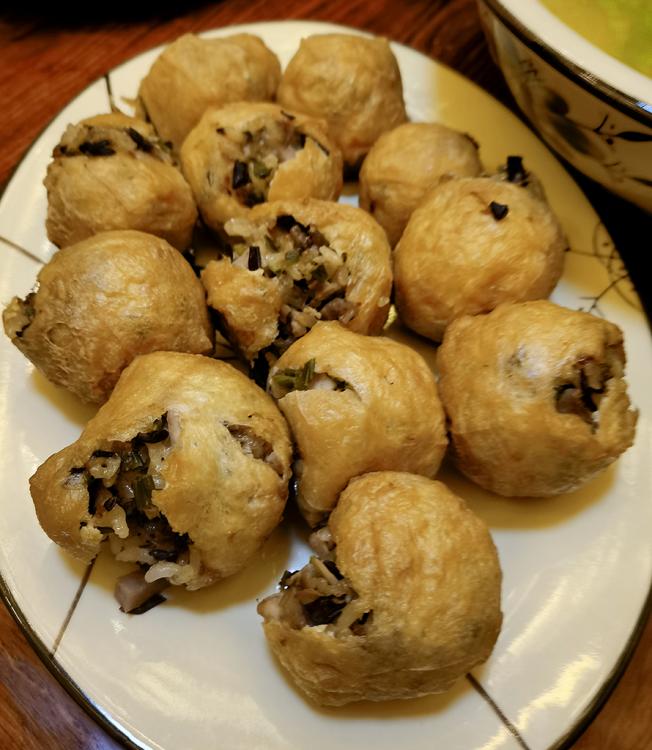
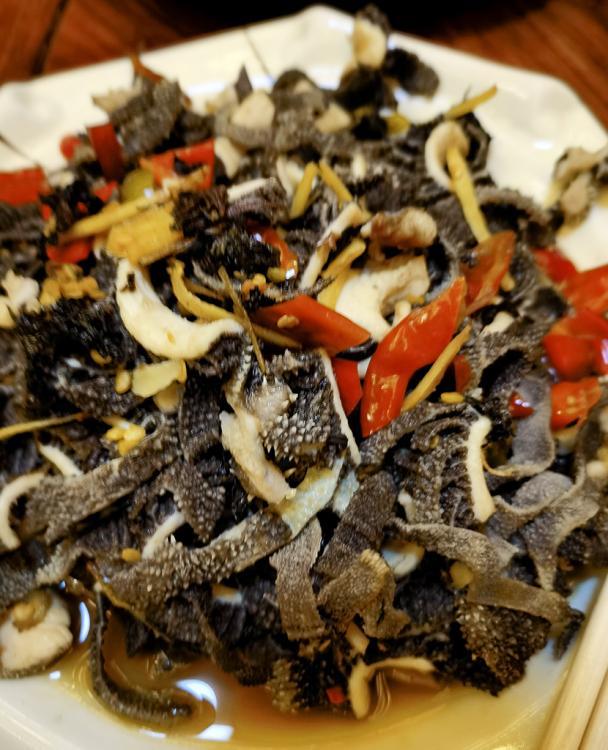
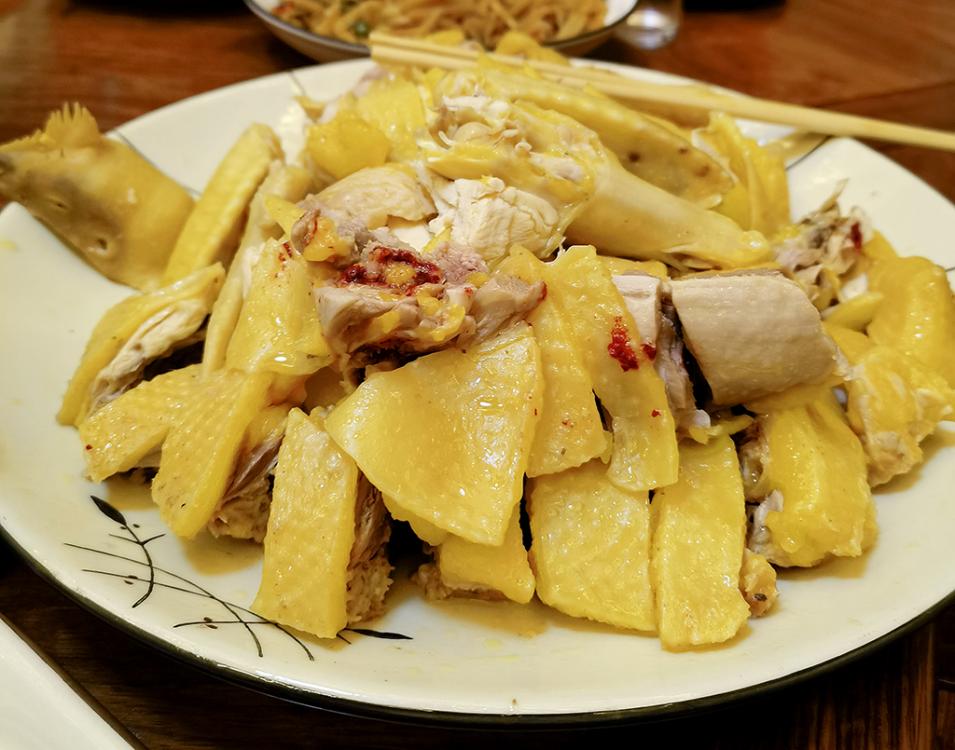
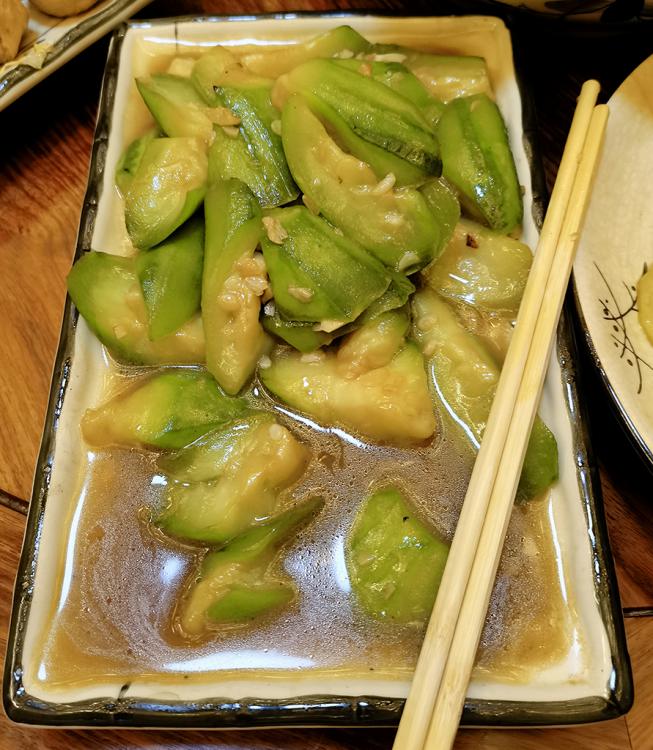
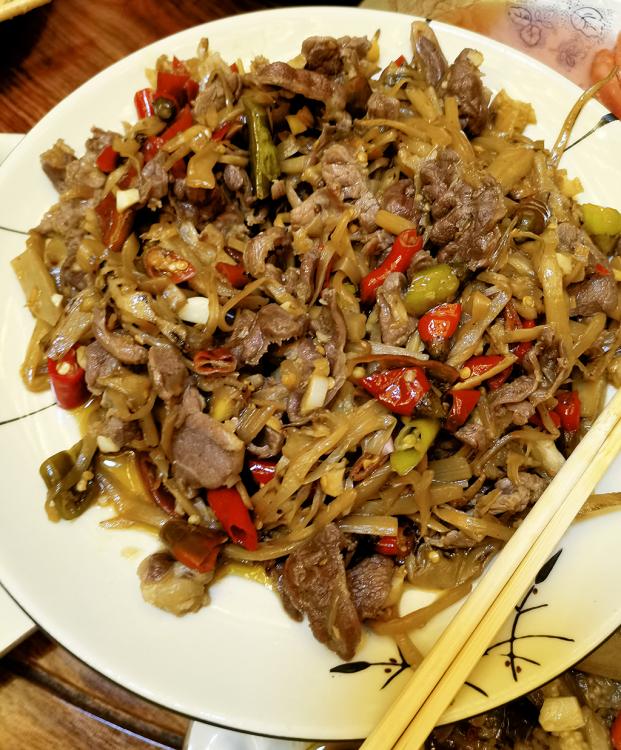
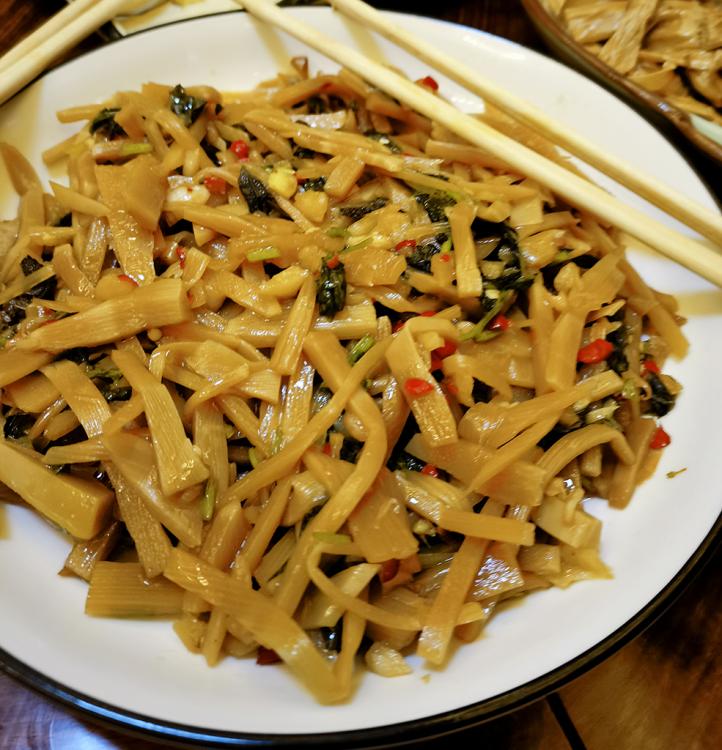
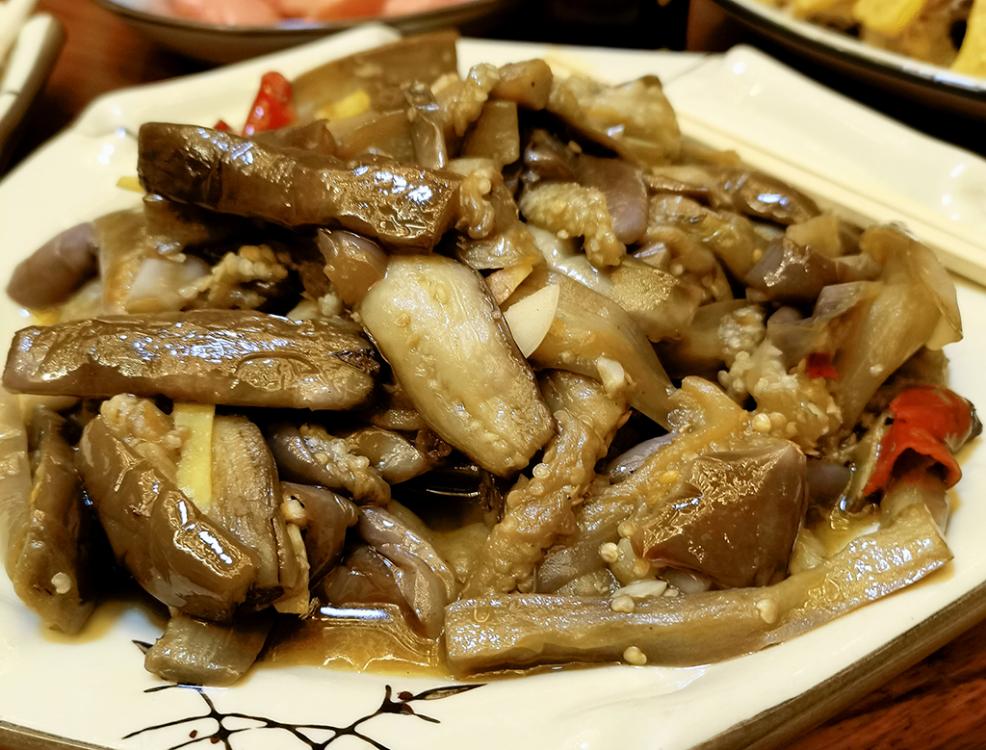
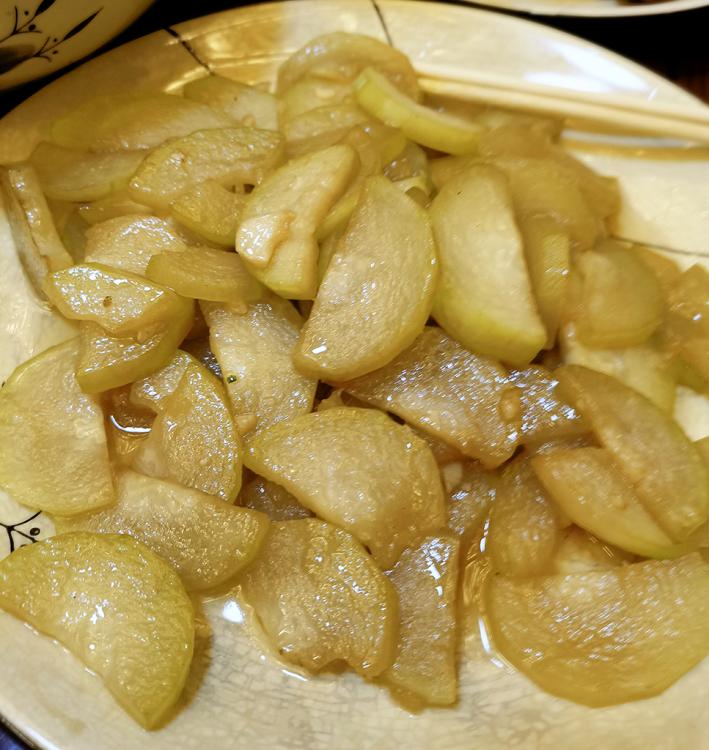
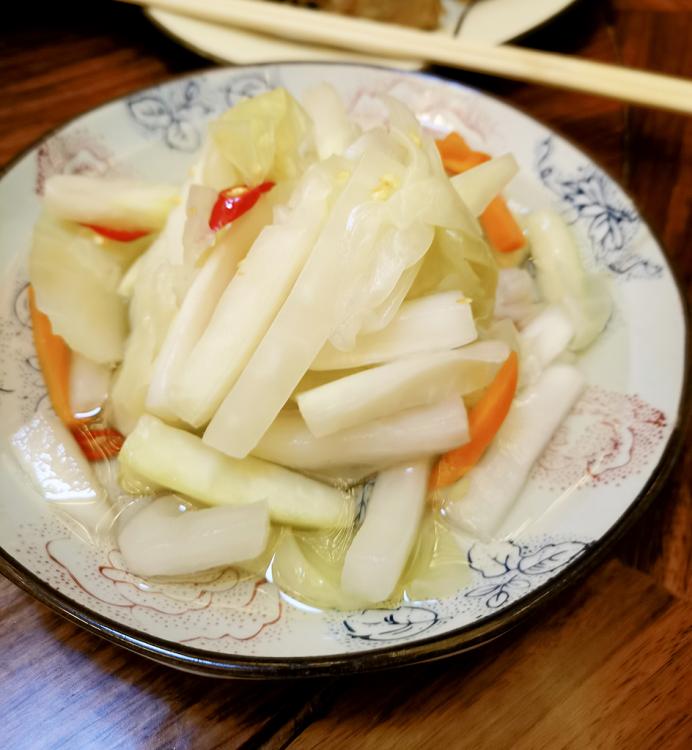
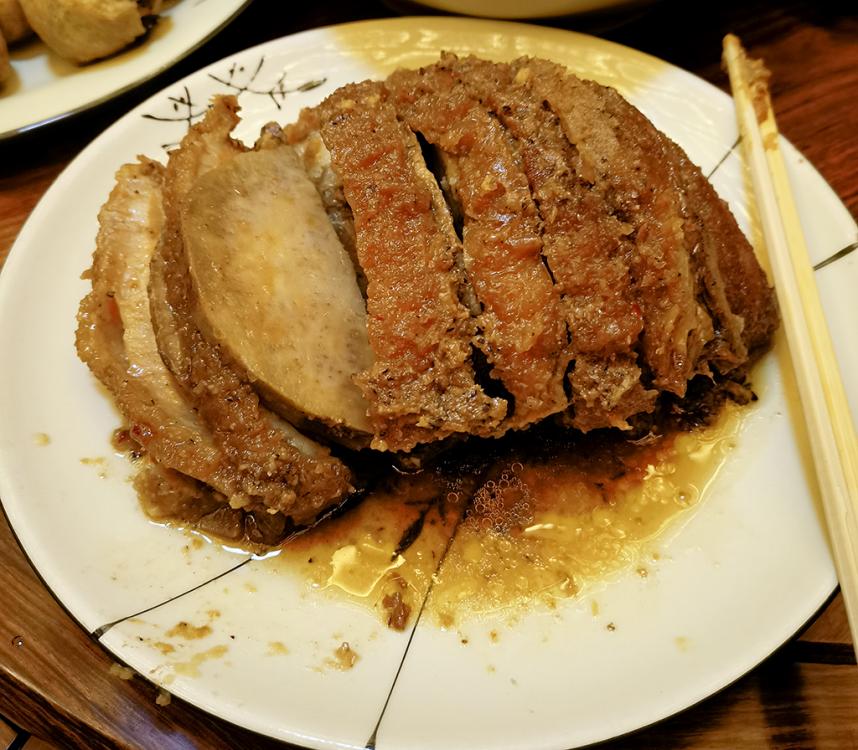
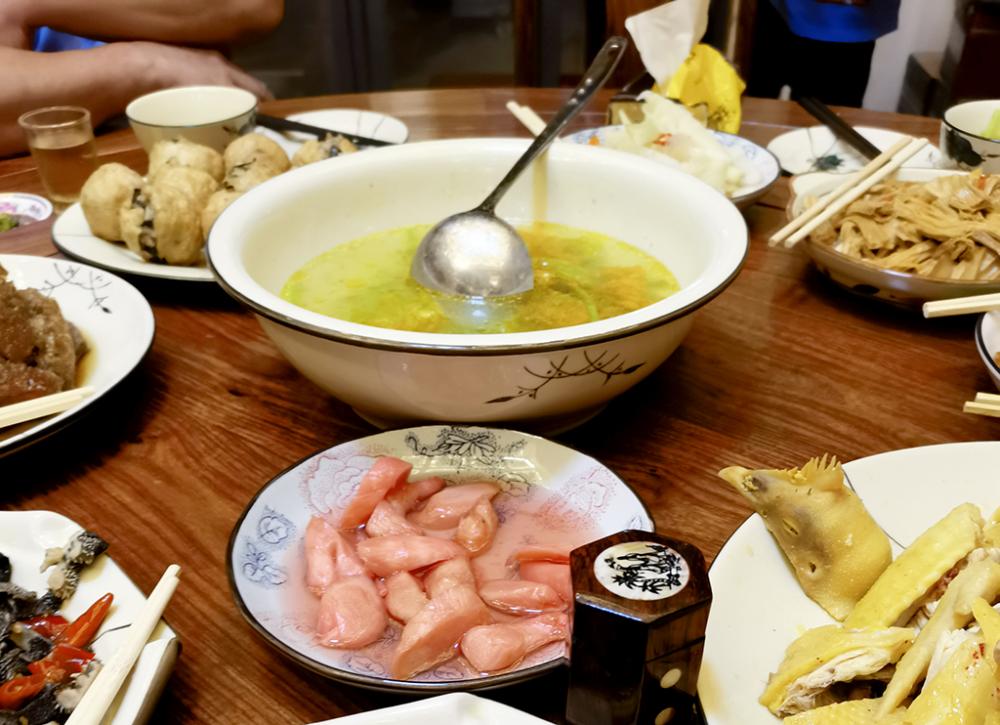
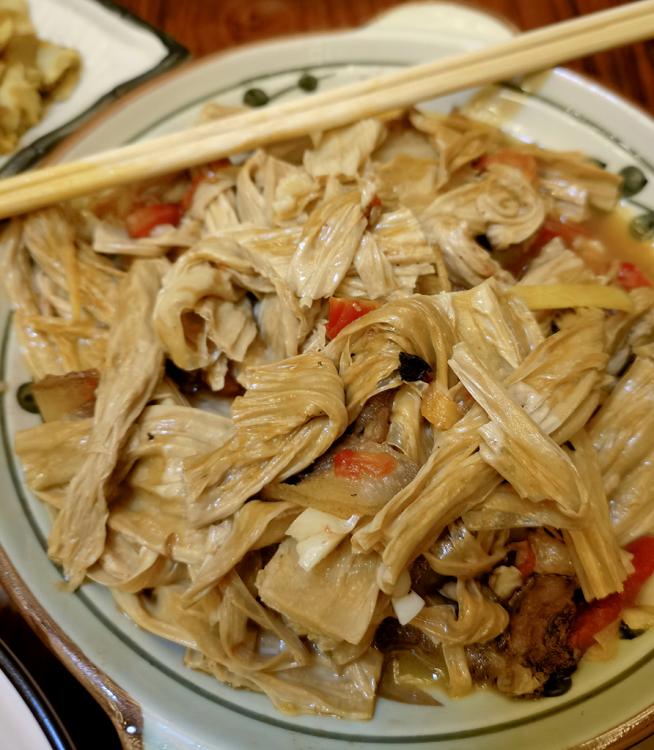
Just a small dinner with some friends, tonight. All Liuzhou specialties. All homemade. 壮家醸豆腐 (zhuàng jiā niàng dòu fu) - Zhuang Style Stuffed Tofu Puffs Spicy Beef (Bull) Tripe White Cut (Organic) Chicken Loofah Spicy Beef Pickled Daikon Radish Eggplant / Aubergine Wax Gourd Pickled Mixed Vegetables 扣肉 (kòu ròu) - Steamed Pork Belly and Taro Red Vinegar Pickled Ginger (centre) ; Pumpkin Flower Soup (top) 酸菜 (suān cài) - Pickled Cabbage (believed by some to be the original Kimchi) 腐竹(fǔ zhú) - Dried Tofu Skin Roll Rice and beer. Lychees and fresh Chicken Skin Fruit.
-
Sylvia Plath - June 26th, 1951
-
Most buckwheat noodles in China contain regular wheat too, but I'm not sure of proportions. A number of foreigners, new to China, have asked me over the years where they can get buckwheat noodles. I always ask if they want them because of gluten issues and, if so, I tell them "Every supermarket, but be careful; most contain wheat." Then I have to teach them the Chinese characters for buckwheat and wheat, so that they can check the ingredients list. I'd still like to know where these Shaanxi people are getting their mustard seeds, though. Shaanxi was the first place I lived in China and couldn't find them.
-
I have made them in the past, but those were bought in the local supermarket, as was the roast duck. No one here makes Beijing duck at home - they don't have ovens. All I did was slice the cucumber and daikon.