
liuzhou
-
Posts
16,814 -
Joined
-
Last visited
Content Type
Profiles
Forums
Store
Help Articles
Everything posted by liuzhou
-

Cerveza, Cargols i Covid - a summer in Catalonia
liuzhou replied to a topic in Spain & Portugal: Dining
My sort of breakfast! Or a G&T. -
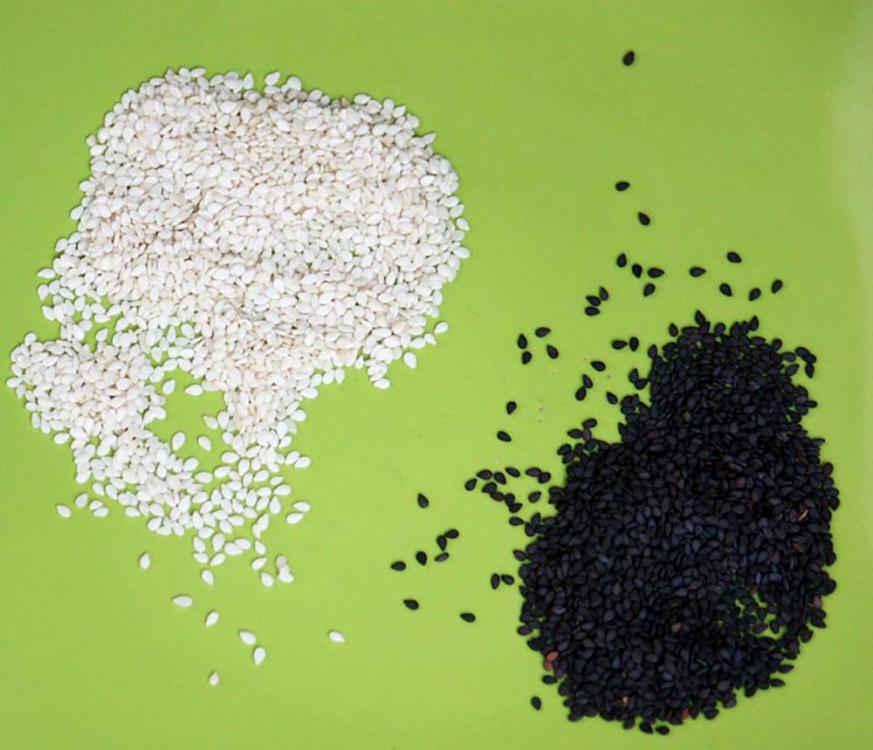
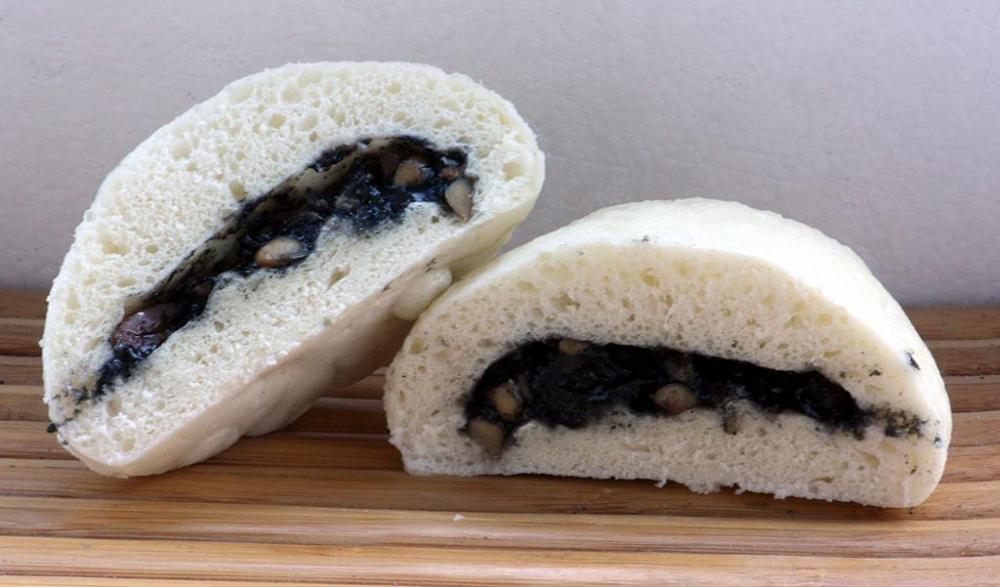
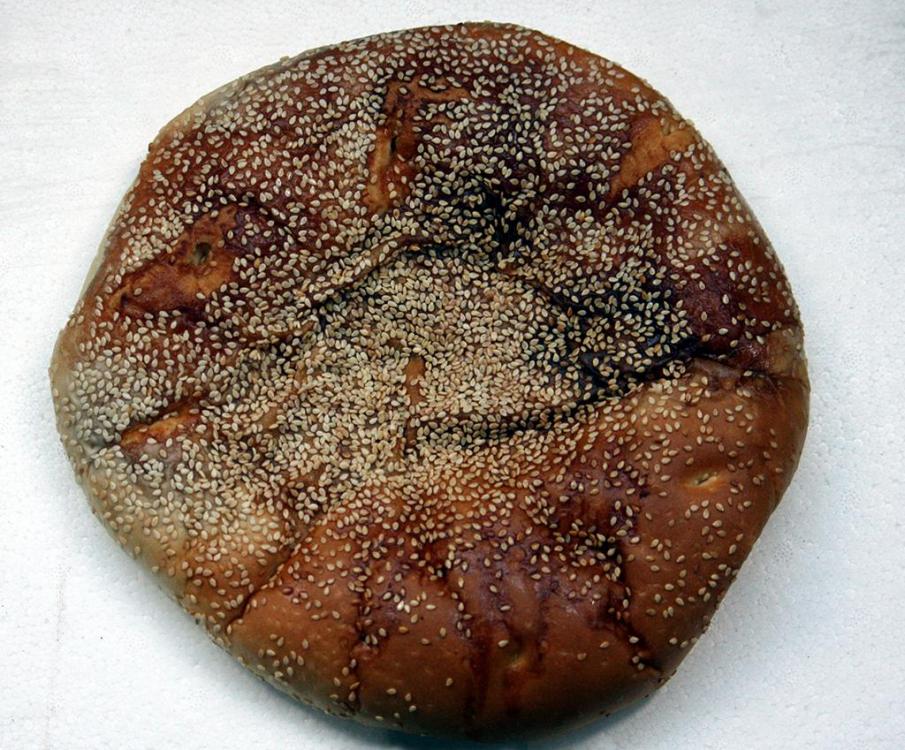
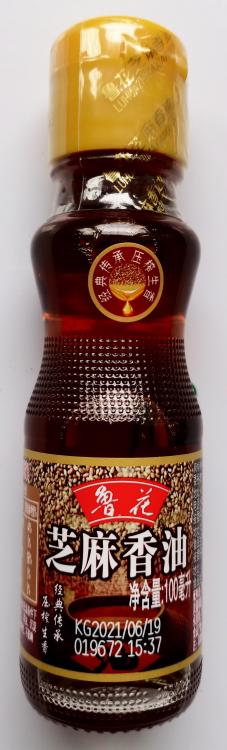
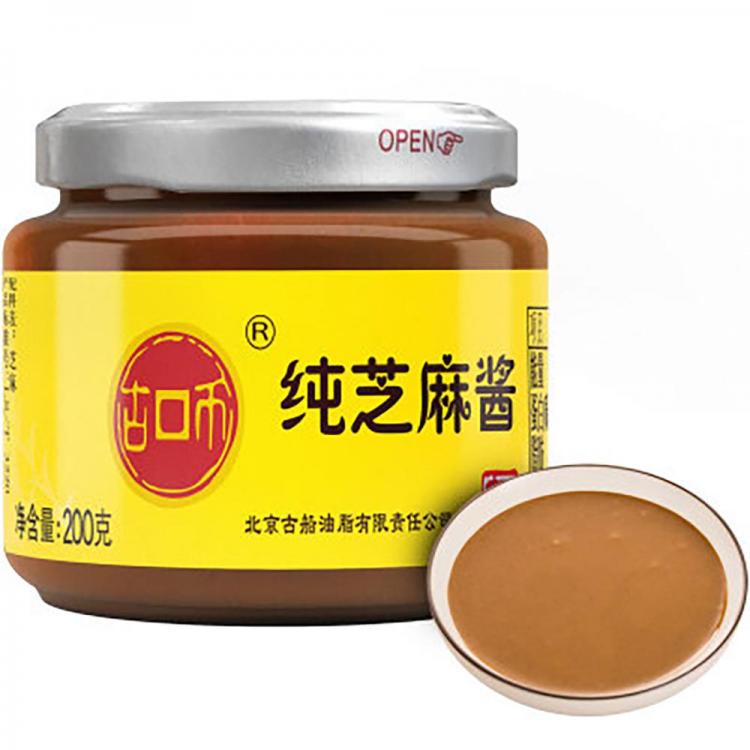
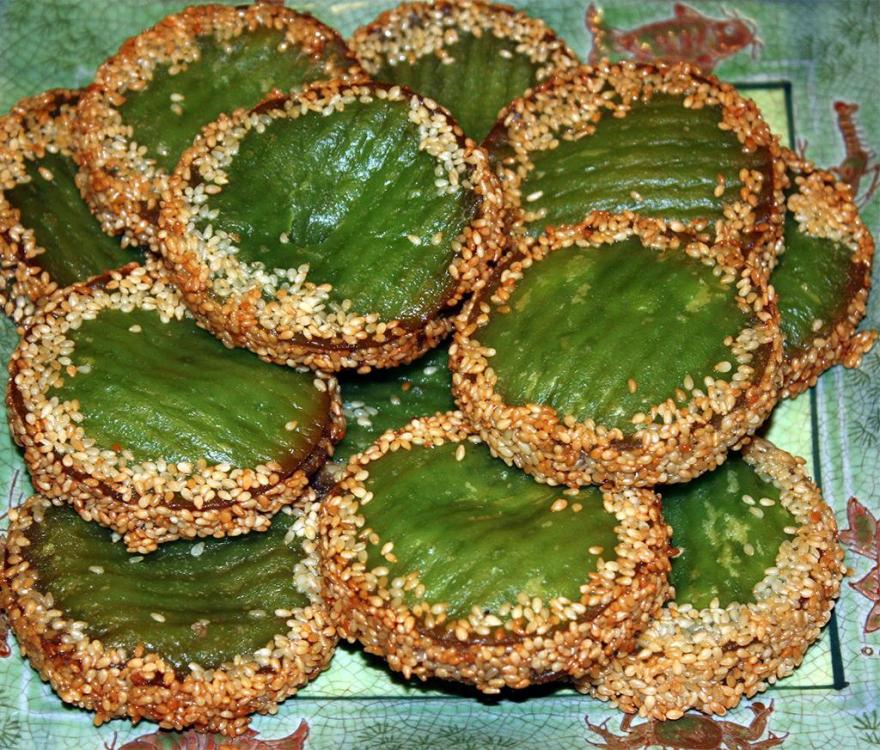
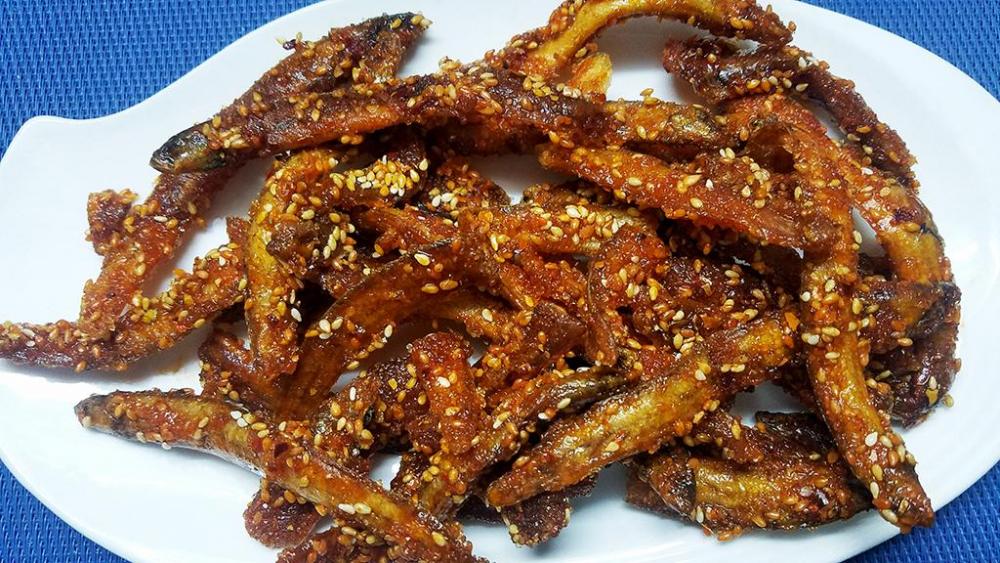
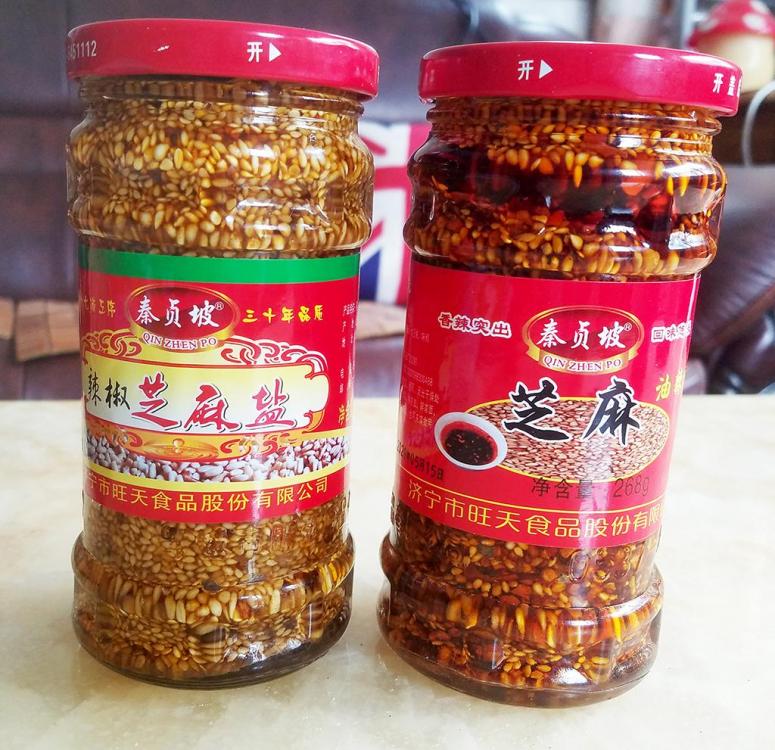
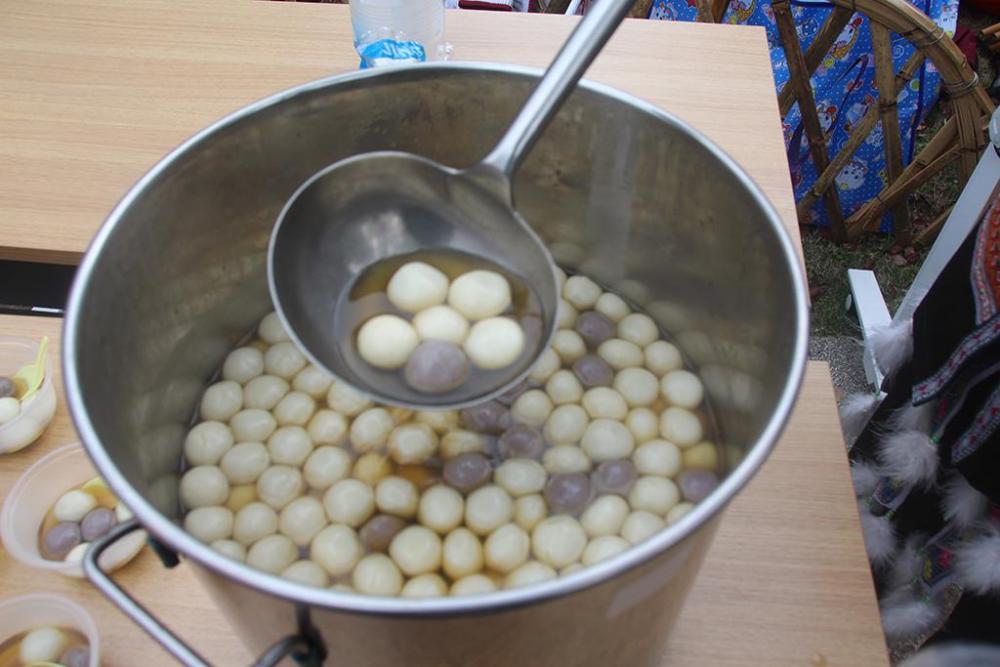
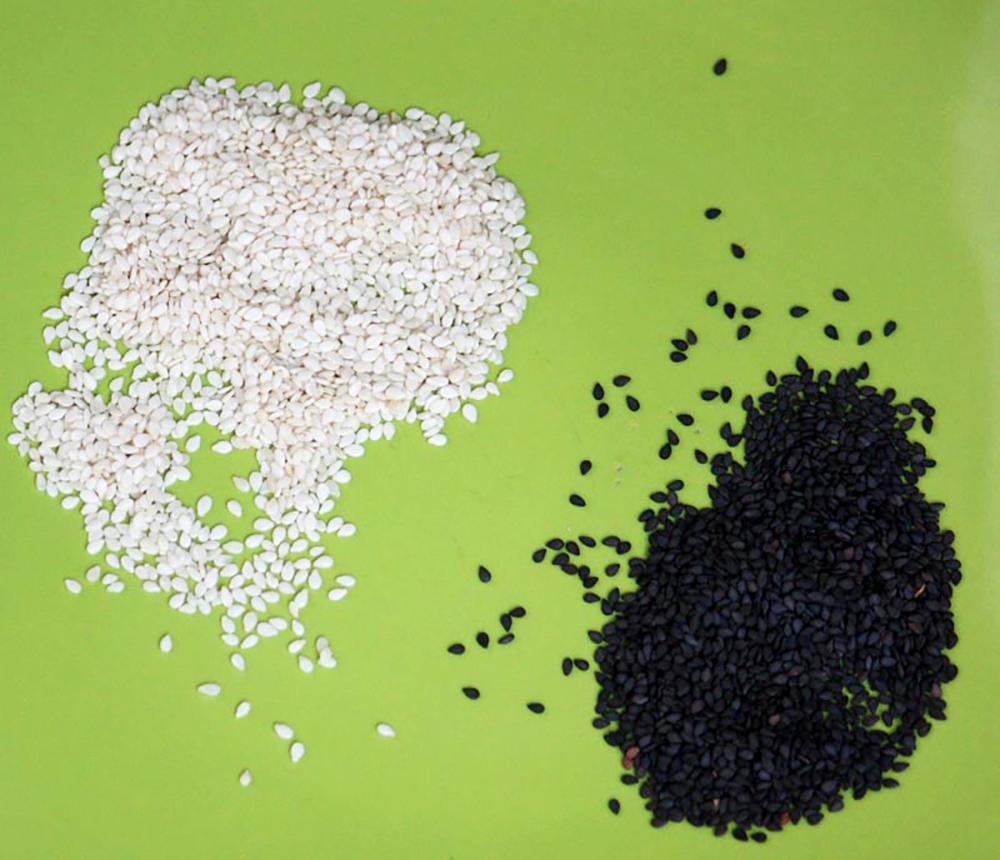
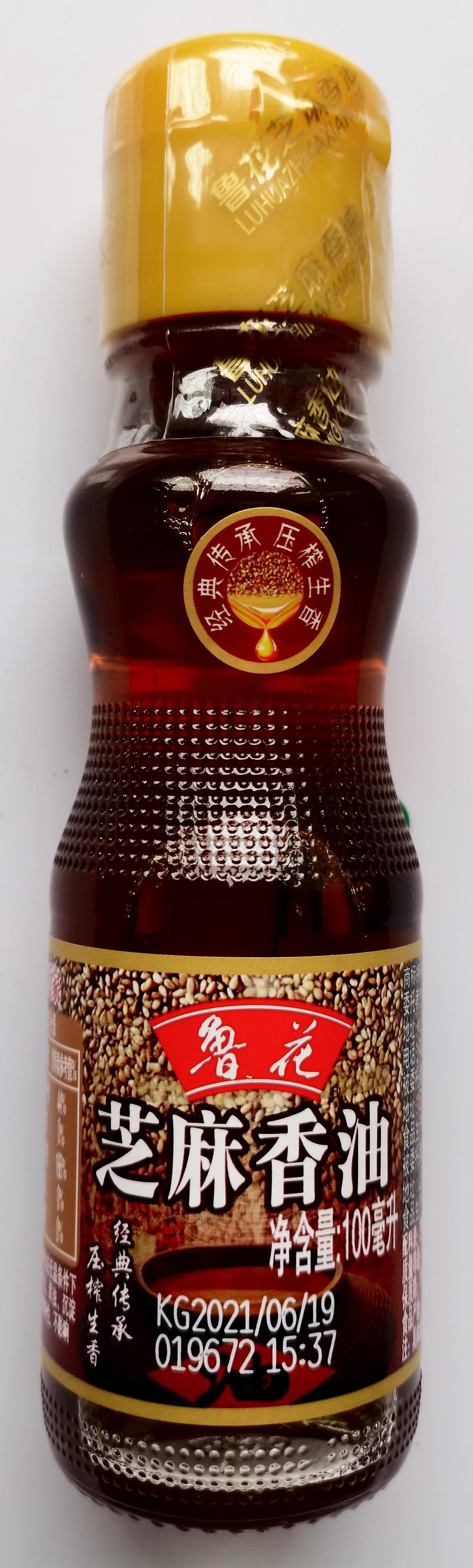
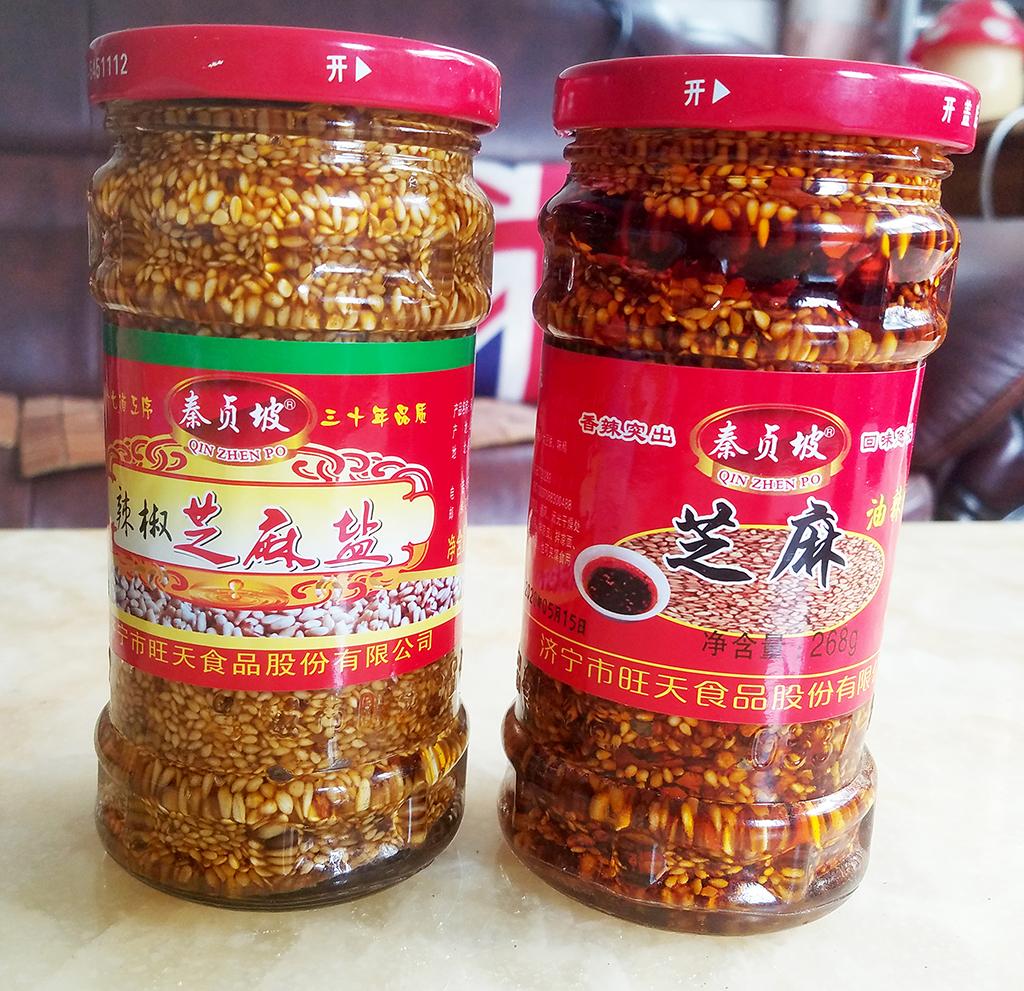
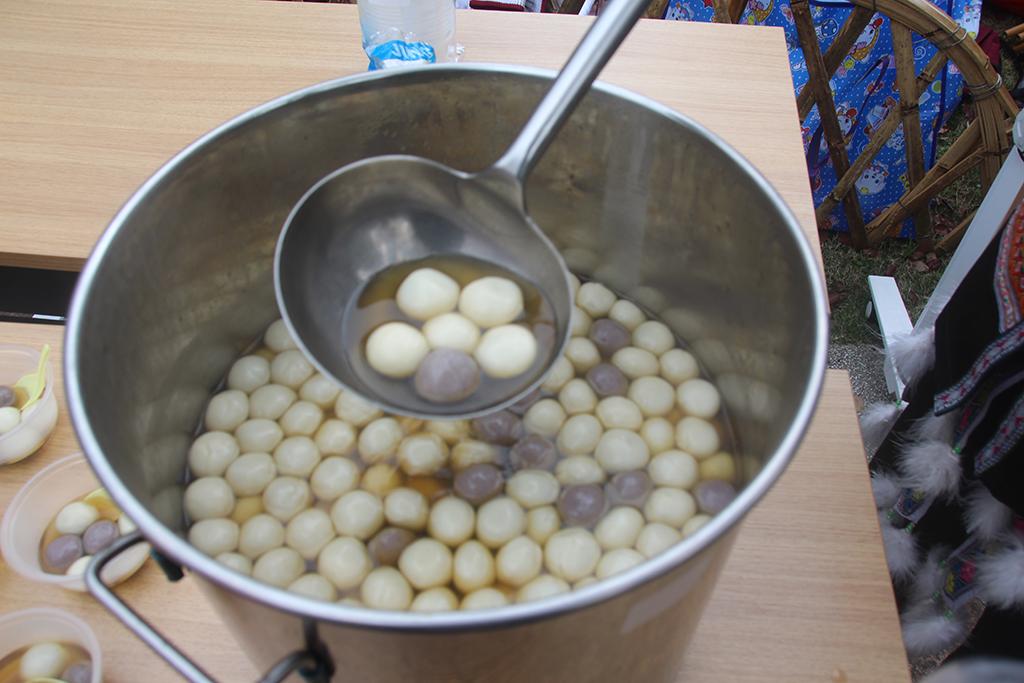
14. 芝麻 (zhī ma) – Sesame Seed – Sesamum indicum 芝麻 (zhī ma), sesame is a flowering plant native to India but now naturalized across tropical regions worldwide, having been domesticated around 3500 BCE. It has one of the highest concentrations of oil among the food seeds. China imports much of its sesame, falling behind only Japan as a the world’s main importer. Most of those imports are for processing into sesame oil, 芝麻油 (zhī ma yóu) or 香油 (xiāng yóu, literally ‘fragrant oil’). The largest exporters are India, Ethiopia and Myanmar. The oil is made in the normal way by grinding toasted seeds to extract their oil, like peanut buitter. The remaining material is used for animal feed. Always check the contents list of sesame oil. It should be very short. Sesame oil. Some brands mix it with cheaper substitute oils – don’t encourage them! Sesame Oil Sesame oil is NEVER used for cooking in China. Nor is it added to marinades before cooking. The smoke point is far too low and heat rapidly destroys both the taste and flavour for which the oil is valued. It is only ever used as a finishing oil or condiment, added to dishes off the heat and seconds before serving. Sesame seeds come in two types. White (白芝麻 - bái zhī ma) and black (黑芝麻 - hēi zhī ma). White sesame is often sprinkled on meat or fish dishes to be served cold, as well as used in some breads, cakes and cookies. Black seeds are nearly all made into sesame paste which is used in cakes and buns. The more usual white seeds turn up in more situations. That said, sesame seeds are not used nearly so much as they do in western interpretations of Chinese cuisine. I cringe every time I read online recipes or see some clueless YouTube video presenter telling me to sprinkle them on anything vaguely Chinese as “it is traditional”. No It. Isn’t. Sesame seeds scattered over your fried rice doesn’t make it Chinese any more than adding soy sauce to your cornflakes does! “Sesame chicken”, which appears multiple times on a Google search for Chinese recipes using sesame is almost unknown here. According to theSpruceeats.com 80% nonsense. Chinese cuisine has very few salads and none of those I’ve ever eaten have had sesame seeds on them. I’d love to know what sauces sesame paste is added to. It is a sauce, albeit a thick one. Their main use is for oil, “used to flavor everything from dips to marinades and finish off a stir-fry”. Yes. Nearly. Not the marinade part. Both colours of sesame seeds are often sprinkled on meat or fish dishes to be served cold, as well as some breads, cakes and cookies. Mainly for cosmetic reasons. Cold Spicy Whitebait with White Sesame Seeds Pure sesame paste 纯芝麻酱 / 純芝麻醬 (chún zhī ma jiàng) is made from heavily roasted sesame seeds. It too, comes in ‘white’ and black versions. The white is actually a light brown colour. See image below. Black sesame paste is used is in sweet items such as 汤圆 / 湯圓 (tāng yuán), stuffed glutinous rice balls; and some sweet dim sum items. Note: Tahini and Chinese sesame paste are very different in taste and cannot be successfully substituted for each other. Tahini is made from raw seeds which, if toasted at all, are only very lightly toasted. Different flavour altogether Black Sesame Paste and Peanut Buns Here are two diffent types of sesame paste - a more unusual type, but my favourite. Uncrushed white seeds are mixed with soybean oil, salt, MSG and Sichuan peppercorn powder (left). The one on the right replaces the Sichuan pepper with chilli. It is made in Shandong province, but doesn't strike me as being typical of Shandong cuisine. Sesame seeds should be bought in small quantities and stored in the fridge. They can turn rancid quite quickly otherwise. Also, paste should be refrigerated after opening. I keep the oil in the fridge, too. Maybe unnecessary, but it is tropical here. I also buy the oil in the smallest bottles available (usually 100 ml / 3.38 oz). A few of the sweet items follow. There are many more. Sesame Lotus Cake (芝麻莲蓉包 / 芝麻蓮蓉包 - zhī ma lián róng bāo). Sticky and very sweet. Not my thing! Sesame and green tea (matcha) cakes. These I do like. 汤圆 / 湯圓 (tāng yuán) - glutinous rice balls stuffed with black sesame paste, usually served in a sweet soup. Again not my thing.
-
Cerveza, Cargols i Covid - a summer in Catalonia
liuzhou replied to a topic in Spain & Portugal: Dining
That menu brought tears to my eyes and left me drooling! I want everything. Now! And so cheap! I've copied your picture to my computer just in case I ever get any masochistic urges in the future! -
Fried sausages are the best; In your stomach they do rest. Boiled sausages are the worst; In your stomach they do burst. Anon
-
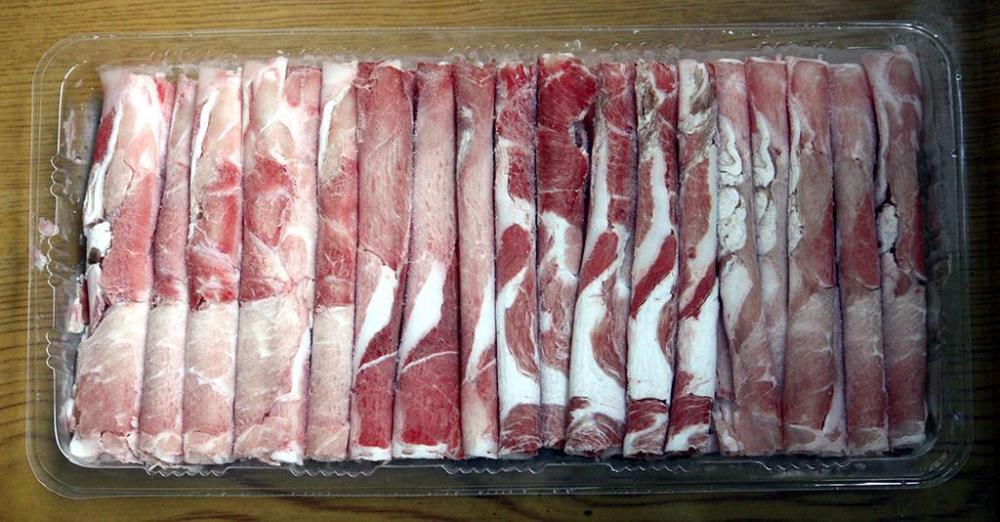
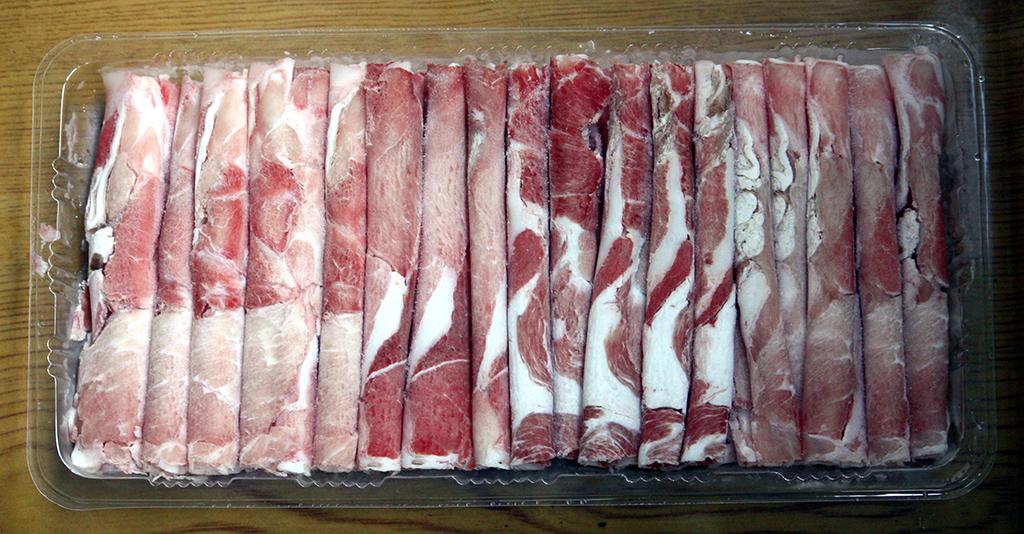
Yes. Most supermarkets here have the same sliced meat for hot pots, but mostly lamb. But they do also have beef. This will be cooked in the broth made from the spice bags.
-
I'd be surprised if the Chinese community aren't making hot pots, especially in winter.
-
Yes. Same here in China. That is why I can only usually find it in bakery supply shops.
-
-
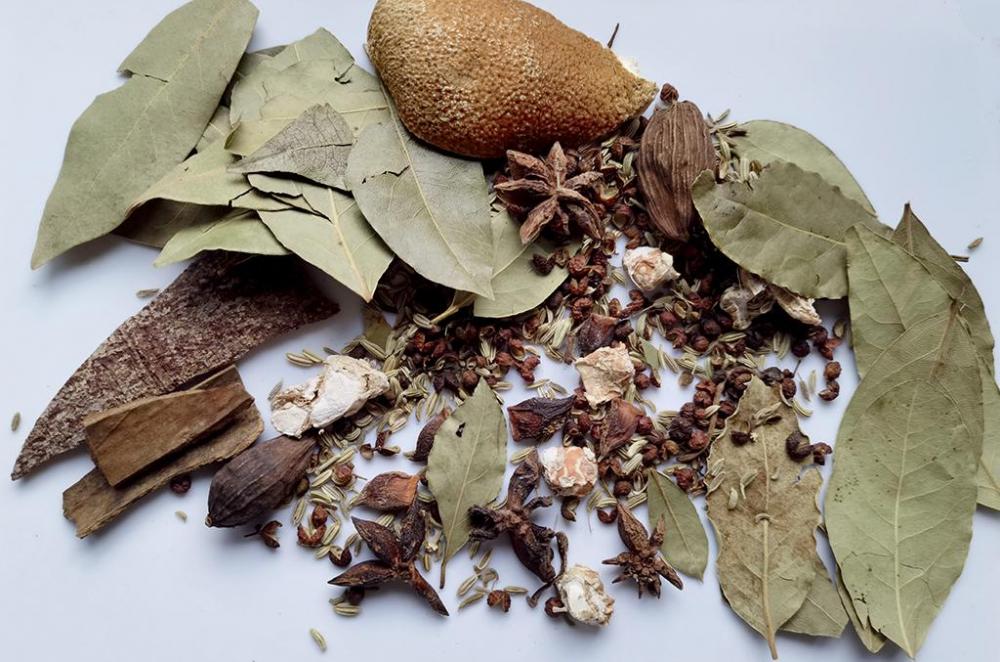
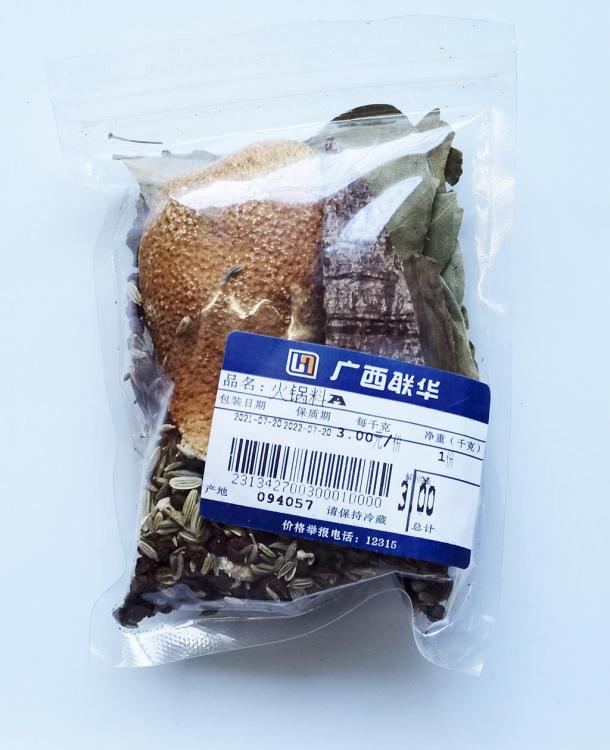
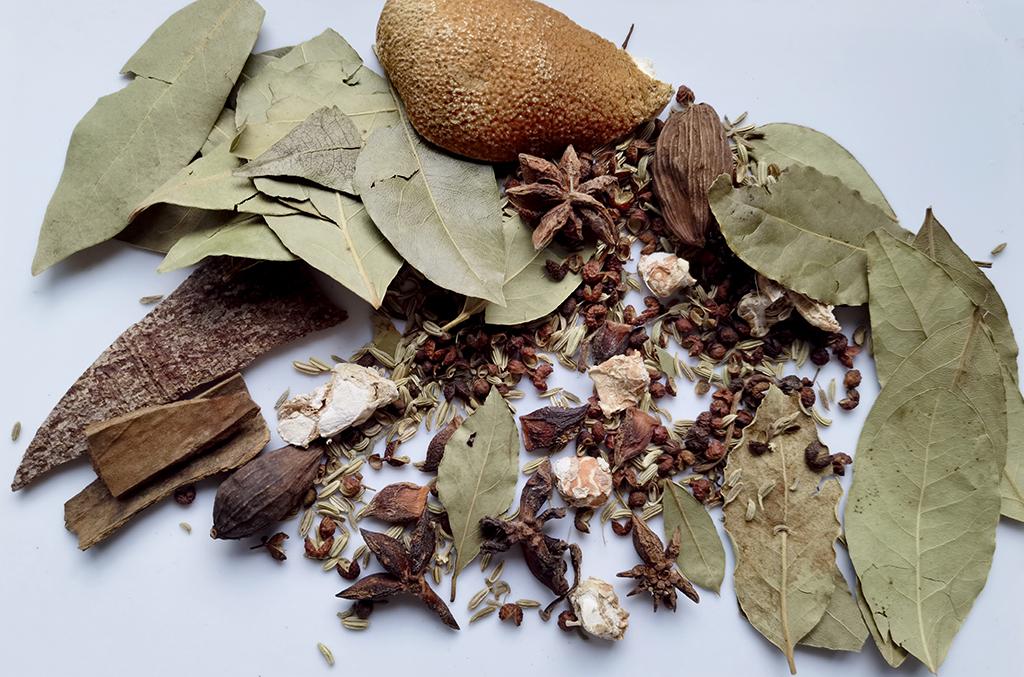
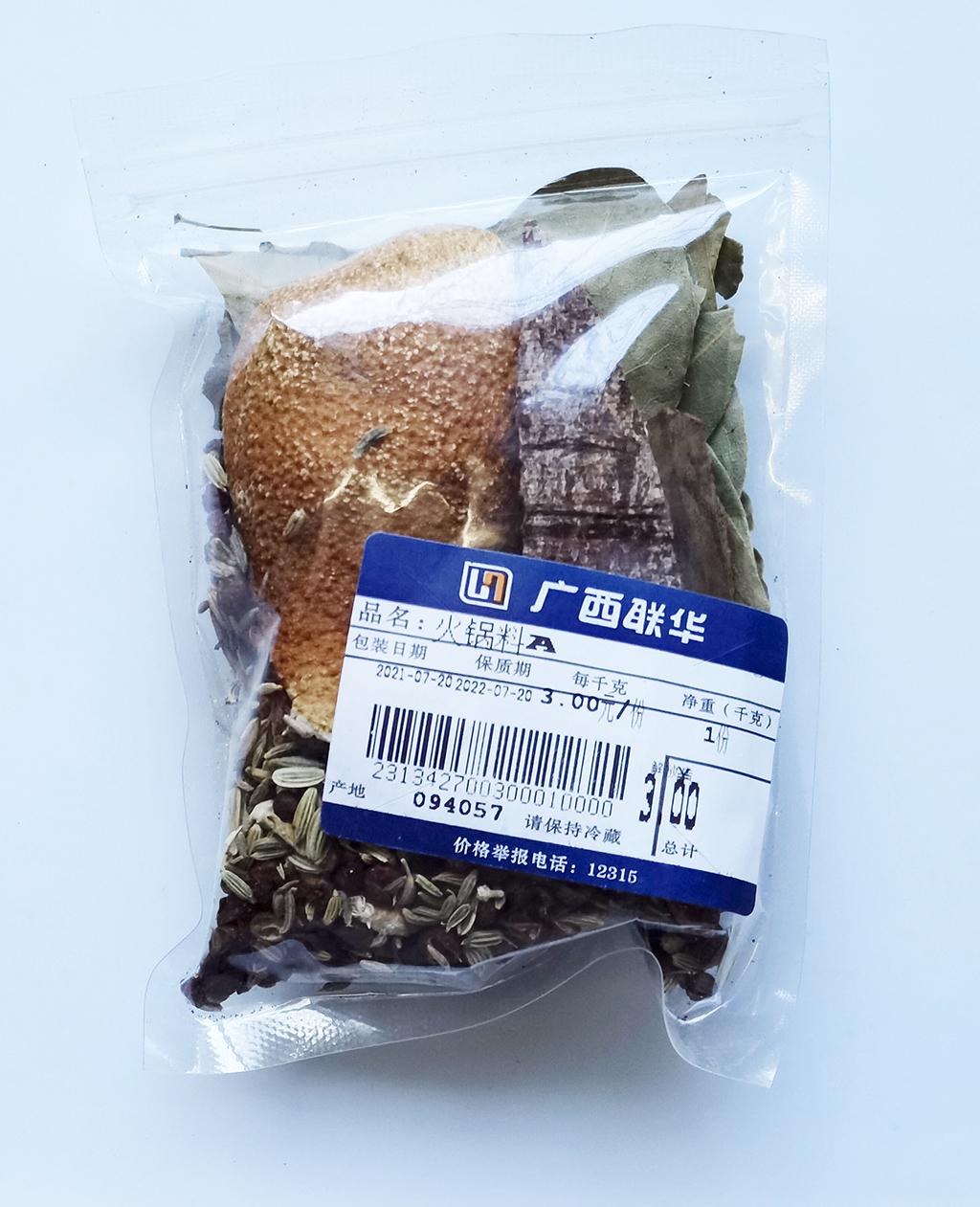
13. 火锅料 (huǒ guō liào) – Hot Pot Material or Stuff If you are not a regular cook or spice user, there is no need to fret. You can still throw together a quick hot pot broth. Most supermarket sell something like this bag of hot pot ingredients, enough for just one or maybe two meals. 3 元 CNY is $0.46 USD, $0.59 CND, ₤0.34 GBP or €0.39 EUR, so not exactly bank-busting. Are these available in Chinese / Asian markets overseas? This one from my local supermarket contains bay leaf, orange peel, star anise, fennel seeds, sand ginger, cassia bark, Sichuan peppercorns and black cardamom. All you need.
-
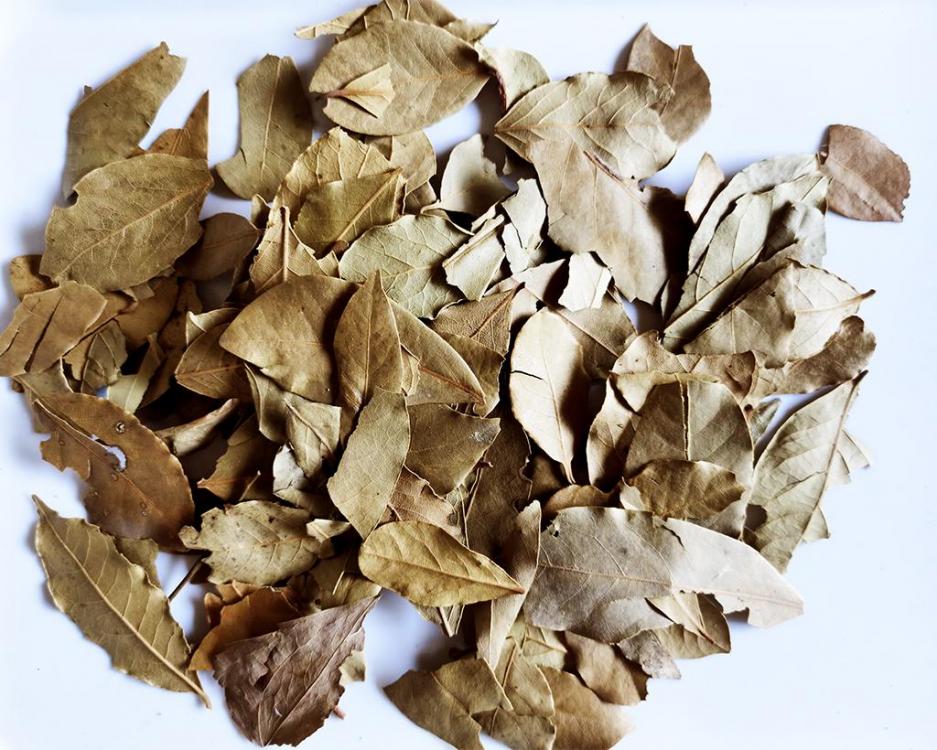
12. 香叶 (xiāng yè) or 月桂叶 (yuè guì) – Bay leaf – Laurus Nobilis Not a lot to say about bay leaves that you don’t already know. They do grow here in Guangxi but I’ve only ever seen them on sale dried. Pretty much essential in hot pots throughout China. Also in most braised dishes.
-
Old Godmother - The story of the Lao Gan Ma Lady
liuzhou replied to a topic in Food Traditions & Culture
Yes, sales have recovered. The return to the original recipe started the recovery process, then Covid and its lockdowns etc helped as people stocked up. The Henan chillies are not necessarily better; just different. This (badly translated but understandable) article from 2020 explains in more detail. -
I think it may have been this but unforunately the link is no longer valid. The web address is up for sale.
-
Marathon, which gave it's name to the race, in Ancient Greek meant "the field of fennel". In Modern Greek fennel is μάραθο, pronounced 'maratho'.
-
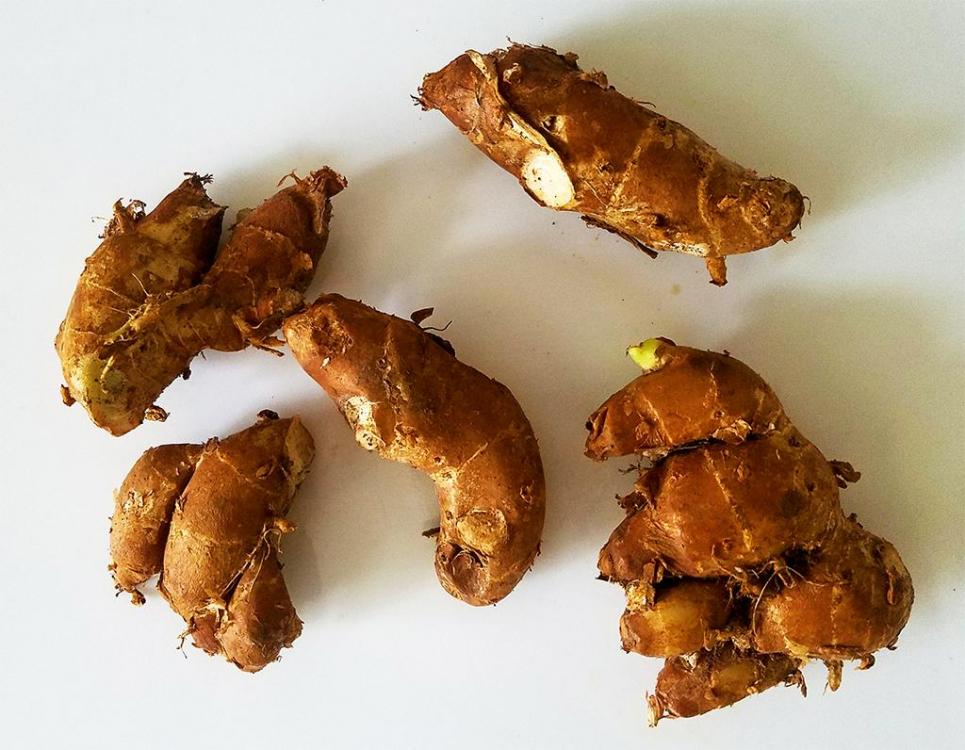
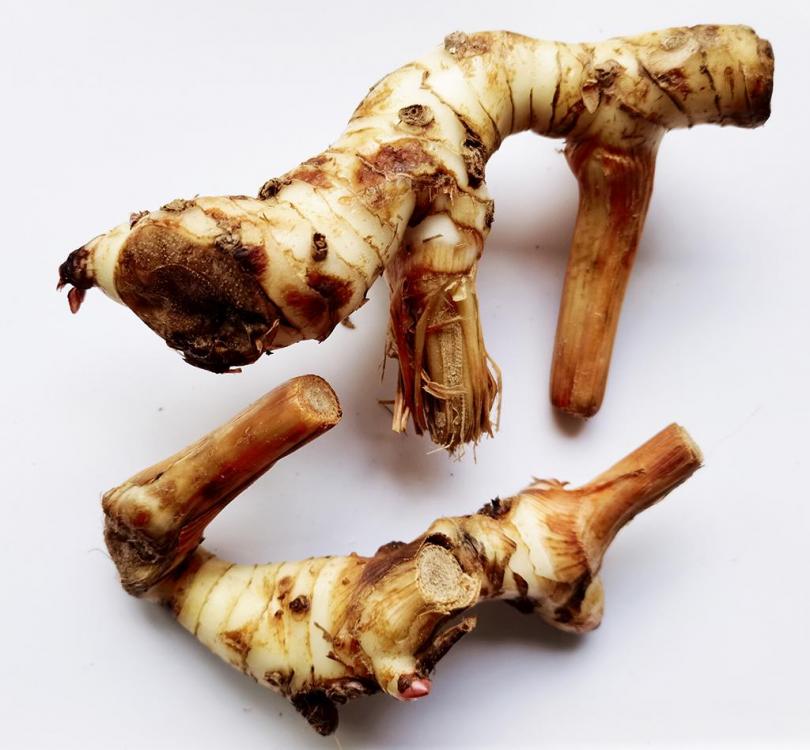
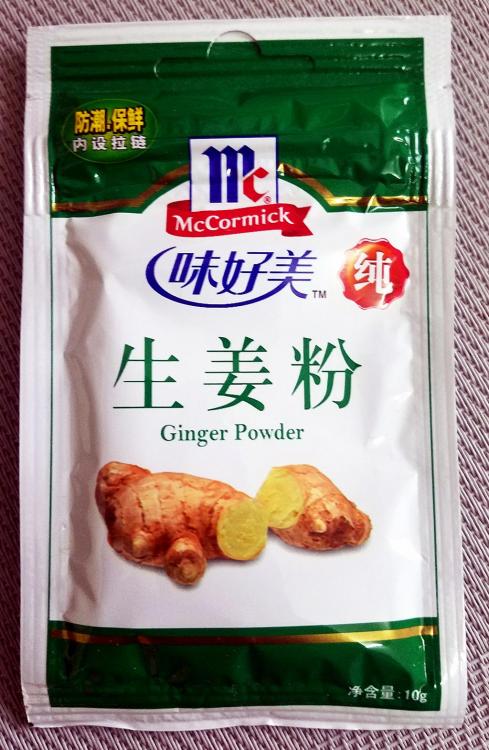
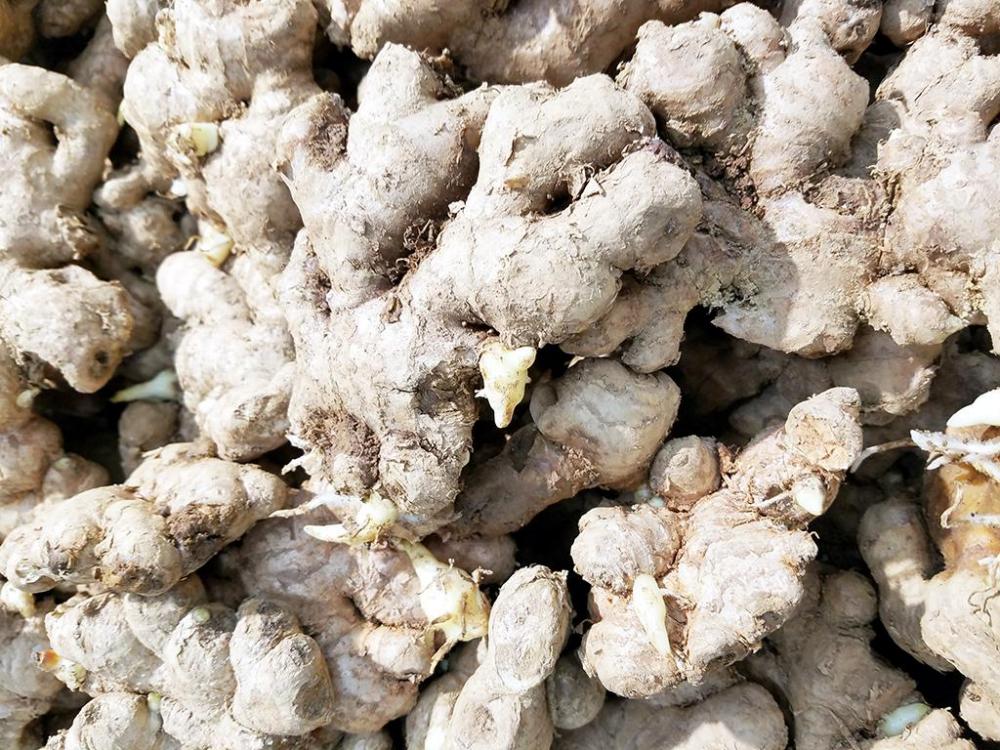
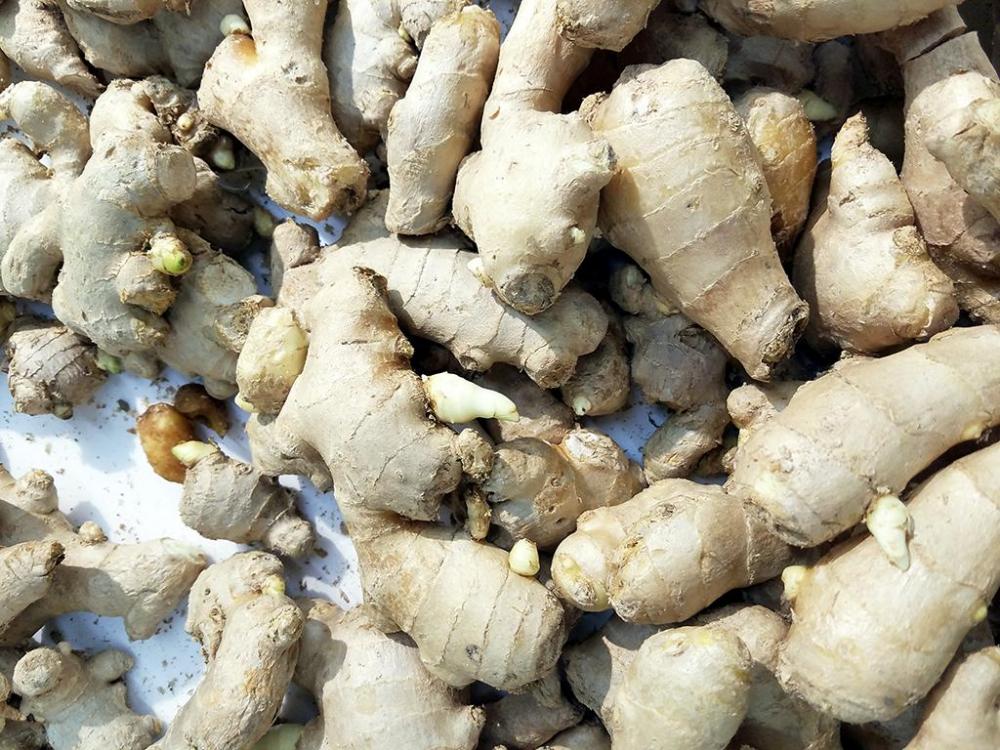
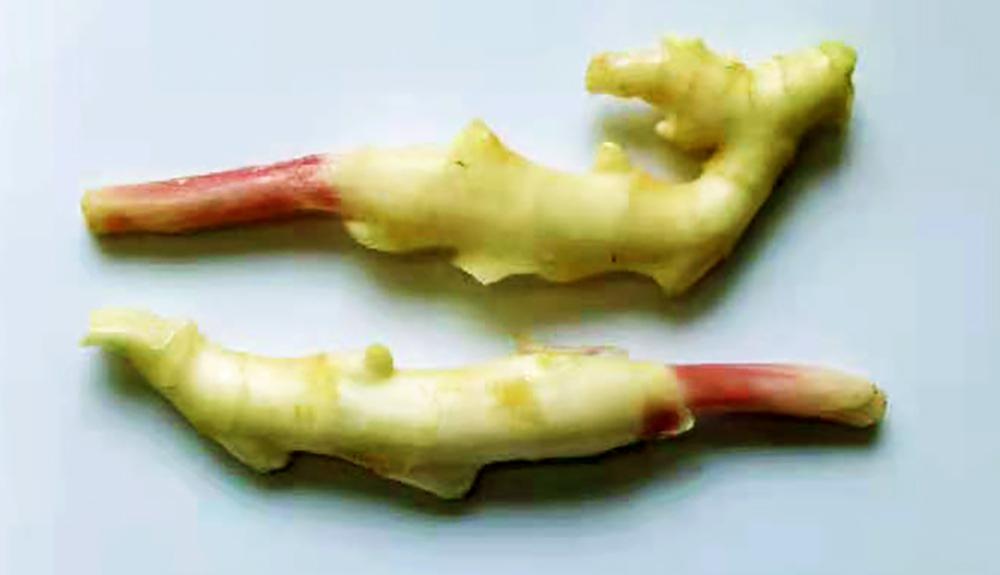
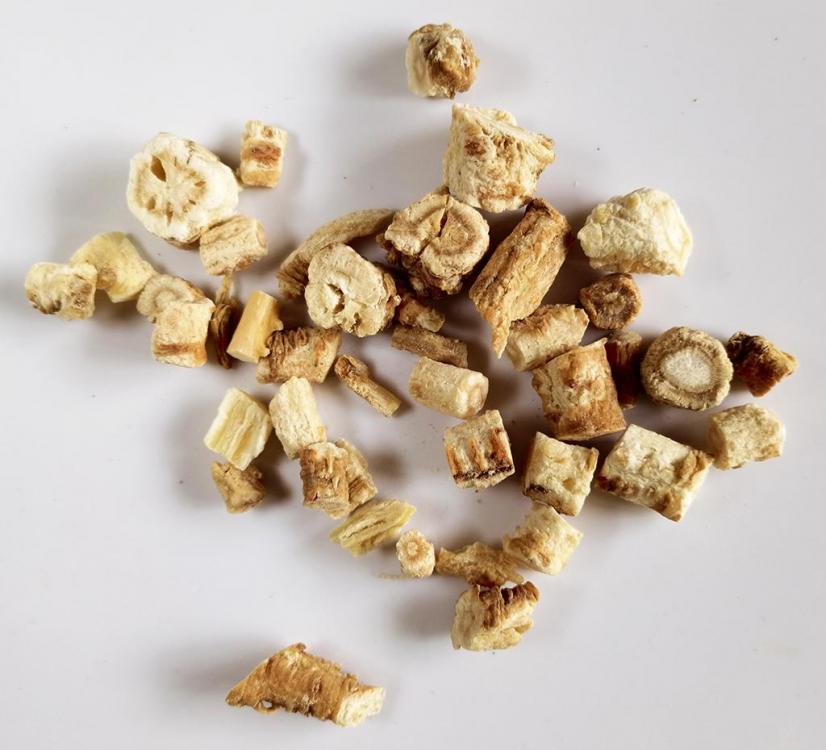
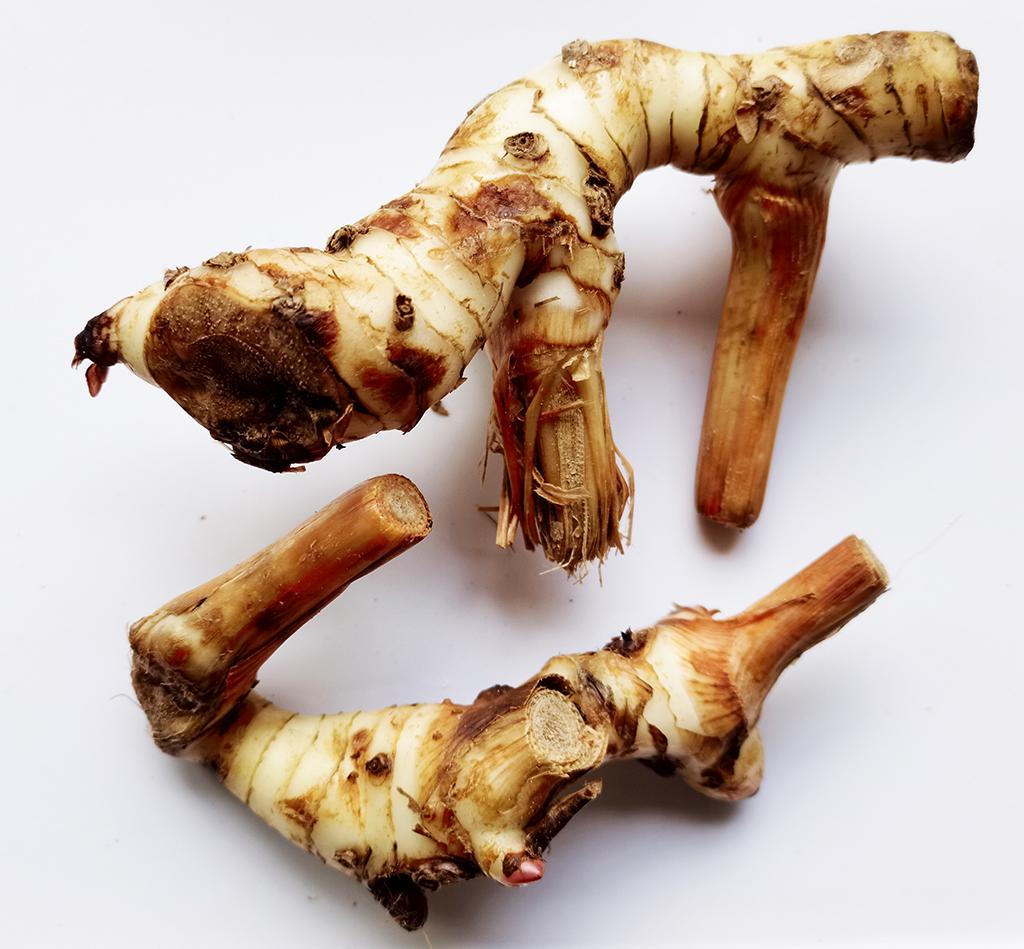
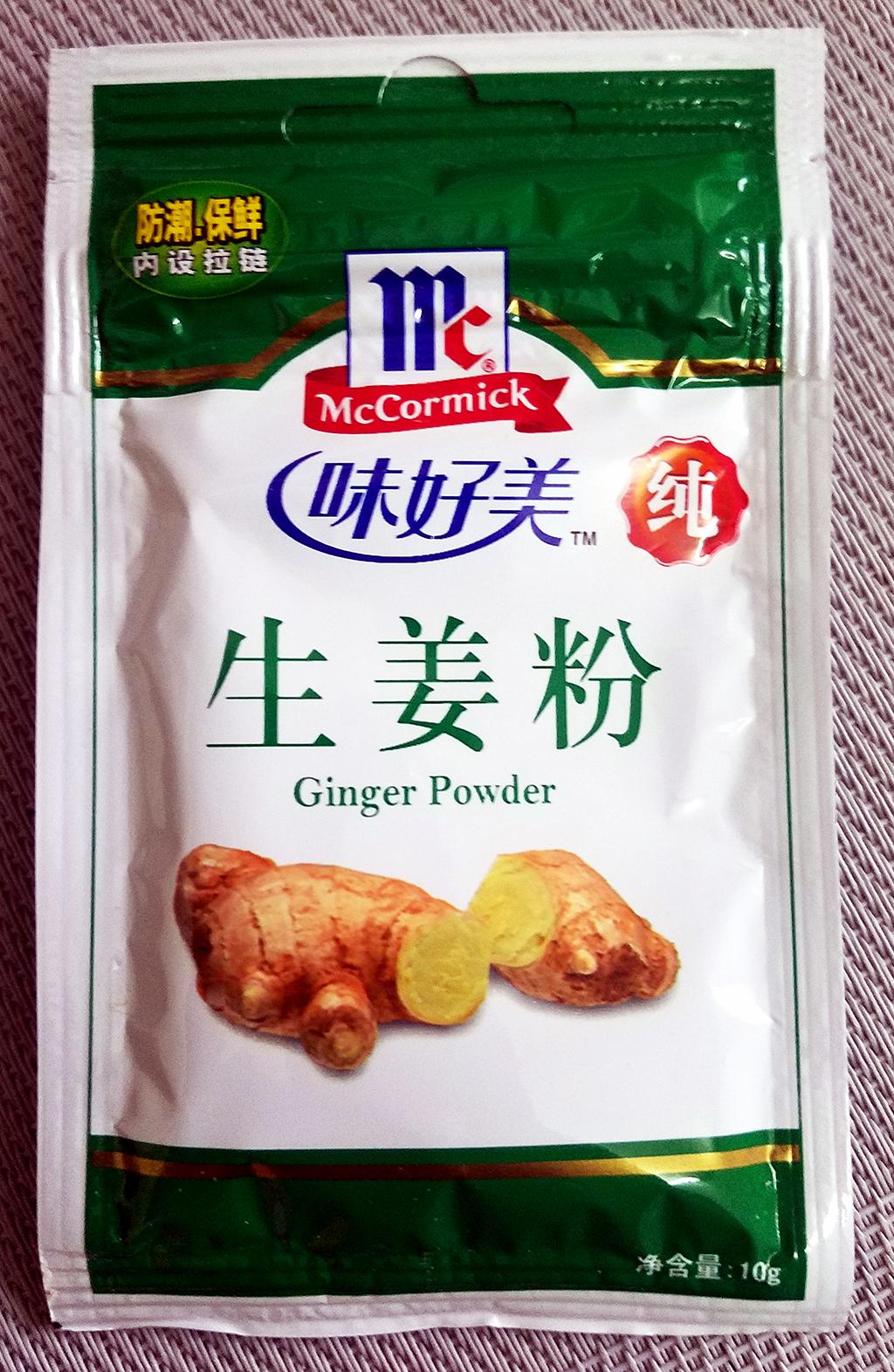
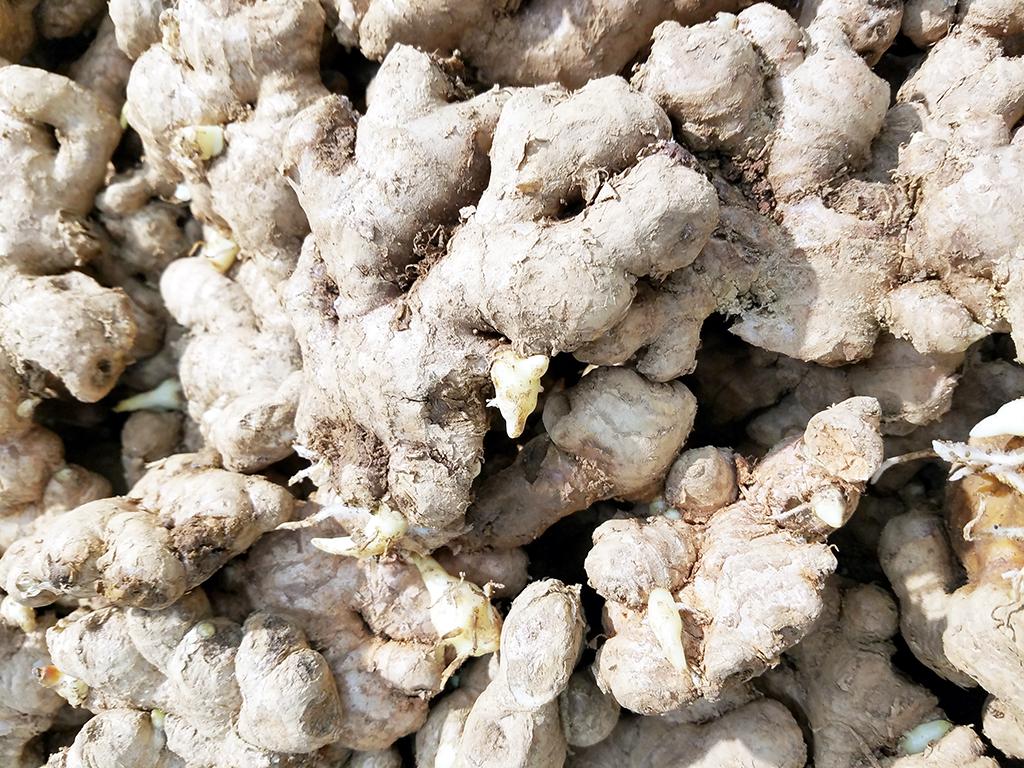
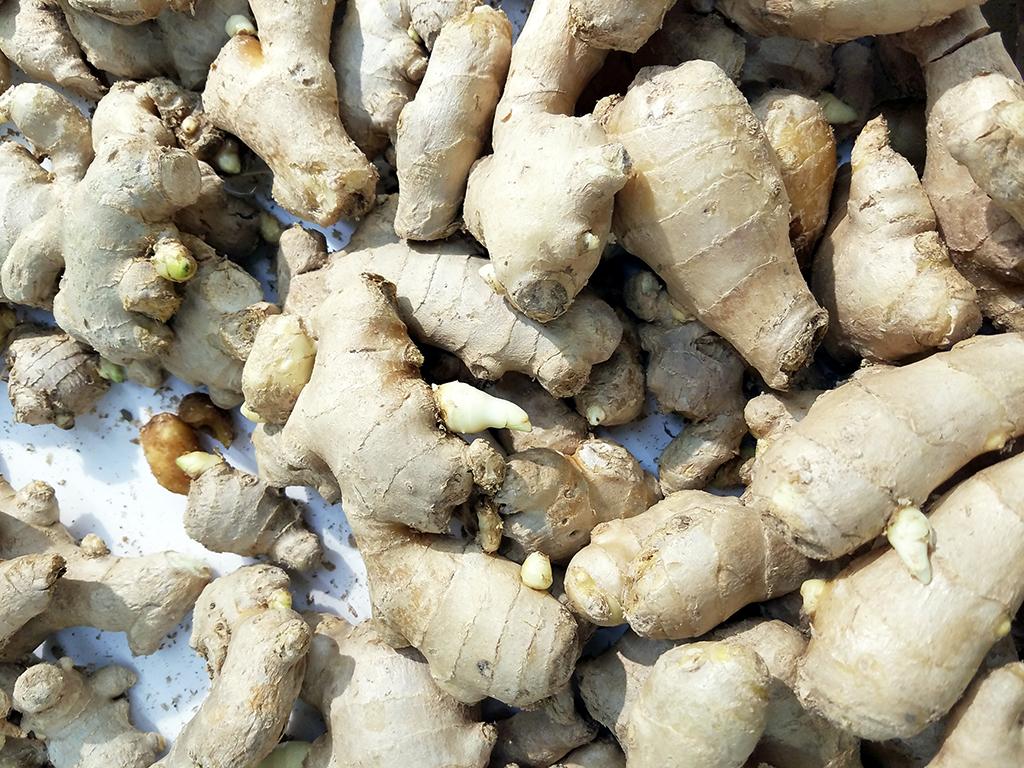
11. 姜 (jiāng) – Ginger – Zingiber officinale Ginger 姜 (jiāng) – Ginger is, of course, one of the Chinese holy trinity of seasonings alongside garlic and scallions, although here in the south, the third is more often chilli. But, this most common, important spice is complicated. Fresh ginger (生姜 - shēng jiāng), pictured above, comes in three main forms and each has its own uses. All are the rhizome of the plant. Apart from the regular ginger we all know and which is just called 姜 (jiāng), there is also 嫩姜 (nèn jiāng). This is often pickled and is the same as the pickled ginger often served in Japanese restaurants as a palate cleanser between sushi or sashimi items. It is also eaten raw, by some. Young ginger 老姜 (lǎo jiāng) is old ginger. It is spicier than regular ginger, leading to the Chinese idiom 姜还是老的 (jiāng hái shì lǎo de là), literally ‘old ginger is hotter than young ginger’ meaning ‘experience counts’. 老姜 (lǎo jiāng) is often used in hotpots ans braised dishes for it's stronger taste. Old ginger Sliced ginger is also dried and sold as a spice for hot pots. It is known as 干姜 (gān jiāng). Contrary to what some websites say, ground ginger powder (生姜粉 - shēng jiāng fěn) is not used in Chinese cooking nor is it a good substitute for fresh. The only places I can buy it are specialist bakery supply stores and larger supermarkets. Then we come to 沙姜 (shā jiāng) or 'sand ginger', also known as 山奈 (shān nài), although the latter more correctly refers to the whole plant rather than the rhizome. This is actually Kaempferia galanga or lesser galangal, a close relation to true ginger and more often associated with Thai cuisine, although it is used throughout SE Asia and India, as well as southern China. It comes both fresh and dried. It has a peppery camphorous taste.It comes both fresh and dried, although the latter is more common. It is mainly used in hot pot spice mixes. Fresh sand ginger Dried sand ginger True galangal, 高良姜 (gāo liáng jiāng), Alpinia galanga, is available, if I go hunting, but is not well-known. Galangal
-
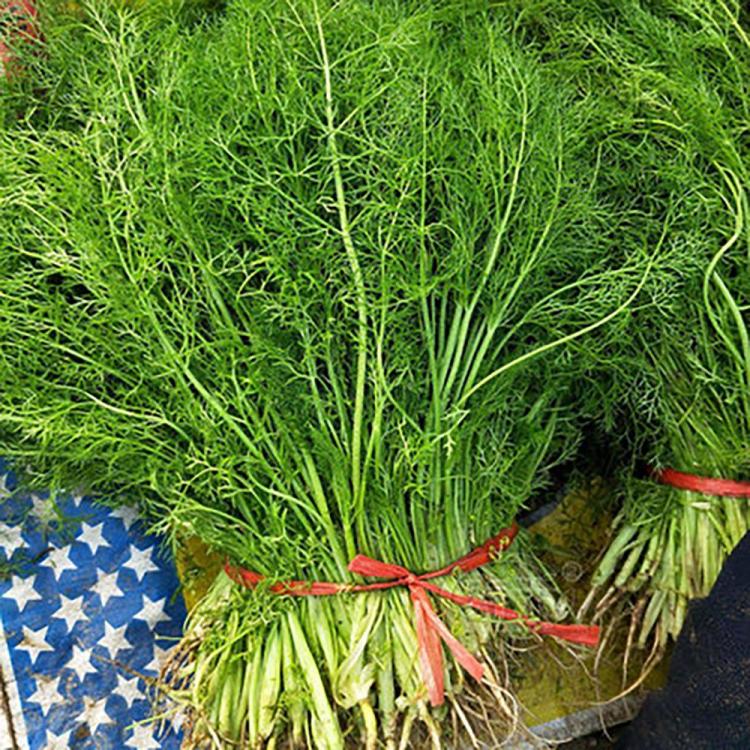
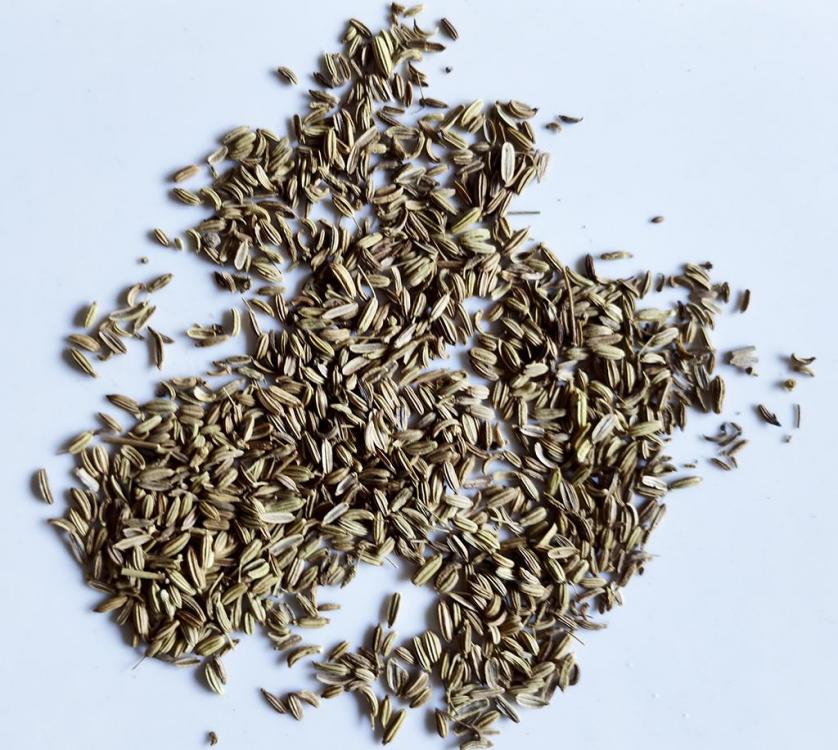
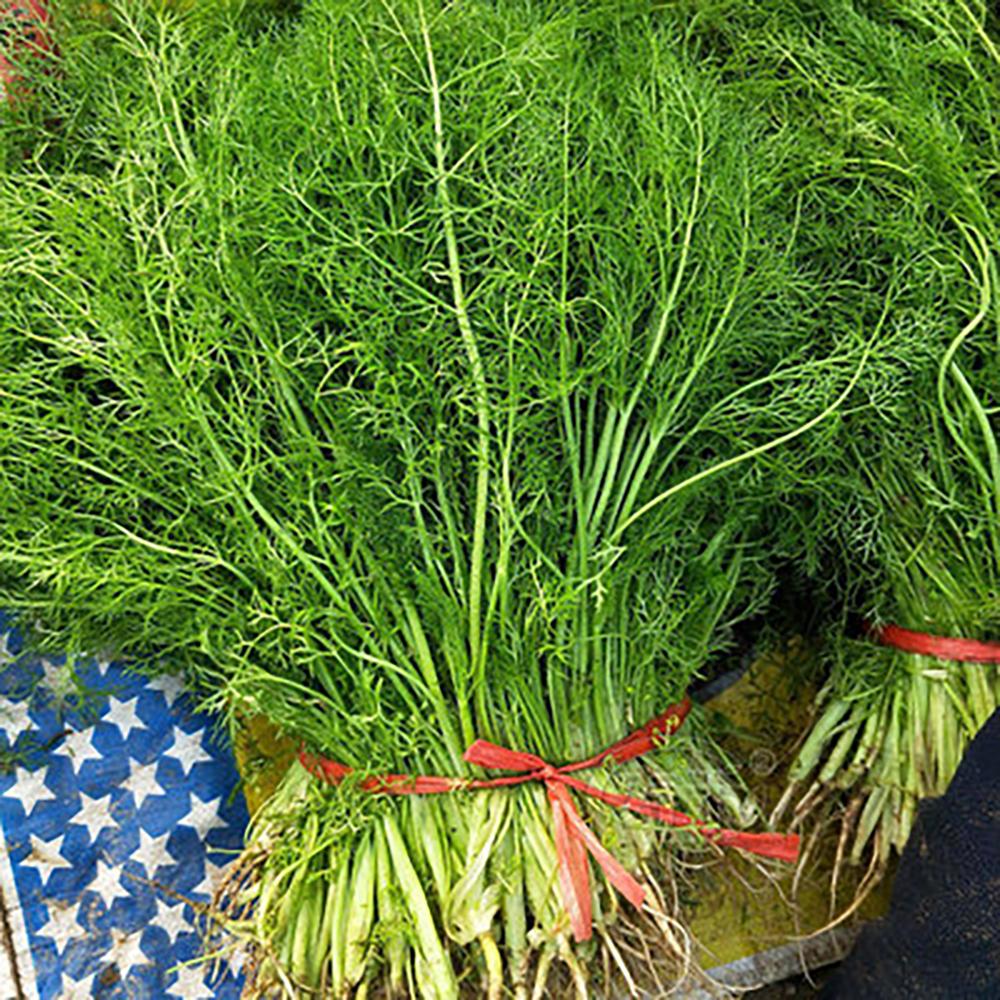
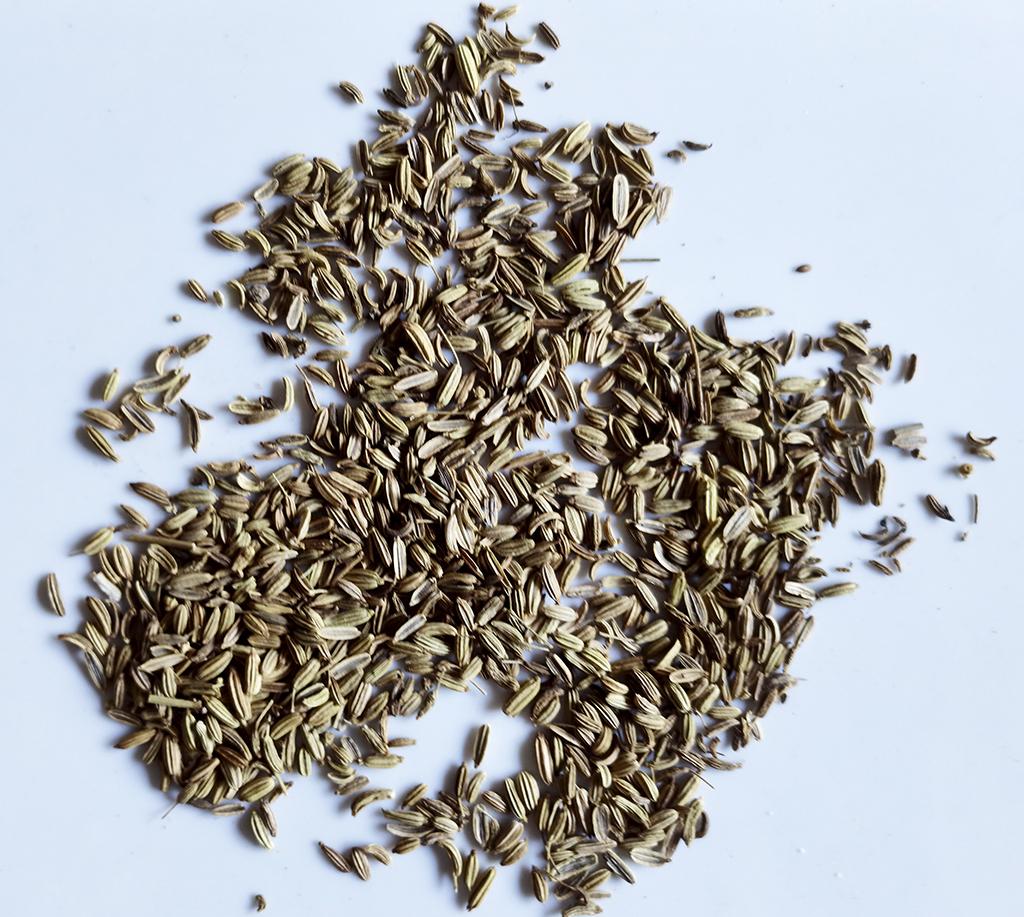
10. 小茴香 (xiǎo huí xiāng) – Fennel – Foeniculum vulgare Fennel Seeds Fennel is a flowering plant related to carrots and native to the Mediterranean region, but now grown worldwide. It has a fine anise flavour. The seeds, leaves and bulb are all eaten. Here, in China the seeds are ubiquitous and are a main ingredient in five-spice powder. Just as often, though, they are used on their own, featuring in many dishes. Again soups, braises and hot pots are likely to feature fennel seeds. Less often, stir-fries. The leaves and bulbs are used in northern China, especially Shandong Province, but I’ve never seen them here in the south. I can buy them online, though. Fennel Leaf Do you know the connection between fennel and marathon racing?
-
Old Godmother - The story of the Lao Gan Ma Lady
liuzhou replied to a topic in Food Traditions & Culture
The story, as given, is incomplete. In 2011, Tao retired and her son took over the company. At some point around 2016, he decided to cut costs by using cheaper chilli from Henan Province, rather than the original Guizhou chillis. Sales started to fall and in 2019, Tao Huabi came out of retiremement and retook the reins, restoring the original recipe. She remains in control. -
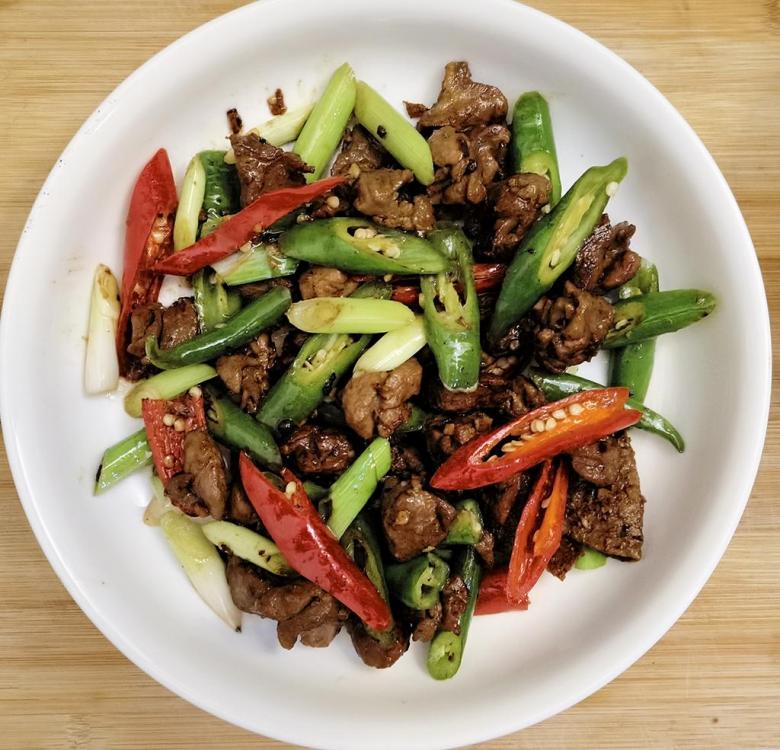
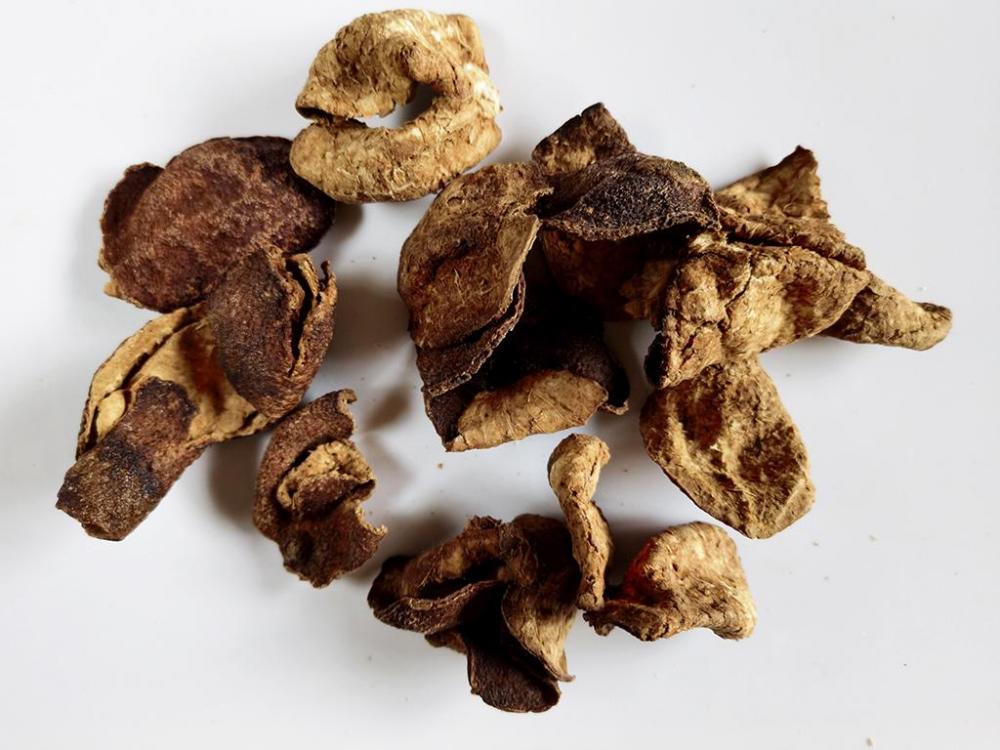
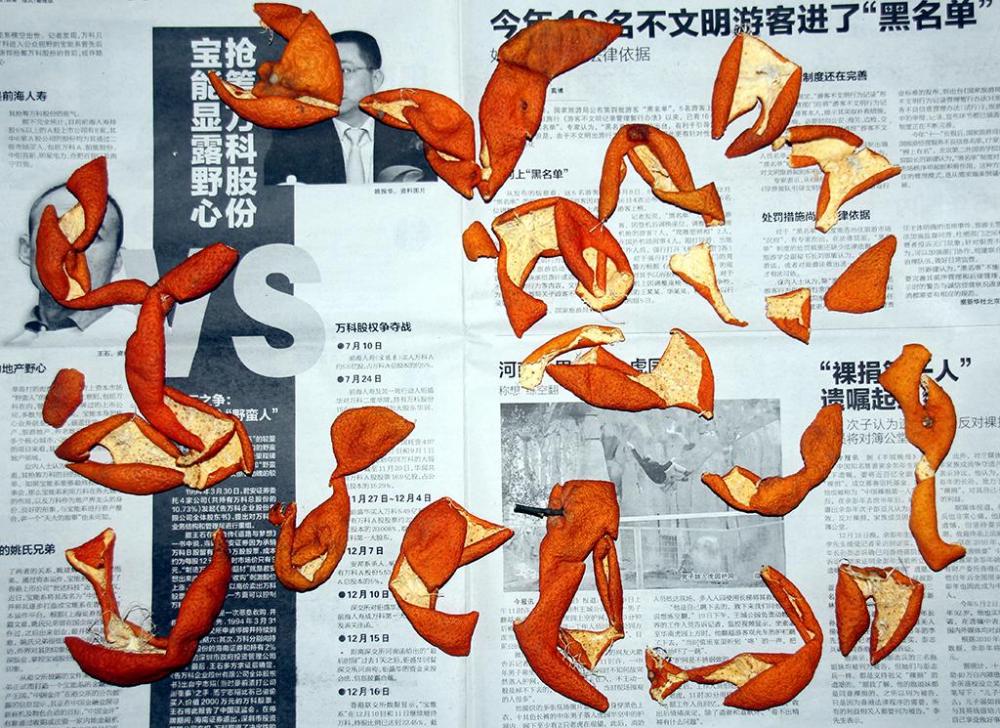
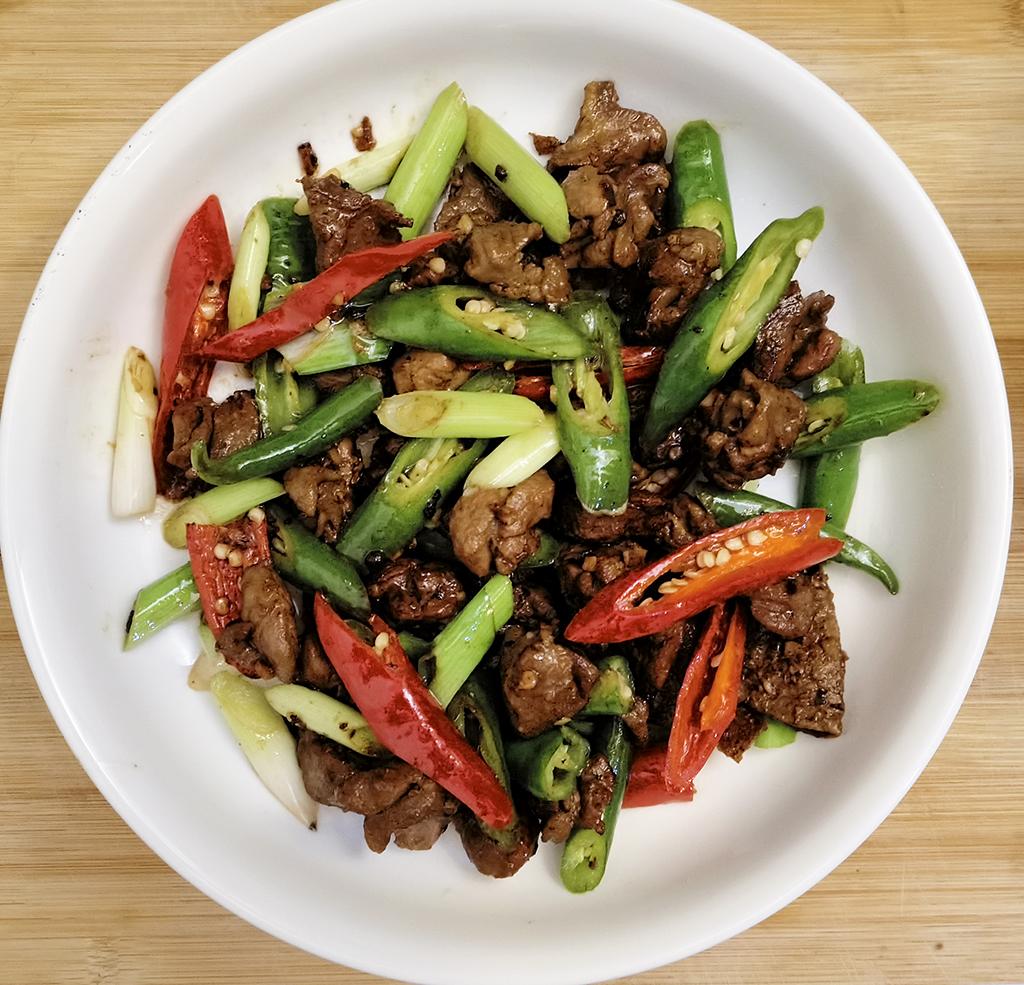
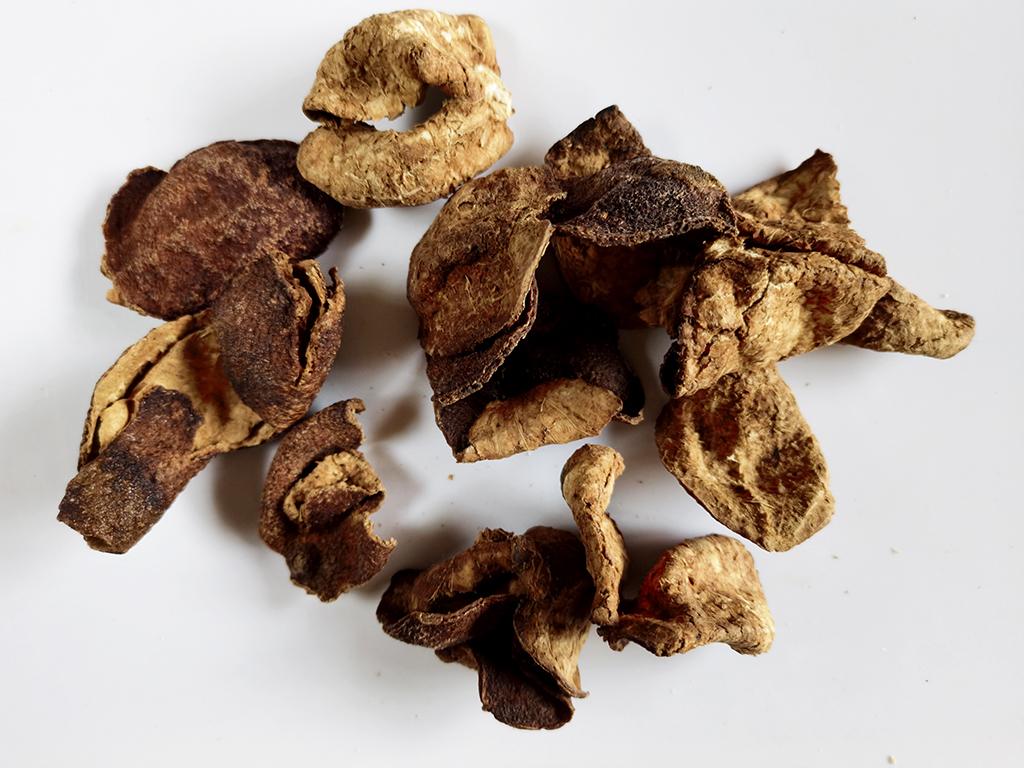
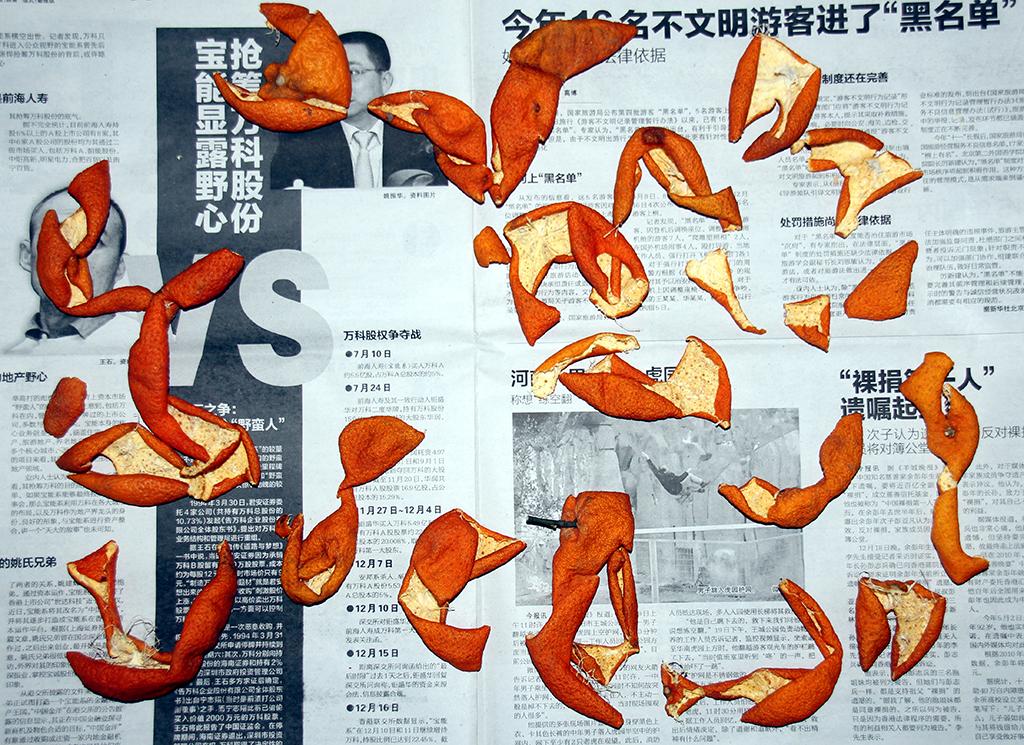
9. 陈皮 (chén pí) - Orange / Tangerine Peel You may not think of orange or tangerine peel as an ingredient in your dinner. You might not think of it as a spice. The Chinese disagree. Dried orange peel is a common ingredient in many dishes, used just like any other spice. When you think about it many other spices are the peel of something. Tangerine Peel Drying on my Balcony I can buy dried peel in every supermarket and market, but more often I dry my own. It couldn’t be easier. As you peel your oranges or tangerines or satsumas etc, after the eating the fruit, scrape away as much of the pith as you can from the peel and then leave the peel in a sunny spot until it turns hard. You could, of course, dry it in a low oven I suppose, but we don’t have ovens here – high or low. Once dry and hard, stick it into a suitable airtight container and that’s it. It keeps for years. I have some here at home which is about 5 years old. I opened the container about 20 minutes ago and was hit by the scent of oranges. In fact, the older stuff is more valued in many dishes. The peel is used in many hot pots and stews, but also in stir-fries. I used it last night in this dish. More on that here. There is no need to soak the peel before adding to braises, but for stir fried a short soak in warm water will soften it in minutes. I normally remove it from braises before serving.
-
Old Godmother - The story of the Lao Gan Ma Lady
liuzhou replied to a topic in Food Traditions & Culture
Sorry. Yes what I wrote was a bit ambiguous. It's 2.30 am here, so my clarity levels are low. -
Old Godmother - The story of the Lao Gan Ma Lady
liuzhou replied to a topic in Food Traditions & Culture
I meant the story is interesting. -
Old Godmother - The story of the Lao Gan Ma Lady
liuzhou replied to a topic in Food Traditions & Culture
What more do you want to know? She immediatley got the hots for me and gave me a life-long supply of free chilli sauce? -
You bought a garage from Amazon⁈ How much was delivery?
-
Old Godmother - The story of the Lao Gan Ma Lady
liuzhou posted a topic in Food Traditions & Culture
Here is an article on the history of Laoganma crispy chillli sauce and, more importantly, the extraordinary woman behind the product but the woman on the front of every jar. It gets a bit propaganda-ish at the end, but ignore that. I have met her and she seemed as miserable as she looks in all her photos. But still interesting..thumb.jpg.ff2c933b50efe62817a3cc18d35d6710.jpg)
-
You know what they say about the 1960's. "If you remember it, you weren't there!"
-
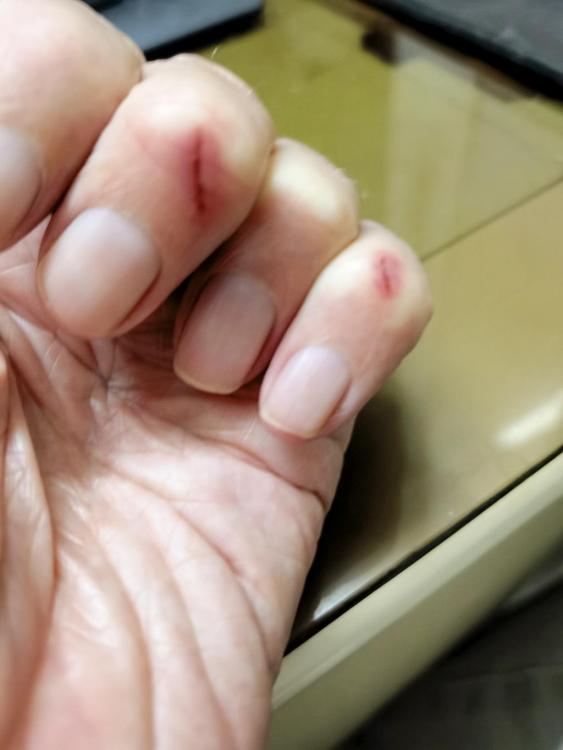
..except I probably will. New boning knife slippage.












.jpg.0b7220d0b8b0da0972e968d277091c4f.jpg)