
Duvel
-
Posts
4,433 -
Joined
-
Last visited
Content Type
Profiles
Forums
Store
Help Articles
Everything posted by Duvel
-
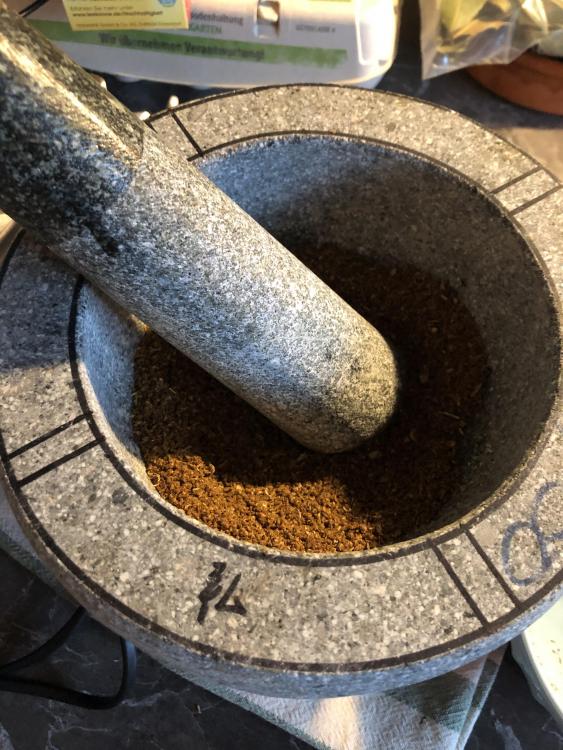
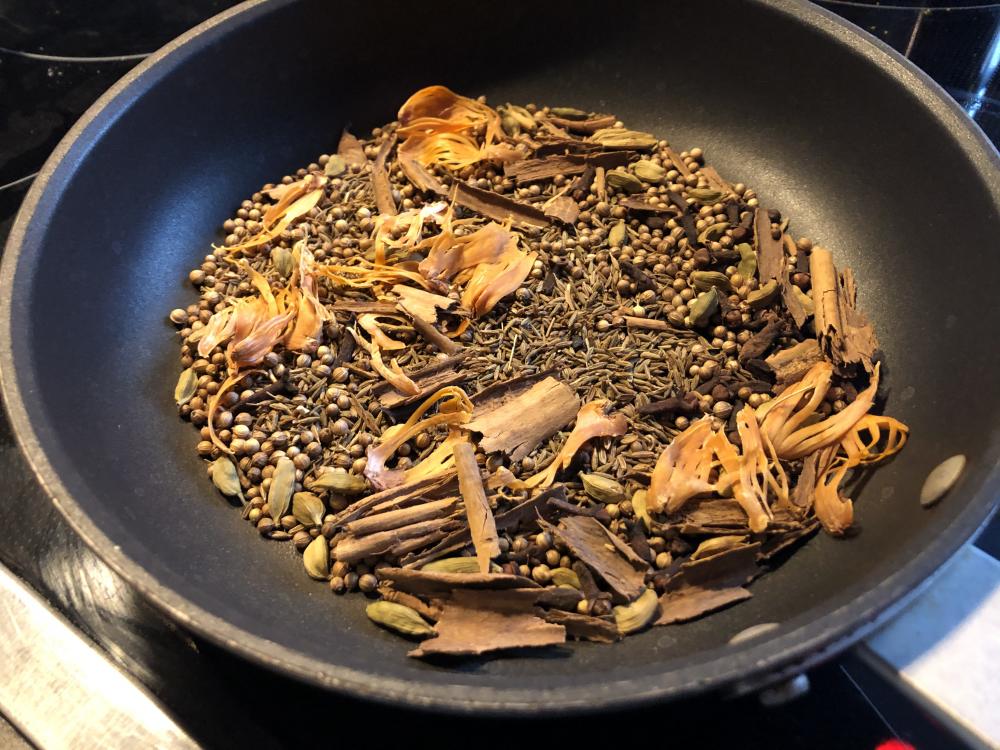
I use a mortar, but half way through (about 5 min), I sieve the mix, separate and pound the coarser part for some minutes more ... I toast all spices at the same time, but break down the cinnamon and crush the cardamom with a rolling pin before.
-
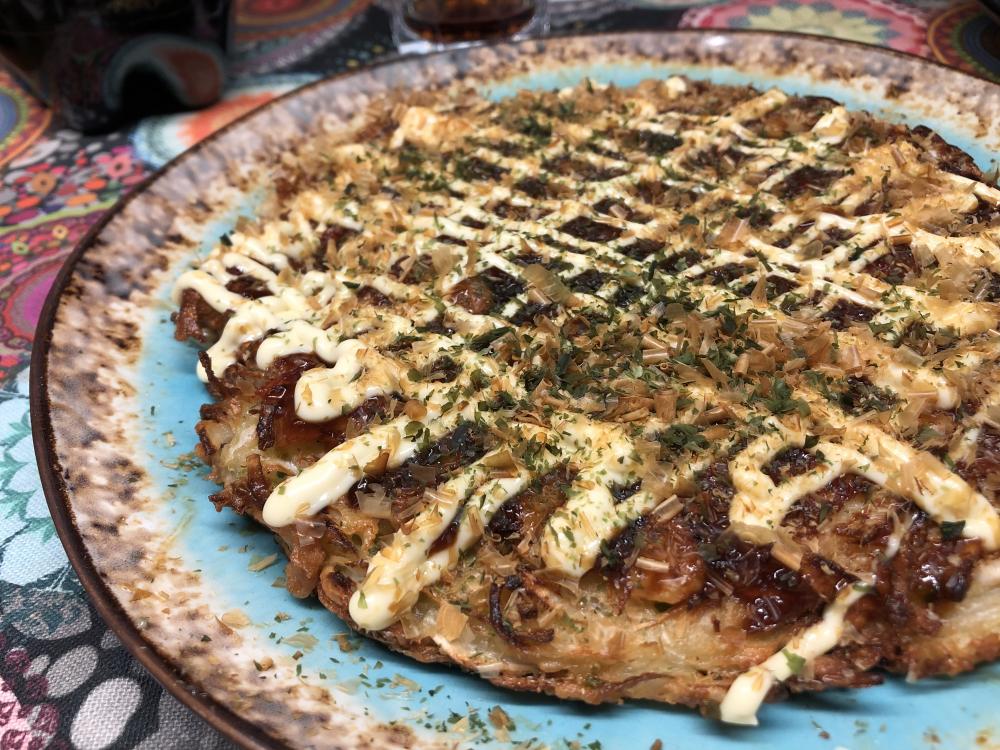
Sure ! Prepare a batter of 90 g AP flour 10 g starch 1 egg 120 mL of strong dashi mix with 350 g finely chopped cabbage (if this is your first one, start with a bit less cabbage, it’ll hold better together that way) and let sit of some 20 min or so. You can add finely chopped onions or some chopped chives as well. Preheat a pan, but some oil and drop a generous amount of the cabbage-batter mix in. I usually prepare a disc of about 20 cm, with 2.5 cm thickness. Add “whatever” (hence the name Okonomiyaki) you like on top and press a bit. Bacon, sweet corn kernels, shrimp or nothing ... Cover and cook for some minutes at medium heat. Flip carefully, but fast, and cook the other side as well. Disc should be browned on both sides and cabbage cooked but still “al dente”. Dress with Okonomiyaki tare (a thick and sweet soy & Worcestershire-based sauce), drizzle with Kewpie (criss-cross is traditional) and top with Katsuobushi and nori flakes ... Enjoy !
-
Which seaweed did you use ?
-
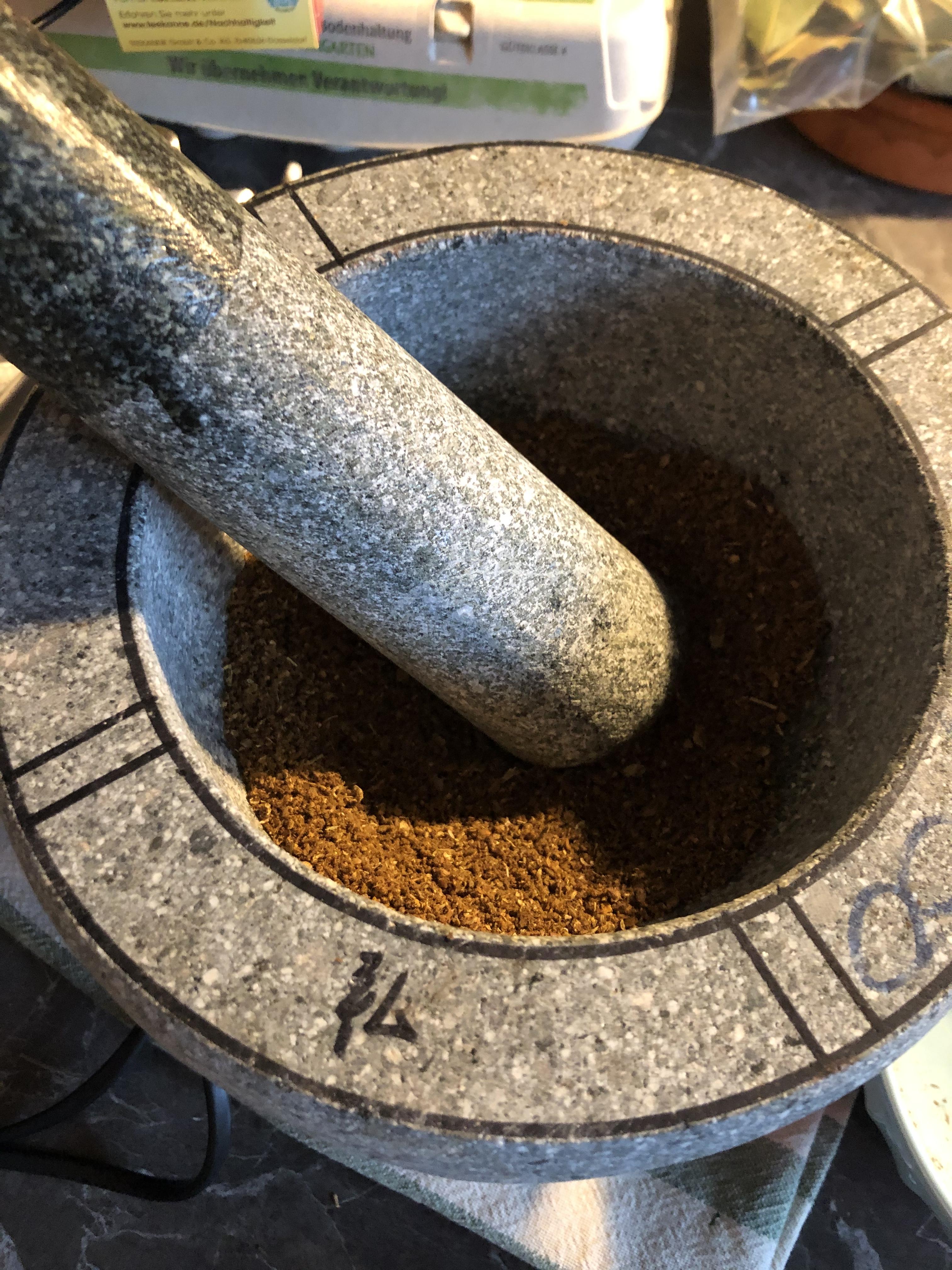
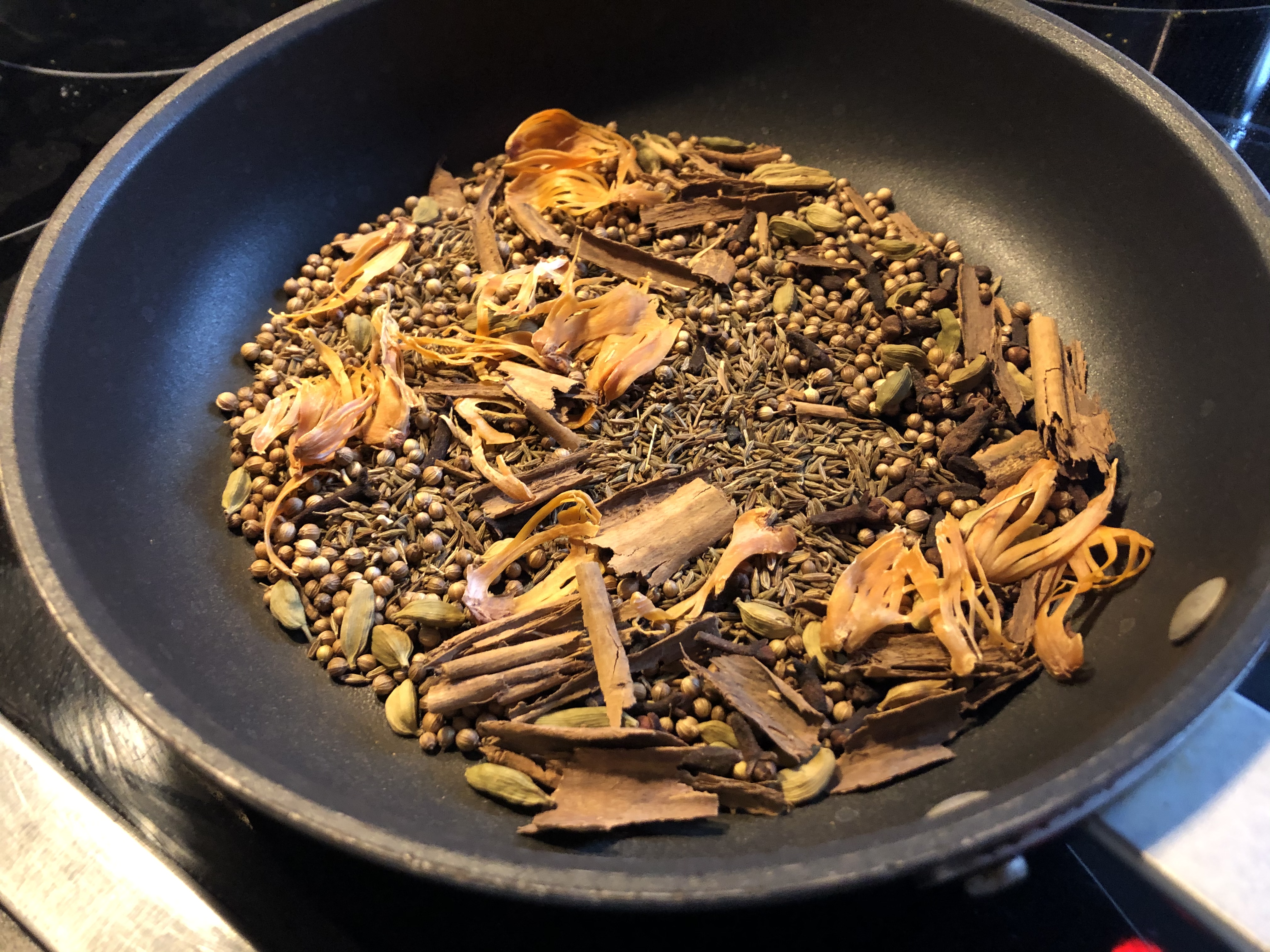
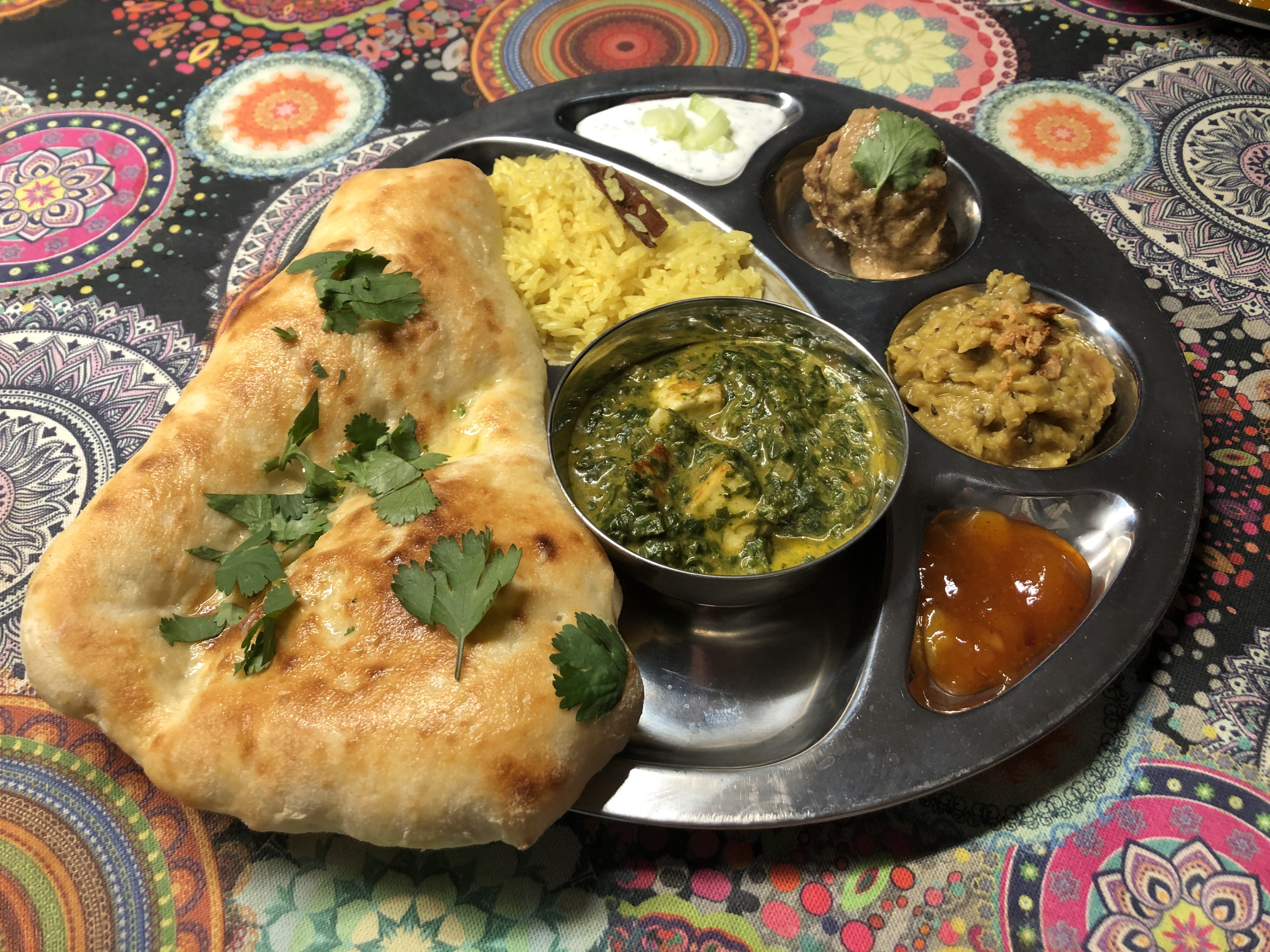
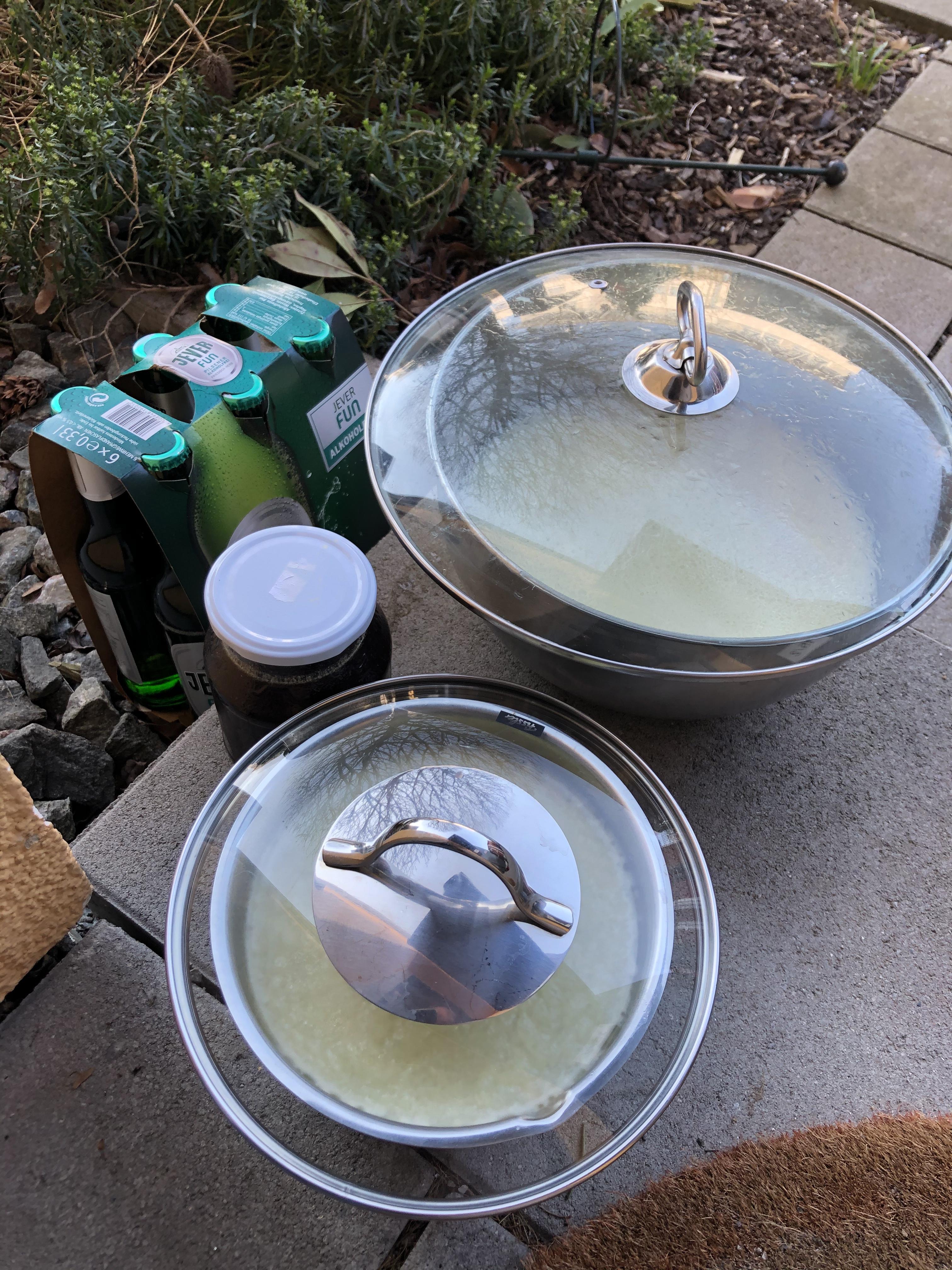
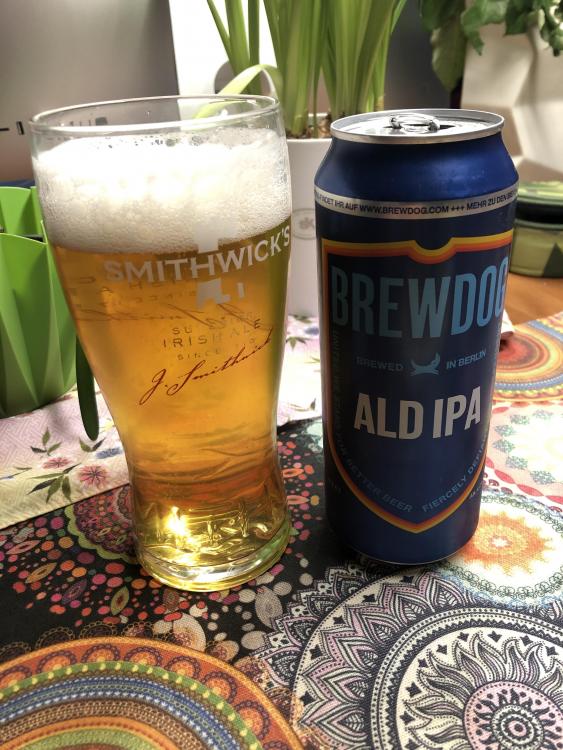
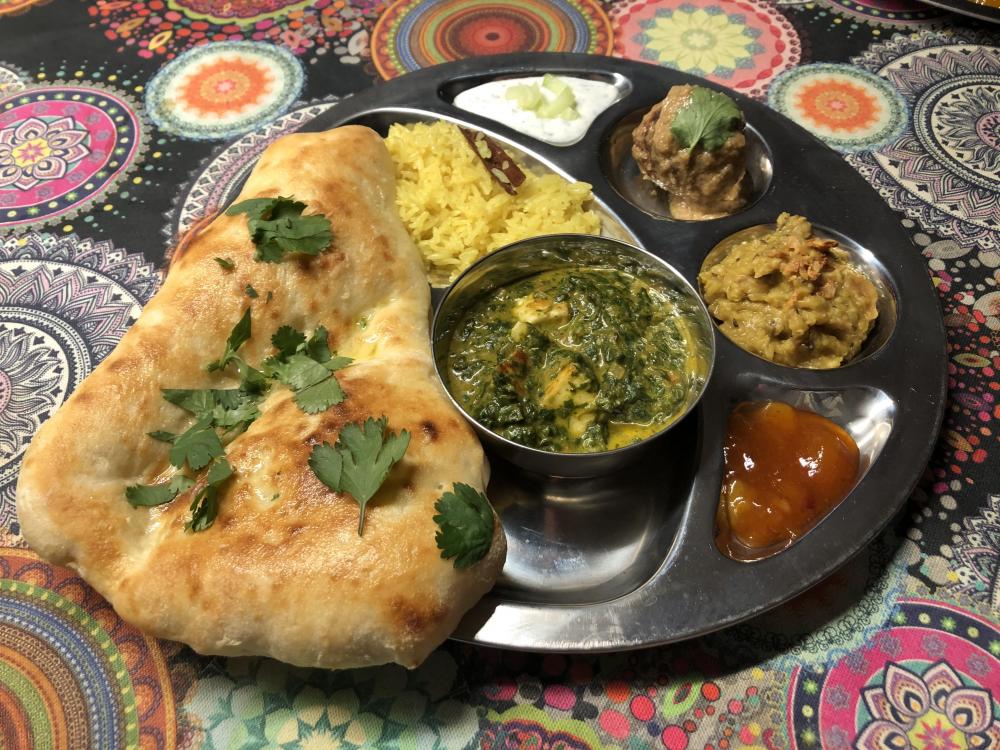
Some weeks ago I ran out of garam masala, so I decided to make some today. While happily pounding the roasted spices my wife remarked that “we haven’t had Indian for a while” (wink, wink). So saag paneer, dal tadka, mughlai kofta, coconut turmeric rice and fresh garlic naan. Plus a new (and rather light) beer I found today at Aldi.
-
Same here. Most of the temperature/time combinations for a “traditional” texture aim for 82 oC (180 F) and 10h. I found one recipe using that temperature and 8h cooking time and it seems to work fine, too. Some compare it to crockpot results, which usually use a setting that goes up to 85 oC and a cooking time of 8h. So, although it doesn’t help you in terms of first hand experience, I will go for 82 oC and 10h this year ...
-
Nope.
-
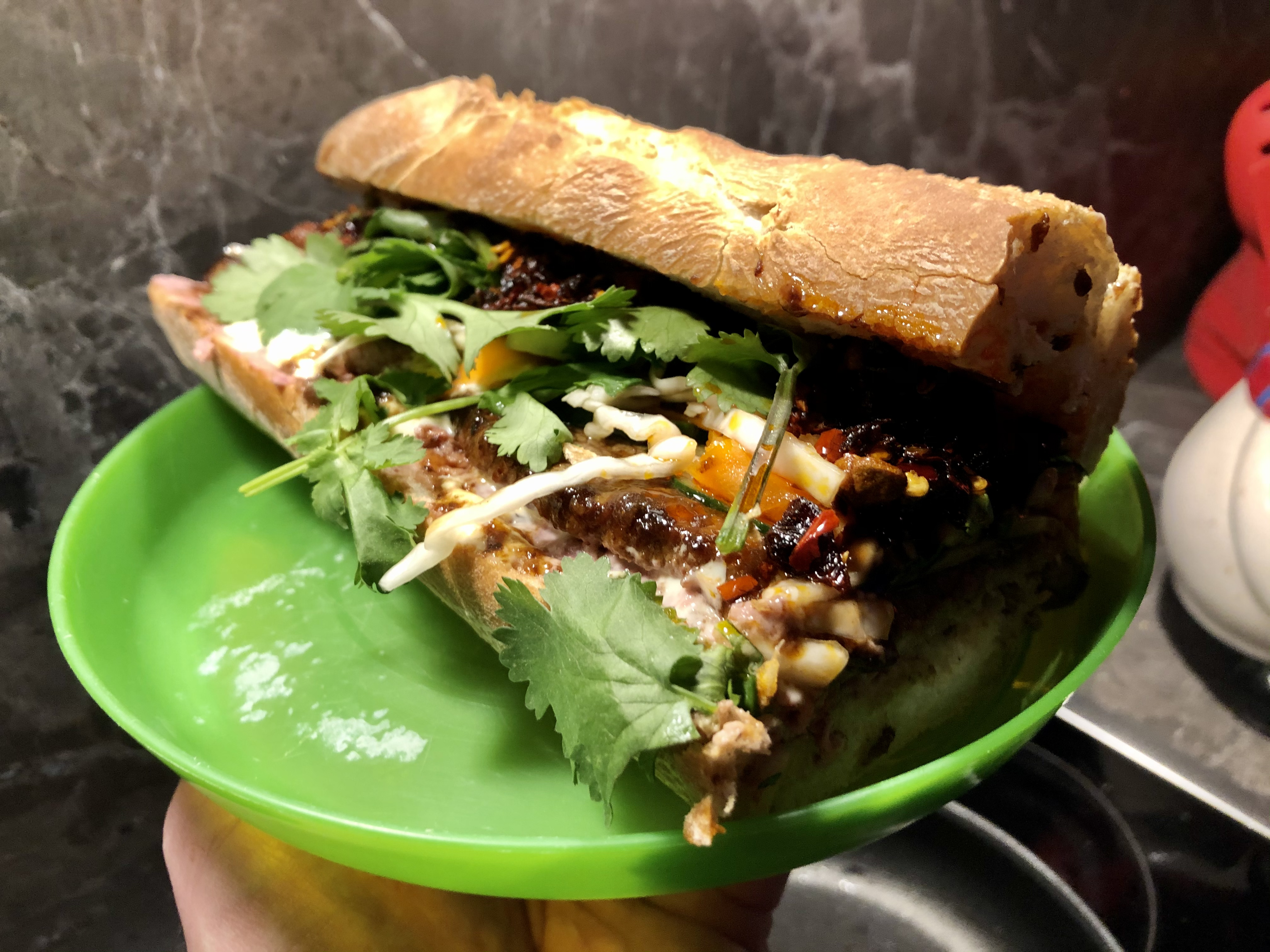
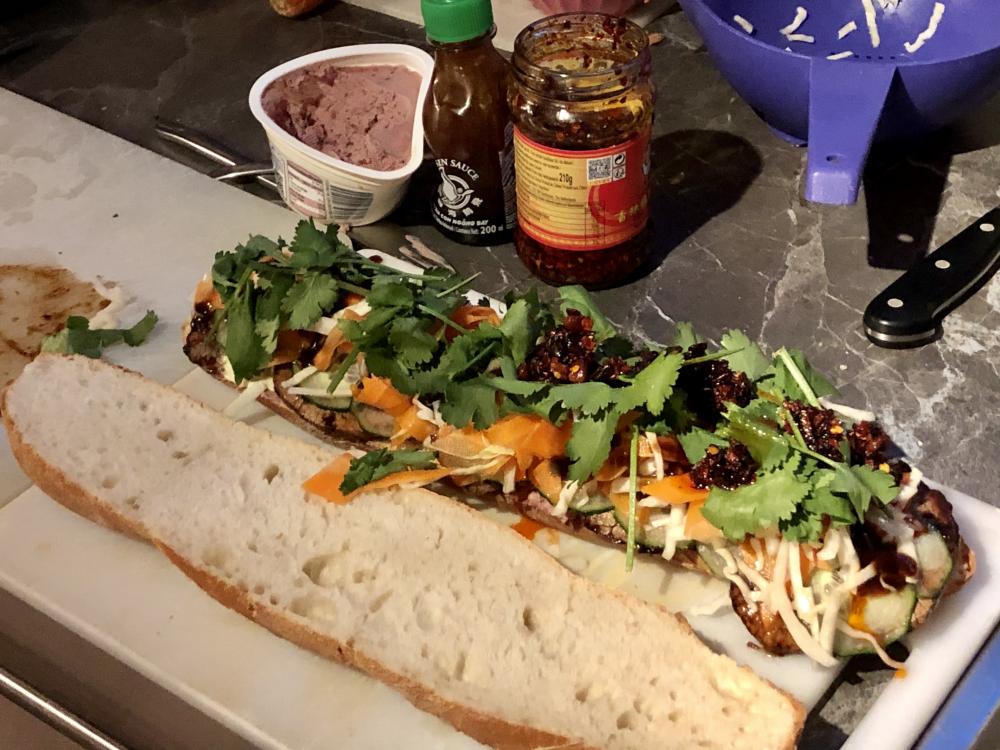
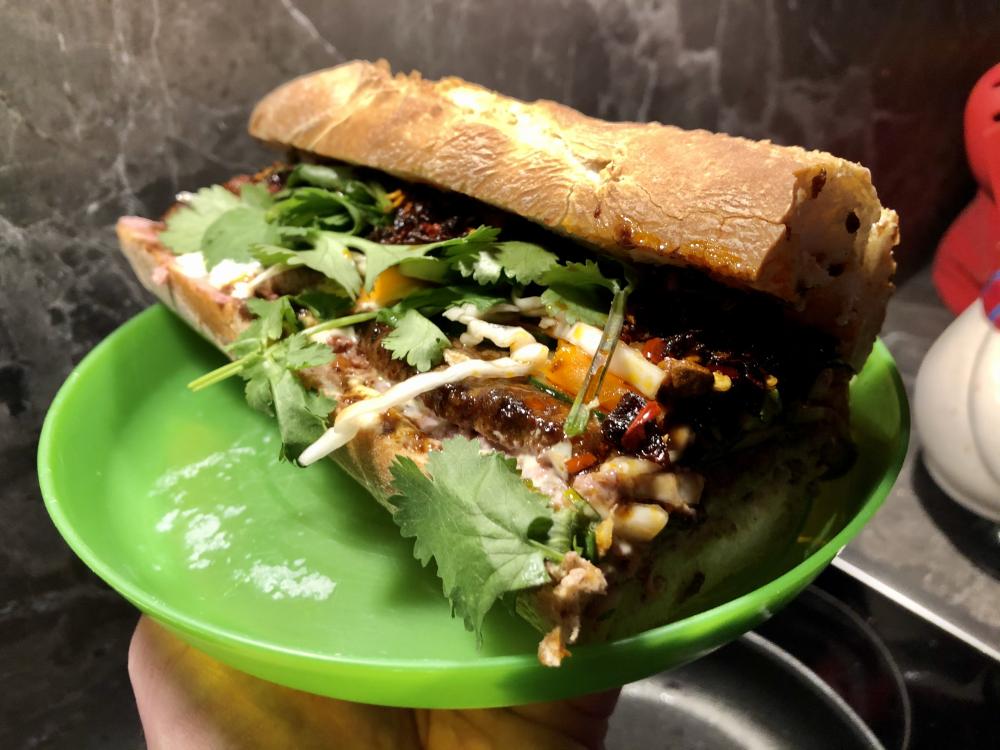
Lazy dinners continue ... Banh Mi (paté & 5 spice beef), enjoyed with “Jumanji” (1995 version).
-
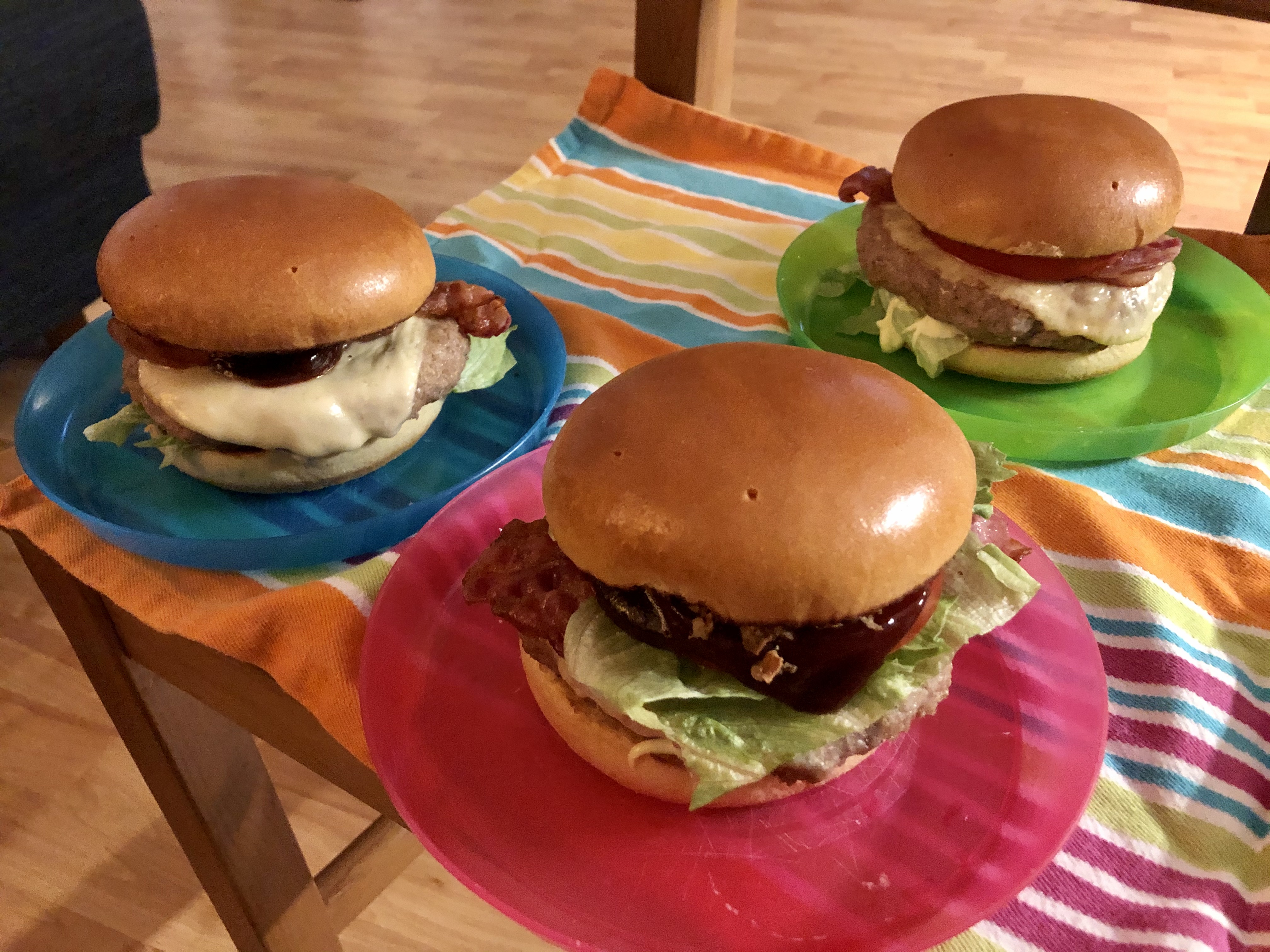
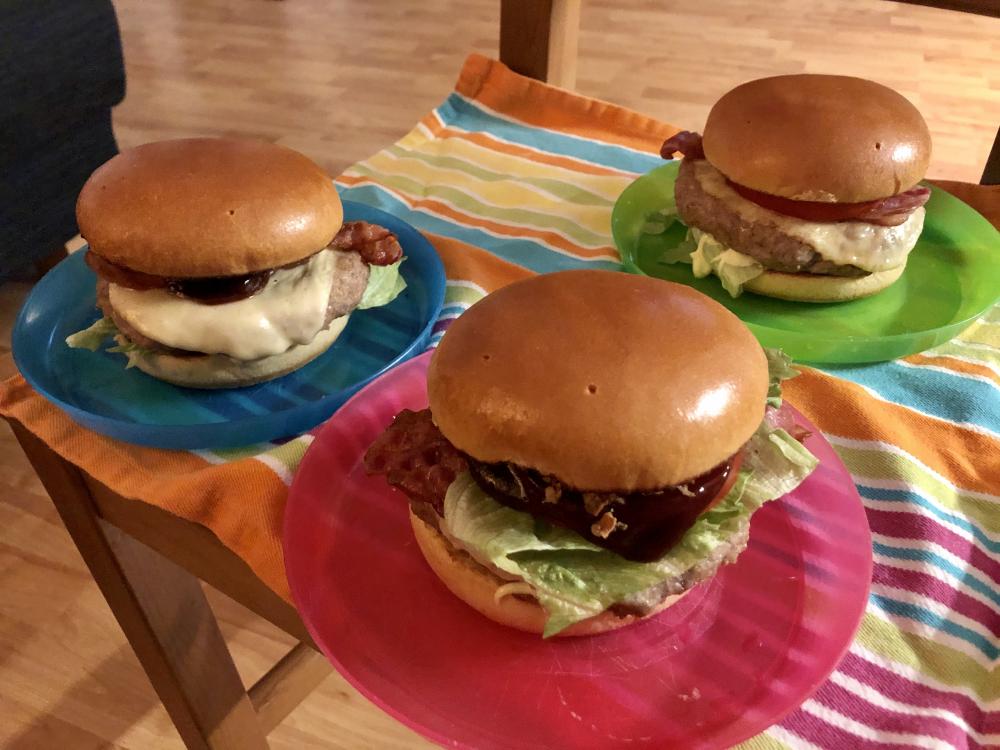
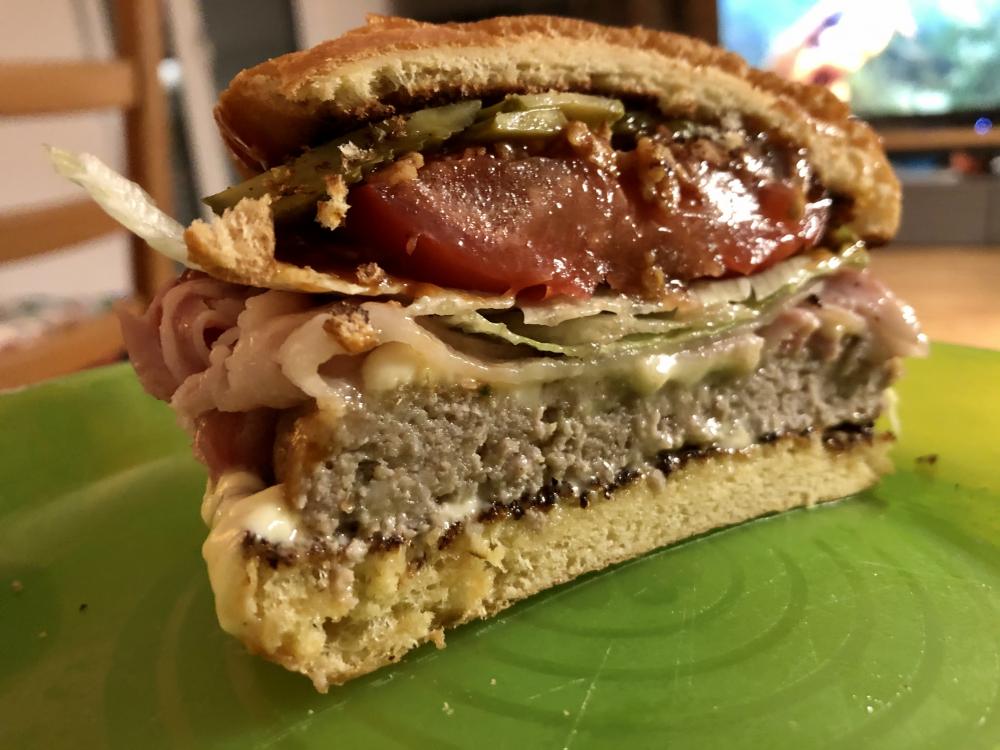
Lazy weekday evening, featuring pork burgers & an episode of “BBC Earth” ...
-
For me excess / leftover / on purpose purchased cabbage goes pretty much exclusively into Okonomiyaki. Like that my family can go through a small cabbage in one sitting (plus a few pieces for next days snack) ...
-
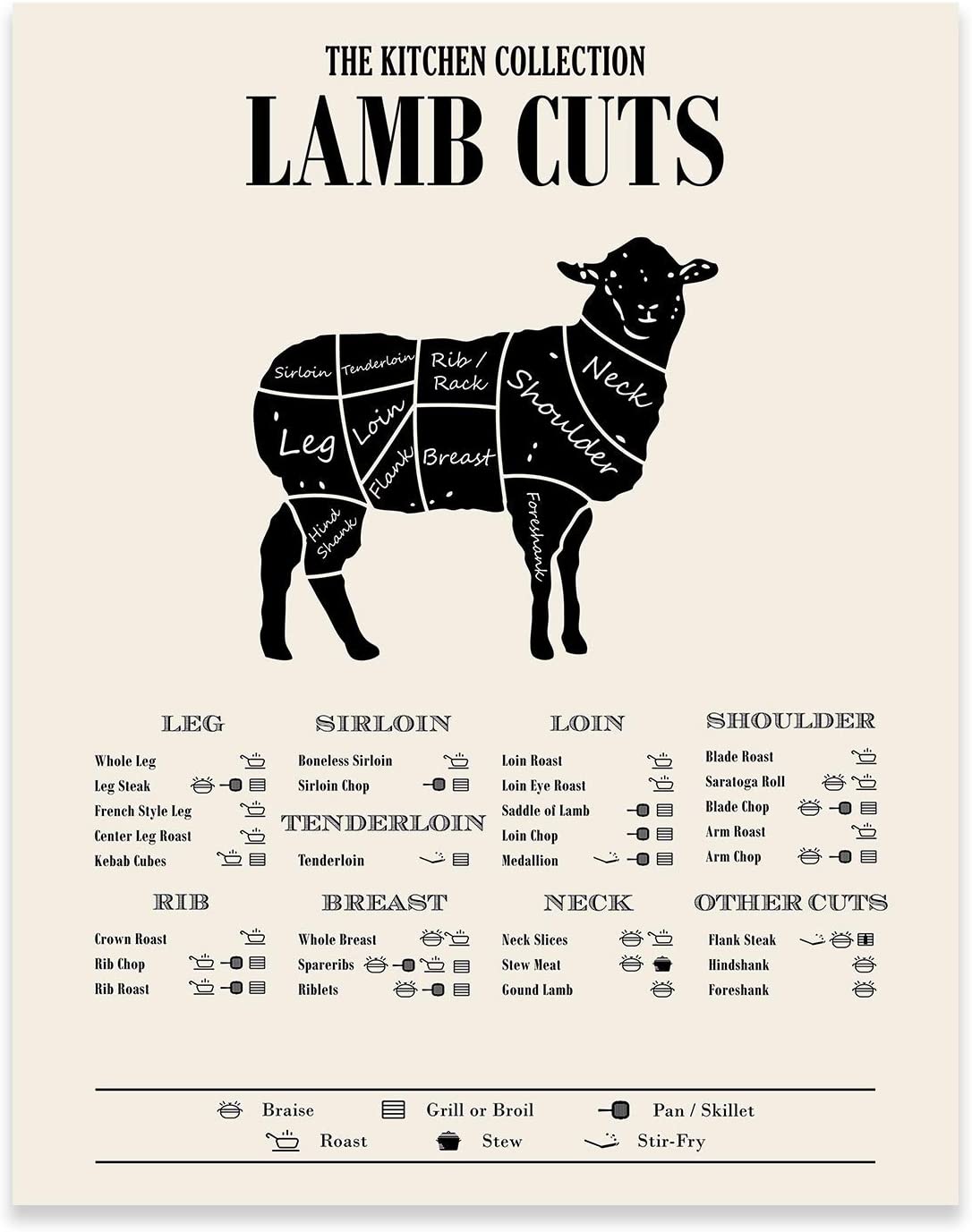
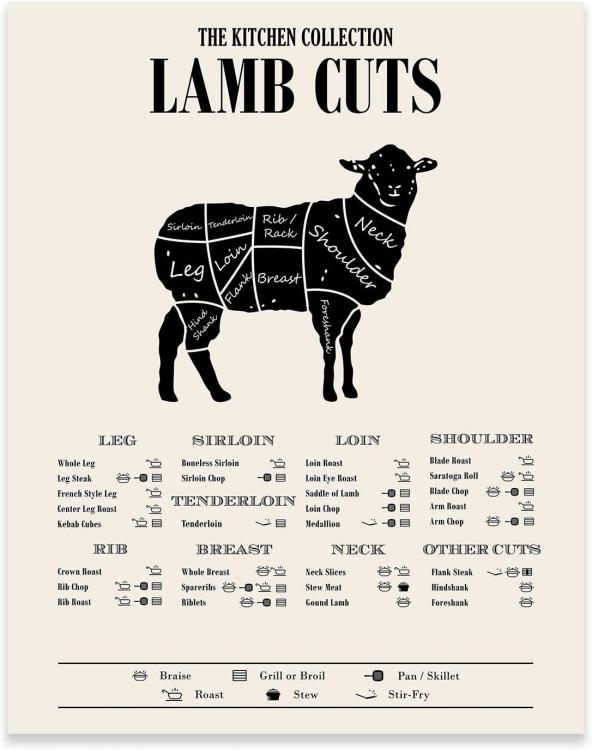
Presoak your (good quality) beans, braise the leg with some salted/fermented fish product (e.g. anchovy), white wine, herbs (e.g. rosemary) and garlic for about 1.5h and add some crushed tomatoes. Braise one more hour, adjust seasonings and done !
-
Shoulder: 24h @ 70oC. Leg: I prefer traditional braise, as I usually flavor beans or potatoes with the resulting braising liquid ... I‘d go for 12-18h @ 70 oC if I have to ...
-
That depends on your animal. For young lamb in terms of treatment yes. Older animals will differ and the leg would need a bit more time. But if the precision is „2-3 days“ - yes, they will be equivalent ...
-
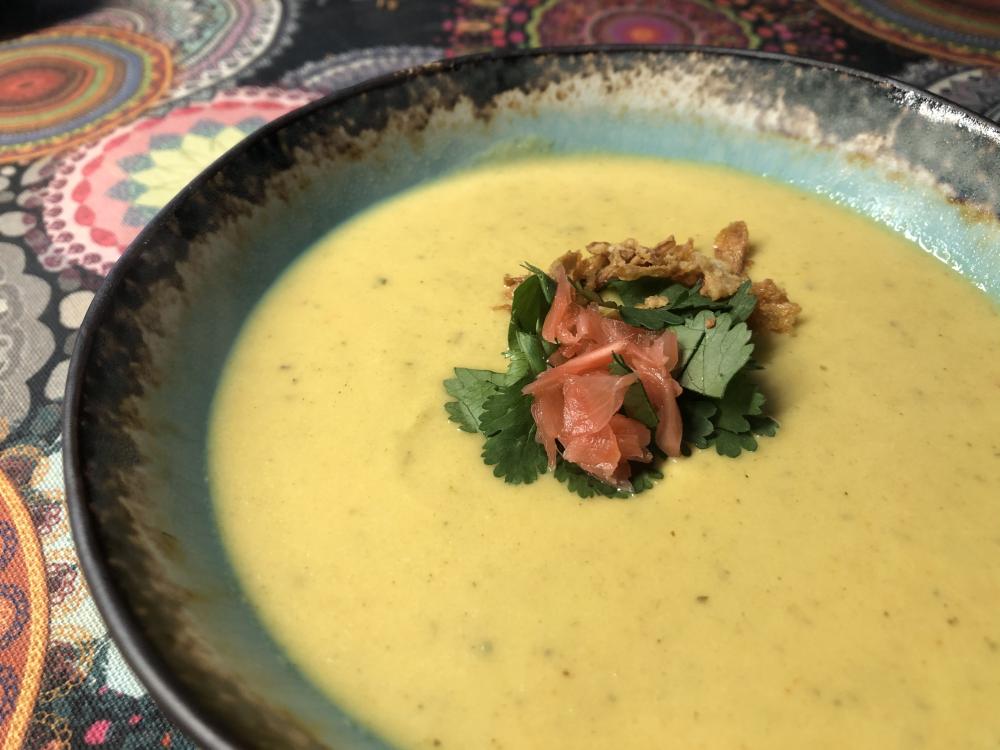
Quick and easy: curried cauliflower-carrot soup with a touch of cream cheese ...
-
 Yes. But in which ratio ?
 -
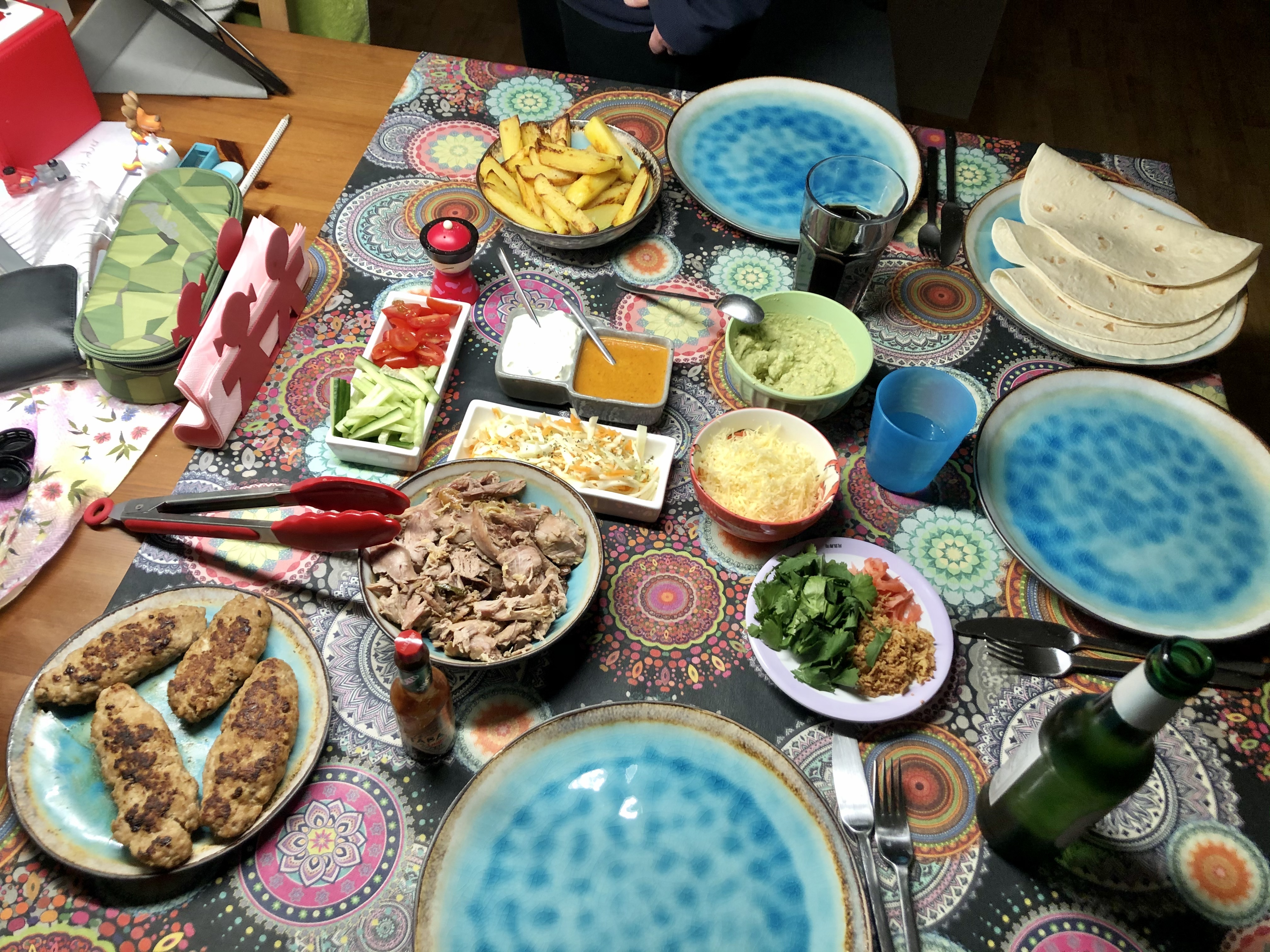
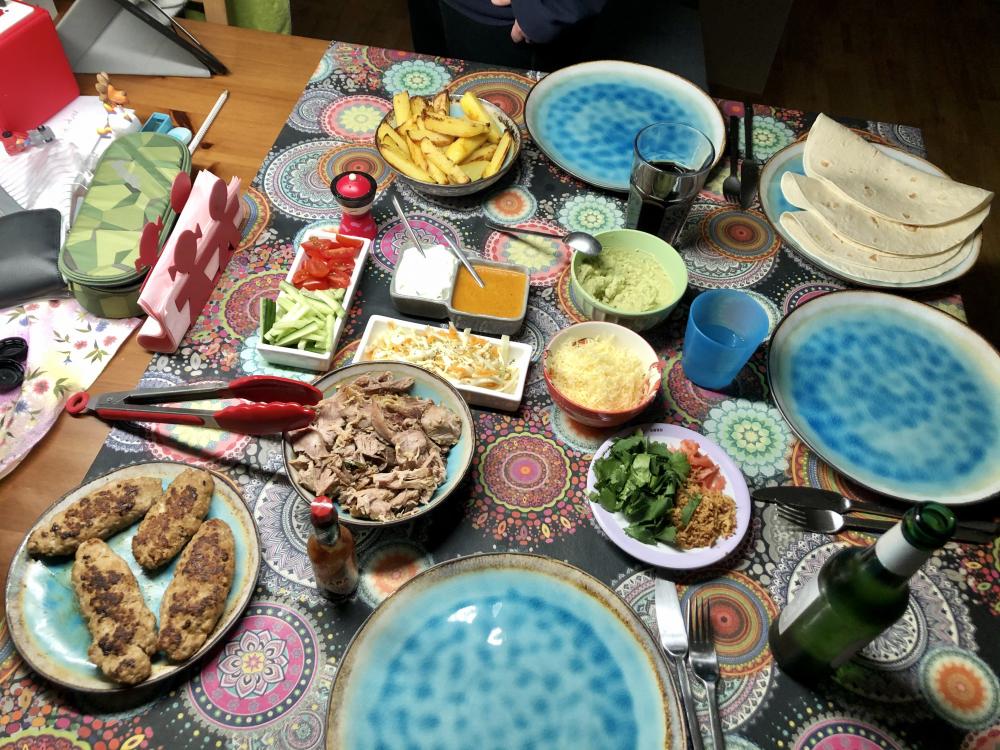
Pulled duck leg (thanks SV), together with all the fixings I could find in the fridge to make fajitas. Kind of cumin-scented romesco sauce, sour cream, chipotle tabasco ... Served with duck fat-roasted potatoes 🥳
-
I used a commercial product. My plan is to make some for the next batch now that I have the soup in the freezer. Ivan Ramen uses about 8% rye in their ramen noodles. In Japan, the addition of a certain percentage of different flours (usually wheat, differently milled or with more bran) has gained popularity in recent years.
-
I understand that the iPot is a regulated pressure cooker. I cooked many stocks in my regular pressure cooker, and none turned out emulsified. As the pressure inside the pot is regulated there is no boiling retardation and the associated bumps that aid the emulsification. So, even if the iPot would be - in terms of control - far more advantageous than a regular PC I am afraid it reaches it‘s limits here as well ...
-
The pressure cooker does not really agitate the broth. That’s why pc’ed stocks comenout pretty clear. For the ramen soup I envisioned, you are aiming for the opposite ...
-
It does not work in the pressure cooker. You need the agitation of the vigorous boil to mechanically support the emulsification process. What you can do is use the pressure cooker to break down the collagen for some time, and then do a final conventional boil to emulsify the fat. But having that huge pot boiling away on the stove for half a day and watching the progress is strangely satisfying ...
-
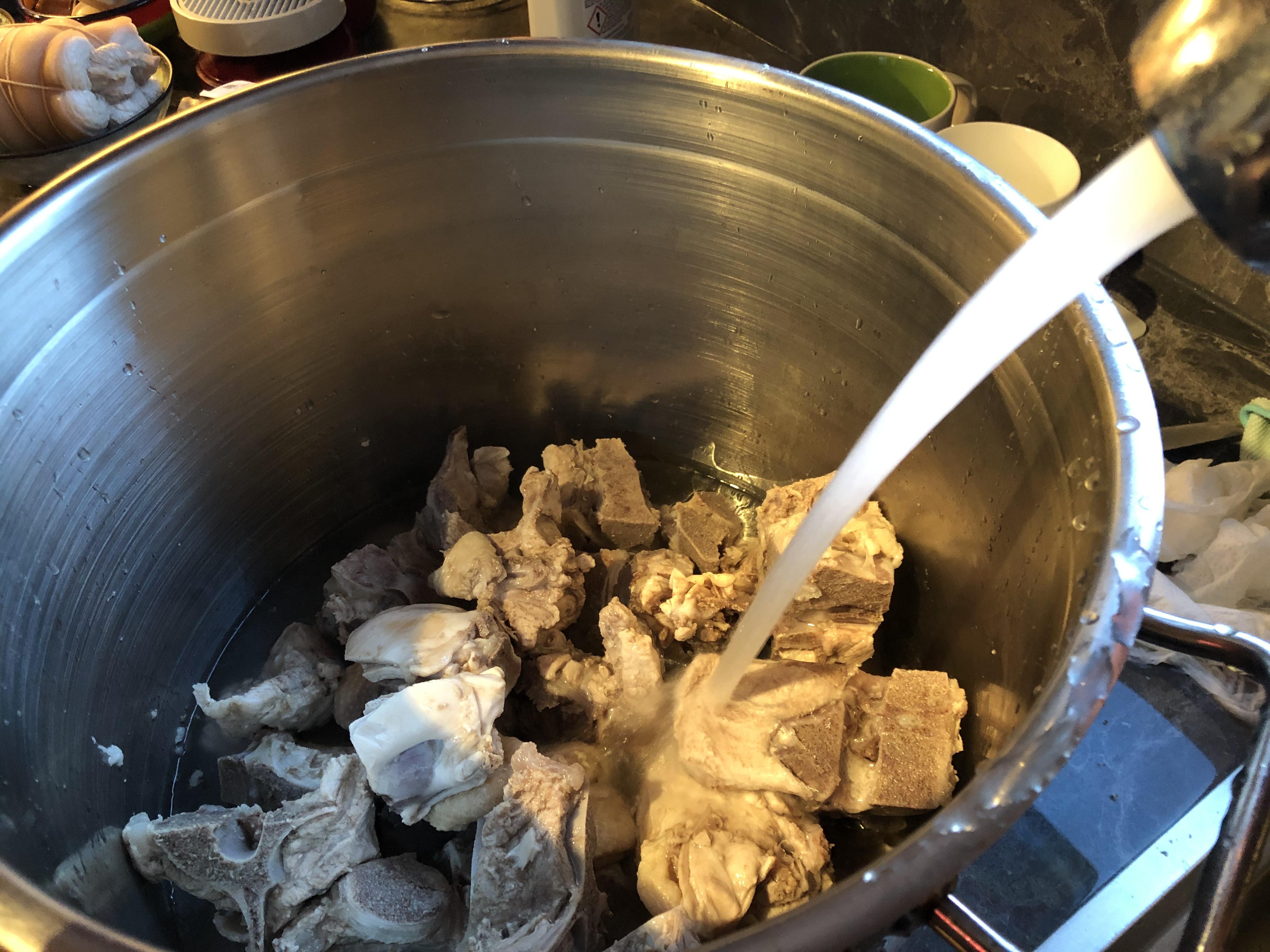
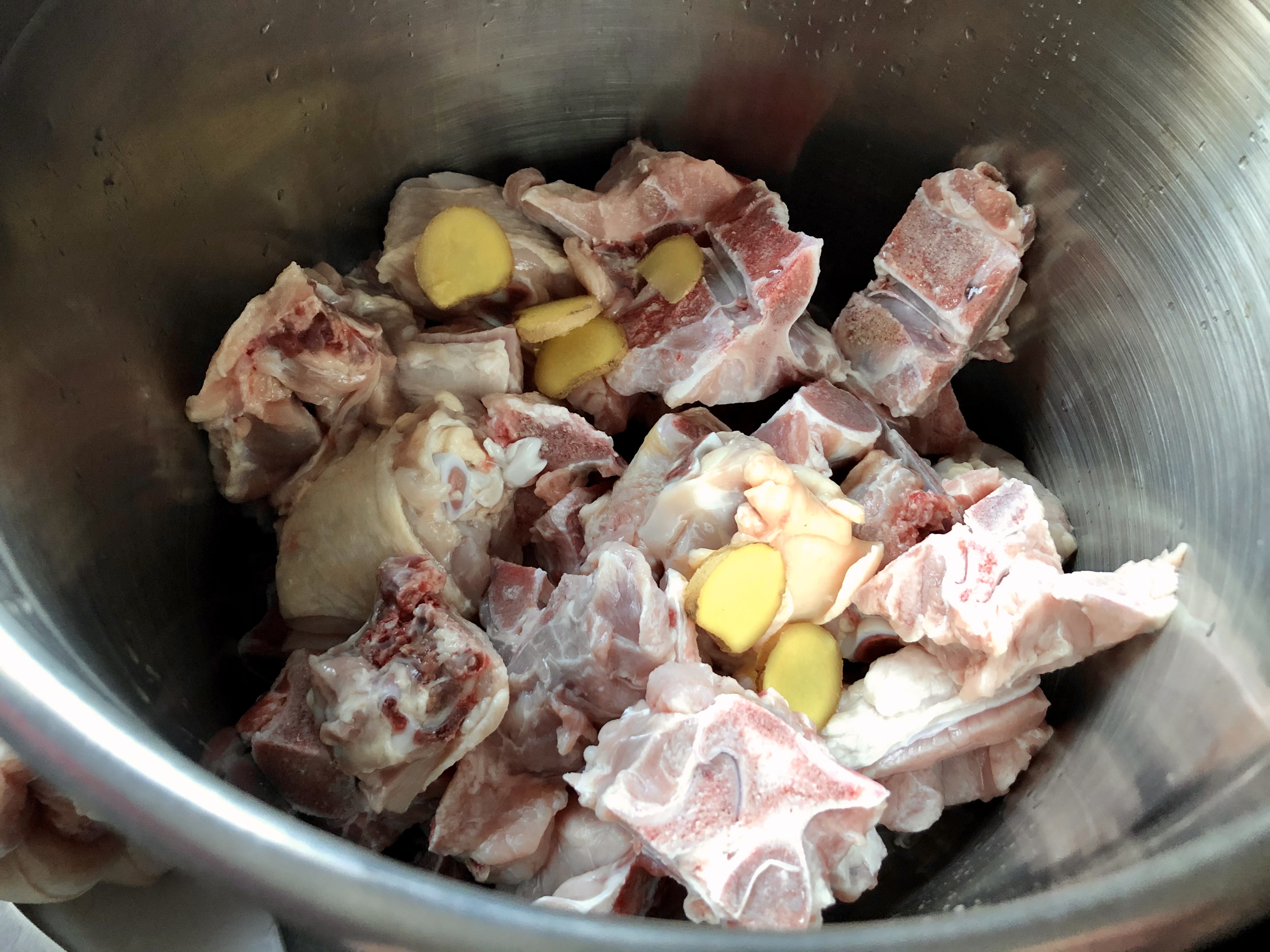
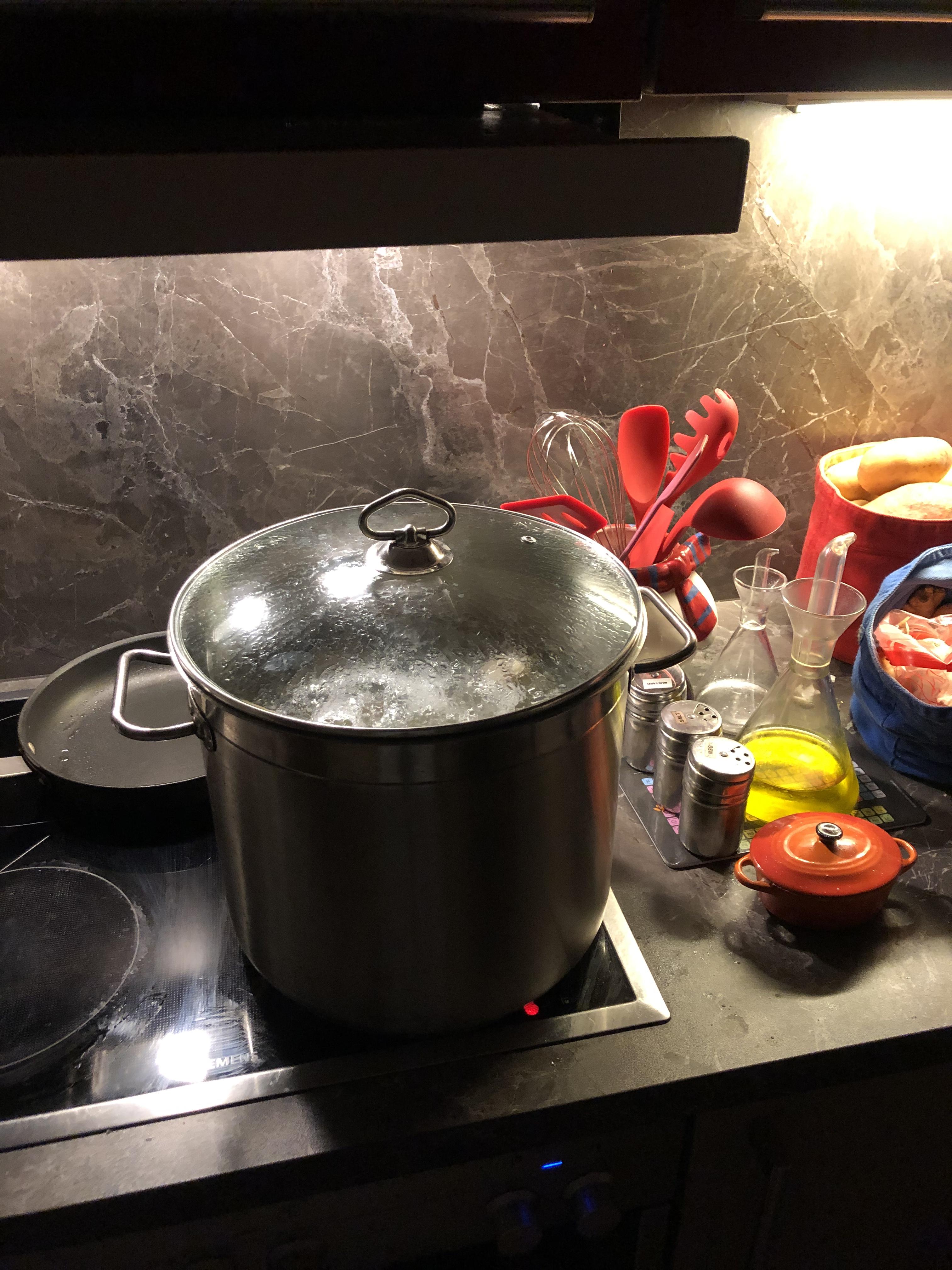
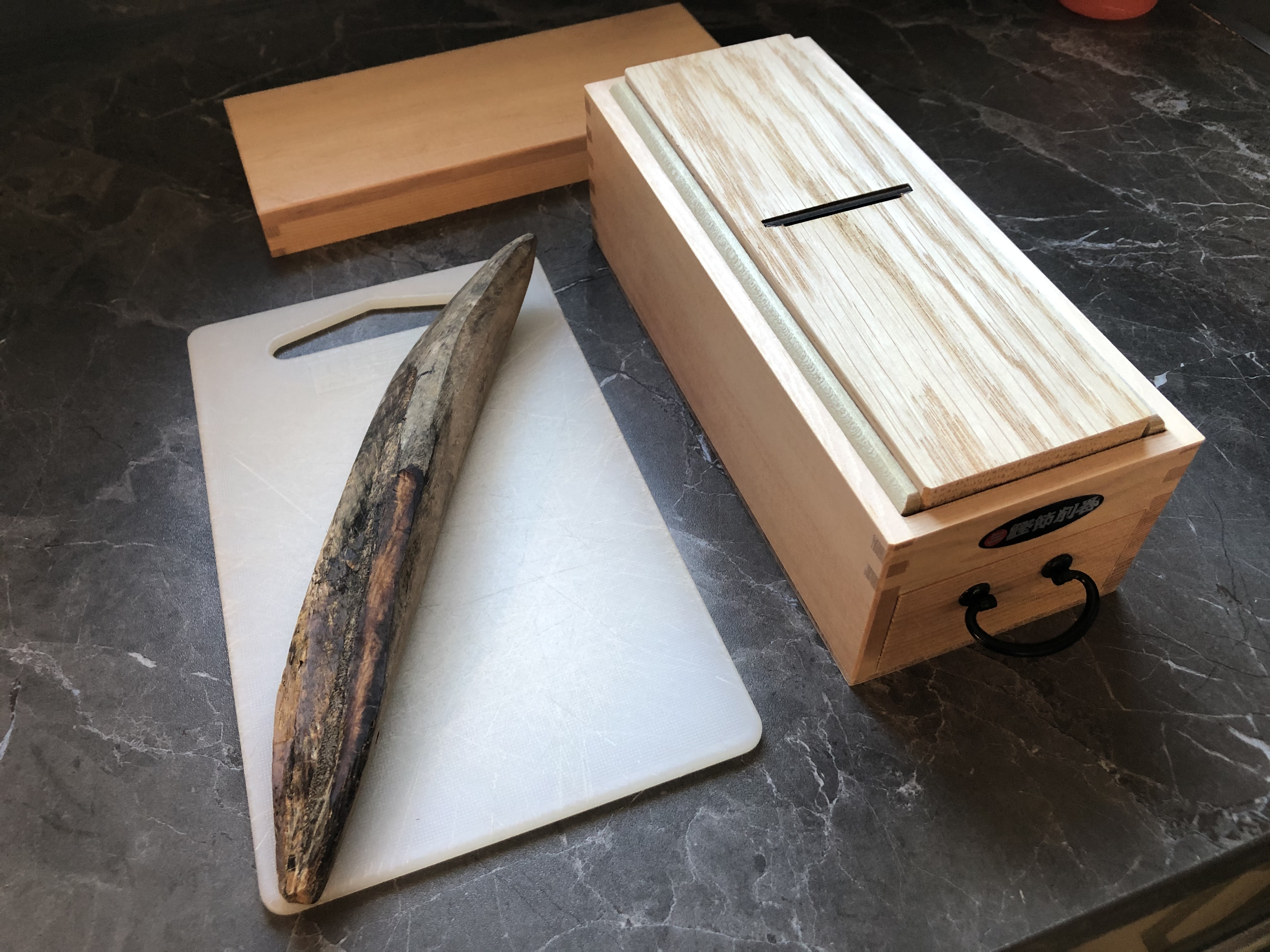
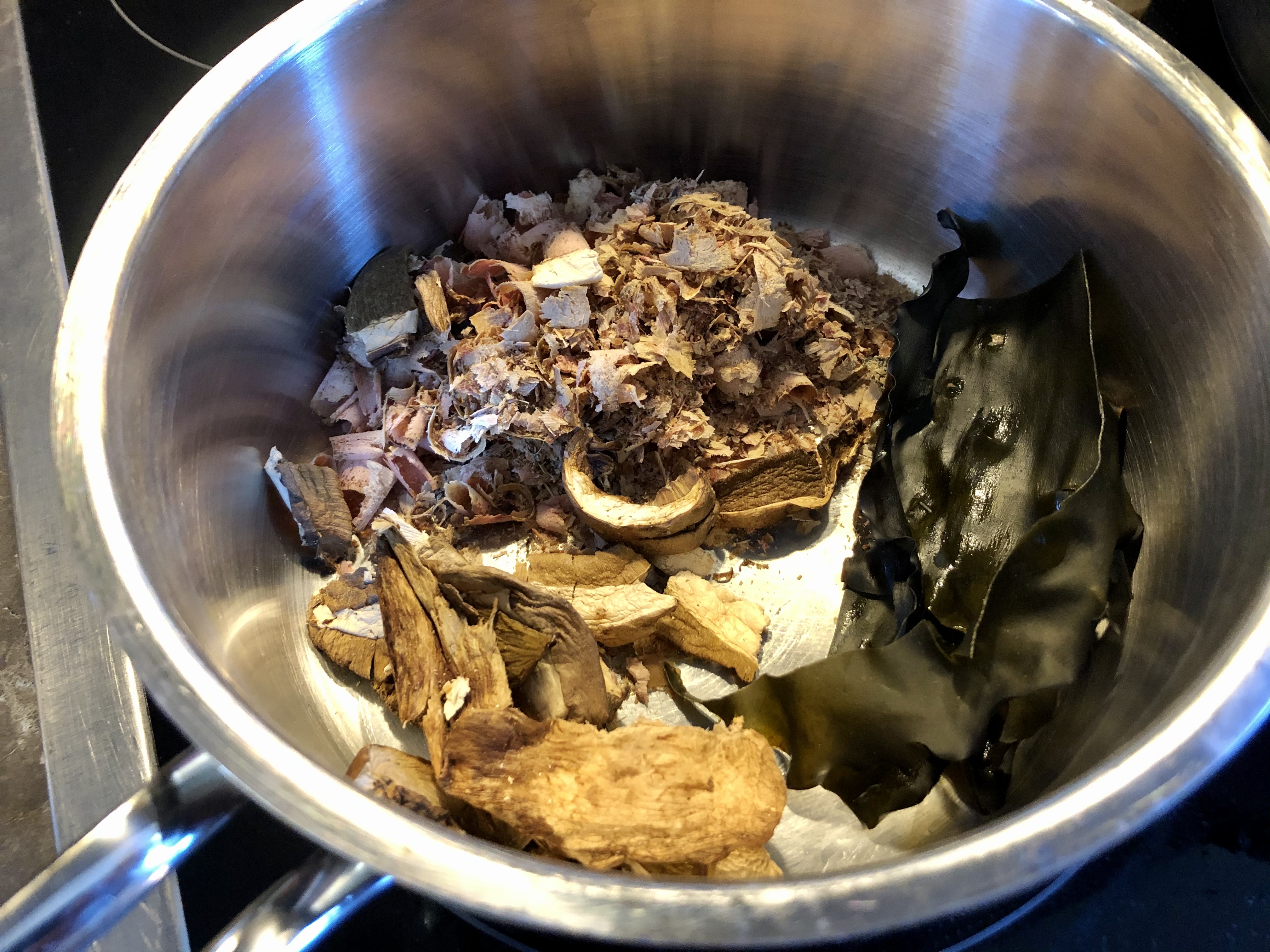
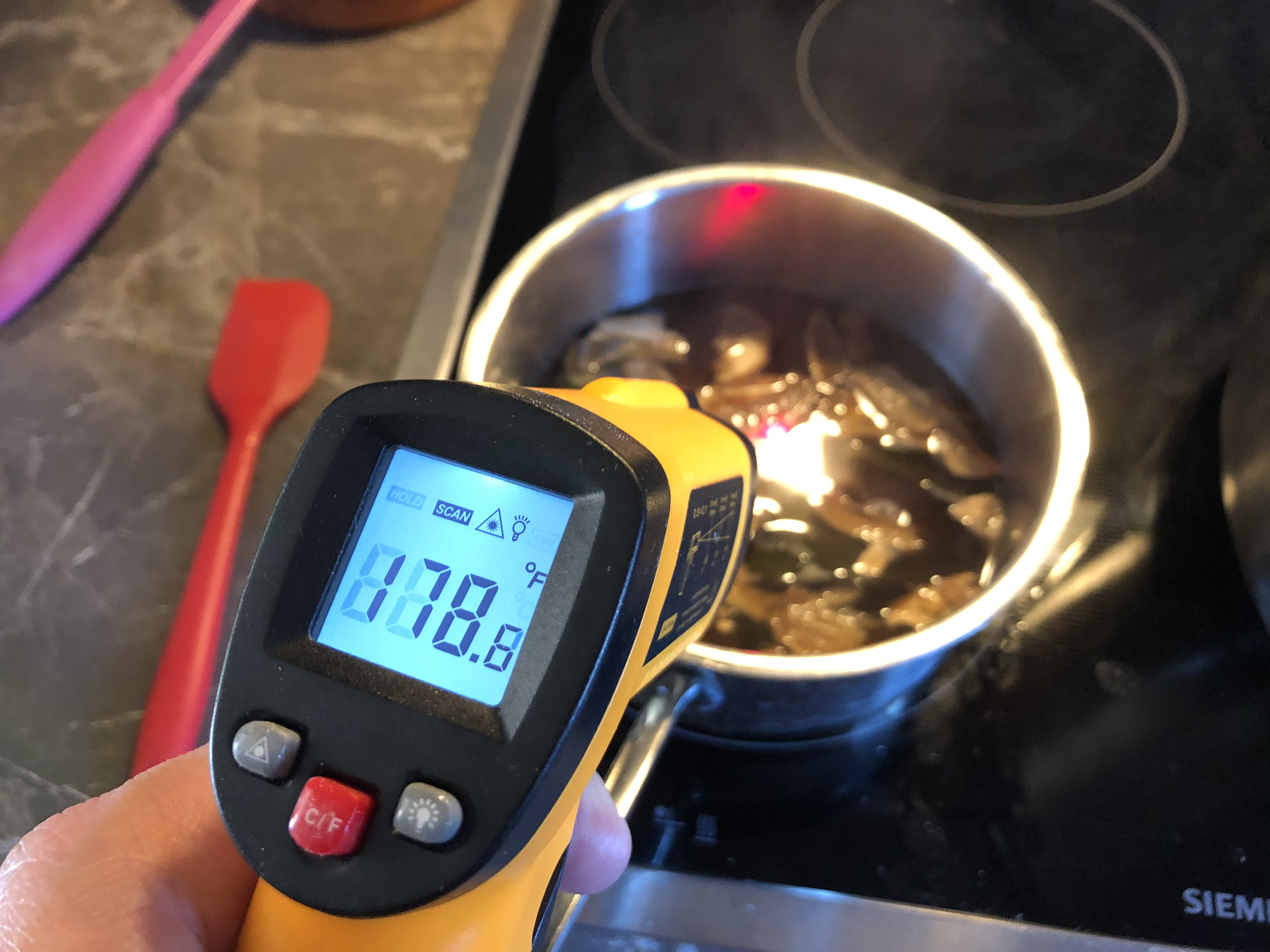
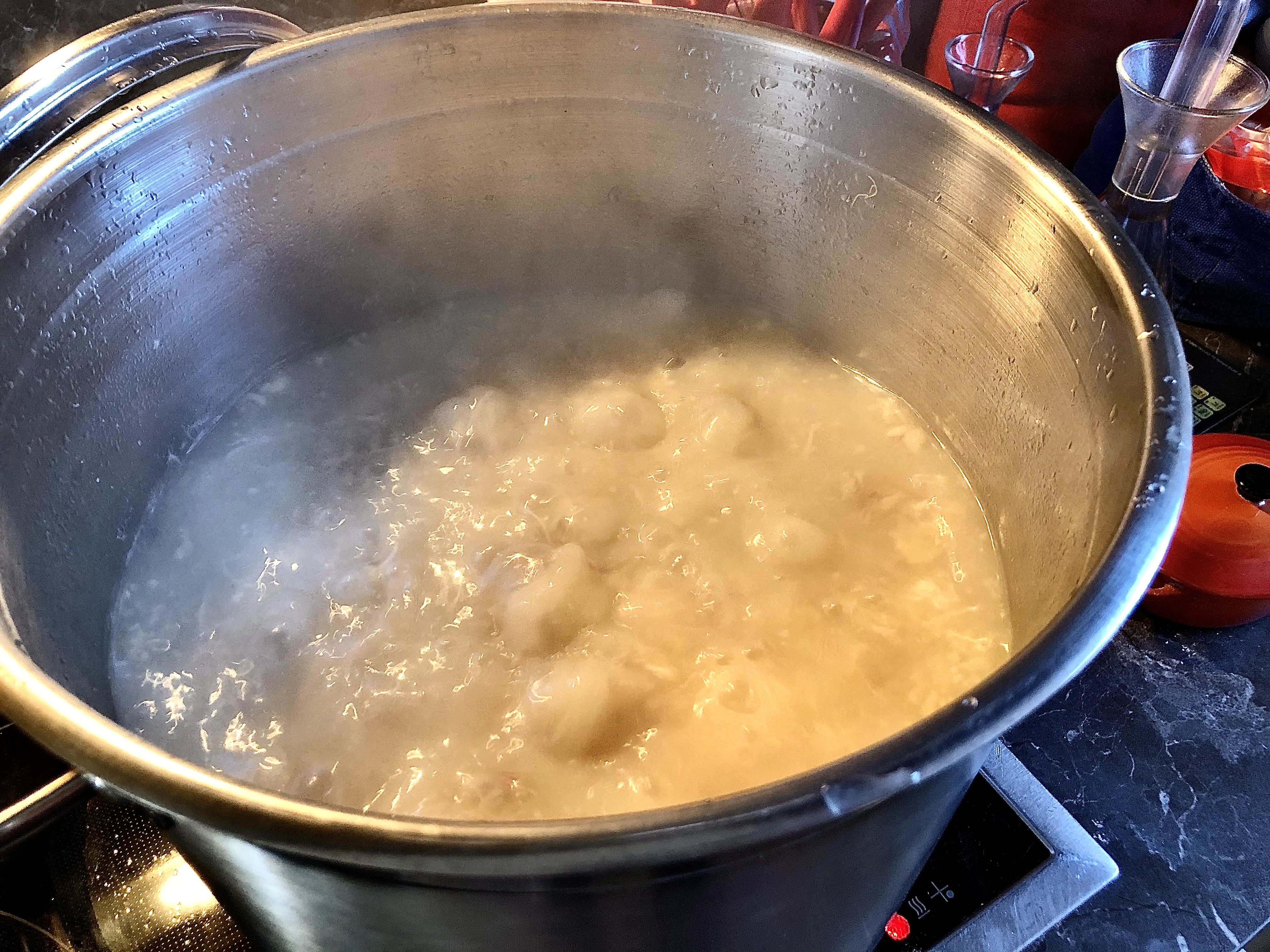
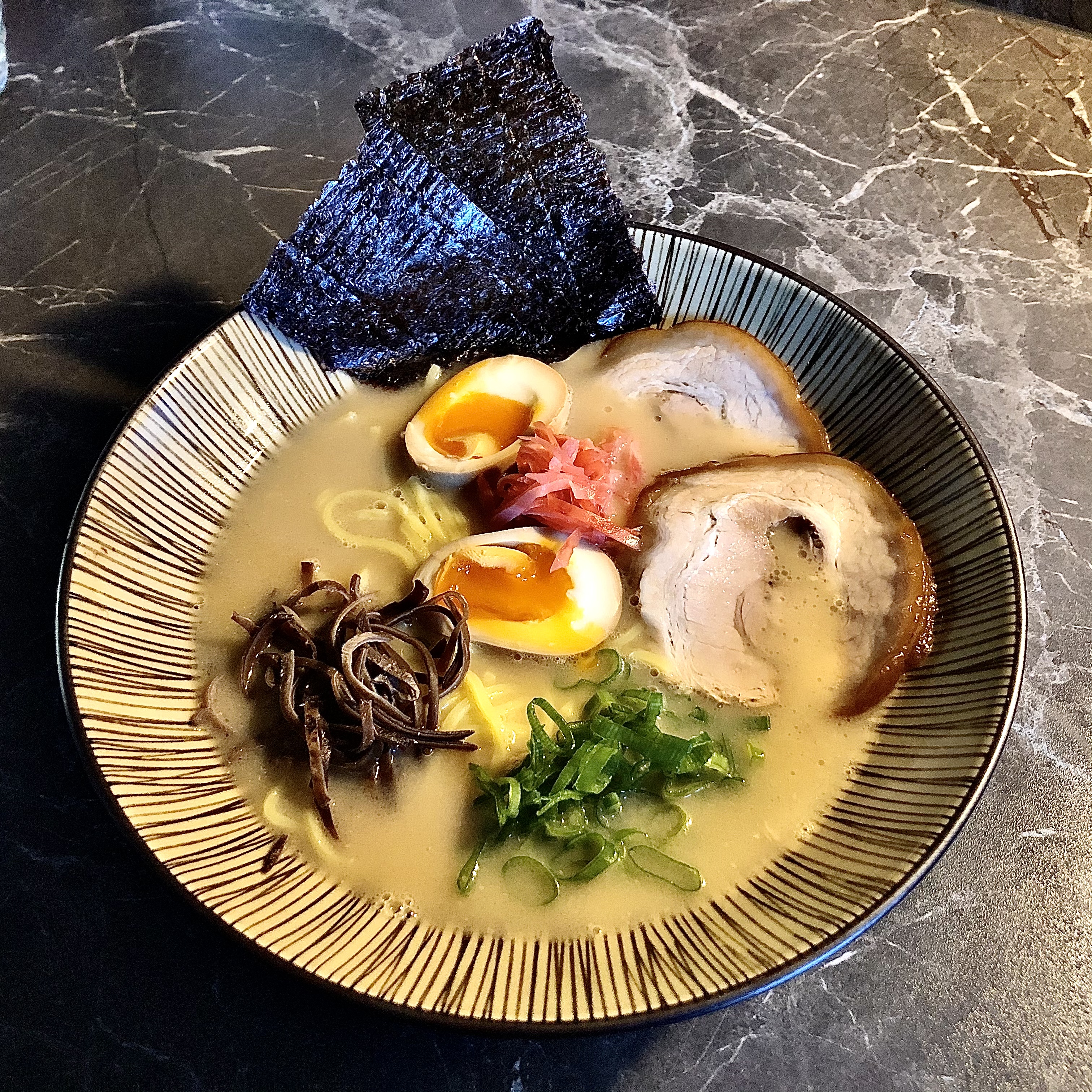
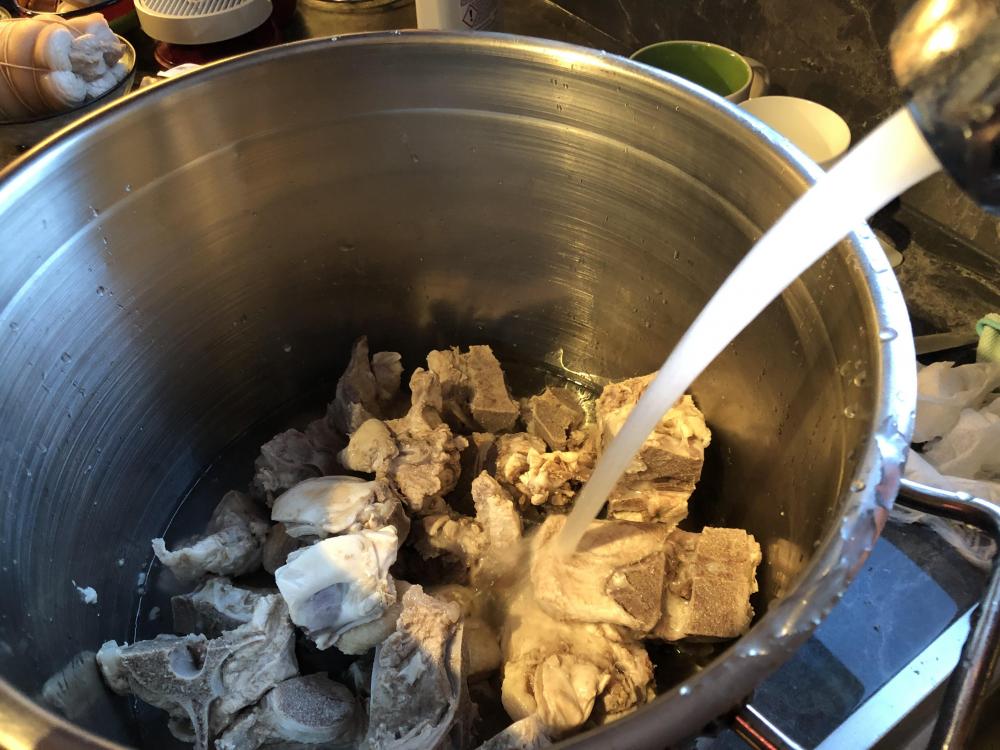
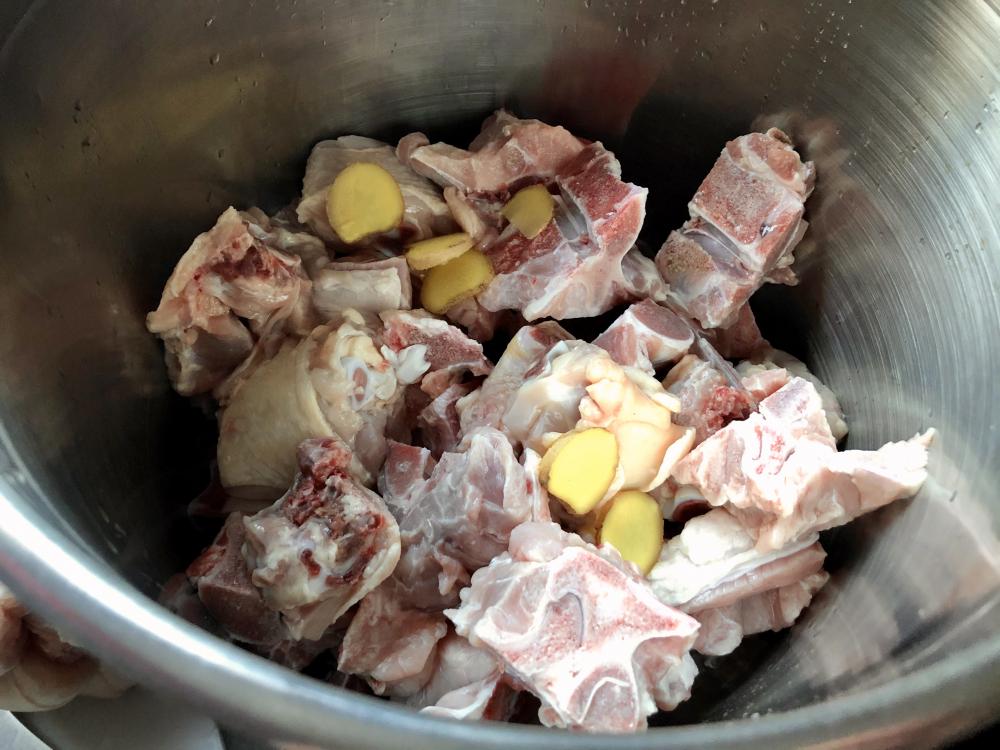
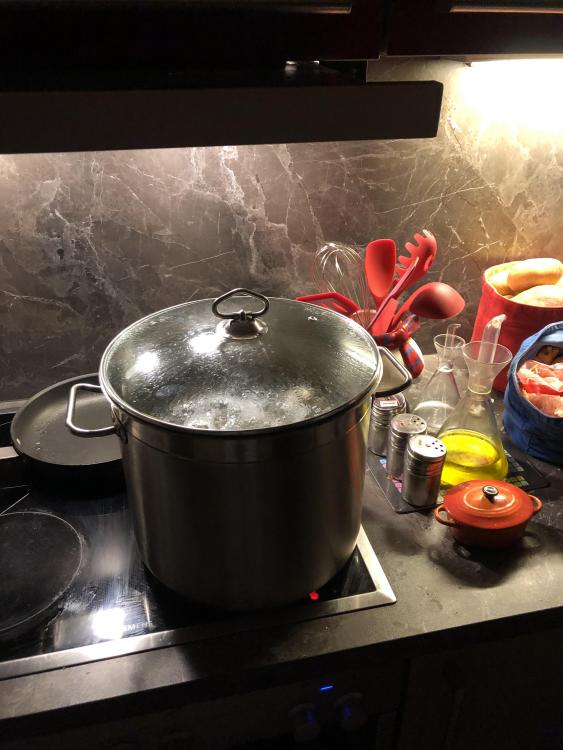
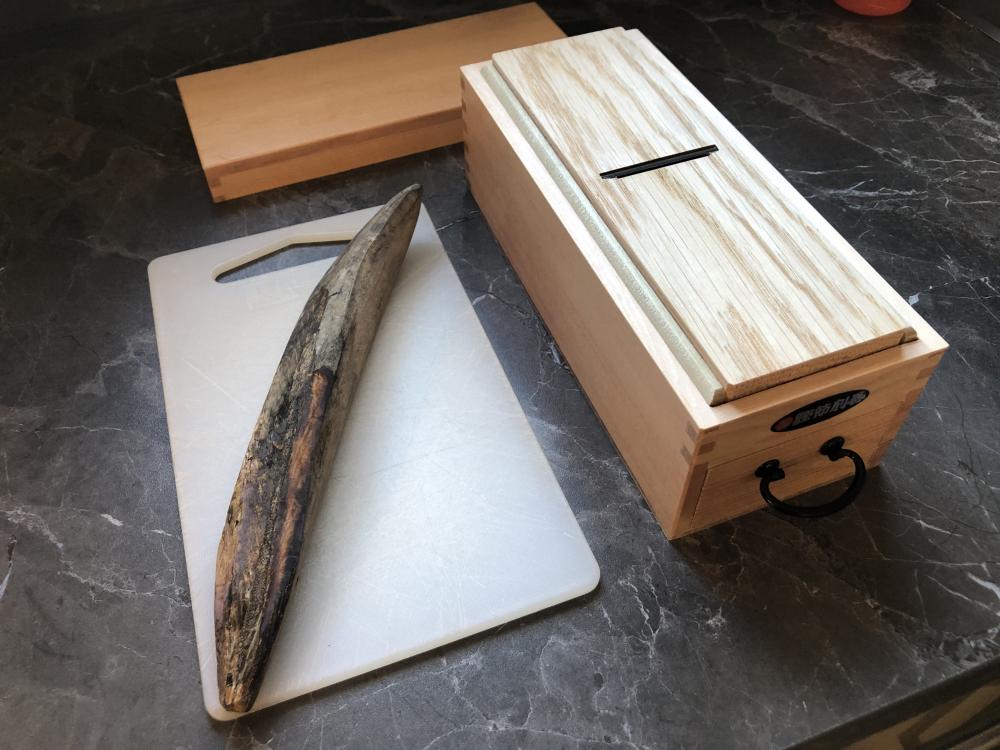
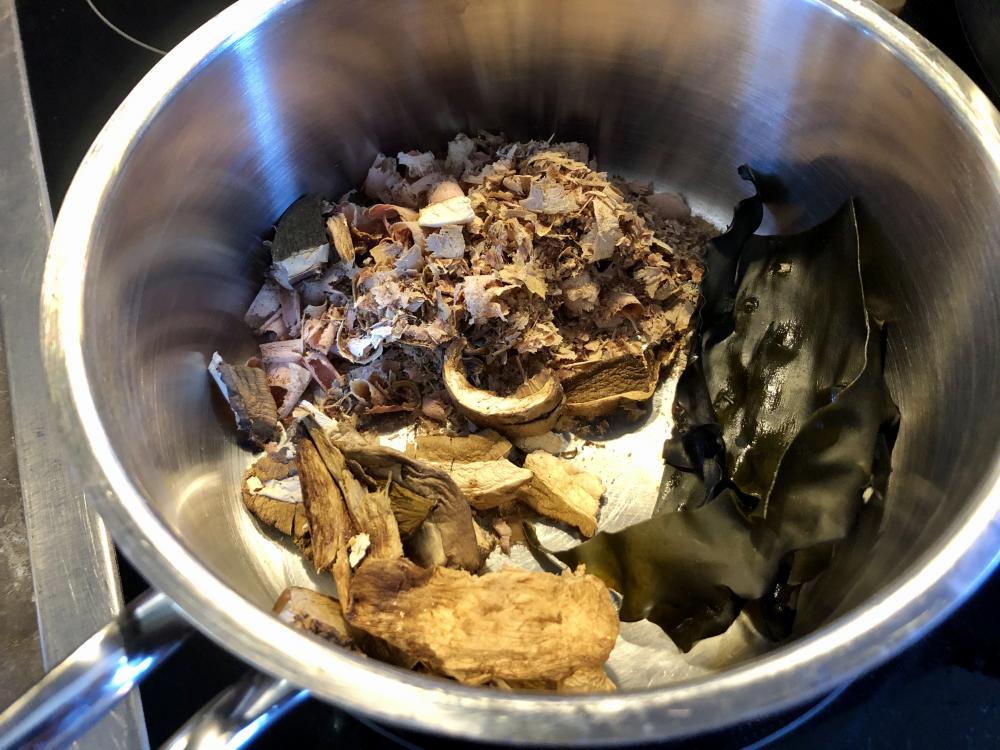
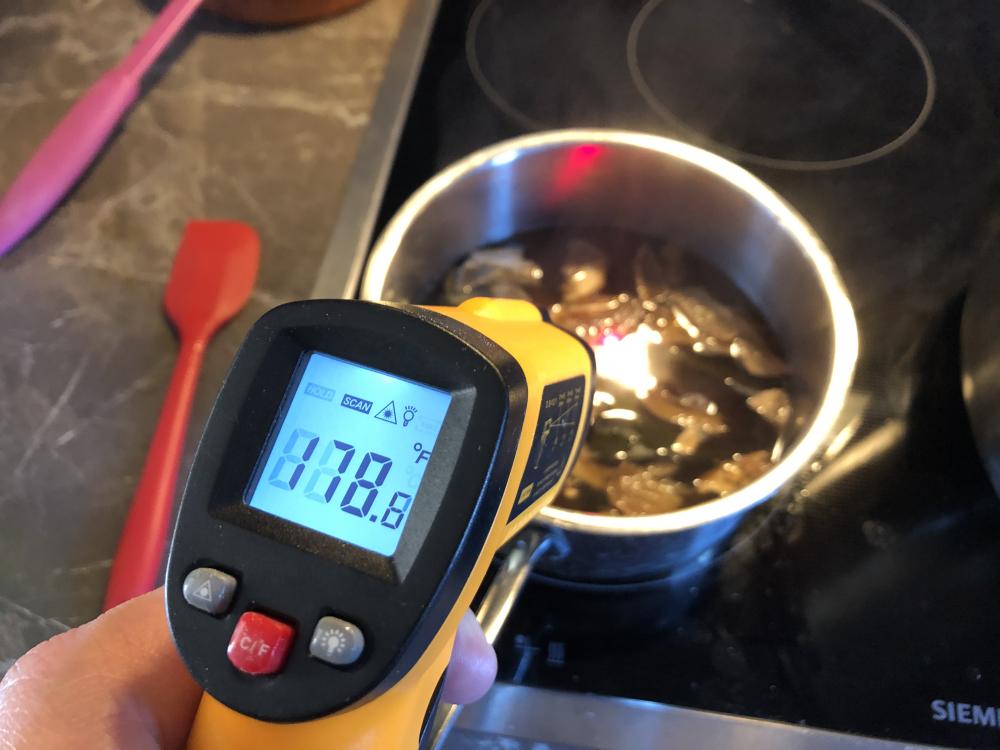
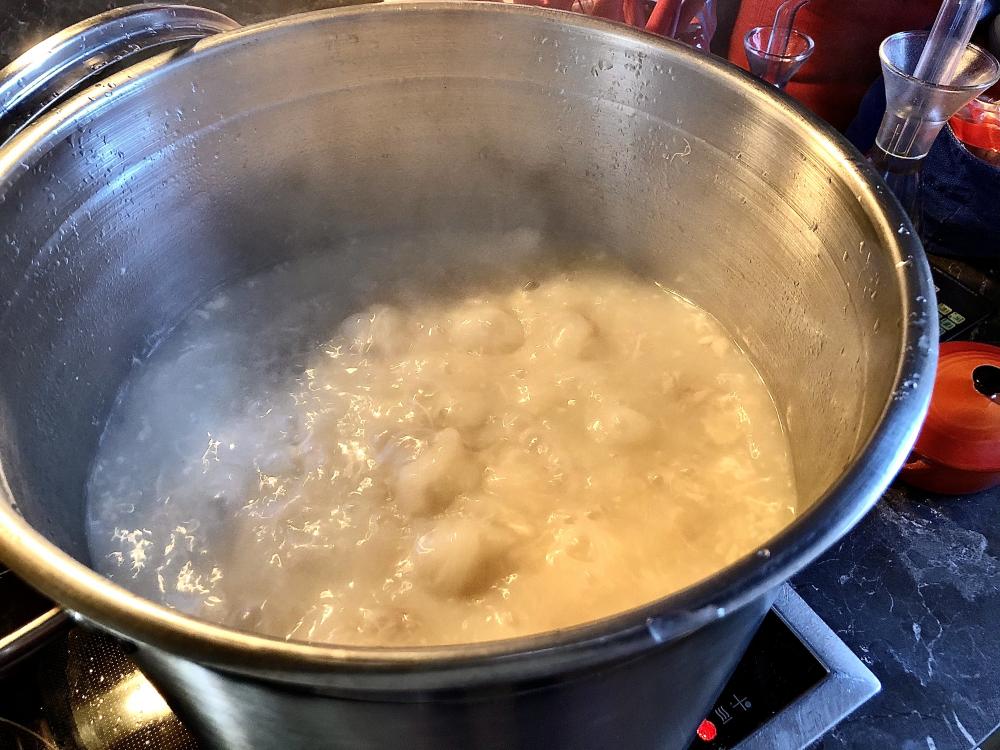
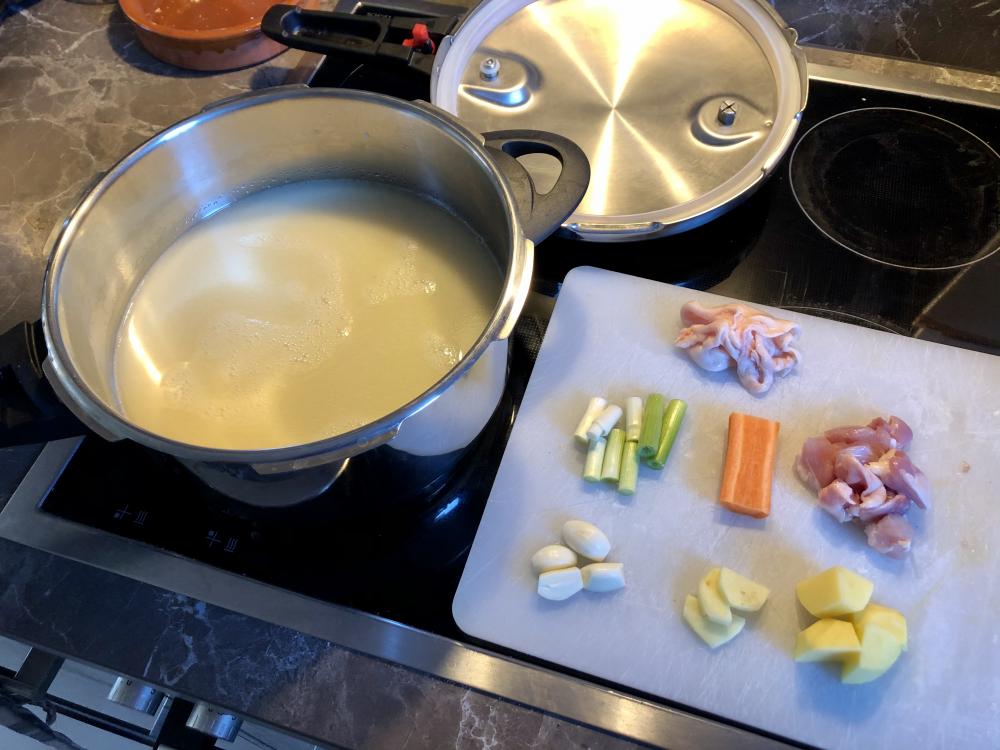
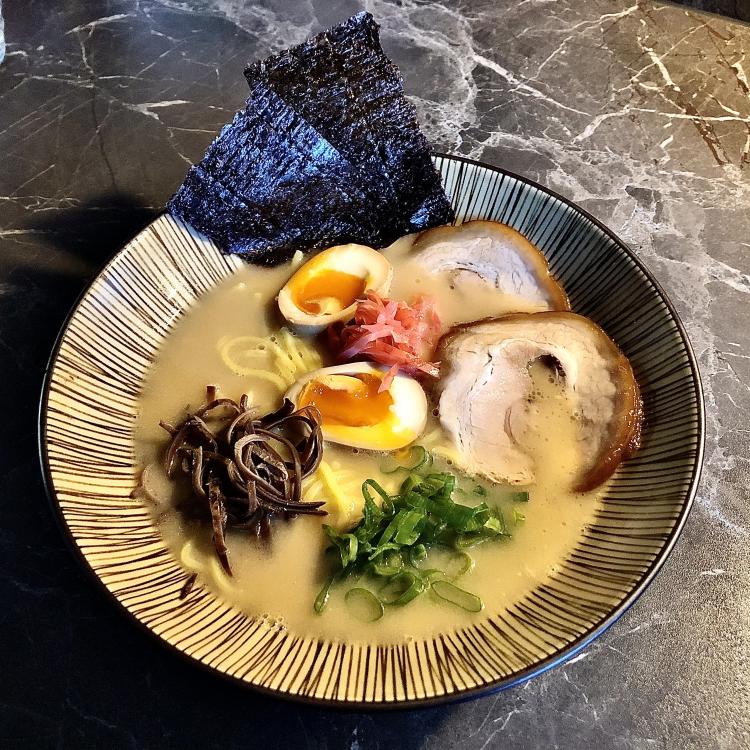
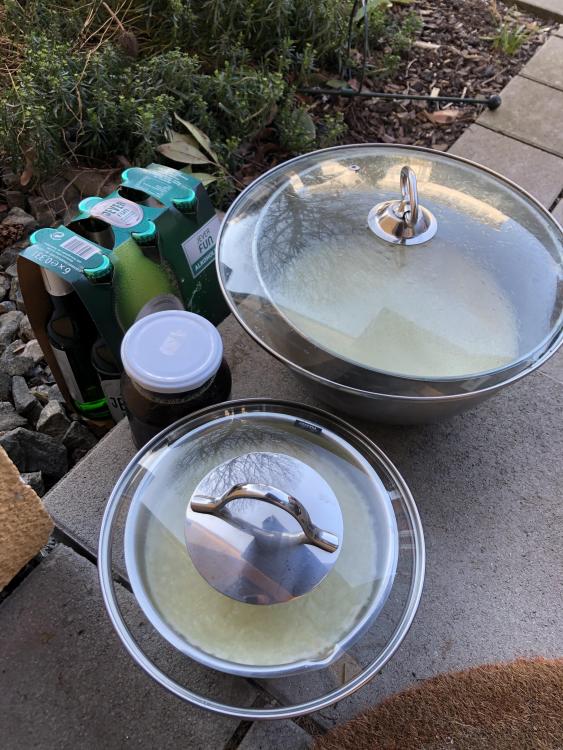
I had a serious hankering for Hakata ramen for quite a while now. So yesterday went out to get a few pounds of pork neck bones and some chicken legs for some additional sweetness. First, they were parboiled ... Then scrubbed clean, immersed in cold water and brought to a vigorous boil for the next 10h ... In the meantime, the tare was prepared. It’s good if all the toys get to be used at least once per year, so I made freshly shaved katsuobushi, which together with dried ceps and kombu built the backbone of the tare ... Steeped at 178 F (as per Ivan Orkin), then augmented with mirin, sake, shoyu and anchovies (in lieu for the dried sardines I was not able to source). By now, the collagen within the bones had broken down and emulsified the fat. After the soup was finished, about 1.5 L were separated and boiled in the pressure cooker with some aromatics and additional chicken skin for 45 min, before being pureed to add a bit more body to the soup. Finally, the bowls were assembled with chashu, tamago (both prepared already on Friday and stored in the braising liquid), spring onion, wood ear mushroom, beni shoga and nori. And a bit of spicy red miso directly added at the table. It was very good 🤗 And as a little reward I have about 5 L of basic broth for the freezer and some 500 mL of tare, too ...
-
I used to do that before I got my baking steel sans the cookie sheet (for example here). Just directly on the bottom of the oven with a piece of baking paper (that can be removed after about 1.5 min to facilitate browning) ..
-
I see - thanks ! Again, I have no reference and assumed the press is the “go to” solution. A quick cross check on your favorite search engine shows that flour tortillas are seemingly preferably prepared by rolling out ...