
liuzhou
-
Posts
16,764 -
Joined
-
Last visited
Content Type
Profiles
Forums
Store
Help Articles
Everything posted by liuzhou
-
What is everything? I could guess but I'd hate to insult you by getting it wrong!
-
Just spent a couple of days rewatching this series. I did finally sort out the language problems - I now have English sound and English subtitles for the languages I don't know - i.e most of them! Still a recommended watch.
-
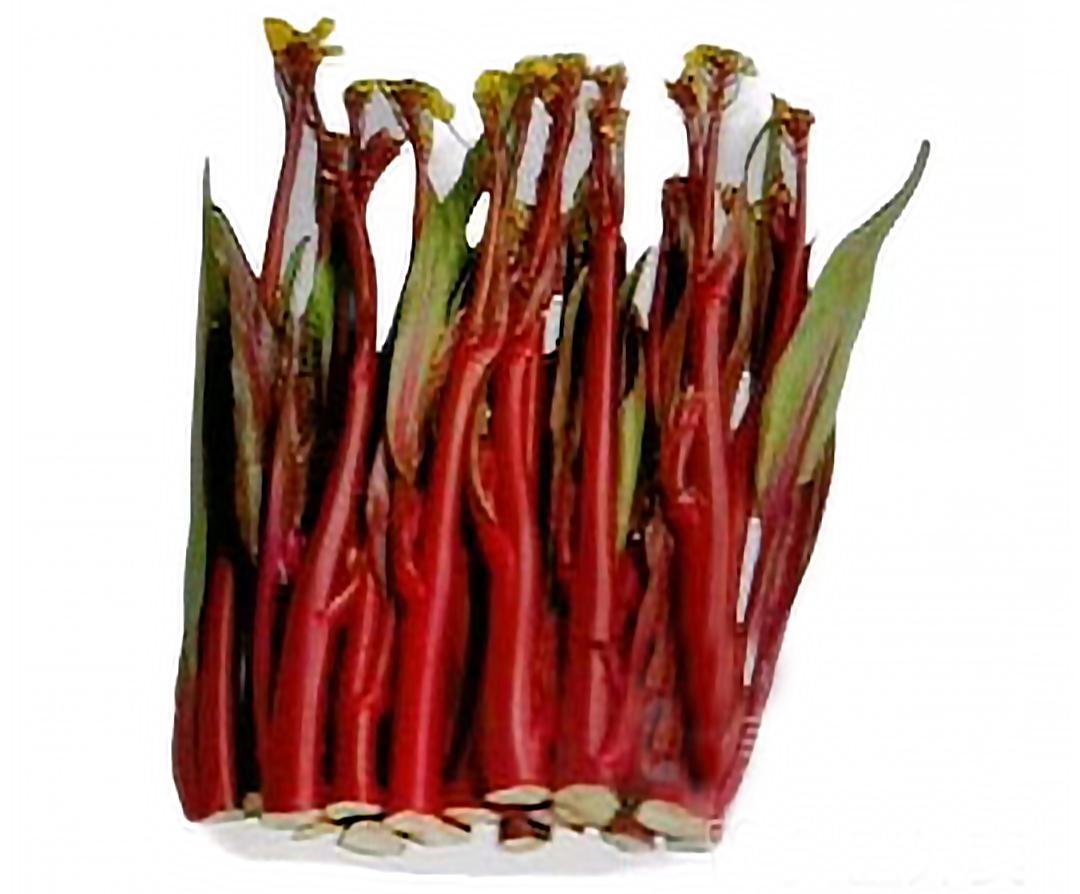
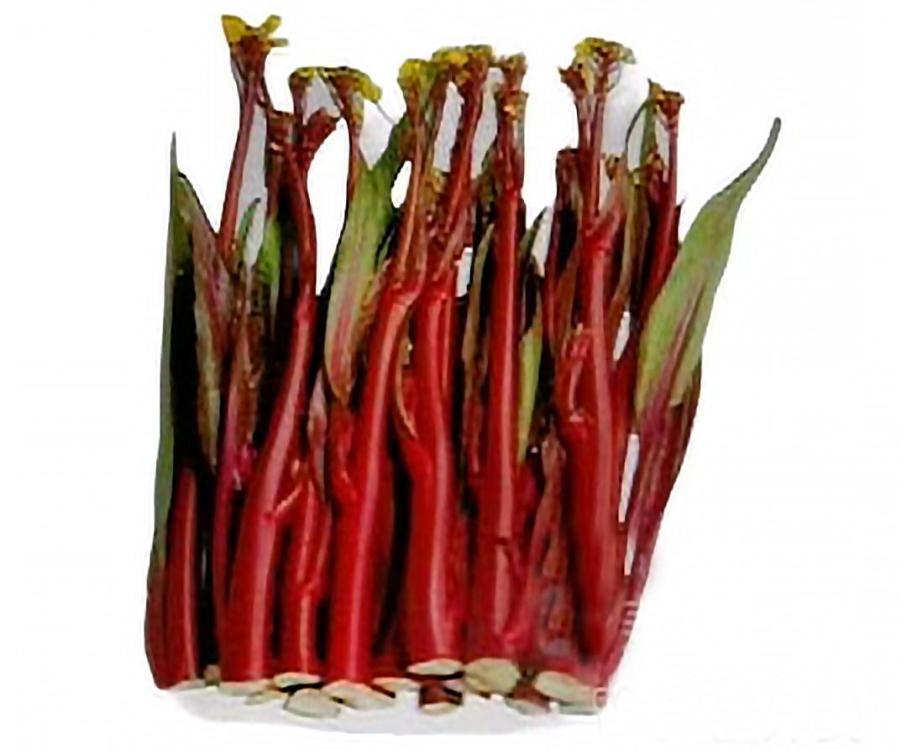
And another. This is 红菜花 (hóng cài huā) or 红菜苔 (hóng cài tāi), red cabbage moss or red canola (rape), a type of brassica. Only found in winter, it is slightly bitter in taste. Popular in Sichuan. The stems and leaves are sliced and stir fried, usually in freshly rendered lard. Unfortunately, it turns green when cooked. There is more information (in fractured English) here. What she translates as 'fuel consumption' is oyster sauce. Go figure!
-
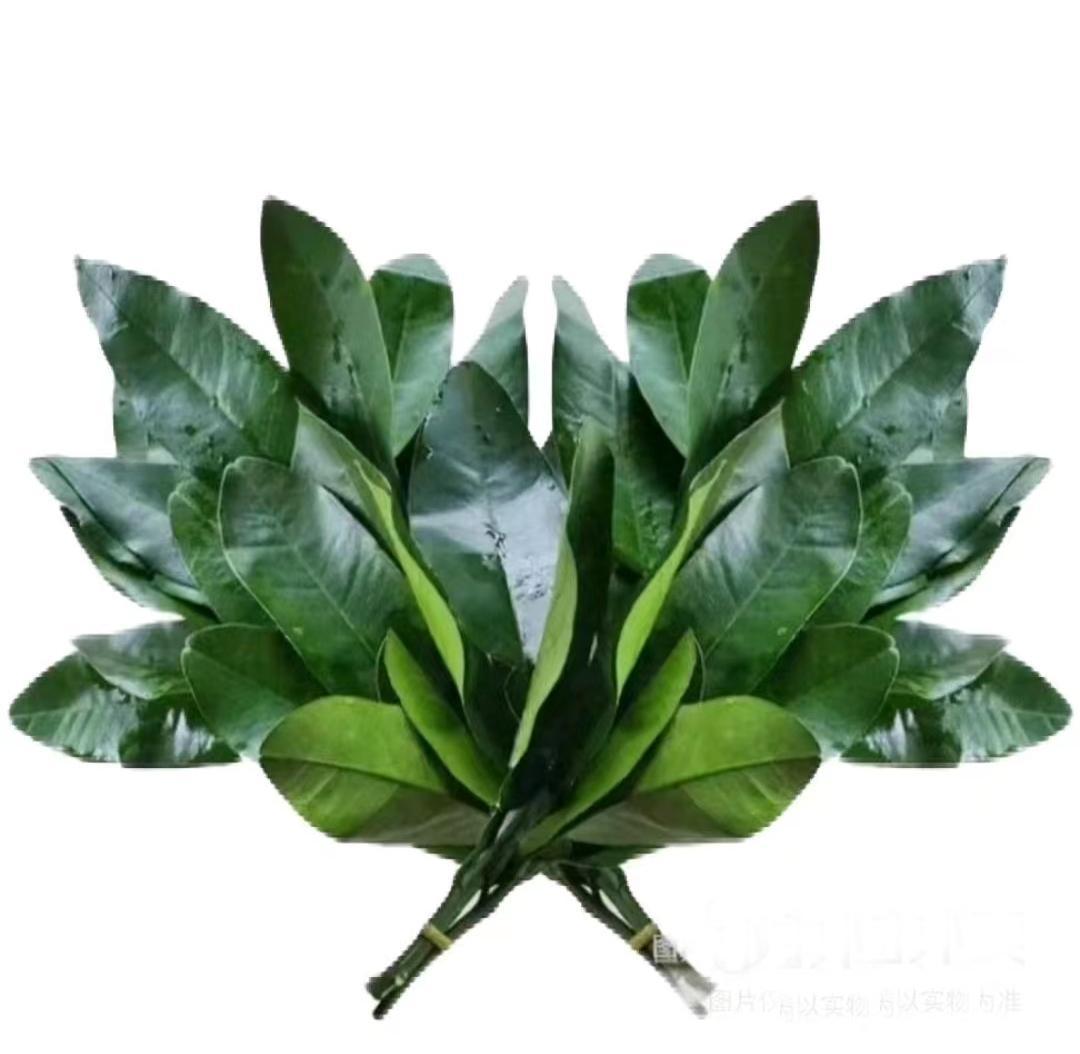
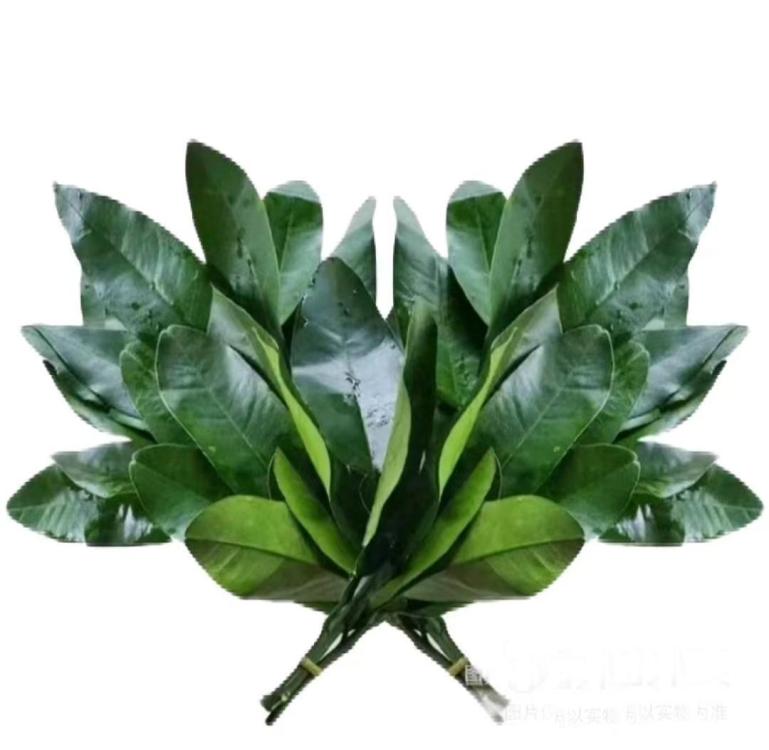
As ever I'm mystified. Today I came across bunches of pomelo leaves being sold in the vegetable section of a supermarket. I've seen every part of the fruit, including the peel, used in recipes here, but never the leaves. Nor can I find any reference to their use in cooking. I know that their essential oils are used in TCM and The Oxford Companion to Food notes that: I suppose they could be used in the same manner as other citrus leaves, especially lime leaves but can find no such evidence. Anyone want to weigh in? Pomelo Leaves
-
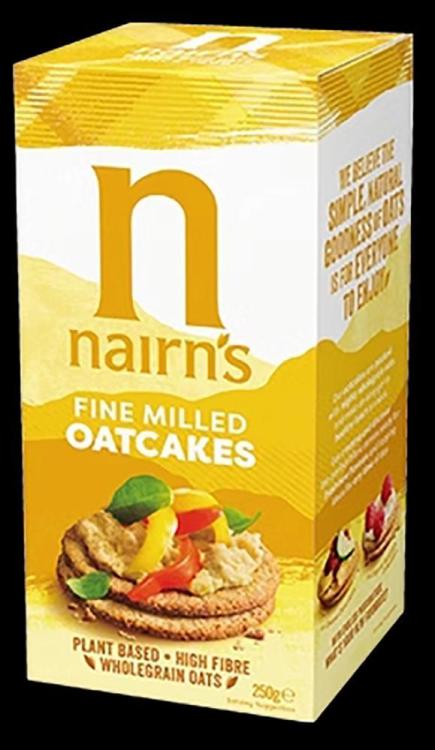
Almost forgot! Oversight corrected. Now ordered. Essential with all that cheese.
-
Indeed. The Spruce Eats is riddled with errors and self-contradicts itself over and over again. I was reading something earlier where it claimed that broccoli isn't grown in China (in an article written by a Chinese-American). China is by far the largest producer of broccoli in the world! And they claim that Sichuan is China's largest province. It isn't. It is particularly weak on Cheese, listing only a handful, and then getting them wrong!
-
I love traditional Port Salud, but it's rare even in France. Nearly all is now industrially made and nothing like the original. The monks who originally made it sold the trademark in the 1950s. You can read the history on the Spruce Eats but take anything it says with a bucket of salt. They claim that it That would be amazing given that the Loire Valley isn't in a Trappist monastery anywhere! It isn't even in Brittany, at all. It is east of Brittany.
-
Feel free! She was a self-confessed hopeless cook. However, she was an accomplished eater! And a stickler for tradition.
-
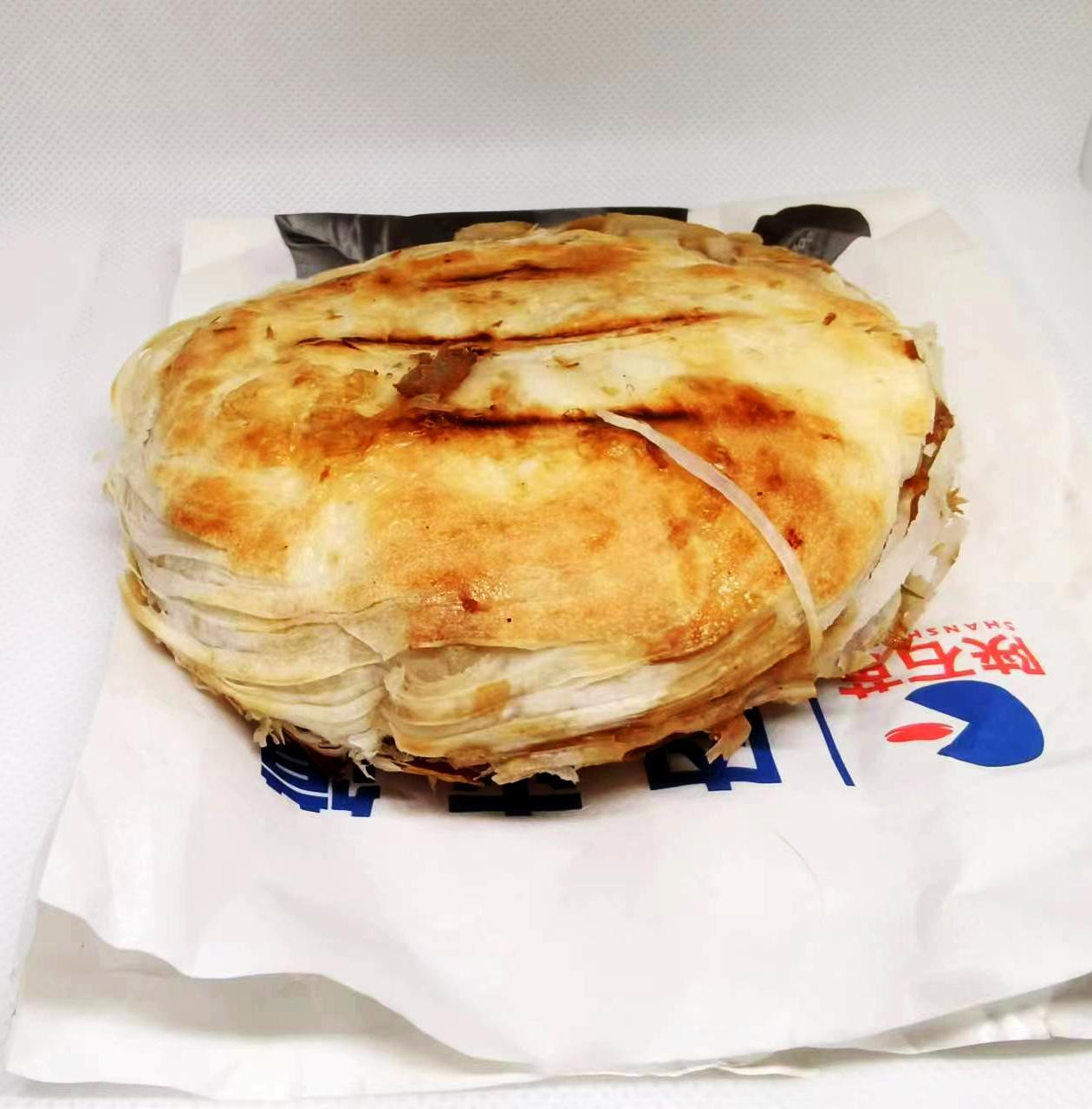
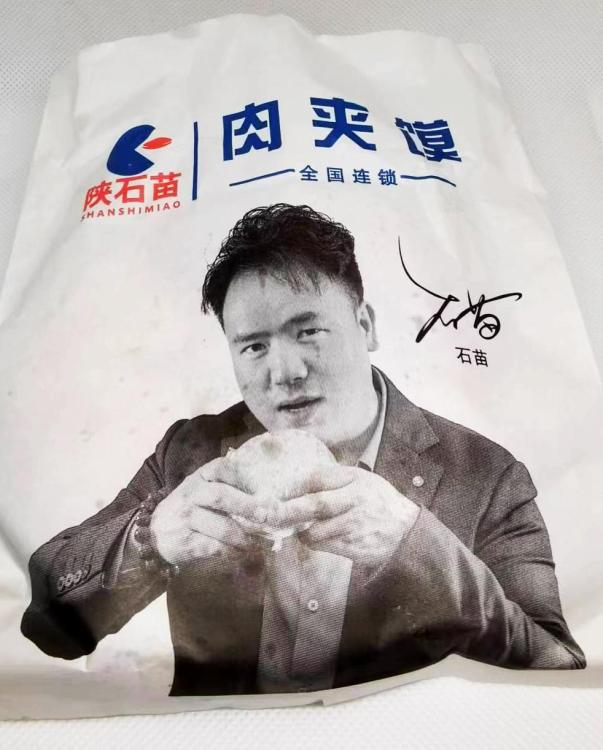
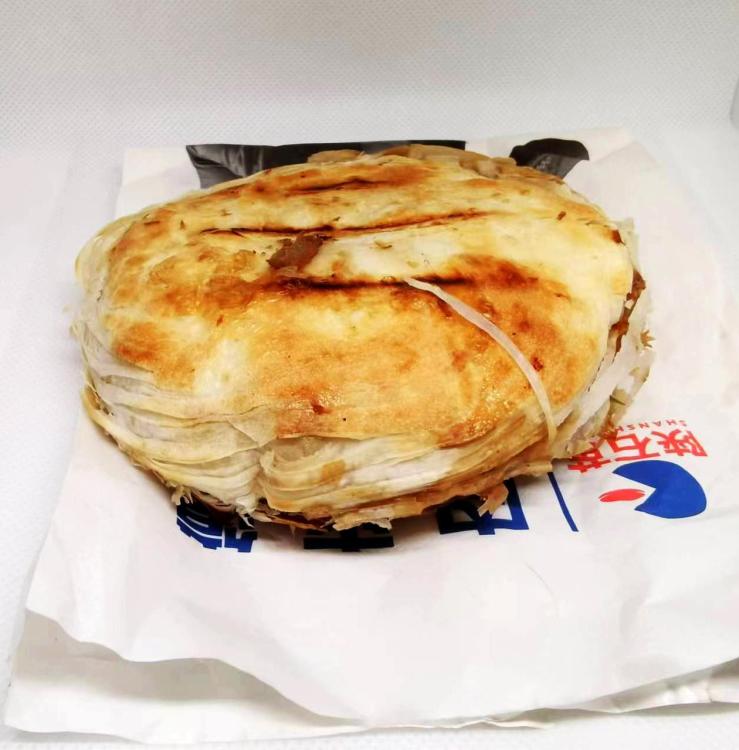
Tonight, a couple of beef rou jia mo. 牛肉夹馍 (niú ròu jiá mó). I don't mean to be immodest, but I make them better myself when I'm up to standing up long enough. Still better than nothing. No idea who the guy on the wrapper is. These were the flaky bread type. Not my favourite, but the filling was nicely spicy, but needed cumin.
-
It may well work, but my French mother would turn in her grave at such an insult to her heritage! I will be having it with pain de la campagne and a fig jam as nature intended and as we have always eaten it at Christmas. I very much doubt she ate a single blueberry in her long life! 😉
-
As any self-respecting Sichuanese cook would.
-
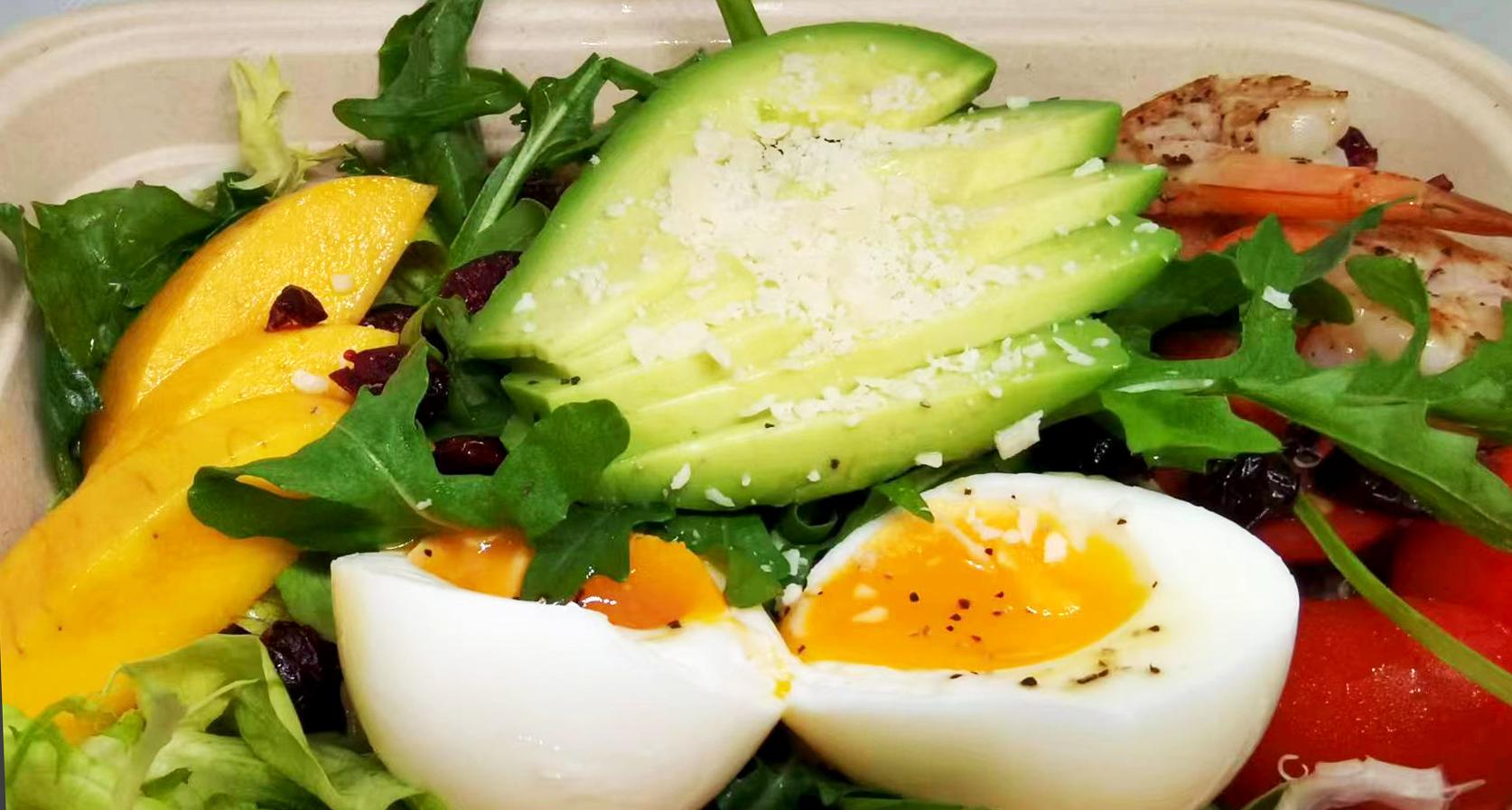
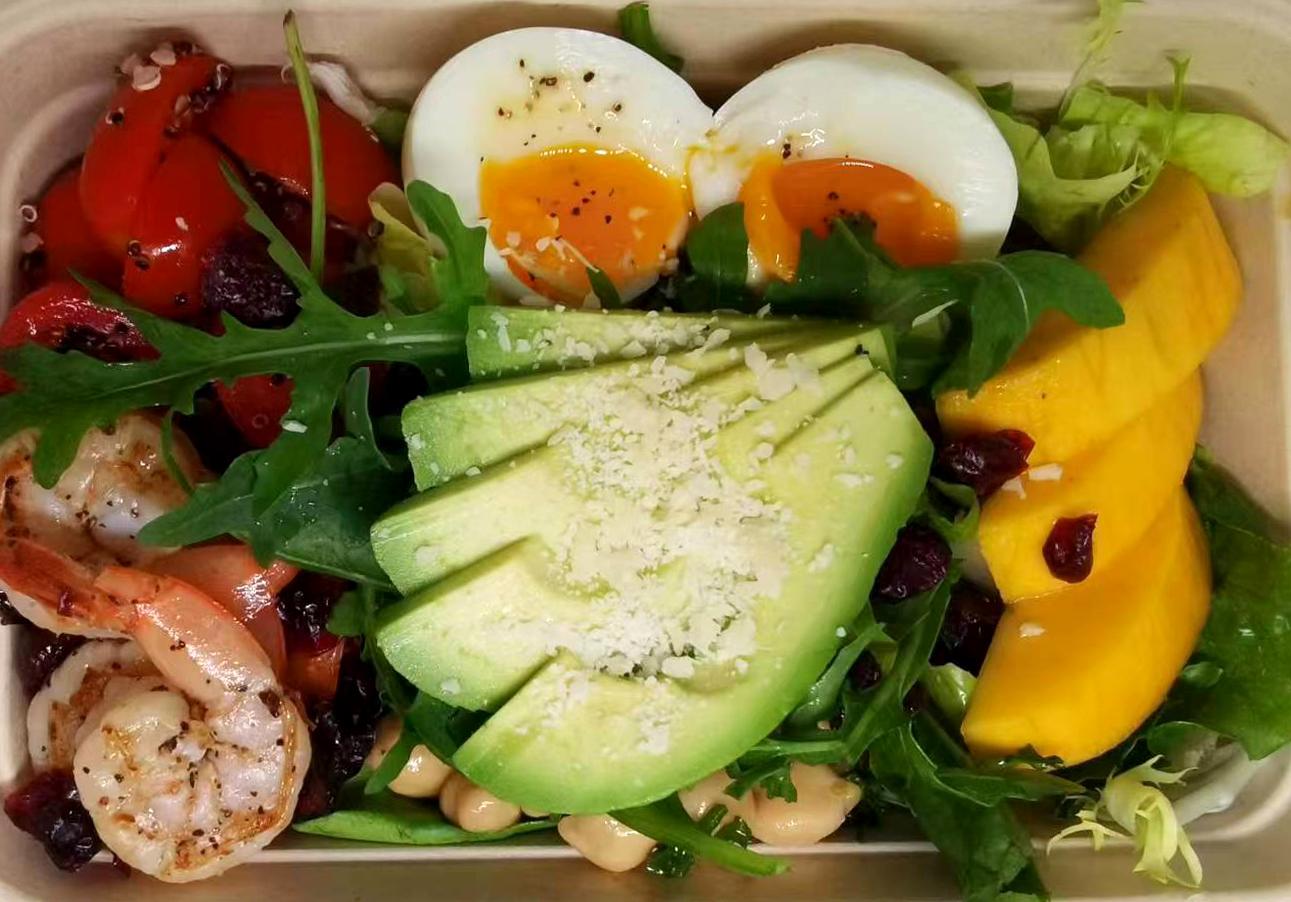
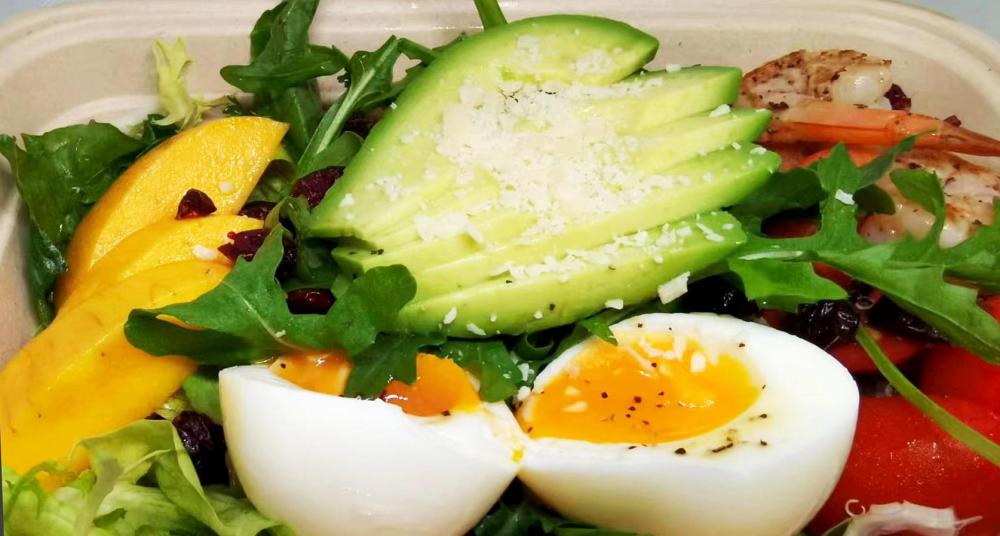
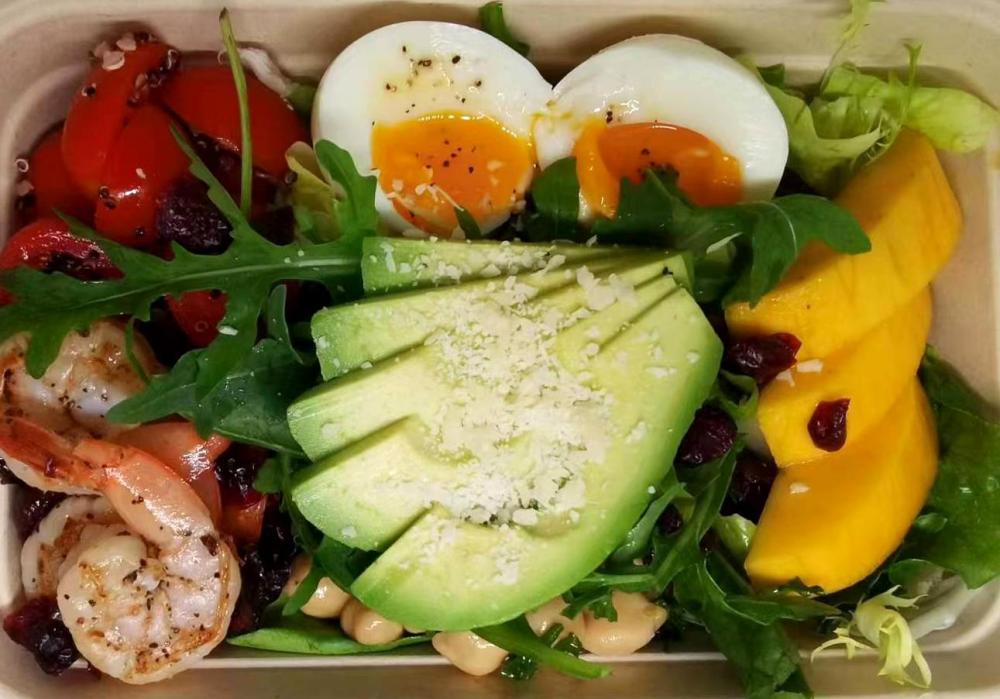
It is from a "Western" restaurant - the one where I get the reasonably good pizza with arugula I've mentioned before. The mango was fine, if not great. We get mangoes pretty much year round here - different types at different times. No idea what the names are, though. Miraculously, none of their offerings include c⊘rn!
-
Shrimp, Avocado and Mango Salad. Also included lettuce, egg, cherry tomatoes, rocket/arugula, red cabbage, chickpeas, endive, quinoa and cranberries(!). Dressed with a honey mustard dressing and sprinkled with "parmesan" sawdust. Strange salad.
-
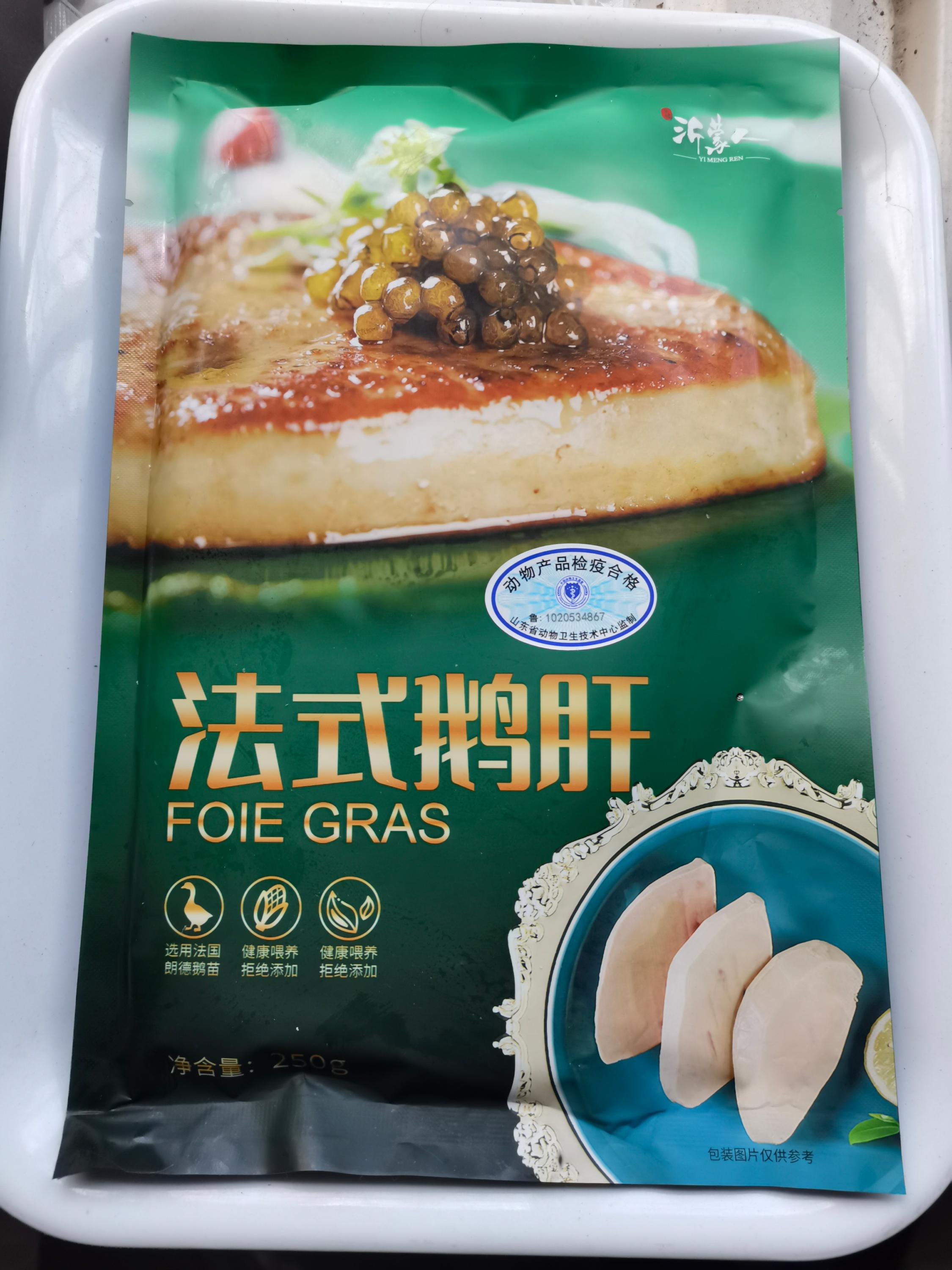
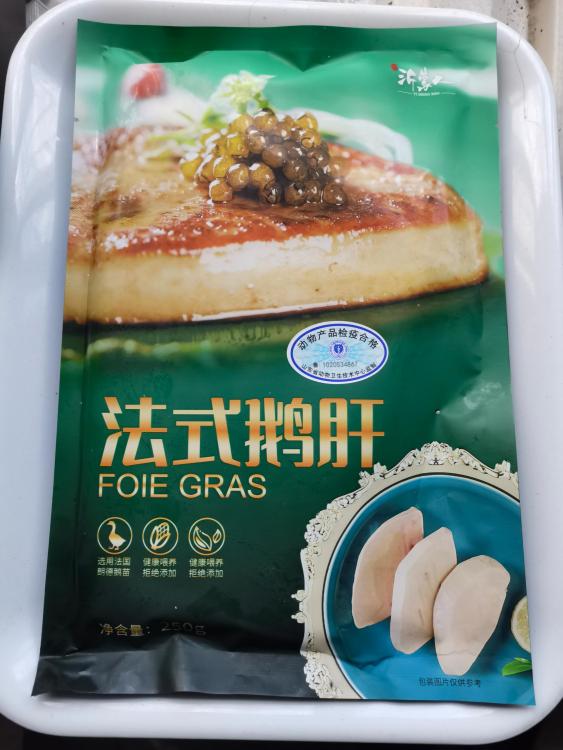
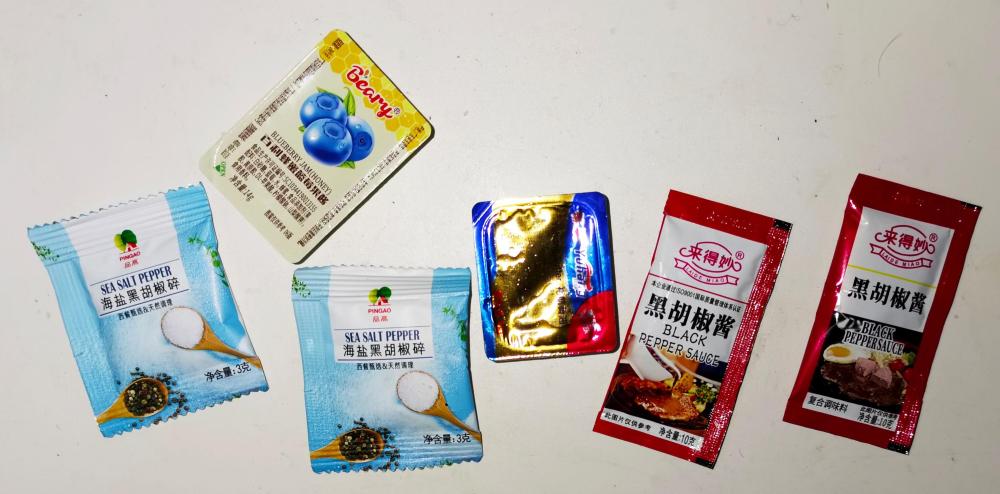
I mentioned that I ordered some goose foie gras for Christmas dinner. It arrived a couple of days ago and is in the freezer. Strangely, it was accompanied by these condiment and seasoning packages. The sea salt and pepper mix I understand (although I have plenty (and better) of both already). The black pepper sauce will go straight into the trash - it is revolting but the Chinese are convinced we foreigners use this muck on everything we eat. The blueberry jam (honey) is a total mystery. Who eats foie gras with blueberry jam (honeyed or not)? Anyone? In the centre is a tiny catering pack of butter. Why?
-
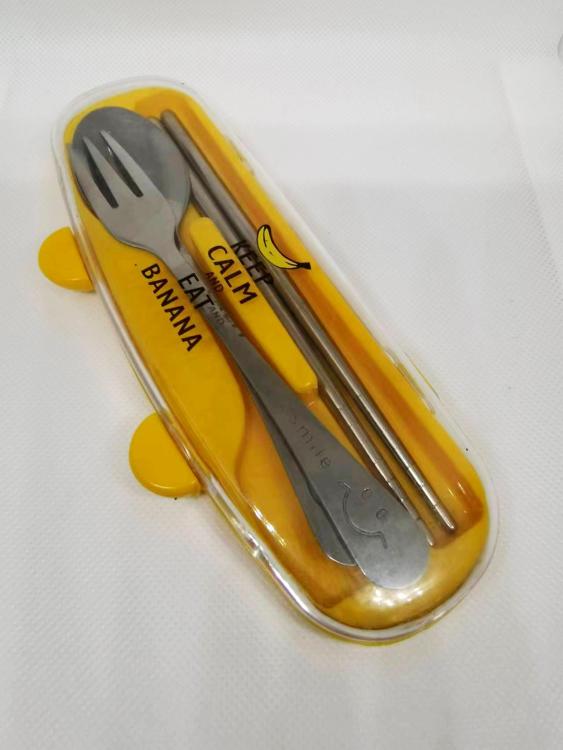
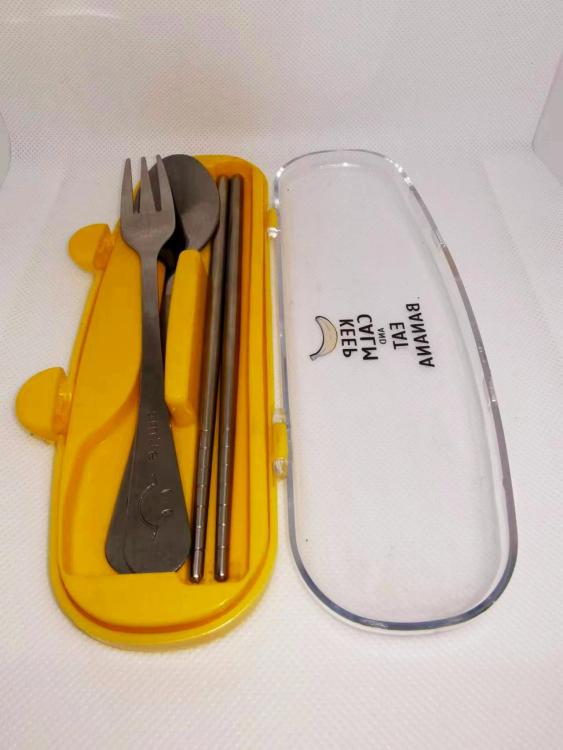
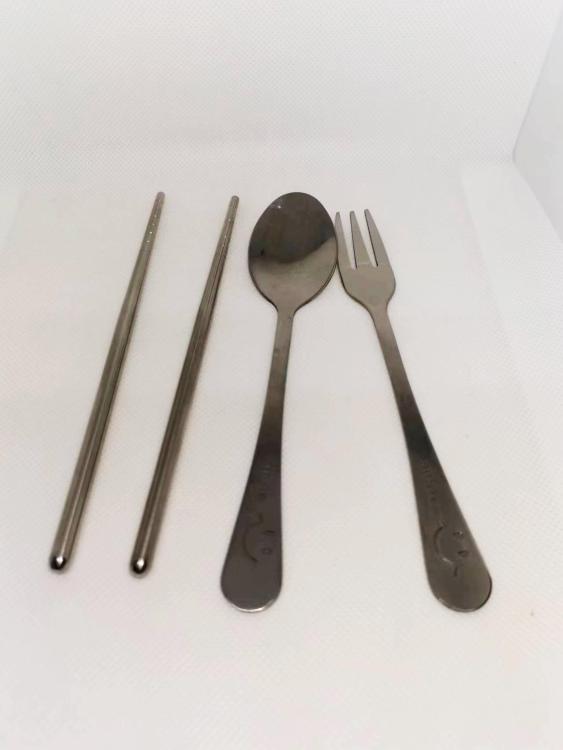
Looking for something else at home, I cam across these which I'd forgotten about. A friend gave me this set a few years back as a kind of joke. A portable set of chopsticks, a spoon and a fork. They are pretty useless. The chopsticks are a mere 6 inches long and difficult to use, although they may suit a child, but I'd still advocate even children using longer sticks.
-
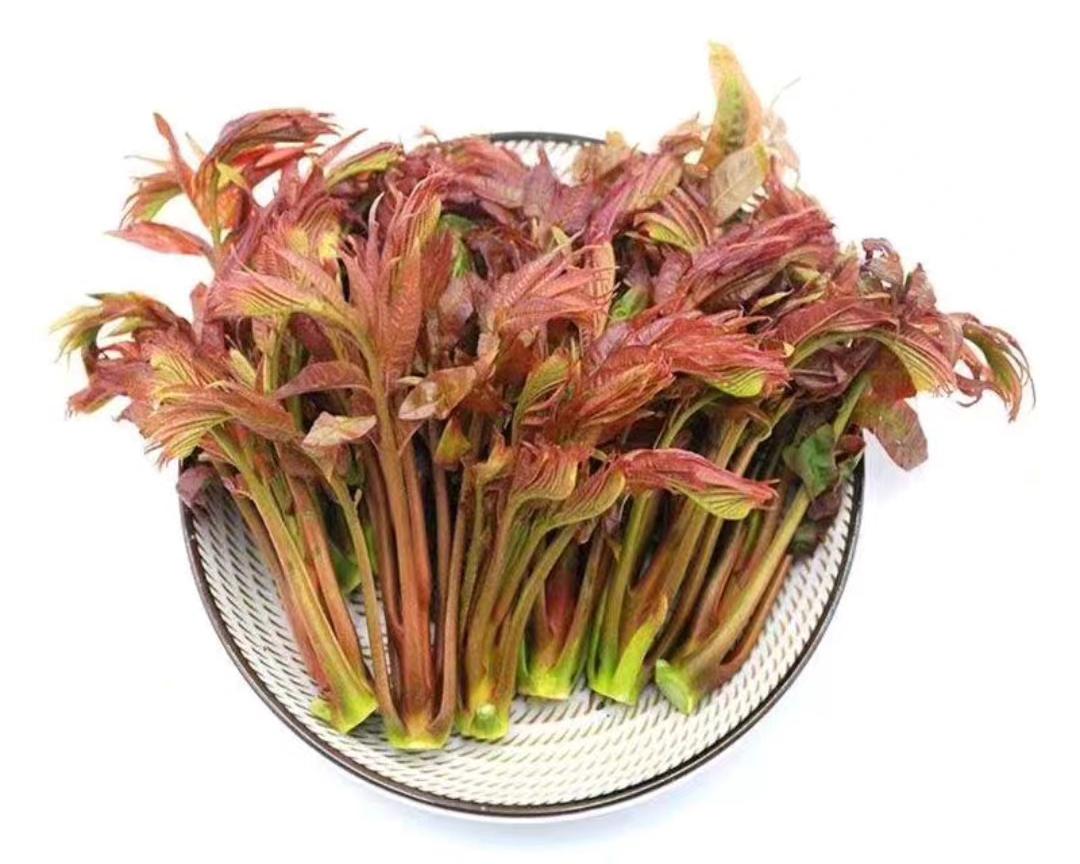
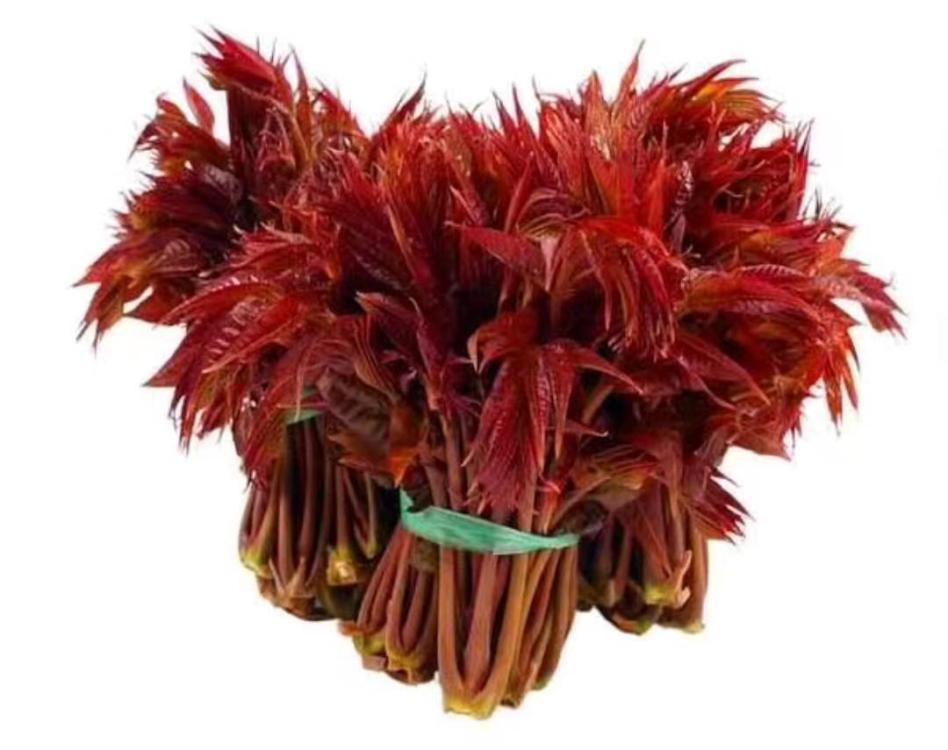
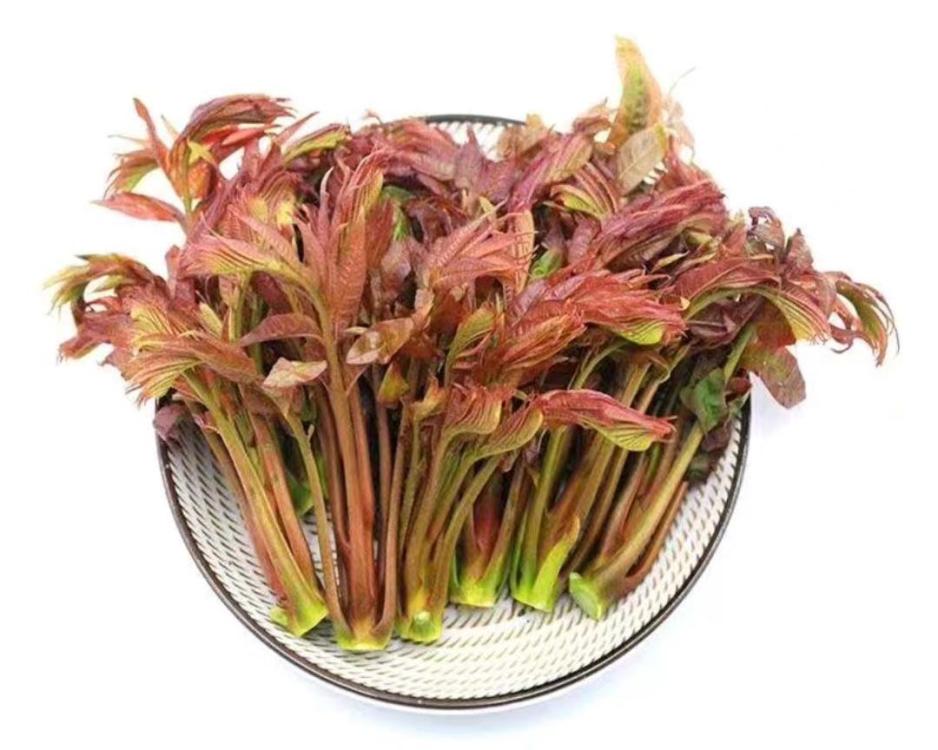
Here is an unusual vegetable in many ways. It is not common even here and only has a two week season at its best. We are looking at 香椿 (xiāng chūn), Chinese toon (Toona sinensis), the leaves of a tree native to China. In fact, it is the only tree found in northern Asia which has edible leaves. The first character in the Chinese name, 香(xiāng) means ‘fragrant’ and is important as there is another type of toon which is anything but fragrant and is inedible. What you need to get hold of is 香椿芽 (xiāng chūn yá) which is ‘toon buds’. These crisp, crunchy and truly aromatic red buds are most commonly paired with eggs with which they have a particular affinity. I’ve had them in omelettes and with scrambled egg. It can also be eaten in salads, especially a tofu salad with oil, lemon juice and walnuts. The deeper the red colour is, the better. And the pricier. Those in my first picture cost 66.50 元 for 100 grams; the paler ones in the second picture were a mere 11.60 元 for 100 g.
-
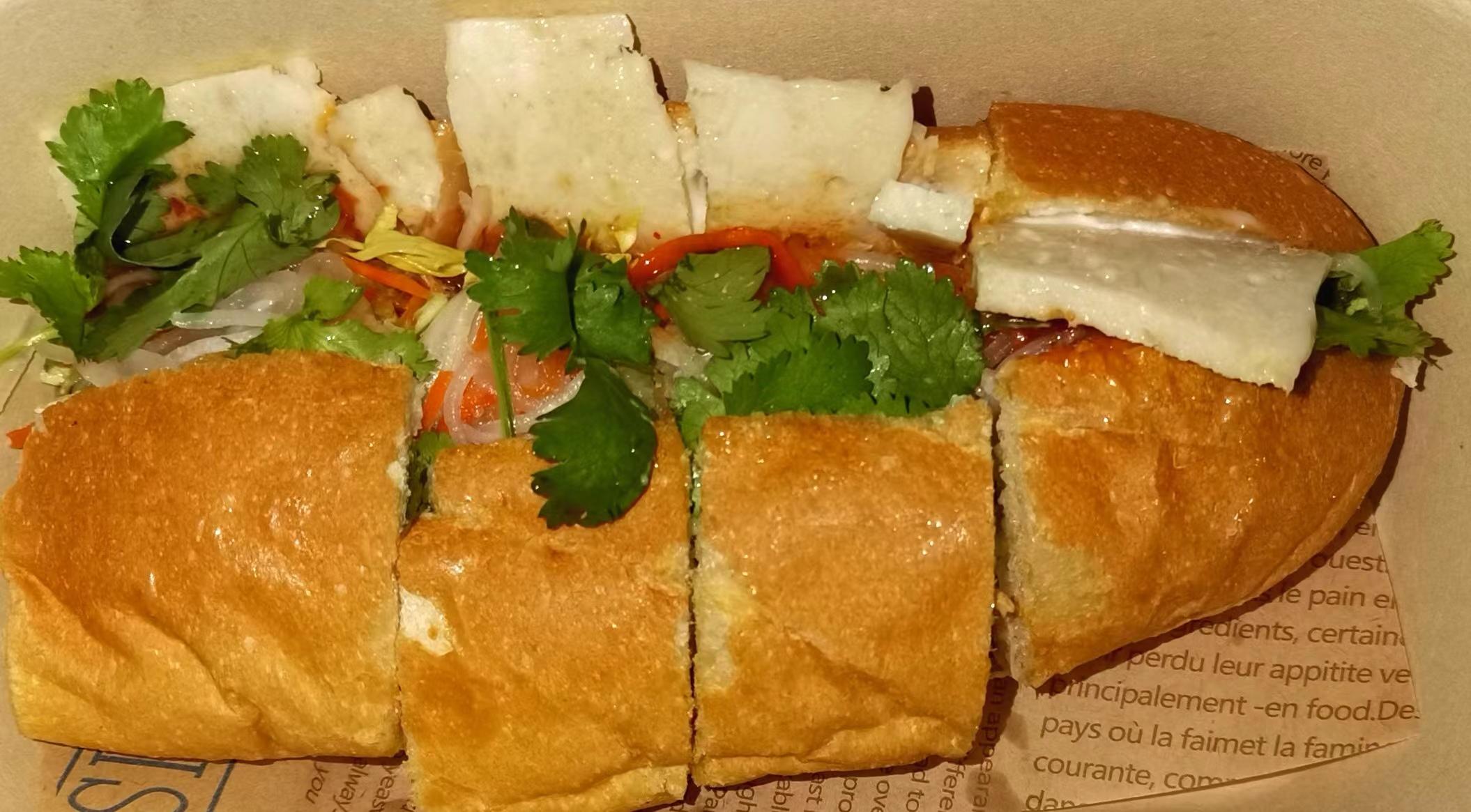
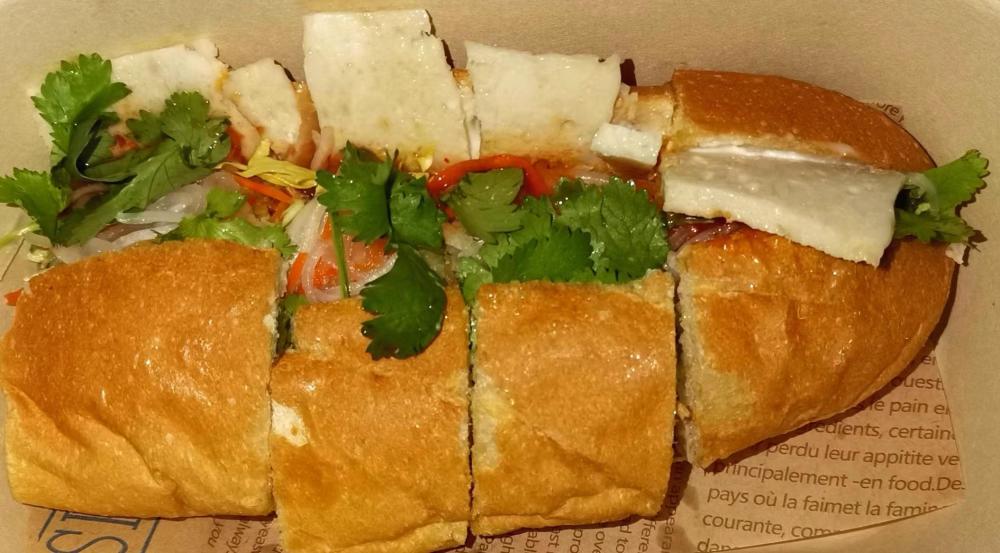
Bánh mì from local Vietnamese restaurant.
-
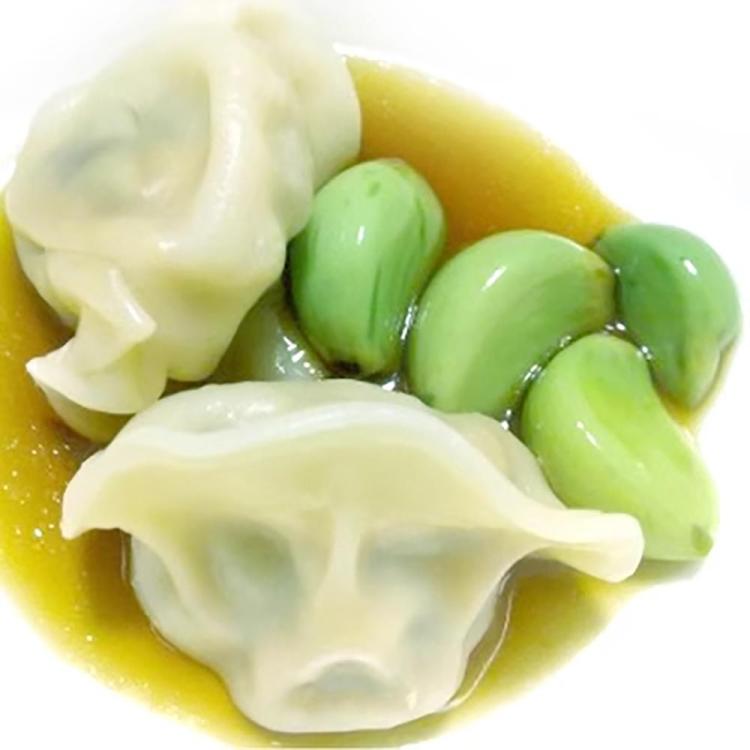
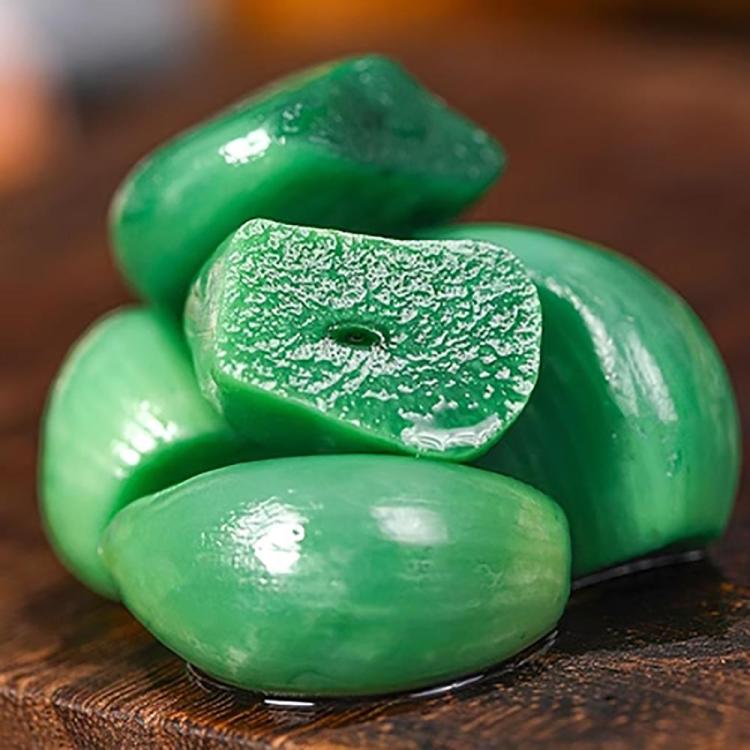
@Tropicalsenior I had remembered that you undertook that project but couldn't remember where you posted the details.Thanks for the link. I will add that even the commercially produced Laba green garlic varies in the intensity of the colour. The one I posted above is particularly green; other examples can be a lot less so.
-
Delivery. Almost every restaurant in the city delivers. 100s of thousands of them. This one is 1.1 km away, but I regularly order from others 3 or 4 times that distant. Due to health issues, I have been relying on them for about the last year.
-
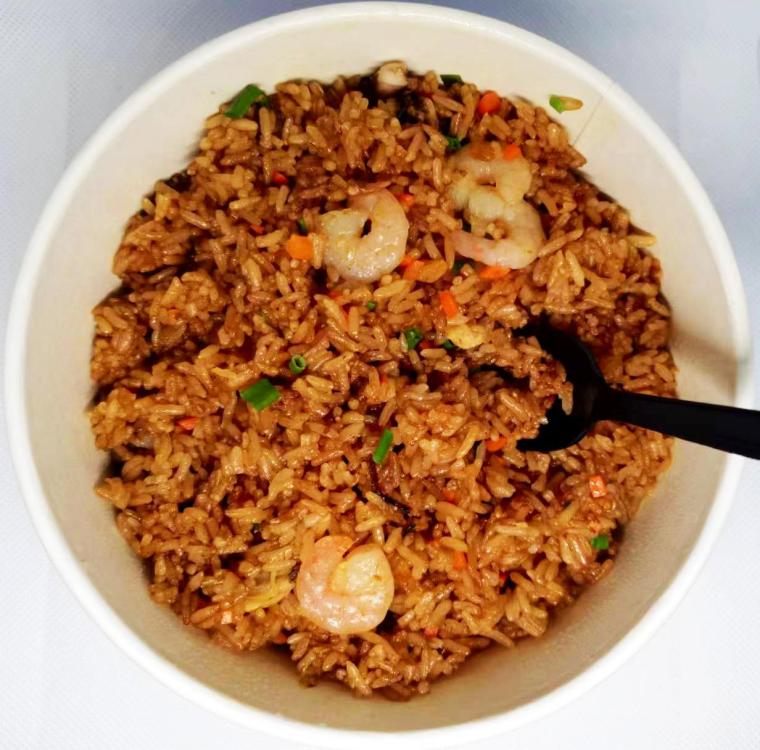
My stand-by when I can't think what I want. 海鲜炒饭配额外的虾 (hǎi xiān chǎo fàn pèi é wài de xiā), seafood fried rice with extra shrimp. Contains clams, squid, scallops and shrimp besides carrot Chinese chives and rice.
-
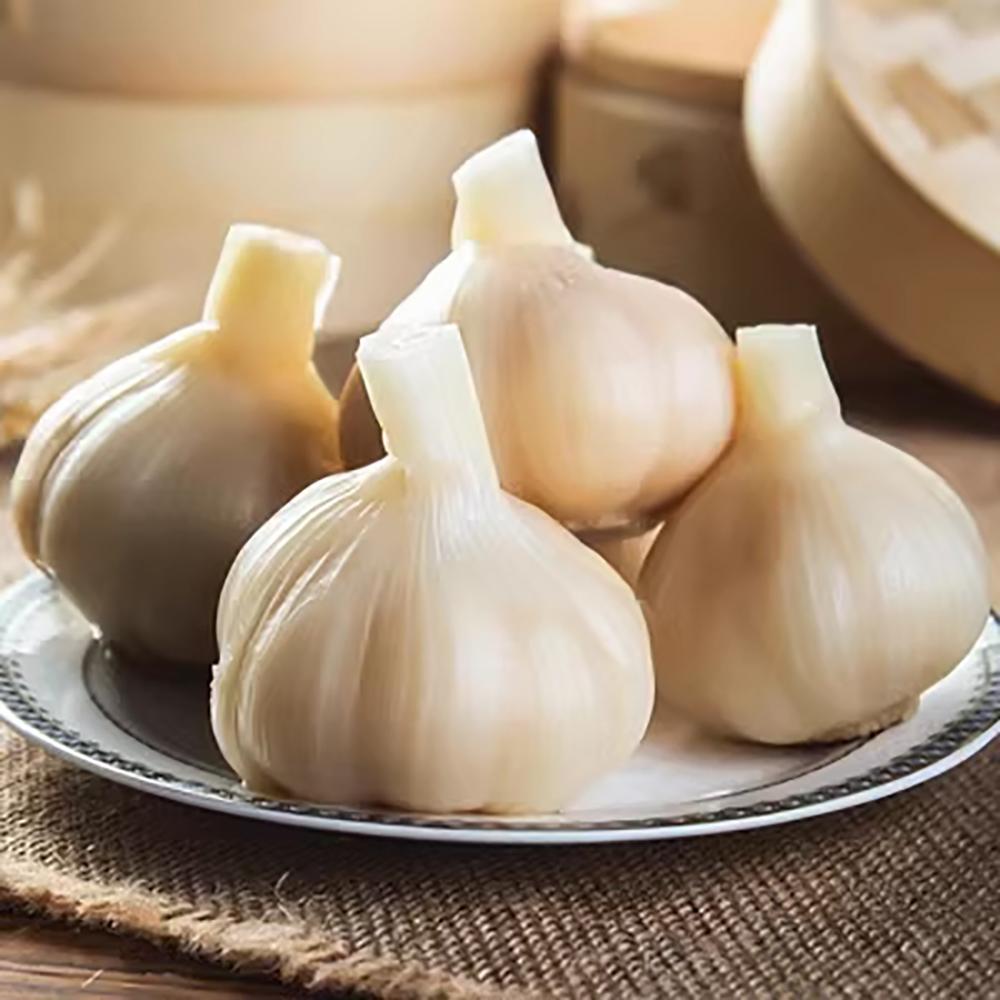
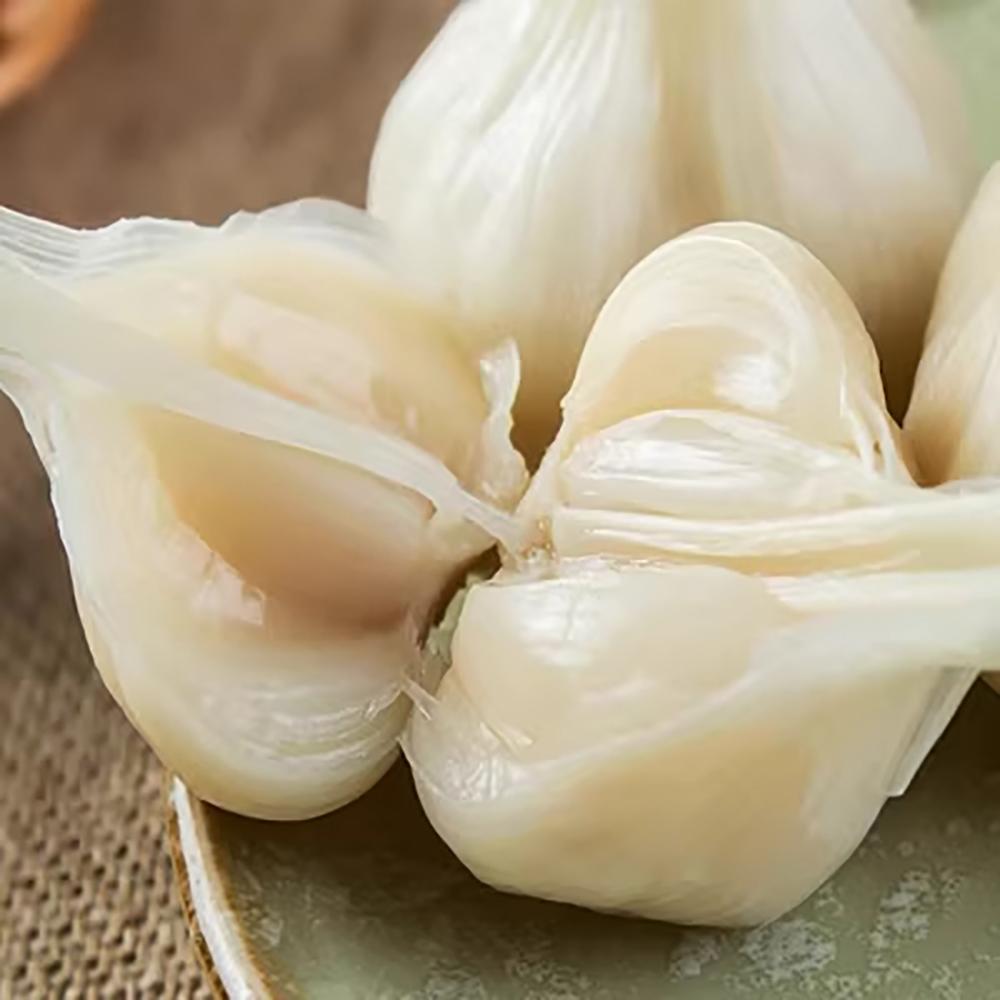
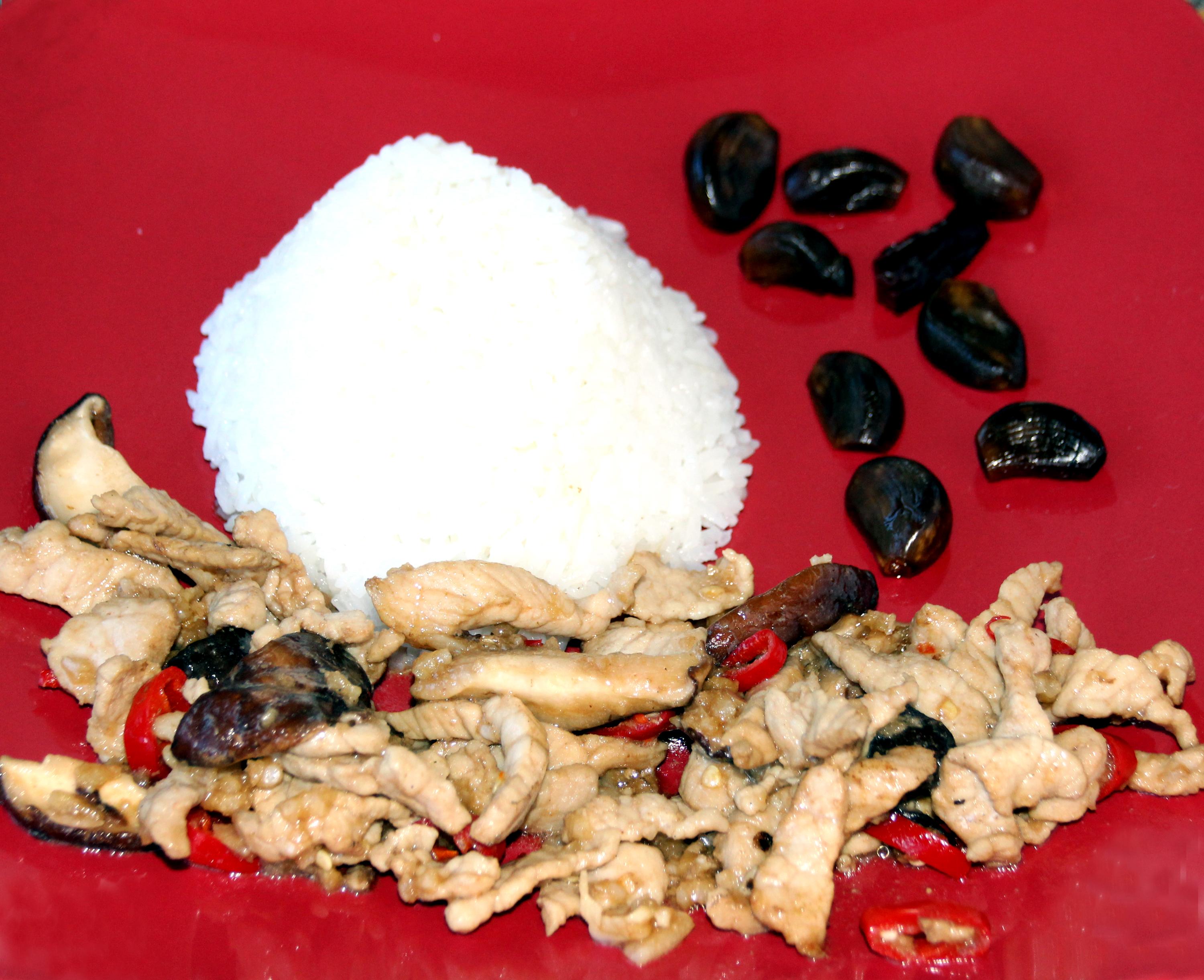
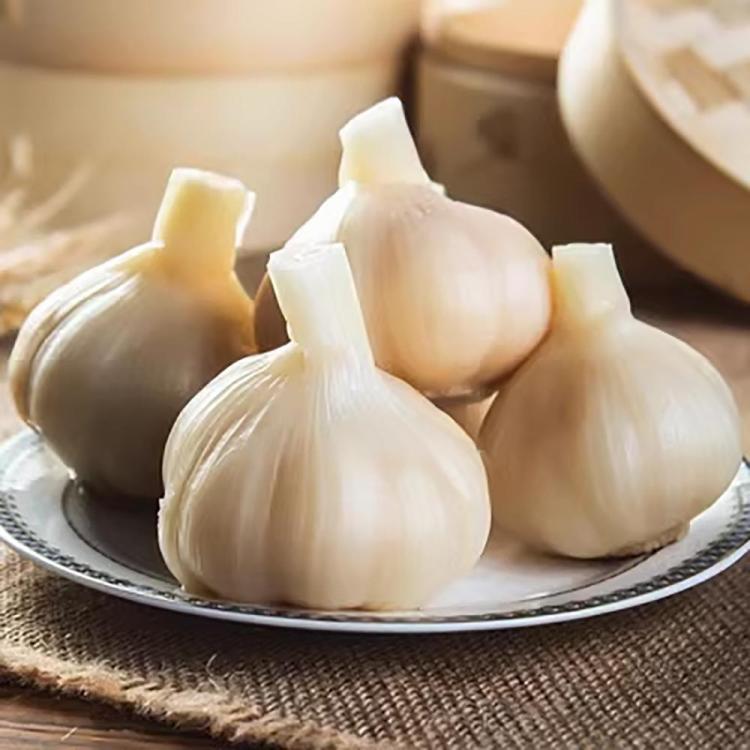
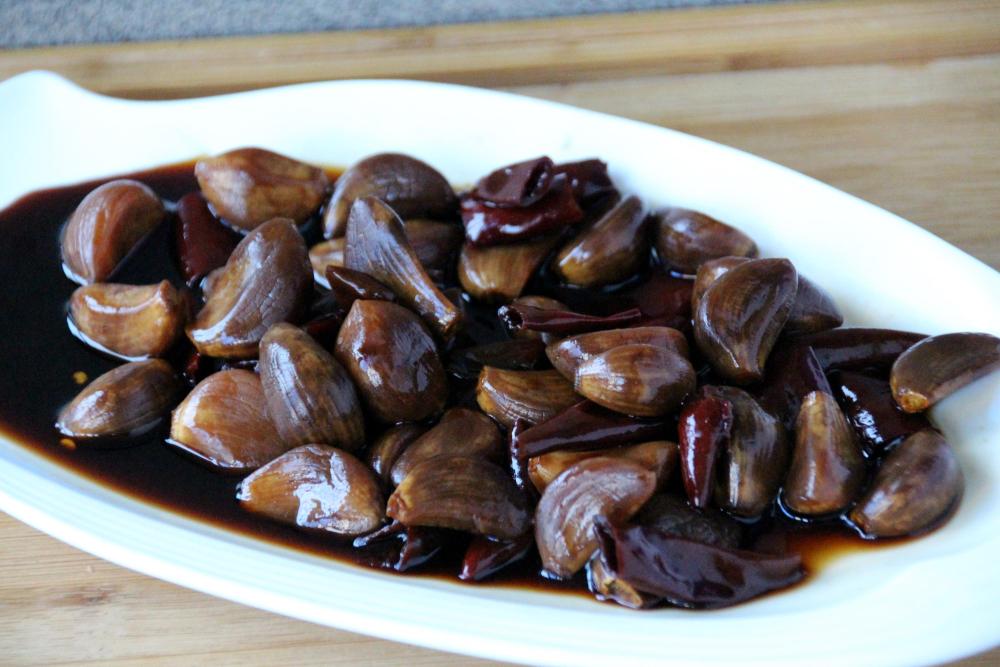
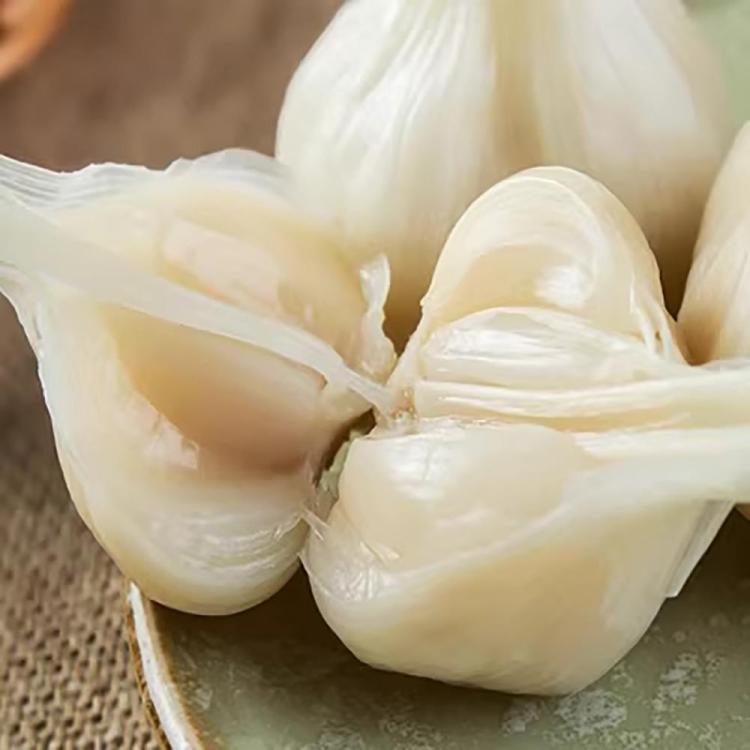
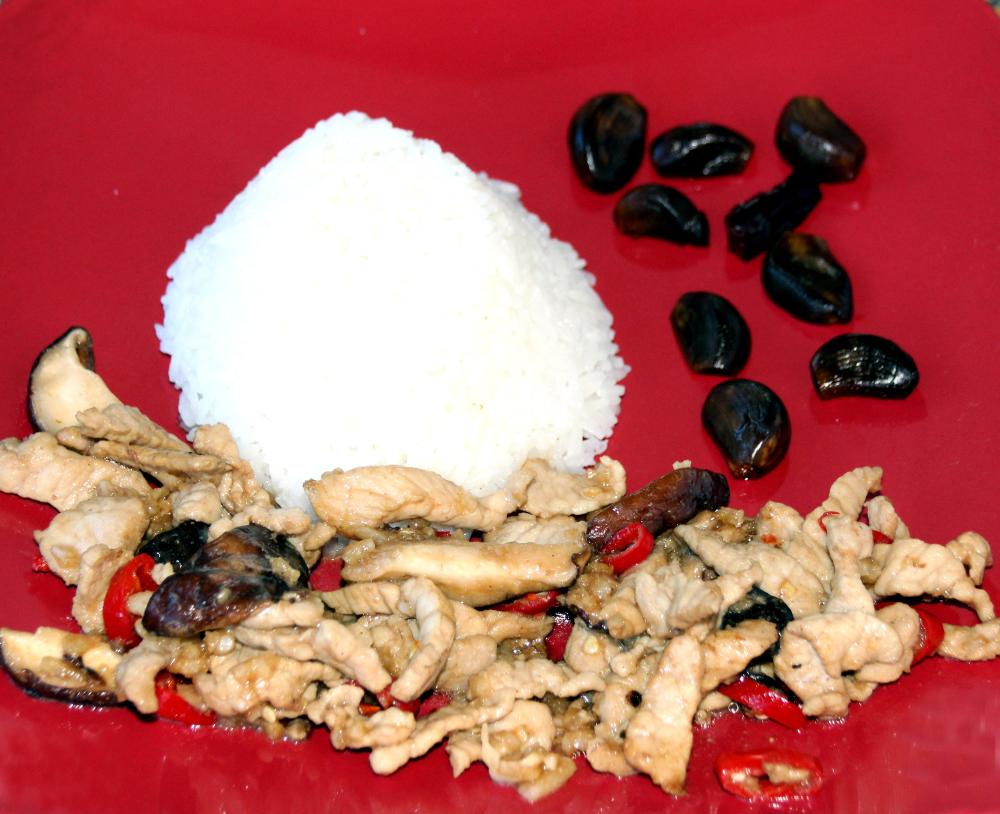
Sweet and sour pickled garlic (糖醋蒜 -táng cù suàn) is very common in Chinese cuisine. Sold bottled or loose in many supermarkets and markets. Either whole bulbs or single cloves. One unusual treatment is Laba Garlic (腊八蒜 - là bā suàn), which is green. Then we have soy sauce pickled garlic (酱香蒜 - jiàng xiāng suàn), a Guangxi specialty. I often serve the latter with shiitake and pork stir fry.
-
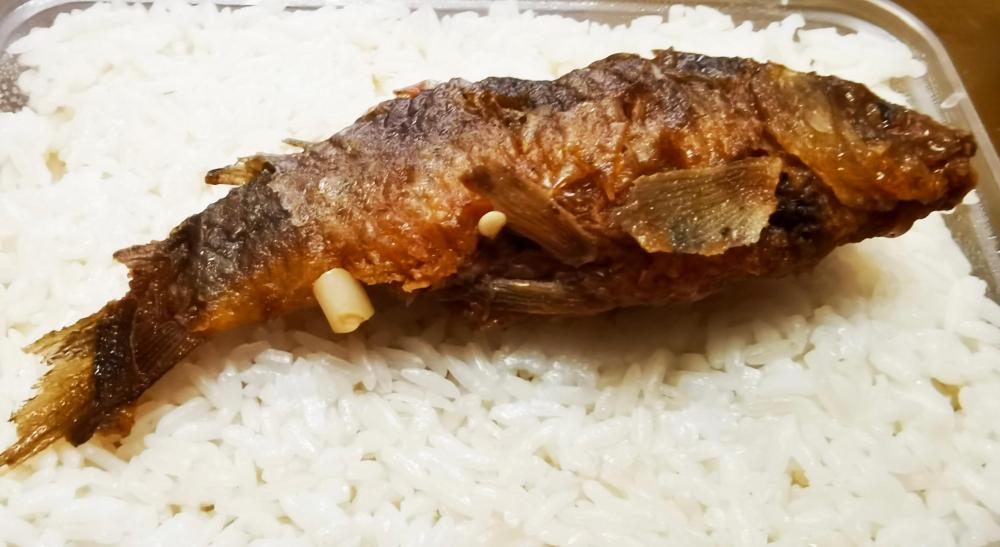
The fish are normally sold live and cooked immediately. No time for spoilage. That said Several fish are sold and eaten ungutted. Whitebait, the young fry of small fish, such as sprats, herrings or anchovies, is a common example.
-
Here in southern China, very common. Elsewhere in China, not so much. They are widely used in ethnic minority cuisines, but rarely in the majority Han cuisines. Zhuang lemon duck is probably the best known minority usage. The Chinese Lemon Chicken dish served in so many western "Chinese" restaurants is unknown here.
-
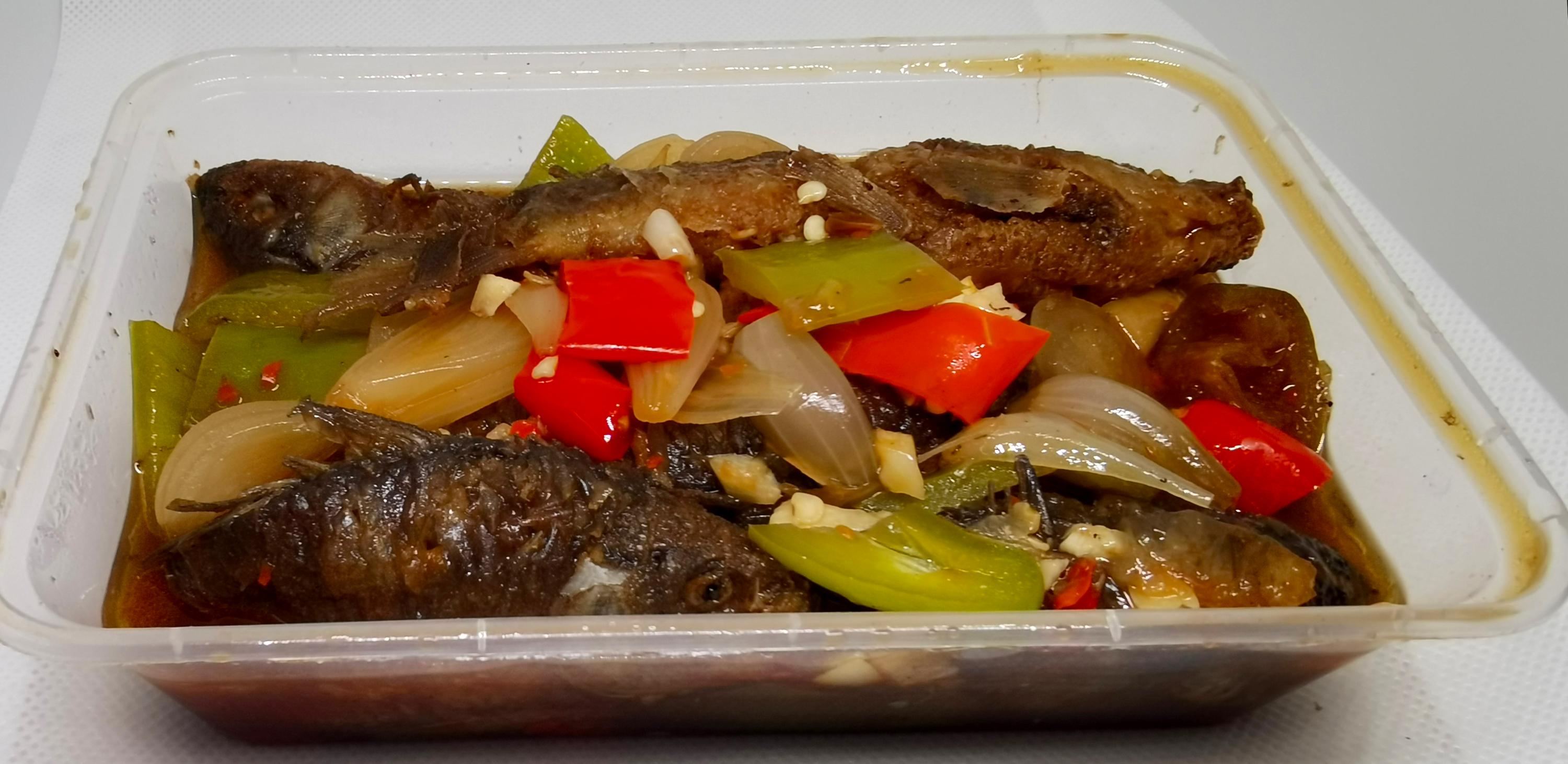
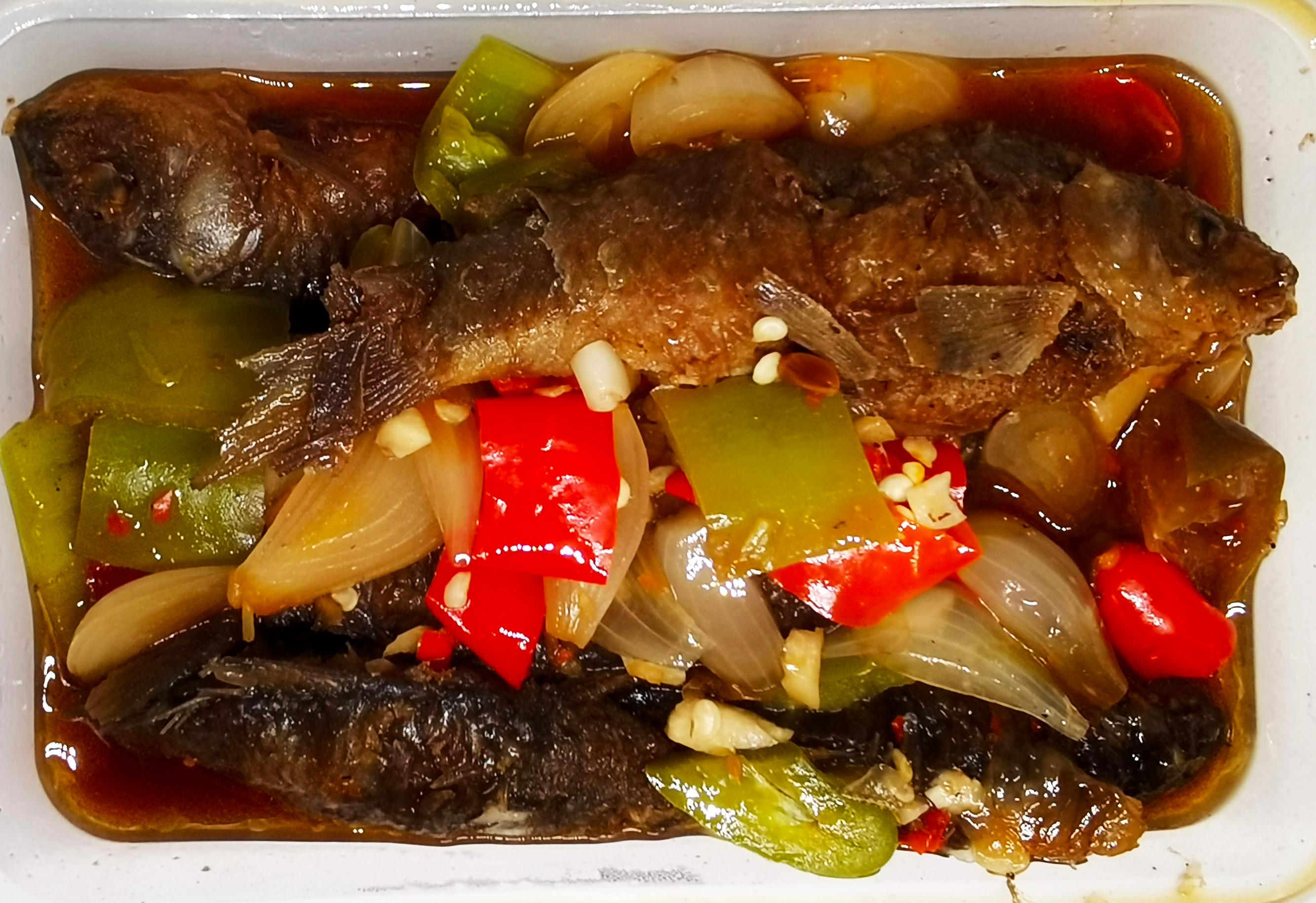
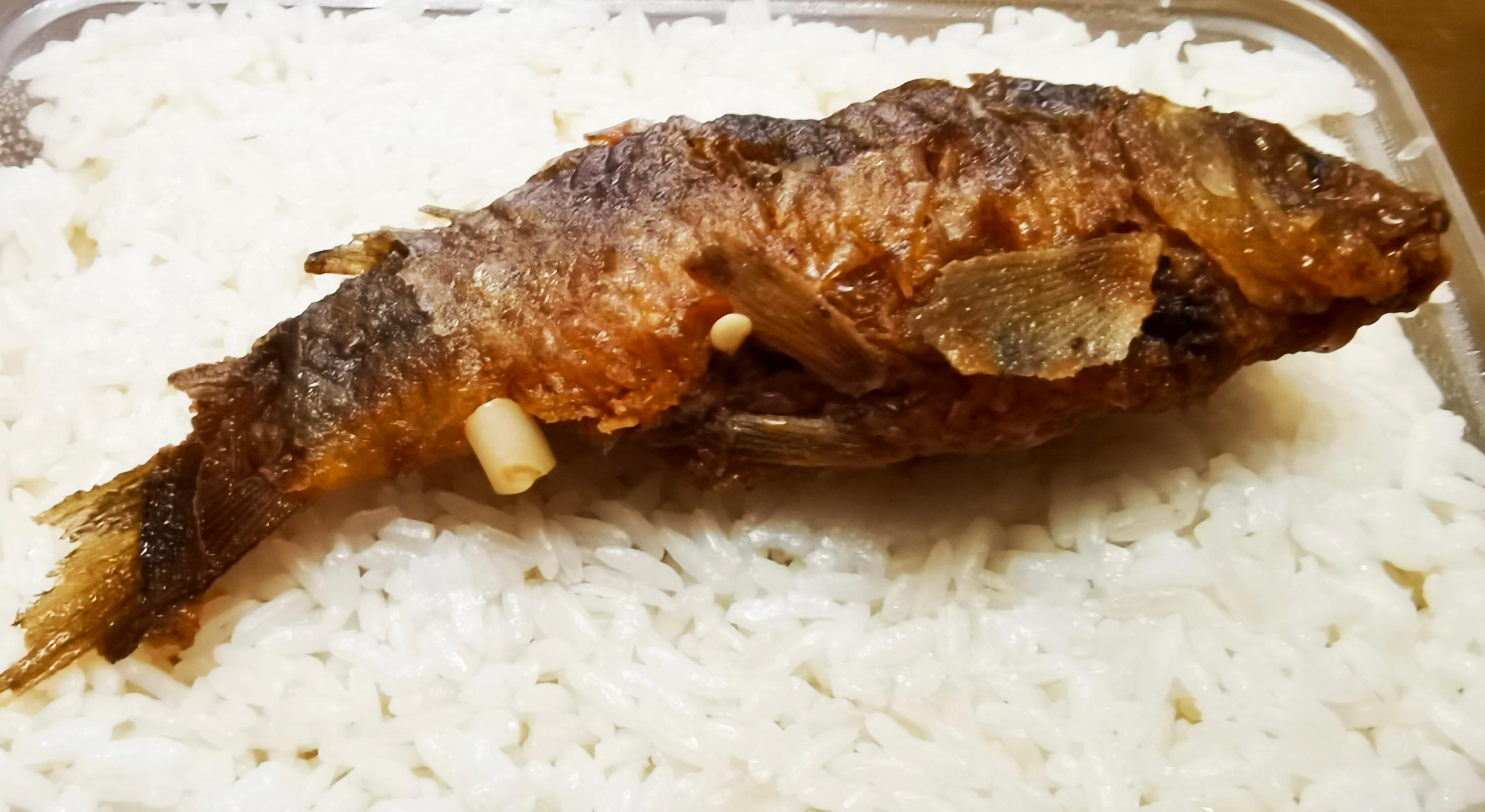
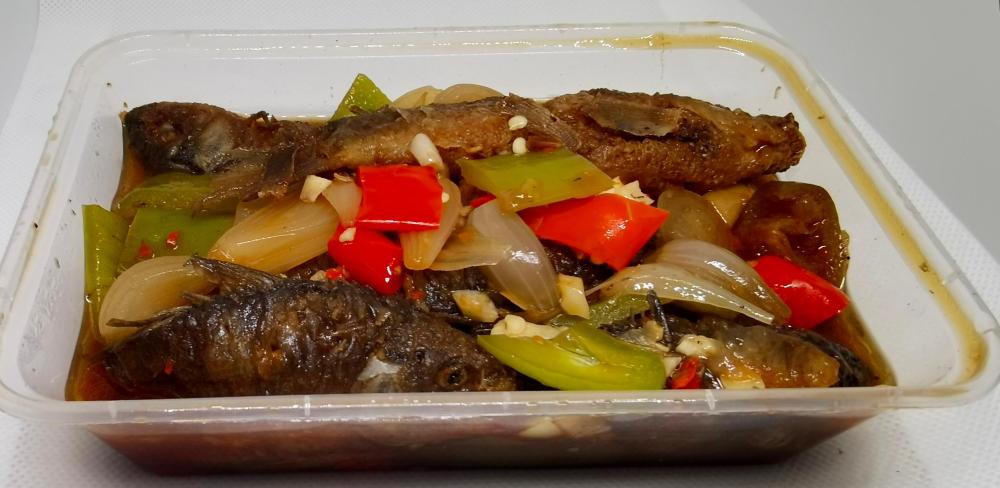
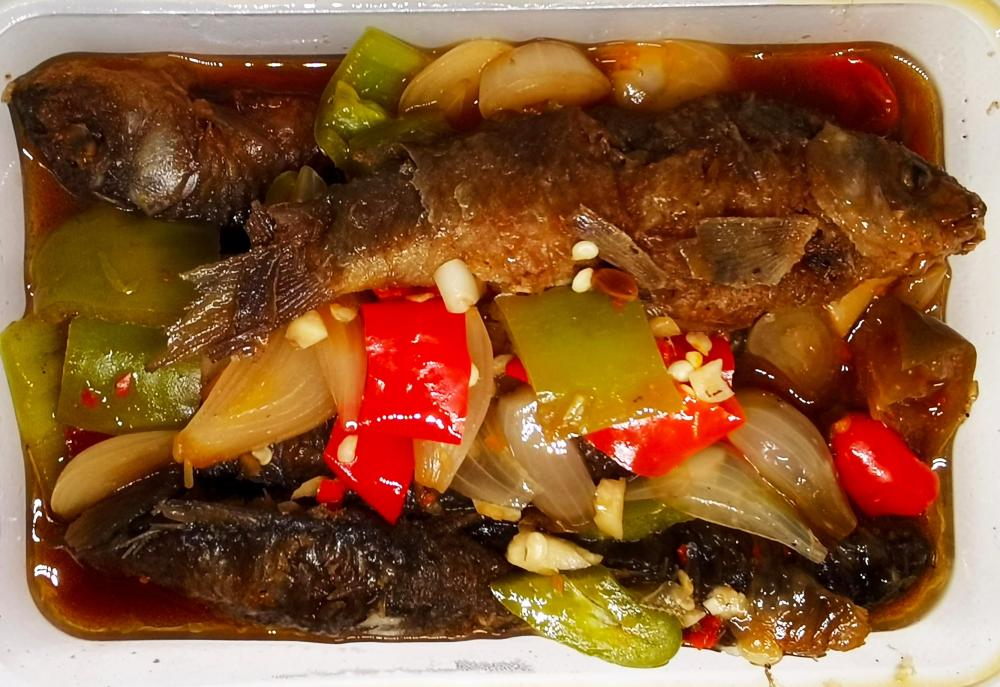
柠檬禾花鱼 (níng méng hé huā yú), Lemon Grass* Flower Fish 禾花鱼 (hé huā yú) are a type of small (10 cm / 4 inch long), soft boned carp (Cyprinus carpio var. Quanzhouensis**) which have been introduced to rice paddies throughout the rice-growing world. This allows subsistence and smallholding farmers to harvest two crops from the same plot of land while the fish help control insects and aid fertilisation while the rice plants simultaneously give shelter to the fish. Symbiosis rules! Everyone’s a winner. See here for a more detailed explanation. This dish is from a Hunan restaurant but is common among the Miao, Dong and Yao ethnic minorities in Guizhou and Guangxi, too. * The fish are “grass flower fish” and are cooked with lemon. There is no “lemongrass” involved! Besides the very noticeable lemon, the dish contains both green and red chillies, pickled onions, garlic and soy sauce. The fish are served whole, ungutted and with bones. The dish is very acidic.These ethnic minorities are well-known for their love of 酸 (suān), meaning 'sour' or 'tart' flavours, and so am I. ** The scientific name relates to the fish and rice farming technique first becoming famous in Quanzhou, a prefecture in Fujian province, East China, but it is now country-wide and beyond.
-
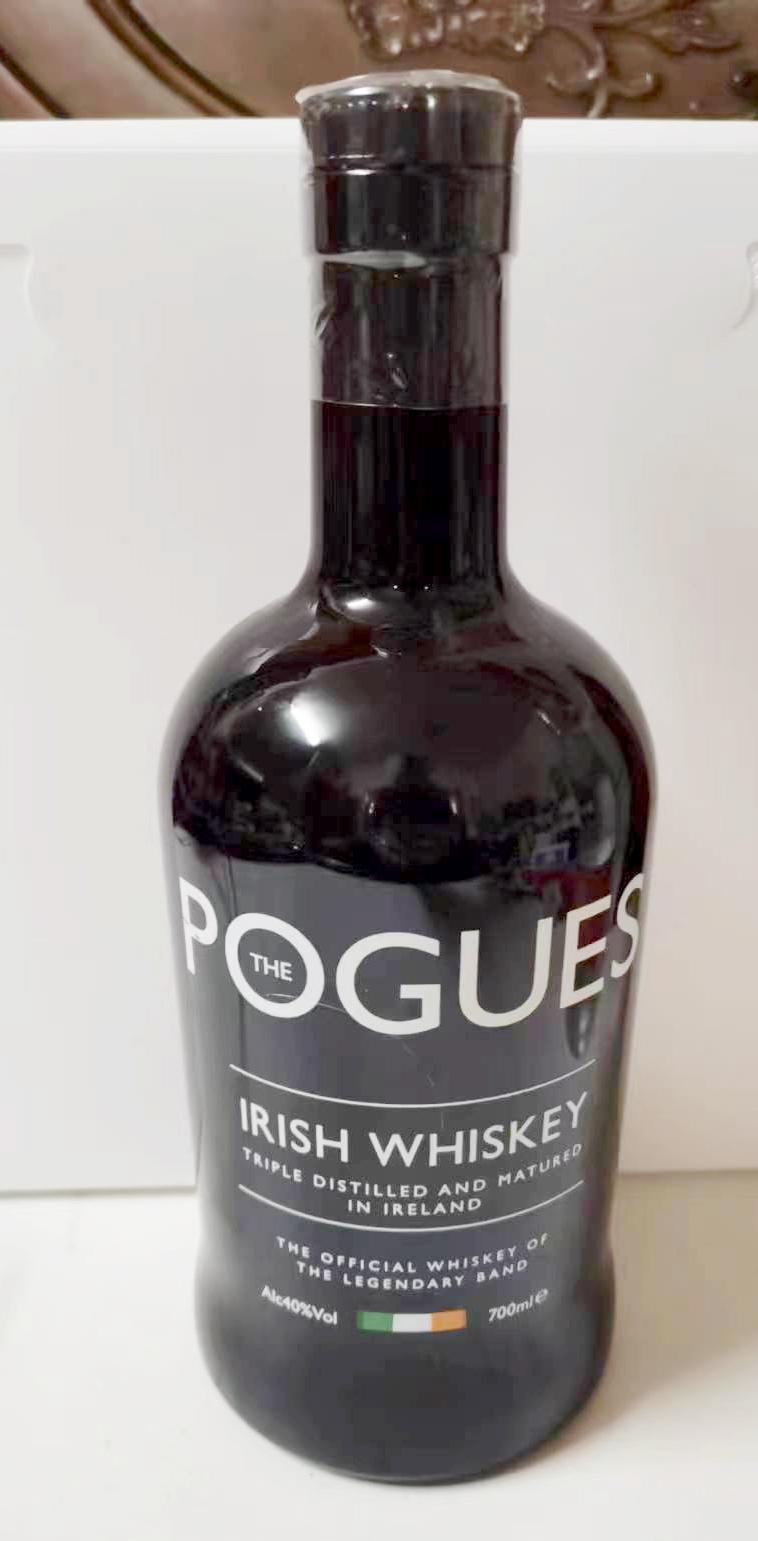
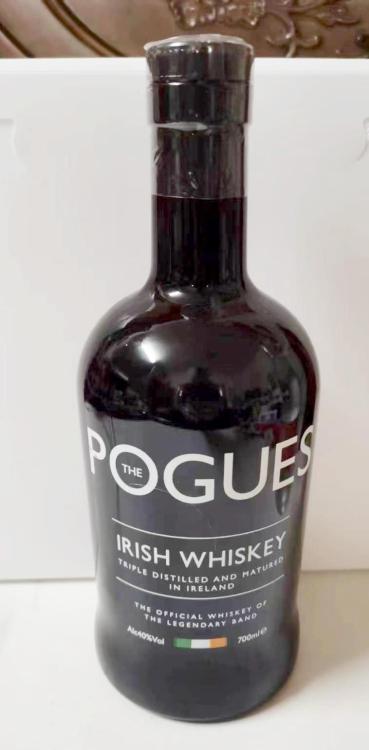
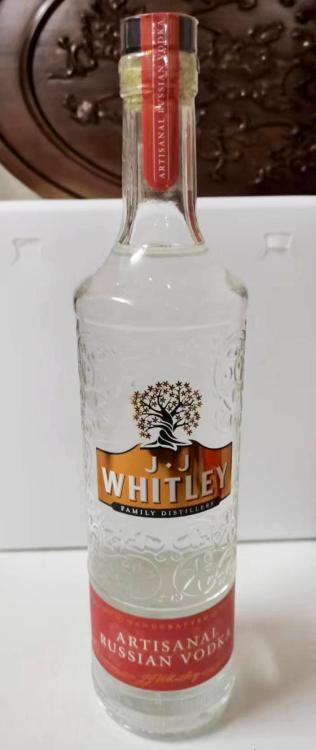
As noted elsewhere, I ordered a bottle of The Pogues Whiskey for Christmas and to toast the late Shane MacGowan. It arrived this afternoon. What was unexpected was that it was accompanied by a complimentary bottle of vodka. A brand I don't know. J. J. Whitely Artisanal Russian Vodka. Good old Tsarist name that, J. J. Whitley. Still they seem to have a good reputation. Why I've been sent this, I've no idea, but hey, it's Christmas and I did empty my Stolichnaya bottle last night. And "Free Vodka" is my favourite brand!
- 667 replies
-
- 12
-

-