
Duvel
-
Posts
4,433 -
Joined
-
Last visited
Content Type
Profiles
Forums
Store
Help Articles
Everything posted by Duvel
-
I am certainly not qualified to judge the effects of MSG on every individual. When it comes to taste it does make a difference, at least to me. If you want to try, I suggest the following experiment: Make a mixture of 60% salt, 20% sugar and 20% MSG and use this to flavor simple egg dishes instead of using 100% salt. Scrambled eggs, omelette, tortilla de patatas ... The outcome will be surprising(ly good) and I would be surprised if you feel any ill effect from the MSG.
-
Sure ... Mayo under that patty (providing lubrication & MSG) and BBQ on top (emulsifying the fried onions & adding some tang). It‘s „Arnau style“ ...
-
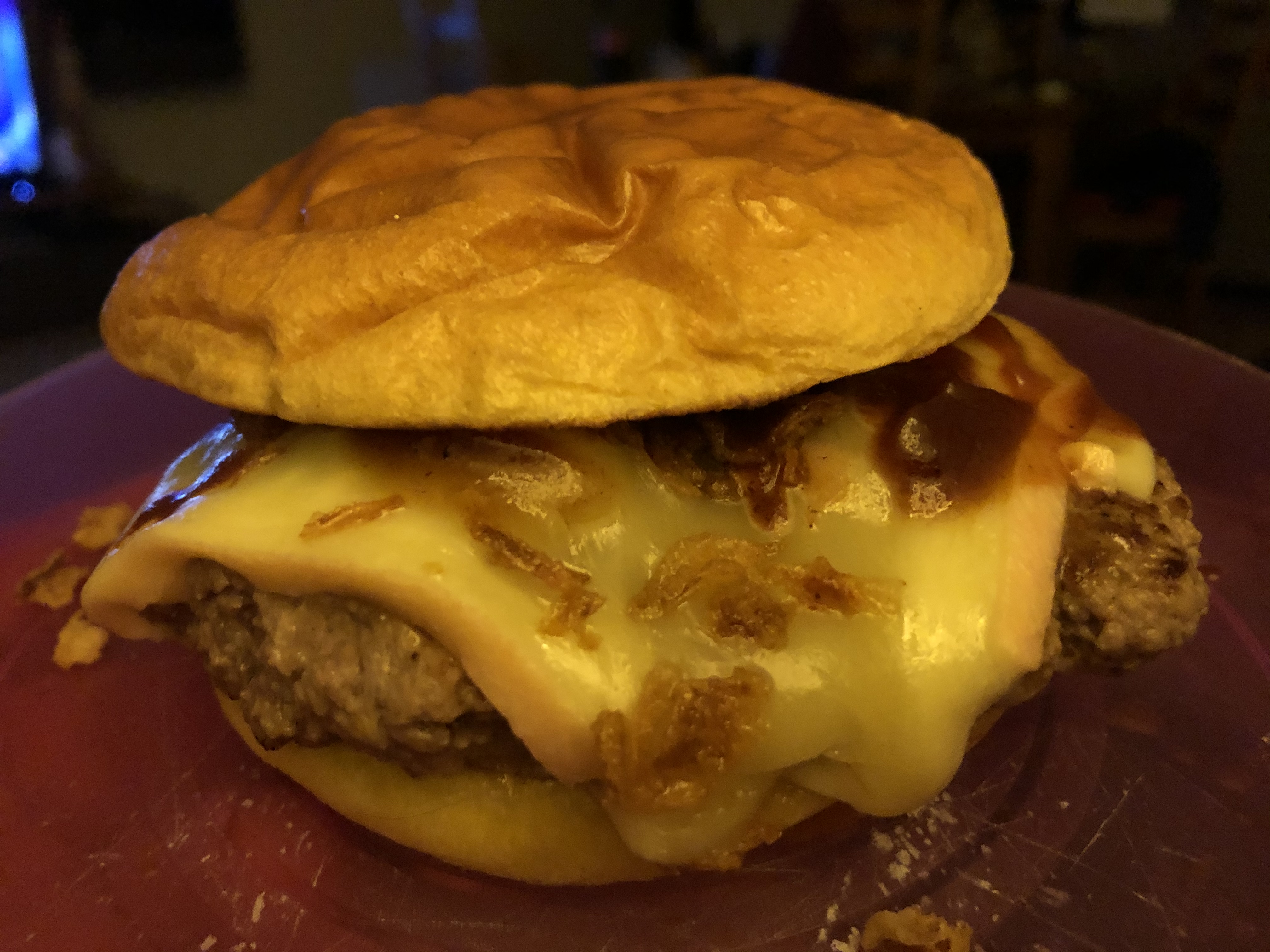
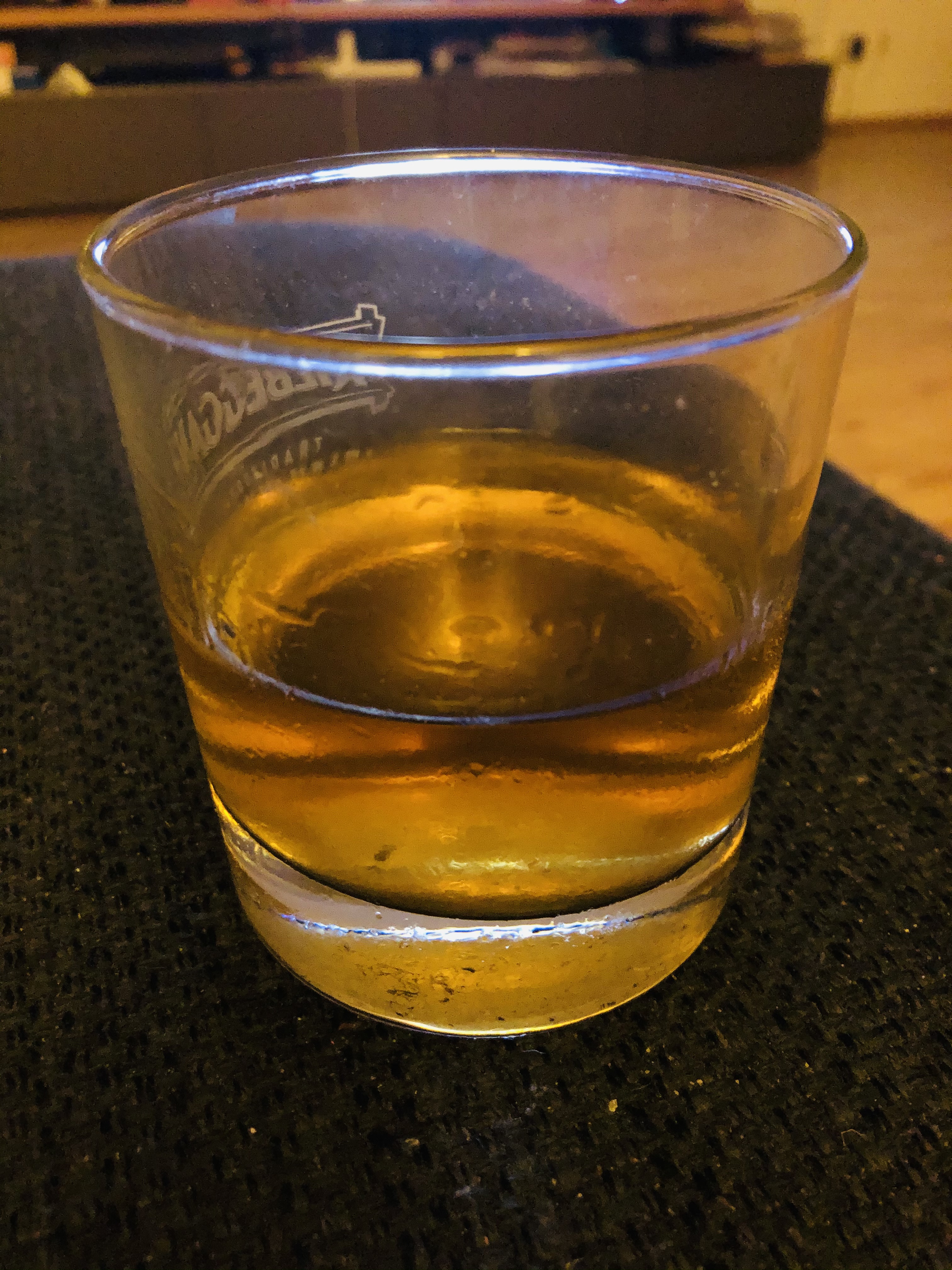
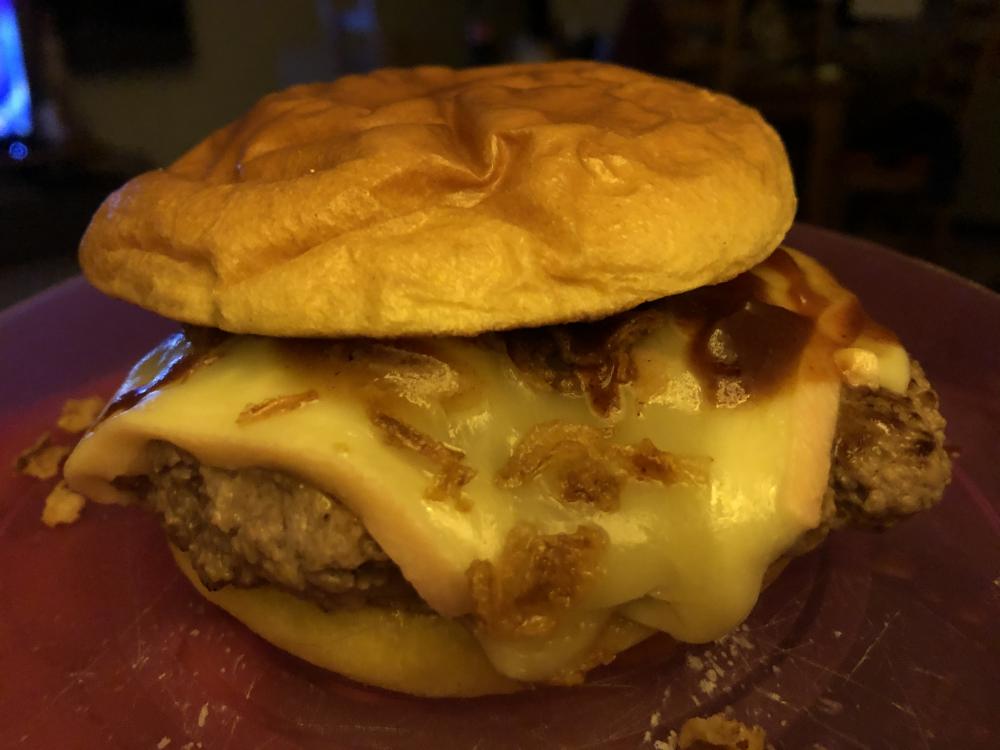
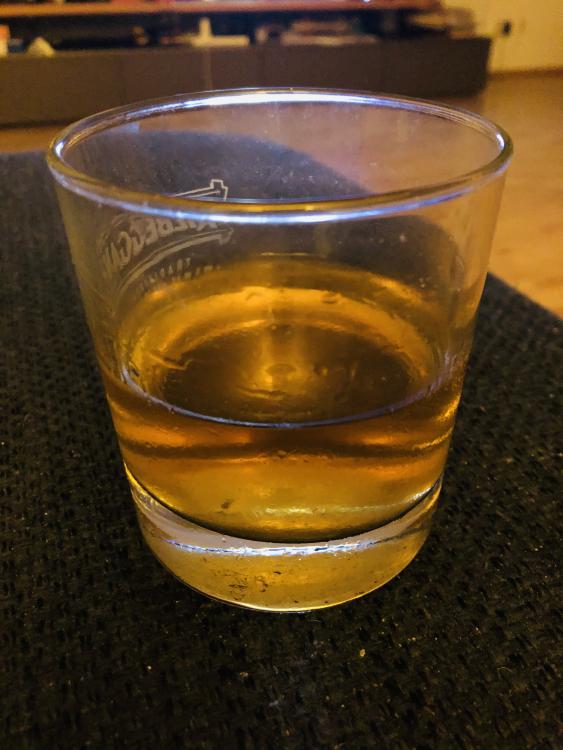
Since there is no “2nd dinner” thread (why not ?!), here a continuation of ... I opted for the burger “Arnau style” with a toasted brioche, kewpie, minced chuck, Hunts BBQ sauce, roasted onions & raclette cheese. Very, very good (especially from an IKEA plastic plate) ... Instead of MSG I used EtOH as a flavor enhancer (in the form of Kilbeggan Single Grain) ...
-

Christmas Eve/Christmas, New Year's Eve/Day 2020/21
Duvel replied to a topic in Food Traditions & Culture
Thanks ! Interesting ... reminds me of vegan Döner. I think where spices dominate the flavor profile, as long as you can get the mouthfeel right I’d be happy with a meat substitute. Now where do I get this in Germany ... 😜 -
For me it is more of a sequence: first some G&Ts, then comes the rotation ...
-
Christmas Eve/Christmas, New Year's Eve/Day 2020/21
Duvel replied to a topic in Food Traditions & Culture
Ok ... now: what is that ?! -
Very true. And I have no hesitation to use MSG where it makes sense. But then again, I also use ethanol and other dangerous chemicals on a regular basis ...
-
For me the use of animal fats certainly “elevates” certain dishes. Potatoes & duck/chicken fat, latkes & lard, ... But especially for Chinese food I consider a pinch of MSG required. Many years ago I studied in Dublin and had a Chinese girl in my shared apartment, who made fried rice every other day. It contained always just morsels of other things but was really good - she never wanted to share why. Until I discovered her bag of MSG in an old teabox ...
-
Thank you for your kind words 🙏 No Dortmunder today, but I’ll make sure to have some for the upcoming weeks ...
-
Note: This post and the next ten have been split from the Lunch 2021 discussion, to maintain topic focus. My Special Guess ... (plus some fatty pork instead of the chicken and - at least for me - some extra sprinkling of roasted hua jiao on the final dish...)
-
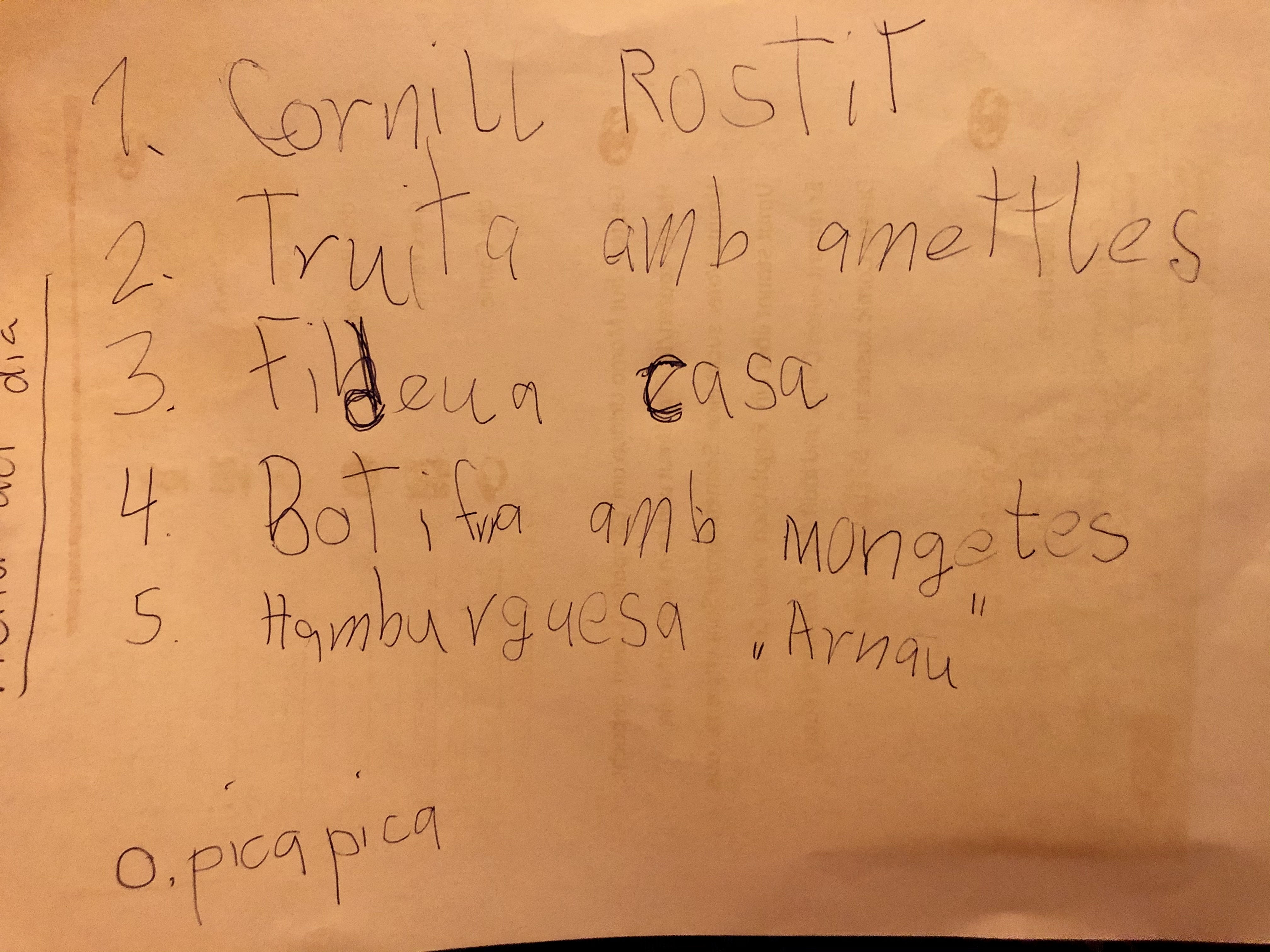
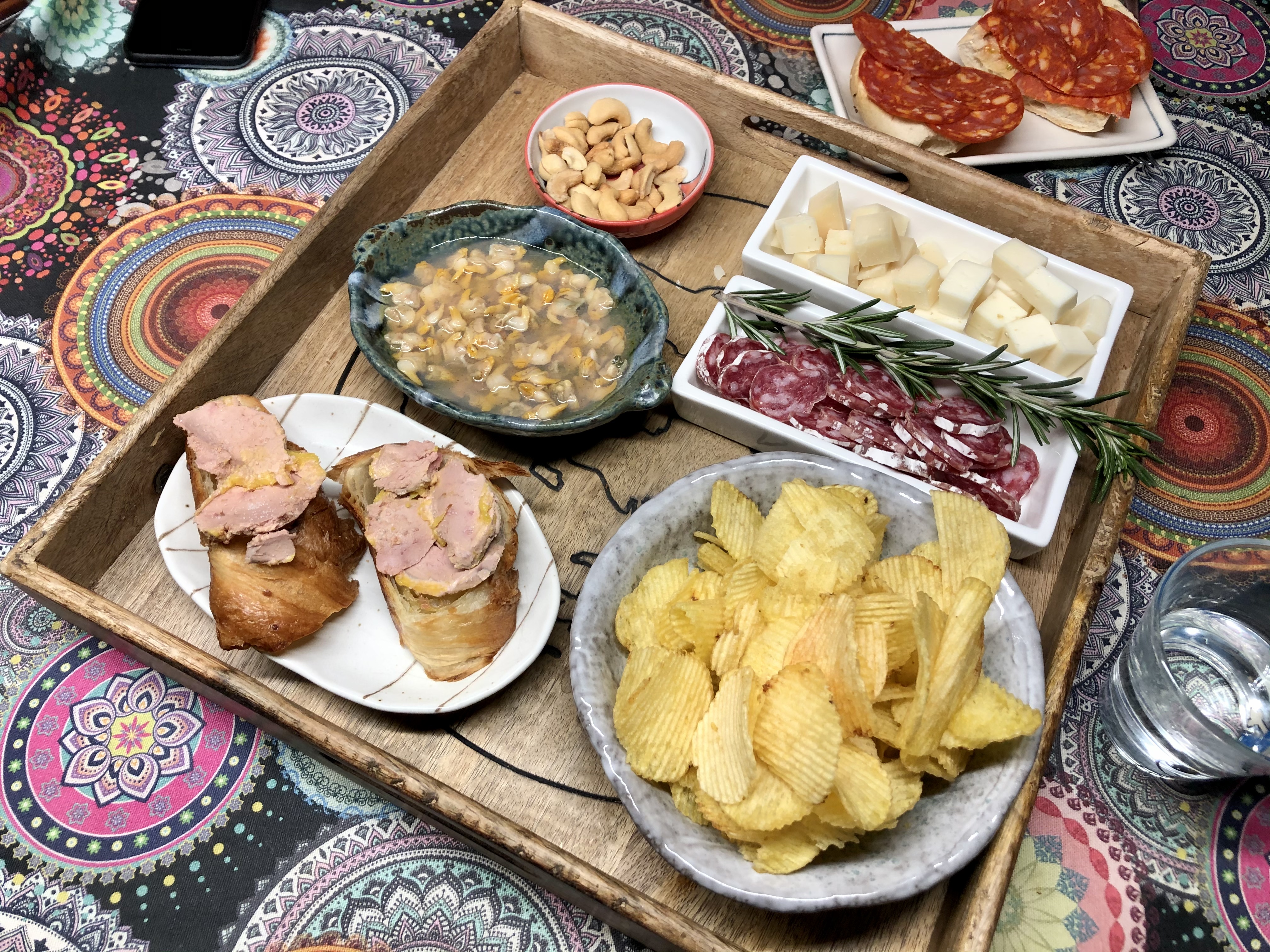
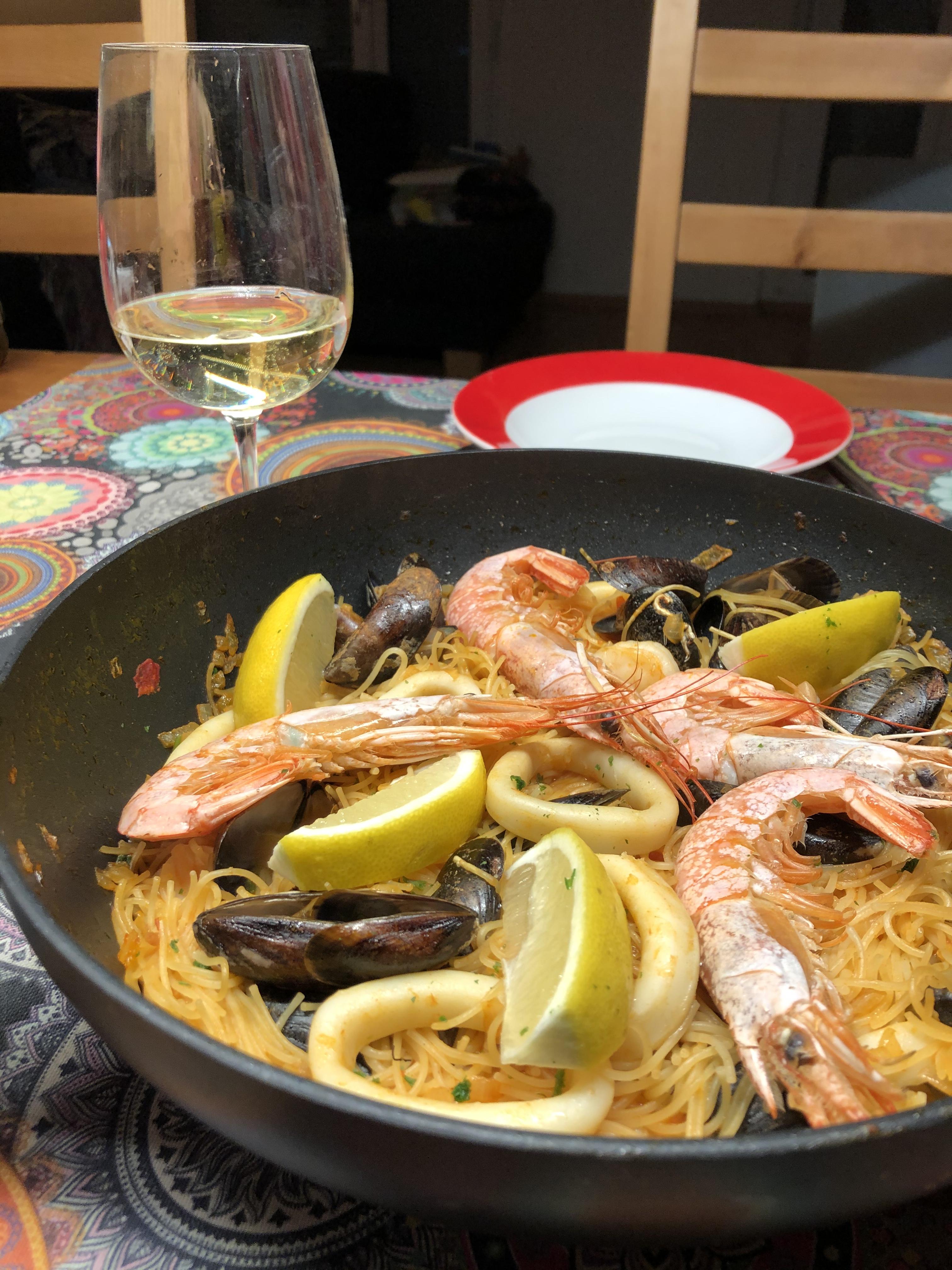
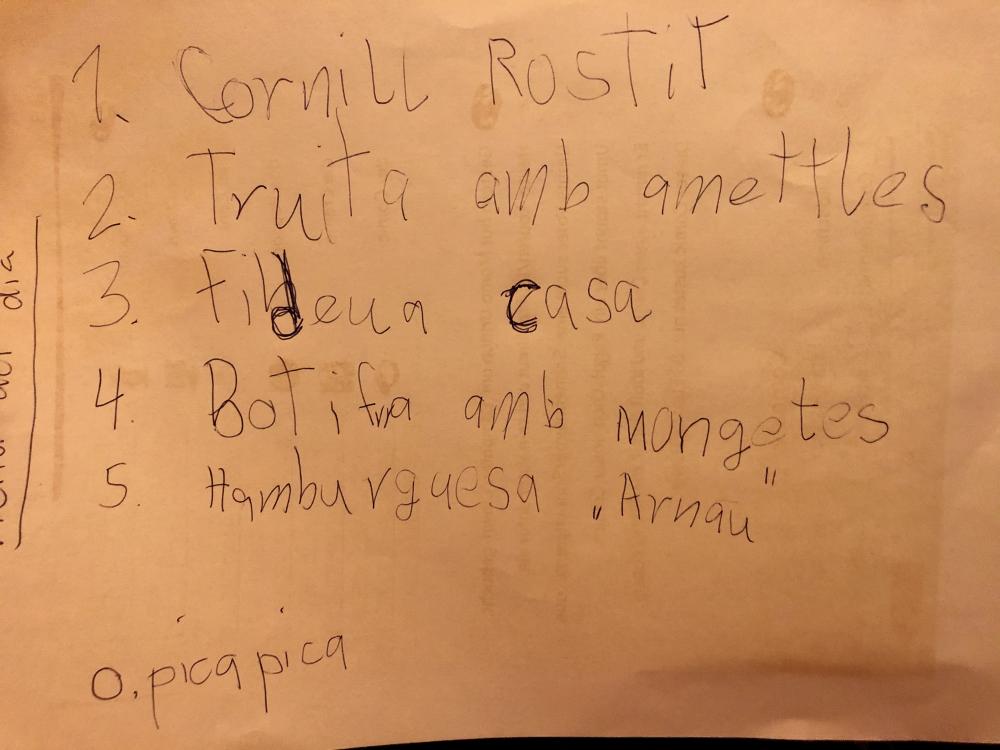
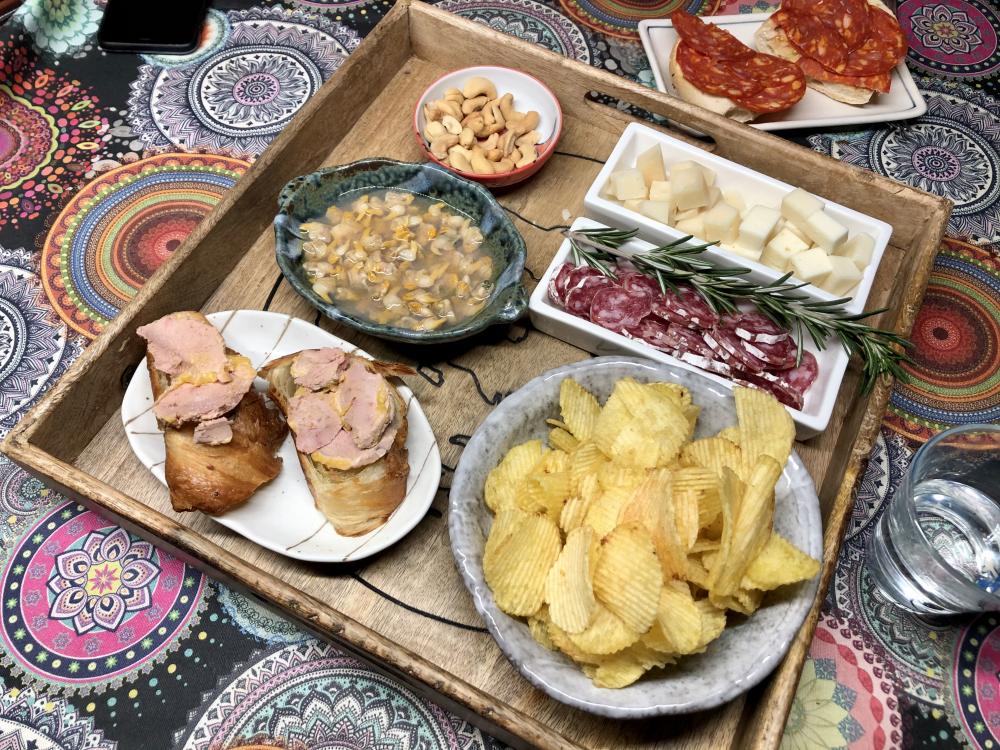
Due to the Covid situation we haven’t been able to visit my parents-in-law the whole year 2020, and of course not for this year’s Kings day either. So - naturally - my wife feels a bit down. The little one and me decided for a Catalan weekend to cheer her up an devised the following menu options: 1) Spit-roasted rabbit 2) Trout with almonds (and bacon) 3) Fideua “home-style” 4) Pork sausage with garlicky white beans 5) Hamburger “Arnau style” and 0) Mixed starters My wife opted for 3) tonight with the obligatory starters, of course. Starters (berberechos, Iberico, Manchego, Fuet sausage, croissant with foie gras, potato crisps, cashews) Fideuà (with squid, shrimps, mussels). And off-dry Scheurebe from a local vineyard to go with it ... Tomorrow the rabbit & the trout have been requested ...

-
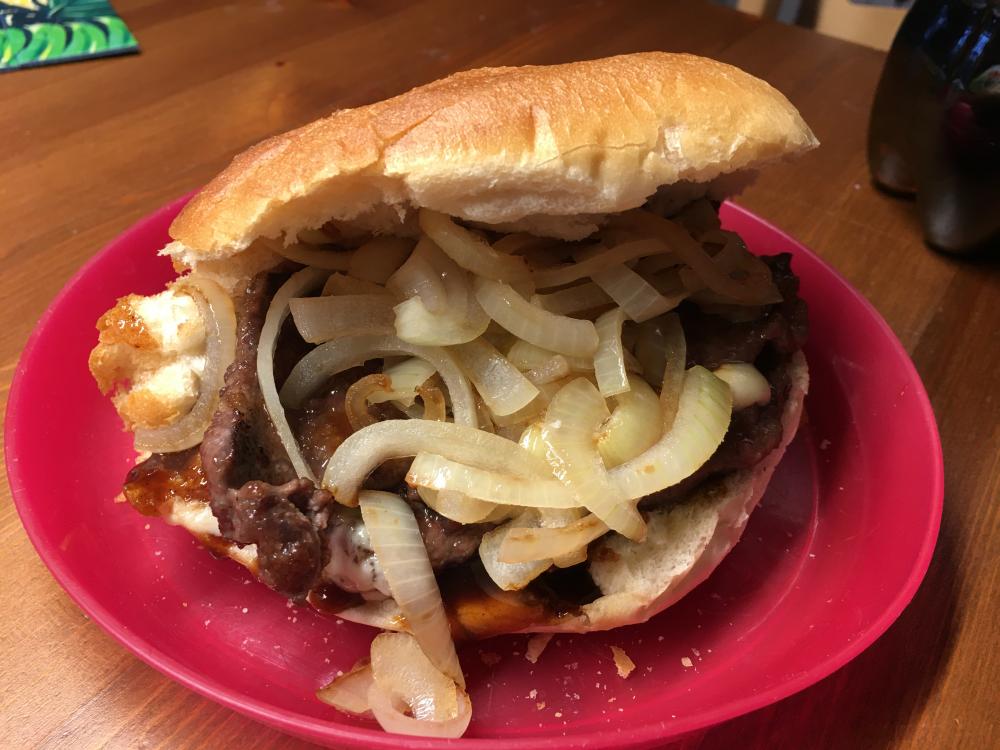
Leftover (unsliced) beef neck from yesterday’s hotpot, pounded flat with my bare knuckles (more workouts this year !), salt & pepper, cornstarch dusting & flash fried. Served on a rewarmed roll with BBQ sauce, copious barely softened onions and some Chipotle Tabasco. Served on IKEA childrens plastic plate. A good breakfast/brunch/lunch to start into 2021 - kind of expectation management 😉 Happy New Year everyone - may it be a happy & healthy one !
- 913 replies
-
- 11
-

-

-
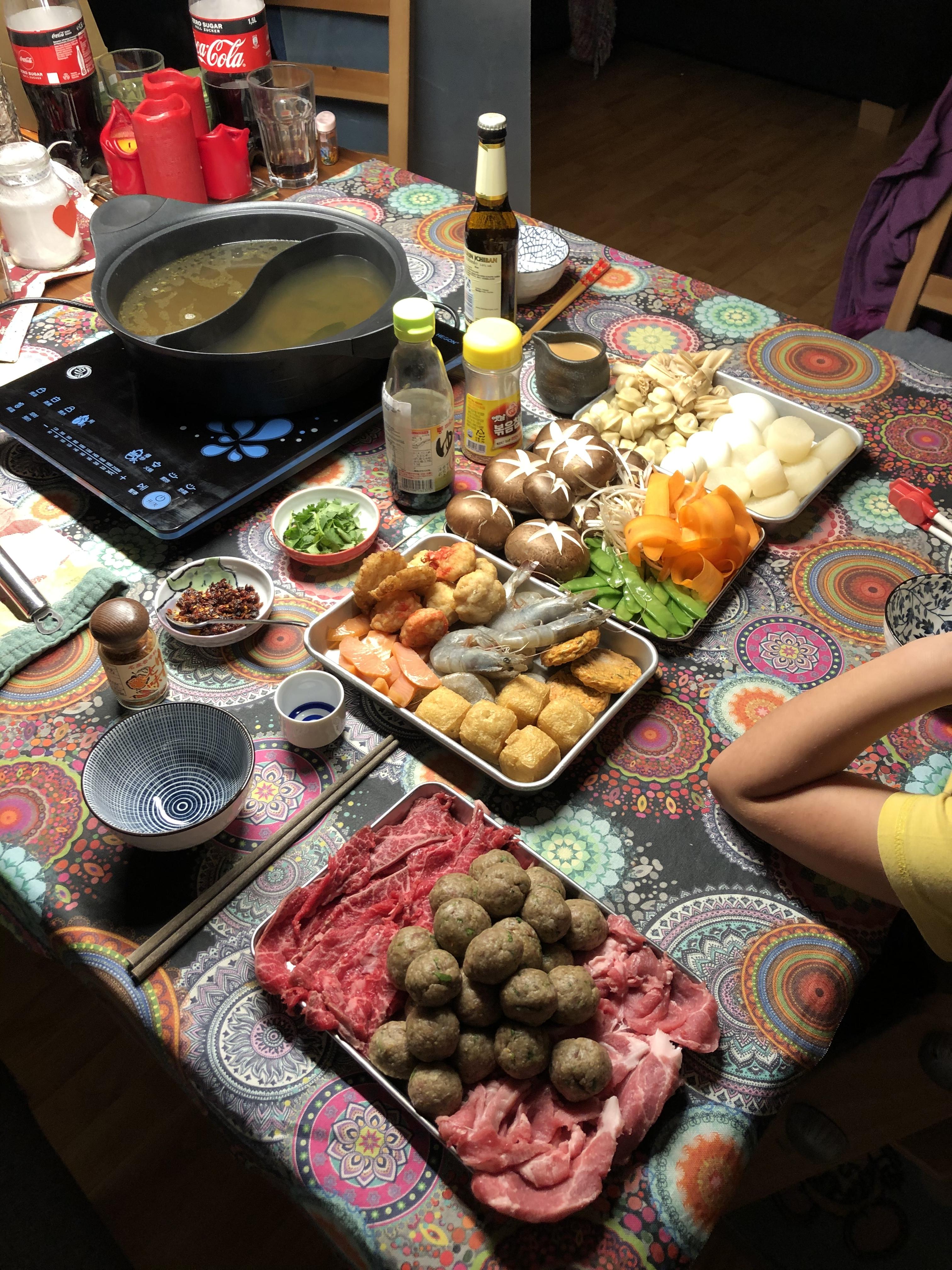
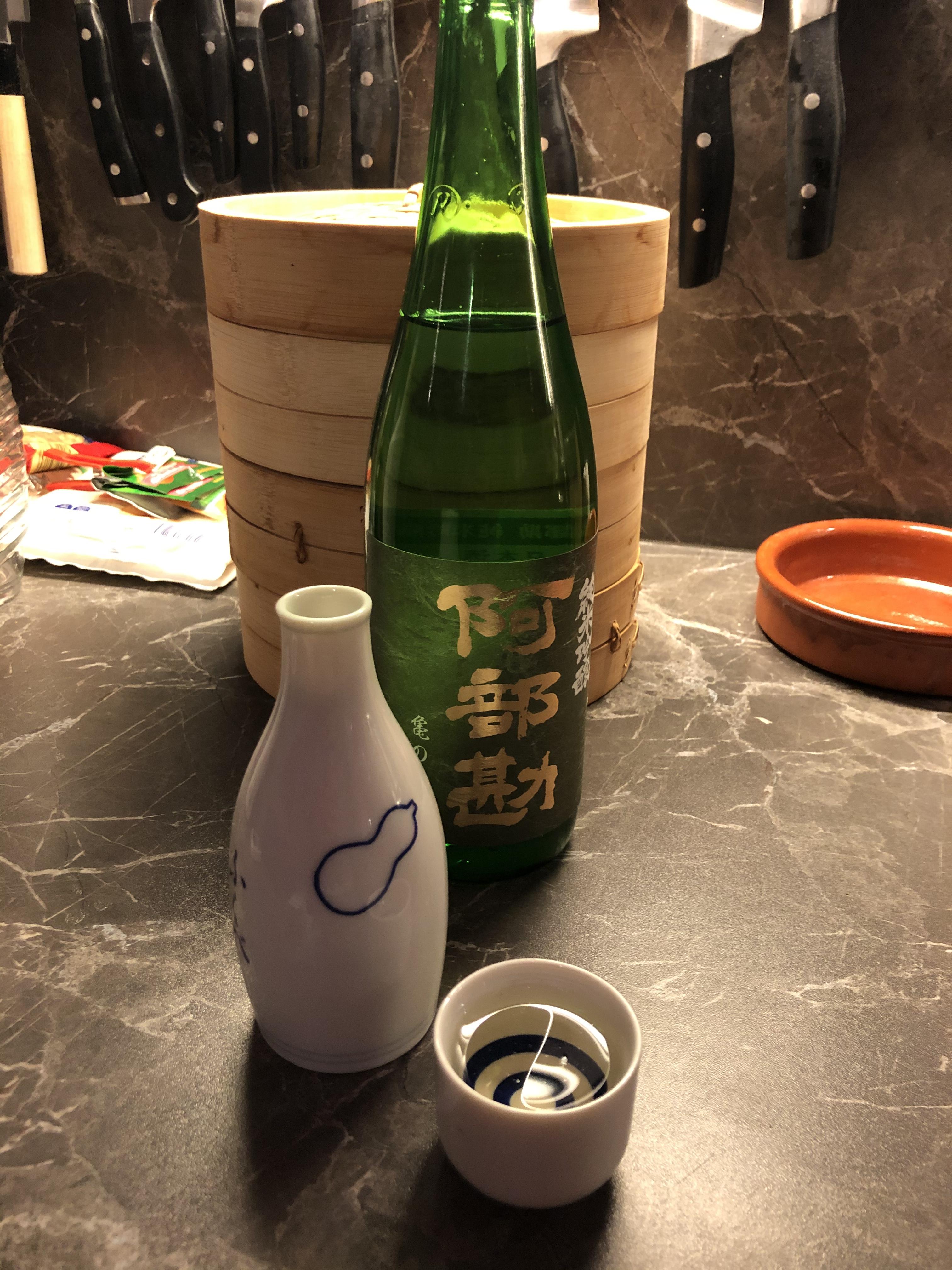
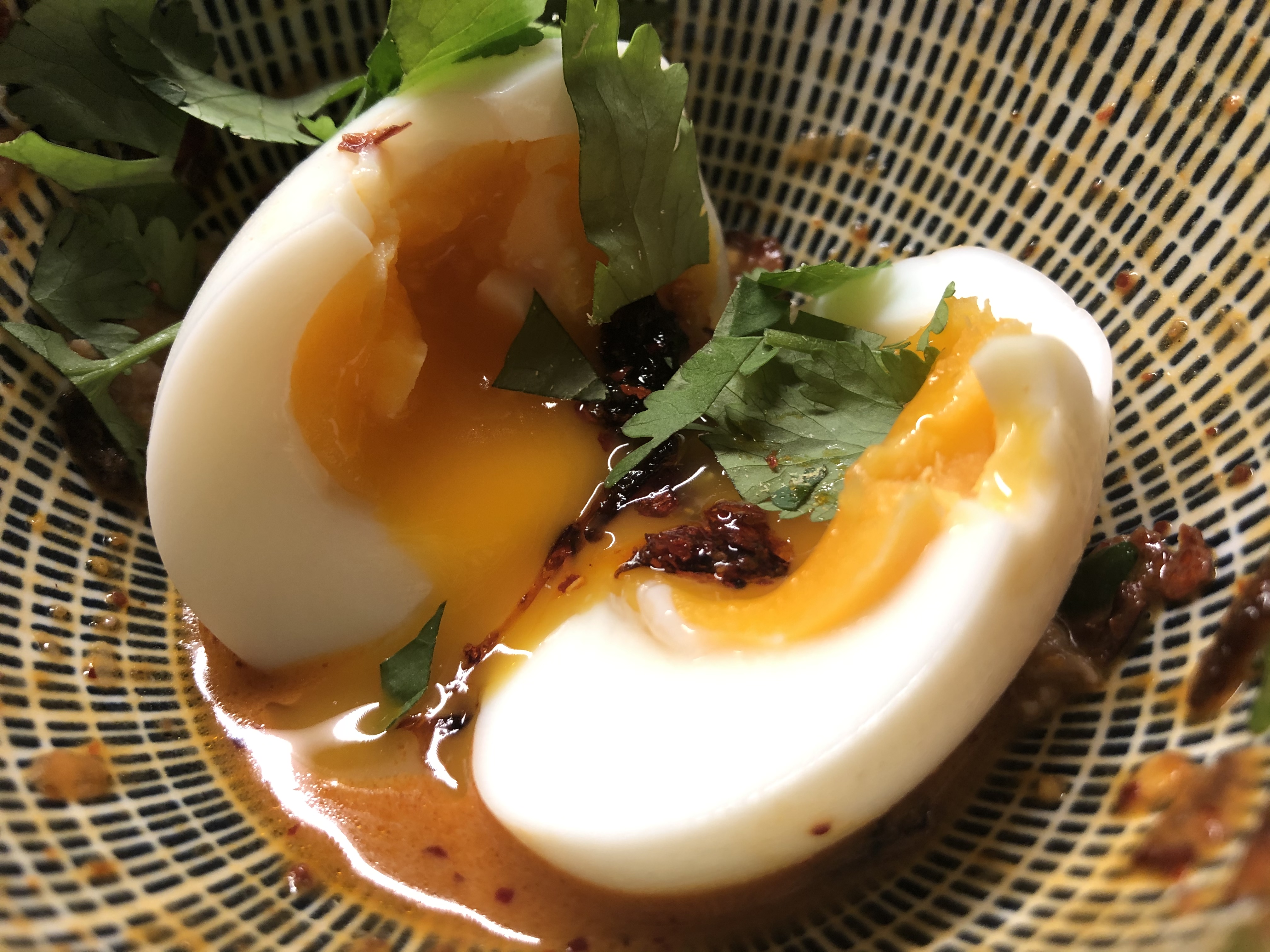
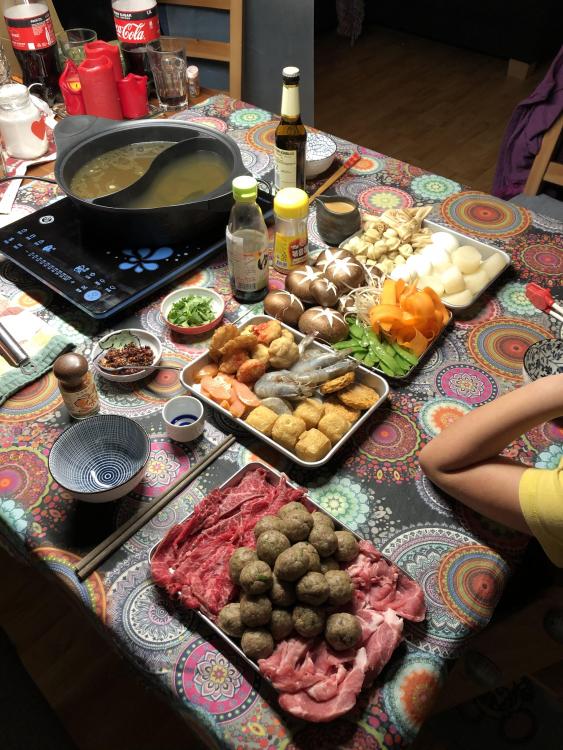
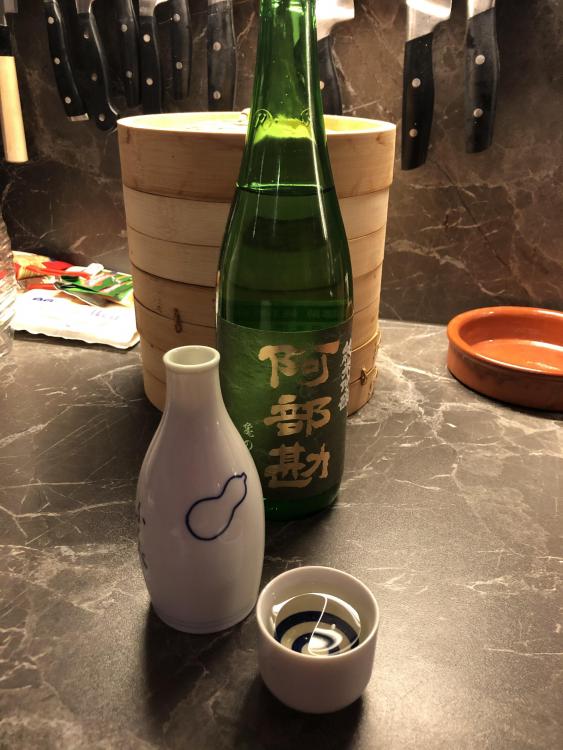
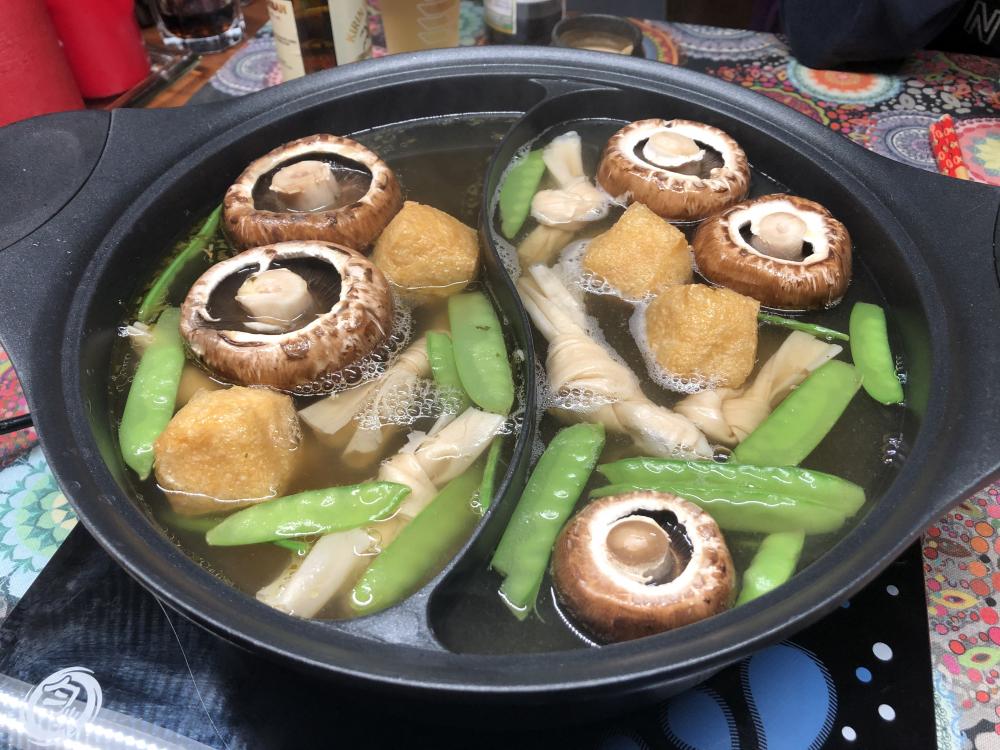
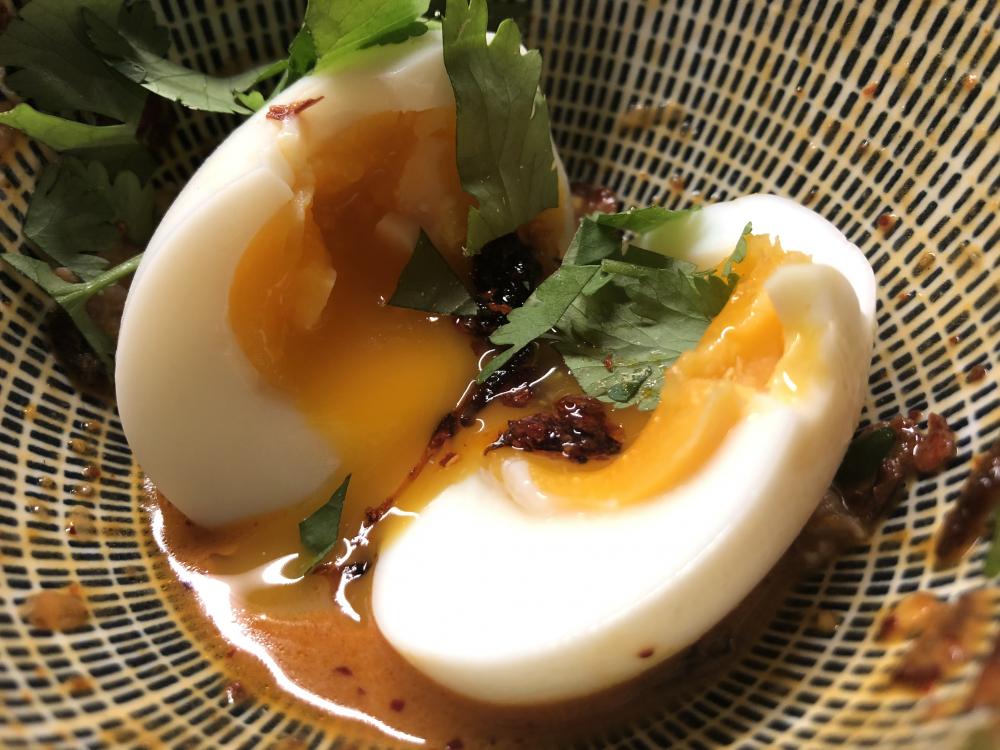
NYE dinner ... hotpot with the usual fixings. Served with a lovely sake from a dear Japanese friend. A tiny bit of egg porn ... Plus plenty of leftovers for the new year 🤗
-
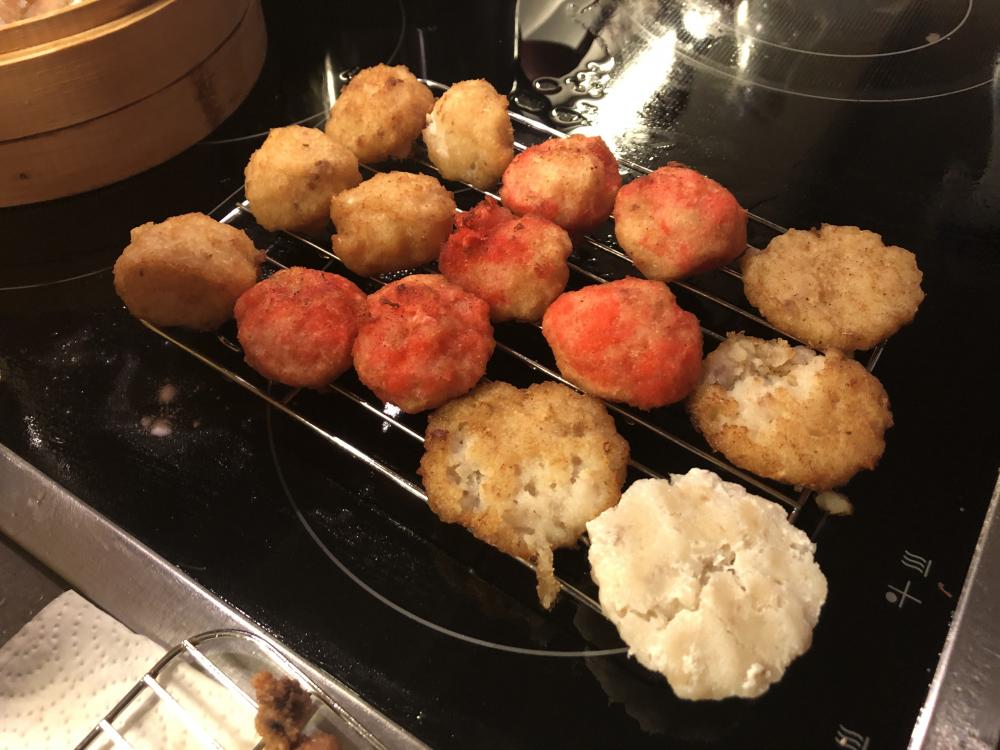
The best way I can describe it is that it doesn’t hold the water properly. During steaming, significant amounts of liquid was expelled from the fishcakes, which in return turned brittle. It is similar to a meatloaf. I should have upped the cornstarch amount and stirred the mixture for longer time to compensate and create more binding/ water retention. But ...
-
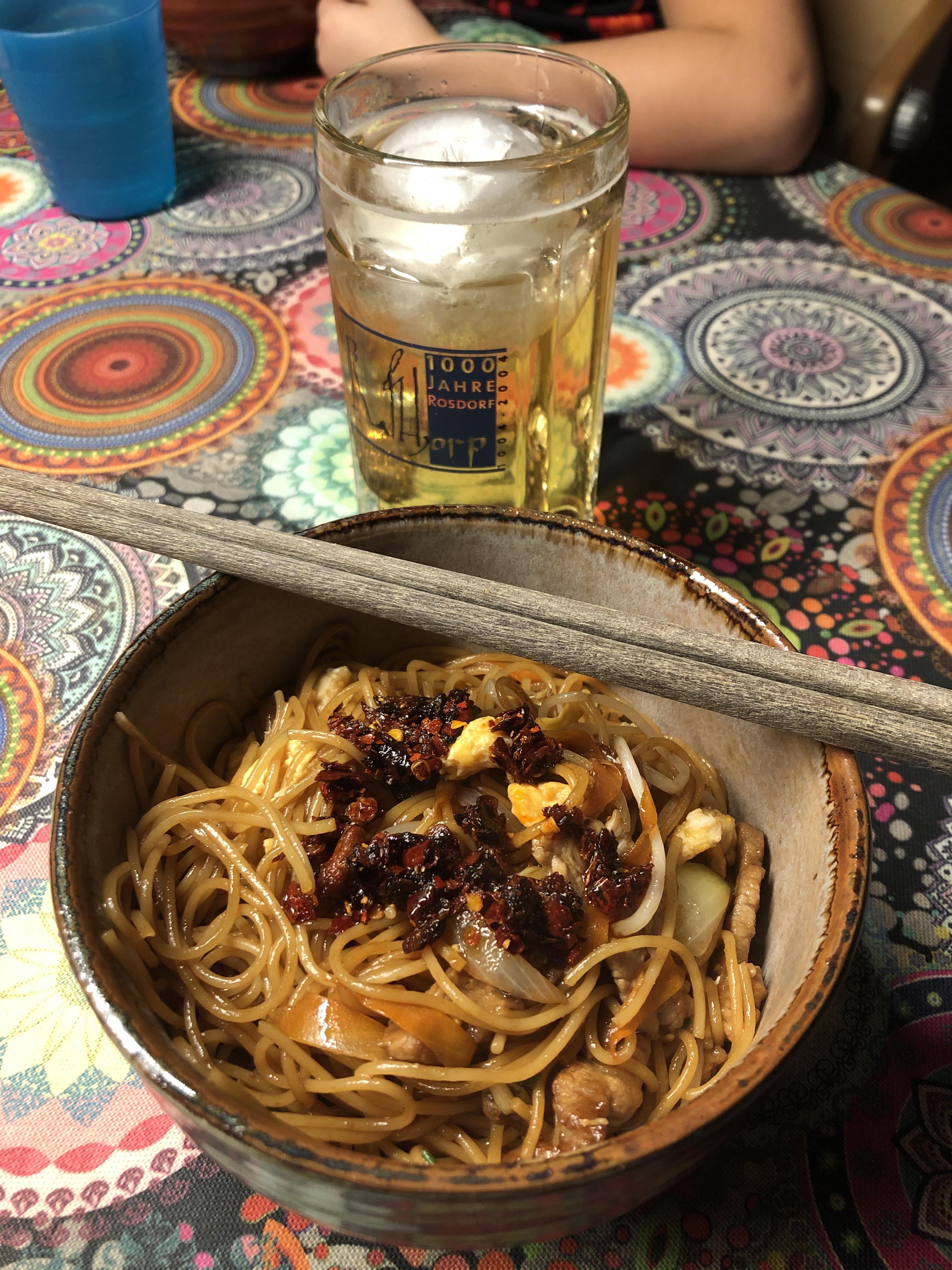
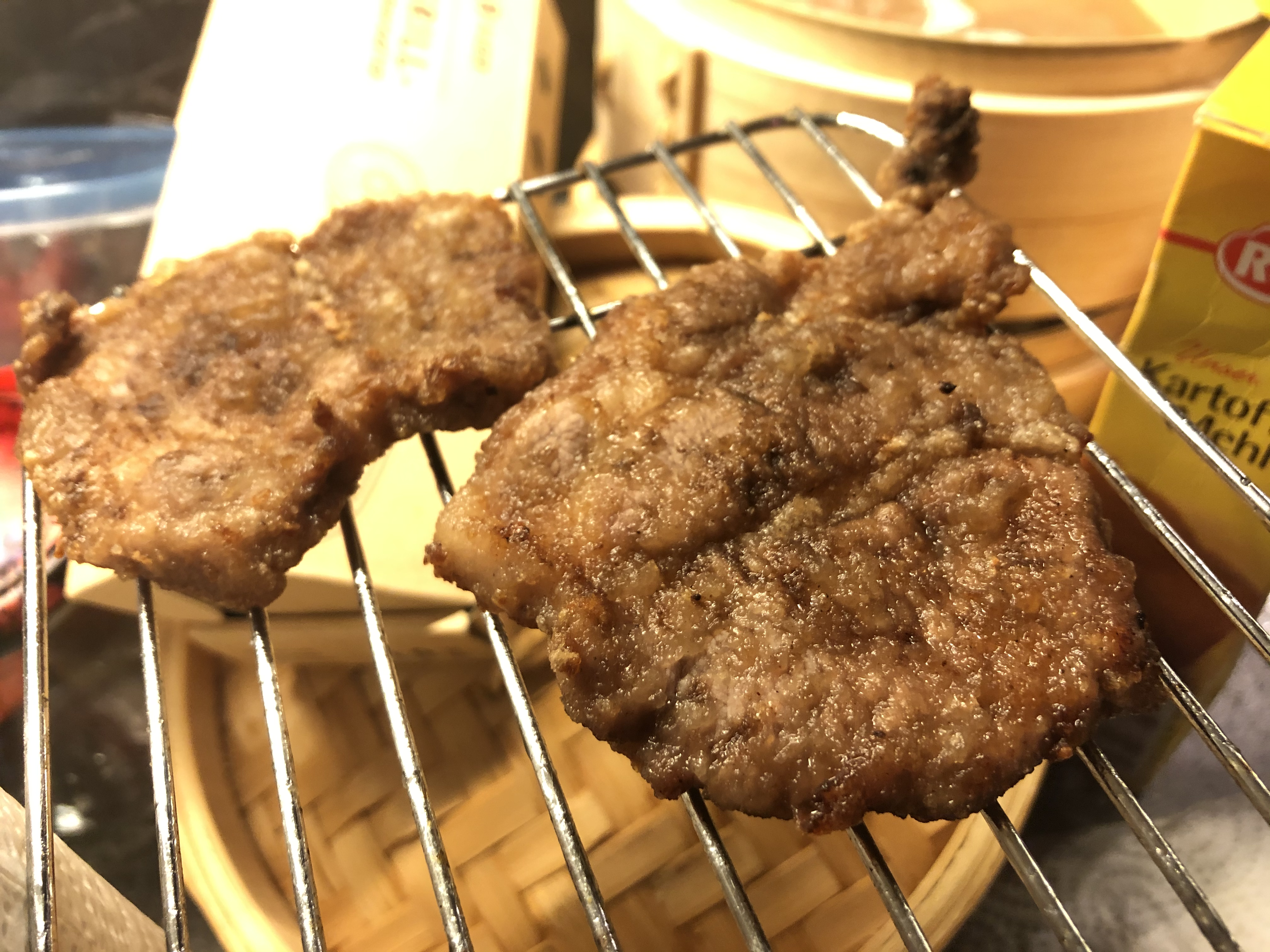
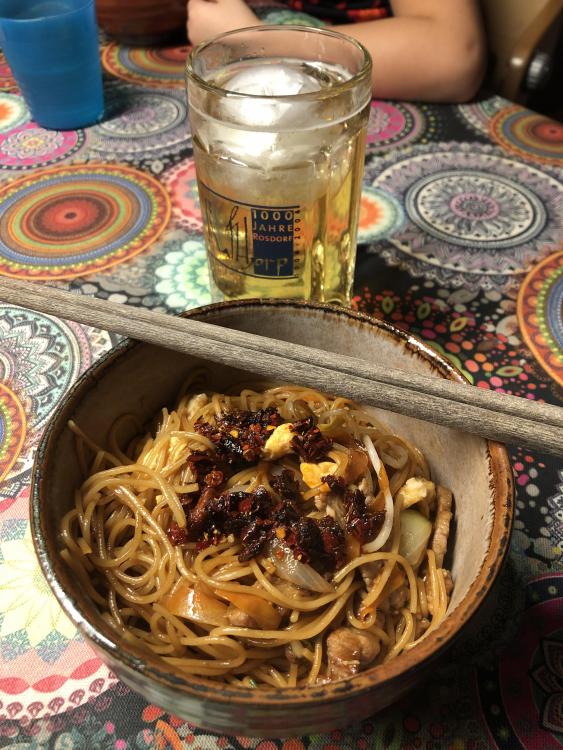
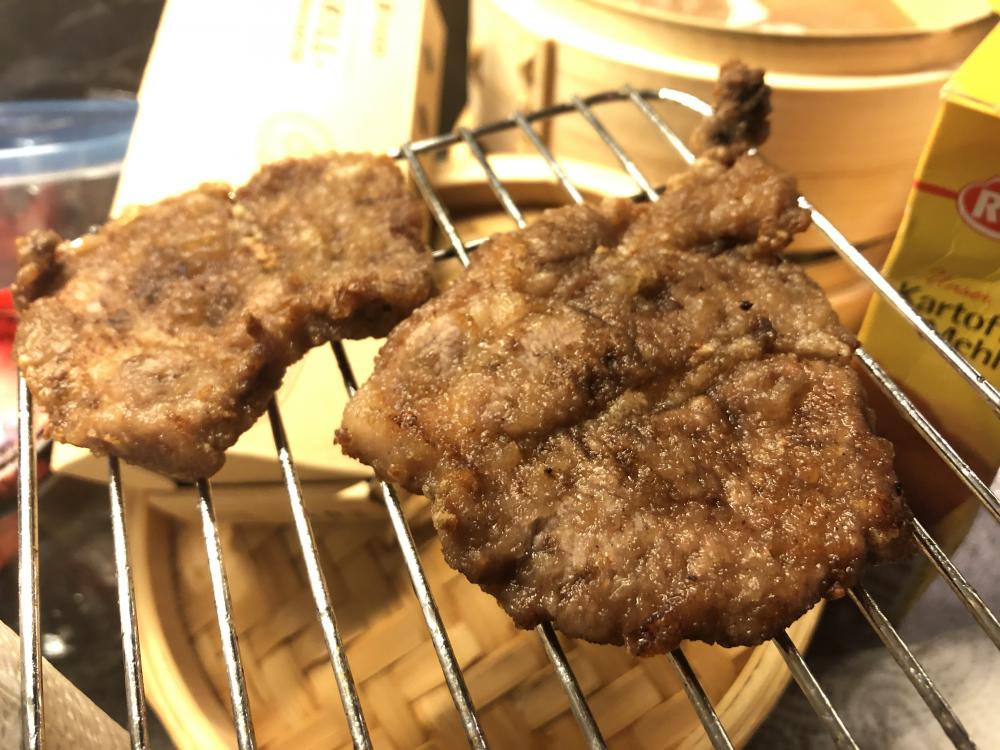
Tonight’s dinner started actually at tomorrow’s dinner: I started to make Chikuwa - Japanese fishcakes - and deviated from my usual recipe by using previously frozen fish. It should have been clear to me that this wouldn’t work, but ... Like my professor used to say: You don’t have time to do it proper, but obviously you always have time to do it again 😶 I decided to call it a day and make some take-out style “Chinese” fried noodles. Topped with Laoganma chili crisp. Foolproof. And accompanied by a (tiny bit strong) highball ... All good. And when the family asked for “what’s next” I used the quart of hot oil to make some Taiwanese Night Market pork. A pound of pork neck disappeared faster than it was cooked (or photographed). Quality save 🥳
-
I admire Moe‘s (and yours) dedication to go to work after that. I would probably get a whiskey highball, enjoy and call it a day 😉
-
Is it safe using non-stick pans after accidental overheating?
Duvel replied to a topic in Kitchen Consumer
Use it. Firstly, a blackened pancake is not a good temperature indicator. Then, perfluorinated polymers are very sturdy and do not really undergo many decomposition reactions at higher temperatures, but rather start to depolymerise at 600 oC+. This you would have noticed 😉 ... Lastly, only at prolonged heating above 250 oC you could see some “creeping” in the polymer and thinning out the polymer layer, if you had some heavy stuff in your pan. Again, that blackened pancake won’t qualify. So, I’d continue to use it. -
Christmas Eve/Christmas, New Year's Eve/Day 2020/21
Duvel replied to a topic in Food Traditions & Culture
I had to google that. I have never heard of Ro-Tel before, nor have I ever had a product based on that description. It sounds good though, and that dip must be delicious ... -
Christmas Eve/Christmas, New Year's Eve/Day 2020/21
Duvel replied to a topic in Food Traditions & Culture
@Kim Shook: One (German) word: Fantastisch ! -
There would be three steps that could help you, if you do not want to spend an extra day drying the surface in the fridge: 1) scoring the skin after SV (smaller squares preferred) to help the rendered fat “escape” the skin. 2) Brush with saltwater to help drawing surface moisture out during the crisping up. 3) Heat with a broiler at full whack, but plenty of space to your roast. The infrared will heat through the skin layer, render the fat and pop up the skin. It will take 10~15 min, so some distance is required. Heat carryover into the meat is minimal. Hope this helps (next time) ...
-
It depends a bit on your preferences, but in general a full-bodied and only lightly hopped beer would be a good choice. So, a brown ale would do fine - Newcastle brown ale is available near you ?
-
Who wouldn’t ? Seriously - gorgeous dish !
-
@Kim Shook Even without the crackling it looks very yummy - so juicy ! Did you insert any drying step (e.g. fridge rest, salt, ...) before roasting ? And how did you apply the heat ?