
liuzhou
-
Posts
16,767 -
Joined
-
Last visited
Content Type
Profiles
Forums
Store
Help Articles
Everything posted by liuzhou
-
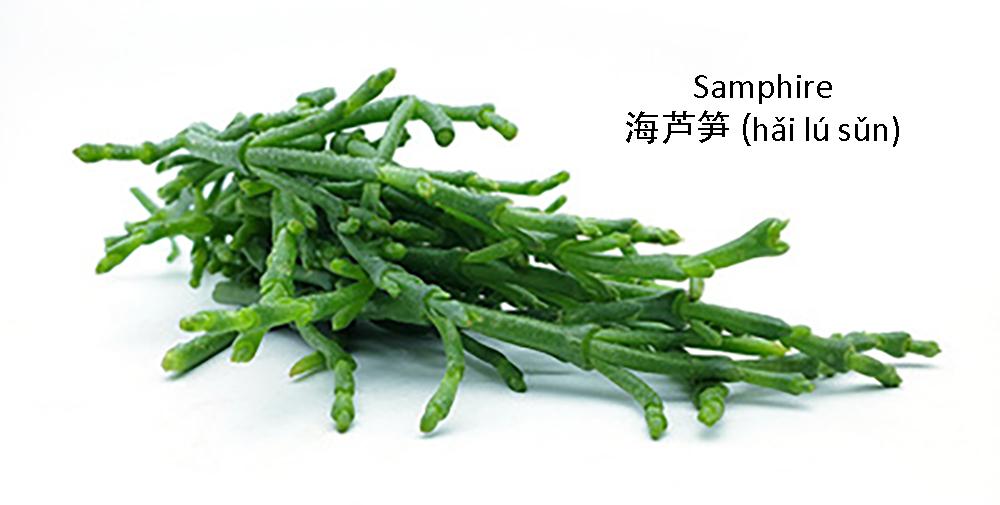
I spent a lot of time foraging for that in Scotland as a kid, although we called it 'marsh samphire'. Very trendy now in London restaurants, although true samphire, aka rock samphire is much more valued. I can buy it here online but at a ridiculous price, so I don't often.
-
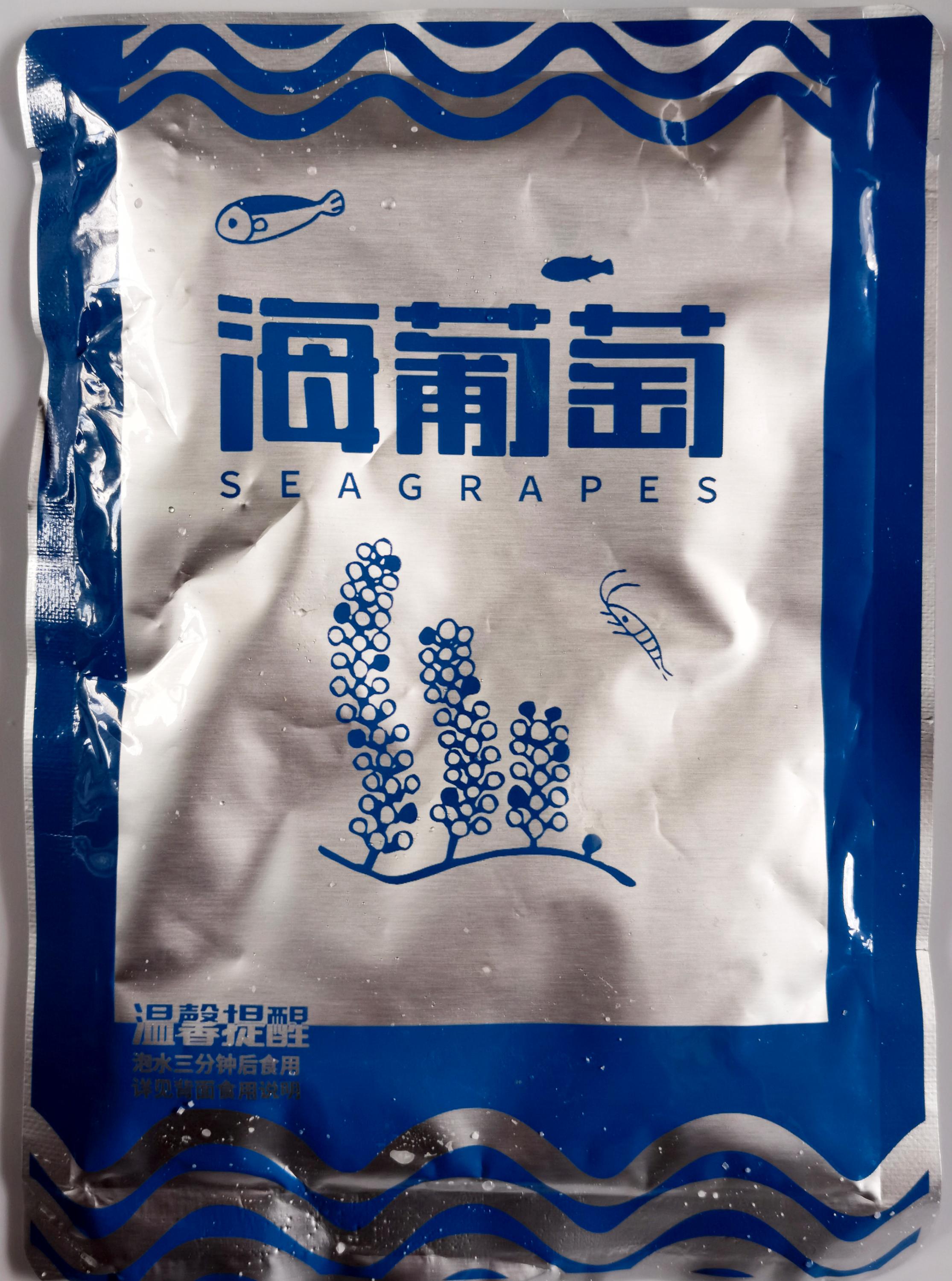
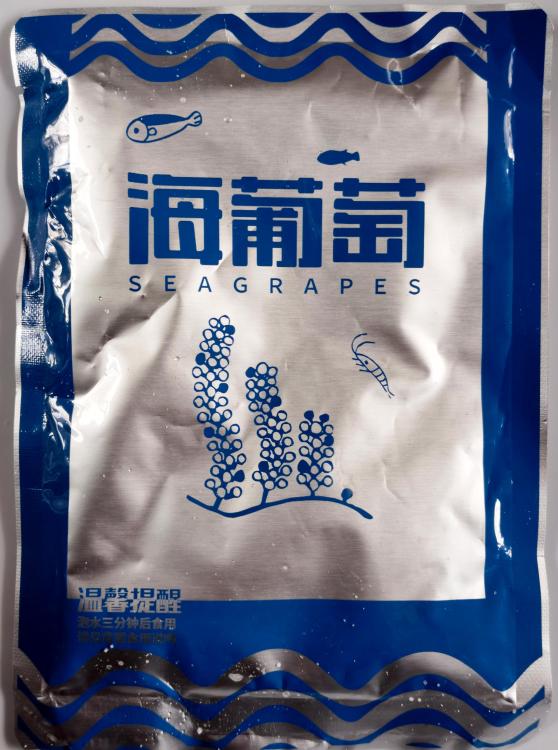
This is a favourite, which I have mentioned before. Sea grapes, green caviar or sea caviar. In Chinese it’s 海葡萄 (hǎi pú tao), a literal translation of ‘sea grapes’ as are うみぼど (umi-bodō), the Japanese name, mga ubas sa dagat in Filipino and nho của biển in Vietnamese. Caulerpa lentillifera to the scientific. Not to be confused with the Caribbean tree named ‘seagrape’. This is a bright green alga which grows only around the waters of the above named countries (those I get come from neighbouring Vietnam) where it forms strands of two to five metres and its ‘branches’ grow to about 20 mm / 8 inches carrying tiny air sacs which resemble miniature grapes. These pop audibly when it is eaten, giving it its caviar related names. This seaweed is only normally eaten raw in salads or with sushi and sashimi. They last well if covered in the brine but shouldn’t be refrigerated. It is sold in pouches in a brine of seawater concentration. The ‘grapes’ are soaked for three minutes in fresh water and swell up. This reduces the saltiness, although some remains. For a less salty taste soak again for another three minutes. It tastes of the sea, as you would expect, and has a delicate grassy flavour, but most of the appeal is in the popping, although it is highly nutritional, being packed with minerals and vitamins A and C. To protect itself, this species is mildly toxic, but this presents no real problems to humans when it is eaten in normal amounts. However, it advisable to avoid it during pregnancy.
.thumb.jpg.6445dd285d40dd7a91e45100b124e60e.jpg)
-
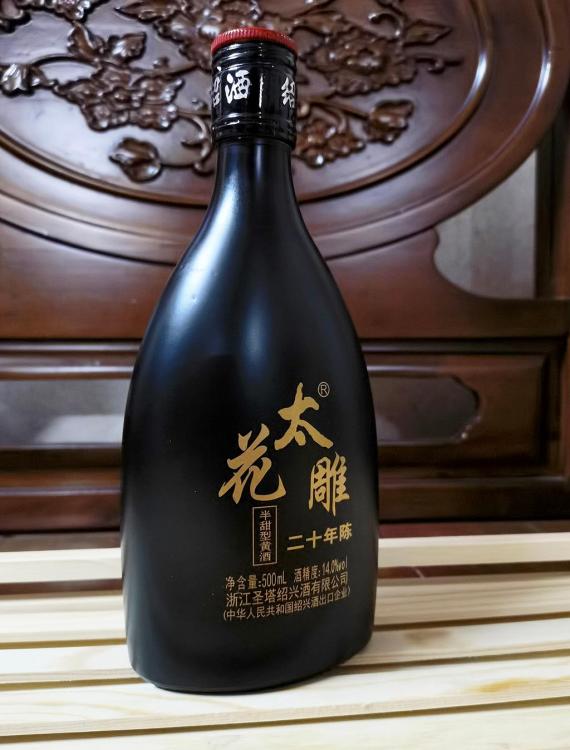
Wrong. Millions of people do, but mainly the good stuff. Like this 20-year old.
-
Hmmm. But sea cucumber is not a vegetable. It's an echinoderm, ie an animal.
-
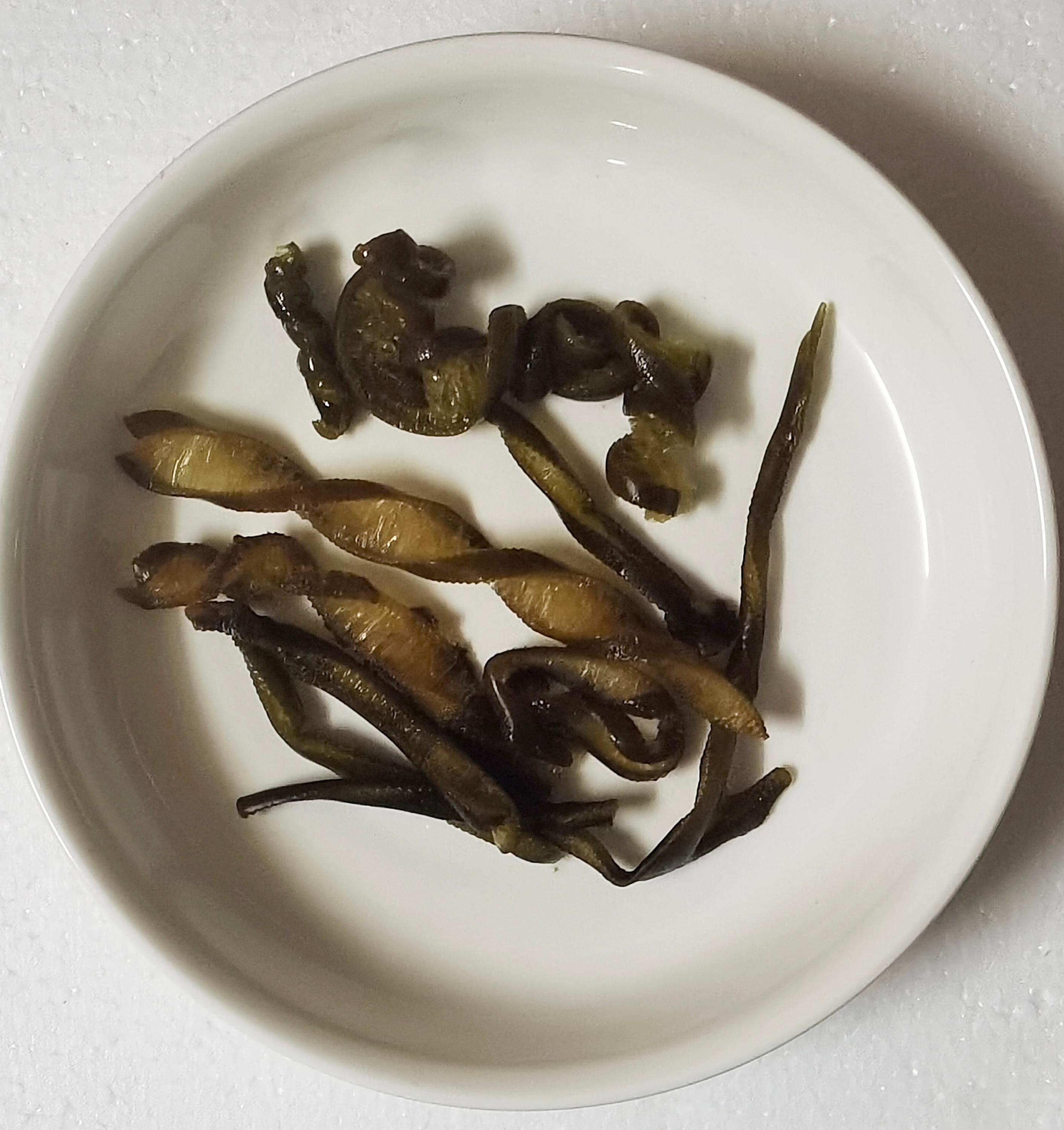
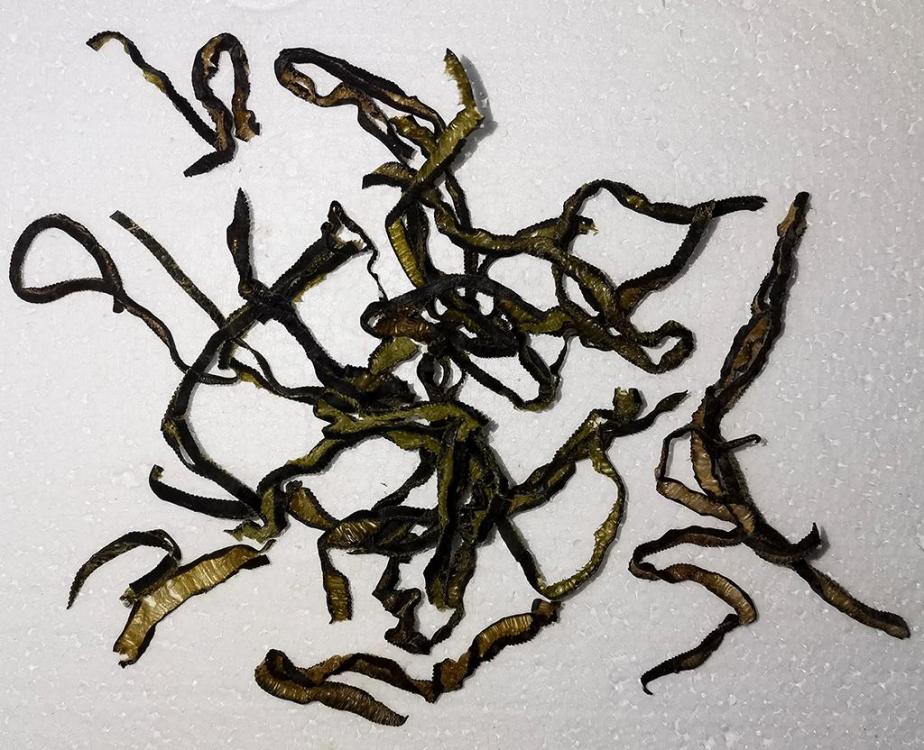
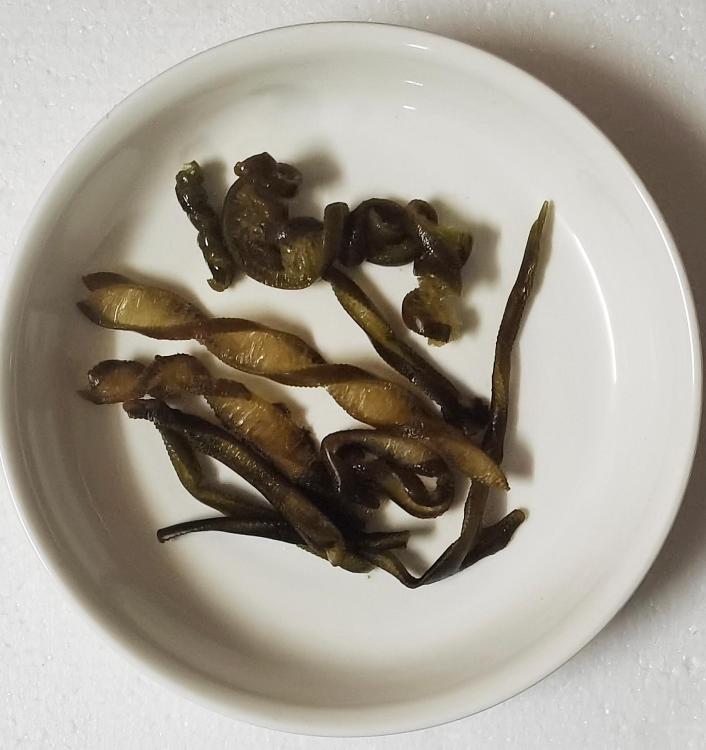
The part of the world least understood by even scientists is the oceans. It is believed that only a small fraction of the life species down there have been studied, whether animal or vegetable. So information on many is limited. However, we do know that in the depths live the world’s most numerous lifeform, fungi, few of which have been identified and named. Dried "Sea Matsutake" This one however, despite a misleading name, is another type of algae, Codium fragile. In Chinese, it is 海松茸 (hǎi sōng róng), sometimes shortened to just 海茸 (hǎi róng). The full name literally translates to ‘sea pine antler’, but the last two characters 松茸 (sōng róng) are also the Chinese for the Japanese favourite, まつたけ (matsutake, which means ‘pine mushroom’). One being fungi and the other an alga, they are unrelated. So, it is often translated into English here as ‘sea matusake’ although I’ve also seen it as ‘dead man’s fingers’ and as ‘sea velvet’ as well as many more names. Wikipedia lists nine English names: green sea fingers, dead man's fingers, felty fingers, forked felt-alga, stag seaweed, sponge seaweed, green sponge, green fleece, and oyster thief. But I have a few more. There is only a little information in English on the internet regarding this(search for the Latin name) and only a few passing mentions in Chinese. It is native to the waters around Japan and eastern China but has been introduced accidentally around the world including the Atlantic and the Mediterranean and is considered to be a troublesome invasive species. It destroys oyster beds etc, resulting in the name ‘oyster thief’. For more details on its invasiveness and spread, see here. It is mostly sold dried and requires soaking for between two and three hours to rehydrate. Thereafter, it is cooked for no more than two minutes or they lose their flavour. It doesn’t like heat much. It can be eaten raw, but the locals don’t do raw, especially things they’ve never seen before. Rehydrated "Sea Matsutake" It tastes nothing like mushroom to me, but has a similar texture to some fungi species. Sort of firm and slightly chewy, although so do many varieties of seaweed.
-
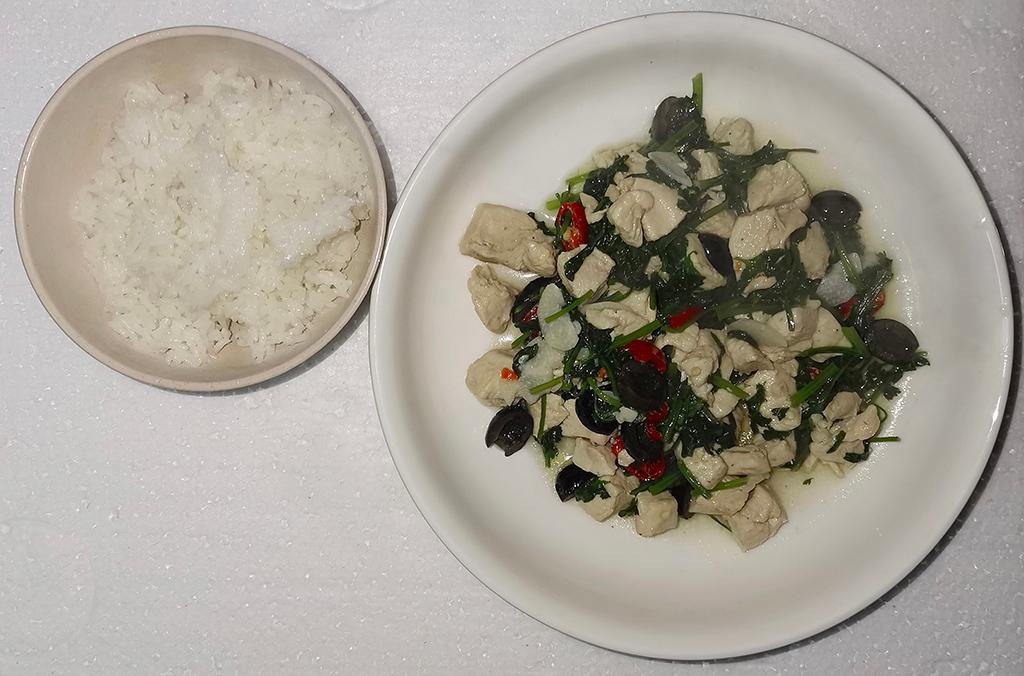
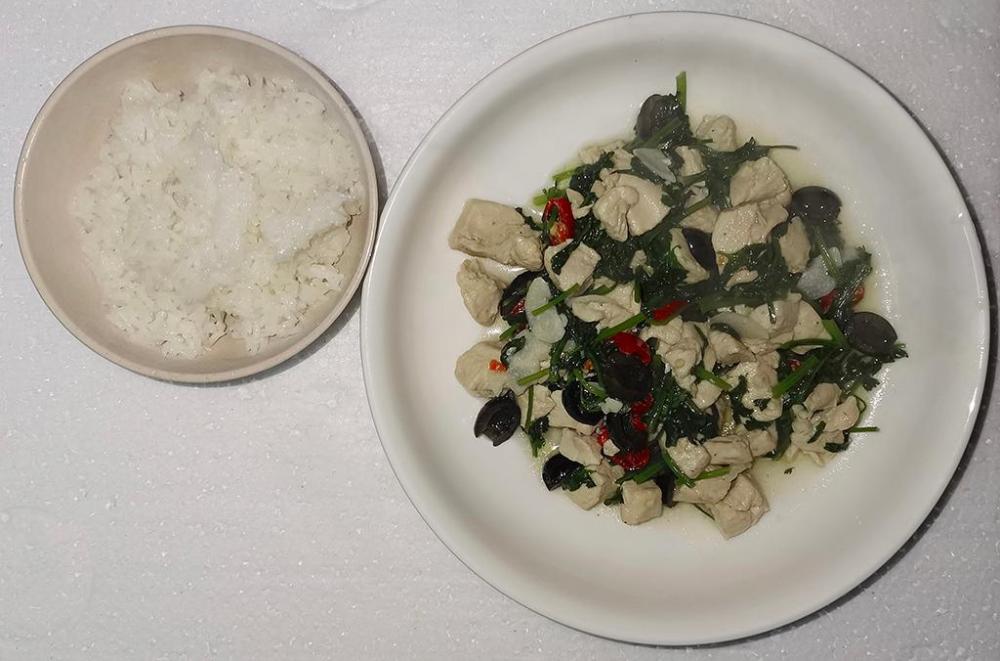
I was talking to my daughter in London by phone earlier and she reminded me of this dish I used to make quite often, but kind of forgot about. It is based on a recipe by the late lamented Keith Floyd, but has evolved quite a bit over the years. Chicken, black olives and coriander/cilantro. With garlic and chilli. I usually cook it in wine and today only had Shaoxing wine, so used that along with some chicken stock. Served with rice.
-
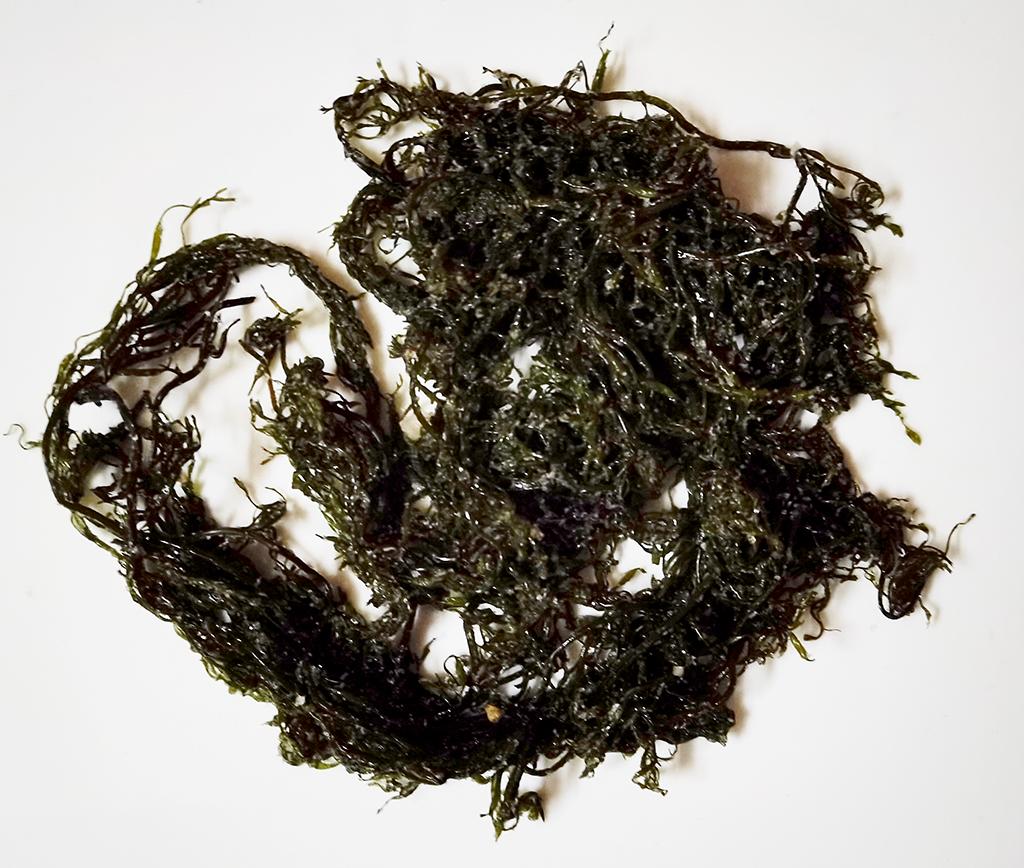
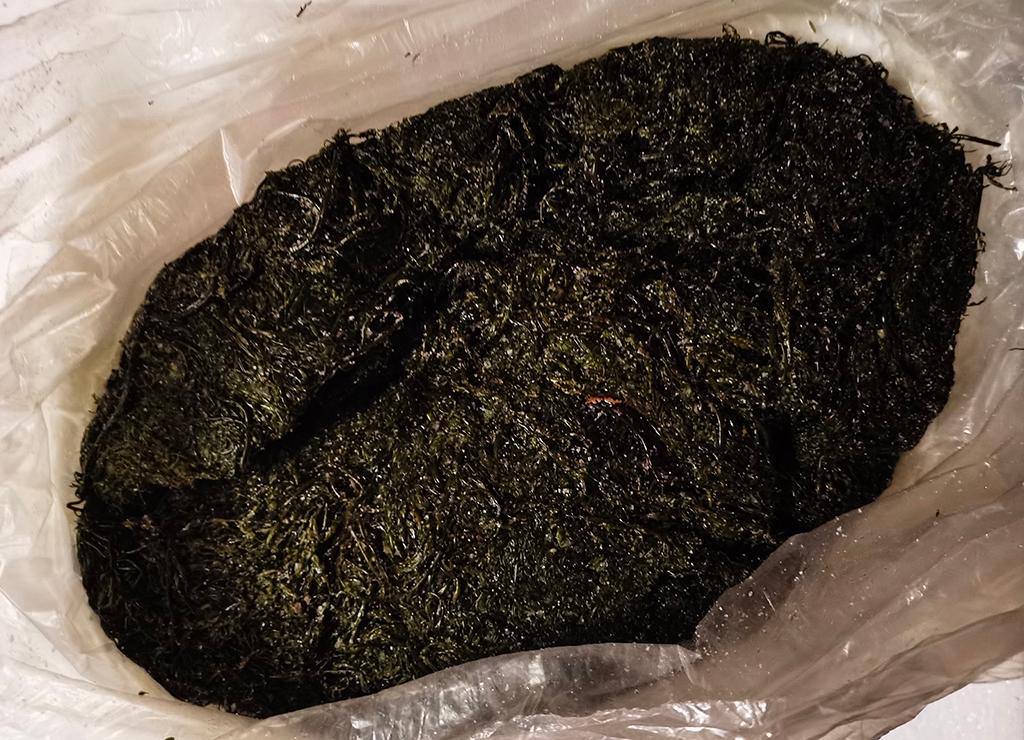
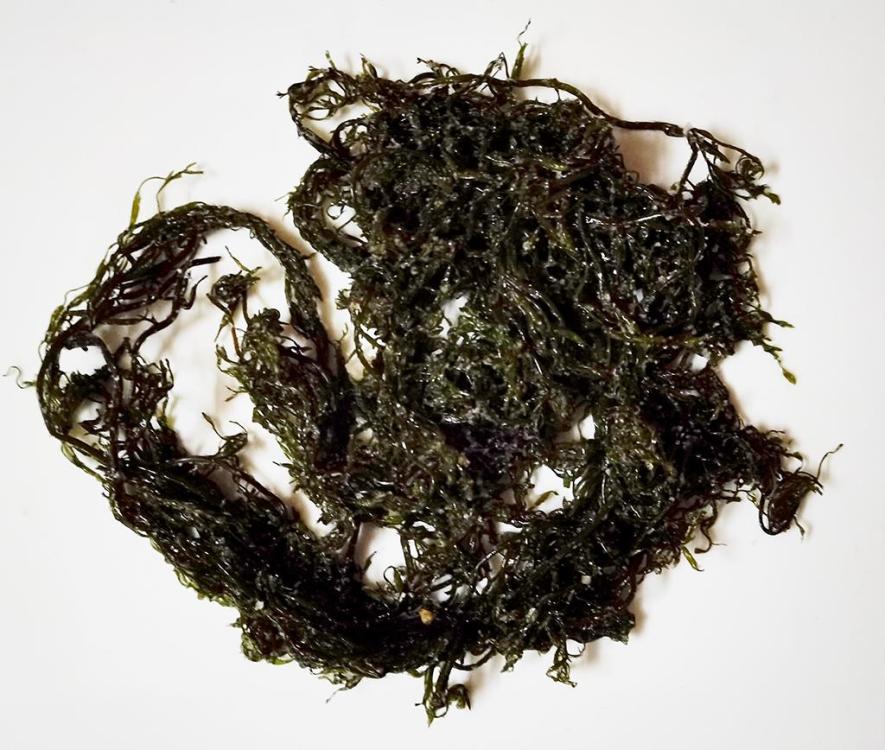
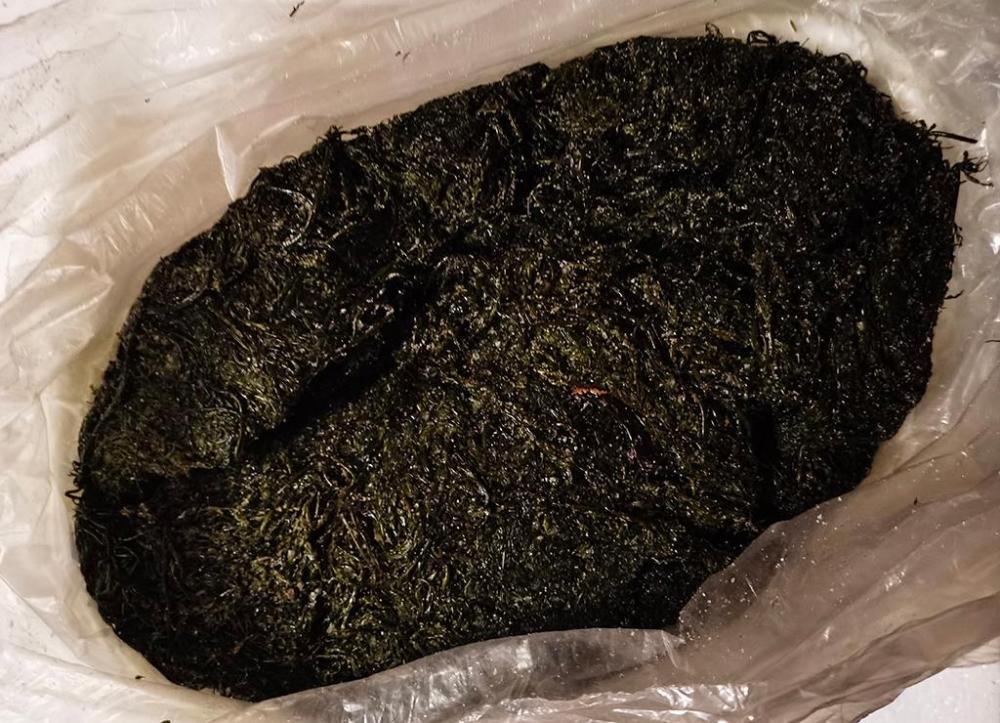
I’m calling this topic ‘sea vegetables’ rather than ‘seaweed’ as not all the vegetative bounty of the seas or oceans is ‘seaweed’ which, applied strictly, only refers algae. There are other plants down there, including true vegetables with the seeds and flowers that algae lacks and also a largely unknown rich fungi population, as we shall see. ‘Sea vegetables’ also includes vegetation which doesn’t grow in the sea but alongside in salty coastlines and marshlands, therefore depending on the sea. But, that proviso out of the way, it will be mostly seaweed. Japan is known as a primary seaweed consuming nation, but it’s far from the only one. China is too. A large area of my local supermarket is dedicated to the crops from the subaquatic garden, both fresh and dried. In fact, some sources say that the Japanese learned to eat seaweed from the Chinese. Although things like sushi and ramen did come from China, I don’t totally buy the seaweed theory. Most of China is land-locked; Japan is an island nation surrounded by water. Anyway, Japan’s nori industry owes its life to a woman, Kathleen Mary Drew-Baker (1901-1957), from Manchester, England who never visited Japan but is celebrated every year in a Japanese festival known as the Drew Festival (BBC podcast). Ka Kathleen Mary Drew Baker But for now I’m ignoring nori. Instead, I am looking first at sargassum. One could be forgiven for assuming that this algae is named after the Sargasso Sea where it is prevalent, but in fact it is the other way round. The sea is named after the weed. Sargassum comes from the Portuguese. In 1598, a Mr. W. Phillip wrote that “wee entred into the sea, called Sergasso, which is all couered with hearbes.‥ The hearbe is like Samper [samphire], but yellow of colour.‥ The Portingalles call it Sargasso, because it is like the herbes that groweth in their welles in Portingall, called Sargasso.” It is also known as gulf weed and is scientifically known as Sargassum bacciferum, aka Sargassum natans or Fucus natans, but there are around 150 different genera. In Japan, there is Sargassum muticum which has now spread to Europe and is found from British Columbia to California. In Europe it now extends along the coasts of Great Britain, France, Scandinavia, the Baltic Sea, the Netherlands, Ireland, the Iberian Peninsula and the Mediterranean from Italy and the Adriatic. It has also been recorded from China and Alaska. Websites such as Trip Advisor and the like are full of people complaining that this disgusting, toxic weed which forms massive floating ‘islands’ reaching up to several square kilometres in size has invaded beaches and bays in the Caribbean and around Florida, ruining their ability to enjoy their leisure time and ability to play in their speed boats and whatever other expensive toys they play with. I say “screw them!” Those floating islands are massively important to sea life everywhere, providing a home, temporarily or permanently, to many fish species. The tourists lining up to annoy those cute emerging sea turtle babies in the area and filming them to put on YouTube or Tik Tok are mostly unaware that those new born creatures are rushing to safety in the very algae that they complain about. The seaweed is used as a nursery! Not only by the turtles, but by fish such as mahi mahi, jacks, and amberjacks. Many eels travel thousands of miles to mate in the sargassum ‘islands’. Also, as the seaweed ages and decays, it sinks to the bottom of the oceans, releasing nutrients and carbon, both essential to sea life and, by extension, all life. This is widely recognised by marine scientists and many of these floating ‘islands’ are actually protected by law, off parts of the USA coast. “Because of its ecological importance, in 2003, Sargassum within U.S. Exclusive Economic Zone off the southern Atlantic states was designated as Essential Fish Habitat, which affords these areas special protection.” - https://oceanexplorer.noaa.gov/facts/sargassum.html But enough of my ranting. The seaweed is also used in cosmetics, especially facial masks, but more importantly in food and not only for sea life! The Japanese call it ひじき- hijiki (their preferred species is usually S. fusiforme) and they seem to know a thing or two about edible seaweed. The brown or dark green algae with its gas-filled float bladders is very edible! In fact all seaweeds are edible, if not all palatable. All seaweed tends to be healthy and nutritious, but sargassum is particularly known for being high in protein, being even more so than egg whites are. In Chinese it is 马尾藻 (mǎ wěi zǎo, literally ‘horse hair algae’) and is available preserved in salt to be used as a snack or garnish. It is also occasionally used in hotpots or soup. It should surprise no one that, in TCM, it also appears in a powdered form to be made into a drink to cure everything except gullibility. Sargassum I buy this in 2.5 kg (5½ lb) bags, but it doesn't last long. Not because it isn't well preserved; because I eat it! 2.5 kg of Sargassum

-
Here in Chinaland, when developers are building retail units that they hope to sell, they often put up fake signs to show that they are likely to be bustling commercial centres. One got it slightly wrong, not that anyone noticed at the time. At that time, there were no legitimate Star-anythings in town. Now the burnt coffee places are everywhere. That one was eventually turned into a nail salon!

-
My point remains the same. 'Bake' has been a noun for almost 500 years, including as a product or collection of products.
-
My gast is flabbered. I'm a ghast. The CEO of Starbucks has announced the company is launching olive oil coffee. If they learned to make decent coffee first, it would help! Or ruin it. https://news.sky.com/story/starbucks-launches-olive-oil-coffee-in-italy-and-its-coming-to-the-uk-next-12816985
-
Always a good idea. My go to definitions are: Appetizer - Anything taken to create appetite or relish for food; a whet or stimulant to appetite. Hors d'œuvre - An extra dish served as a relish to whet the appetite between the courses of a meal or (more generally) at its commencement. So they are an appetizer. The plural in French is also 'oevre'. No /s/. French rarely uses the term, preferring amuse-gueule, which also means "amuse the mouth". "' Gueule" is also the origin of 'gullet'. Starter - A dish eaten as the first course of a meal, before the main course. Of course, in most of the world, 'entrée' means 'starter'. Littré, the major French dictionary, explains entrées as ‘mets qui se servent au commencement du repas - 'dishes that are served at the beginning of the meal'.
-
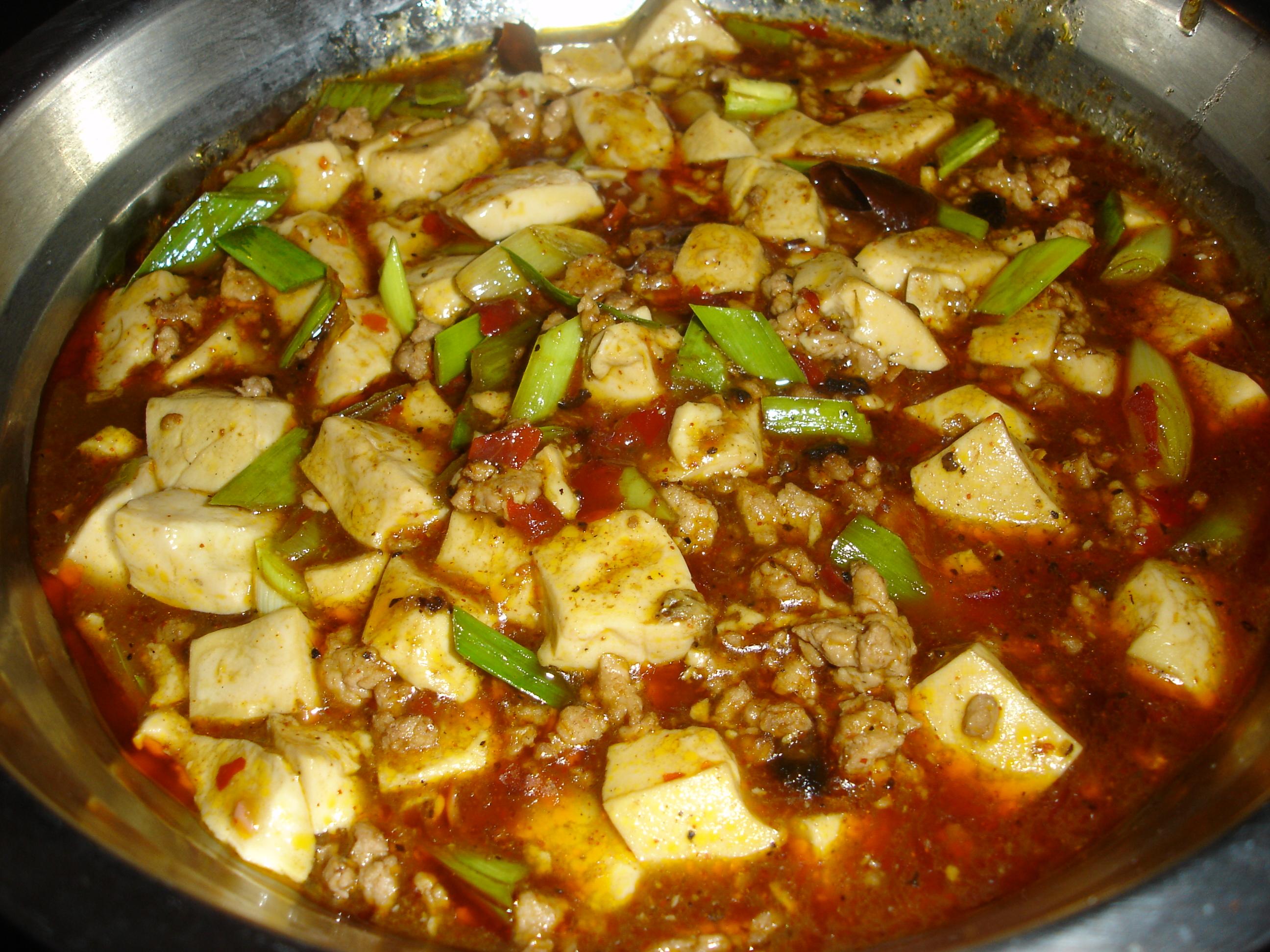
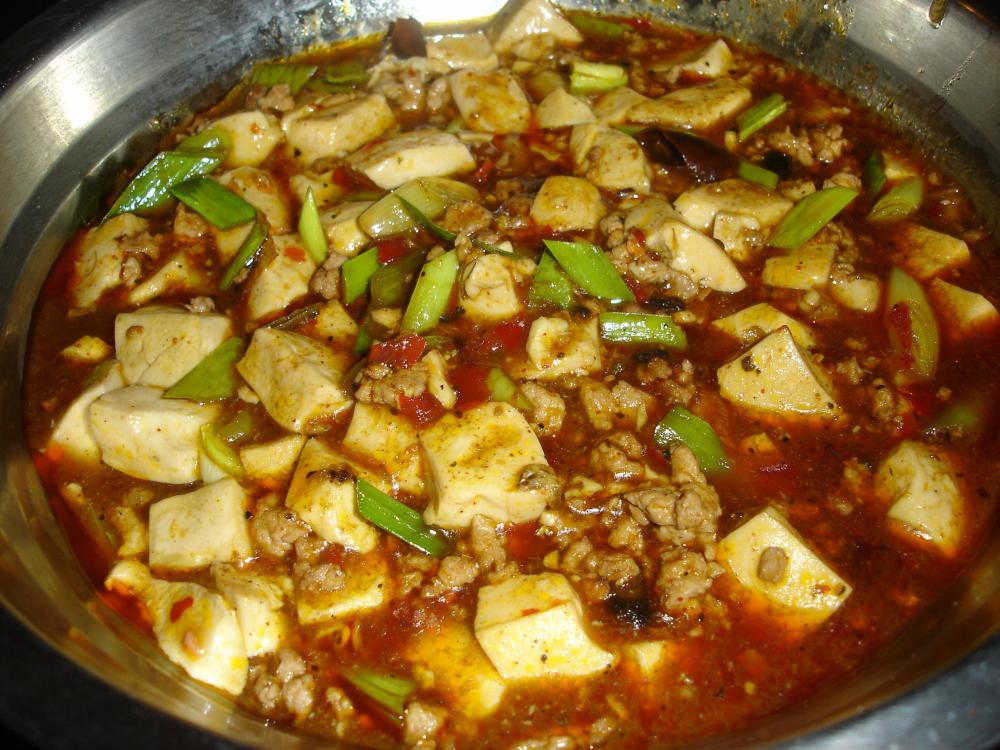
I was waiting for someone to ask that! 麻婆豆腐 (má pó dòu fǔ).
-

Pronunciation of culinary/food-related terms: Why do it wrong?
liuzhou replied to a topic in Food Traditions & Culture
For many years, there was a sign above the windows of every carriage on London Underground trains which read something like Very few people saw the error. But back to pronunciation, I've mentioned this before elsewhere on eG, but 'restauranteur' drives me crazy, especially when said by restaurateurs. There is no /n/ in the word!
-
Pronunciation of culinary/food-related terms: Why do it wrong?
liuzhou replied to a topic in Food Traditions & Culture
Almost always. -
Pronunciation of culinary/food-related terms: Why do it wrong?
liuzhou replied to a topic in Food Traditions & Culture
What irritates me most about 'mascarpone'is not the intrusive-r (common in many English dialects) but that so few people pronounce the final 'e'. It doesn't rhyme with 'phone'! https://dictionary.cambridge.org/us/pronunciation/english/mascarpone -
The Chinese artichokes aren't actually artichokes. More here. The acidity of the pickles does cut the robust smoky taste of the oysters well, though. I agree it's not an obvious pairing, but I like it! Would love to hear about your smoked duck starter when you finalise it.
-
Yes. I wrote about them and their history in this post. I first ate them in my French grandmother's kitchen in southern France a very long time ago. I've eaten them in Crosnes, too!
-
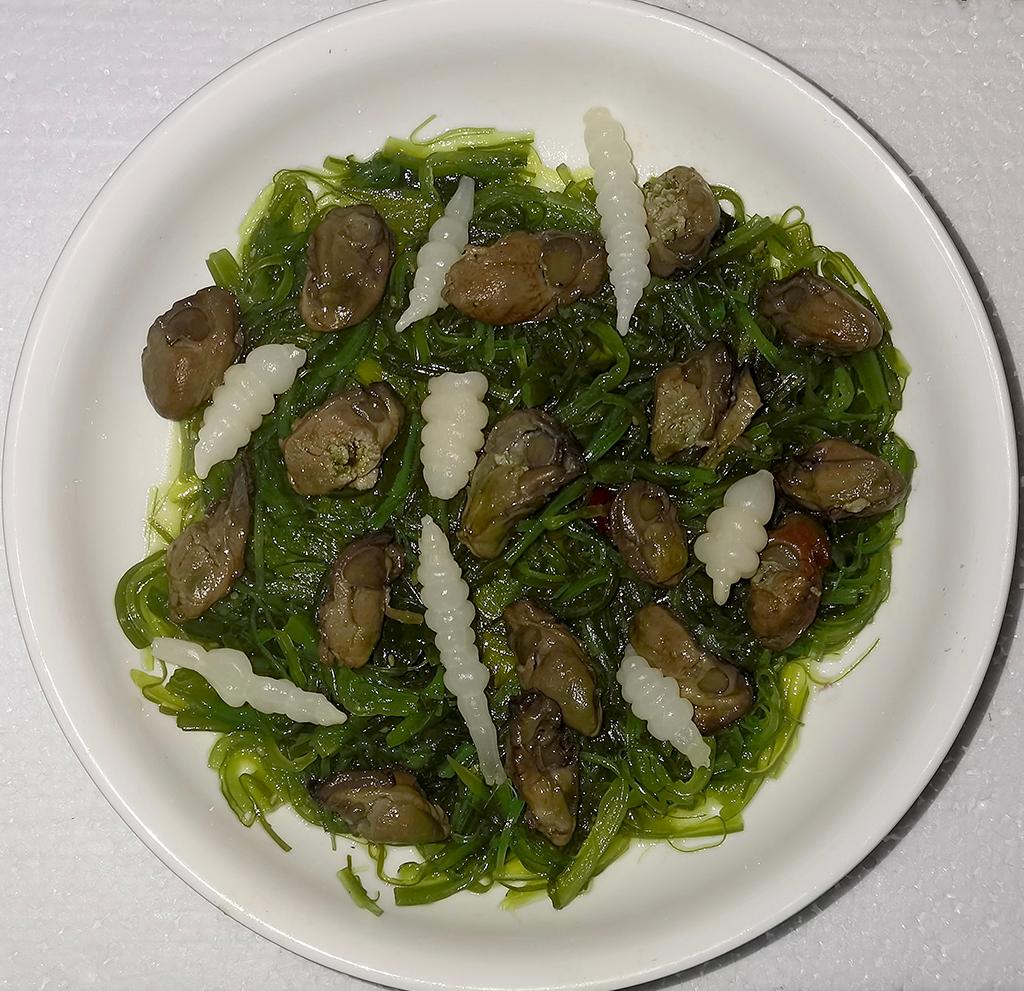
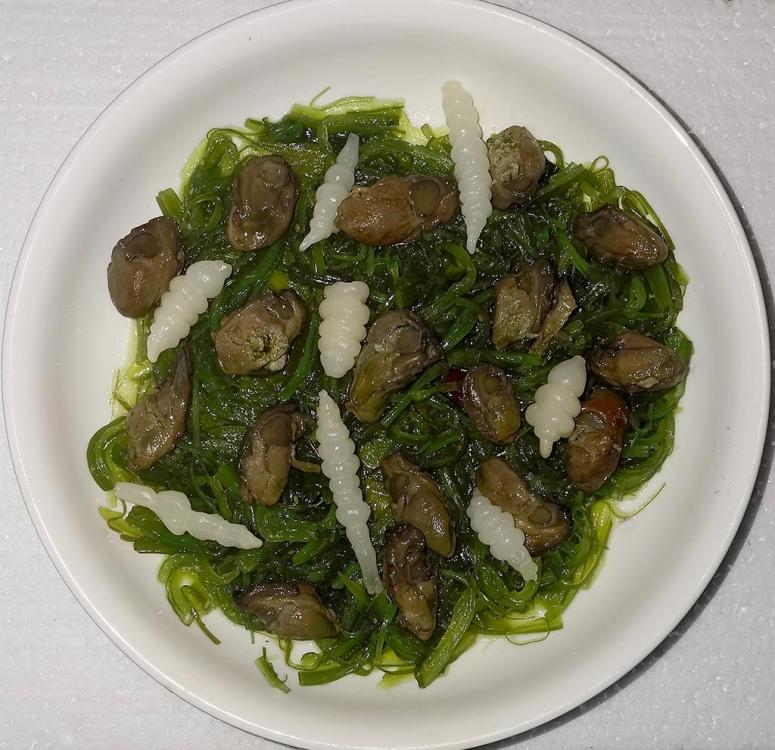
Of course, starters should whet the appetite, but also compliment the main course (I refuse to call it an entrée). This one was rather robust in flavour but I felt worked with the main. 烟熏牡蛎 (yān xūn mǔ lì) - smoked oysters, 裙带菜 (qún dài cài) - Undaria pinnatifida or in Japanese, ワカメ (wakame), 玉环菜 (yù huán cài) - Chinese artichokes (pickled).
-
I don't really have a technique. If it's frozen, then defrost to room temperature is it. That said, when I was still in the UK , it was seldom frozen.
-
Good idea but I have 12 jars of Marmite. (I can only buy it in bulk here.) Thanks though!
-
My home town in Scotland has loads of deer farms. The venison is 90% red deer. I'm convinced that's what you have.
-
For reasons not worth going into I have found myself in possesion of half a kilo of yeast extract powder. What the heck am I supposed to do with that? Sprinkle it on my c⊘rnflakes (which obviously I don't have)?
-
Pronunciation of culinary/food-related terms: Why do it wrong?
liuzhou replied to a topic in Food Traditions & Culture
We did an experiment in London where we played recordings of phoneticians saying 'herb' very carefully, some with the /h/ and some without. Many listeners reported hearing the /h/ in them all, although vocal tract x-rays and voice prints etc could prove there was no /h/ in half of them. Some heard no /h/ in any. We never told them what we were testing for. People often 'hear' what they are expecting to hear. -
I don't recall ever having a problem separating smoked salmon slices and I've been eating a lot of it regularly for over 60 years.
-
Pronunciation of culinary/food-related terms: Why do it wrong?
liuzhou replied to a topic in Food Traditions & Culture
Regarding whether or not to pronounce the 'h' in 'herb'; while there is a regional variation it was originally pronounced and spelled everywhere without the initial 'h' as 'erbe', Pronunciation of the 'h' became prominent for unknown reasons (despite having been used much earlier) in the early 19th century in British English but not in American English. There is a British comedian (opinions differ on that designation) who features a rant about herb vs 'erb in one of his routines saying that it must be herb as it has the 'h' while ignoring words like 'heir', 'honest', 'hono(u)r', 'hour'. It is very common to drop /h/. London is famous for it and for inserting /h/ where it apparently unrequired. I give you "I'll be 'avin' 'am and heggs for breakfast!" I eat eggs with herbs (pronounced /hɜːbz/.

.jpg.17cf5bd2d77d302c56f1ab9411384977.jpg)