
Pete Fred
-
Posts
559 -
Joined
-
Last visited
Content Type
Profiles
Forums
Store
Help Articles
Everything posted by Pete Fred
-
Your Daily Sweets: What Are You Making and Baking? (2017 – )
Pete Fred replied to a topic in Pastry & Baking
Stella Parks' Pumpkin Skillet 'Thing'. Underwhelming. It took much longer than indicated (internal temp 96°C) which accounts for the overcooked edges. The streusel topping was dry and powdery. I used Ovaltine for the malted milk powder, so it's darker than her version. Several commenters had similar problems so I'm not sure what to make of it. Even if the texture would've been better, the flavour was decidedly 'meh'. It just seemed an expensive way to waste some quality white chocolate. I enjoy reading Ms Parks' articles and have picked up some valuable tips but this isn't the first time I've been disappointed with the results, whether technical or taste. So no hard feelings - no doubt operator error is partly to blame - but her bakes are seemingly not for me.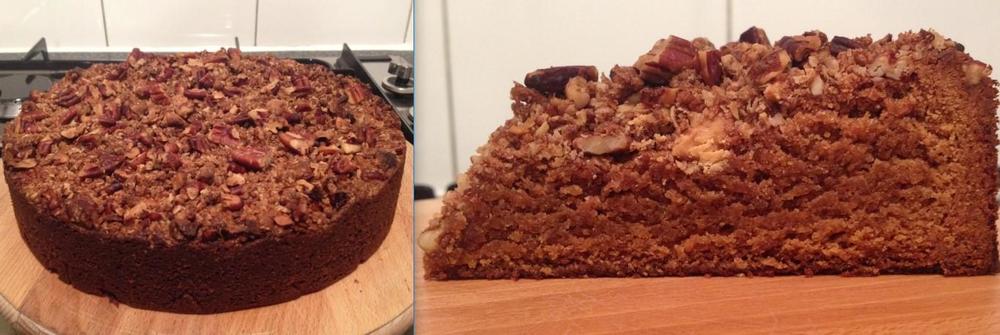
-
Your Daily Sweets: What Are You Making and Baking? (2017 – )
Pete Fred replied to a topic in Pastry & Baking
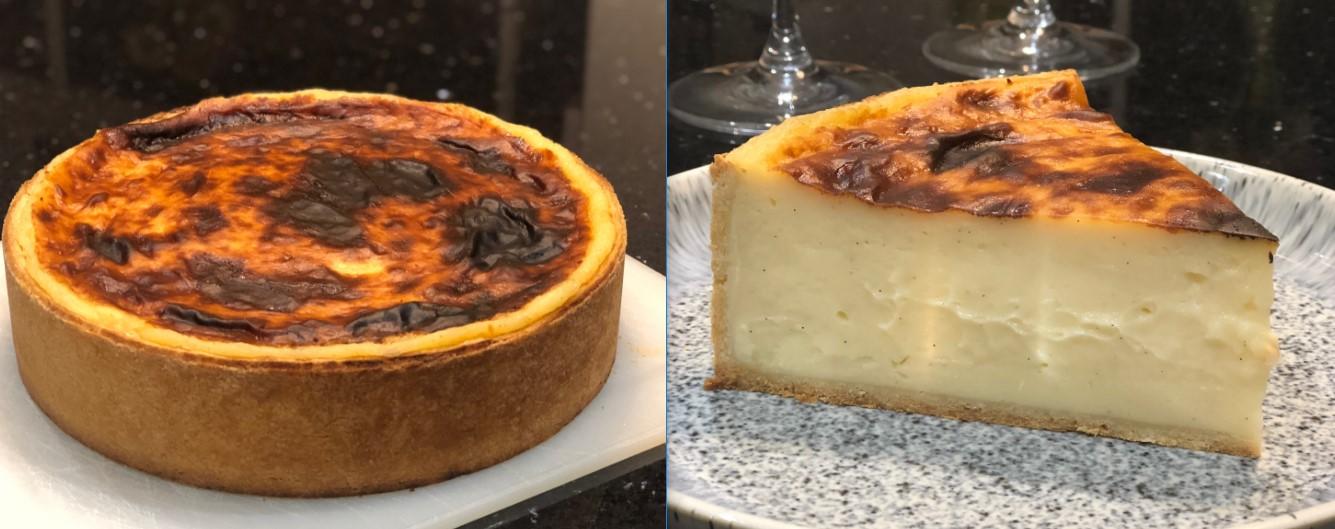
Another take on Flan Parisien. I've only ever made ones containing eggs (whole or just yolks) so I was intrigued to see it done without them. Not quite as smooth and creamy as my regular recipe but still a superior tart. Should Arm-egg-eddon wipe out the world's chickens, it's comforting to know there will still be flan.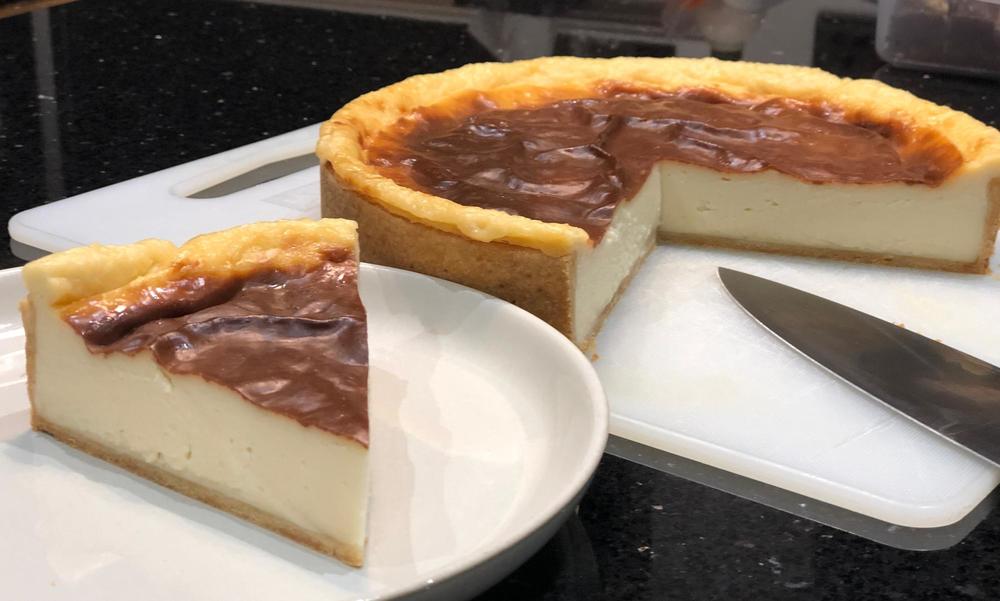
-
Your Daily Sweets: What Are You Making and Baking? (2017 – )
Pete Fred replied to a topic in Pastry & Baking
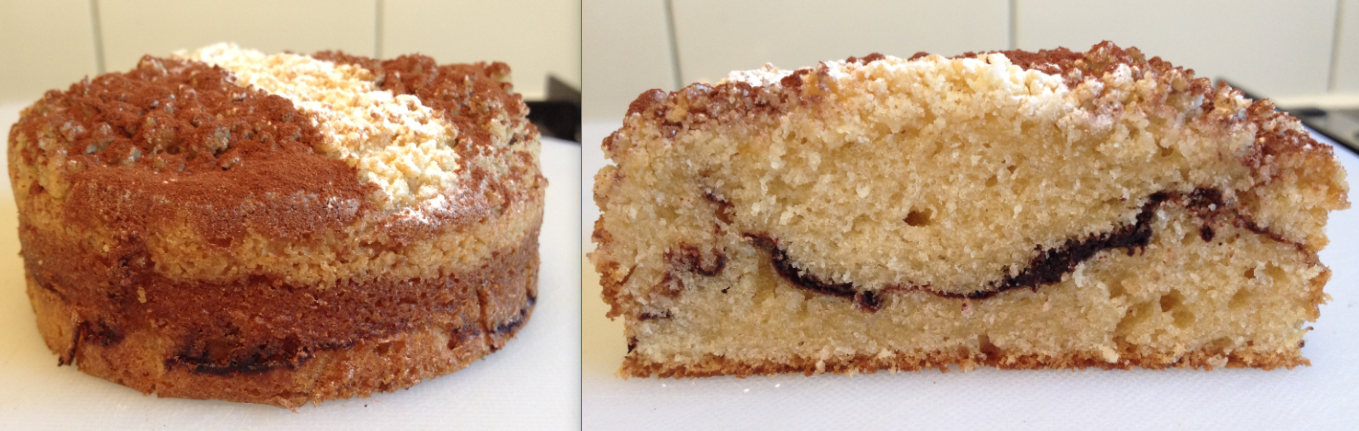
Coffee Cake from Thomas Keller's Bouchon Bakery book. It's an excellent cake, flavoured with vanilla, cocoa and cinnamon. The almond streusel topping has a nice texture. The crumb is a little less airy than I would like, but that's down to using a hand mixer rather than the brute force of a stand mixer for the creaming.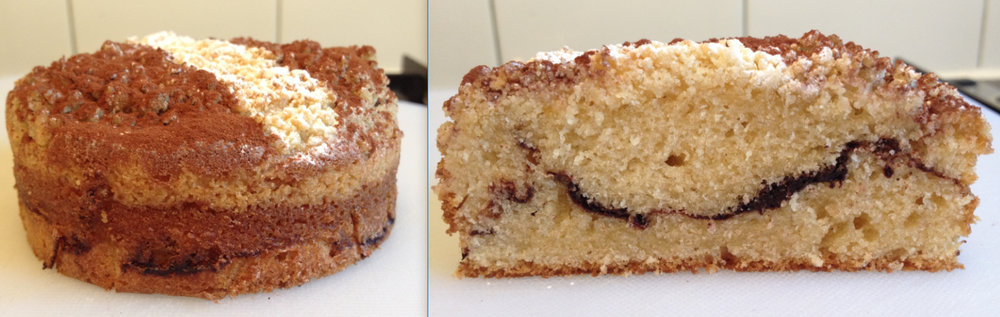
-
Your Daily Sweets: What Are You Making and Baking? (2017 – )
Pete Fred replied to a topic in Pastry & Baking
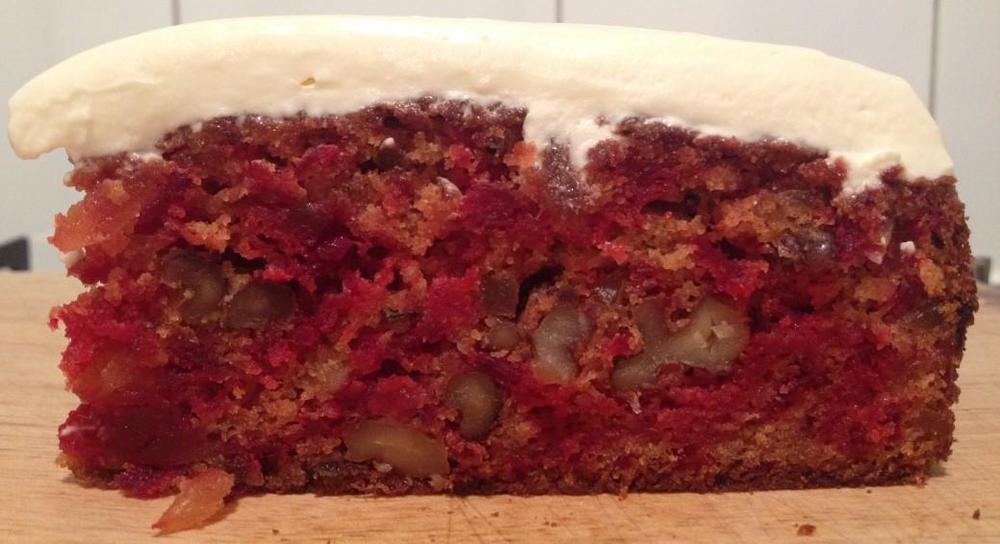
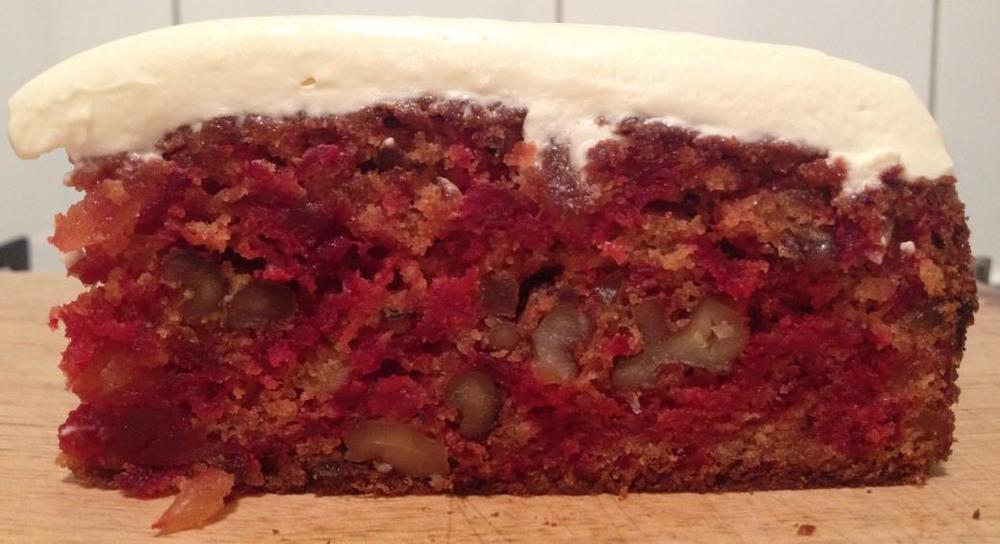
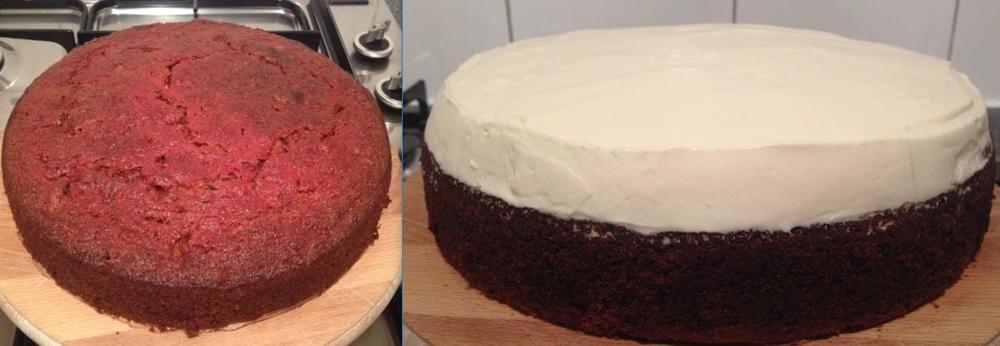
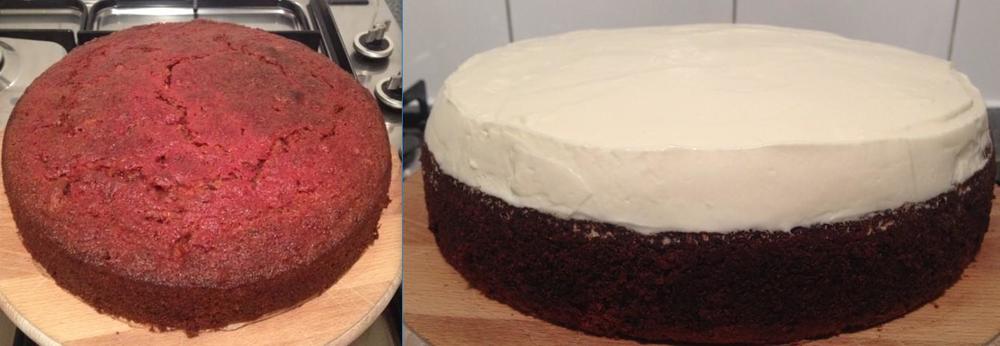
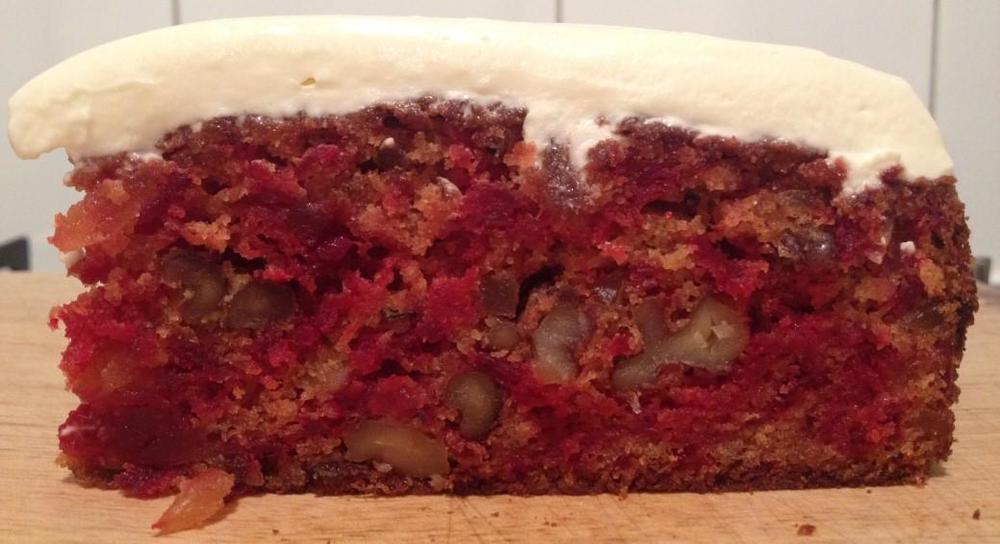
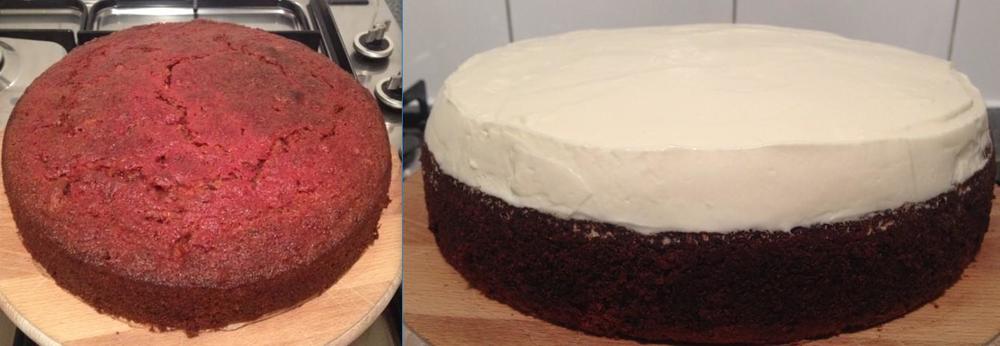
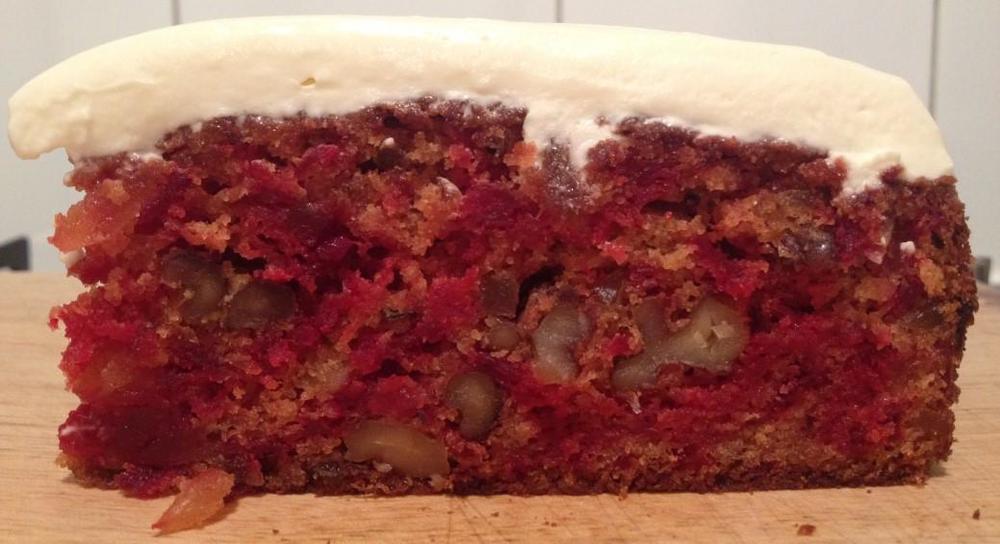
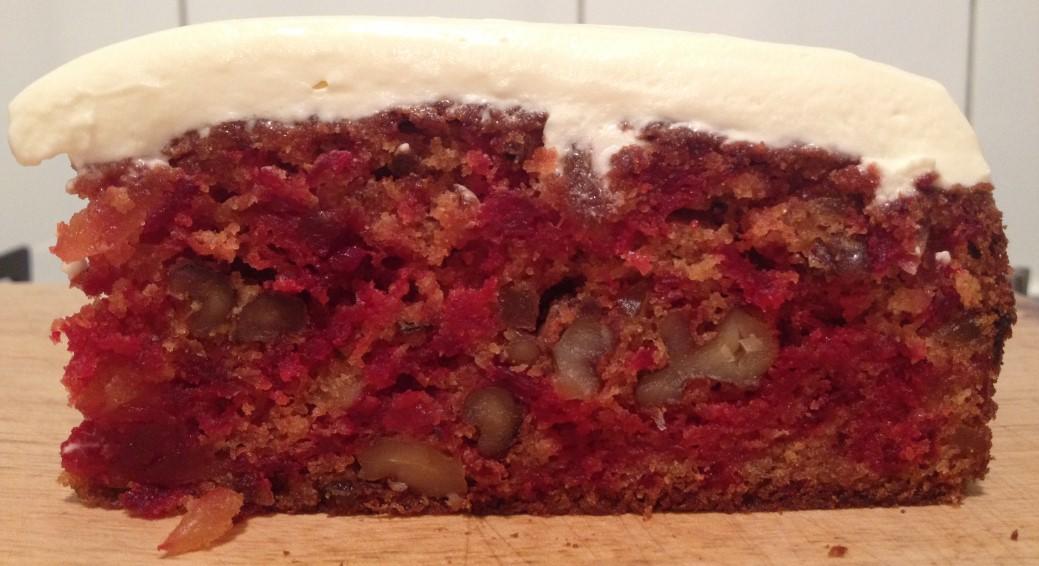
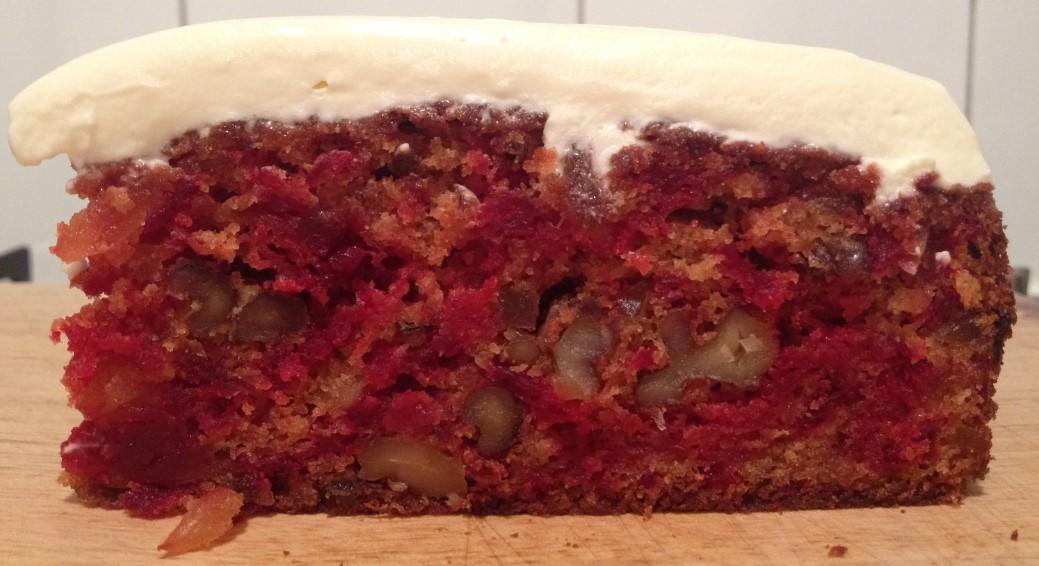
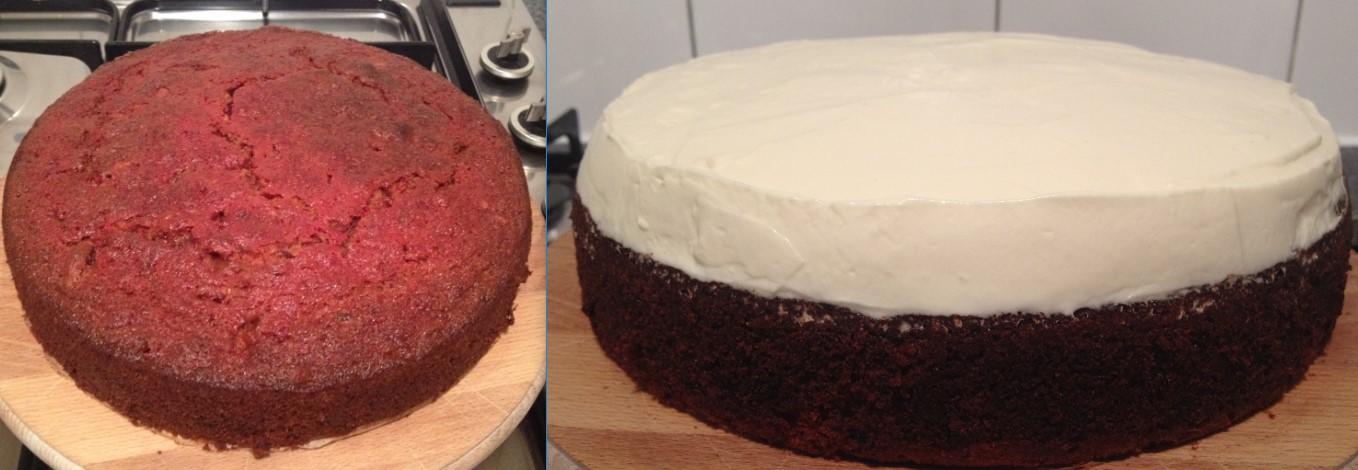
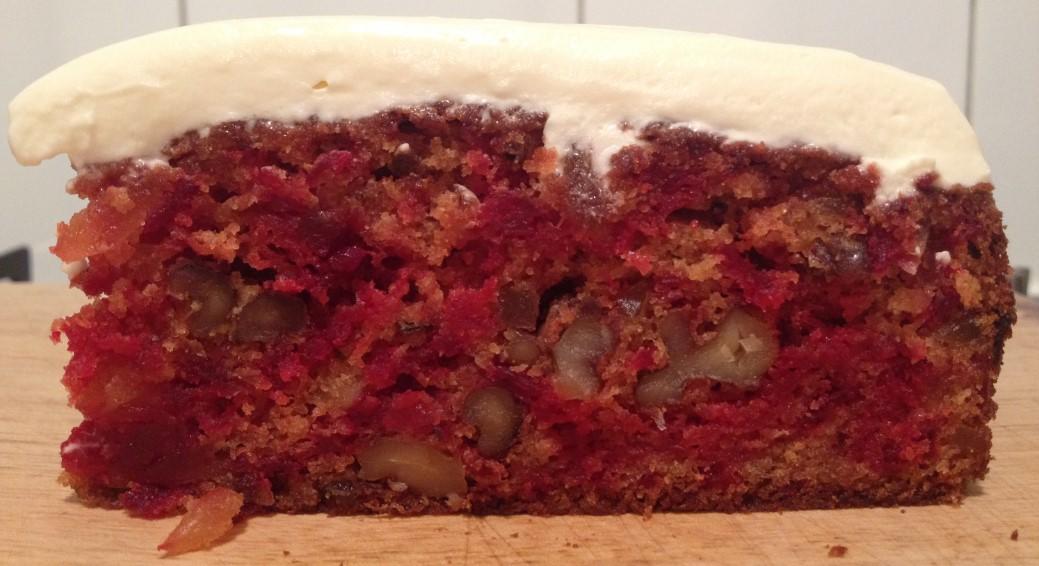
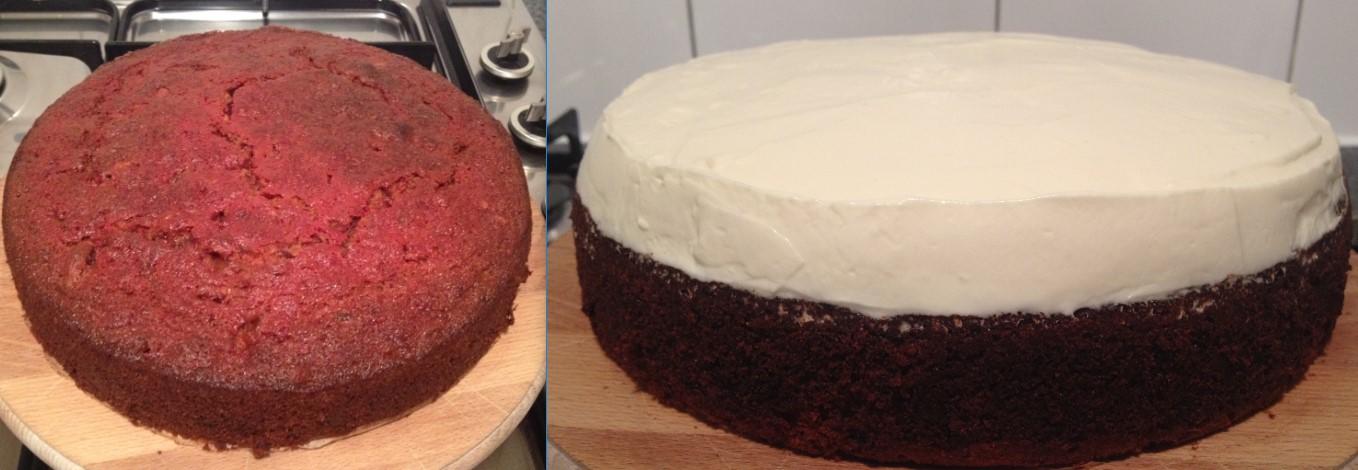
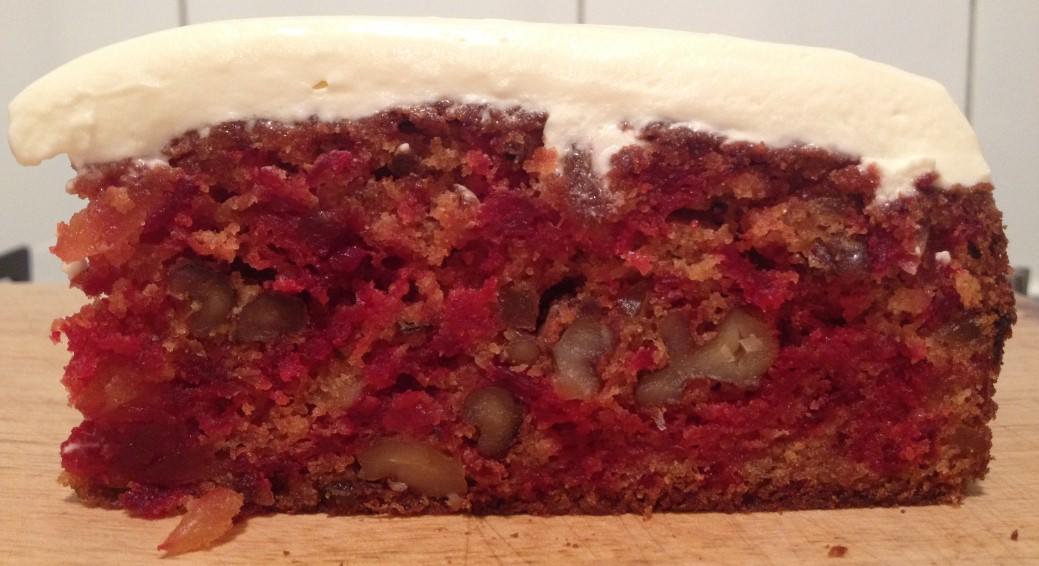
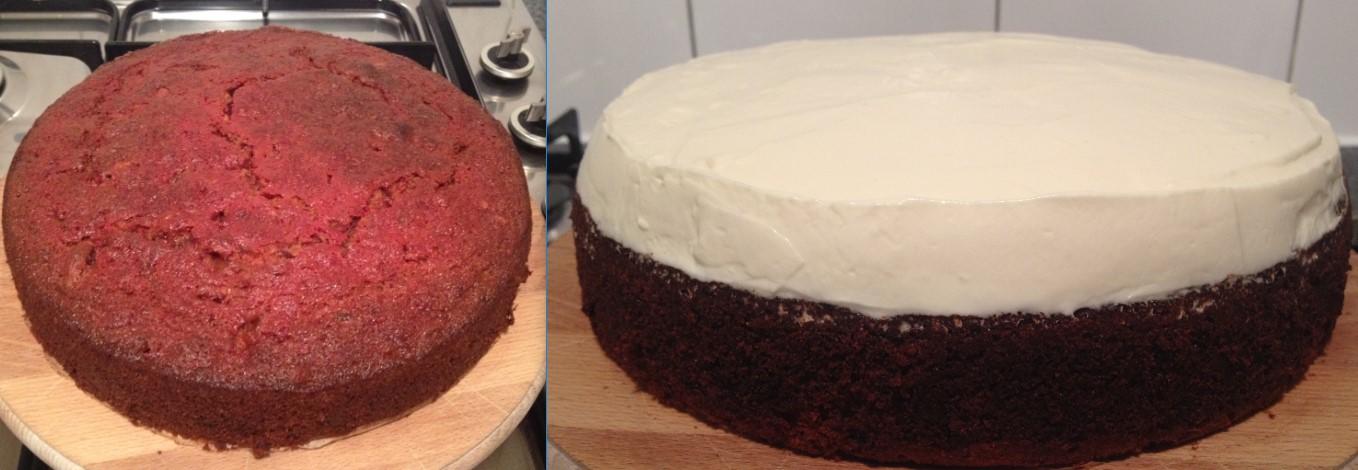
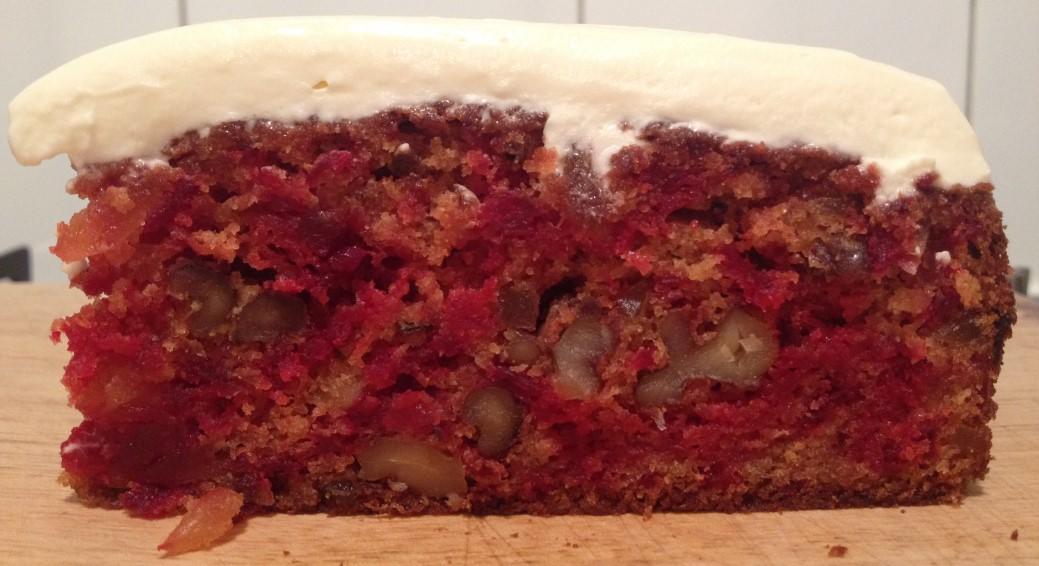
Beetroot, Ginger and Soured Cream Cake from Ottolenghi 'Sweet'. Here it is before and after icing... It contains beetroot, walnuts and stem ginger (preserved ginger). The topping is cream cheese and double (heavy) cream. Ottolenghi uses a vitamin C tablet to preserve and 'set' the colour of the beetroot, resulting in quite a striking visual when sliced... This was a very good cake.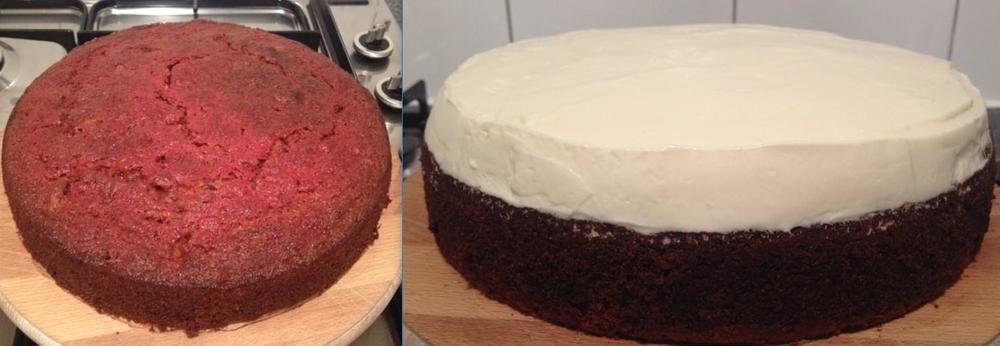

-
Your Daily Sweets: What Are You Making and Baking? (2017 – )
Pete Fred replied to a topic in Pastry & Baking
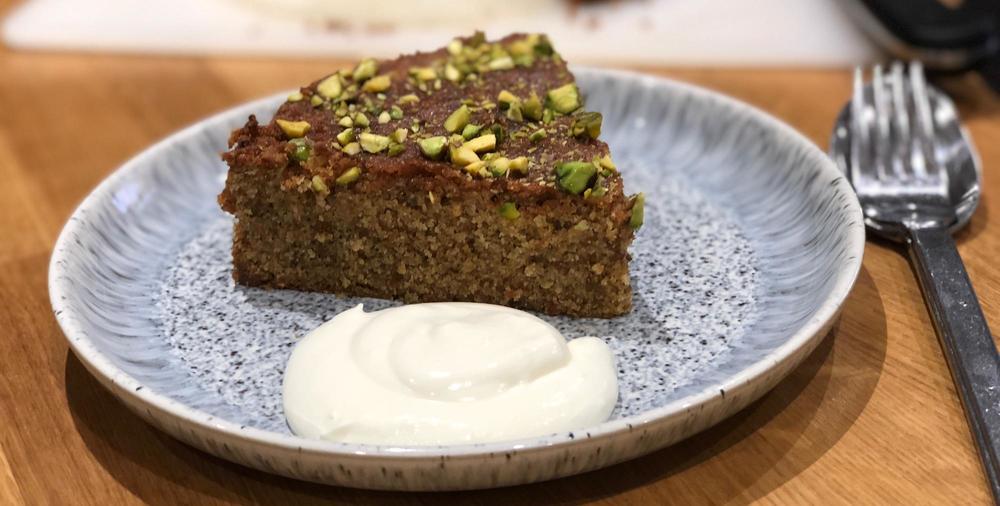
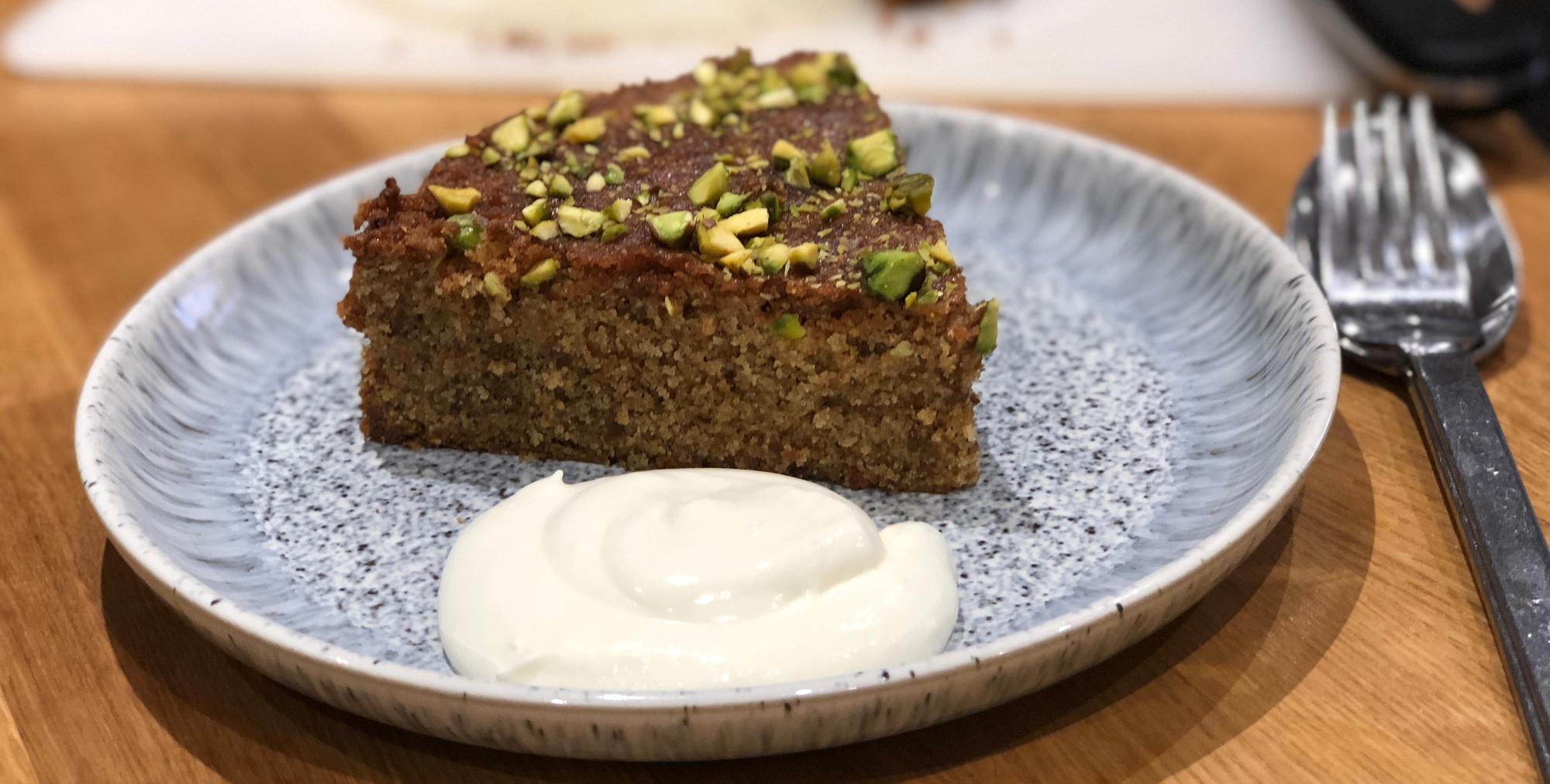
Pistachio and Rose Water Semolina Cake from Ottolenghi 'Sweet'. A bit of a curious one, this. I had high expectations that, sadly, didn't quite deliver. I think I may have contributed to my own disappointment by roasting the almonds (with skins, my choice) and pistachios that went into the cake batter. They were then blitzed in the food processor but not as finely as commercial ground nuts. This meant their flavour and texture was a little more "wholemeal" in the finished cake. Even the generous amount of soaking syrup (lemon, rose water, sugar) didn't really brighten things up much. I was hoping the accompanying cream (Greek yoghurt, crème fraîche, rose water) would come to the rescue but that turned out to be surprisingly anodyne. Not sure I'll be revisiting this one any time soon.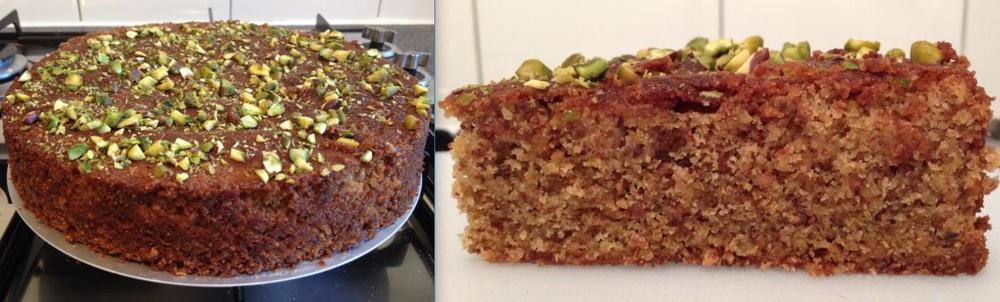
-
Your Daily Sweets: What Are You Making and Baking? (2017 – )
Pete Fred replied to a topic in Pastry & Baking
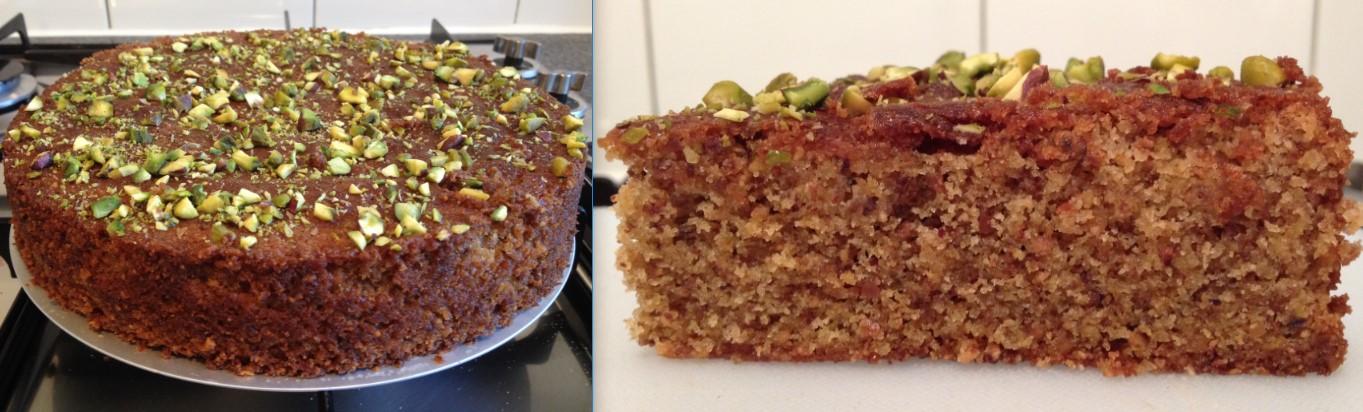
Another day, another bit of brown; this time in the form of the Courgette (Zucchini) & Pistachio (Pistachio) Cake from Honey & Co. I didn't have any olive oil so subbed in regular vegetable oil (rapeseed). Next time I'll chuck in another handful of (roasted) nuts. I enjoyed this. It was a fine cake.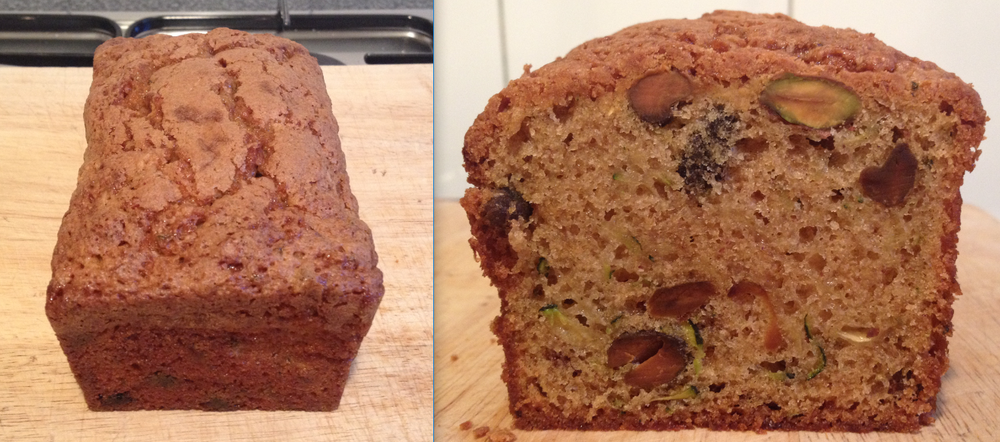
-
Your Daily Sweets: What Are You Making and Baking? (2017 – )
Pete Fred replied to a topic in Pastry & Baking
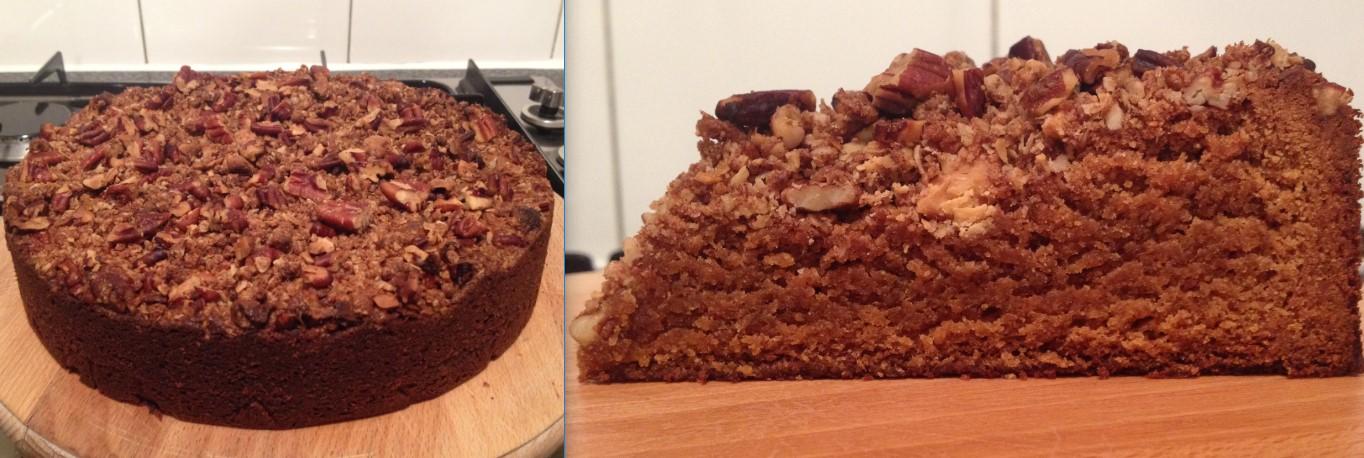
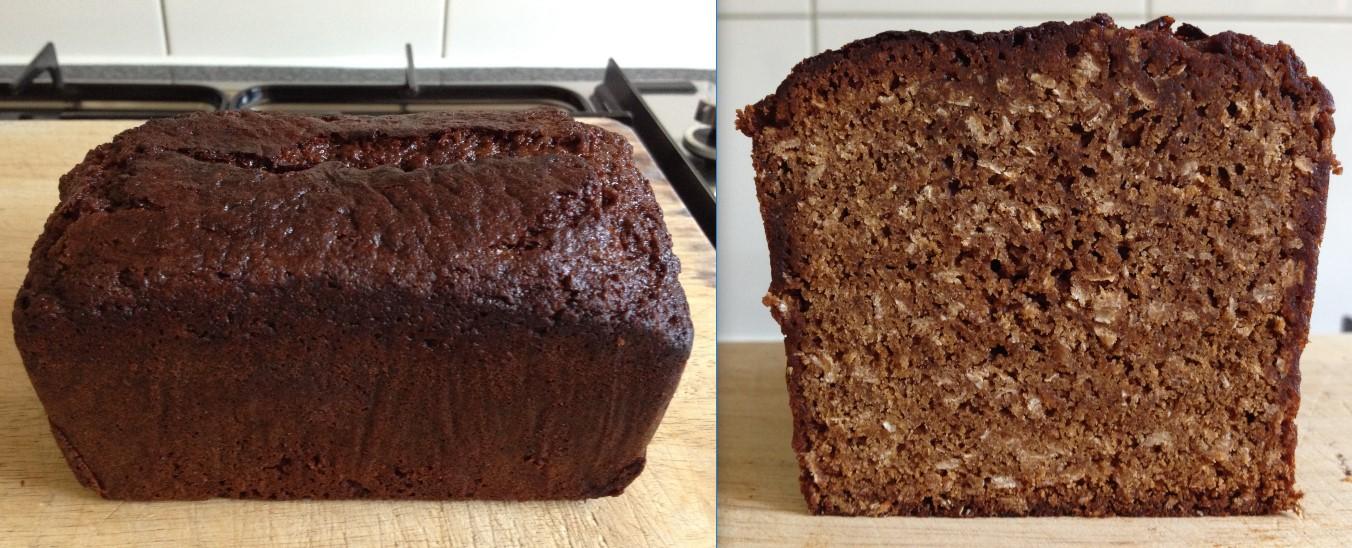
After the unrestrained hedonism of pink icing and glacé cherries, it's back to boring brown cakes for me. This is parkin, a traditional cake from the north of England. It's kind of a dense gingerbread made with black treacle (molasses) and oats. This is the Yorkshire type of parkin and bakes quite dry. But it's so hygroscopic from the ridiculous amount of sugar that, after a few weeks in a cupboard, it softens nicely and turns pleasingly sticky. It's a popular treat at this time of year with Halloween and Bonfire Night just around the corner.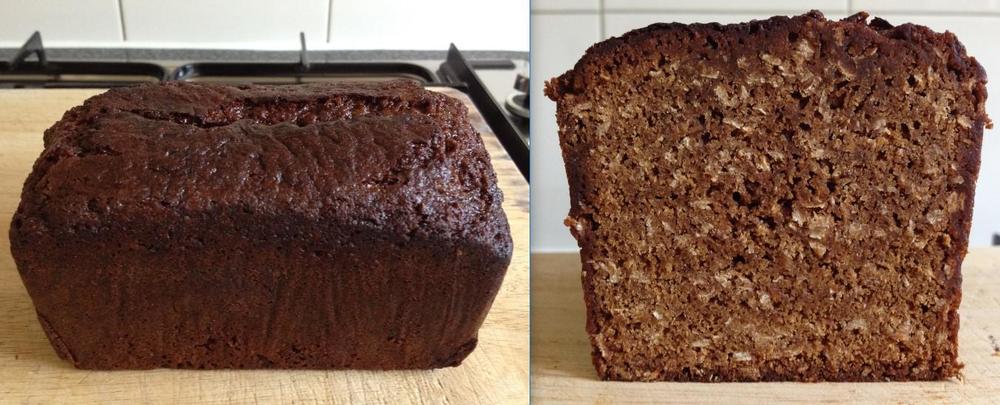
-
Your Daily Sweets: What Are You Making and Baking? (2017 – )
Pete Fred replied to a topic in Pastry & Baking
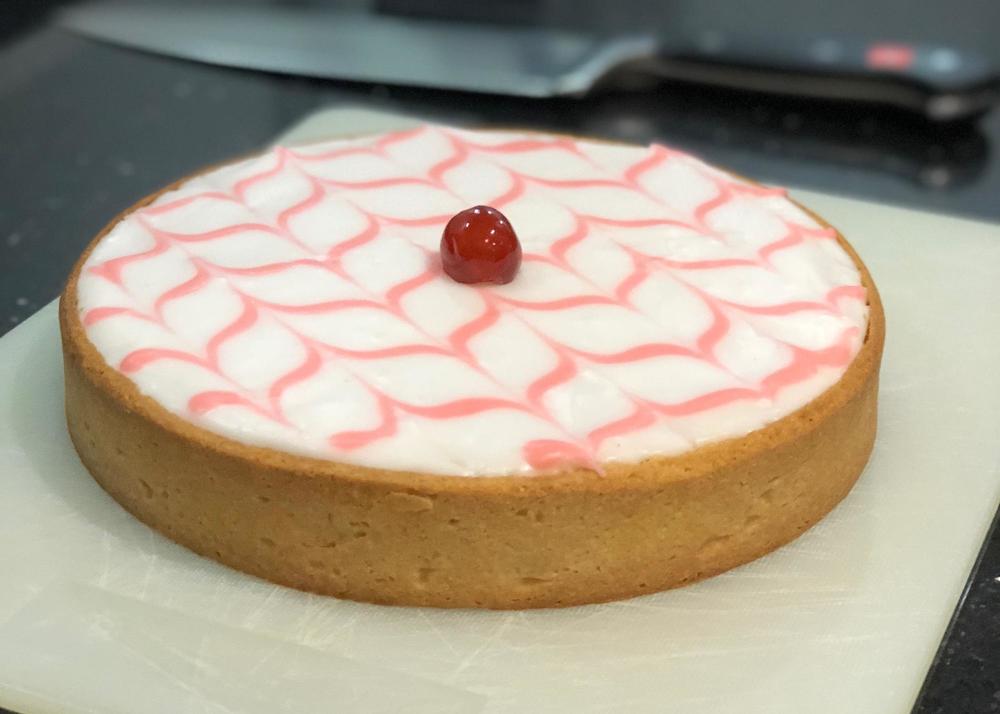
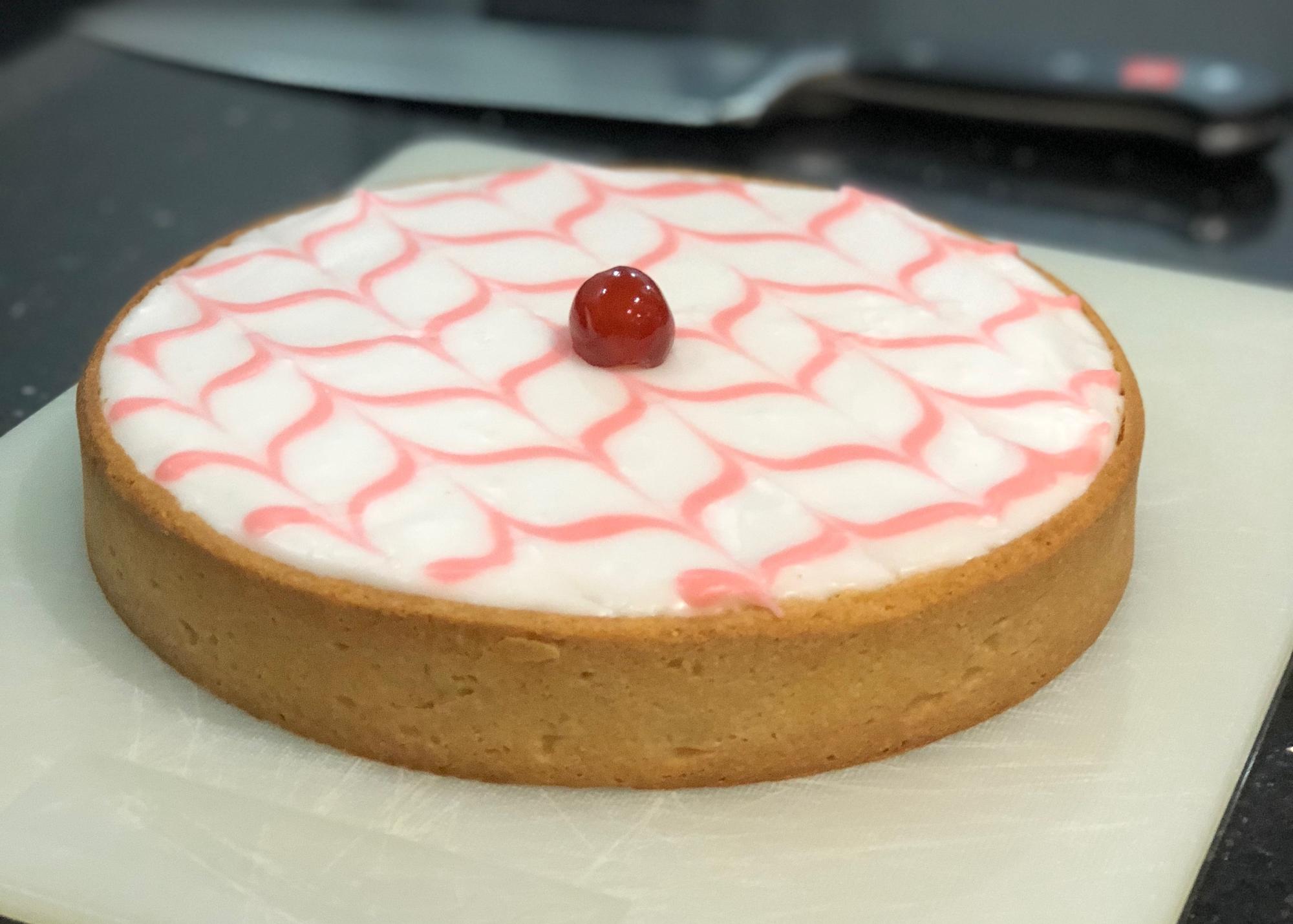
Today's nostalgic treat was a Bakewell Tart. And, obviously, if you're gonna go full retro with the feathering, might as well stick a cherry on top!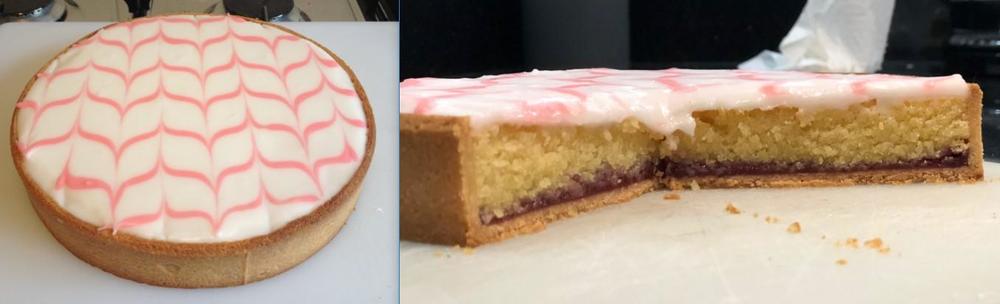
-
Your Daily Sweets: What Are You Making and Baking? (2017 – )
Pete Fred replied to a topic in Pastry & Baking
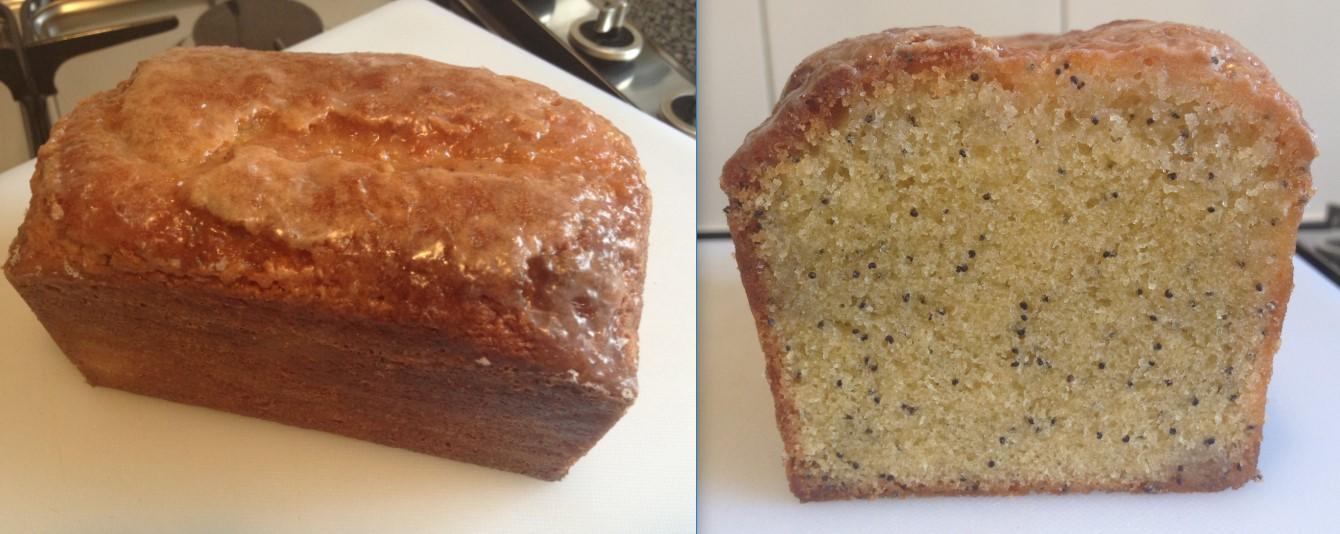
Yup. I'm not particularly well versed in filo but have had decent results in the past. I'm still blaming the method (well that's my story and I'm sticking to it). Should I revisit filo strudel, @Kim Shook has given me a few pointers that would likely solve my issues. But at the moment I think I'm just gonna glance wistfully in the rear view mirror and chalk it up to experience. To stave off the blues after a baking fail, I reached for my current go-to, Ottolenghi 'Sweet', and alighted on the Lemon and Poppy Seed Cake. I must have angered the baking Gods of late because this is the first one from the book that I've been less than happy with. It was perfectly fine but the batter didn't really come together as described in the recipe, and the finished cake looks a little different to his, texture-wise. So I made another two (!) which are currently cooling. Sadly, I doubt I'll be troubling the board with tales of redemption. Nothing much seemed to change. The losing streak continues.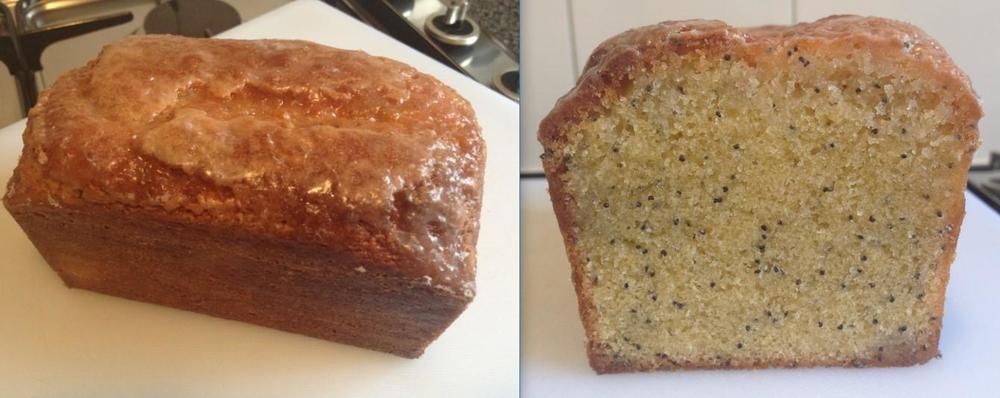
-
Your Daily Sweets: What Are You Making and Baking? (2017 – )
Pete Fred replied to a topic in Pastry & Baking
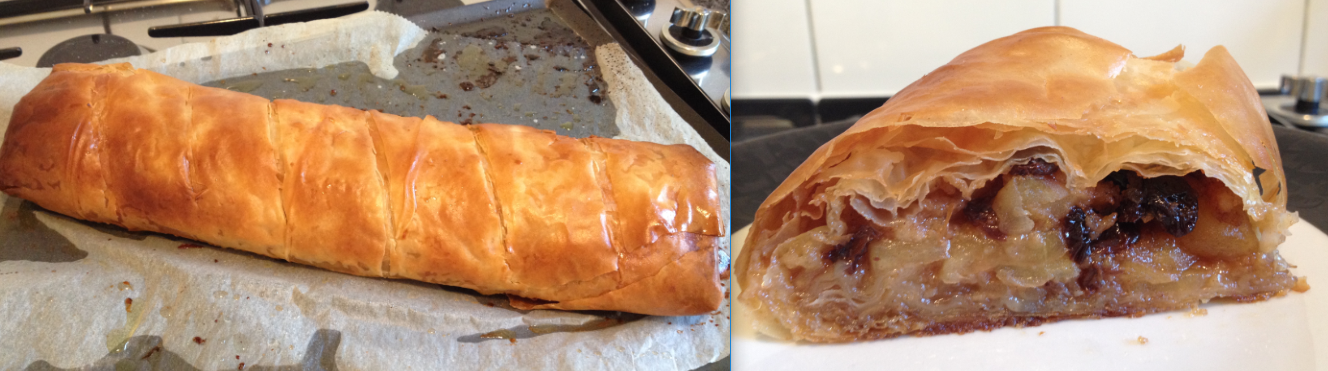
It was ok. My woes lie entirely with the filo. Dry and papery on top, tough underneath. If I'd done a better job with the cooking I'm still not sure it would be to my taste. I'm looking for something lighter. The method involved layering multiple sheets of filo and rolling into a log. I think I might prefer it made with a single, very thin sheet of strudel dough rolled around the filling. This appears to be the traditional way as opposed to the more modern filo 'hack'. Although filo and strudel dough are similar-ish, the number of 'purists' saying filo is inferior has made me curious. -
Your Daily Sweets: What Are You Making and Baking? (2017 – )
Pete Fred replied to a topic in Pastry & Baking
Thought I'd have a go at making apple strudel. It was a bit of a letdown, the filo disappointingly dry and heavy. That may be due to operator error - it could just be overcooked - but I'm gonna point the finger of blame at the shop-bought pastry being of not great quality (there were similar complaints on the supermarket website). Subsequent research suggests that filo will always be a little dry and papery compared to proper homemade strudel dough, but whether I can be bothered having a go at making my own is a different matter entirely. I might just call it quits.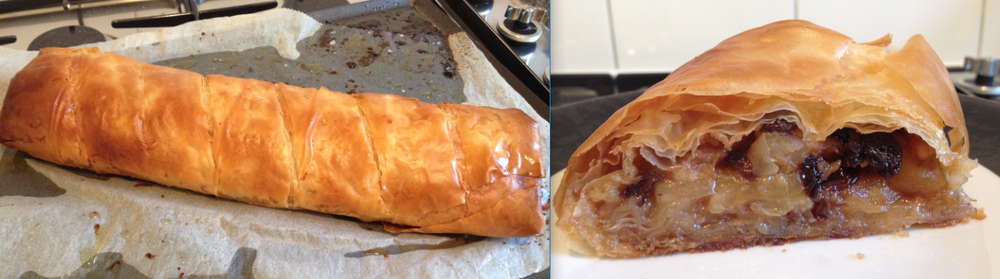
-
Your Daily Sweets: What Are You Making and Baking? (2017 – )
Pete Fred replied to a topic in Pastry & Baking
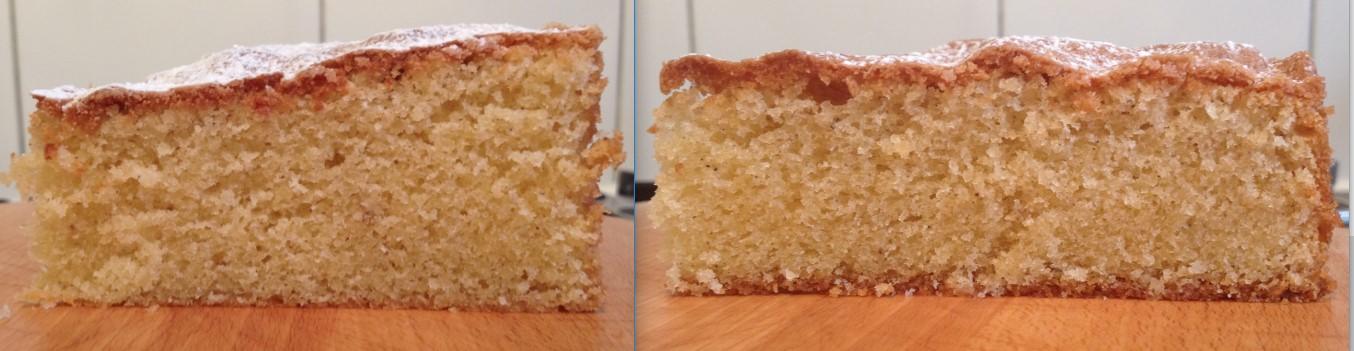
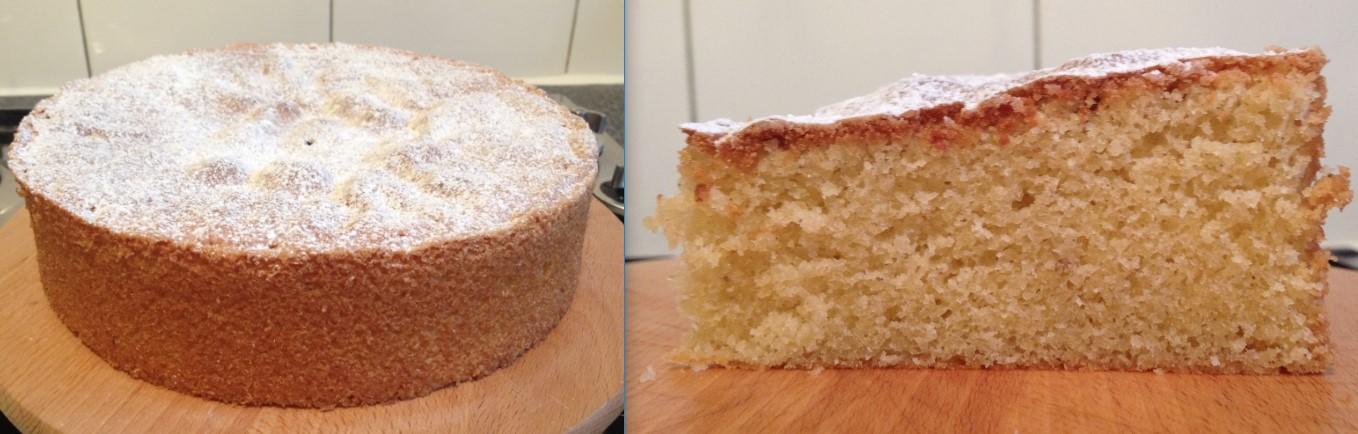
I feel the need to 'fess up to being inordinately annoyed that my almond cake sunk somewhat in the middle. I figured it might be down to using the wrong cake tin (20 cm/8 inch in diameter and 7.5 cm/3 inch deep). So obviously I had to make it again. 🙄 <cue bakers everywhere groaning sympathetically in acknowledgement> This time I used a 4.5 cm/2 inch high tart ring and it worked out much better. The edge rose to the top of the ring and set, with the middle continuing to rise a little further before settling back level. Rejoice!! Lesson learned. 🤔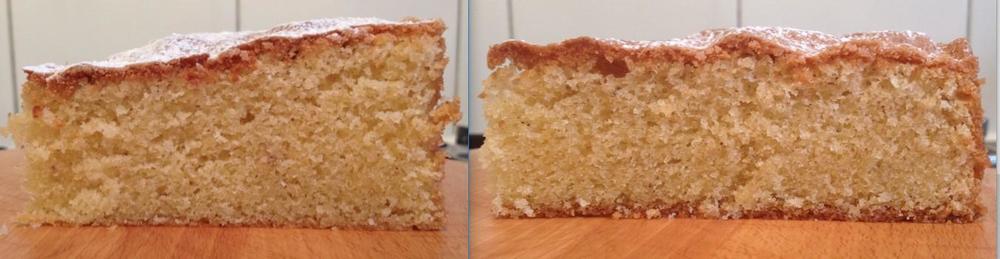
-
Your Daily Sweets: What Are You Making and Baking? (2017 – )
Pete Fred replied to a topic in Pastry & Baking
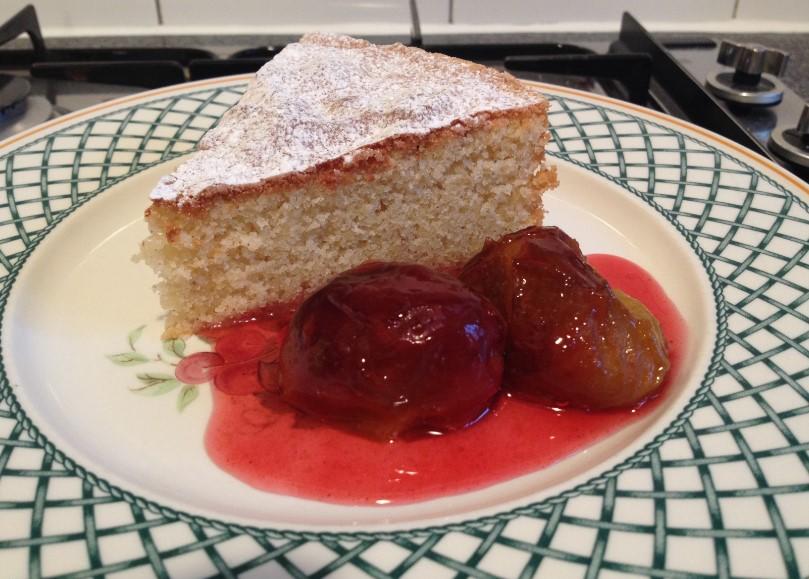
Continuing to plough my way through Ottolenghi 'Sweet'. This is the Almond Butter Cake with Cardamon. Simple but delightful... Conscious of the fact that I've been on a run of quite plain cakes recently, I made his accompaniment of baked plums. Here it is plated... The plums are baked with wine and spice. Sadly, they were a bit 'meh'. The curse of commodity plums strikes again; will I ever learn?!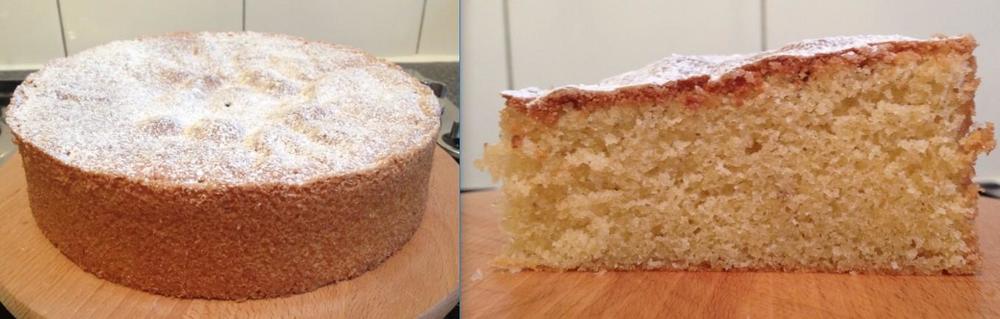
-
Your Daily Sweets: What Are You Making and Baking? (2017 – )
Pete Fred replied to a topic in Pastry & Baking
I guess there's no time like the present when it comes to cake, so Gateau Breton made with buckwheat flour... The crumb was a little tighter compared to regular flour, and the nuttiness was ok. Overall I preferred yesterday's version; it had a better texture and the butter flavour was cleaner..thumb.jpg.2e78d75682fae80ddf53110e6c432013.jpg)
-
Your Daily Sweets: What Are You Making and Baking? (2017 – )
Pete Fred replied to a topic in Pastry & Baking
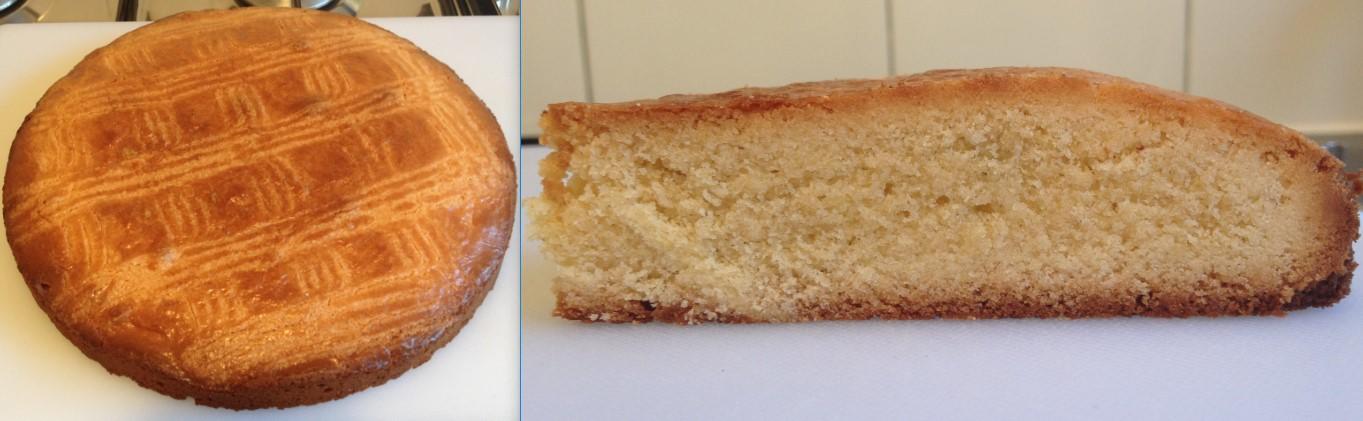
Gateau Breton (Brittany Butter Cake)... Not much of a looker, admittedly. If you've never heard of it, the texture is somewhere between shortbread and cake. Given it's made with so few ingredients, it all comes down to the quality of the butter used; in this instance, raw-cream salted butter from Isigny, so it tasted great. I keep meaning to make this with the traditional buckwheat flour; it'd be interesting to see what the nuttiness brings to the party.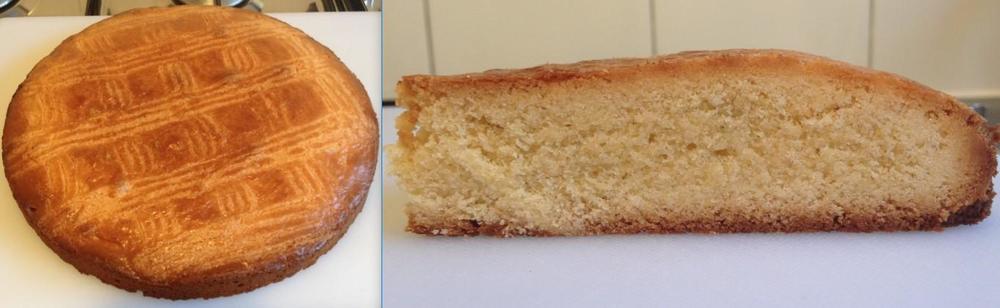
-
Your Daily Sweets: What Are You Making and Baking? (2017 – )
Pete Fred replied to a topic in Pastry & Baking
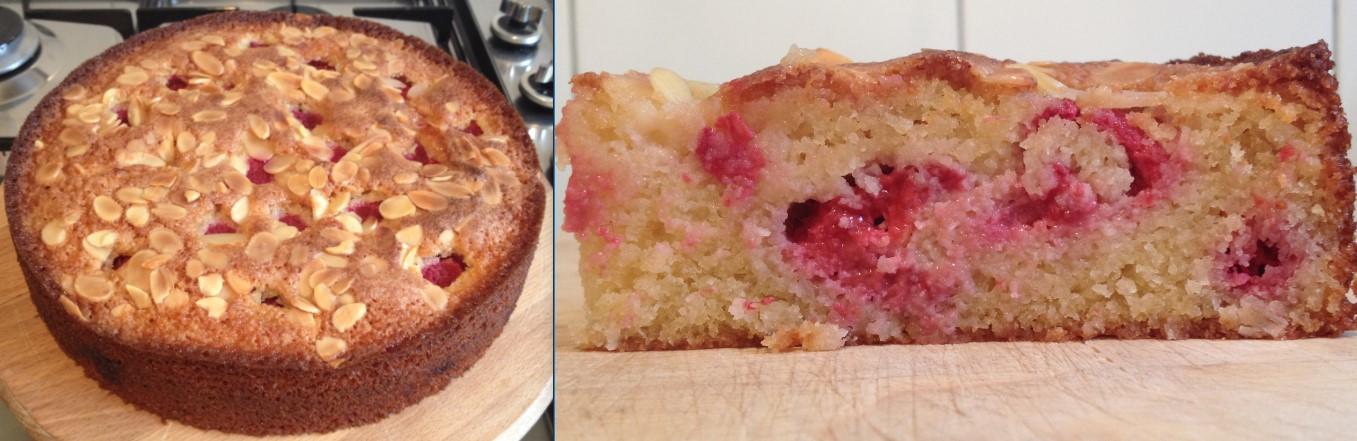
Here's the Coconut, Almond and Raspberry Cake from Ottolenghi "Sweet". He uses blueberries in the book, but they're so spectacularly bland here in the UK I've learned to steer clear. Why on earth he would choose to use them is beyond me. I liked it. Very good texture. The coconut was quite subtle, but present. I contemplated adding some crushed freeze-dried raspberries for a more pronounced hit but decided to go as-is for the first attempt. Definitely next time, though. Or maybe add a hint rose for an Hermé Ispahan vibe.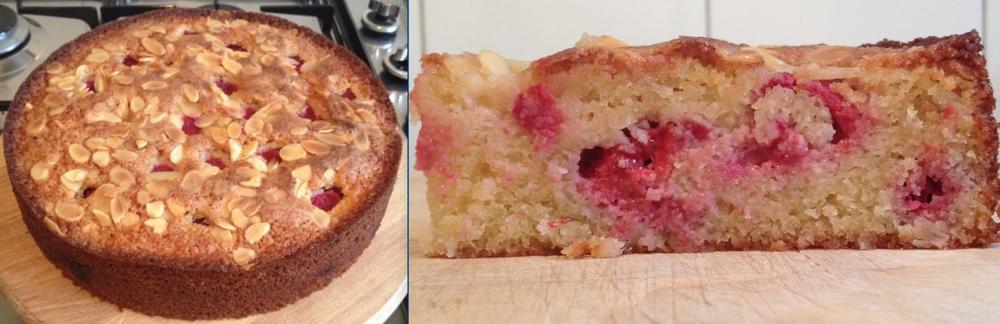
-
Pierre Hermé does in Larousse des Desserts. 190g butter (room temp), 50g milk (or water), 5g salt, 20g egg yolk, 250g flour Beat the butter. Dissolve salt in milk and beat into the butter. Beat in the yolk. Work in the flour (fraisage).
-
Your Daily Sweets: What Are You Making and Baking? (2017 – )
Pete Fred replied to a topic in Pastry & Baking
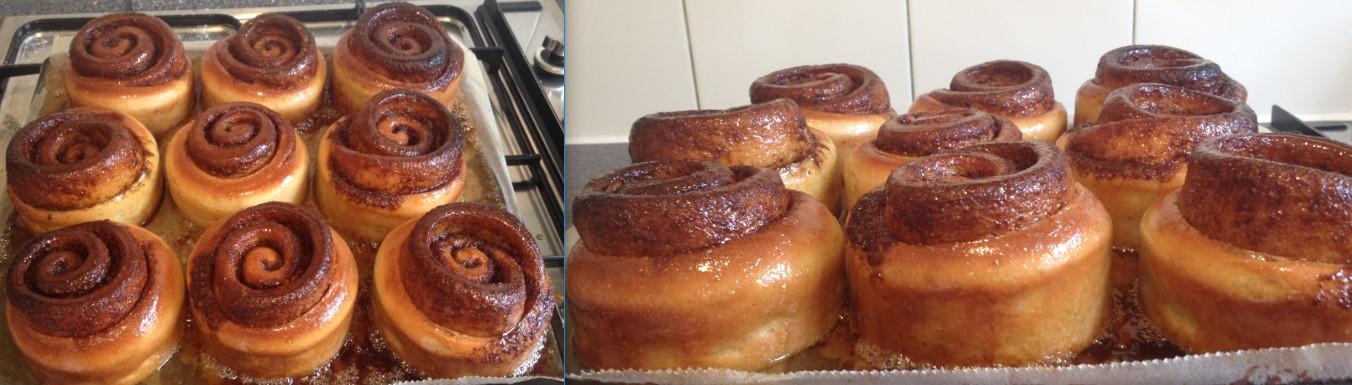
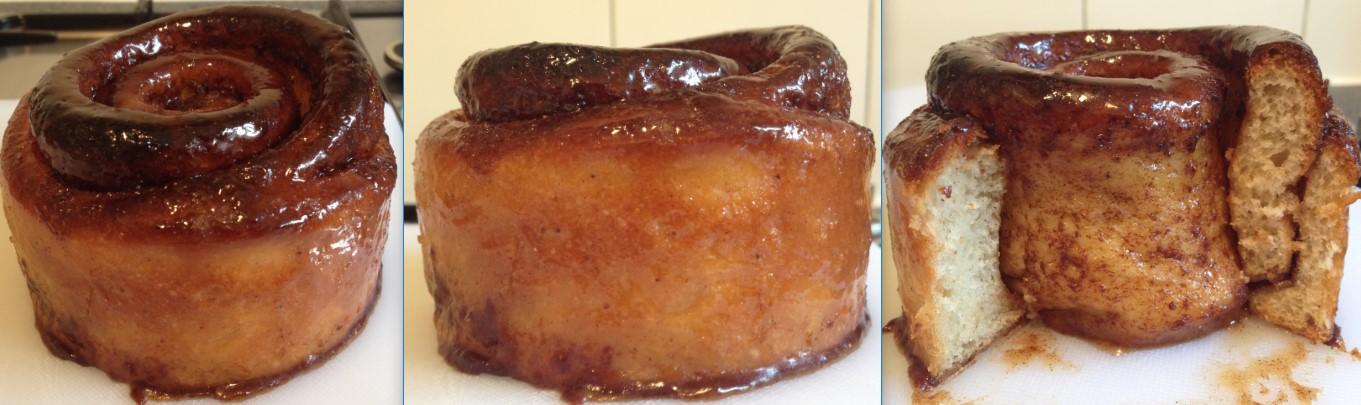
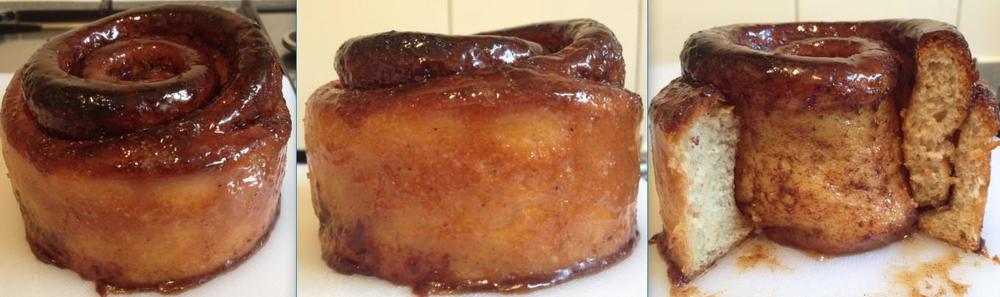
These are (sort of) the Cinnamon and Cardamom Scrolls from the Bread Ahead Cookbook. I swapped in a more brioche-y dough which resulted in quite a significant vertical rise... This bugged me initially, but the more I look at them the more character they seem to have. So, rather than reducing the size of each bun, I'll keep it the same. Like the Chelsea Buns from earlier in the week, they get a thorough drenching with sticky glaze, this time made with a mixture of orange and lemon juice, which works well... I don't think I've ever met a cinnamon bun I didn't like, and this was no exception; soft, sticky and very tasty. Will make again.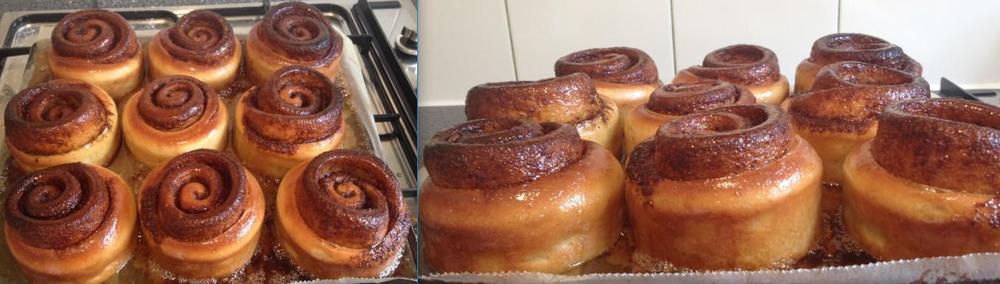
-
Your Daily Sweets: What Are You Making and Baking? (2017 – )
Pete Fred replied to a topic in Pastry & Baking
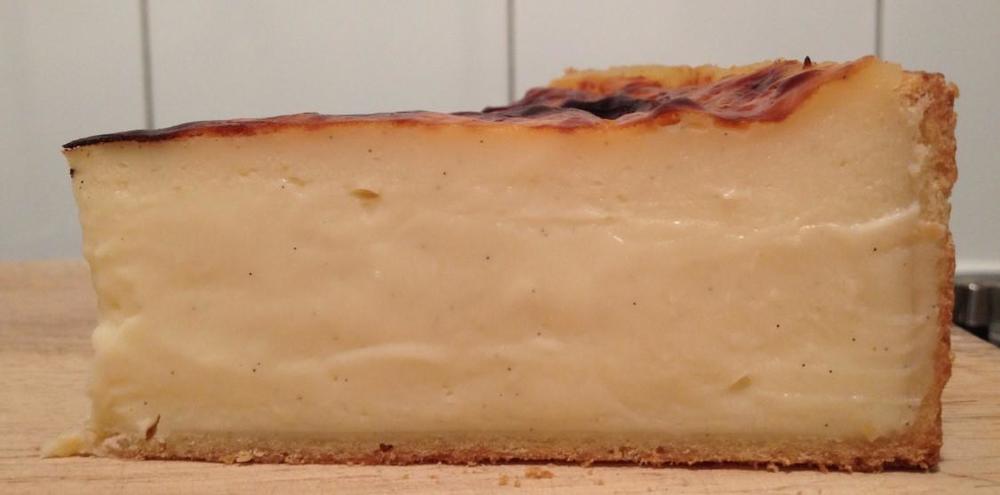
I took a Flan Parisien round to a friend's. (Hence the artier than usual photography.) In French it's crème pâtissière in a pâte brisée case; in English it's a custard tart; and in American it'd be pastry cream pie, I guess. And here's a bonus picture taken back at mine that demonstrates exactly how expensive vanilla beans are becoming these days. A couple of years back, there would've been waaaaaaaaay more seeds than this paltry amount. 😞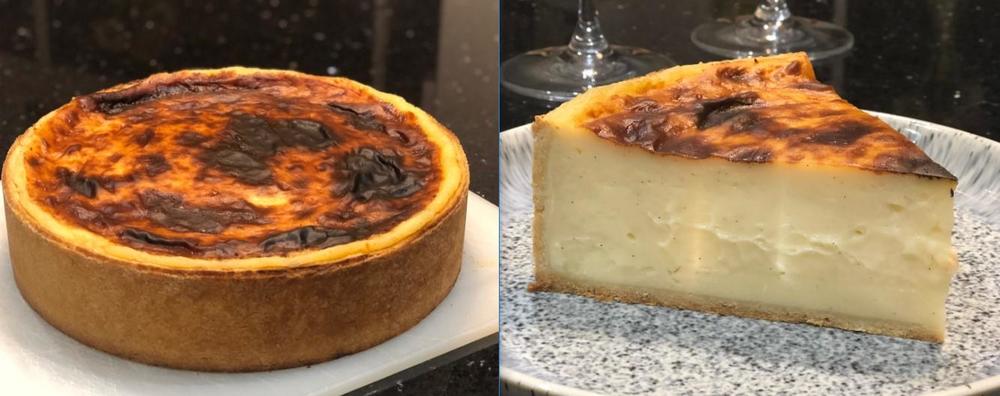
-
Your Daily Sweets: What Are You Making and Baking? (2017 – )
Pete Fred replied to a topic in Pastry & Baking
Oh dear. I dread to think what I've stumbled into. 😱 I think it's just low quality supermarket produce. I'm not sure if we're talking about the same thing. These were (I think) Zante currants, quite small and a touch gritty. The recipe called for "plump currants" so maybe he had something a little better in mind. I think that's for a different message board. On the Dark Web, maybe. 😏 -
Your Daily Sweets: What Are You Making and Baking? (2017 – )
Pete Fred replied to a topic in Pastry & Baking
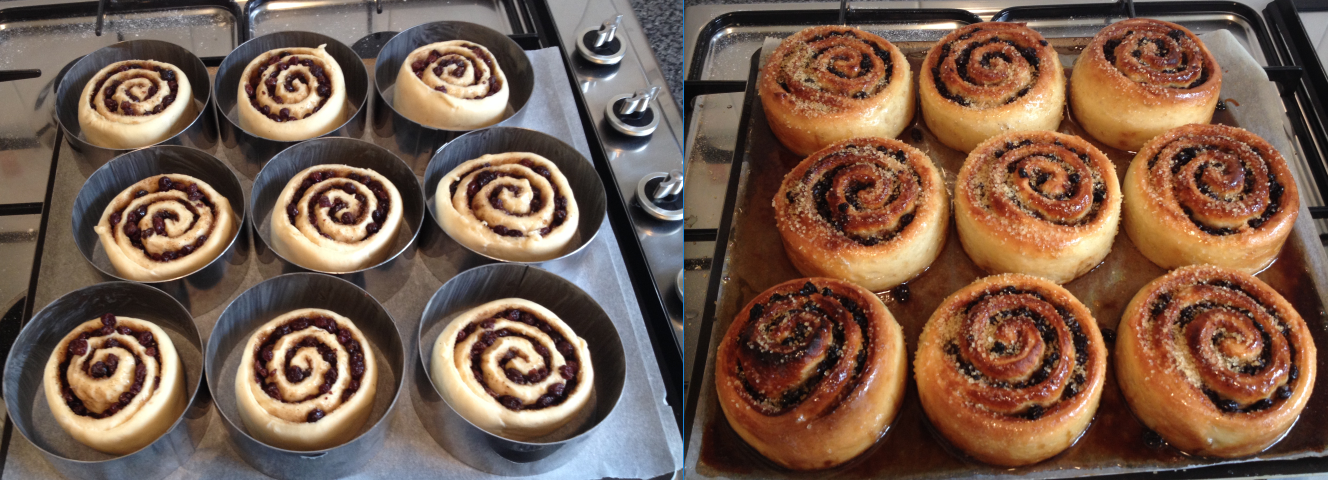
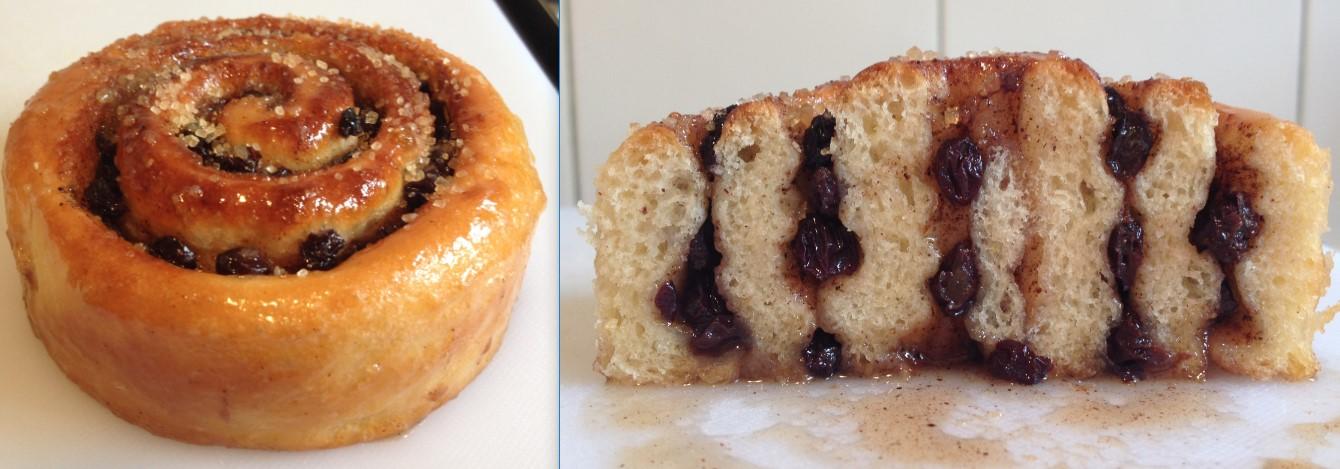
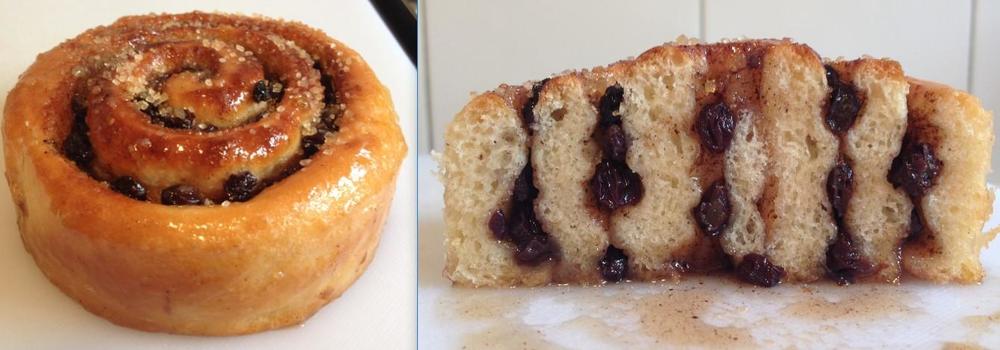
I made Chelsea Buns, which I suppose are kind of a UK version of cinnamon rolls or sticky buns. It's an enriched dough filled with brown sugar, spice and currants. I used individual 10 cm (4 inch) rings rather than baking them in the traditional stuck-together way. Here they are before proofing and after baking. That pool of liquid is a sticky glaze (simple syrup) that's poured over the buns for the last two minutes of baking. As it cooled and thickened a little, I scooped it up and poured it back on top and down the sides of the buns. The original recipe - by Justin Gellatly in the Bread Ahead Cookbook - flavours the syrup with Cassis, but I had none. I wish I'd have used some other flavouring to lift it because it was just too one-dimensional sweet. Vanilla or citrus would have helped. The currants are traditional, but they're pretty tasteless so I think raisins would be better next time.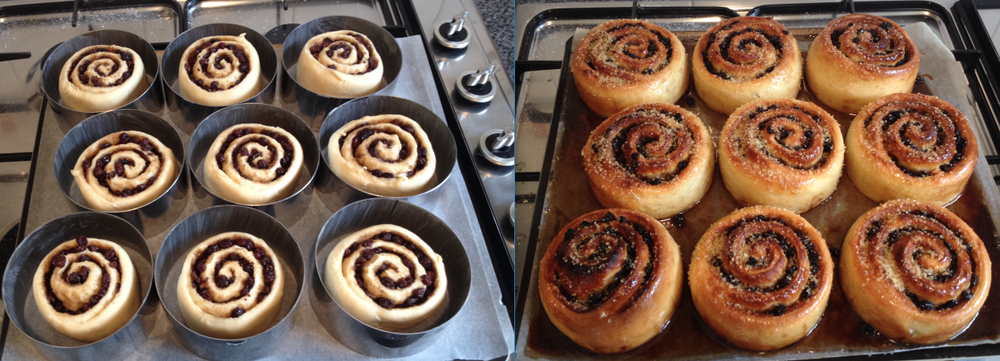
-
Your Daily Sweets: What Are You Making and Baking? (2017 – )
Pete Fred replied to a topic in Pastry & Baking
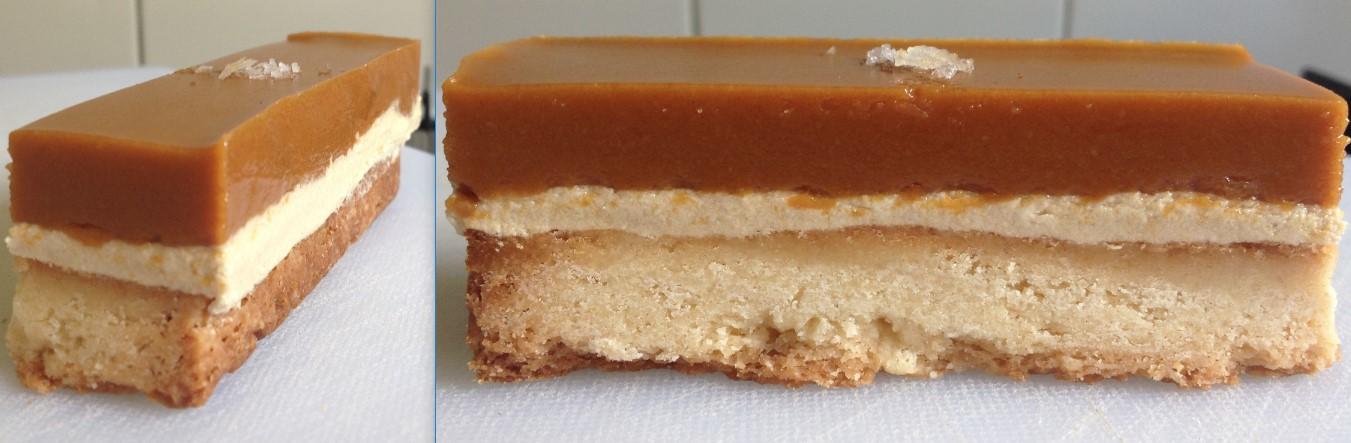
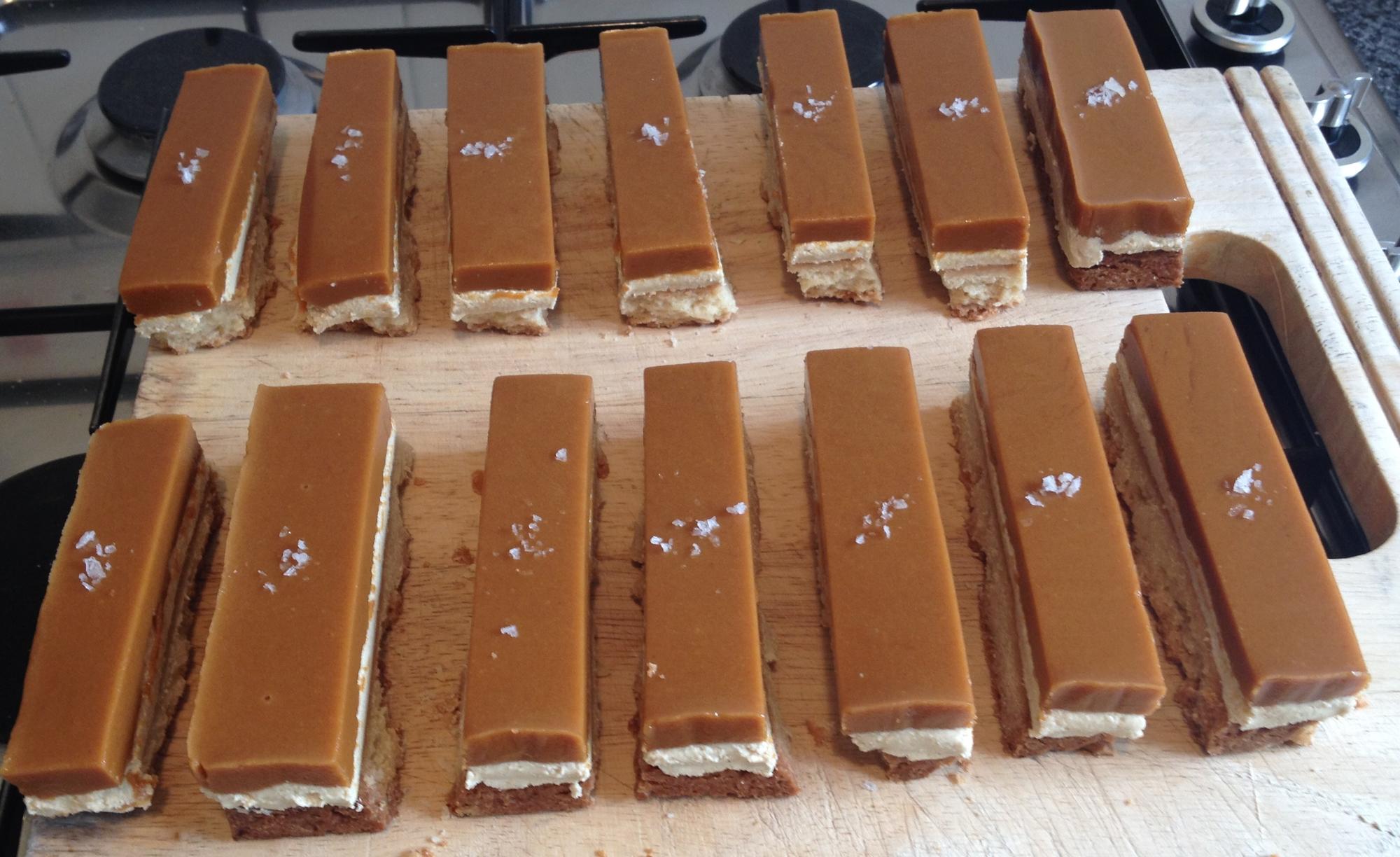
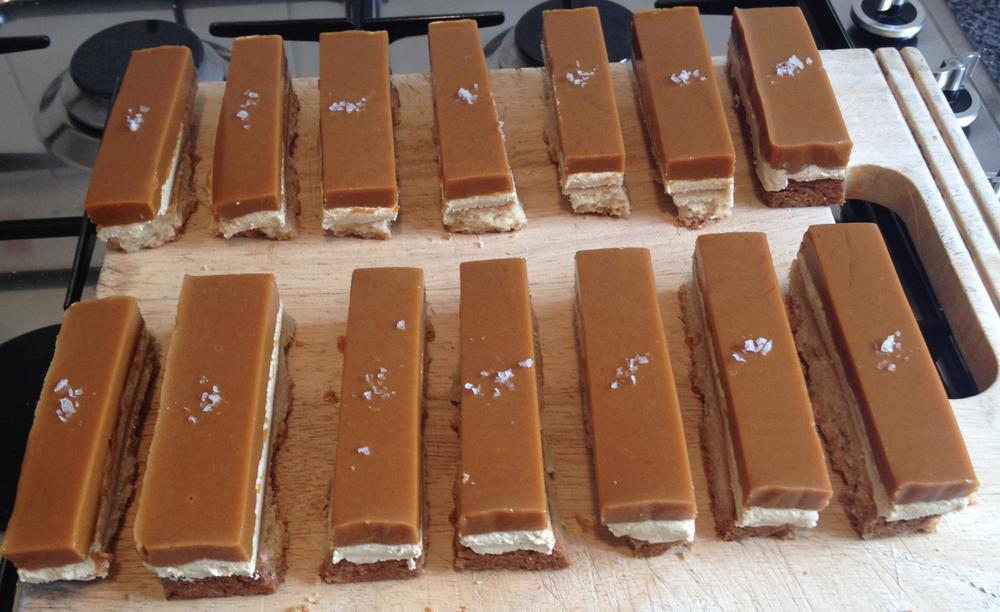
Continuing to work my way through Yotam Ottolenghi's Sweet. This time Middle-Eastern millionaire's shortbread. It consists of a shortbread base, a layer of halva, and a tahini caramel topping. And very tasty it was, too. Quite sweet, but a nice mix of textures. However, there were issues. It was quite difficult to cut cleanly, as you can see when not picking the prettiest and zooming out a little. 😉 The base is quite dense and crumbly, so the knife can slip sideways when pressing down. Some decent-sized chunks broke loose. It doesn't help that the middle layer just sits loosely on top of the base and can move horizontally. All in all, it's just not pretty when portioned. The problem may lie in the shortbread which is baked fairly rapidly at too high a temperature for my liking, so I'd swap it for my regular one next time. The middle layer is unusual, being simultaneously powdery and creamy. Weird, but nice. The issue with separating from the base is annoying, though. But what I liked most was the tahini caramel. This was very good. Give it a go if you have some tahini on hand. (Ottolenghi uses the Israel/Lebanese type that's smooth and creamy.) It's definitely a surprising twist on a familiar element. I'm not sure I'd agree with Mr Ottolenghi that the final product isn't "cloying". That halva and caramel combo is the very definition of "cloying" to me. But in a good way.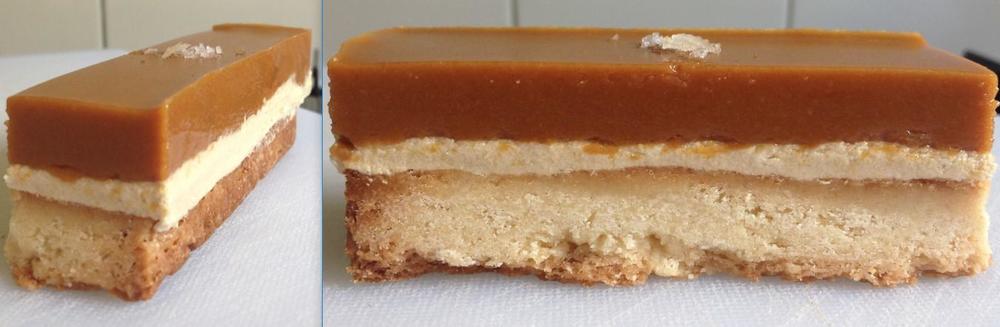
-
Your Daily Sweets: What Are You Making and Baking? (2017 – )
Pete Fred replied to a topic in Pastry & Baking
I had some surplus cream so made free-standing crème brûlée. This loop is hypnotic. Viewer discretion is advised.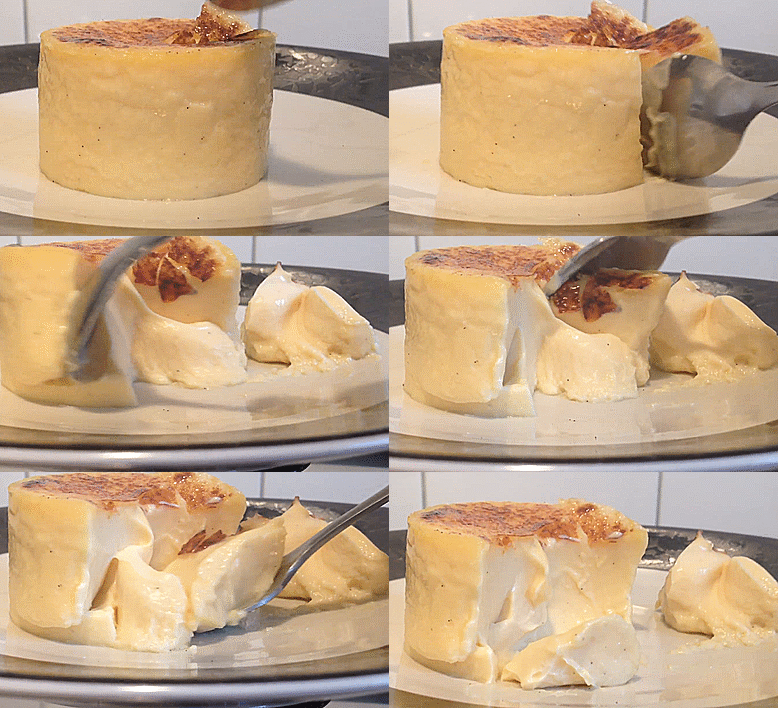
-
Some chefs use machines that both line and bake the tart shells. No doubt Cuisinart will be releasing a home version any day now. 😉 And here's the same fella going old-skool and using strips of pastry.
-
I'm sure's there's some tiny risk. Just like cancer causing chemicals could be leaching out of plastic bottles and contaminating my drinking water. Or radiation from the mobile phone in my jeans' pocket could be sterilizing my gonads. Or microscopic toner particles from my laser printer could be clogging up my lungs. All of those have been shown to be real. However, they are not things I choose to worry about. If I concerned myself with every potential hazard that I encounter daily, however ridiculously small, I might as well construct a giant Biosafety Level 4 cabinet and never step foot outside of it, contenting myself that my miserable existence was to some greater end and serving a useful purpose. But I would be wrong. If anybody is worried about toxic clingfilm poisoning, please feel free to ignore me and abstain from lining your tarts with it.










.jpg.ad873e5abda5f3ab8d0e56cc3ab49123.jpg)