
Phil Bard
-
Posts
5 -
Joined
-
Last visited
Content Type
Profiles
Forums
Store
Help Articles
Everything posted by Phil Bard
-
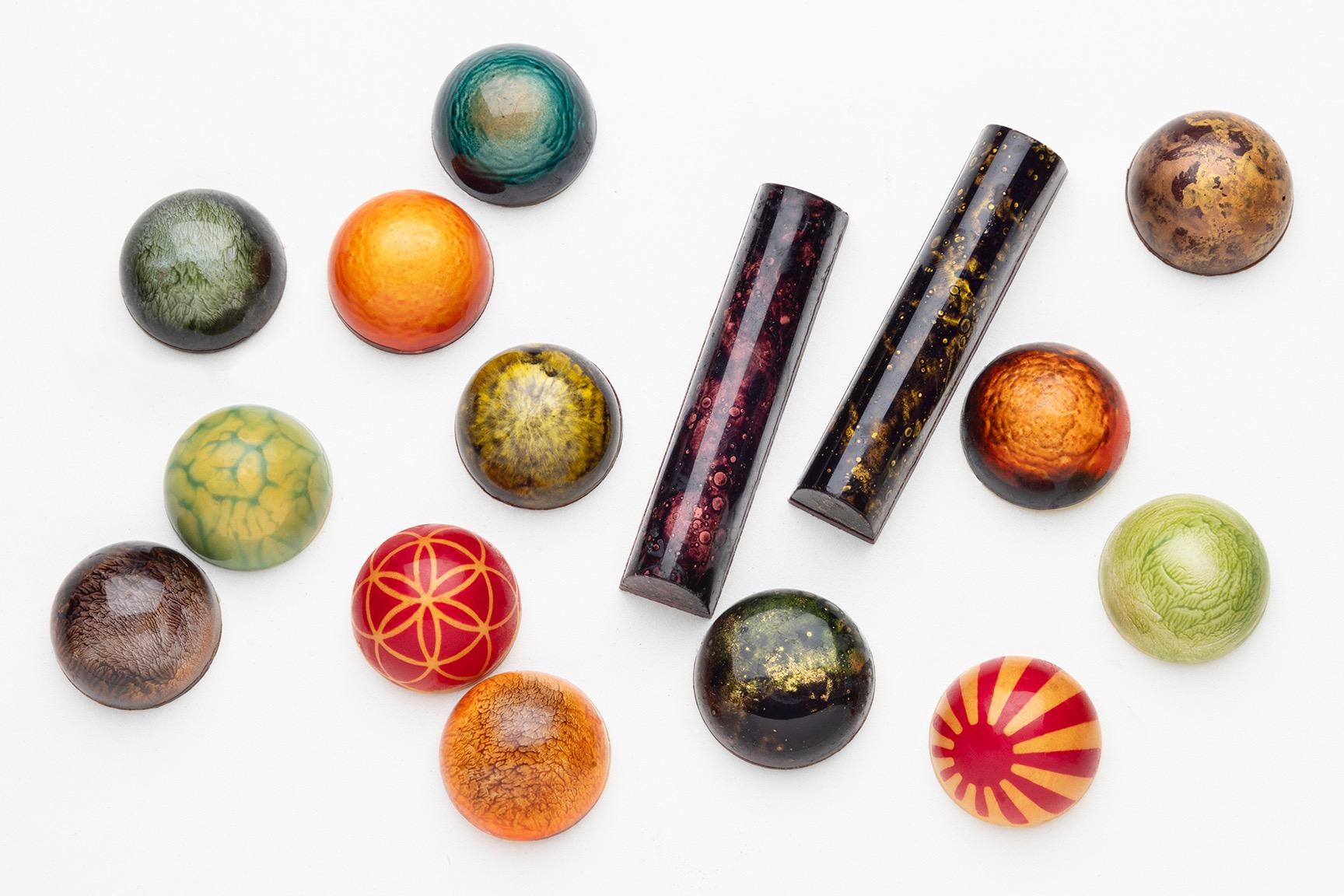
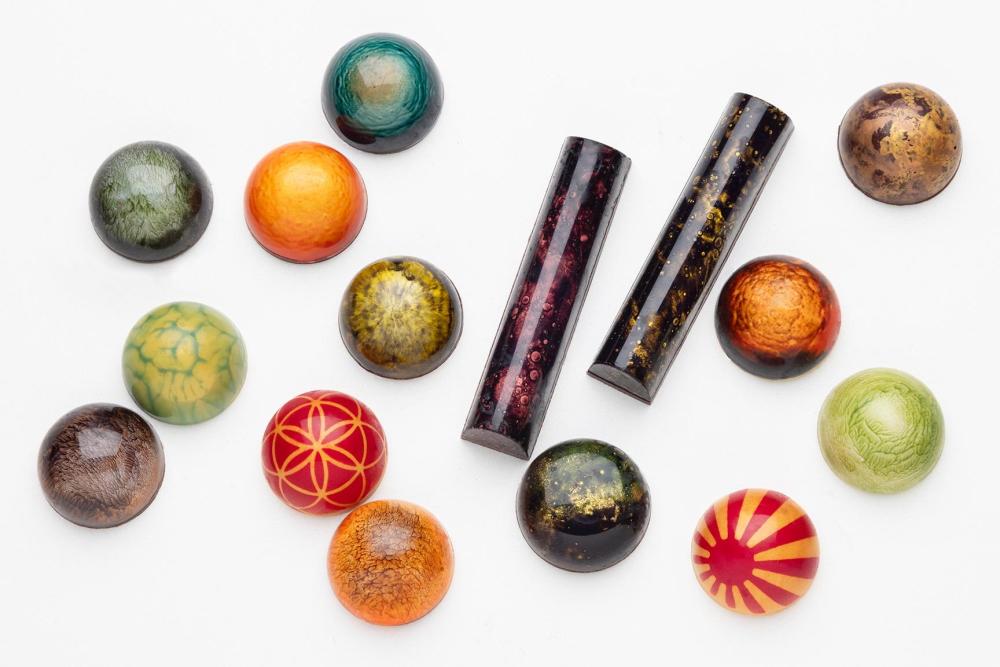
Hello All, Started making bean to bar chocolate back in October on a whim, thought that was going to be the main pursuit, but now I've been bitten by the bonbon bug. Particularly inspired by Dubovik's techniques and have tried a few of them out as well as others I've seen posted here and on Instagram. I appreciate all of the great info that members of this forum have offered, and I've learned a great deal in a short time from perusing various topics, so thanks for that. Here are a few that I like.... Cheers, Phil
-
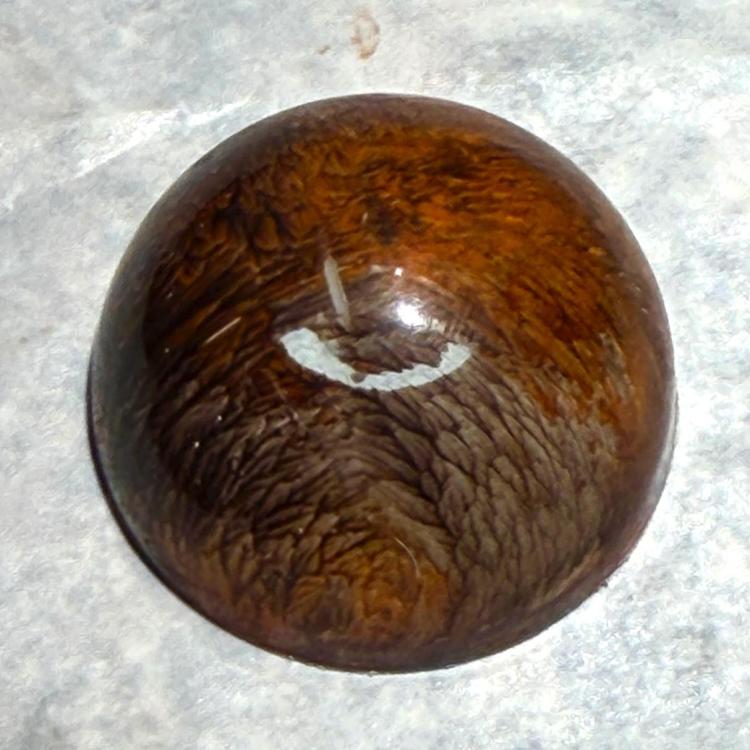
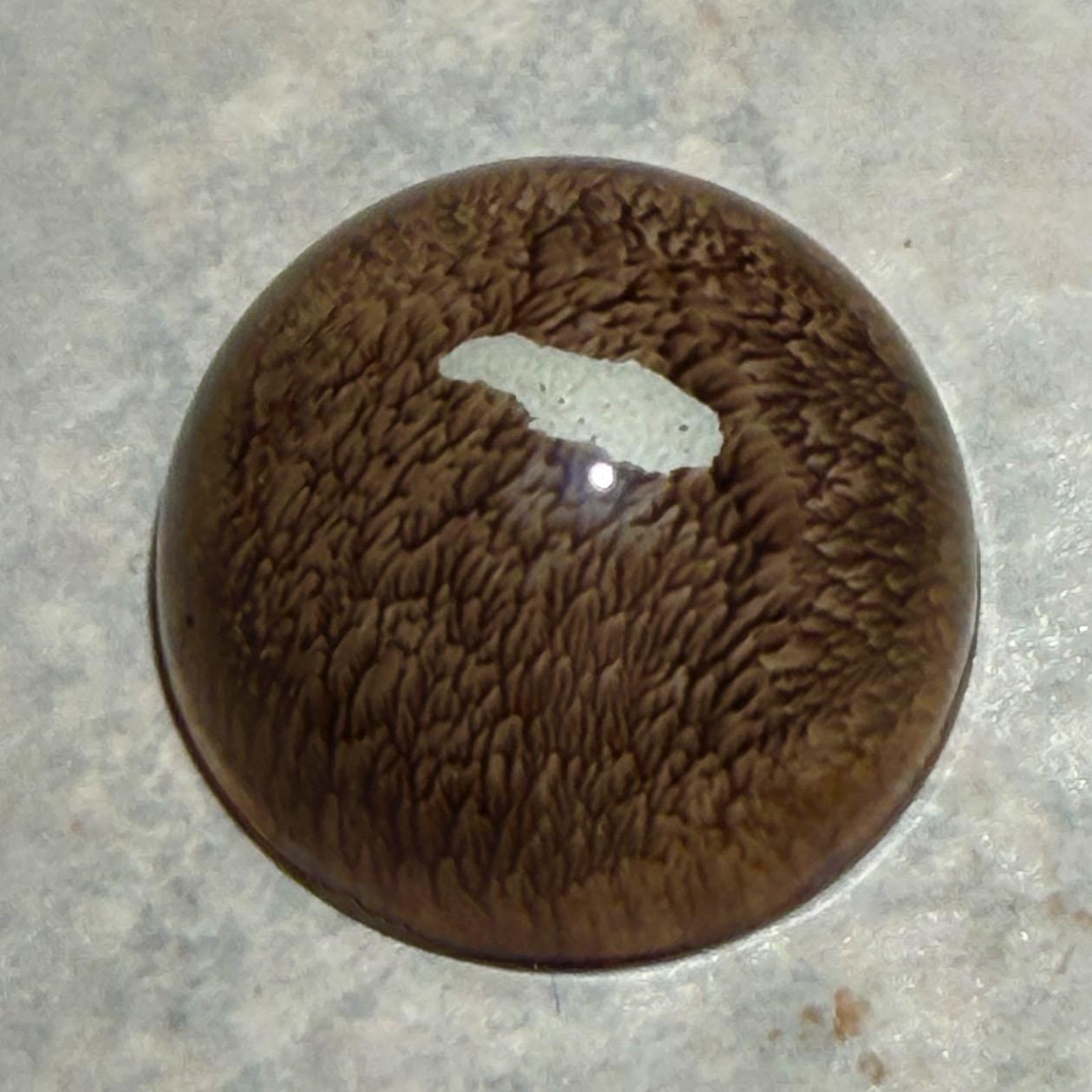
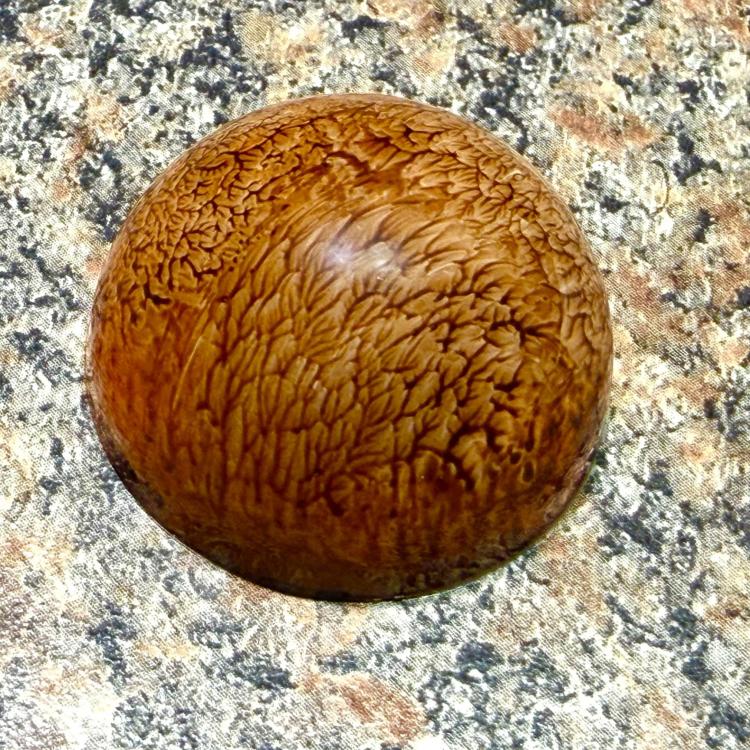
Hi Pastrygirl, Thanks for the info, yes, I realized just last night that I was probably cooling too much. I saw a mention that it might be best to do the shelling soon after coloring the cavities so the chocolate and the butter both pull away from the mold together. I ran another batch this morning (with the compressor I got for Xmas, yay) and followed that procedure. I rolled a bunch of the shells and every one is perfect, below is one. I'm still very puzzled why in the past some of the shells that I've inspected before filling and capping end up sticking on de-molding, any opinion on that? Compression from the spatula while pushing the chocolate out when applying acetate? Also, what are you chilling with, a standard fridge or a humidity controlled unit? We are wet, but fortunately not torrentially like SoCal. I used to live down there and I'm glad I left... Cheers, Phil
-
Jim, Interesting that the over tempering can occur with movement, hopefully I can overcome this as I like the look of what I'm getting. With further research I ran across some mention of the fact that it might be a good idea to shell sooner rather than later, as it helps the CCB and the chocolate separate together. I'll try that along with the sylk and see if it helps. I may also mix new pigment in case the ones I'm using were overheated in the microwave (don't remember exactly but I know I got pretty warm on one of them previously). Yes I'm familiar with Virginia summers, I went to high school in Annandale and college at W&M back in the 60's. Don't miss those months although out here we have to deal with the rain in winter. Just have to find good indoor projects or put the rain gear on and head out... Phil
-
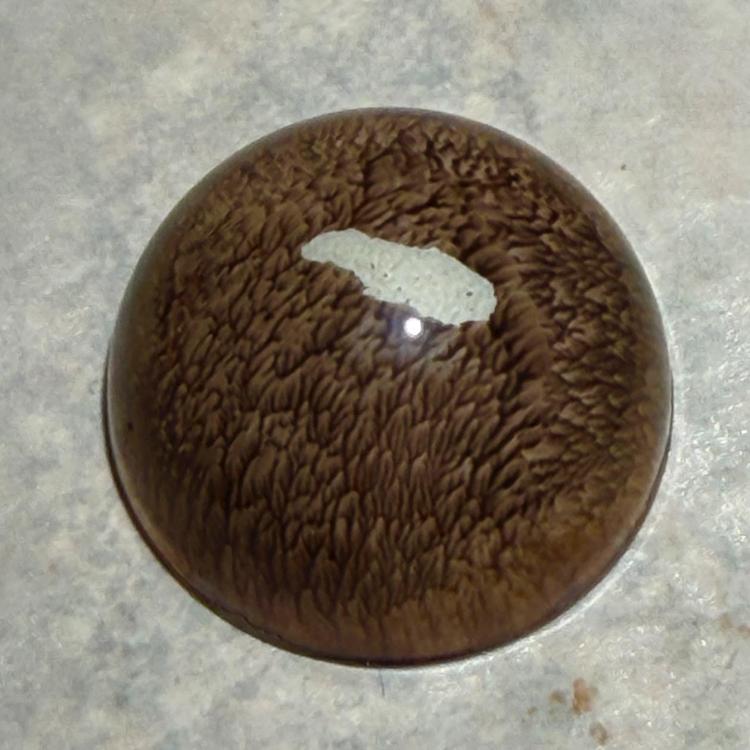
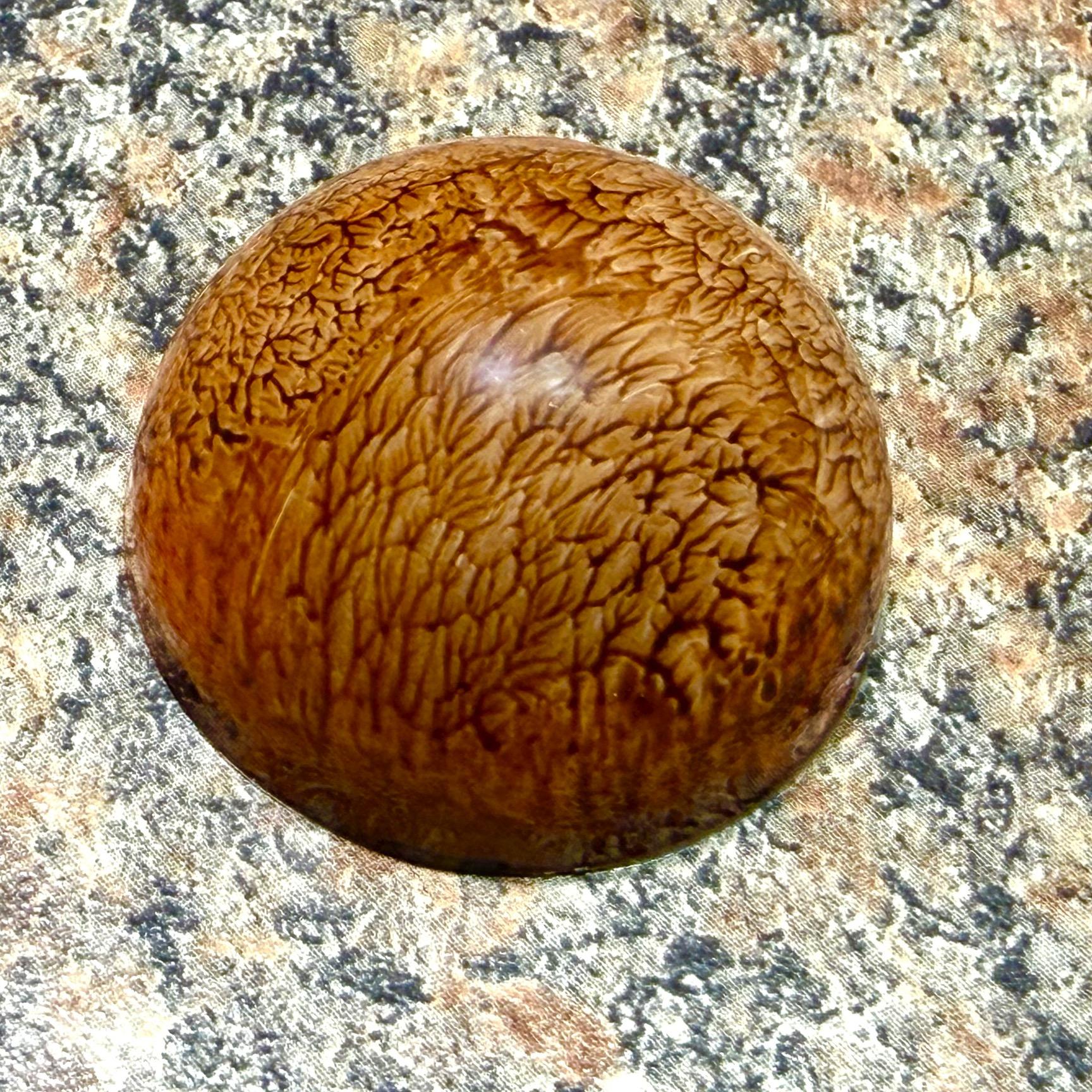
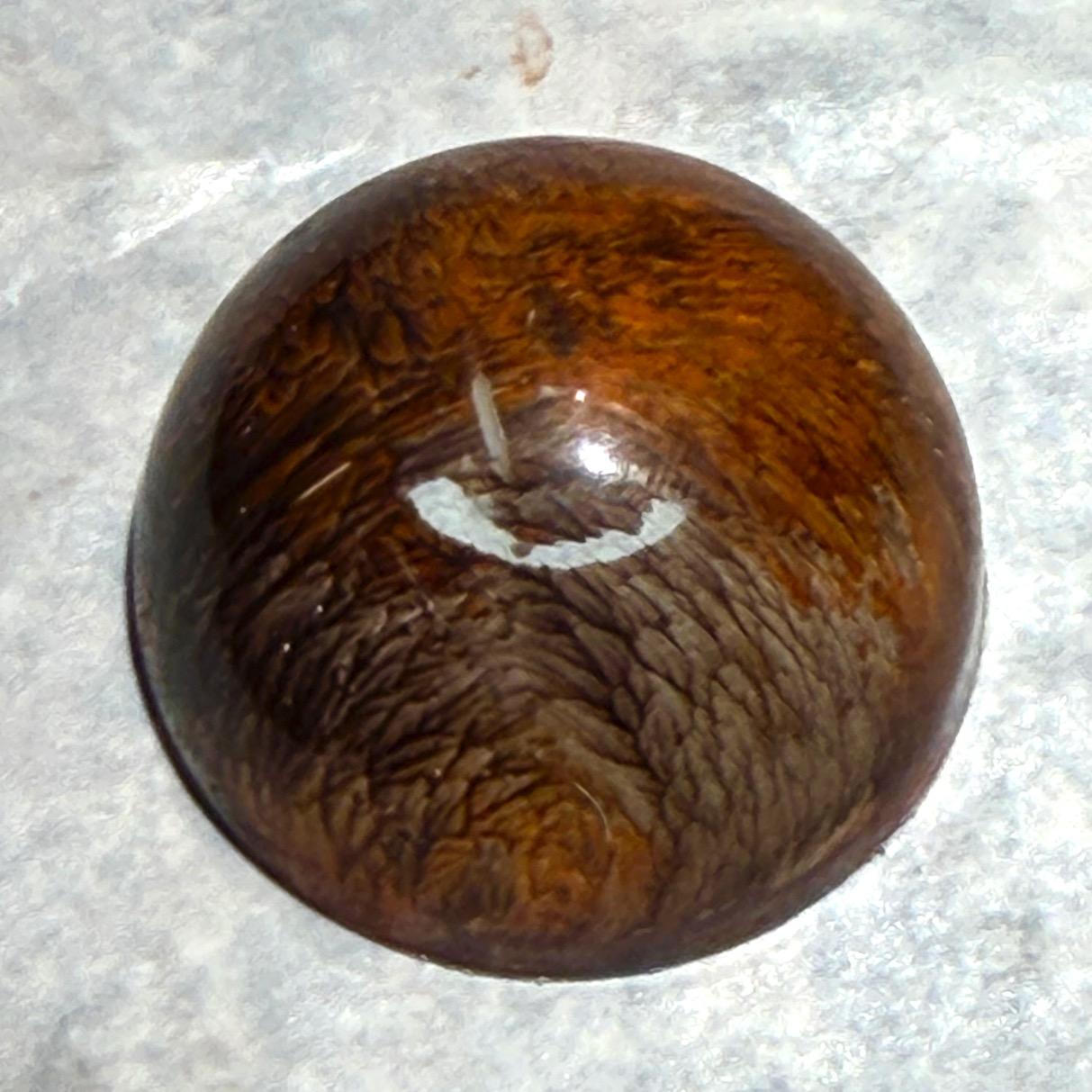
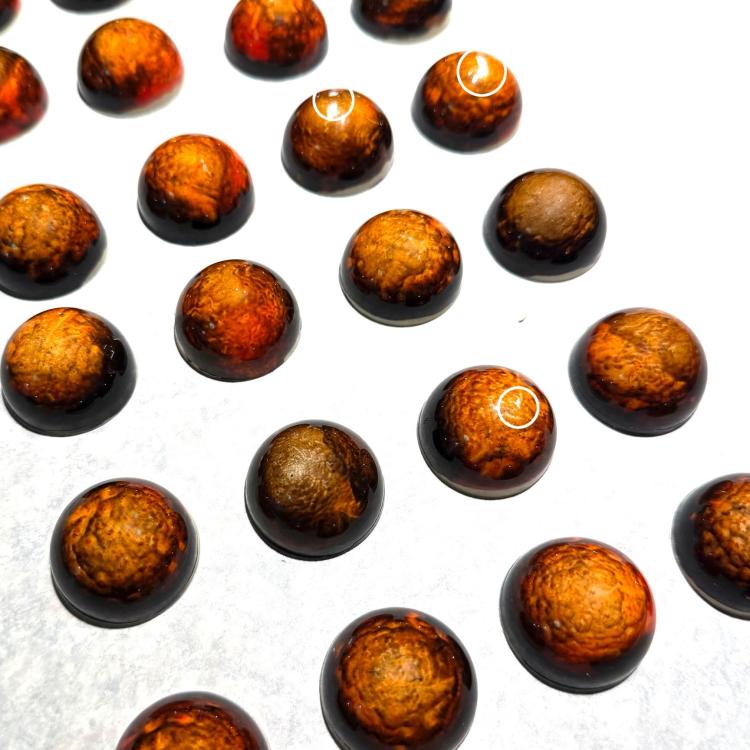
I'm using a silicone stamp I made from pouring silicone molding material into the cavities I'm coloring, it's the same size. Then I just add color and swab the stamp to get the pattern I like. I guess the question I have is does this interfere with good crystallization even if the cb is well tempered. That's a reasonable suggestion about testing, I'll check the butter on parchment next time I try this. I would think that the fact that most of the surface of my bonbons is very shiny would indicate the cocoa butter is tempered. And I have used the first method successfully on cocoa butter applied by my finger, everything released and the chocolate came out quite shiny. The first problems I had with sticking were when I replicated one of Andrey Dubovik's techniques, blowing on drops of cocoa butter in the cavities. Most of the bonbons came out fine, but a few stuck, see the image below. Then it continued when I made the stamp. What is truly puzzling me is why the stamped bonbons I made today and rolled over to inspect just after shelling were perfect, but then got stuck after adding ganache, capping and de-molding. I don't think the ganache was warm enough at 75F to melt the cb, but I suppose it's possible. Capping wouldn't do it would it? And if it did I would expect sticking near the point where the shell joins the cap. My interpretation of the Harvey method is that you destroy all crystals, then allow only V to form as you never drop the temp low enough for any of the others to do so. At first I didn't get the part in Method 1 about lowering the temp so far, why let any of the other forms proliferate? But recently I ran across a nerdy/science vid on YouTube that explained the reason was that the further below the melting point of V you go, the faster the V crystals form. Even though you get down low enough for IV, V will proliferate very quickly, faster than if you stayed up at 92F or so. Raising the temp back above 78F kills off the IV and you have built a much more extensive network of V in less time. I'm going to try using sylk the next time I mix colored cb, it's the method I've used without fail on bar chocolate and I have lots of sylk. That would take the temperature manipulation regimen out of the equation. Thanks for your feedback, on Christmas Eve no less! Hope you enjoy your holiday. Phil
-
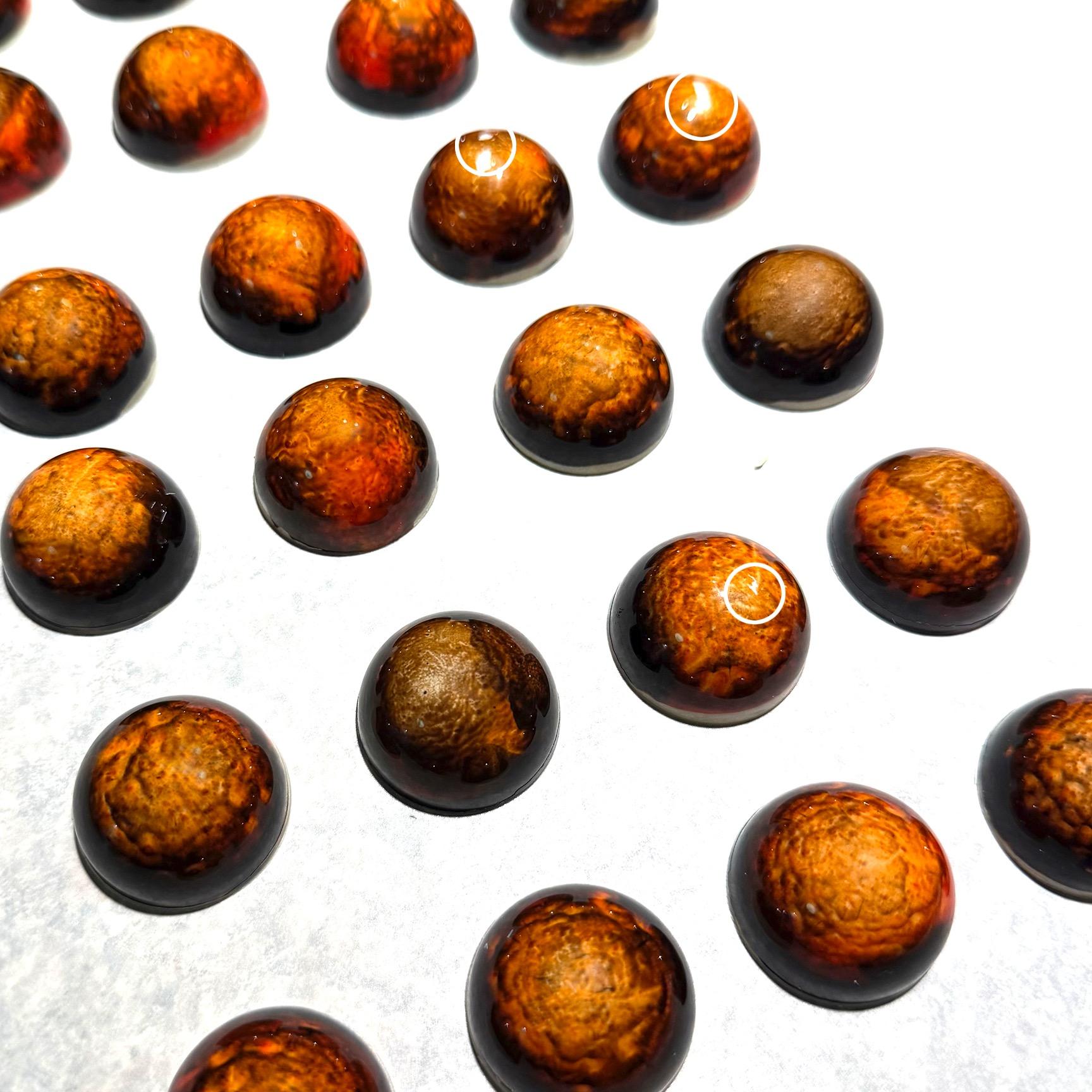
Hello All, brand new to this forum and this is my first post. Sorry it's a bit long. I started making chocolate from beans this past October, lots of fun and I've been fairly successful. In the beginning of December I started on bonbons with colored cocoa butter and it's also been fun and for the most part successful. Early attempts at hand brushing and airbrushing colored cocoa butter in the polycarbonate mold cavities were fine, everything was releasing OK. About a week ago I started having problems with the color sticking to the mold, almost always at the crown of the hemisphere. I'm working with colors made from mixing fat dispersible pigments (Roxy and Rich) at around 10%. I've read a number of posts on this forum and elsewhere about it, people point to improper tempering most often, with mold and ambient temperature mentioned as well. I've tried two of the most suggested techniques for tempering the butter. First was heating to 105F (40C), then cooling to 78F (26C), then heating back up to 86F-89F (30C-31C). Today I went with the technique mentioned by Kriss Harvey and others, heat to 100F (38C), then cool to 86F (30C) and use. I had failures in about 1/3 of the 24 cavities of the mold in BOTH situations. The overall process: The molds are washed in warm water with dish detergent, dried and fastidiously cleaned with a cotton puff. With the mold at room temperature I use a stamp to put the color in the cavity, repeatedly working it to get the pattern. Then spray a thin coat of white. I refrigerate briefly then let the mold sit for a couple hours at room temperature. For the shell, I've used both white chocolate and dark, it doesn't seem to matter. Shell thickness is not terribly thin or overly thick compared to what I've seen in demo's online. The shell chocolates are properly tempered with sylk. I refrigerate for 10 minutes after shelling. Then let the molds sit for a number of hours at room temperature before adding ganache (at 75F usually), then refrigerating briefly until the fill sets. Then I cap, again with tempered chocolate at around 89F (32C). After scraping once I add a small amount of chocolate and an acetate sheet, and spread flat with the spatula. Once again I refrigerate briefly. I've been going into the fridge right away and wonder if I should be waiting a bit beforehand, I've seen this suggested but in my lack of experience I don't know why this should matter. After this I have tried waiting just an hour to de-mold, and also waiting about 4 hours. I still get failures here and there. In the early attempts before this problem showed up, I was de-molding within an hour of coming out of the fridge and had good releases, but that wasn't when I was using the stamp to manipulate the color so I'm wondering if that is a factor. Also, I live in the Pacific NW and its been pretty rainy lately, so humidity is high outside, but only around 50% in my home. **Here's something that I did today that puzzles me, and may indicate where the problem lies. After shelling and cooling, I turned over half of the shells in the mold. All were perfect. But after filling, capping and releasing, some of those stuck (???). I expect there is a wealth of experience here, if anyone has anything helpful I'd appreciate it. Thanks in advance. Phil